Artwork
A Pastoral Scene
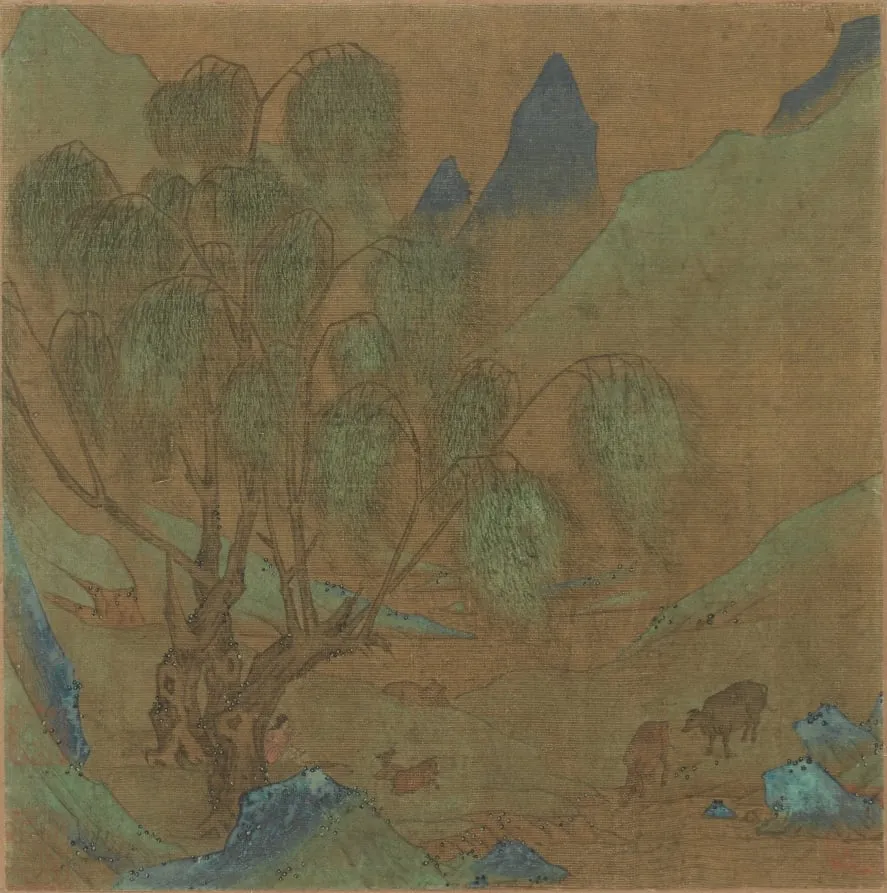
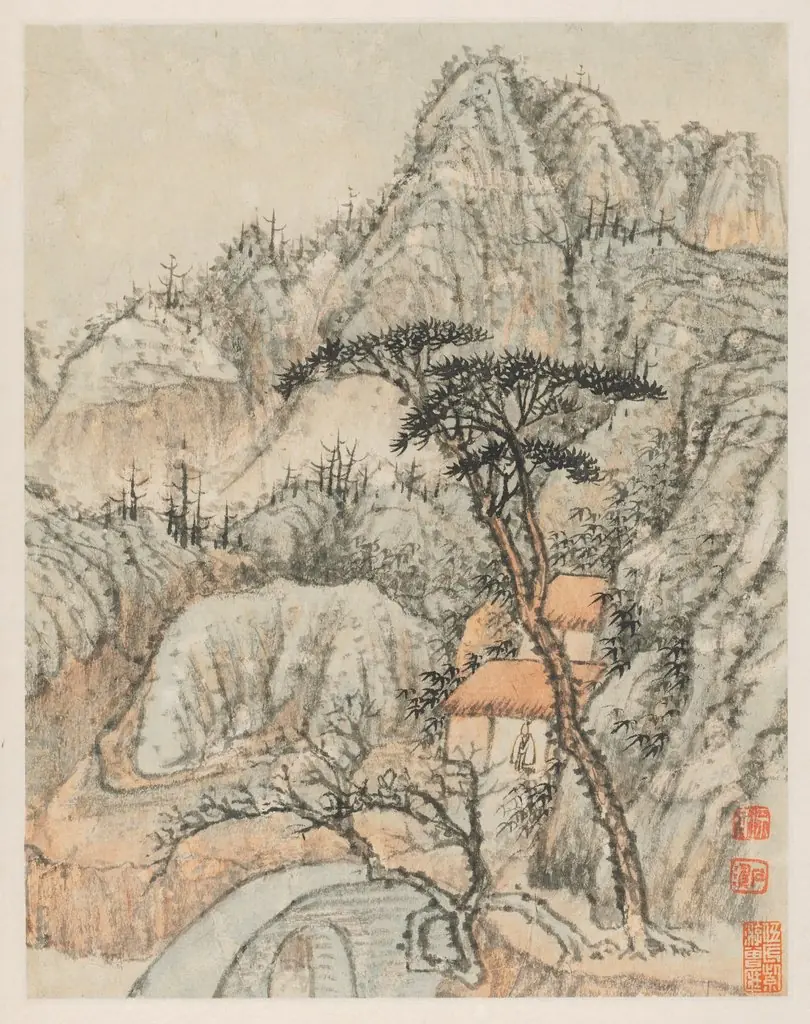
A Pastoral Scene is an unspecified painting by the Song dynasty landscape artist Unknown. It dates from 1320 and is held in the collection of the Cleveland Museum of Art. The work presents a solitary scholar seated beneath a contorted pine, framed by distant mountains rendered in muted blues and greens.
- Accession no.
- 1915.706
About this work
You see a lone scholar sitting under a twisted pine tree, mountains rising behind him in soft blue and green.
You see a lone scholar sitting under a twisted pine tree, mountains rising behind him in soft blue and green.
The colors come from crushed minerals, azurite for blue, malachite for green. Artists used these pigments to hint at a perfect world, far from city noise. The scene feels quiet, like a daydream.
Look up more paintings tagged china, yuan dynasty (1271-1368)? to see how others painted these same blues and greens.
Overview
The work presents a solitary scholar seated beneath a contorted pine, framed by distant mountains rendered in muted blues and greens. The composition conveys a tranquil, almost reverie‑like atmosphere, inviting the viewer to imagine a retreat from the bustle of urban life into a serene natural setting.
Subject & Meaning
The lone figure, traditionally identified as a scholar‑official, embodies the ideal of withdrawal from worldly concerns. By placing him within an unspoiled landscape, the painting suggests that contemplation and inner peace are attainable through communion with nature, a theme recurrent in Chinese literati art.
Technique & Style
The palette derives from ground mineral pigments: azurite supplies the cool blues, while malachite provides the verdant greens. These substances, prized for their vivid yet subtle hues, were mixed with a binding medium to achieve a luminous surface that hints at an idealized, almost otherworldly environment.
Context
Created during the Yuan dynasty (1271–1368), the piece reflects the period’s fascination with pastoral motifs and the use of mineral pigments to evoke timeless landscapes. Comparable works from the era often employ similar chromatic schemes to articulate a vision of harmony between humanity and the natural world.
Artist & collection









- A Pastoral Scene
 Late Scenery Along a Riverbank
 Ramblers over a Winding Stream
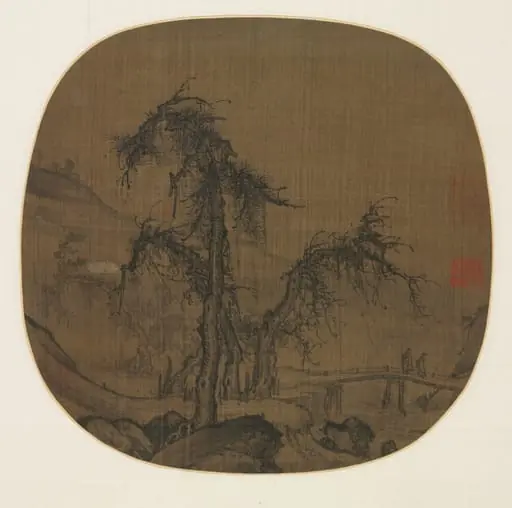 Ramblers over a Winding Stream
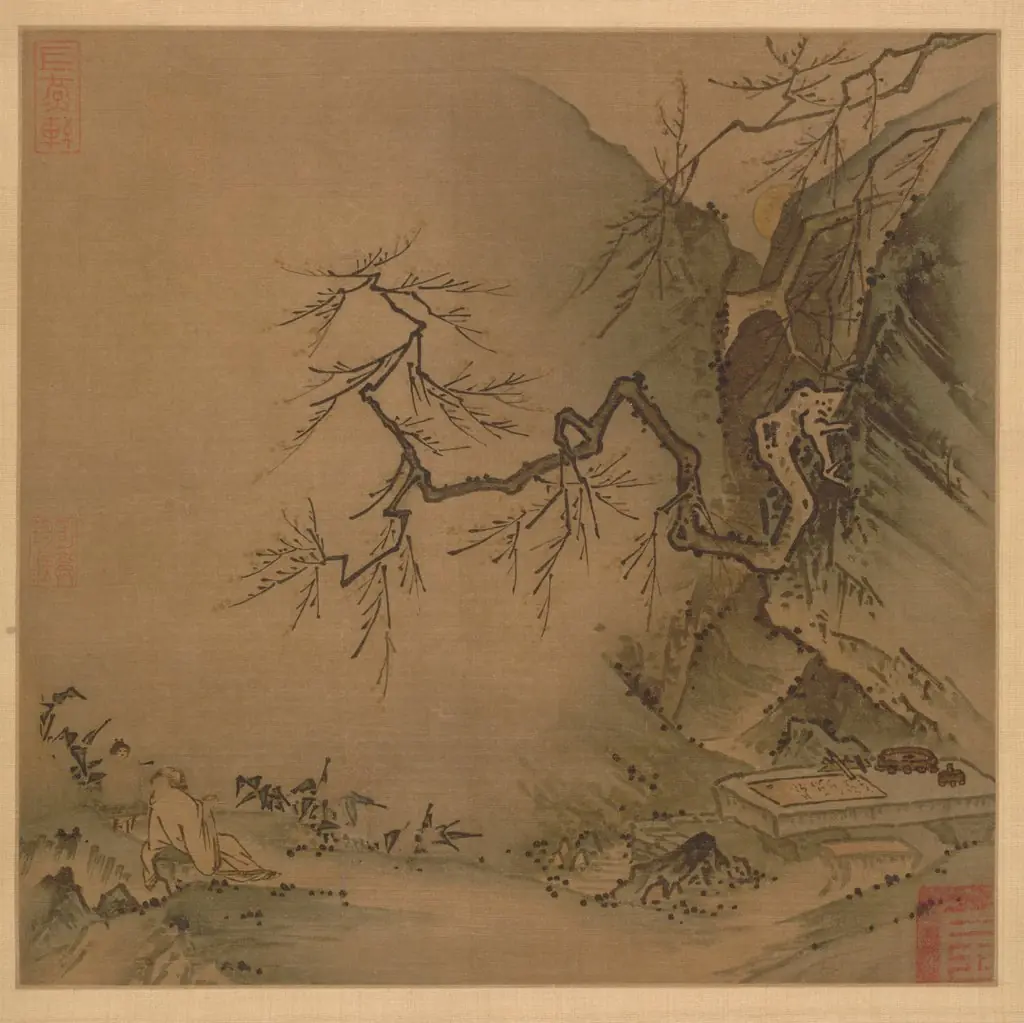 Drinking in the Moonlight
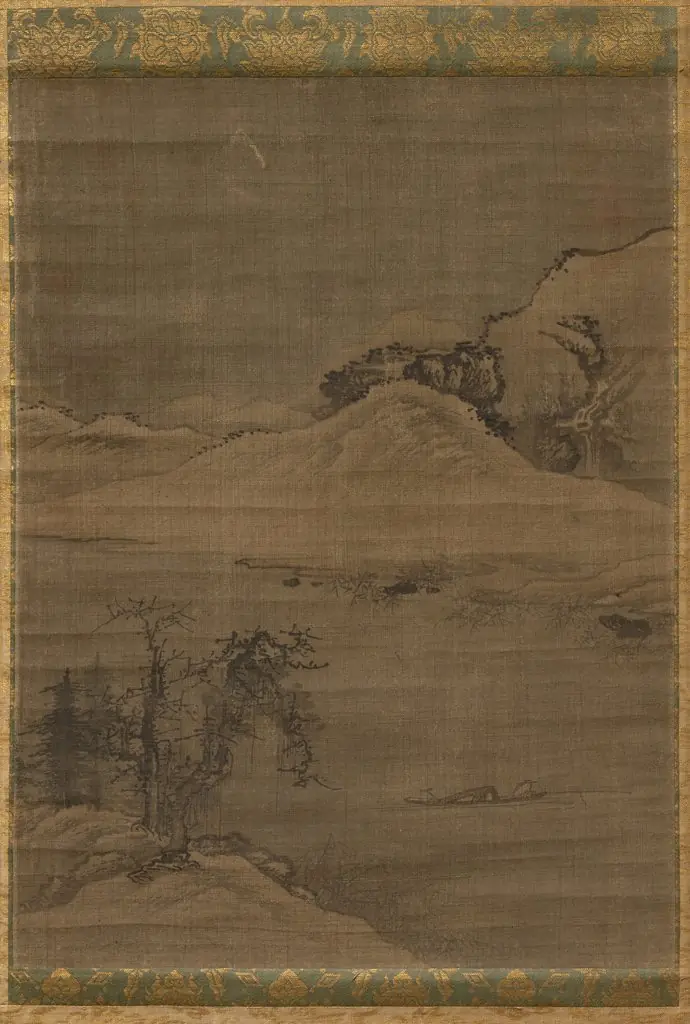 Landscape with Fishermen
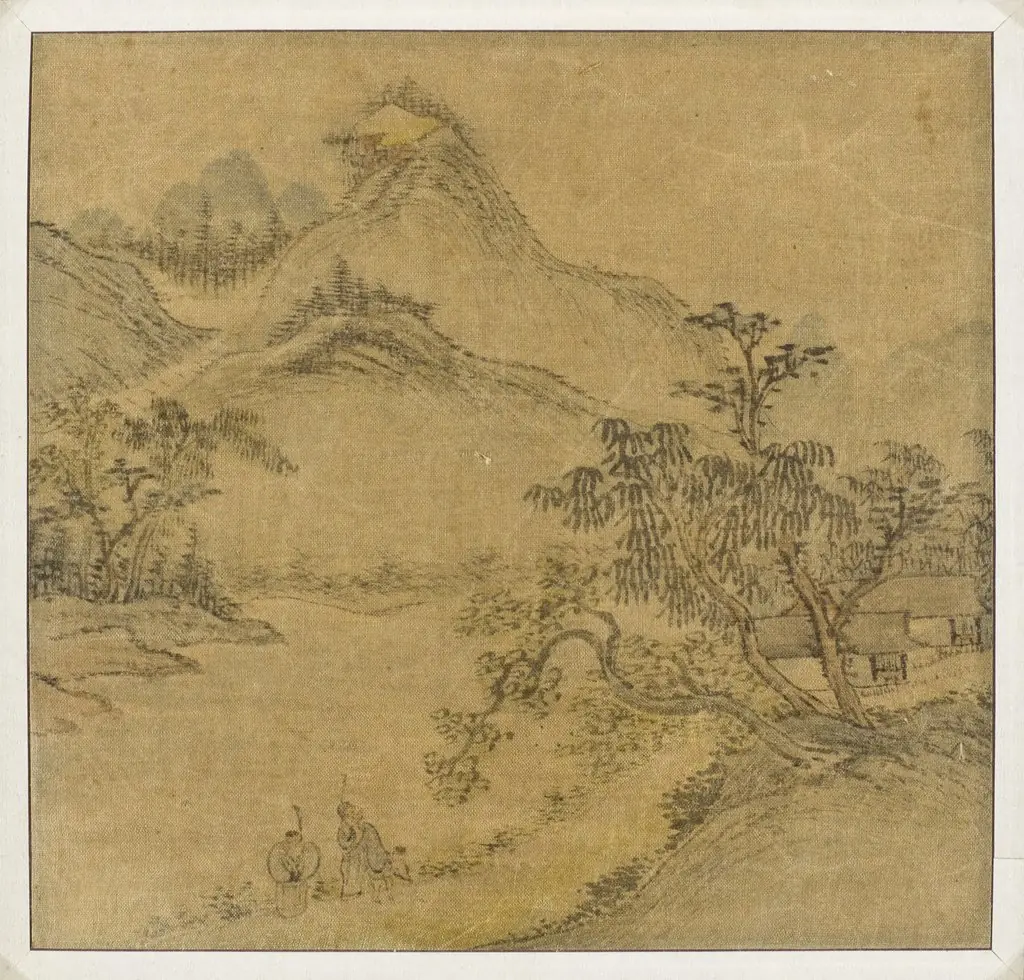 Landscape
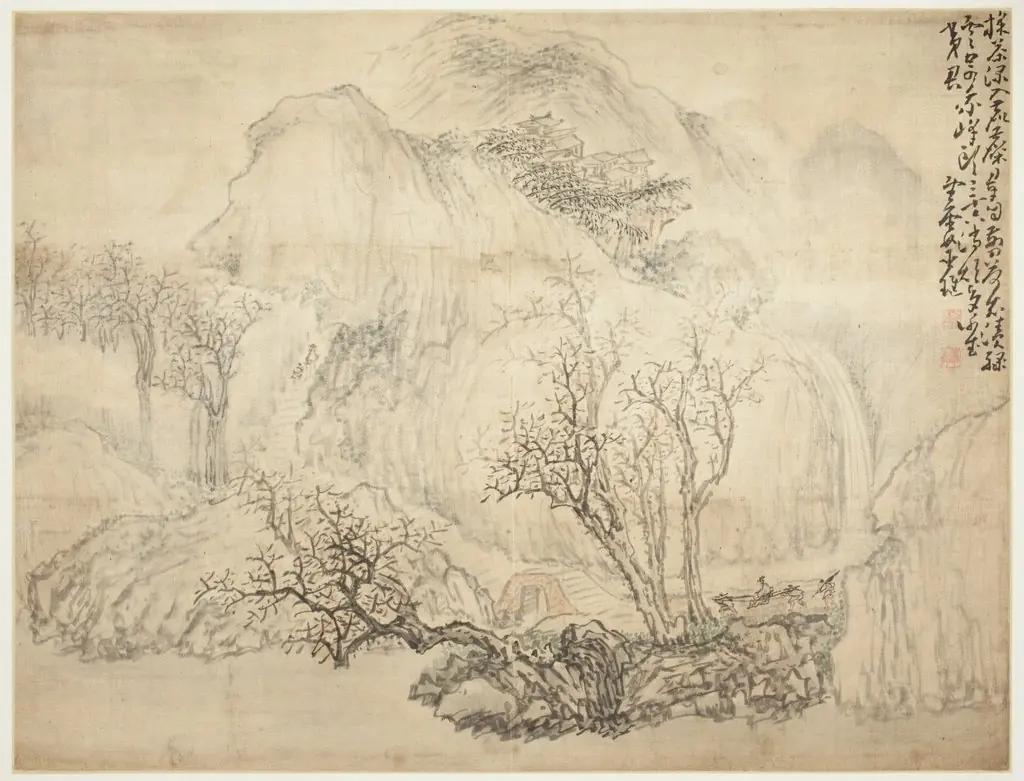 Landscapes and Figures: Landscape
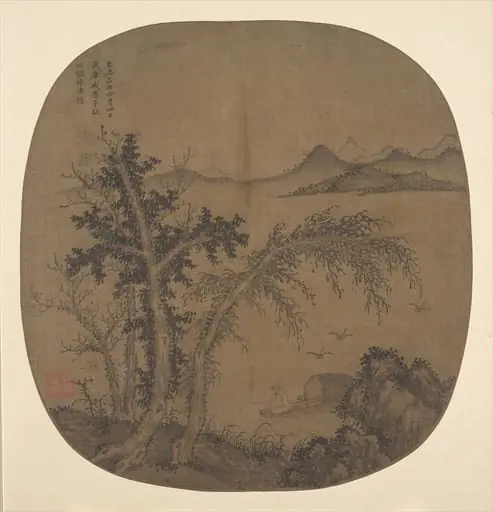 元 盛懋 秋林漁隱圖 團扇|Recluse Fisherman, Autumn Trees
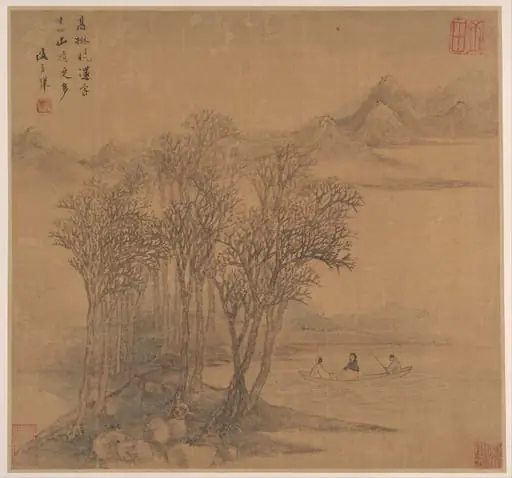 明 盛茂曄 唐詩意山水圖 冊|Landscapes after Tang Poems
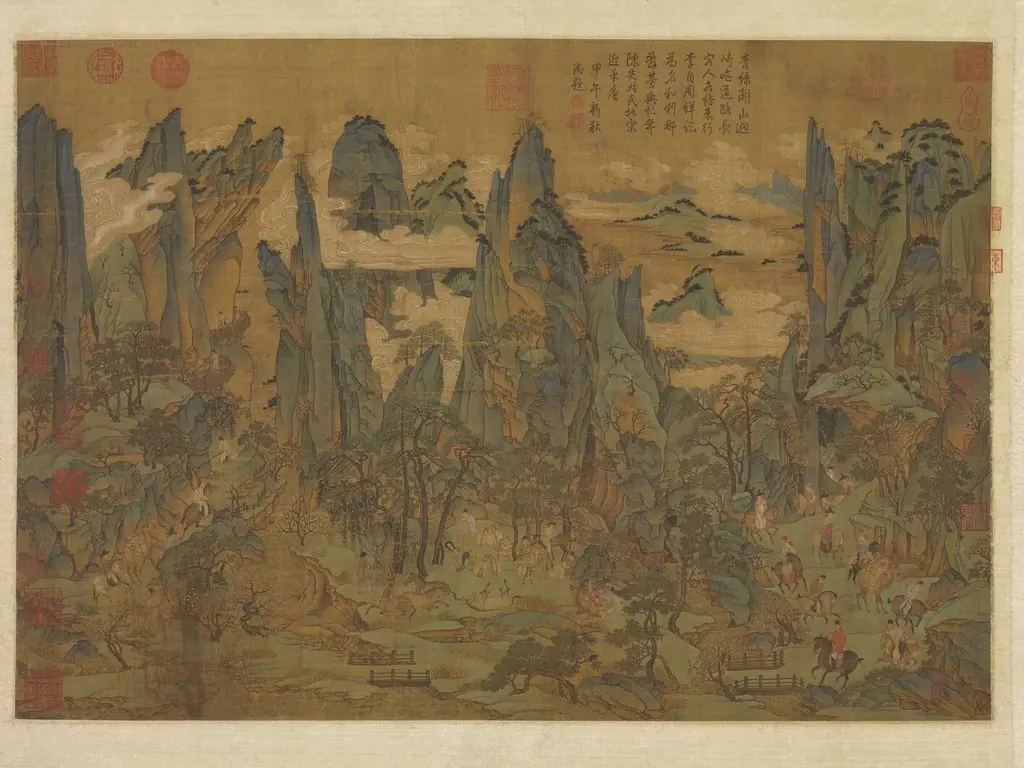 唐人明皇幸蜀圖 軸
 Reminiscences of Qinhuai River