Artwork
Adoration of the Magi
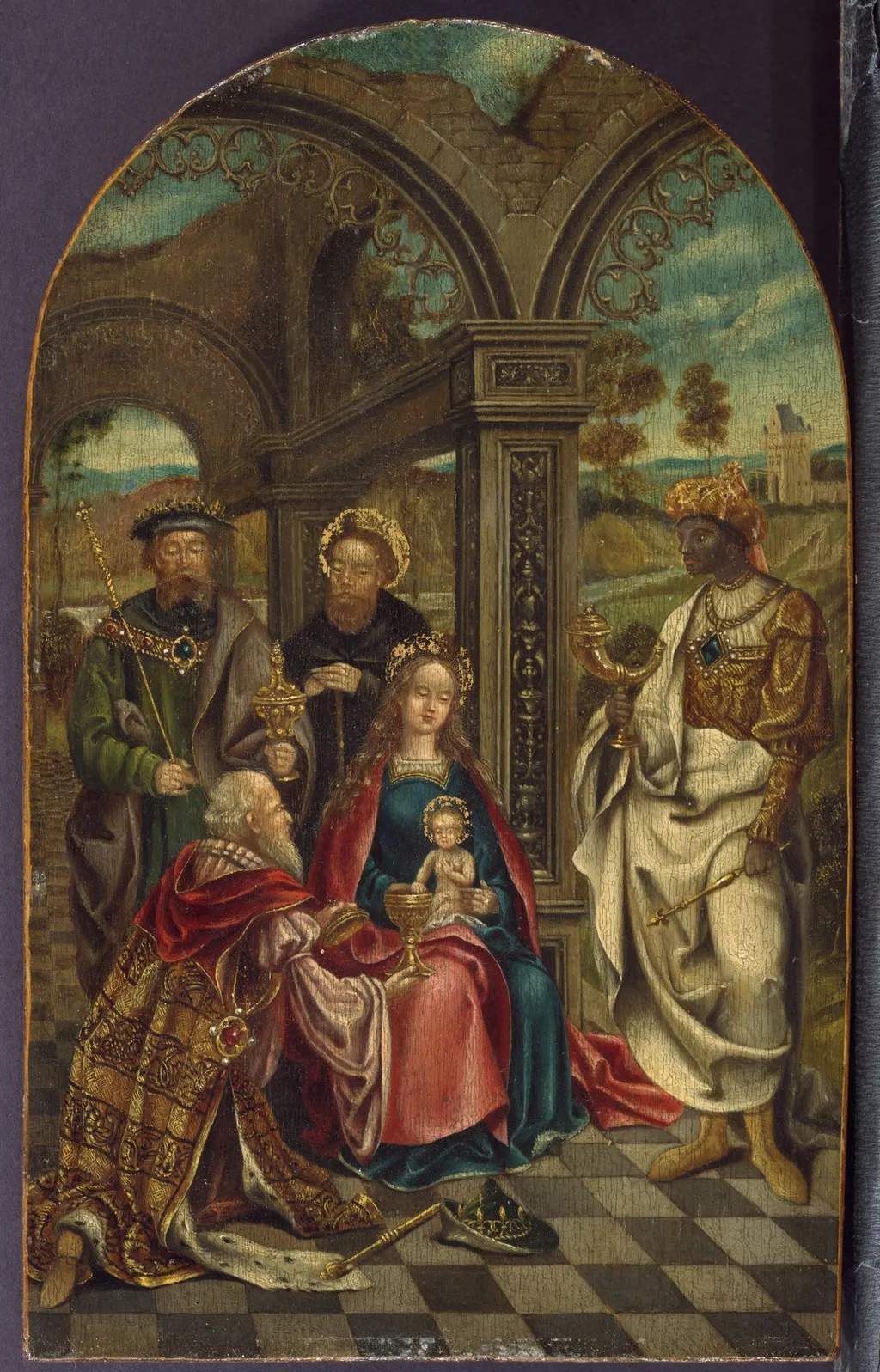
Adoration of the Magi is an oil painting. It dates from 1649 and is held in the collection of the Metropolitan Museum of Art.
About this work
Subject & Meaning
As a religious painting from 1649, it belongs to the traditional Christian iconography in which the Magi’s visit signifies the recognition of Christ’s divinity.
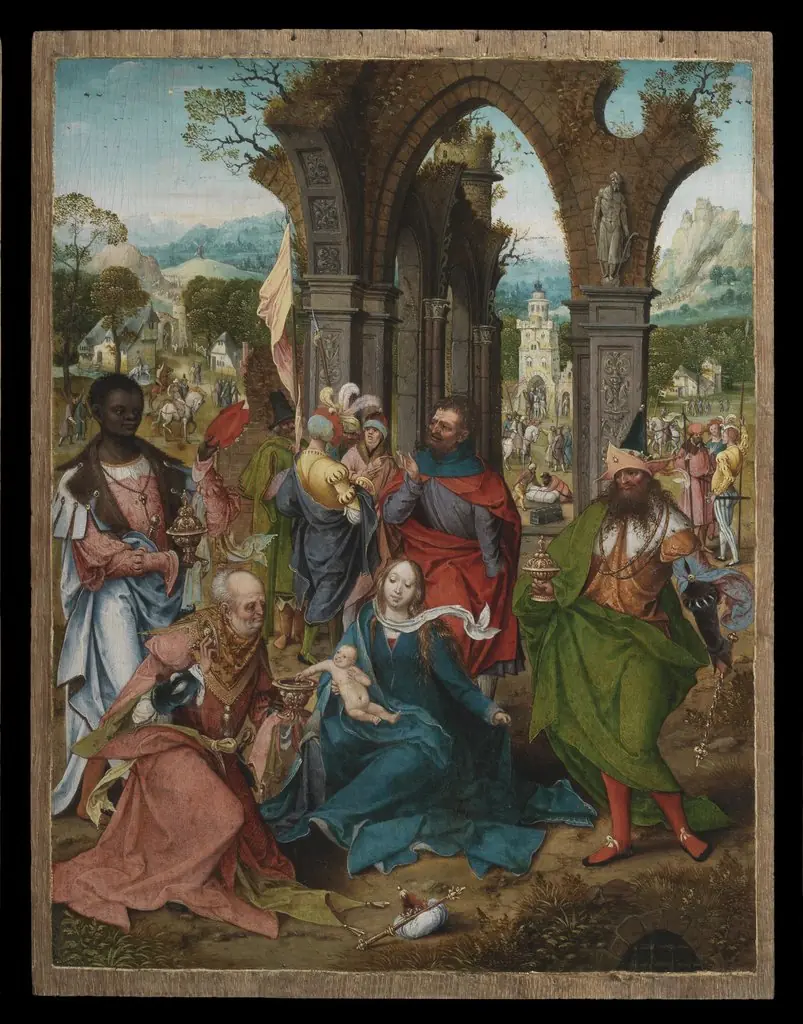
The work portrays the biblical episode of the Adoration of the Magi, showing a male figure presented with the infant Christ Child. As a religious painting from 1649, it belongs to the traditional Christian iconography in which the Magi’s visit signifies the recognition of Christ’s divinity. The composition, executed in oil on panel, reflects the genre of devotional art popular in the 17th‑century Netherlands, emphasizing the sacred narrative within the Metropolitan Museum of Art’s collection.
Technique & Style
Created in 1649, this work is an oil painting executed on a panel support. Measuring 23 centimeters in height and 14.2 centimeters in width, the piece is classified as a religious painting depicting the Adoration of the Magi. Stylistically, it is attributed to an imitator of a Netherlandish Antwerp Mannerist painter, a designation that informs its formal qualities and handling of the medium.
The composition focuses on the man and the Christ Child within a devotional context. The physical object remains part of the Robert Lehman Collection at the Metropolitan Museum of Art, where it is maintained as a significant example of mid-seventeenth-century religious art utilizing traditional oil techniques on a rigid wooden panel.
History & Provenance
The work titled Adoration of the Magi is an oil painting on panel created in 1649, as recorded in its provenance. It measures approximately 23 cm by 14.2 cm and portrays a man with the Christ Child in a religious scene of the Magi’s adoration. The painting is attributed to an imitator of a Netherlandish Antwerp Mannerist artist, according to cataloguing data.
Since its creation it has been part of the Metropolitan Museum of Art’s collection in New York and was previously owned by collector Robert Lehman. Its genre is classified as religious art, and its inception date is listed as 1649‑01‑01.
Legacy
Adoration of the Magi, painted in 1649, entered the collection of the Metropolitan Museum of Art and was later held by collector Robert Lehman, a provenance that has elevated its scholarly profile. As an oil‑on‑panel work attributed to an imitator of the Antwerp Mannerist school, the painting exemplifies the transmission of Netherlandish religious imagery into later European art. Its inclusion in a major public museum and repeated documentation in art historical literature have reinforced its reputation as a representative example of 17th‑century devotional painting, influencing subsequent studies of Mannerist adaptations of the Magi theme.
Overview
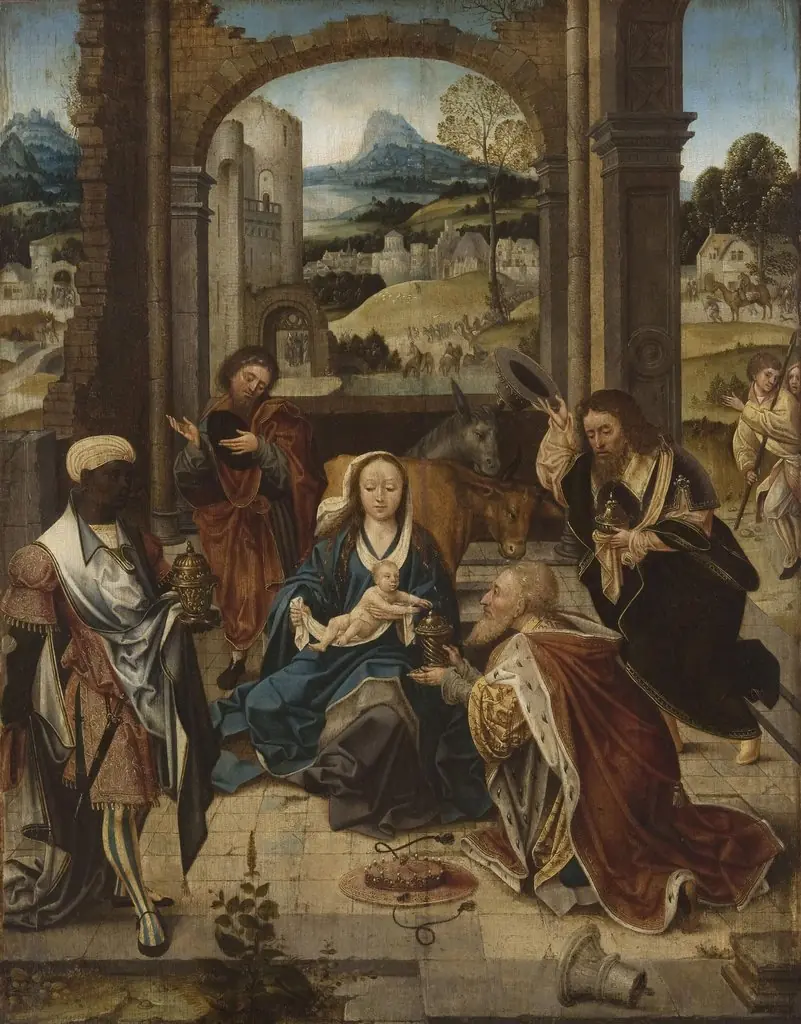
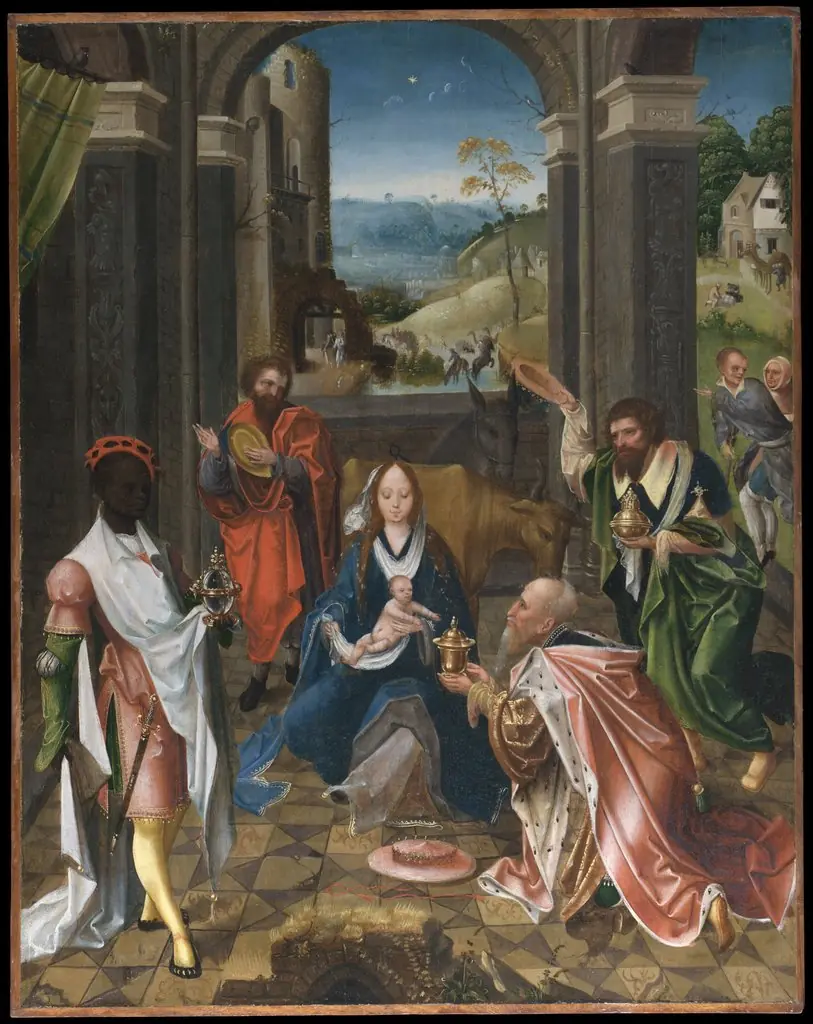
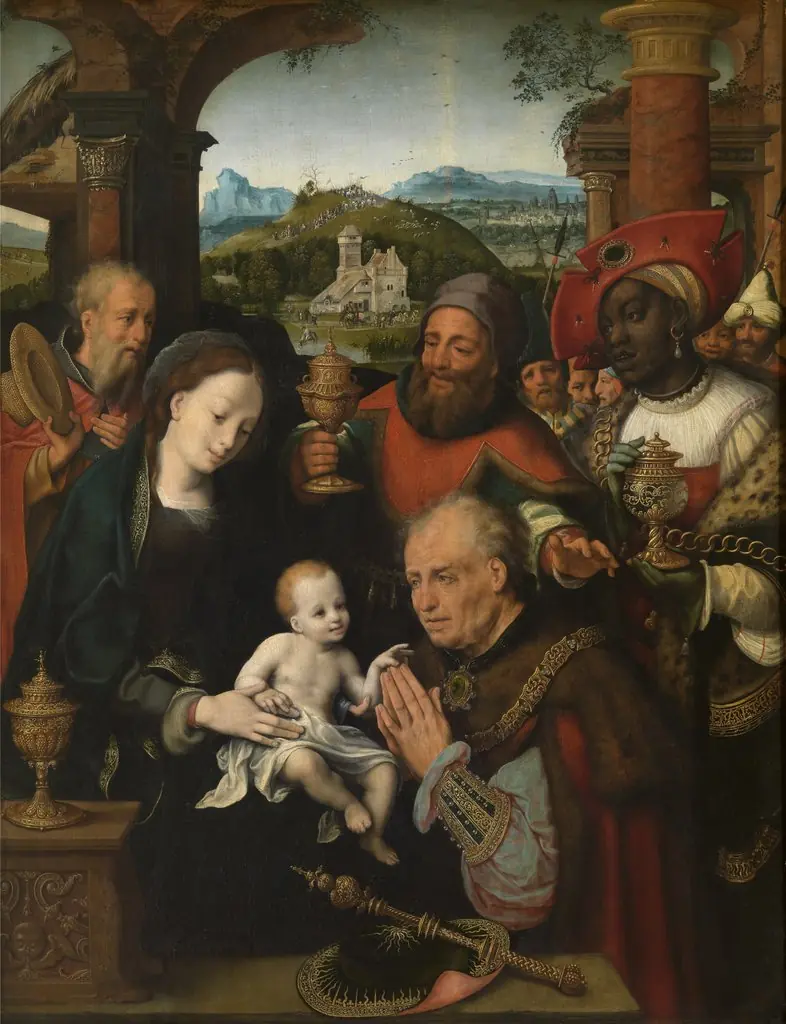
The painting titled Adoration of the Magi is an oil on panel work depicting a significant biblical event. It features a central group of five figures within an opulent interior, where a woman holds an infant. Surrounding them are several men, some kneeling in homage, others standing attentively.
The composition emphasizes the reverence paid to the child, set against a backdrop of architectural detail and a distant landscape.
Artist & collection