Artwork
Anne Marie d'Orléans
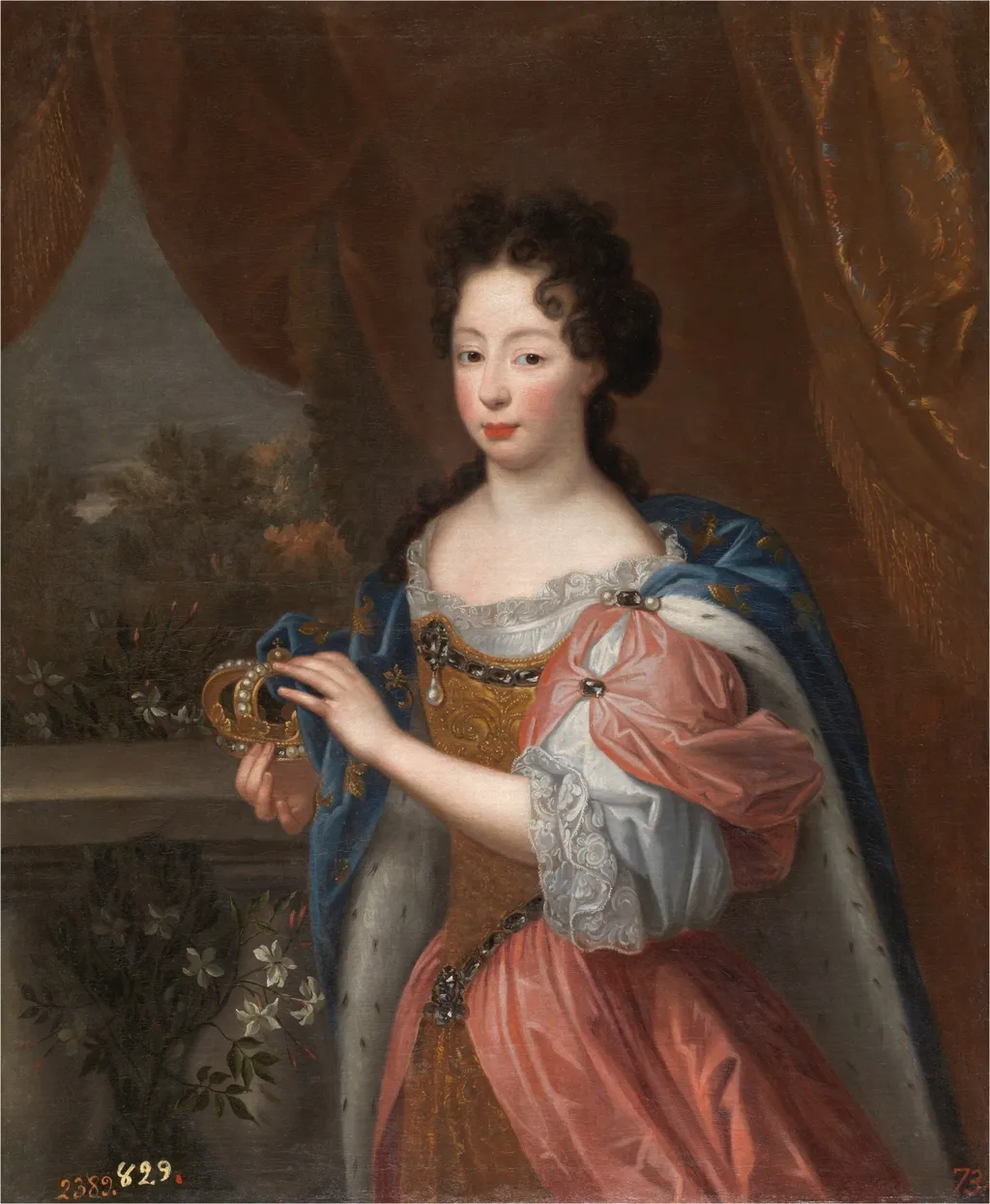
Anne Marie d'Orléans is an oil painting by the Rococo painting artist Unknown. It dates from 1692 and is held in the collection of the Museo del Prado.
About this work
Subject & Meaning
The work features standard portrait conventions of the period, focusing on accurate representation of status and identity without overt allegorical symbolism.
The painting portrays Anne Marie d'Orleans, a French noblewoman of the late 17th century, as indicated by its classification as a portrait from 1684. The work features standard portrait conventions of the period, focusing on accurate representation of status and identity without overt allegorical symbolism. Its creation during the Baroque era reflects contemporary artistic practices emphasizing realism and detail in elite subjects.
Technique & Style
The work is an oil painting executed on canvas, classified as a portrait and dated to 1684. Its physical dimensions are recorded as 105 cm in height by 85 cm in width. The medium and support are consistent with standard late seventeenth-century European portrait practice, employing oil paint applied to a canvas ground.
Stylistically, the painting is catalogued as an anonymous portrait of Anne Marie d'Orléans, with no further descriptive information on handling, brushwork, or condition supplied in the available records. The work is held in the collection of the Museo del Prado.
History & Provenance
The portrait of Anne Marie d'Orléans was executed in 1684 using oil paint on canvas. While the specific commissioner and early ownership history remain undocumented in the available records, the work is attributed to an anonymous artist. The painting measures 105 cm in height and 85 cm in width.
It currently resides in the collection of the Museo del Prado, where it is classified as a portrait genre piece depicting the French princess.
Overview
Anne Marie d'Orléans is depicted in an oil painting, characterized by understated yet refined attire and a distinctive golden ring, which serves as a focal point in the composition.
Context
The style and composition suggest a work that aligns with European portraiture traditions of its time, emphasizing dignity and subtle opulence. The 'painted garden' backdrop with distant natural views adds a sense of serenity.
Legacy
While the painting's direct influence or widespread recognition is not highlighted in the provided details, its adherence to and effective use of chiaroscuro technique place it within the broader continuum of European portrait painting.
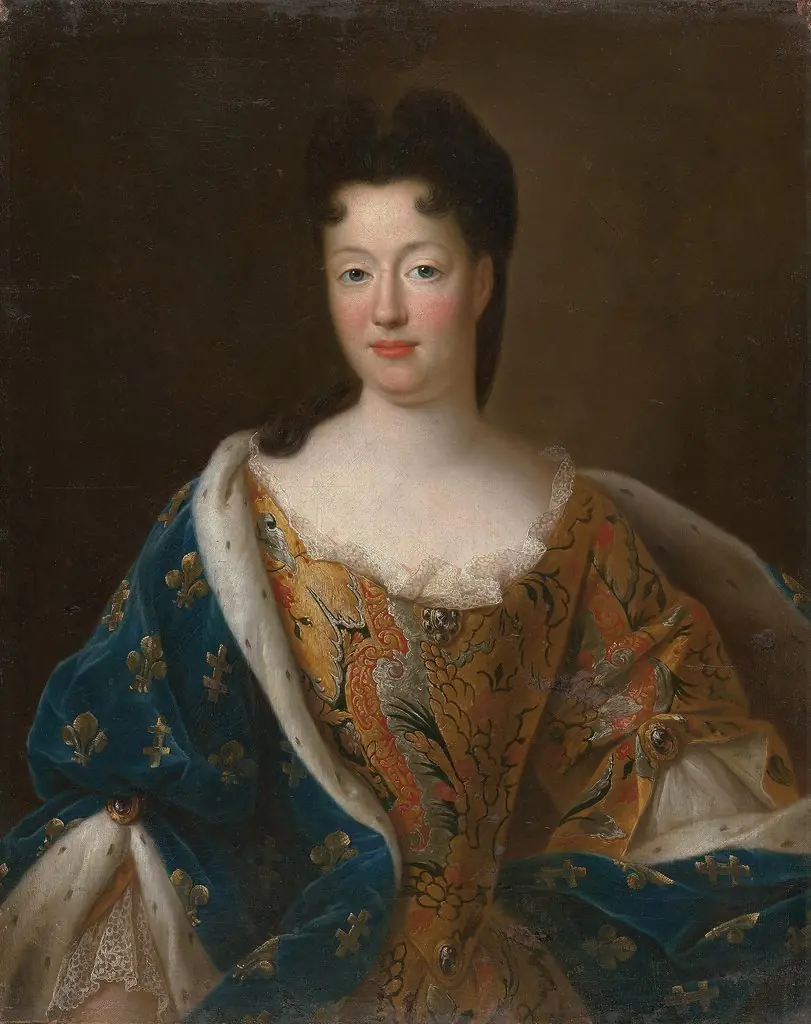
Artist & collection









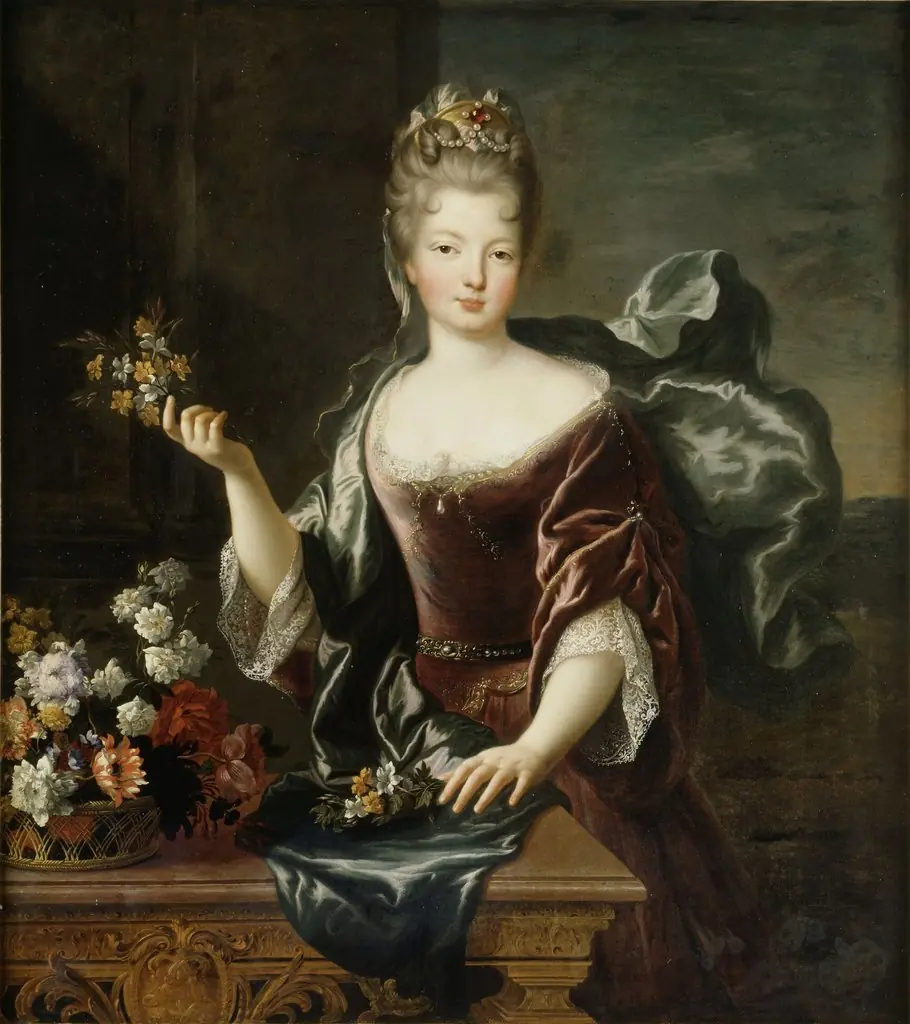 Françoise-Marie de Bourbon, Mademoiselle de Blois, Duchess of Orleans
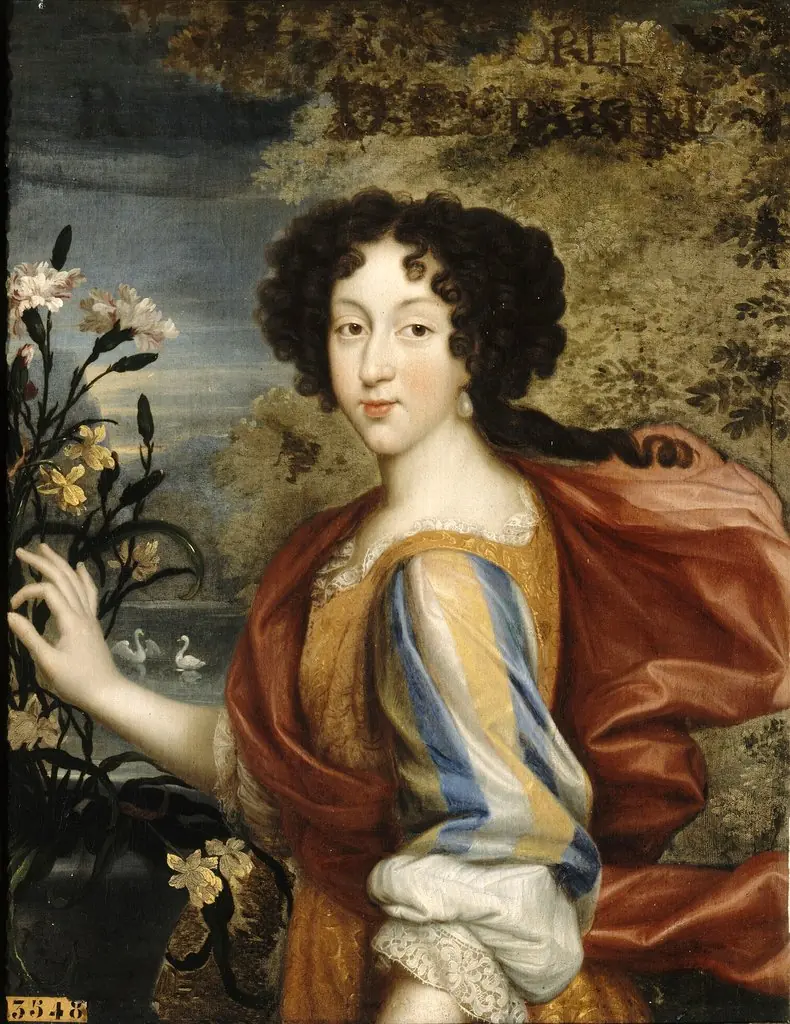 Portrait of Marie Louise d'Orléans (1662–1689)
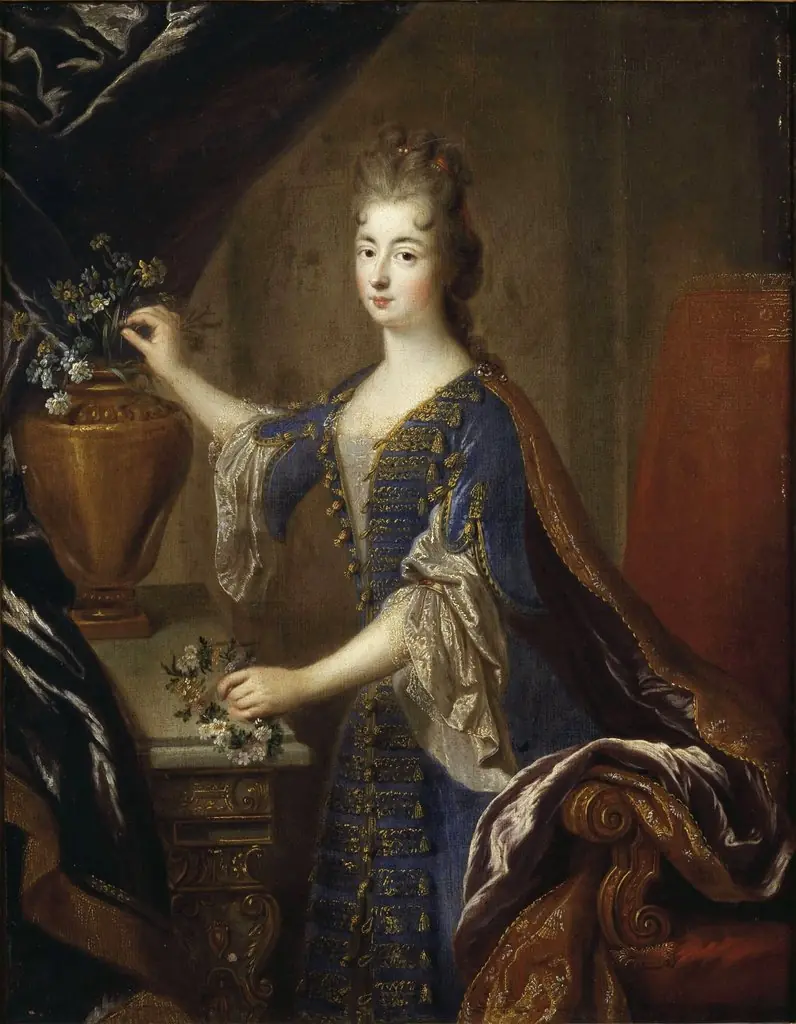 Marie-Anne de Bourbon, Princess of Conti (1666-1739)
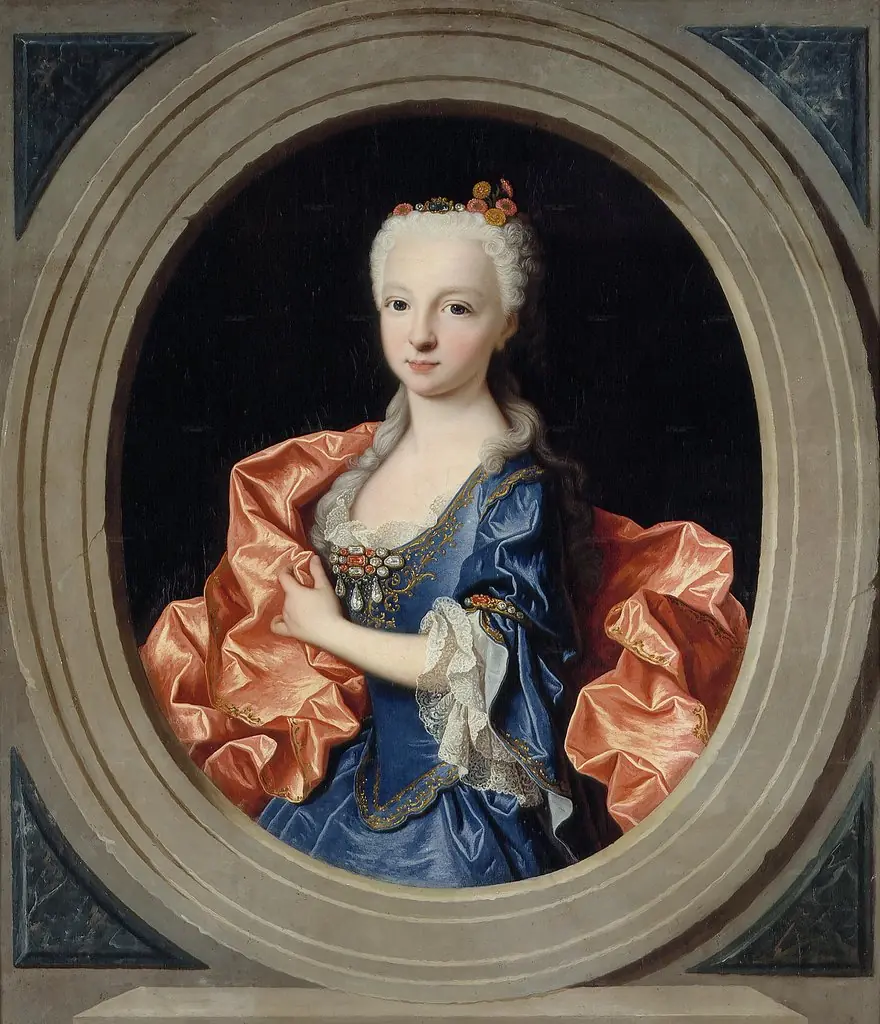 Maria Teresa of Bourbon Infanta of Spain (Future Dauphine of France)
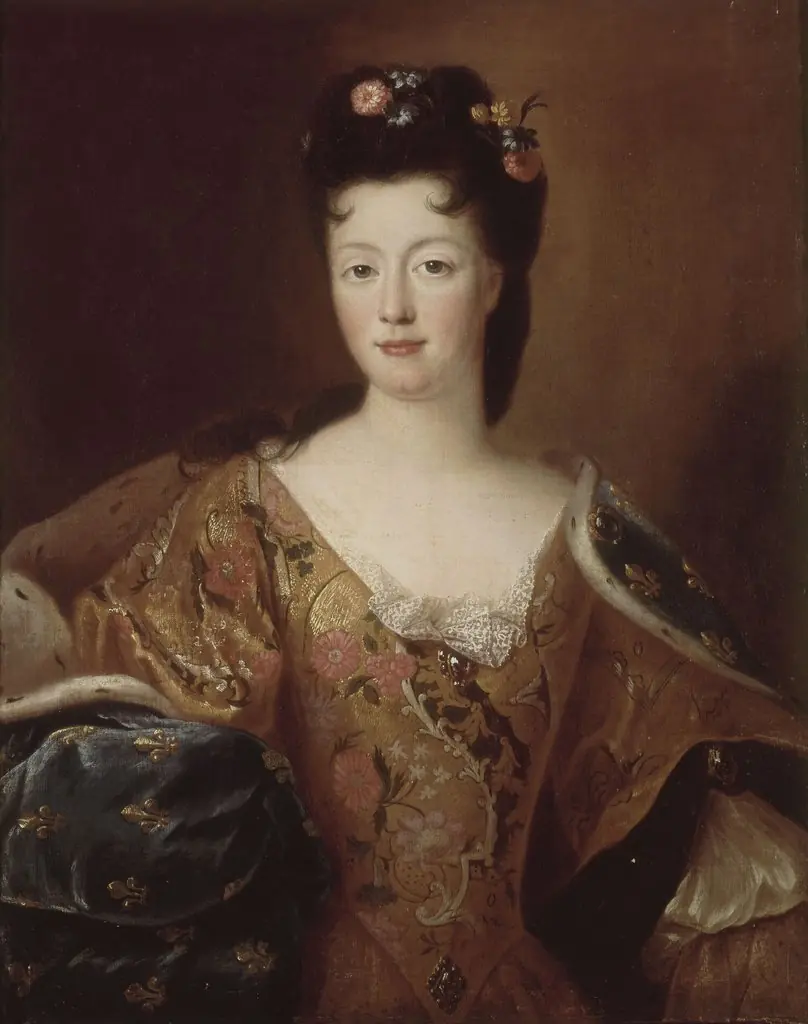 Elisabeth-Charlotte d'Orléans, Duchess of Lorraine
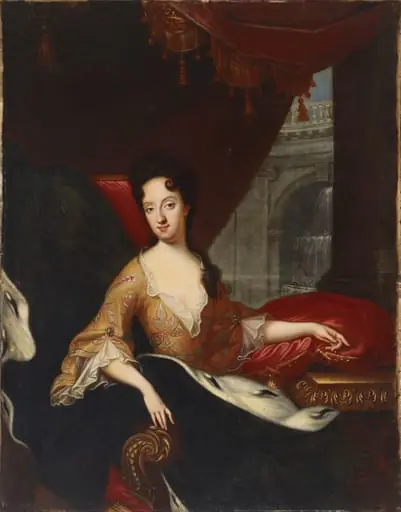 Kuningatar Ulrika Eleonora vanh.
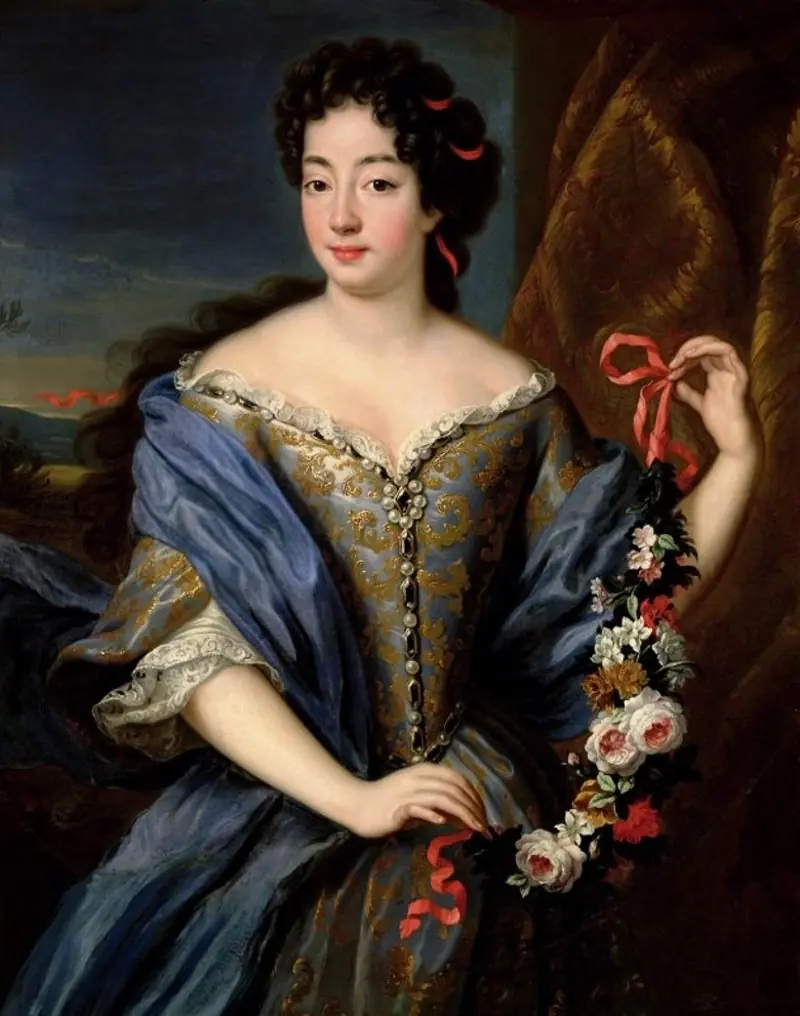 Anne de Bavière, princesse de Condé
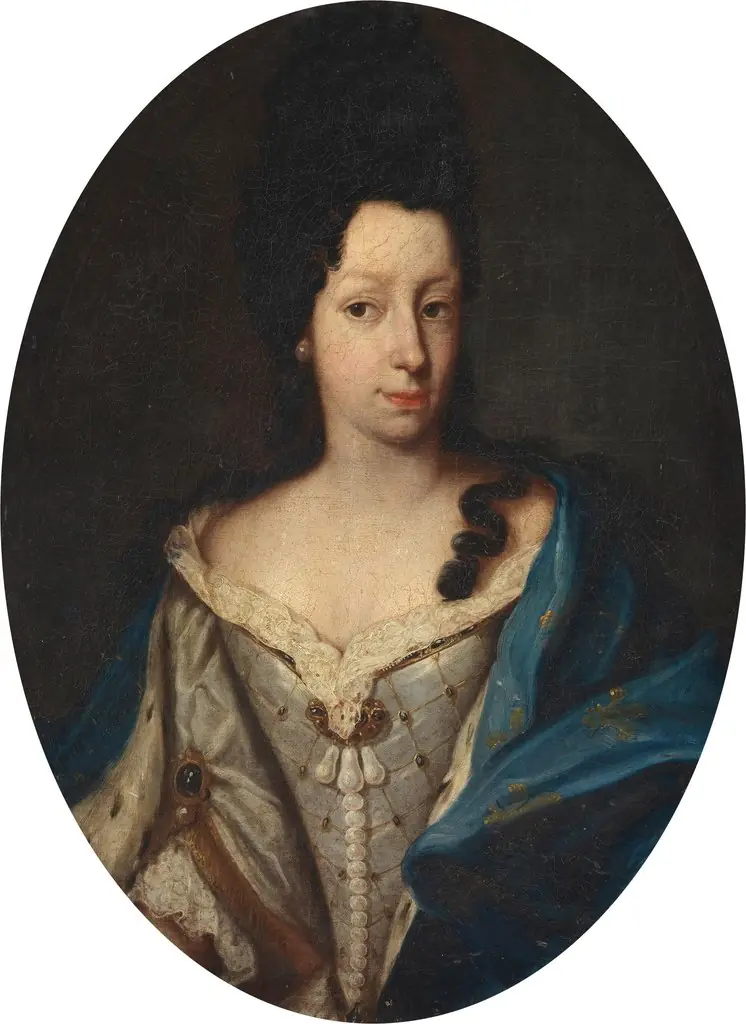 Anna Maria von Orléans, Herzogin von Savoyen
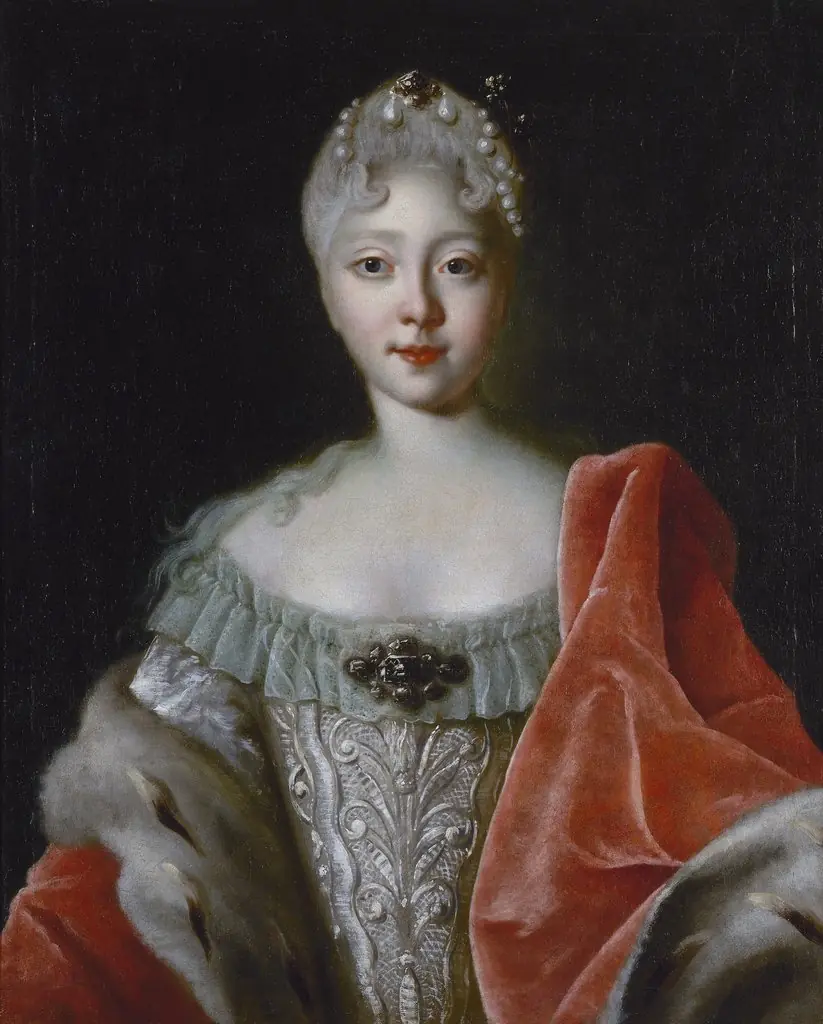 Portrait of Crown Princess Elizabeth Petrovna