Artwork
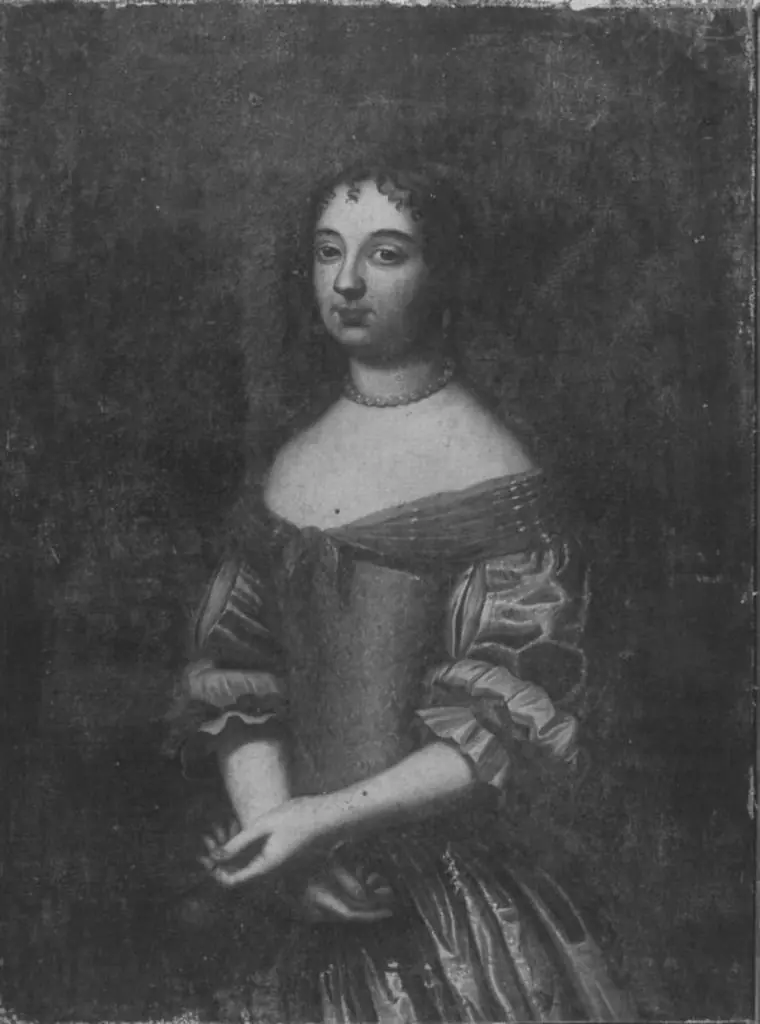
Bildnis der Maria Anna, Gemahlin des Kaisers Ferdinand II.(?)
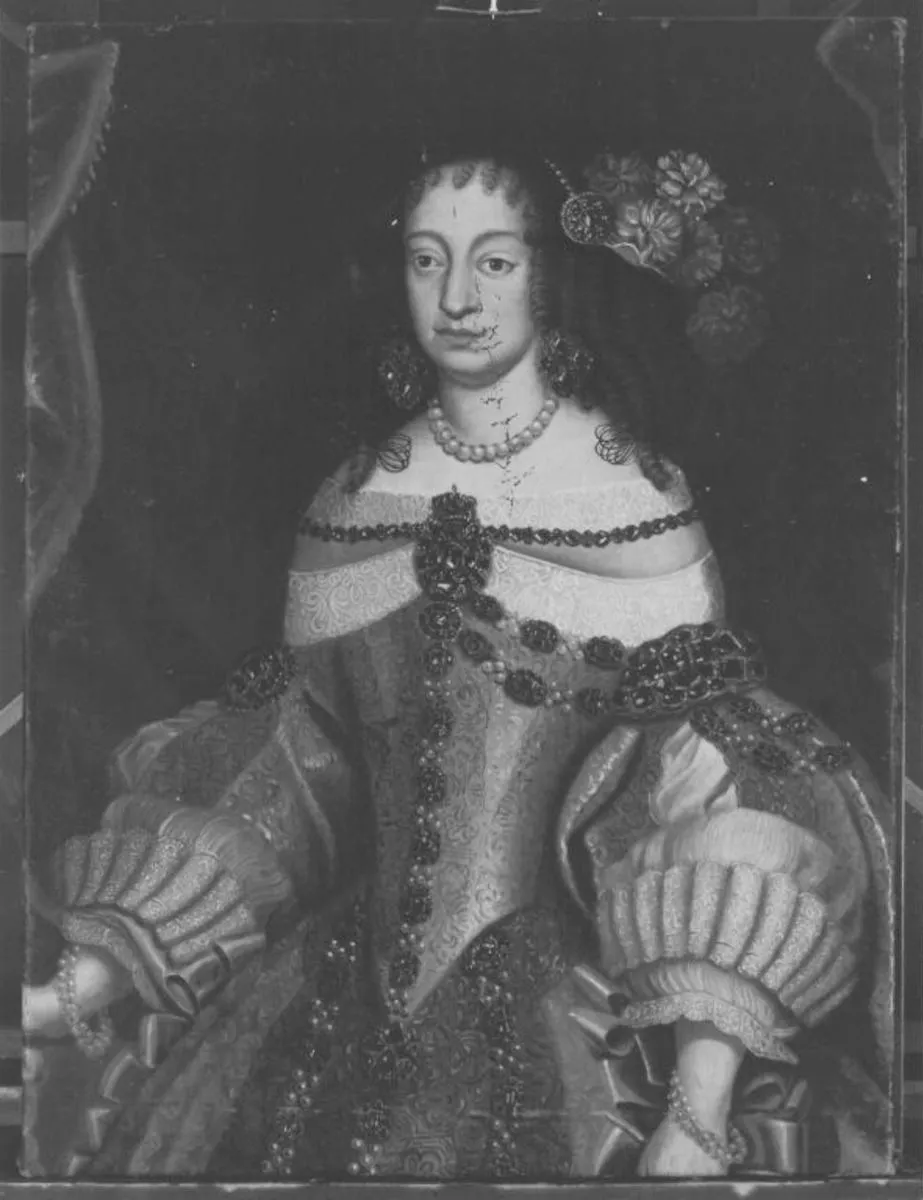
Bildnis der Maria Anna, Gemahlin des Kaisers Ferdinand II.(?) is an unspecified painting by Unknown. It is held in the collection of the Bavarian State Painting Collections. The work is a portrait of a woman identified as Maria Anna, the spouse of Emperor Ferdinand II.
About this work
Subject & Meaning
The painting is a portrait identified by its title as depicting Maria Anna, consort of Emperor Ferdinand II.
The painting is a portrait identified by its title as depicting Maria Anna, consort of Emperor Ferdinand II. According to the catalogue record, the work depicts Maria Anna of Bavaria together with Eleonora Gonzaga, suggesting a double portrait that unites two female figures of Habsburg and Gonzaga dynastic significance rather than a single sitter. As a portrait genre work held in the Bavarian State Painting Collections and displayed at the Alte Pinakothek, it functions both as a likeness of named aristocratic women and as an image of dynastic alliance, linking the Bavarian and Gonzaga branches through marriage into the imperial Habsburg family.
The pairing of Maria Anna of Bavaria with Eleonora Gonzaga points to the central meaning of the composition: the visual assertion of dynastic ties between Bavaria, Mantua, and the imperial house. Such joint portraits were conventional instruments for commemorating marital and political unions, presenting the sitters as embodiments of the alliances their families had forged.
History & Provenance
The portrait is held by the Bavarian State Painting Collections and is displayed at the Alte Pinakothek, Munich.
It is inventoried as Alte Pinakothek, Munich, inv. no. 8891. In 2019 the painting was included in the exhibition Deutsche Renaissance. Cranach und sein Kreis at the Kunsthalle München, curated by the Alte Pinakothek.
Overview
The work is a portrait of a woman identified as Maria Anna, the spouse of Emperor Ferdinand II. Rendered in oil on canvas, the composition centers the sitter against a dark backdrop, allowing the luminous details of her attire and jewelry to dominate the visual field.
Technique & Style
The painter employs a chiaroscuro approach, using the somber background to heighten contrast and emphasize the texture of fabrics and the sparkle of jewels. Fine brushwork delineates the intricate patterns and metallic embellishments on the dress, while the soft modeling of the face conveys a subtle three‑dimensionality.
Context
Portraiture of royal consorts during this period served both personal commemoration and political display, reinforcing dynastic alliances. The lavish costume and decorative motifs reflect the Baroque taste for opulence prevalent in Central European courts of the time.
Legacy
Although not widely reproduced, the painting contributes to the visual record of Habsburg family members and offers insight into the fashion and artistic conventions of early Baroque portraiture in the Holy Roman Empire.
Artist & collection









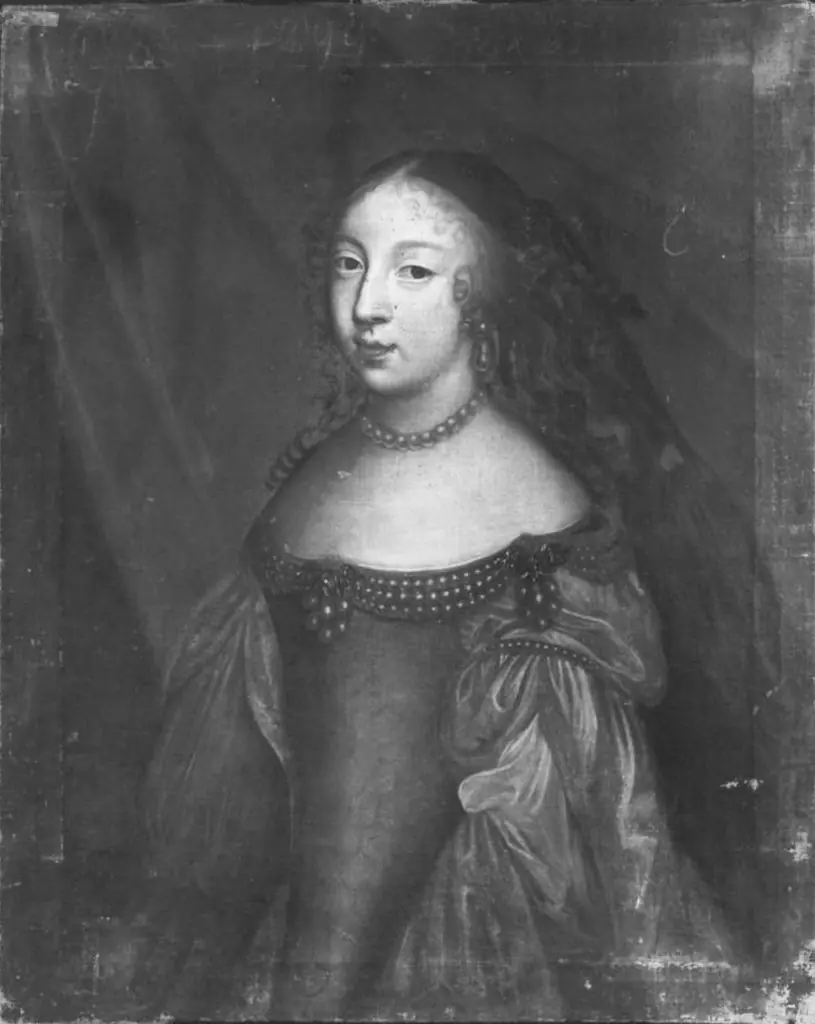 Junge Dame
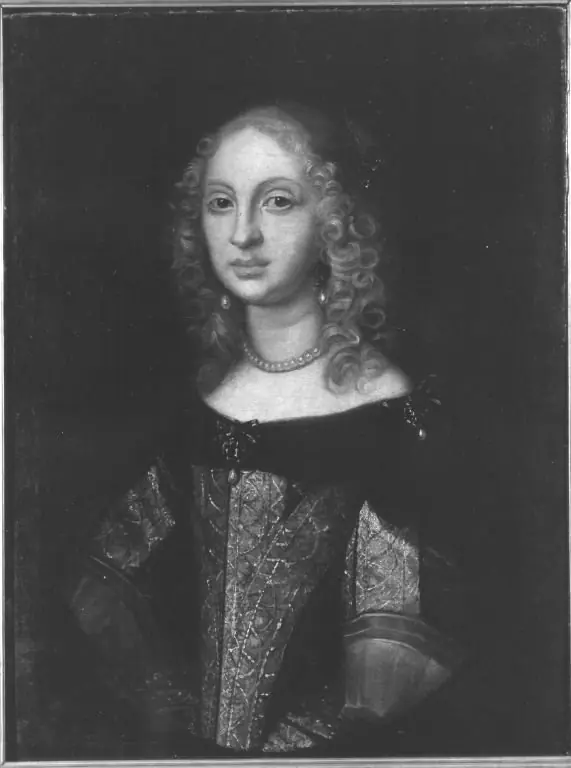 Portrait de Landgrave Elisabeth Amalie de Hesse,
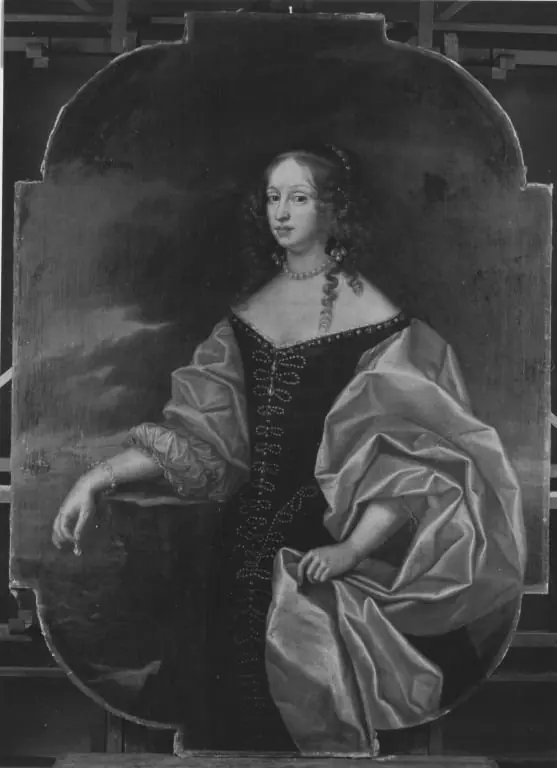 Bildnis einer Hofdame
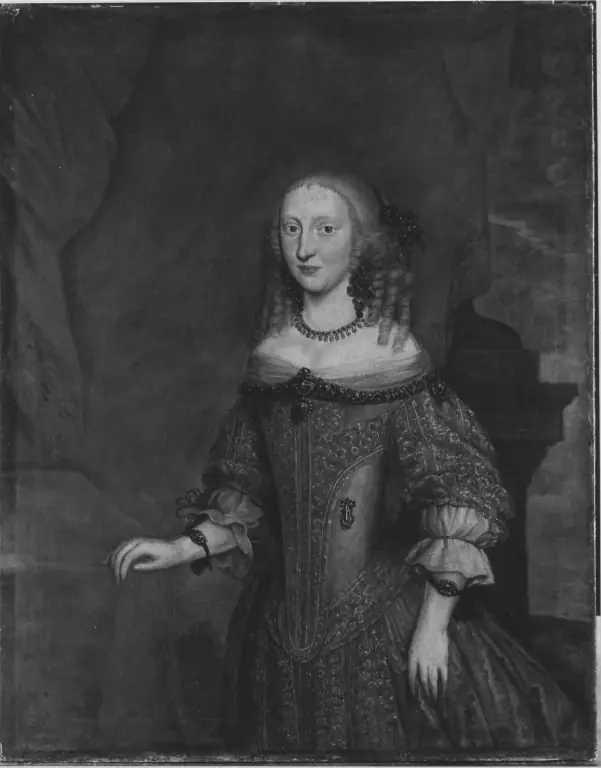 Bildnis der Landgräfin Elisabeth Amalie von Hessen, Gemahlin des Kurfürsten Philipp Wilhelm von Pfalz-Neuburg (1635-1709) (?)
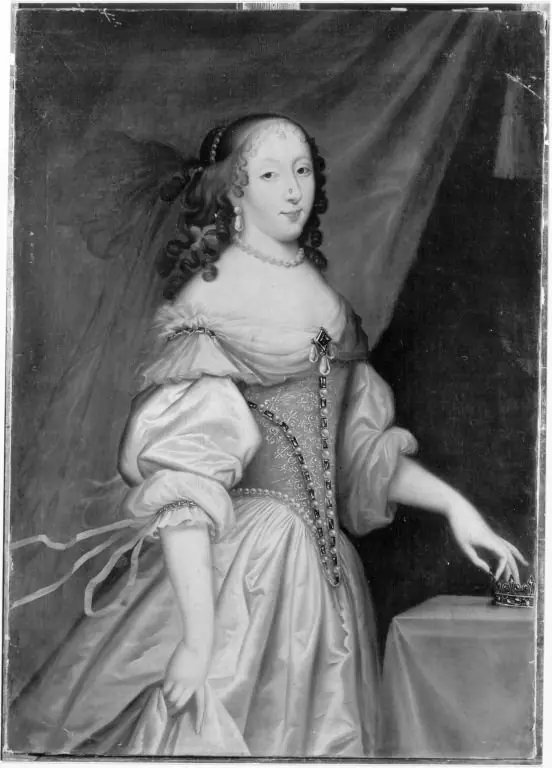 Höfisches Damenbildnis
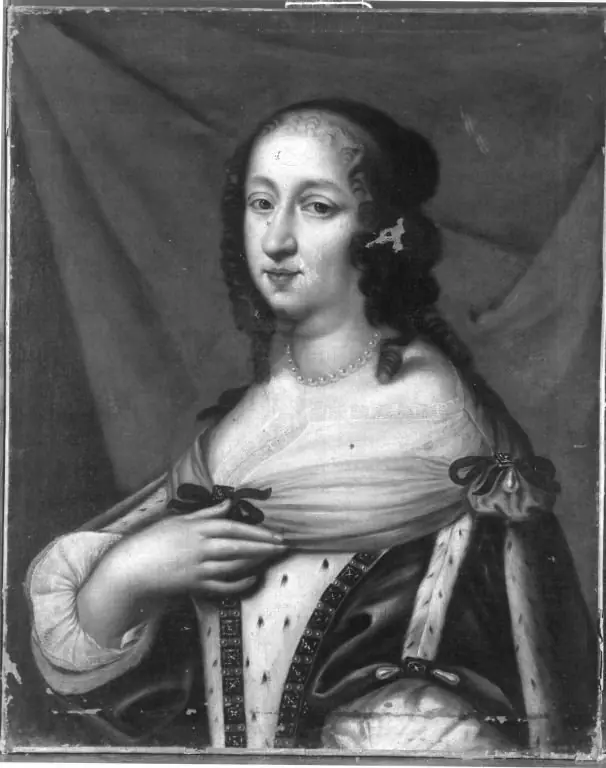 Portrait of a Woman
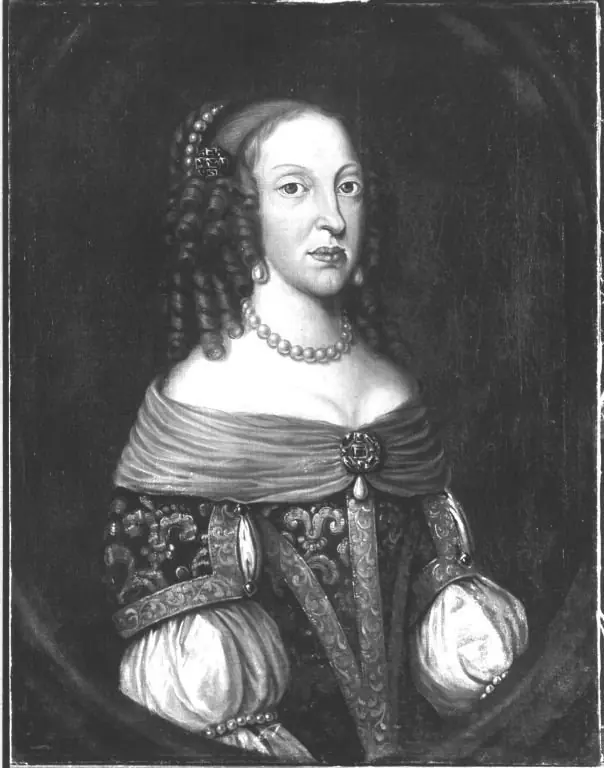 Portrait of Anna Sophie von Hessen-Darmstadt, Abbess of Quedlinburg (?)
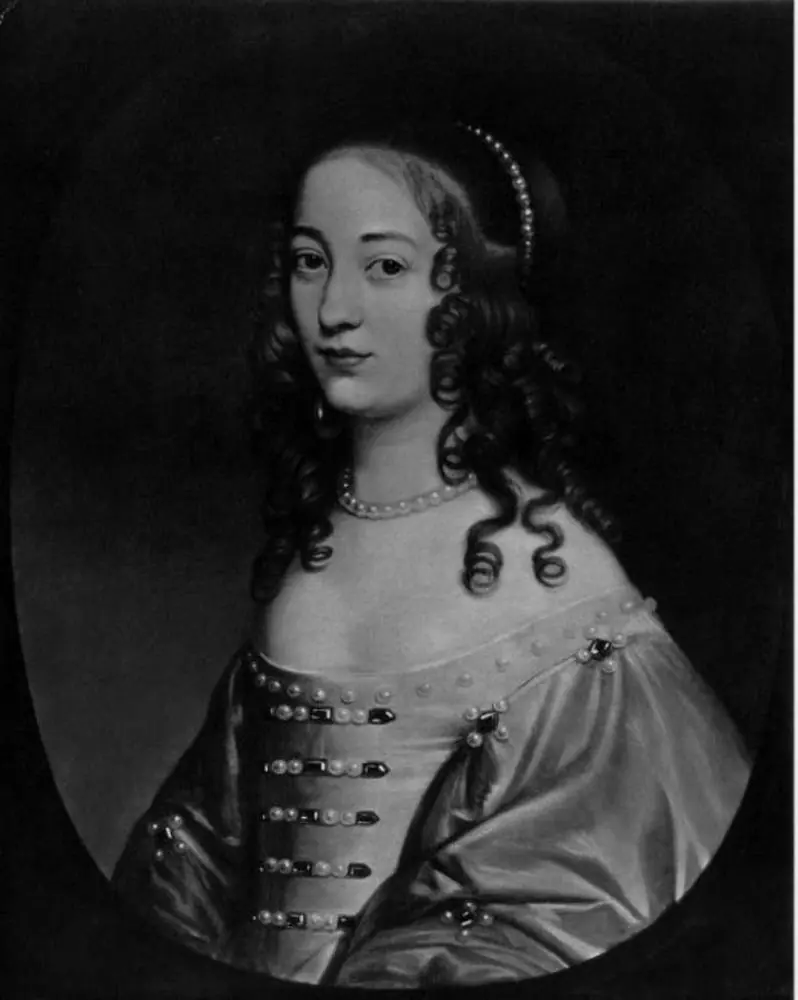 Bildnis einer Dame
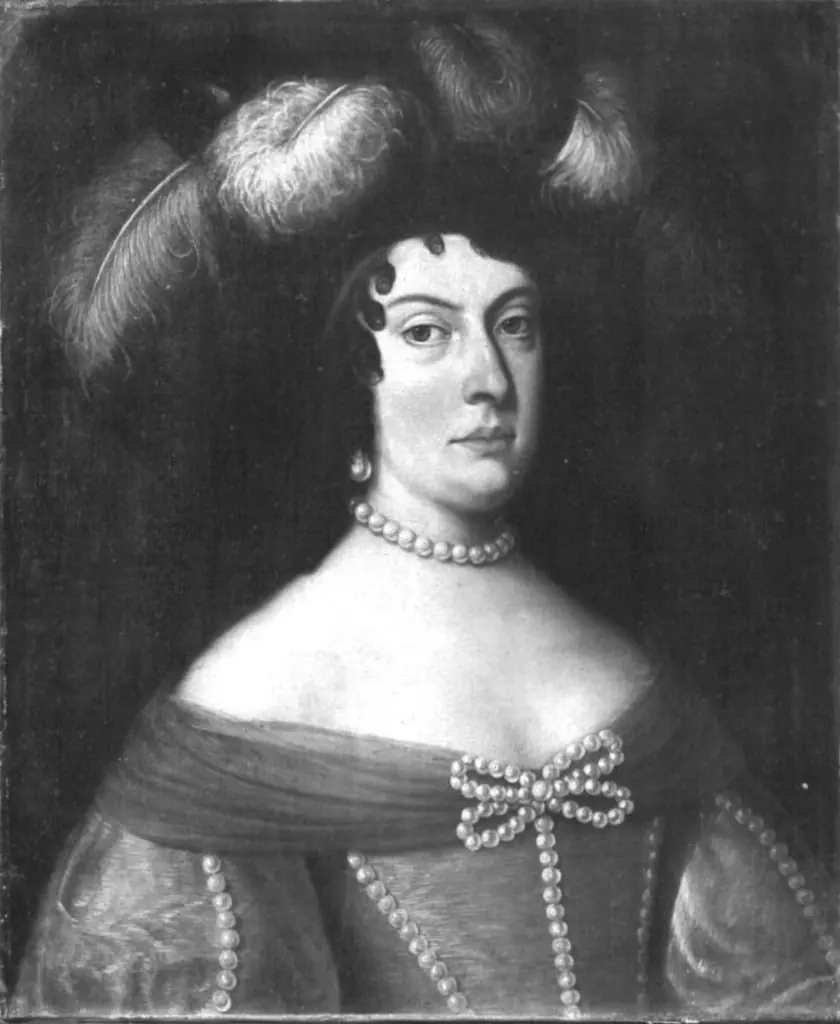 Maria Magdalena, Farnese von Parma
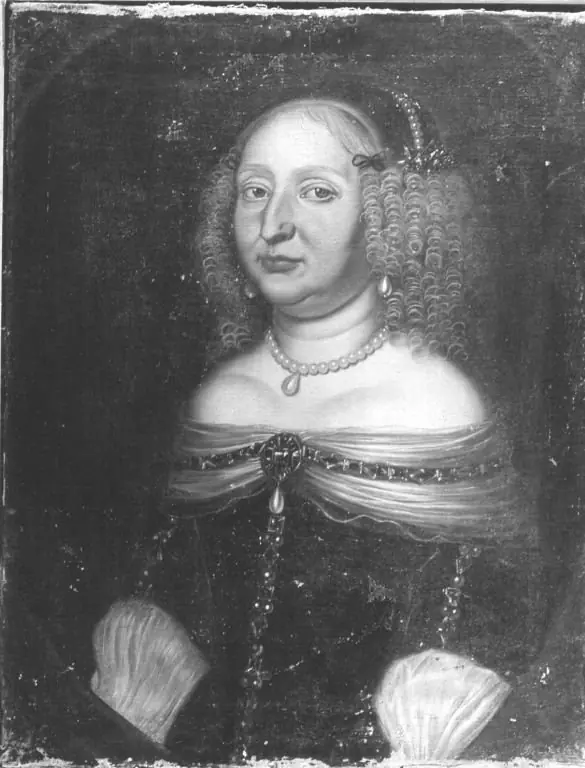 Bildnis der Sophie Eleonore von Sachsen, Landgräfin von Hessen-Darmstadt, Gemahlin des Landgrafen Georg II. (1609-1671) (?)
 Hedwig Eleonore, Tochter des Herzogs Friedrich von Holstein-Gotdorp (?)
- Bildnis der Landgräfin Marie Hedwig von Hessen-Darmstadt, Tochter des Landgrafen Georg II., Herzogin von Sachsen-Meiningen (1647-1680) (?) (?)