Artwork
Claude-Gaspard Bachet de Meziriac (1581-1638), mathématicien, poète et traducteur français
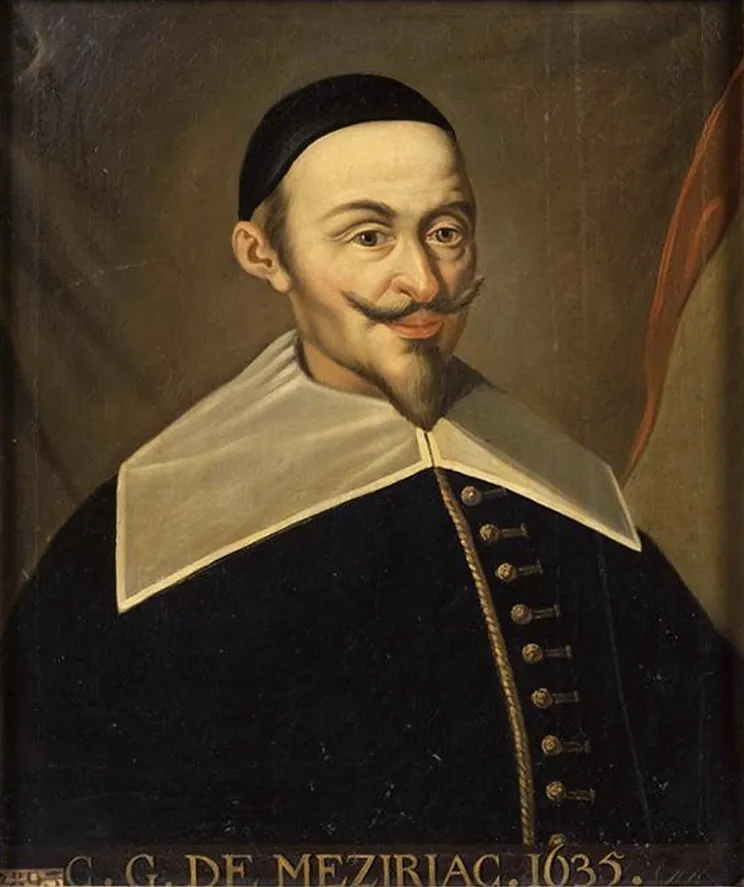
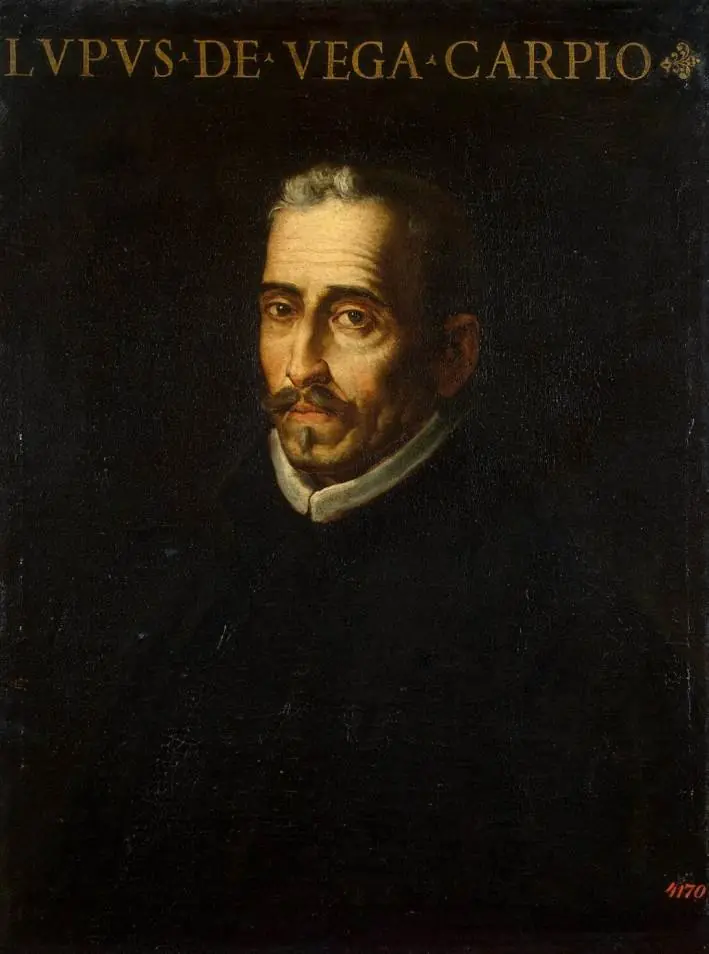
Claude-Gaspard Bachet de Meziriac (1581-1638), mathématicien, poète et traducteur français is an oil painting by Unknown. It dates from 1850 and is held in the collection of the Palace of Versailles. The oil portrait depicts Claude‑Gaspard Bachet de Méziriac, a French mathematician, poet and translator who lived from 1581 to 1638.
About this work
The artist's use of chiaroscuro, a technique that uses strong contrasts between light and dark, adds depth and drama to the portrait.
This painting shows a man with a black cap, a white collar, and a dark jacket with gold buttons. He has a long mustache and is looking at the viewer.
The man's clothing and the style of the painting suggest that it was created in the 17th or 18th century. The artist's use of chiaroscuro, a technique that uses strong contrasts between light and dark, adds depth and drama to the portrait.
If you're interested in learning more about this style of painting, you might want to explore the works of artists who used chiaroscuro, such as Caravaggio or Rembrandt.
Overview
The oil portrait depicts Claude‑Gaspard Bachet de Méziriac, a French mathematician, poet and translator who lived from 1581 to 1638. He is presented in a three‑quarter view, facing the viewer, with a black cap, white ruff and a dark jacket trimmed with gold buttons, his long moustache rendered in fine detail.
Subject & Meaning
Bachet de Méziriac is shown as a learned gentleman, his attire and composed gaze suggesting intellectual authority. The inclusion of scholarly accessories, though not visible in the description, would have underscored his contributions to mathematics and literature, positioning him within the tradition of portraiture that celebrates academic achievement.
Technique & Style
The painter employs chiaroscuro, creating a stark contrast between illuminated facial features and the deep shadows that recede behind the figure. This handling of light gives the portrait a three‑dimensional presence and a subtle dramatic tone, recalling the tonal strategies of Caravaggio and the Dutch masters.
History & Provenance
While the exact date of execution is not recorded, the clothing and stylistic cues place the work in the late 17th or early 18th century, a period when portraiture often emphasized status through elaborate dress and controlled lighting. The painting’s provenance remains unclear, but it likely entered a private collection of French scholars before being acquired by a museum.
Context
During Bachet’s lifetime, France saw a flourishing of scientific inquiry and literary activity. Portraits of intellectuals served both as personal commemoration and as visual affirmations of the Republic’s cultural ambitions, linking individual accomplishment to the broader Enlightenment currents that would follow.
Artist & collection









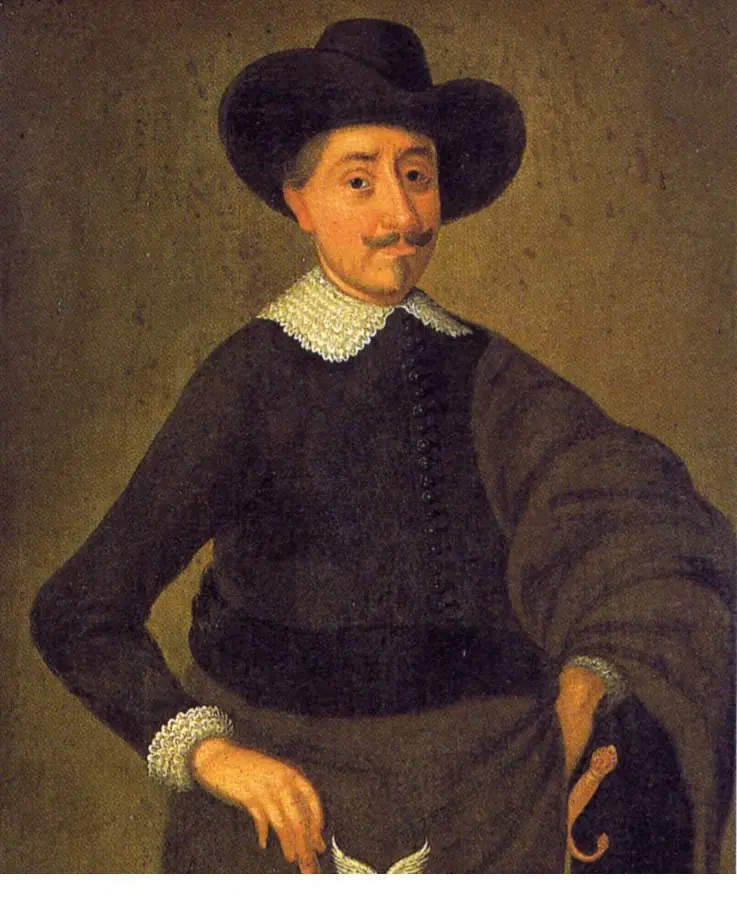
- Portrait of Antonio van Diemen (1593-1645)
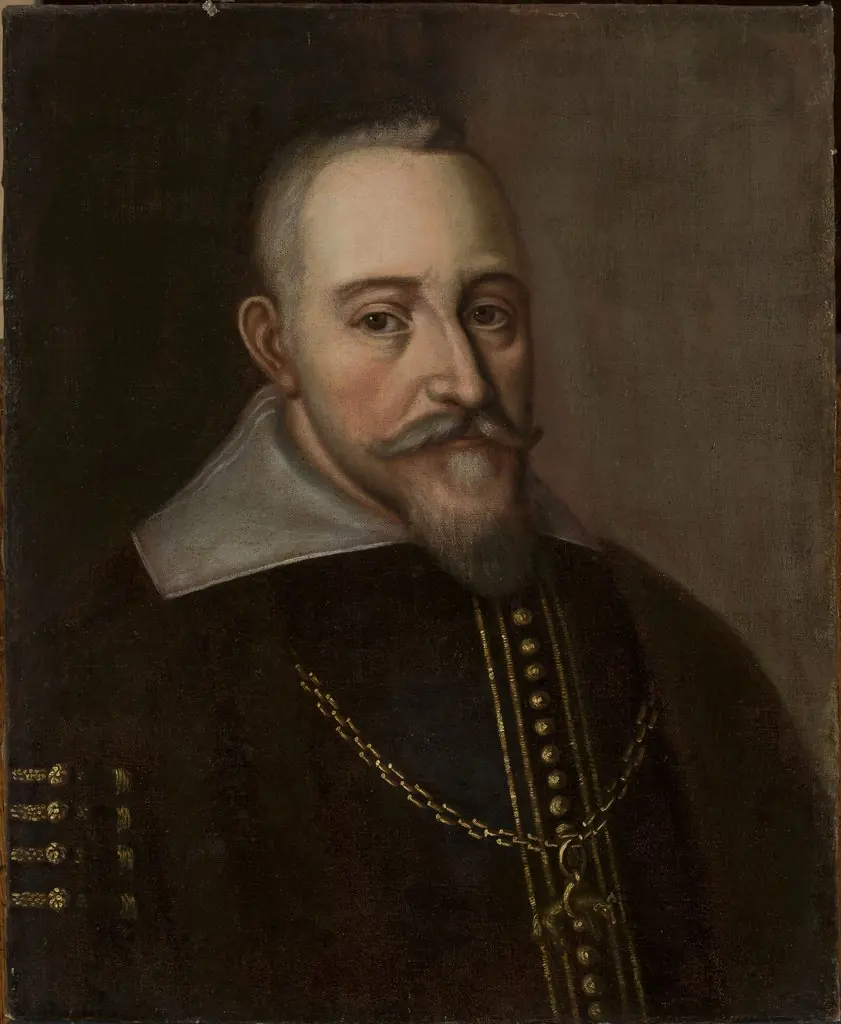 Portrait of king Sigismund III Vasa (?)
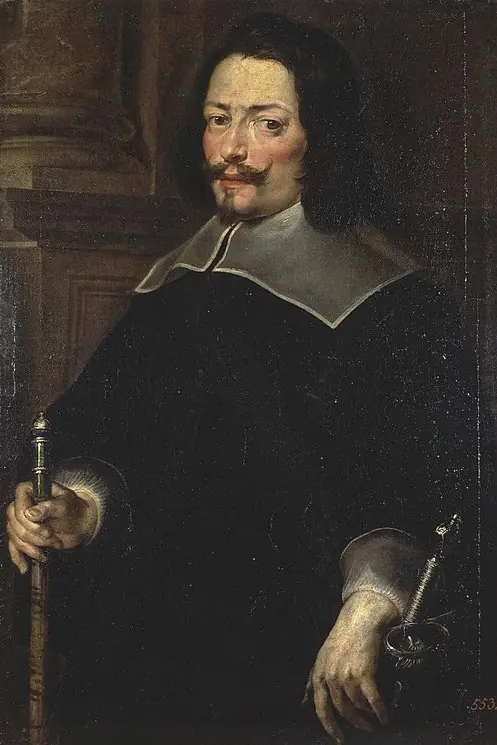 Portrait of a Man
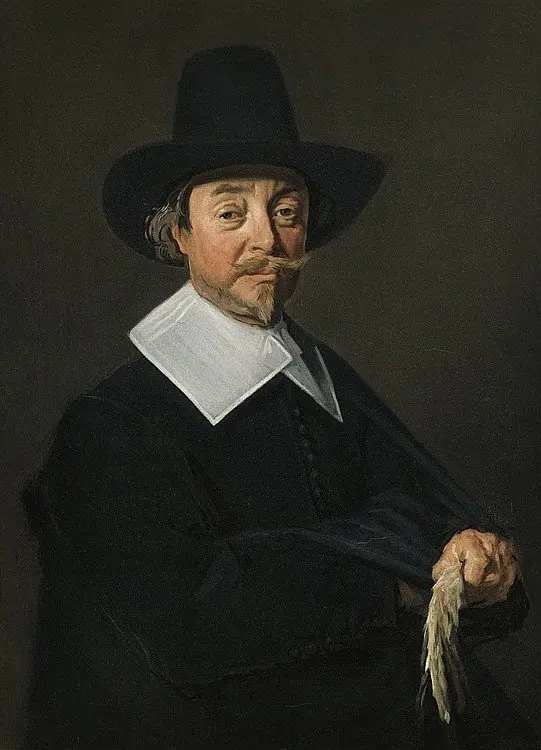 Portrait of a standing man
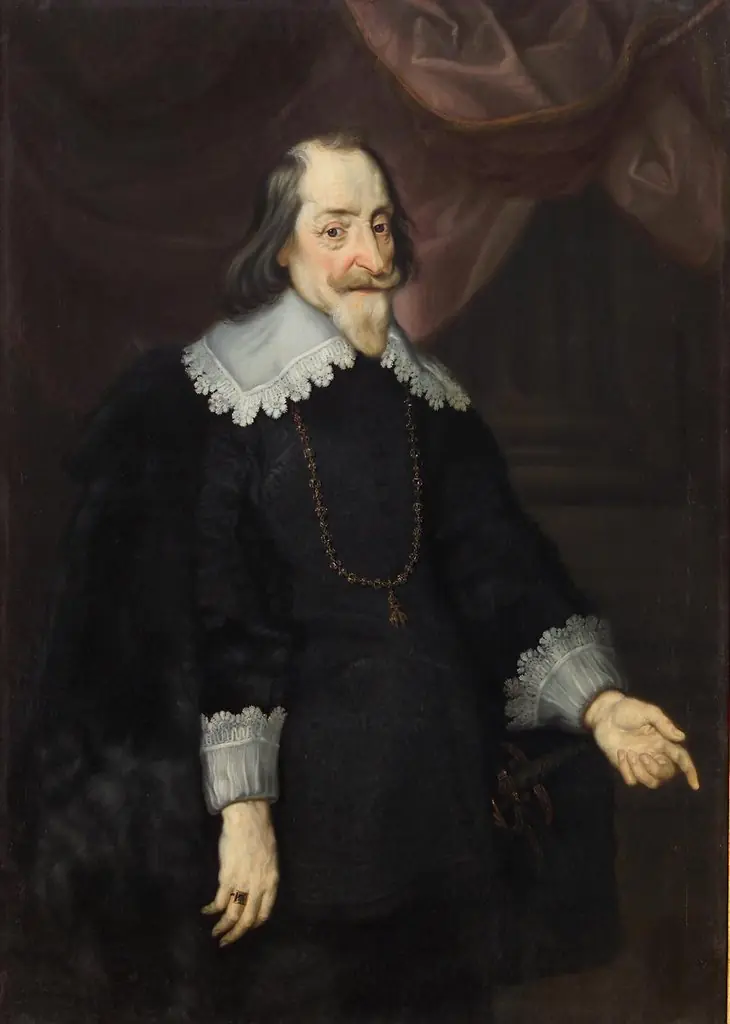 Portrait of Maximilian I, Elector of Bavaria
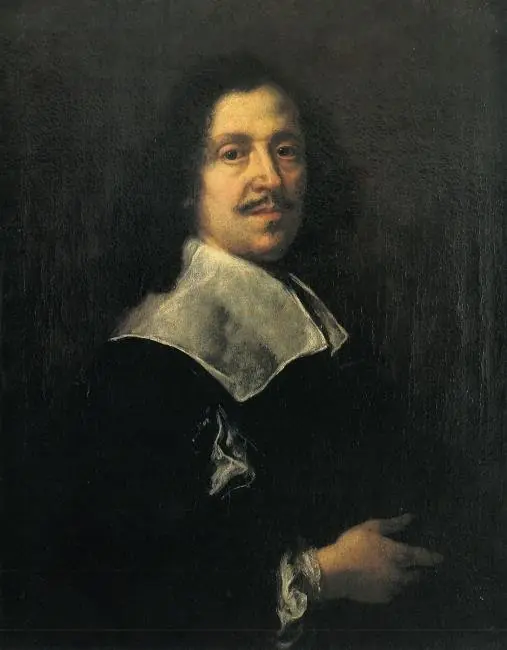 Self-portrait of Justus Sustermans
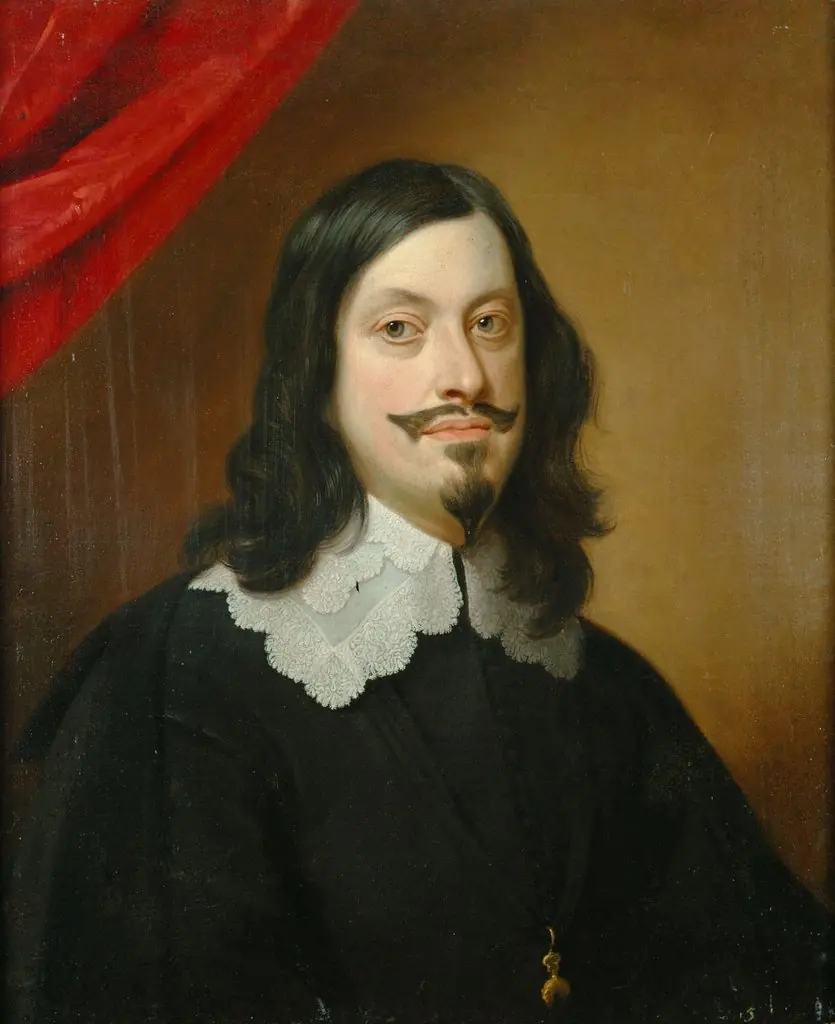 Portrait of Emperor Ferdinand III (1608-1657)
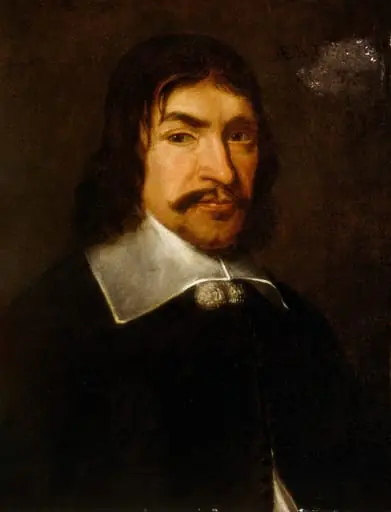 Portrait of a Man
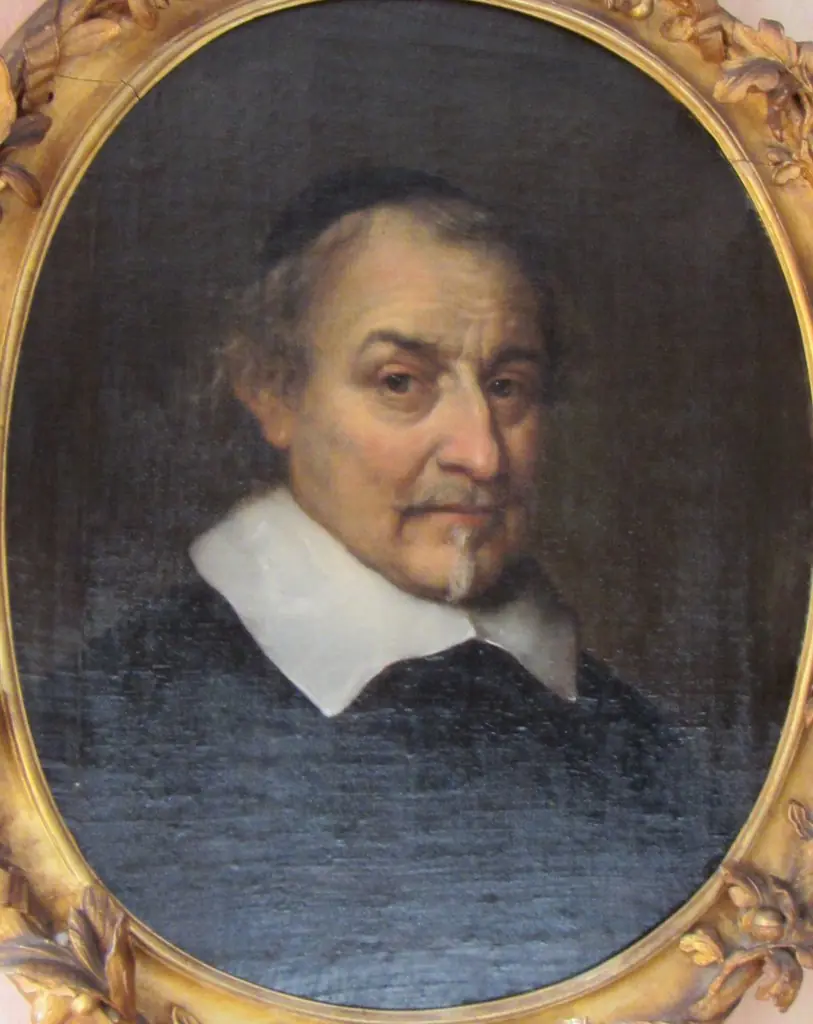 Portrait of Joost van den Vondel
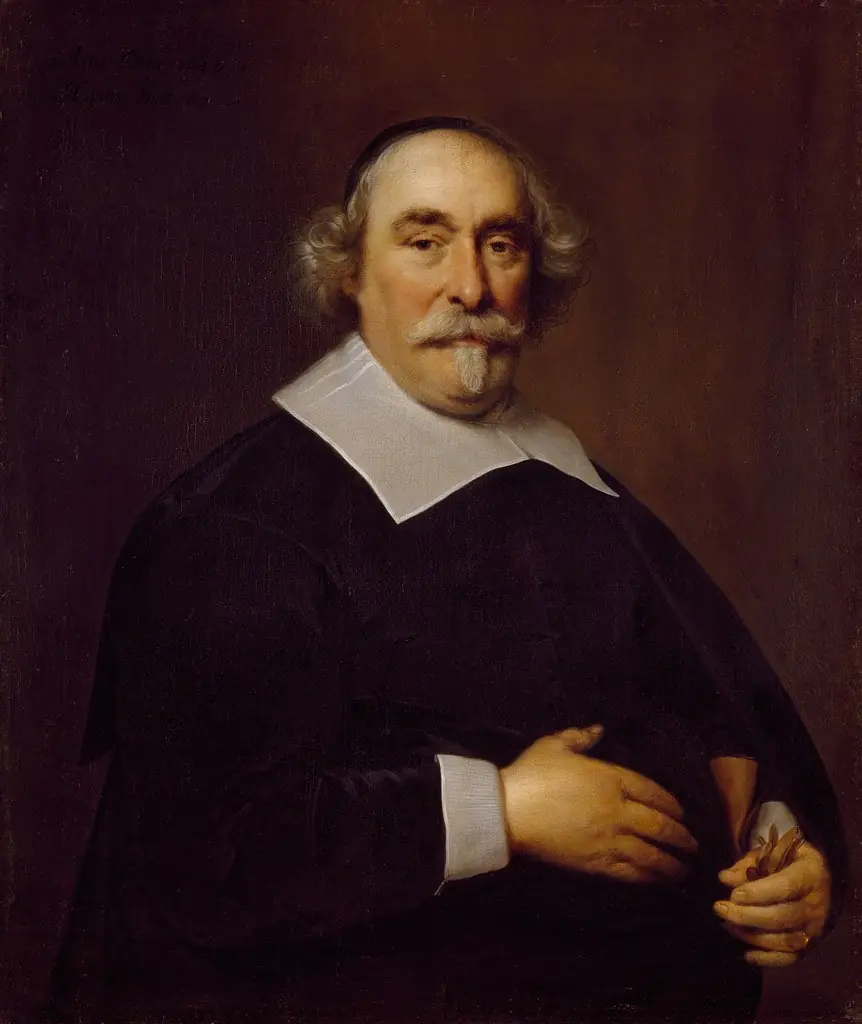 Portrait of Jan Corneliszoon Geelvinck
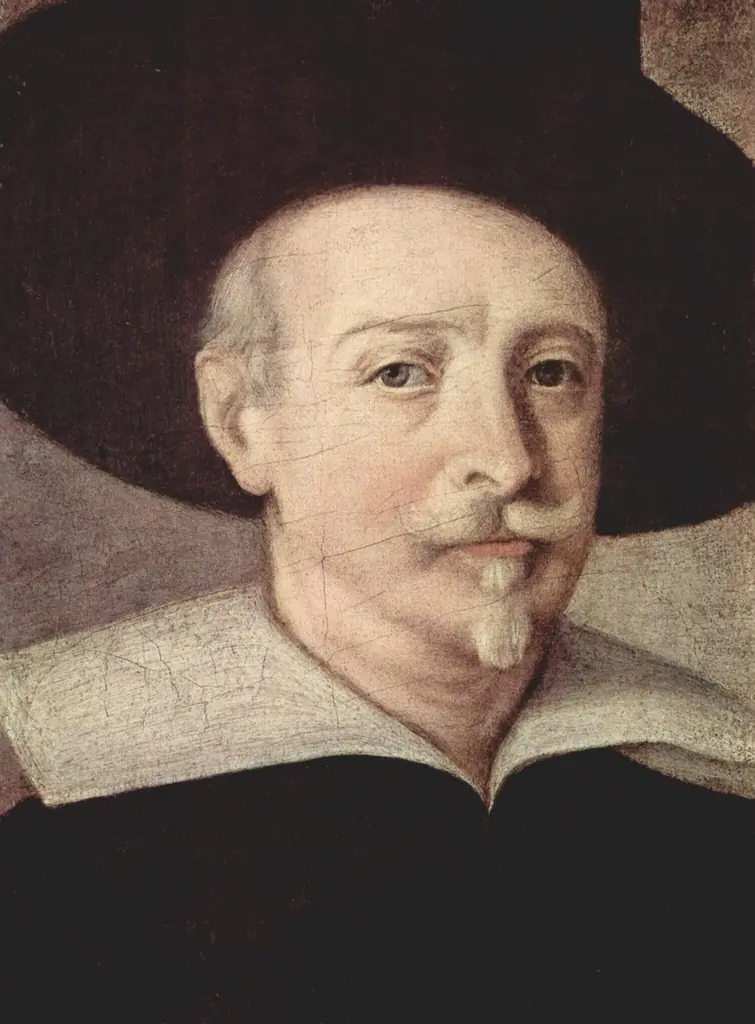 Self-portrait
 Portrait of Lope de Vega (1562-1635)