Artwork
Coffin portrait of Jan Gniewosz (?–1708/1709) from Oleksów, castellan of Zawichost
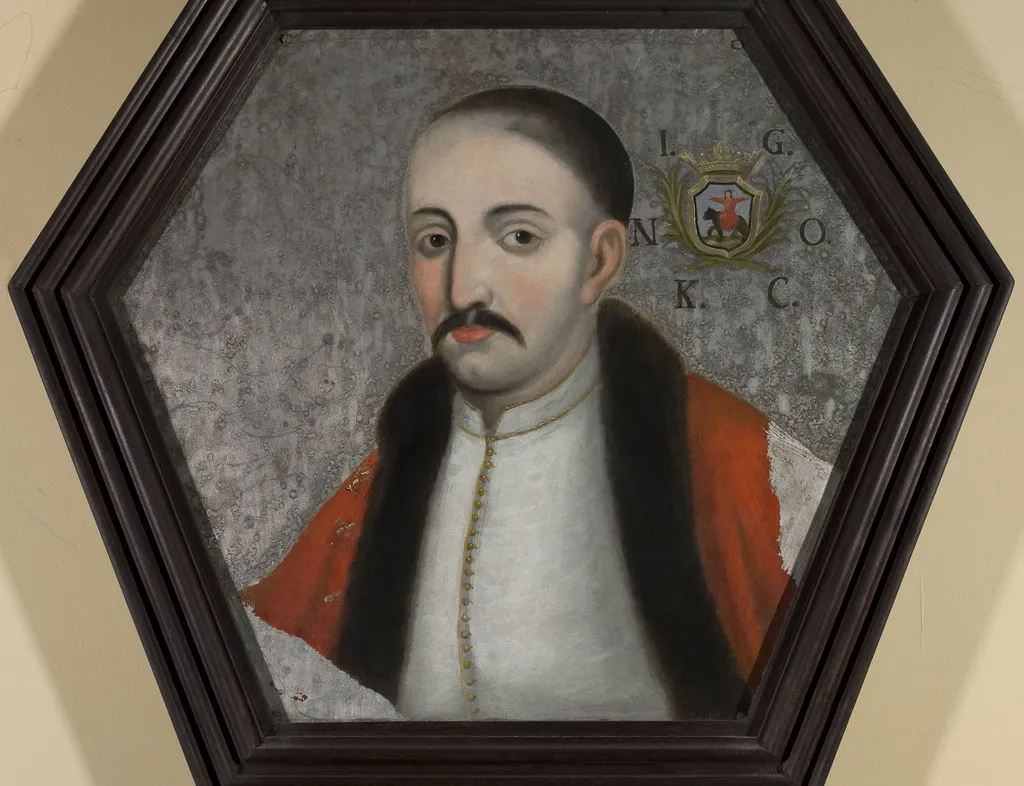
Coffin portrait of Jan Gniewosz (?–1708/1709) from Oleksów, castellan of Zawichost is an unspecified painting by Unknown. It dates from 1708 and is held in the collection of the National Museum in Warsaw. The work is a coffin portrait depicting Jan Gniewosz, a Polish noble who served as castellan of Zawichost and died around 1708‑1709.
About this work
If you're interested in learning more about this type of art, you might want to look up the National Museum in Warsaw.
This painting is a portrait of a man with a mustache, wearing a white shirt and a red coat with black fur trim. He has a serious expression and is looking straight ahead. The background is a mottled gray color.
The man's clothing and the style of the painting suggest that it is from the 18th century. The painting is also surrounded by a dark wooden frame with a hexagonal shape.
If you're interested in learning more about this type of art, you might want to look up the National Museum in Warsaw.
Overview
The work is a coffin portrait depicting Jan Gniewosz, a Polish noble who served as castellan of Zawichost and died around 1708‑1709. Executed in the early 18th century, the painting was intended to adorn his funerary coffin, a customary practice among the szlachta for commemorating the deceased.
Subject & Meaning
Gniewosz is shown in a sober pose, gazing directly at the viewer with a serious expression. He wears a white shirt beneath a red coat trimmed with black fur, attire that signals his status and the formal dress of the period. The portrait’s function was both memorial and didactic, presenting the deceased as a dignified figure for contemplation.
Technique & Style
Rendered on a wooden panel, the portrait employs a limited palette of muted tones, with a mottled gray background that isolates the figure. The brushwork is typical of Polish coffin portraits of the era, emphasizing clear outlines and modest modeling rather than elaborate chiaroscuro. The composition is framed by a dark, hexagonal wooden border that integrates the image with its funerary setting.
History & Provenance
The portrait originated in Oleksów, the locality associated with Gniewosz’s family holdings. Over the centuries it entered museum collections, eventually becoming part of the National Museum in Warsaw’s holdings, where it is displayed as an example of early‑modern Polish funerary art.
Context
Coffin portraits were a distinctive element of the Polish–Lithuanian Commonwealth’s burial customs, especially among the nobility. They served to preserve the likeness of the departed and to convey social rank. Gniewosz’s portrait reflects this tradition, aligning with similar works that combine personal commemoration with broader cultural practices of the time.
Artist & collection









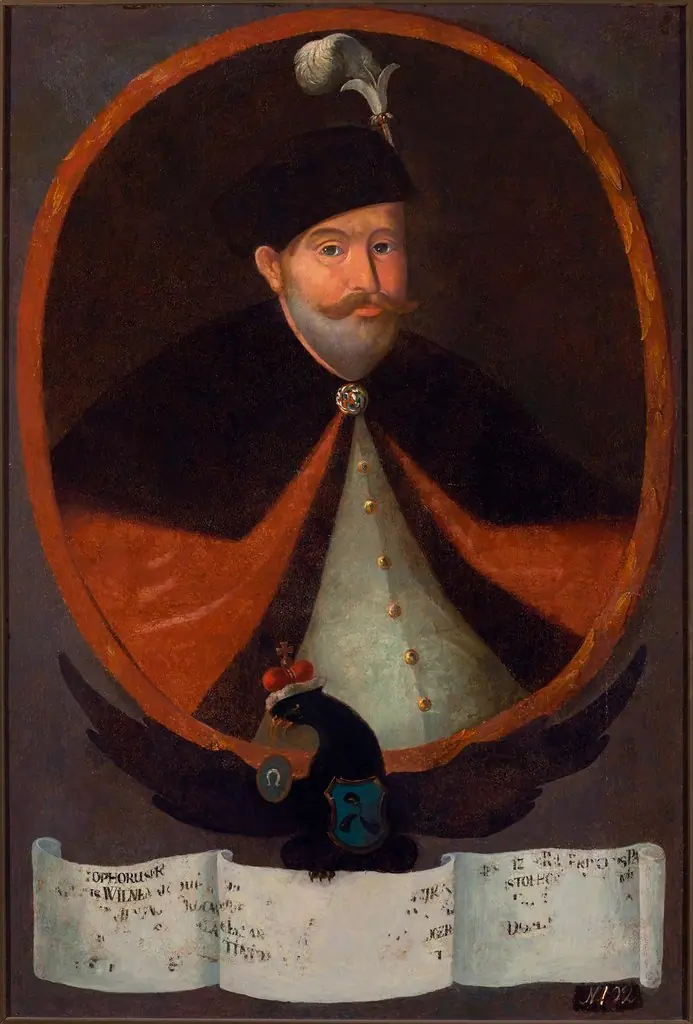 Portrait of Krzysztof II Radziwiłł (1585–1640), Great Hetman of Lithuania
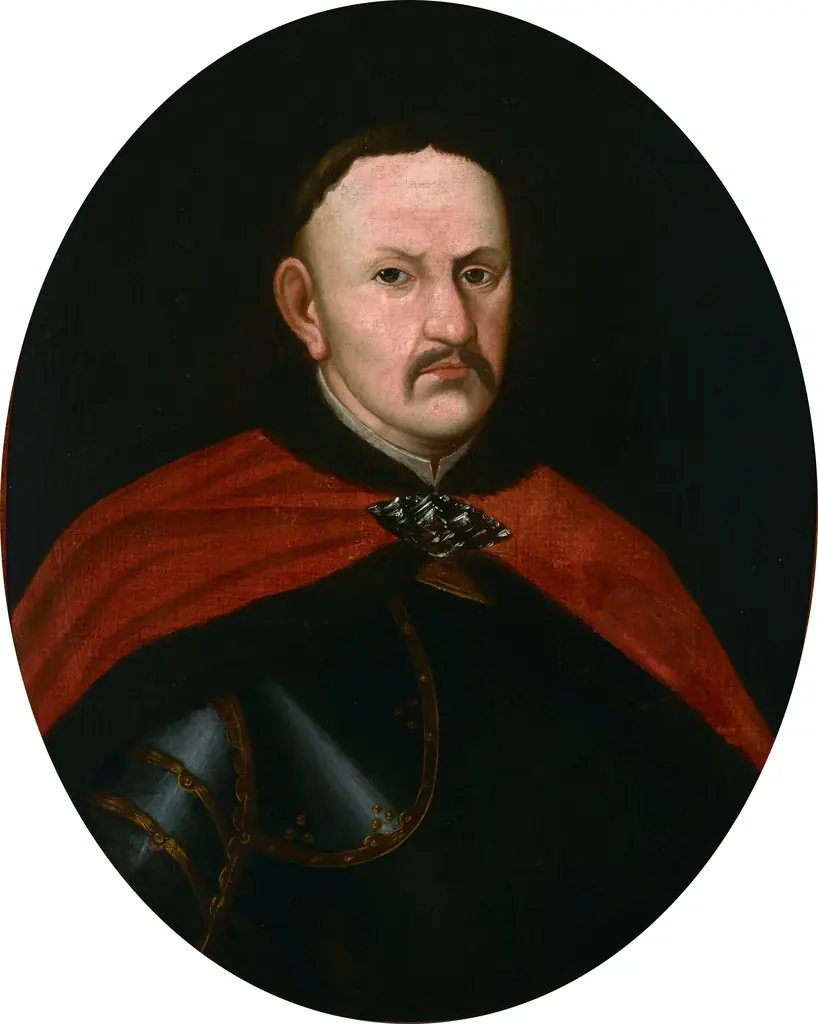 Portrait of Leonard Pociej (1632–1695), Voivode of Vitebsk
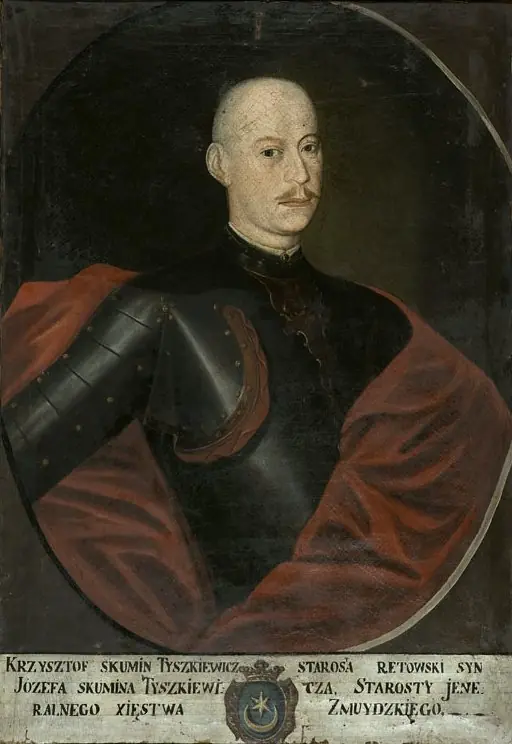 Portrait of Krzysztof Skumin Tyszkiewicz (1729–1762), starosta of Rietavas
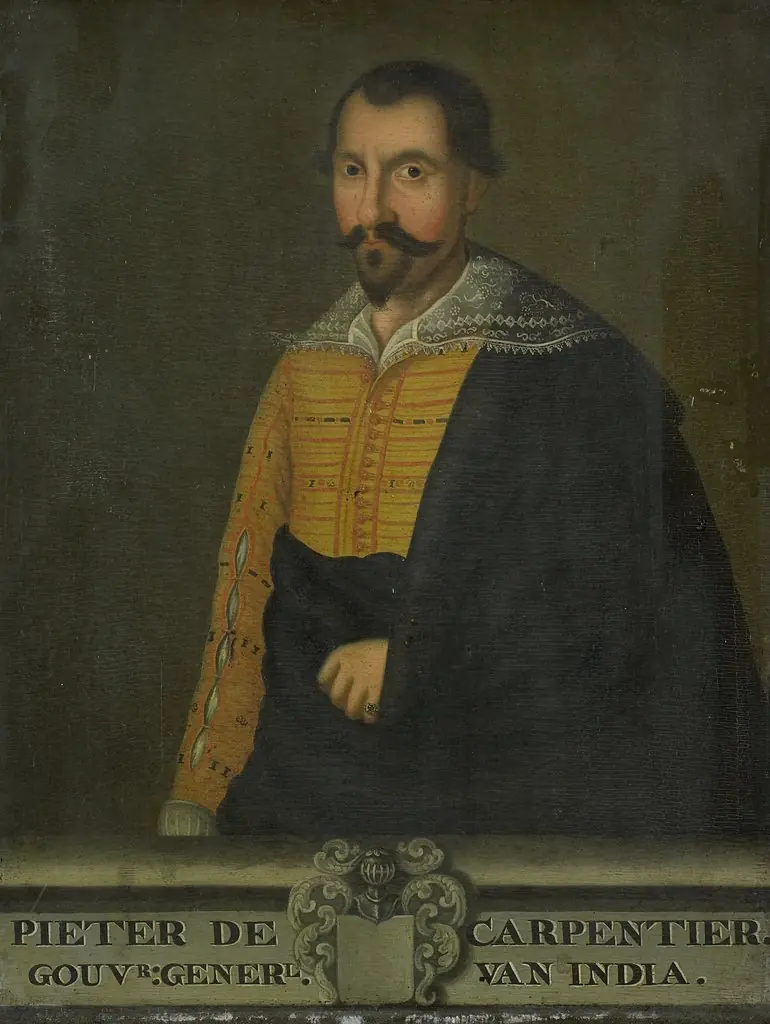 Portrait of Pieter de Carpentier (1588-1659)
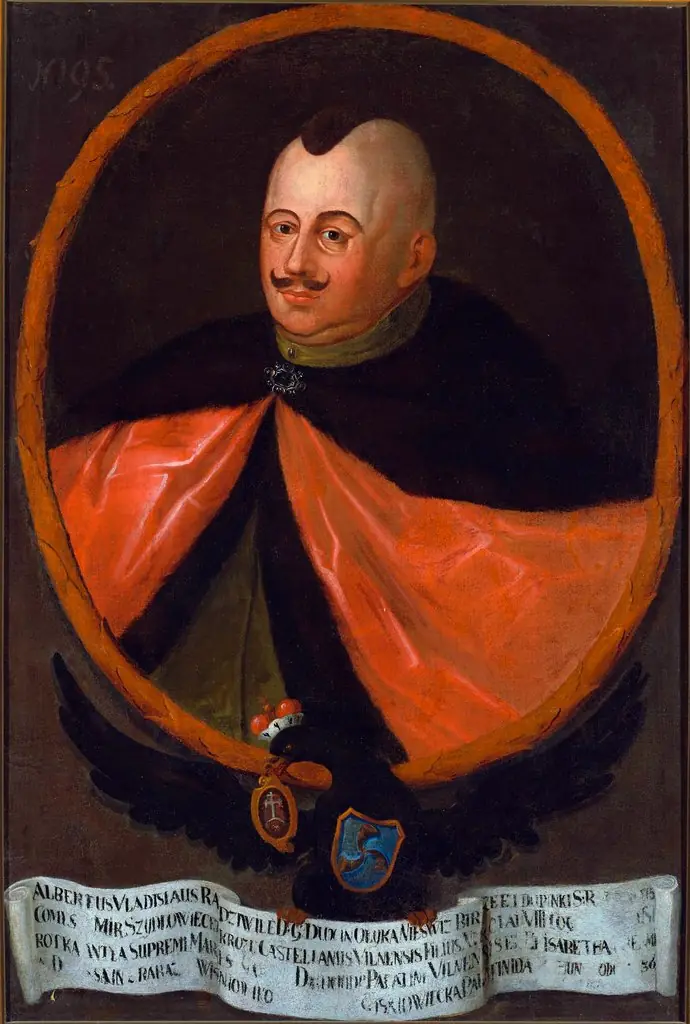 Portrait of Albert III Władysław Radziwiłł (1589–1636)
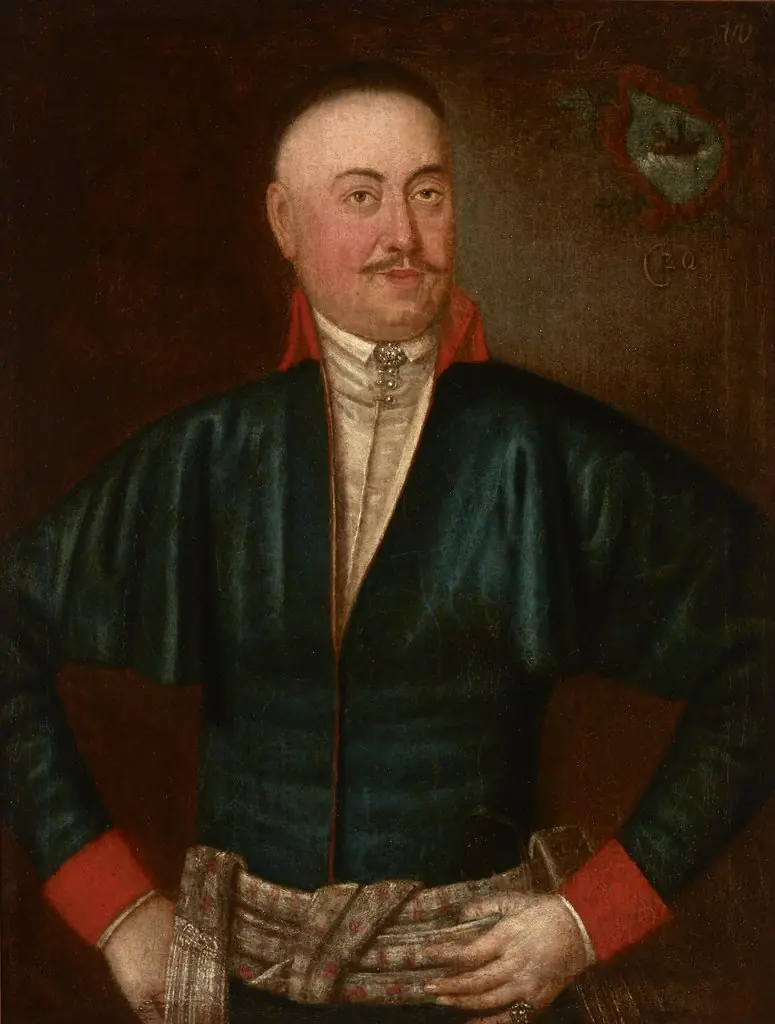 Portrait of an unknown man
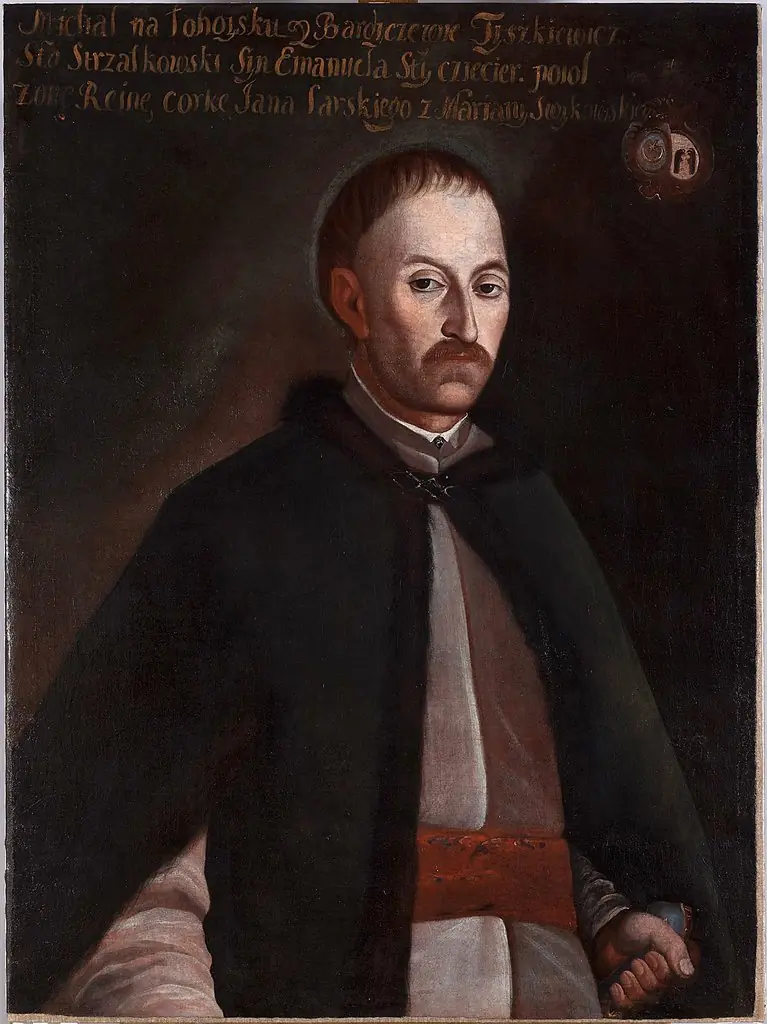 Portrait of Michał Tyszkiewicz, Leliwa coat of arms (?–after 1762), starosta of Strzałków
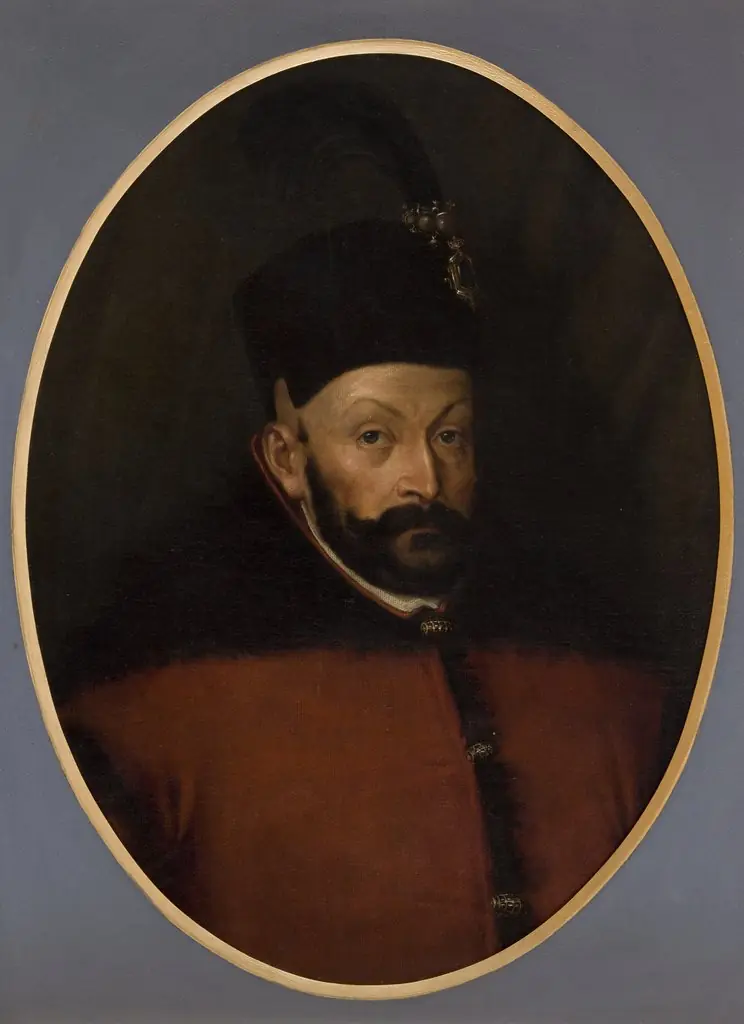 Portret Stefana Batorego (1533-1586), króla Polski
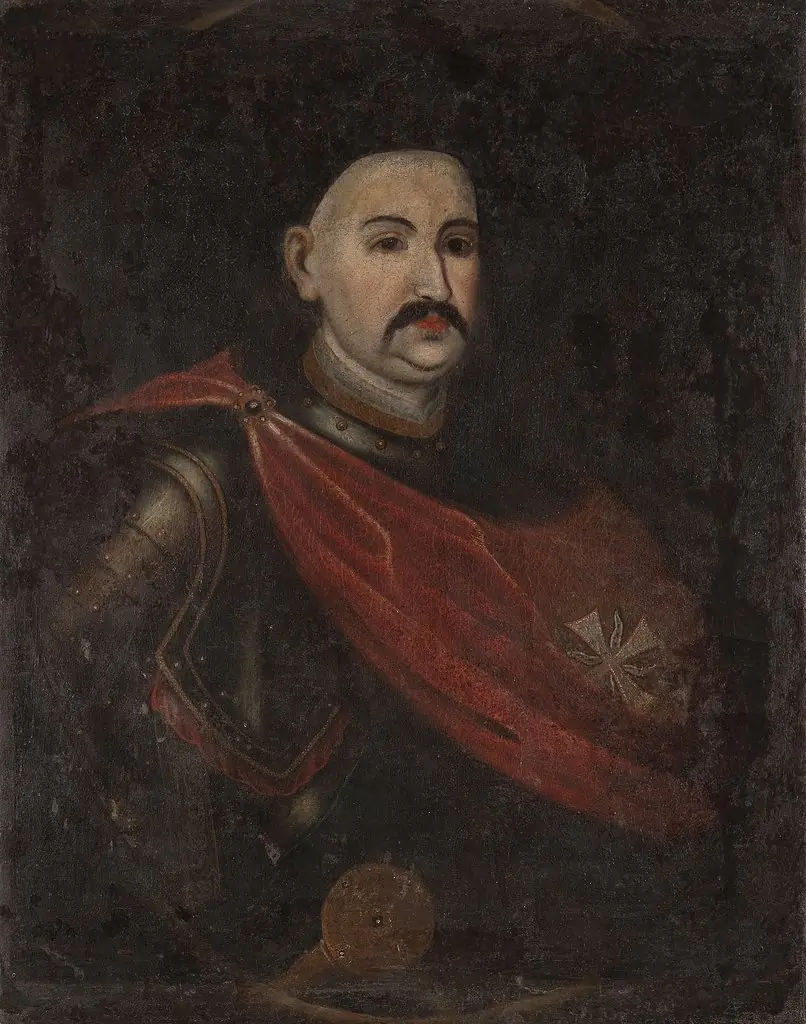 Portrait of Mikołaj Hieronim Sieniawski