Artwork
Frans de Witt (1516-1565)
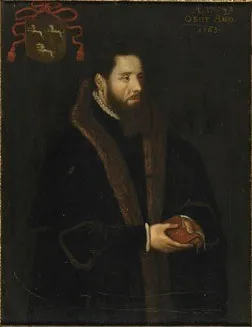
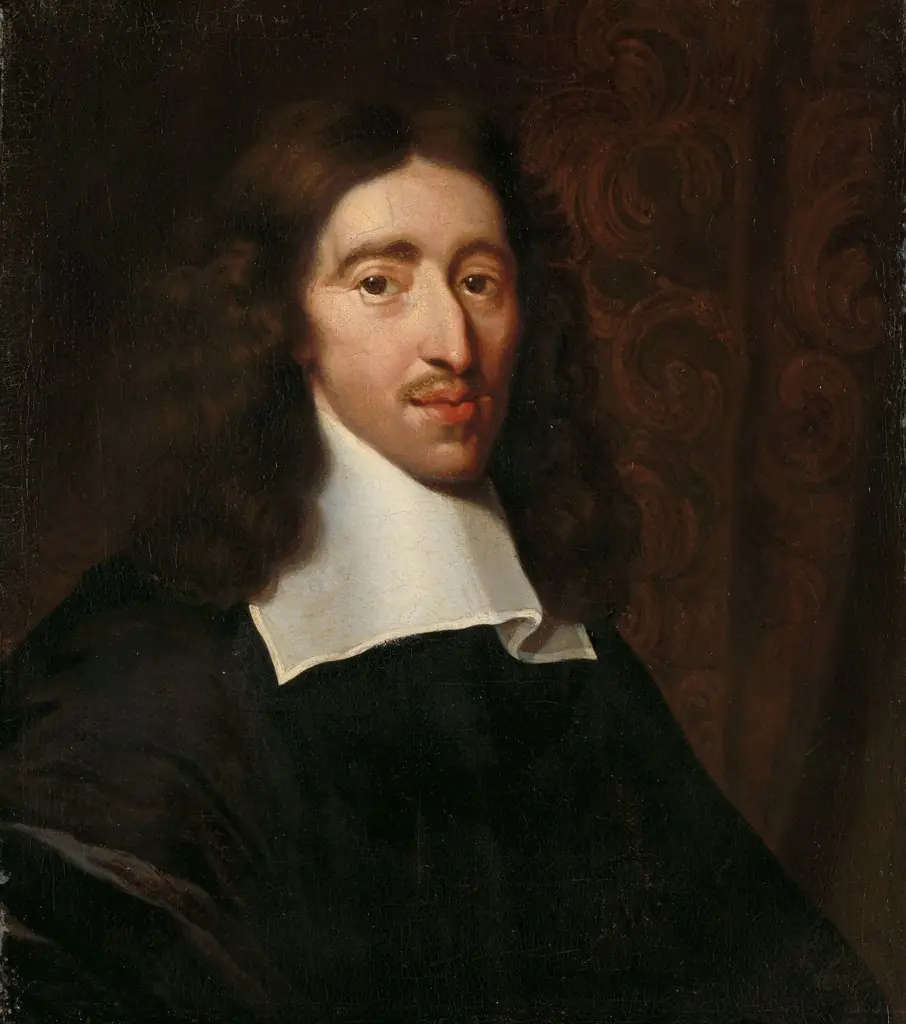
Frans de Witt (1516-1565) is an oil painting. It dates from 1617 and is held in the collection of the Rijksmuseum.
About this work
Subject & Meaning
Symbolic elements such as the plain background and direct gaze underscore the work’s focus on individual identity rather than narrative allegory.
The portrait shows the sitter in conventional attire that signals his status as a cultured citizen of the Northern Low Countries. Symbolic elements such as the plain background and direct gaze underscore the work’s focus on individual identity rather than narrative allegory. Together these visual choices convey a representation of civic virtue and personal dignity characteristic of early 17th‑century portraiture.
The composition emphasizes the sitter’s role as a representative figure of his community, with the modest setting highlighting his public rather than private concerns.
The painting is housed in the Rijksmuseum depot of the Cultural Heritage Agency of the Netherlands Art Collection.
Context
Frans de Witt (1516-1565) was a Dutch Renaissance portraitist active in the Northern Low Countries during the early 17th century, known for formalized likenesses of civic leaders and clergy. Contemporary scholarship identifies him as part of a network of portrait painters serving burgher and institutional patrons in the Dutch Republic, with his work reflecting the era's emphasis on individual representation and civic identity. His likeness of Frans de Witt, painted in 1617 on panel, demonstrates compositional conventions of the period, including frontal posture and restrained drapery, which scholars note as characteristic of early Dutch portraiture in the decades preceding Rembrandt.
The painting's attribution and stylistic analysis have been discussed in relation to broader trends in Northern European portraiture, particularly the influence of Antwerp school conventions on Dutch practice.
Overview
The oil painting depicts a formally dressed gentleman in a dark, high‑collared coat, his right hand clutching a small spherical object and his left hand resting on the hilt of a sword. A heraldic shield occupies the upper left corner, while the background is uniformly dark, allowing the figure’s face and attire to dominate the composition.
Technique & Style
Executed in oil on canvas, the work employs strong chiaroscuro, contrasting deep shadows with illuminated facial features and fabric folds. The painter renders the texture of the coat and the sheen of metal with careful brushwork, while the flat, unadorned background focuses attention on the sitter, a hallmark of mid‑16th‑century portraiture.
History & Provenance
Created during the early modern period, the portrait has been associated with collections of Dutch civic officials. Documentation traces its ownership through several private hands before entering a public museum collection in the late 20th century, where it remains a reference for studies of Dutch portrait conventions of the era.
Artist & collection

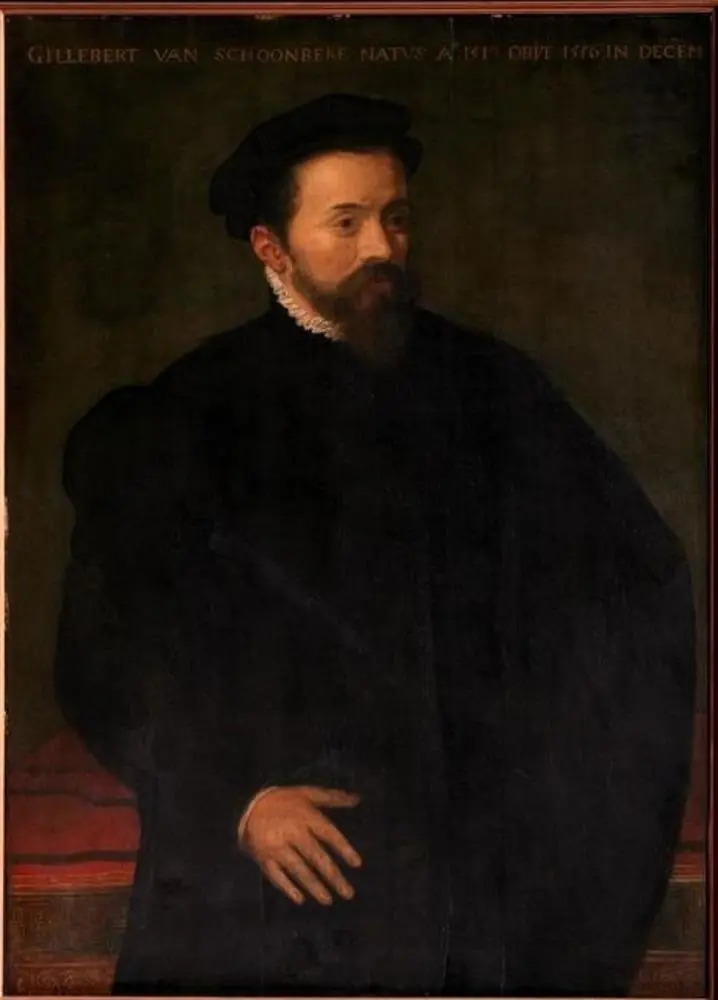
- Portrait of Gilbert van Schoonbeke (1519-1556)
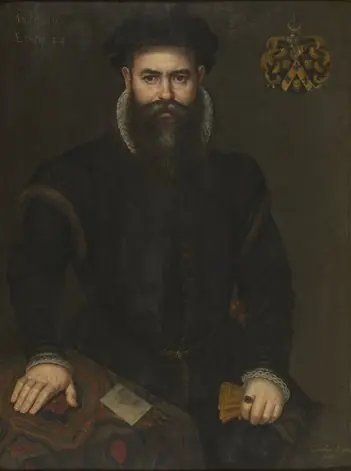 Portrait of Jacques della Faille (1525-1597)
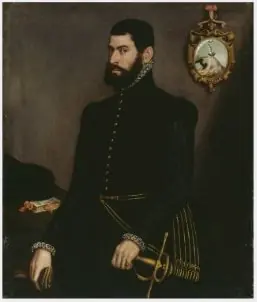 Portrait of an Unknown Man
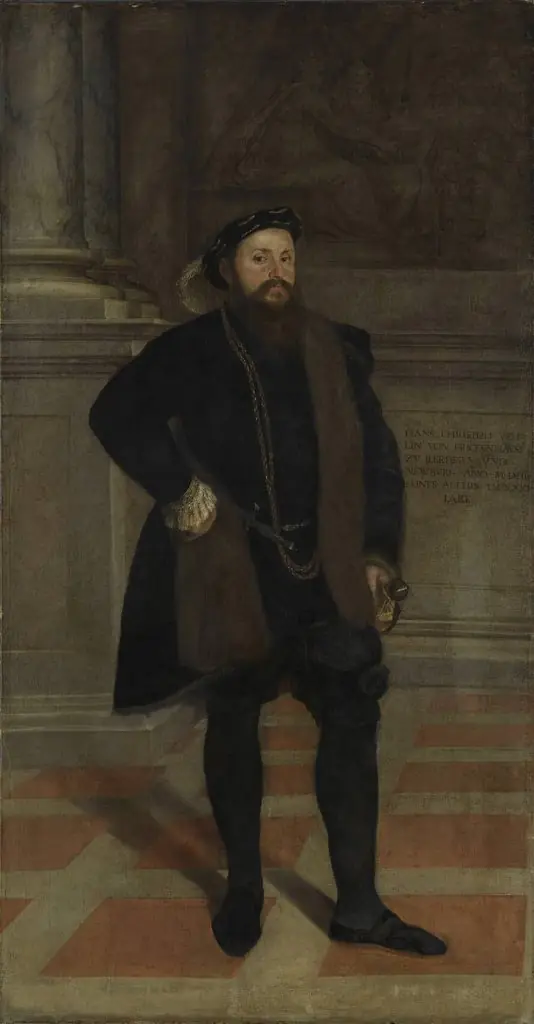 Hans Christoph I. Vöhlin von Frickenhausen (1522-1576)
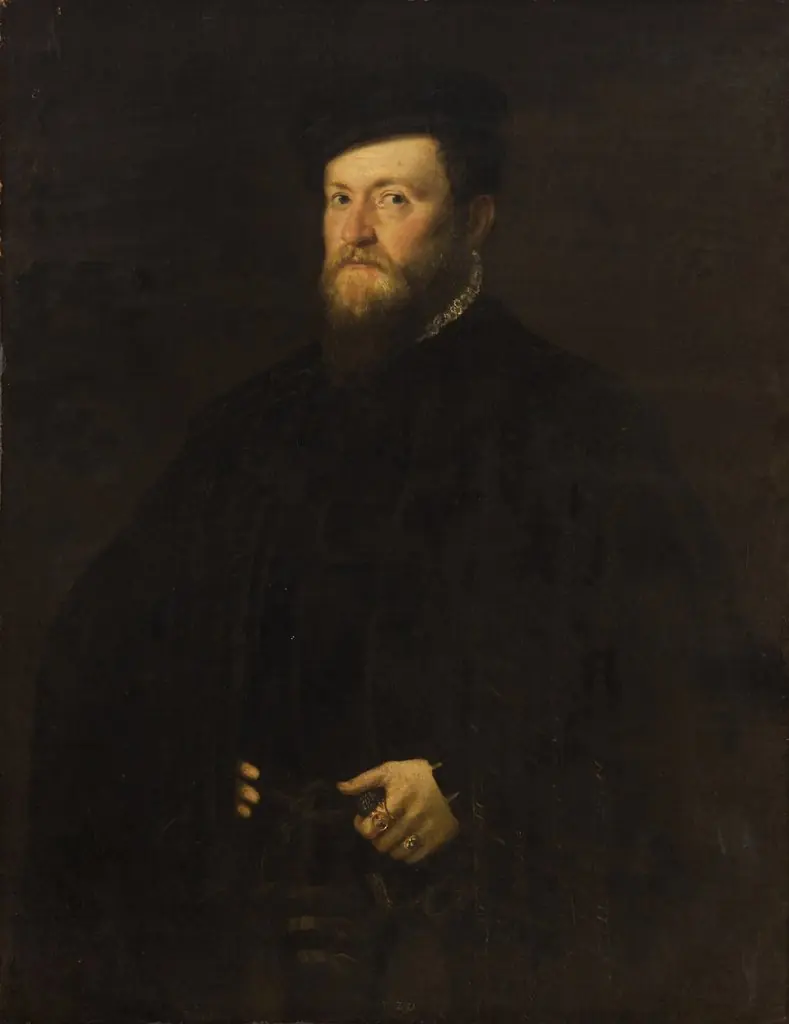 Portrait of a Man in a Cape
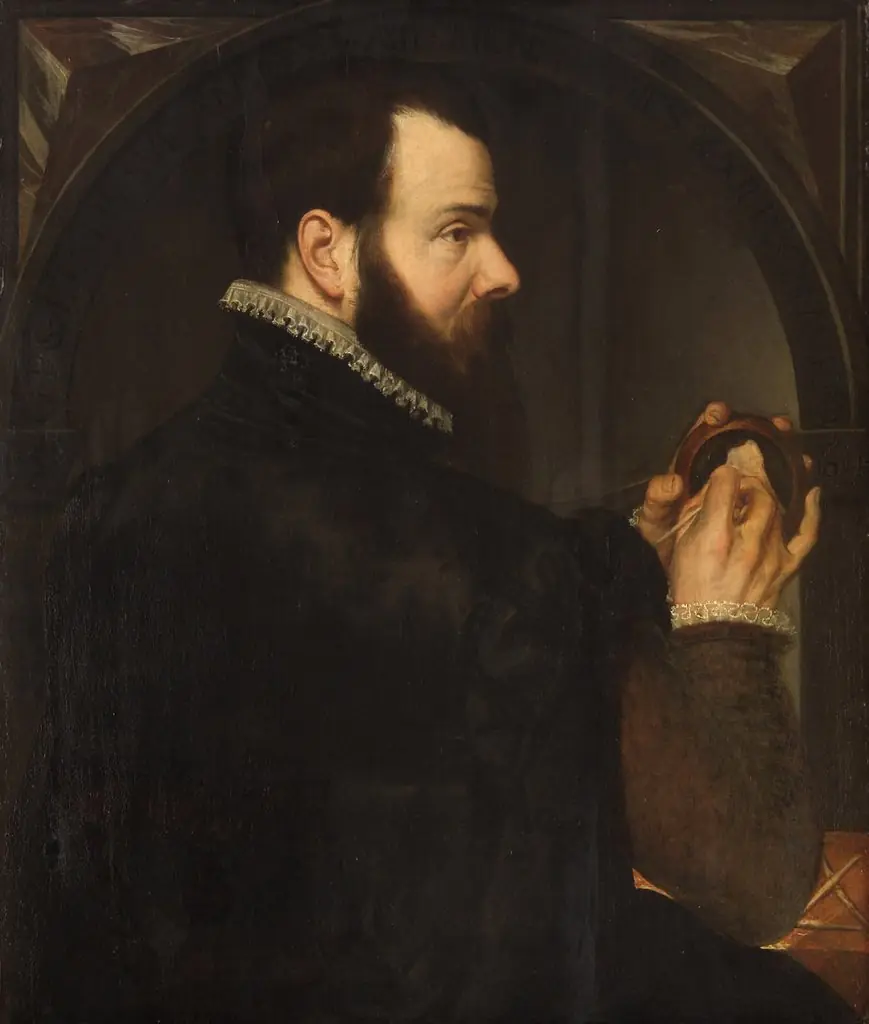 Self Portrait as a Wax-Modeller
 Portrait of a Man
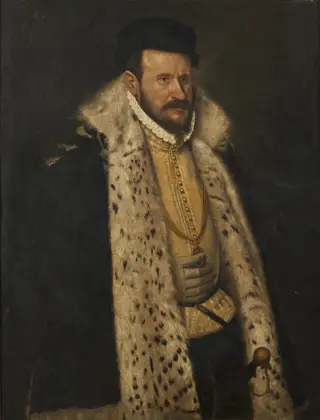 Portrait of a Man in a Furlined Coat
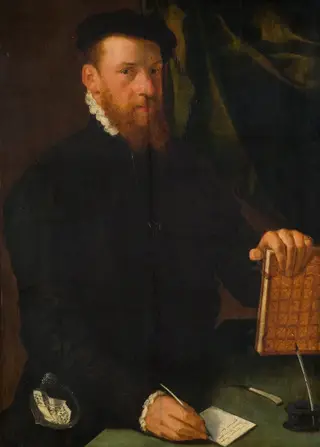 Männliches Bildnis
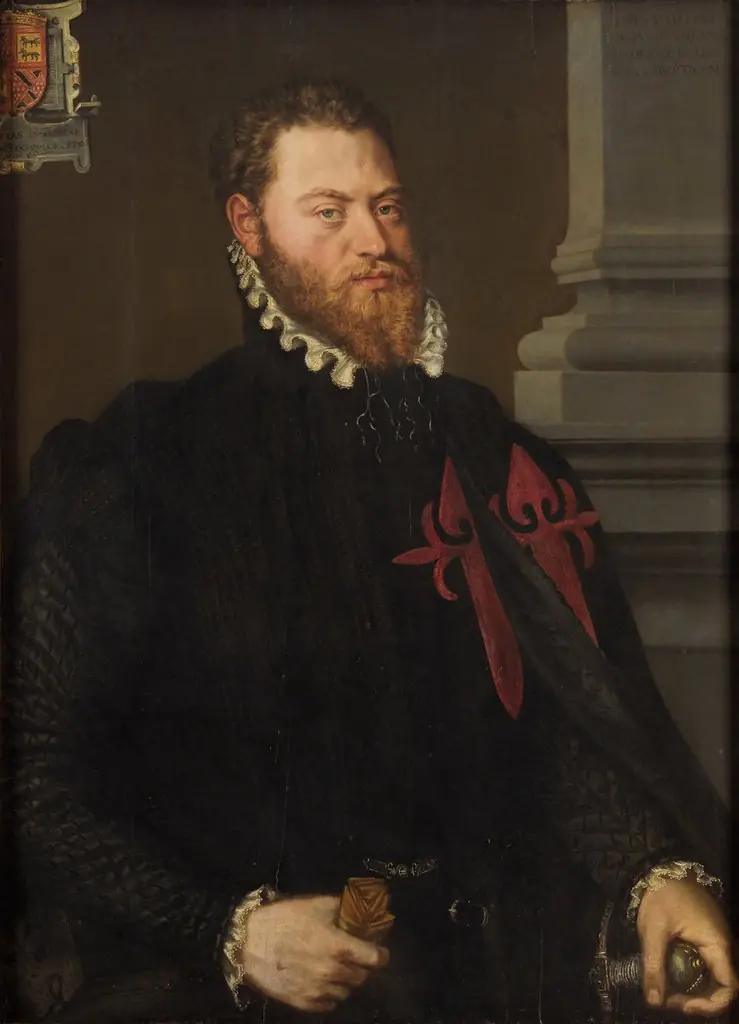 Don Inigo López de Mendoza y Zuniga
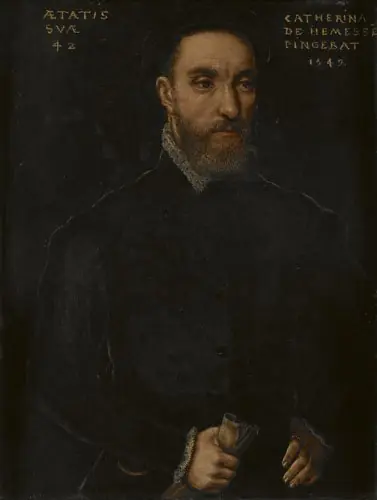 Portrait of a 42-year-old Man
 Portrait of Johan de Witt (1625-72), Grand pensionary of Holland