Artwork
Man with a Ruff
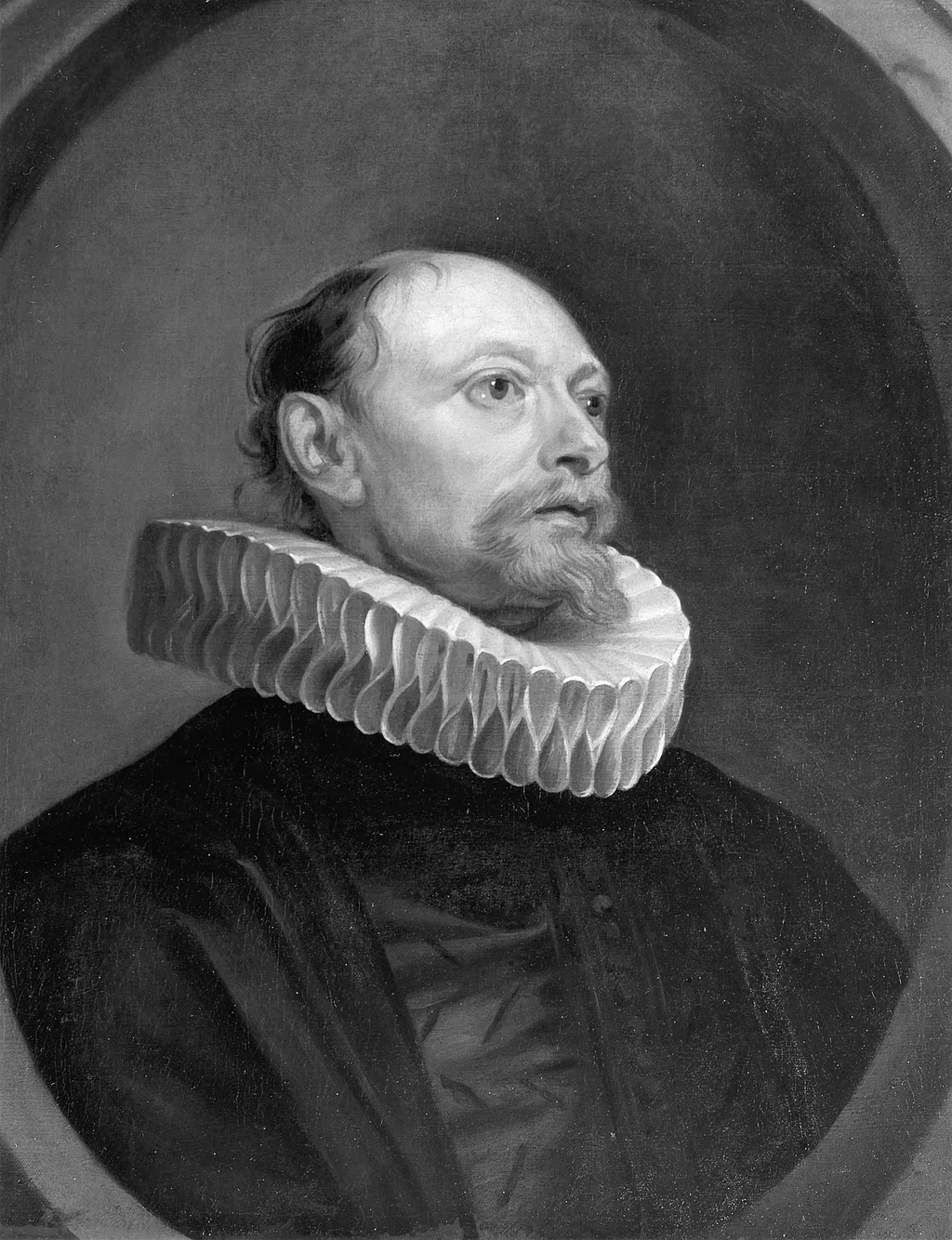
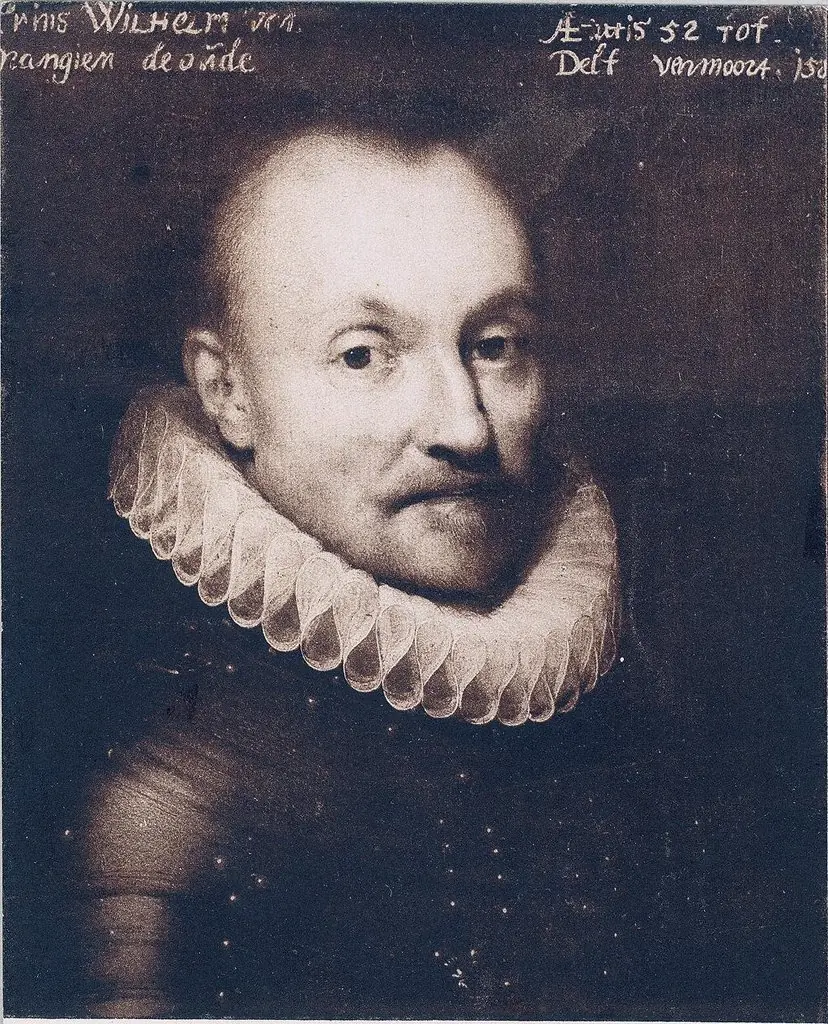
Man with a Ruff is an oil painting by the Dutch Golden Age artist Unknown. It dates from 1649 and is held in the collection of the Art Institute of Chicago. The work is an oil painting that presents a half‑length portrait of a man wearing a dark coat and a prominent white ruff.
About this work
The painting's use of chiaroscuro creates a sense of depth and dimensionality, drawing the viewer's eye to the subject's face.
This portrait features a man with a ruff, depicted in oil paint. The subject is shown from the chest up, wearing a dark jacket and a large, white ruff around his neck. The background is a solid, dark color.
The man's facial expression is serious, and his eyes seem to be looking off into the distance. His hair is dark and styled in a way that was common during the 17th century.
The painting's use of chiaroscuro creates a sense of depth and dimensionality, drawing the viewer's eye to the subject's face. If you're interested in learning more about this technique, you might want to look up chiaroscuro.
Overview
The work is an oil painting that presents a half‑length portrait of a man wearing a dark coat and a prominent white ruff. The figure is set against a uniform dark background, emphasizing his face and attire. The composition is restrained, focusing attention on the sitter’s serious expression and the contrast between light and shadow.
Subject & Meaning
The sitter is depicted from the chest upward, his gaze directed outward, suggesting contemplation or authority. The white ruff, a fashionable accessory of the 17th century, signals status and adherence to contemporary dress codes. The overall demeanor, somber and composed, reflects the conventions of formal portraiture intended to convey dignity and social standing.
Technique & Style
The artist employs chiaroscuro, using strong contrasts between illuminated areas and deep shadows to model the facial features and the folds of the ruff. This handling of light creates a three‑dimensional effect, guiding the viewer’s eye to the eyes and mouth. The brushwork is smooth in the flesh tones, while the background remains flat, reinforcing the figure’s prominence.
Context
Portraits featuring ruffs were common among the European elite during the early modern period, particularly in the 1600s. The garment’s elaborate pleating and white fabric required skilled rendering, often serving as a visual cue of wealth. The painting’s dark backdrop aligns with the period’s tendency to isolate the subject, highlighting personal identity over setting.
Artist & collection









 Bildnis eines bärtigen Mannes
 Portrait of a red-bearded man
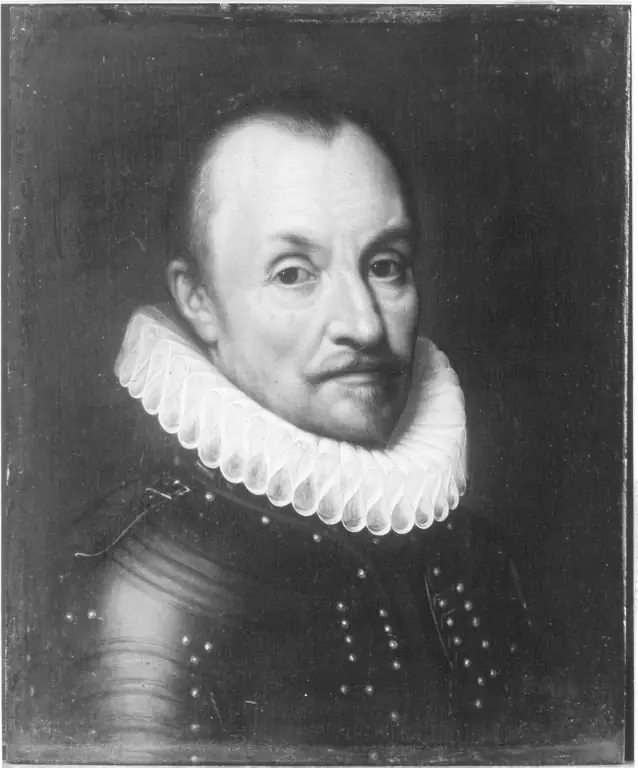 Bildnis des Willem I., Prins van Oranje, genannt Wilhelm der Schweiger
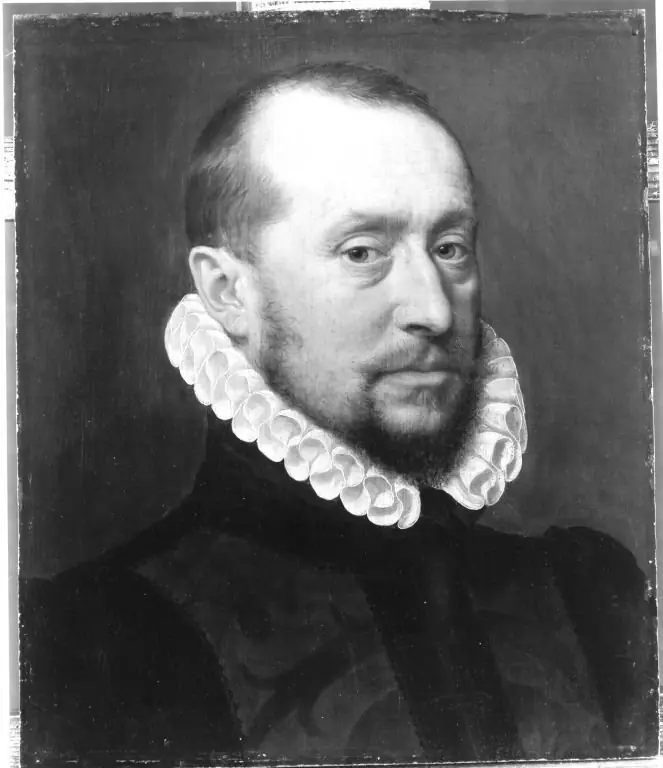 Brustbild eines braunbärtigen Mannes
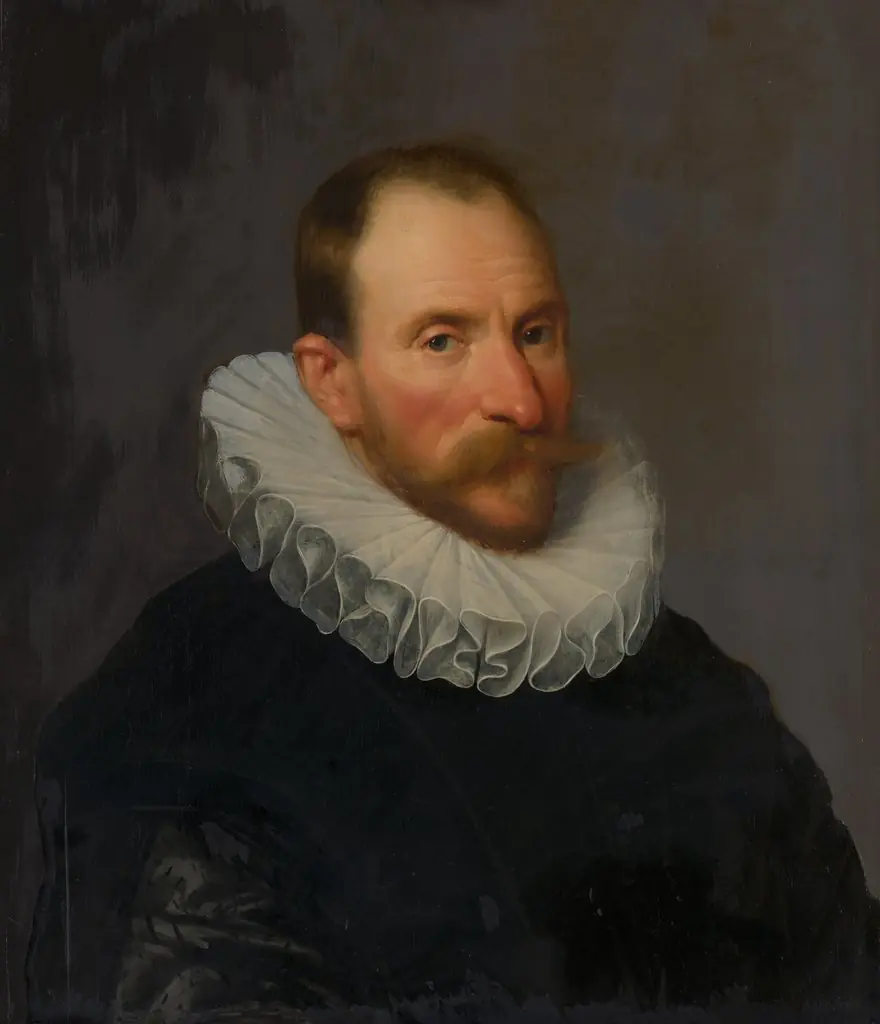 Portrait of Cornelis van Aerssen (1545-1627)
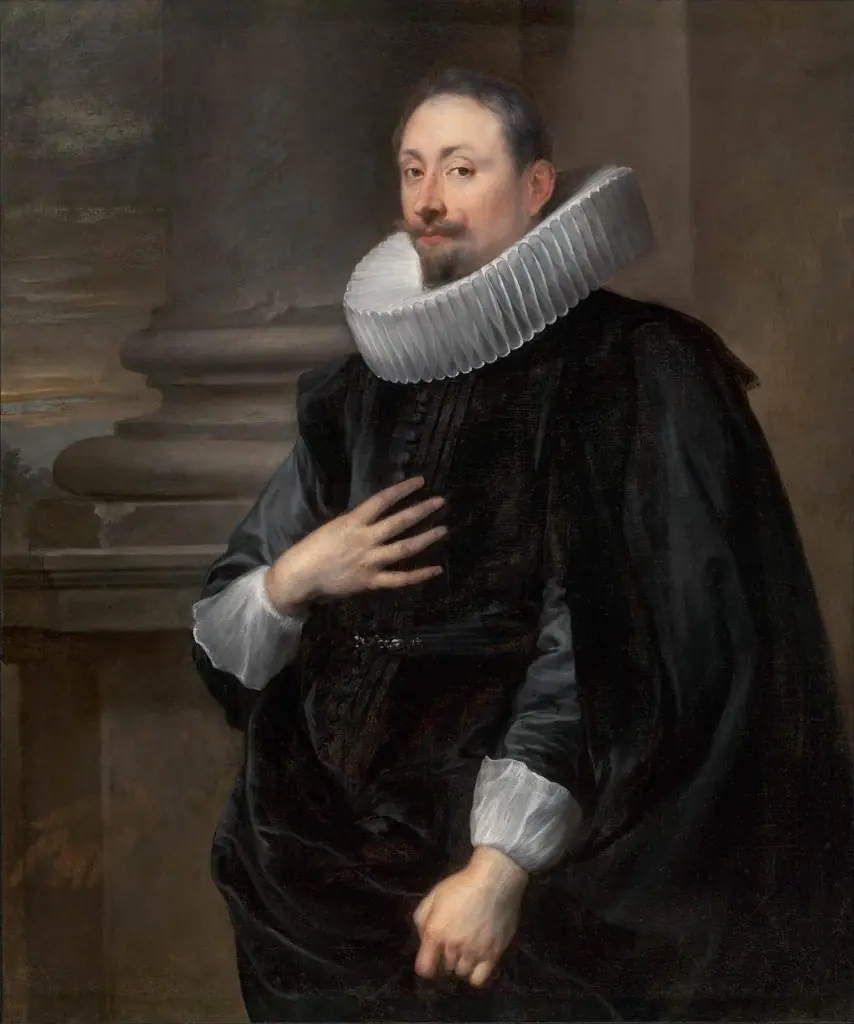 Peeter Symons
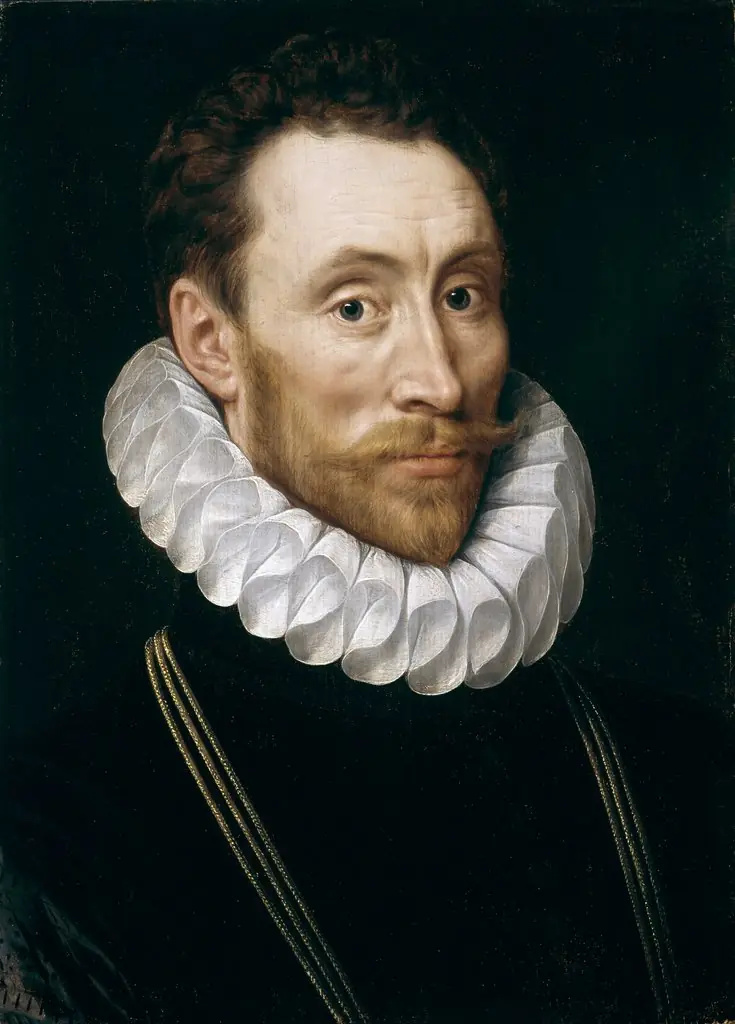 Portrait of a Man Aged 31
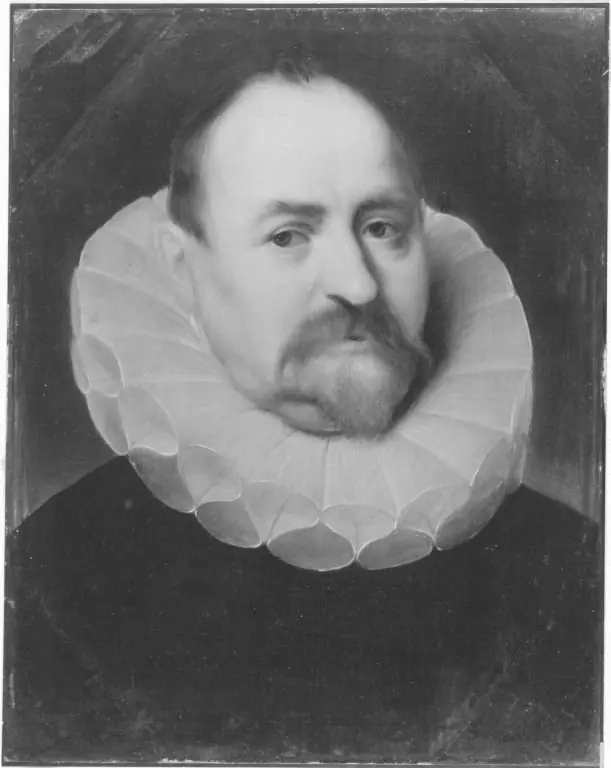 Bildnis eines Mannes
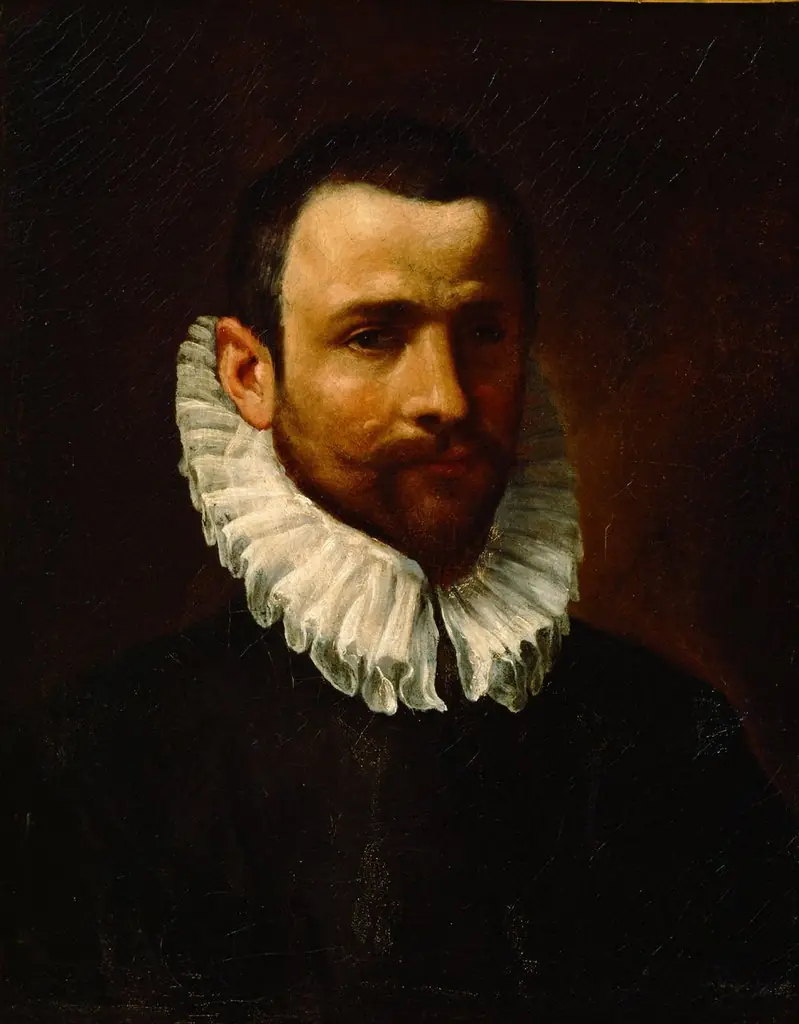 Portrait of Lodewijk Toeput
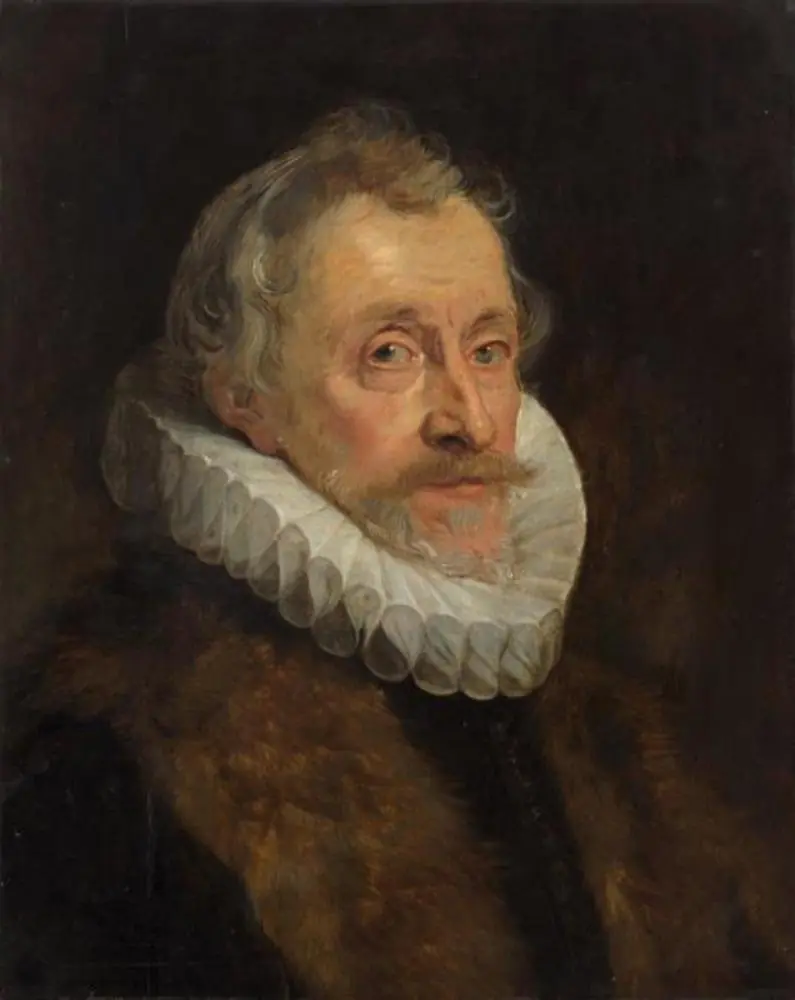 Man in a Fur Wrap and Pleated Collar
 Portrait of Willem I 'de Zwijger' van Oranje- Nassau (1533-1584)
- Portrait of a Man with a Ruff