Artwork
Painting
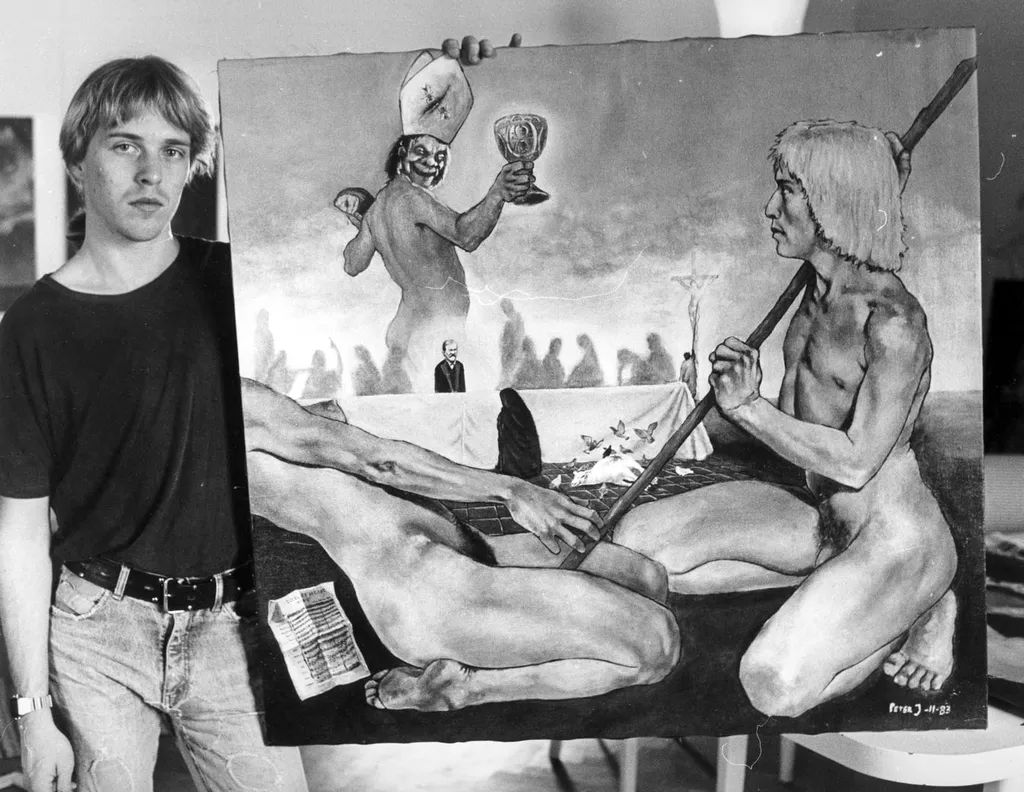
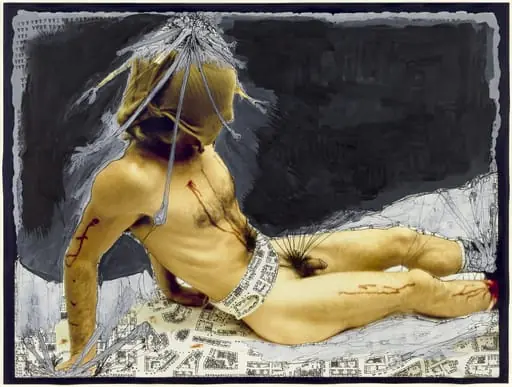
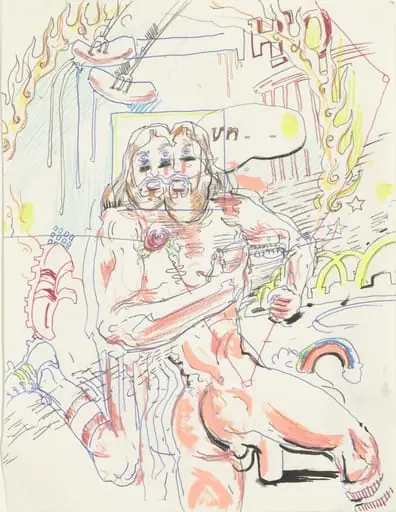
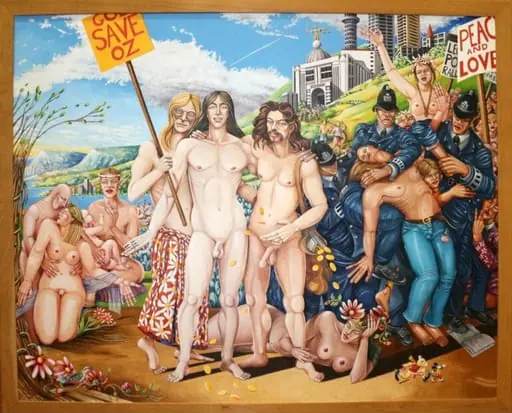
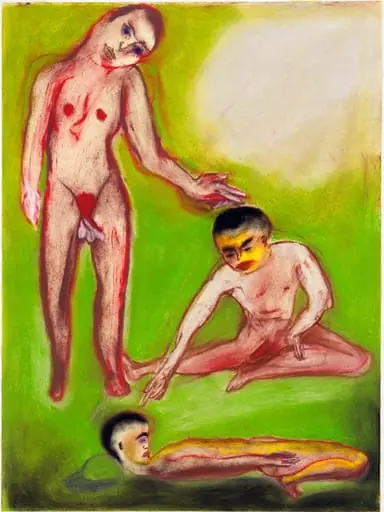
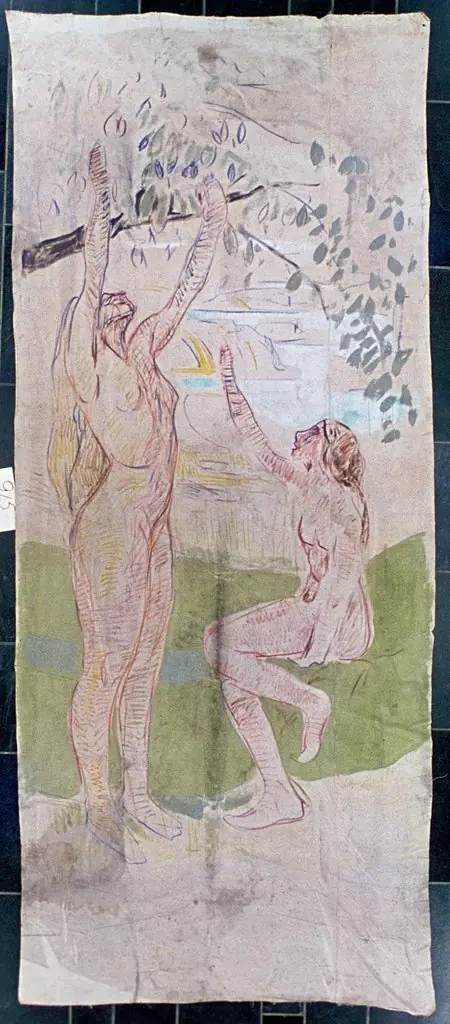
Painting is a paint painting by Unknown. It dates from 1985 and is held in the collection of the Blekinge Museum.
About this work
This painting shows a scene, but I don't know what it's about. The artist is unknown, which makes it interesting. It's from 1985, so it's a relatively modern piece.
It's on display at the Museum of Ethnography, which might give us a clue about its origins or meaning, and to learn more about similar works, look up the technique of sfumato.
Overview
The work’s modern date contrasts with its thematic references, hinting at a deliberate engagement with mythic or archetypal imagery.
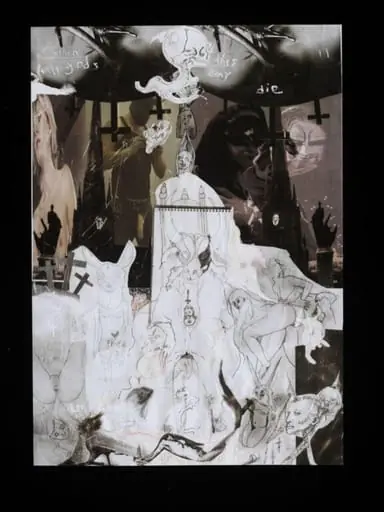
A painting titled 'Parsifal,' created in 1985, is held in the collection of the Museum of Ethnography. Though attributed in some records to Peter Jönsson, the artist’s identity remains unverified. Its presence in an ethnographic context suggests a focus on cultural symbolism rather than conventional artistic lineage.
The work’s modern date contrasts with its thematic references, hinting at a deliberate engagement with mythic or archetypal imagery.
Subject & Meaning
The painting’s title references the medieval legend of Parsifal, a knight of the Holy Grail, yet the visual content does not clearly depict scenes from the narrative. Without definitive iconography, interpretation remains open. Its placement in an ethnographic museum implies an interest in how universal myths are visually adapted across cultures, possibly reflecting postmodern reinterpretations of archetypal stories rather than literal storytelling.
Technique & Style
The work employs a soft, blended handling of paint, reminiscent of sfumato, with muted tones and indistinct edges. This technique creates an atmospheric ambiguity, distancing the image from realism. The absence of sharp detail invites contemplation rather than immediate recognition, aligning with symbolic or psychological approaches common in late 20th-century figurative art influenced by myth and memory.
History & Provenance
The painting entered the Museum of Ethnography’s collection shortly after its creation, though documentation of its acquisition is sparse. No exhibition history or prior ownership is publicly recorded. The lack of verified artist information and limited provenance suggests it may have been acquired as an example of contemporary symbolic painting rather than as a work by a recognized figure.
Context
Displayed among ethnographic artifacts, the painting functions as a cultural artifact rather than a fine art object. Its inclusion signals an institutional interest in how modern artists engage with ancient narratives, particularly those tied to identity, ritual, or spiritual quest. The museum’s curatorial framing positions it as a bridge between mythic tradition and contemporary visual language.
Legacy
The painting remains an enigmatic presence in the museum’s collection, rarely reproduced or studied in depth. Its unresolved authorship and ambiguous subject matter have prevented it from entering broader art historical discourse. Yet, its continued display suggests an enduring value as a case study in the intersection of myth, modern technique, and ethnographic curation.