Artwork
Pater Patriae
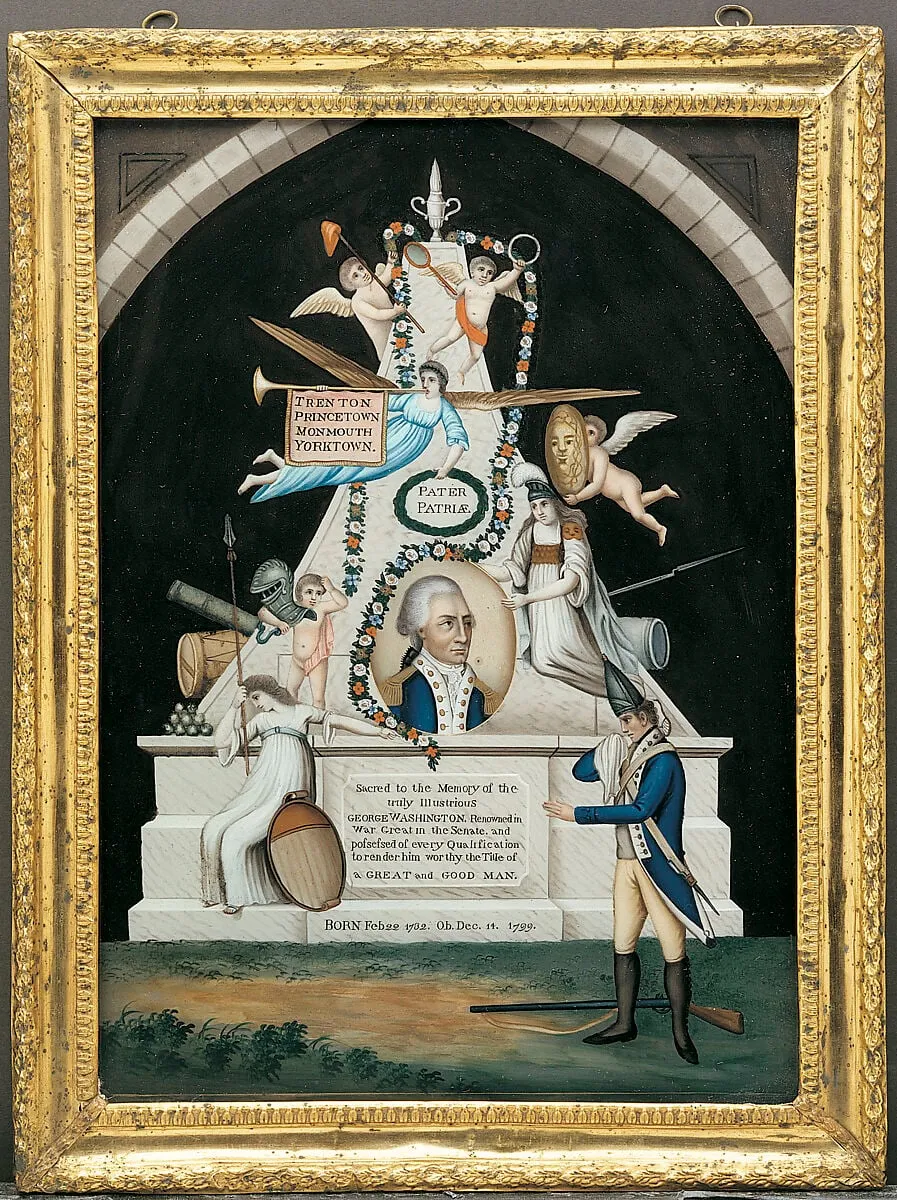
Pater Patriae is an oil painting. It dates from 1800 and is held in the collection of the Metropolitan Museum of Art.
About this work
Subject & Meaning
Pater Patriae presents George Washington in an allegorical religious mode, classified as a religious genre work despite its political subject.
Pater Patriae presents George Washington in an allegorical religious mode, classified as a religious genre work despite its political subject. The composition depicts Washington alongside an angel, a man, and a woman, fusing civic veneration with Christian iconography. Produced in China in 1800 and executed in oil on glass, the painting adapts the Eastern devotional reverse-glass technique to a Western-style apotheosis of the first U.S. president.
The combination of angelic presence with the founding figure suggests a symbolic treatment of Washington as a sanctified national patriarch, blending motifs of mourning, reverence, and spiritual transcendence rather than presenting a straightforward portrait.
Technique & Style
Pater Patriae is executed in oil paint applied directly onto a glass support, a technique that distinguishes it from traditional canvas or panel works. Created around 1800 in China, the piece measures 36.2 centimeters in height and 26 centimeters in width. As a religious genre work, the medium of oil on glass allows for specific luminous qualities often associated with reverse painting or decorative arts of the period.
The artwork depicts George Washington alongside an angel, a man, and a woman, utilizing the transparent nature of the glass to enhance the visual depth of these figures. The physical dimensions and material composition reflect a cross-cultural artistic production where Western iconography was rendered using Chinese manufacturing techniques and materials.
History & Provenance
Pater Patriae is an oil‑on‑glass painting dated 1800, created in China by an anonymous artist. The work portrays George Washington alongside an angel, a man, and a woman, a composition documented in the Metropolitan Museum of Art’s records. It has been part of the museum’s The American Wing collection since its acquisition, where it is housed. No further provenance or commission details are recorded in the available sources, and the attribution remains anonymous.
Pater Patriae is held in the collection of the Metropolitan Museum of Art, where it is classified under The American Wing. Created in 1800, the oil on glass painting measures 36.2 cm in height and 26 cm in width. The provided sources do not document a specific inventory or accession number for the work, nor do they record any details regarding its exhibition history.
Legacy
The painting’s placement within The American Wing at the Metropolitan Museum of Art has positioned it as a key example of early American religious art, shaping scholarly interpretations of the period’s visual culture. As documented in the museum’s collection records and the work’s Wikidata entry, its status as a 1800 oil on glass depicting George Washington alongside symbolic angelic figures contributes to ongoing discussions of national iconography and anonymous artistic practice in the United States. The piece’s provenance and display context have reinforced its reputation as a representative artifact of early republican symbolism, influencing how later generations perceive the intersection of politics and devotional imagery.
Overview
Pater Patriae is an oil painting executed on glass, presenting an enigmatic vision of American history. The work depicts George Washington ascending into the heavens, encircled by angelic figures, while a diverse group of onlookers below gestures towards him. This distinctive medium and the dreamlike assembly of figures contribute to its unique character within the American art tradition.
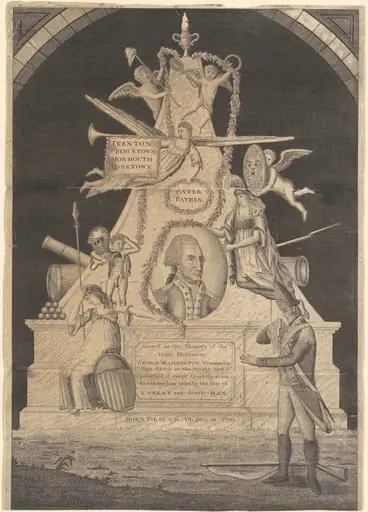
Artist & collection

- Memorial for George Washington
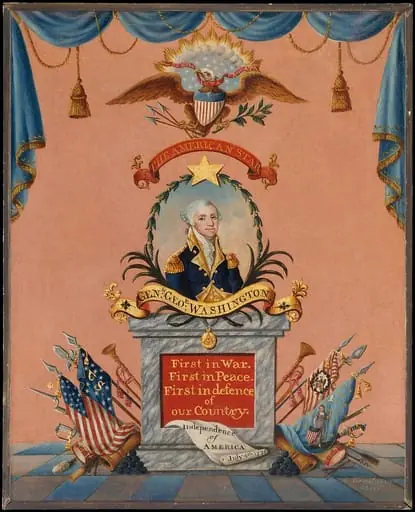 The American Star (George Washington)
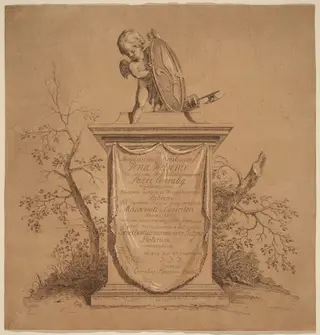 Title Page
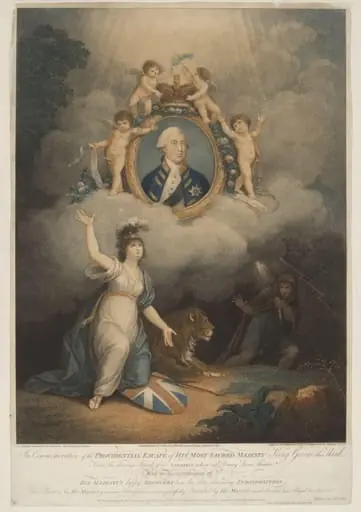 H Beard Print Collection
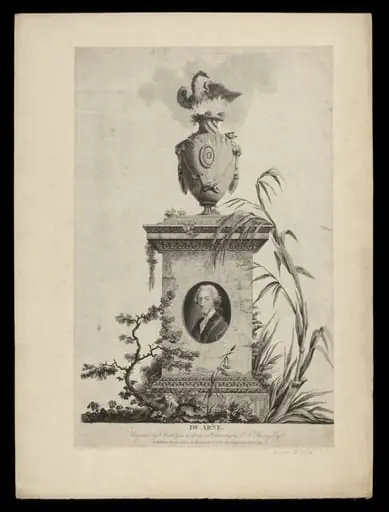 H Beard Print Collection
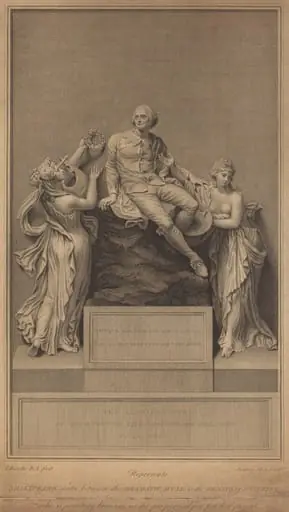 Monument to William Shakespeare
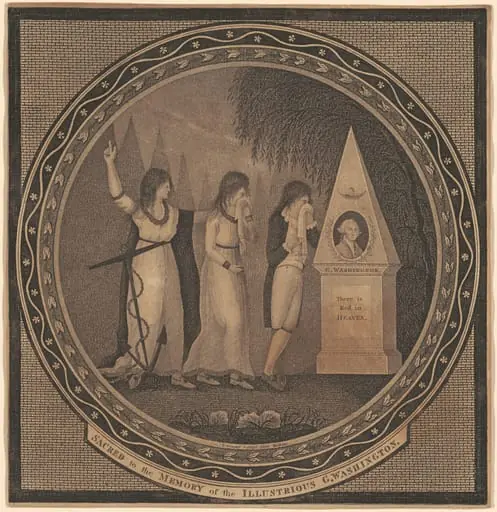 Sacred to the Memory of the Illustrious George Washington
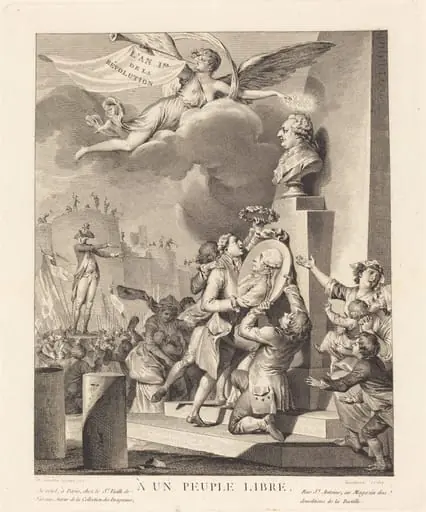 A un peuple libre
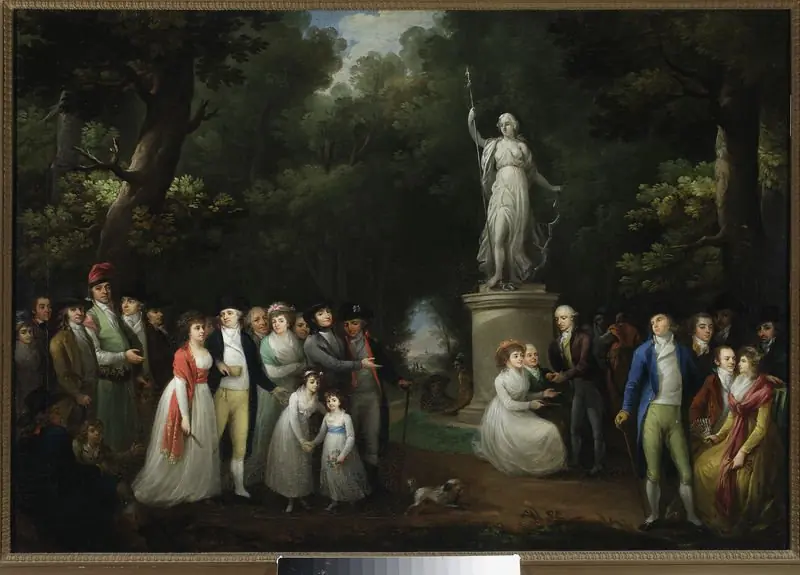 Social meeting in a park
 H Beard Print Collection
 King's Theatre Pantheon
 H Beard Print Collection