Artwork
Portrait of a Woman
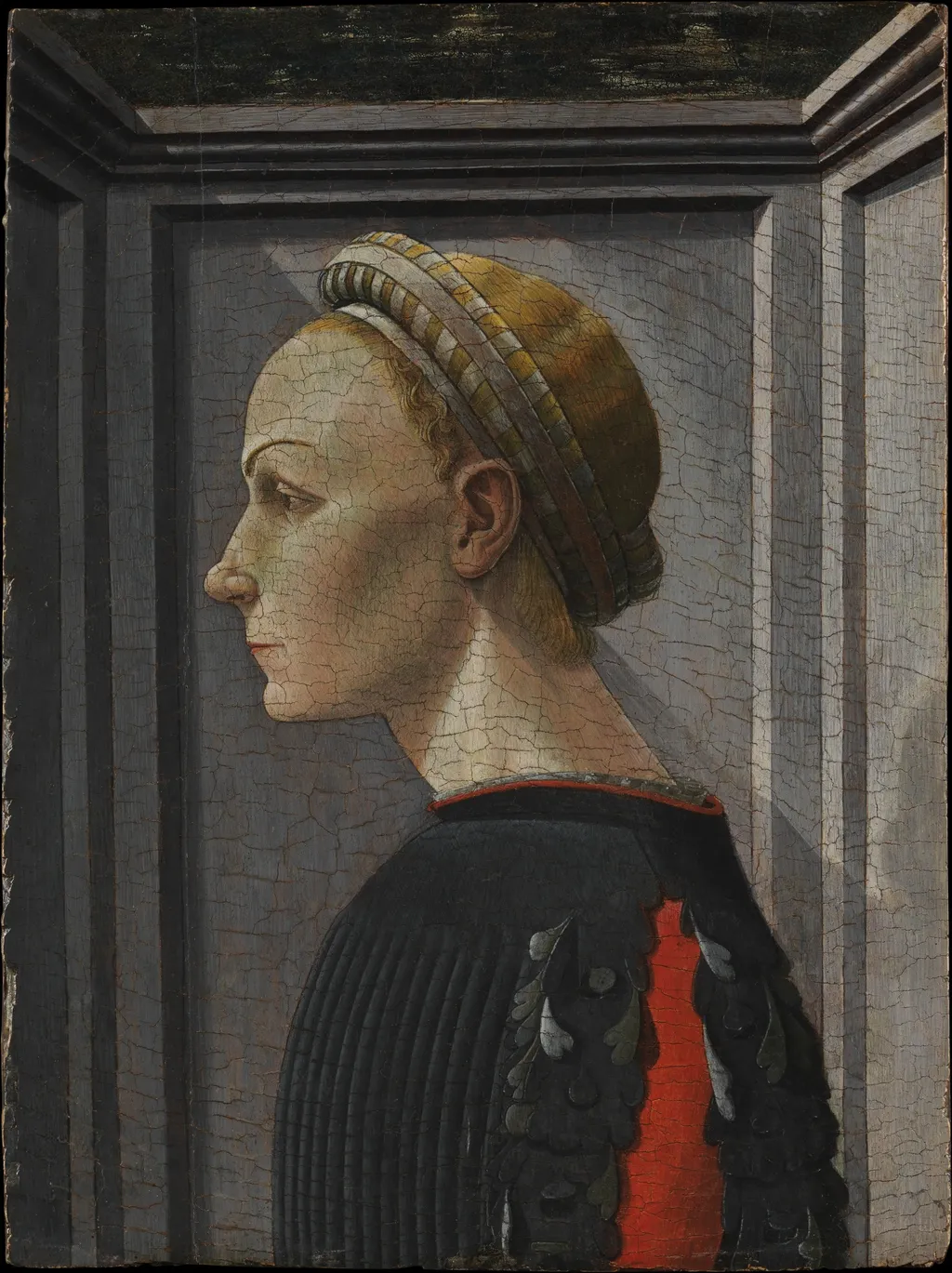
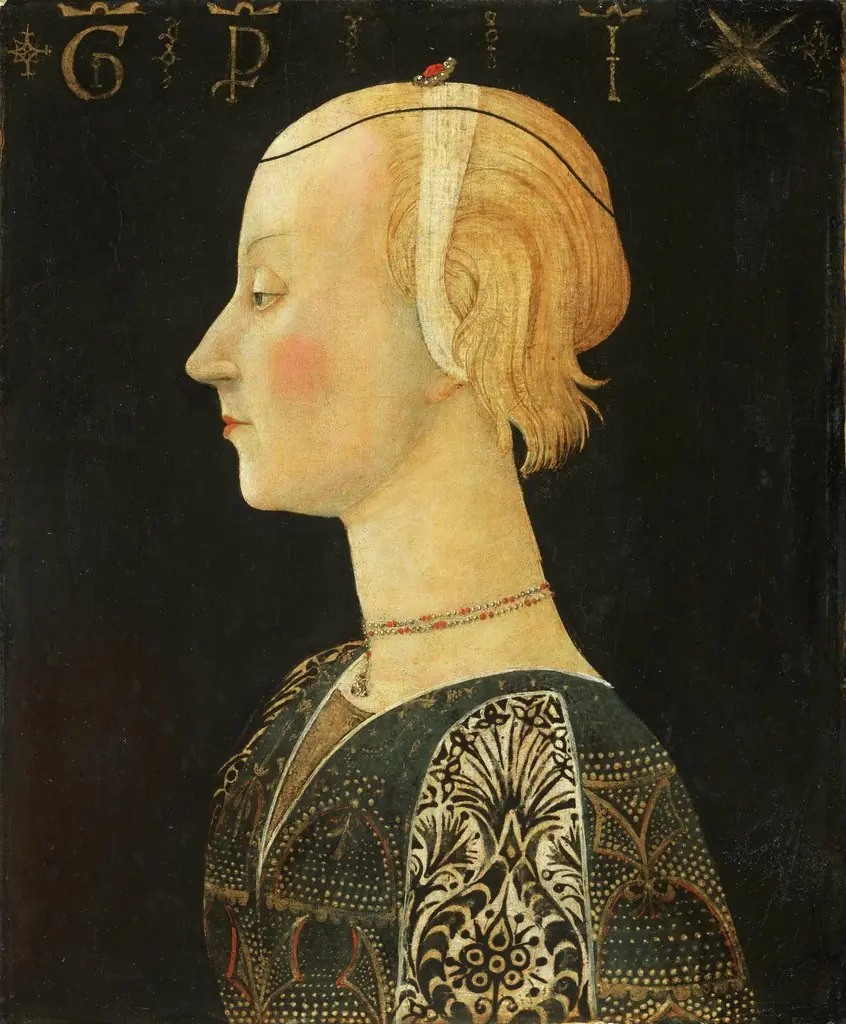
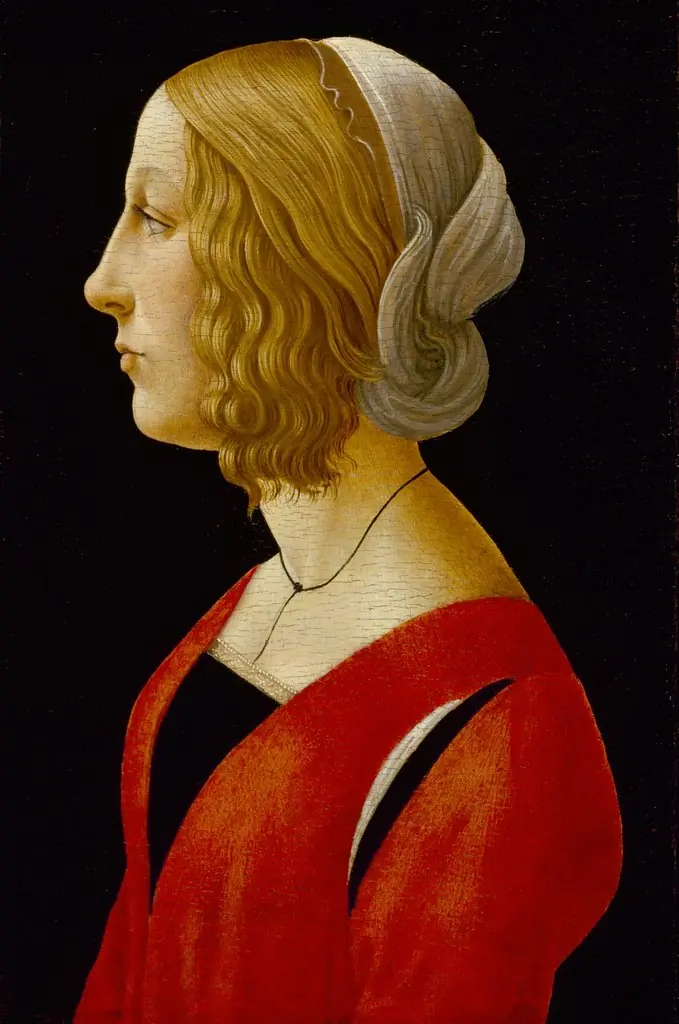
Portrait of a Woman is a tempera painting. It dates from 1450 and is held in the collection of the Metropolitan Museum of Art.
About this work
Subject & Meaning
The painting, titled Portrait of a Woman, shows a mature female sitter rendered in profile on a wooden panel using tempera, dating to circa 1450.
The painting, titled Portrait of a Woman, shows a mature female sitter rendered in profile on a wooden panel using tempera, dating to circa 1450. Its dimensions of 41.3 × 31.1 cm and attribution to Giovanni di Franco place it within the Metropolitan Museum of Art’s collection, formerly owned by Michael Friedsam. The work belongs to the portrait genre and is classified as a painting.
The profile pose and lack of additional iconographic symbols concentrate attention on the sitter’s presence, reflecting early Renaissance interest in realistic individual likeness and status.
Technique & Style
The work is executed in tempera on panel, a technique characteristic of mid-fifteenth-century Italian panel painting. The composition adopts a strict profile format, presenting the sitter in side view against a plain ground, a convention rooted in early Renaissance portraiture that emphasized linear contour and silhouette. The panel measures 41.3 cm in height by 31.1 cm in width, an intimate, small-scale format suited to private devotional or commemorative display.
The painting is classified as a portrait and is attributed to Giovanni di Franco, with the support and medium consistent with workshop practices of the period. No condition notes are recorded in the available documentation.
Overview
This painting, titled "Portrait of a Woman," is a tempera work depicting a female figure in profile. The composition emphasizes her features and attire against an unadorned background. The medium, tempera, was a prevalent choice before the widespread adoption of oil paints, contributing to the work's distinct visual qualities. Its aged frame further suggests the painting's historical significance and enduring presence.
History & Provenance
The painting is presented within an aged, dark frame that exhibits visible cracks in its surface. This physical evidence of wear and time suggests the artwork's considerable age and its journey through history. Such details often provide clues to a work's provenance, indicating that it has been preserved and appreciated over an extended period, reflecting its historical value.
Artist & collection

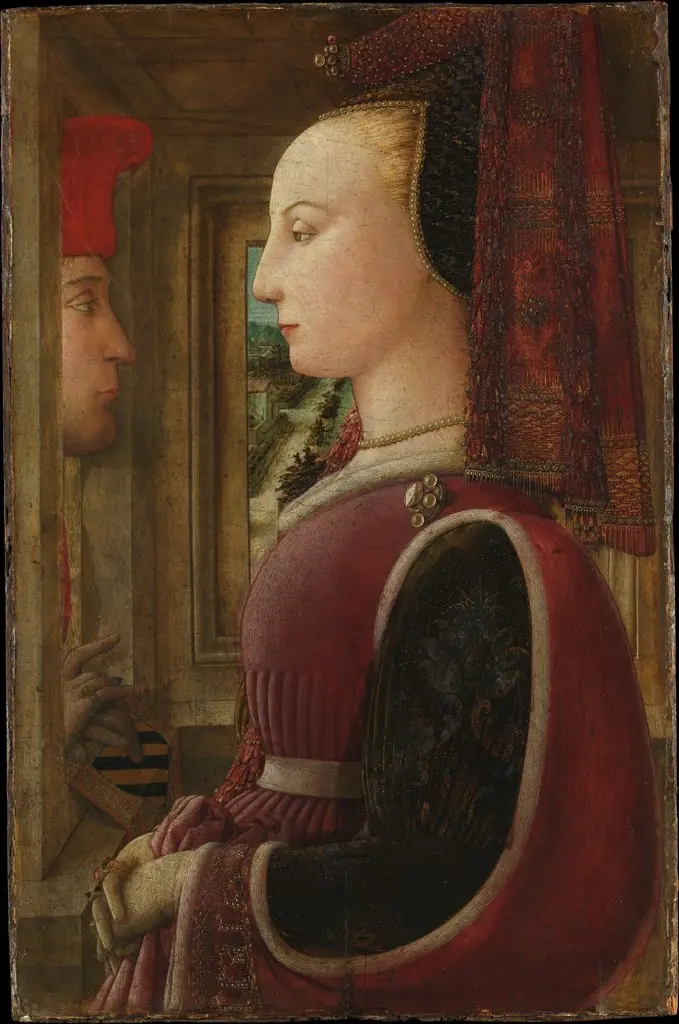
- Portrait of a Woman with a Man at a Casement
 Portrait of a young Woman
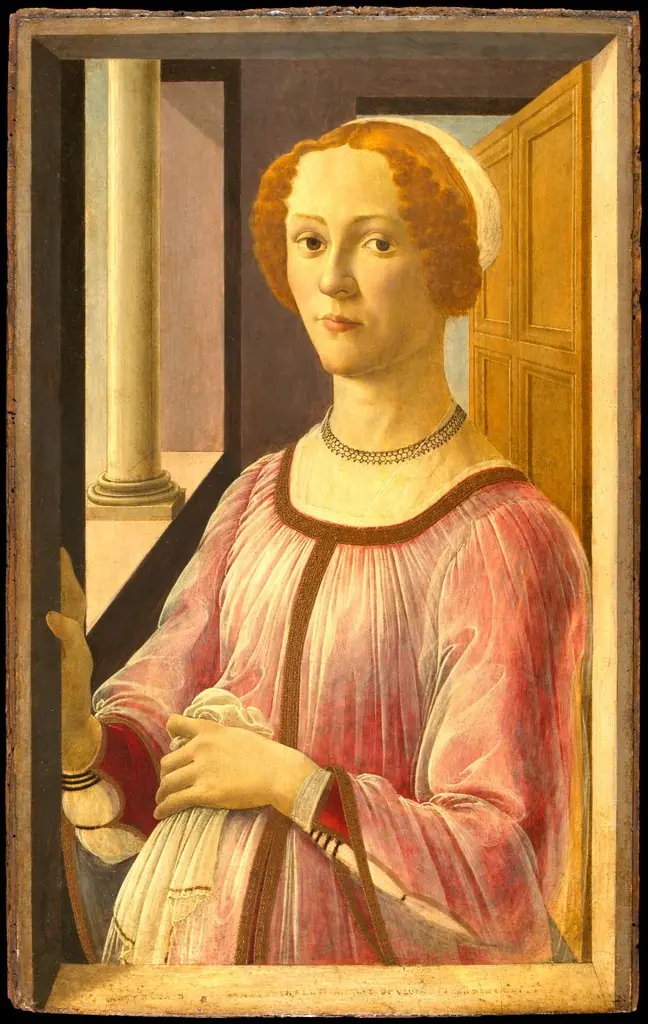 Portrait of a Lady known as Esmeralda Brandini
 Portrait of a Lady
 Profile Portrait of a Young Man
 Ginevra Bentivoglio
 Portrait of a Man
 Giovanni II Bentivoglio
 Portrait of Lionel d'Este
 Portrait of a young woman facing left
 Matteo Olivieri (?)
 Bust of a Young Woman