Artwork
Portrait of a Woman
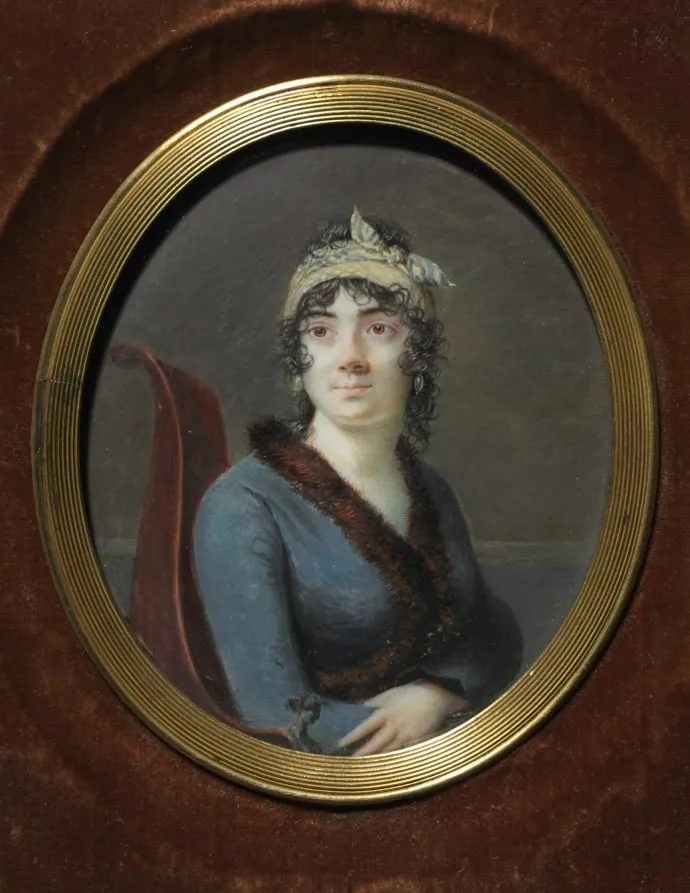
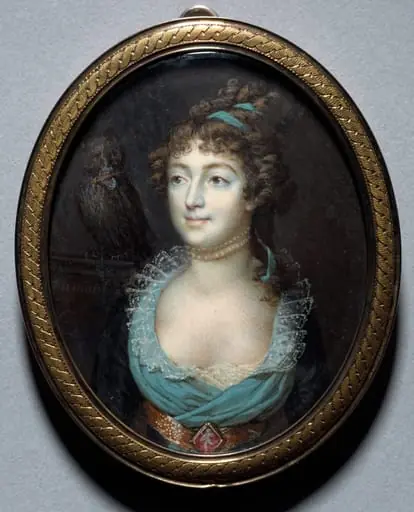
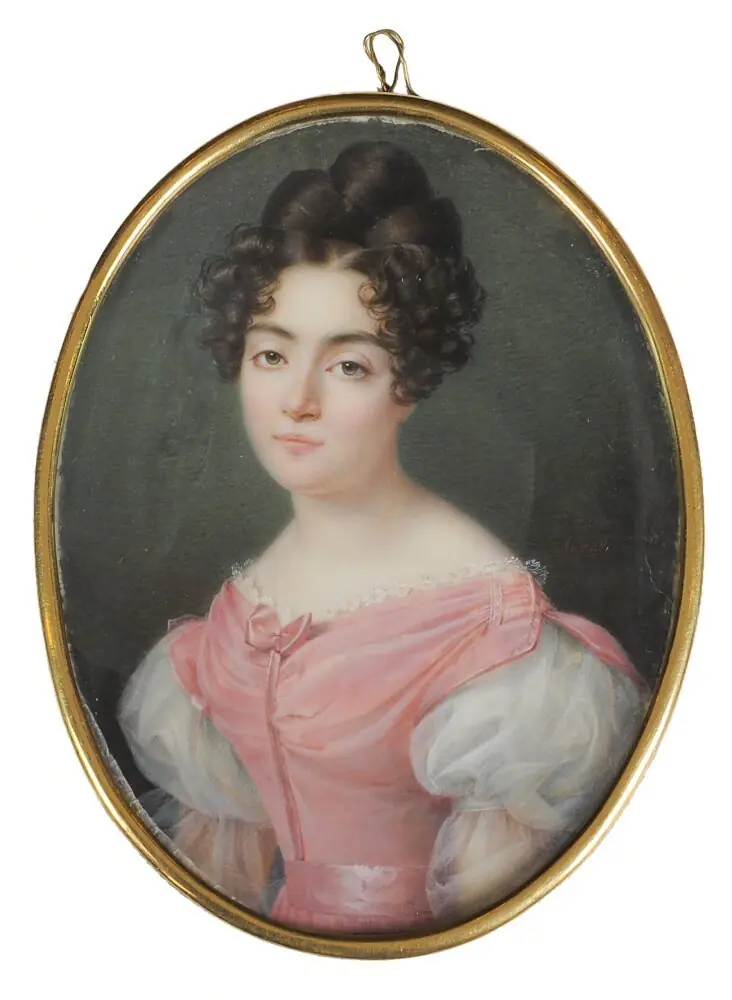
Portrait of a Woman is an unspecified portrait miniature by the French Romanticist artist Unknown. It dates from 1820 and is held in the collection of the Cleveland Museum of Art. This portrait miniature captures a woman in quiet repose, rendered in fine detail on a small scale.
- Accession no.
- 1962.428
- Credit line
- Gift of Mrs. William S. Woodbridge in memory of George William Bierce
About this work
Overview
Her dark, curly hair and blue dress, paired with a draped headscarf, reflect early 19th-century fashion.
This portrait miniature captures a woman in quiet repose, rendered in fine detail on a small scale. Her dark, curly hair and blue dress, paired with a draped headscarf, reflect early 19th-century fashion. The muted gray-brown background isolates her figure, enhancing the intimacy of the composition. The work exemplifies the delicate precision typical of miniature portraiture during the Romantic era.
Subject & Meaning
The subject’s gaze, softly averted to her right, suggests introspection rather than direct engagement with the viewer. Her composed posture and restrained expression convey dignity and inner stillness. The absence of overt symbolism or narrative context invites interpretation centered on personal presence rather than social status or identity, aligning with Romantic ideals of individual emotion and quiet contemplation.
Technique & Style
Executed in watercolor or gouache on ivory, the miniature employs fine brushwork to render texture in fabric and hair with subtle gradations. The limited palette, dominated by blue, gray, and brown, enhances the somber tone. Soft edges and delicate shading avoid harsh lines, contributing to a lyrical, atmospheric quality characteristic of Romantic-era miniatures.
History & Provenance
The work’s origin remains undocumented, but its style and materials suggest it was created in Europe between 1800 and 1840. Miniature portraits like this were often commissioned as personal keepsakes, carried in lockets or small cases. Its survival in relatively intact condition indicates careful preservation, likely within a private collection over generations.
Context
During the Romantic period, portrait miniatures remained popular despite the rise of photography. They served as intimate tokens of affection or memory, often exchanged among family or lovers. Artists favored subdued tones and contemplative expressions, reflecting broader cultural interests in emotion, solitude, and the inner life, values central to Romanticism across literature and visual art.
Legacy
Though overshadowed by larger-scale paintings, this miniature exemplifies the enduring appeal of small-format portraiture in capturing personal presence. Its quiet intensity influenced later artists exploring psychological depth in condensed forms. Today, such works are valued for their craftsmanship and as tangible links to private emotional worlds of the 19th century.
Artist & collection









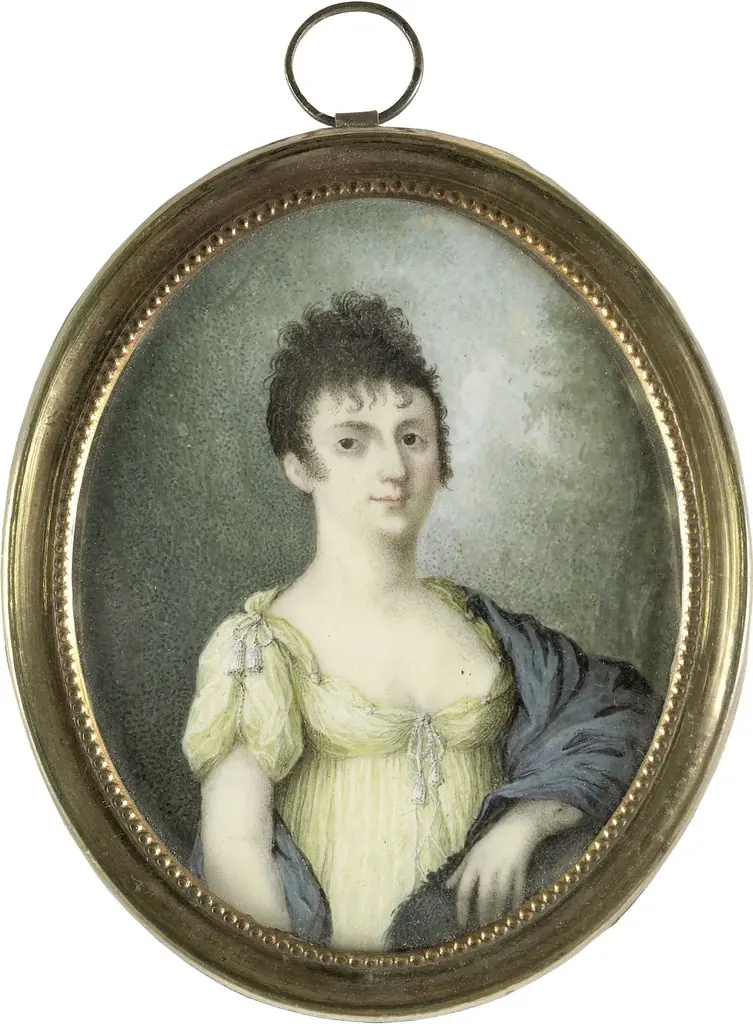
- Portrait of a woman
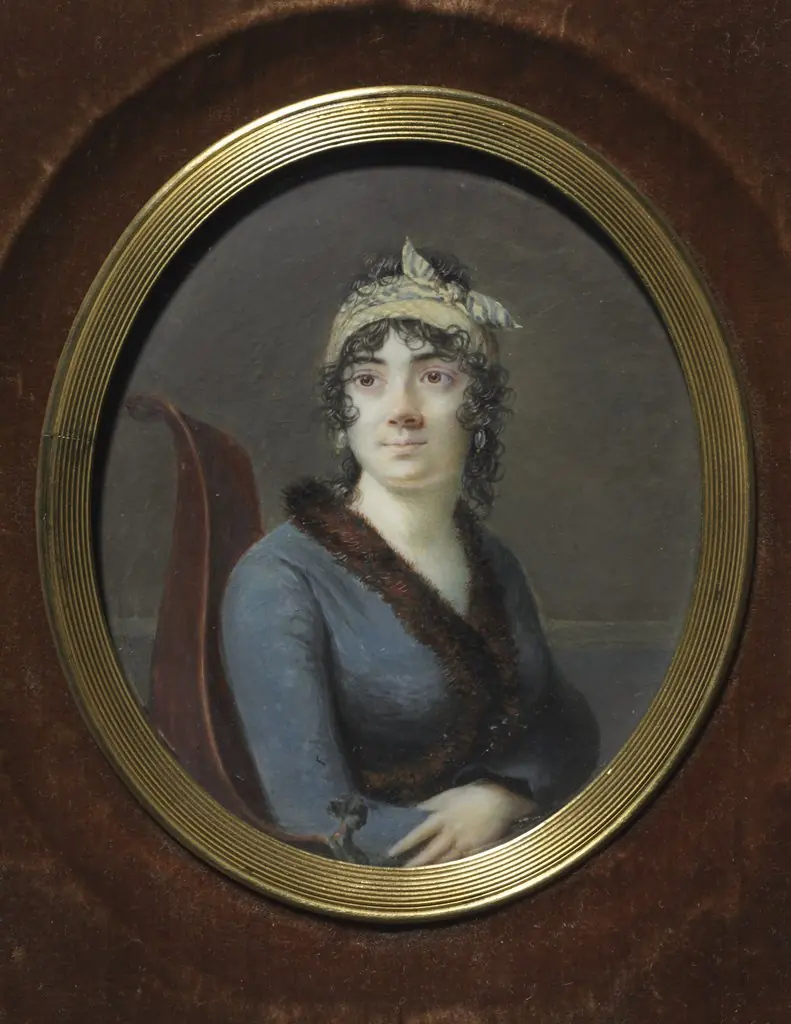 Portrait of a Woman
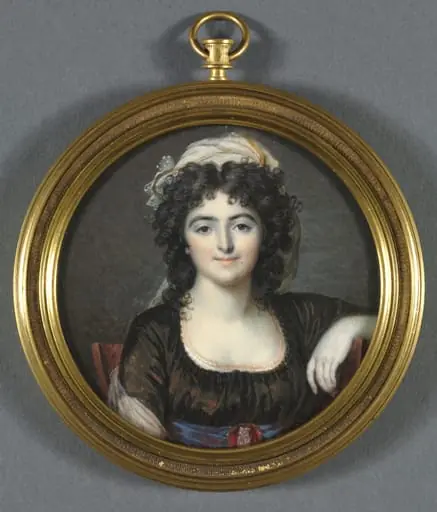 Portrait of a Woman in a Brown Dress
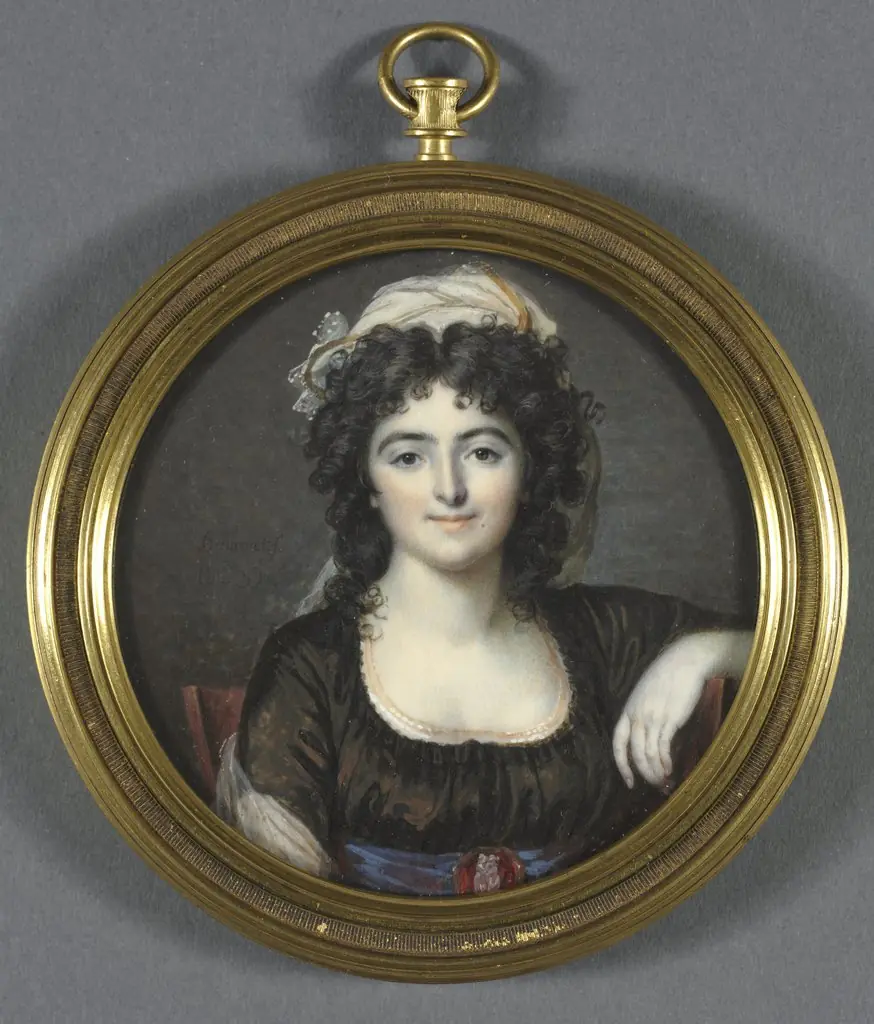 Portrait of a Woman in a Brown Dress
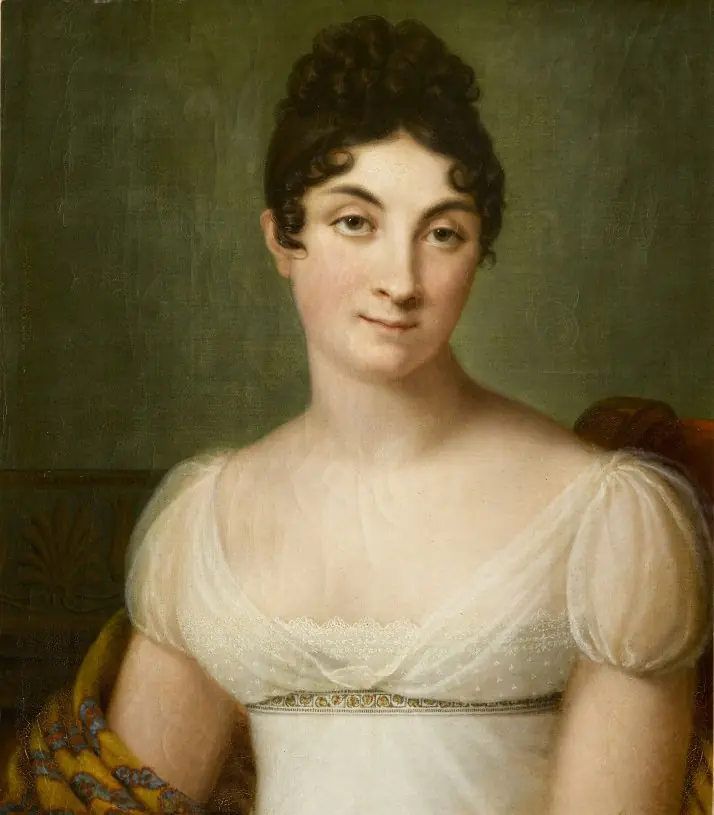 Portrait de Claire Élisabeth de Vergennes, Comtesse de Rémusat
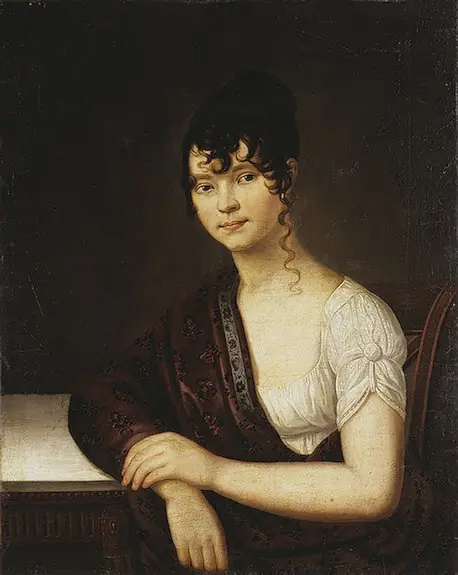 Portrait of Yelizaveta Ogarieva
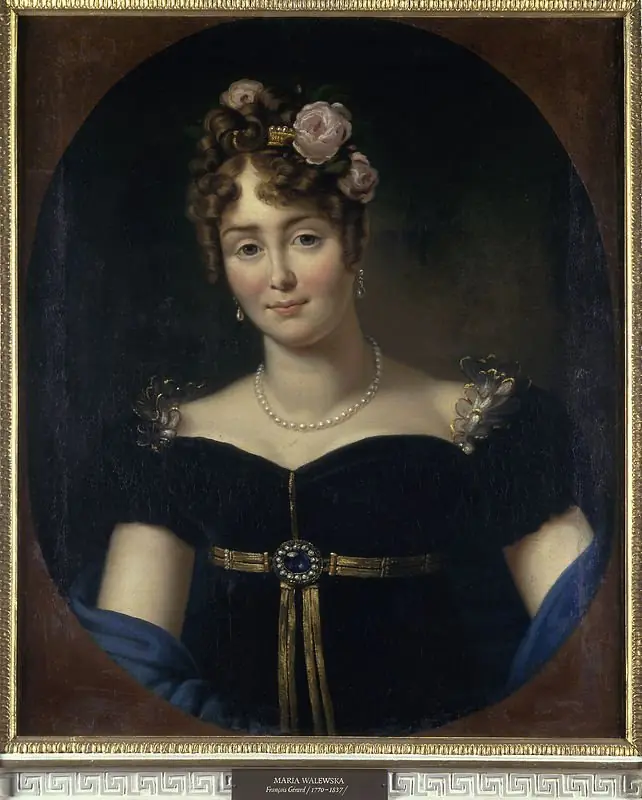 Portrait of Maria Walewska (1786–1817)
 Portrait of Mademoiselle Marie-Anne Adelaide Le Normand
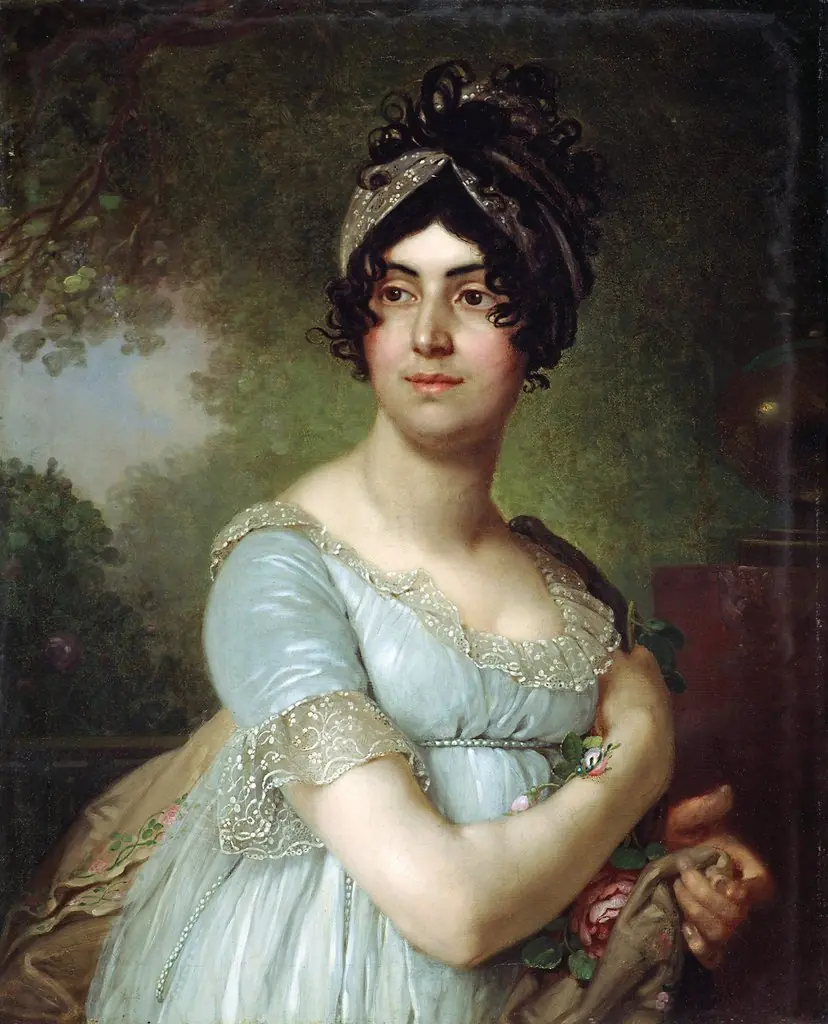 Портрет Д.С. Яковлевой
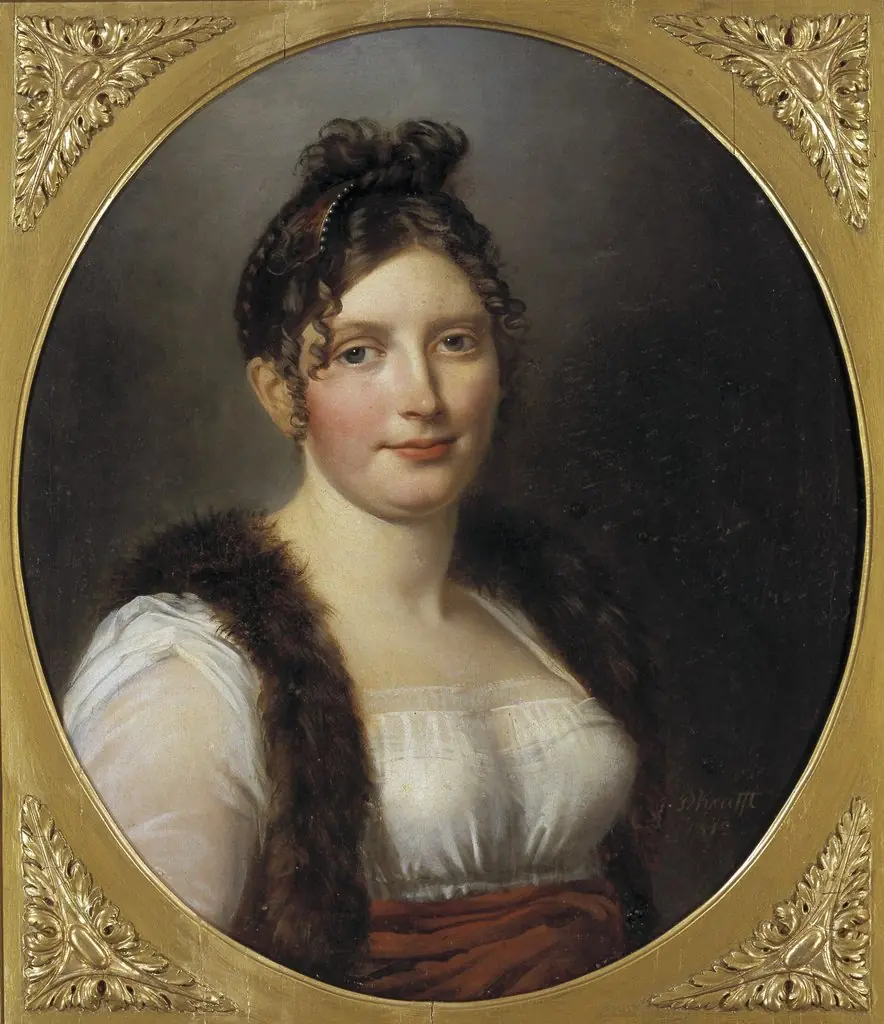 Catharina Charlotta Bågh (1777-1816), gift med friherre Pehr Erik Skjöldebrand
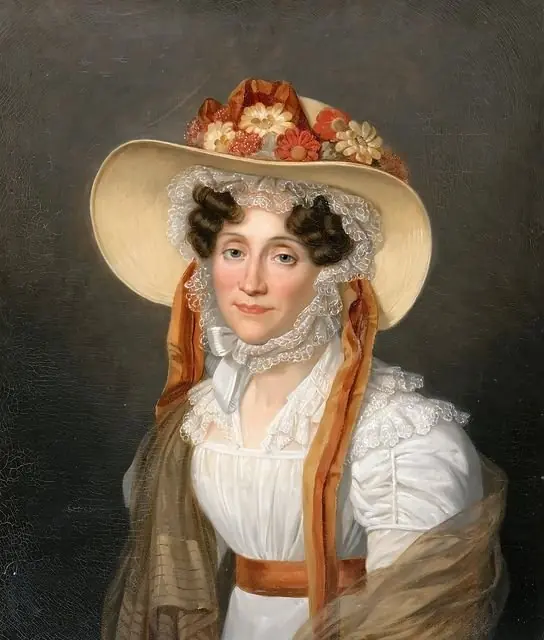 Portrait of Adélaide d'Orléans
 Unknown woman