Artwork
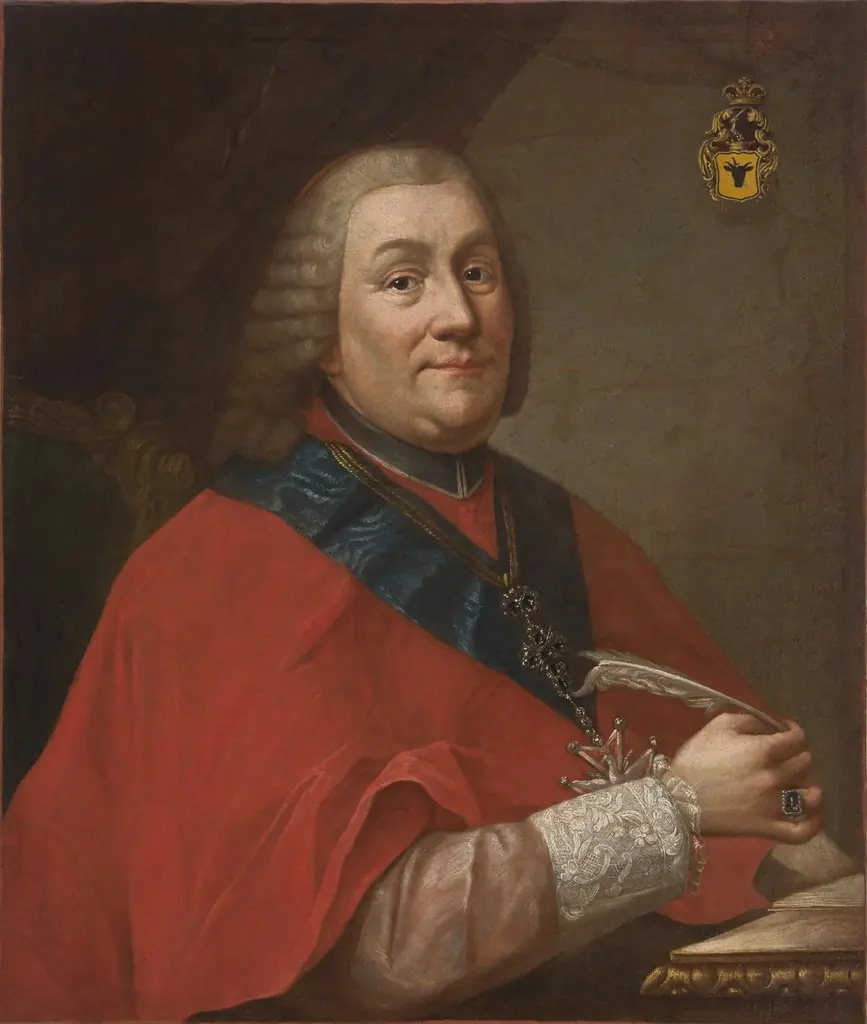
Portrait of Antoni Tyszkiewicz (1709–1762), Leliwa coat of arms, bishop of Samogitia
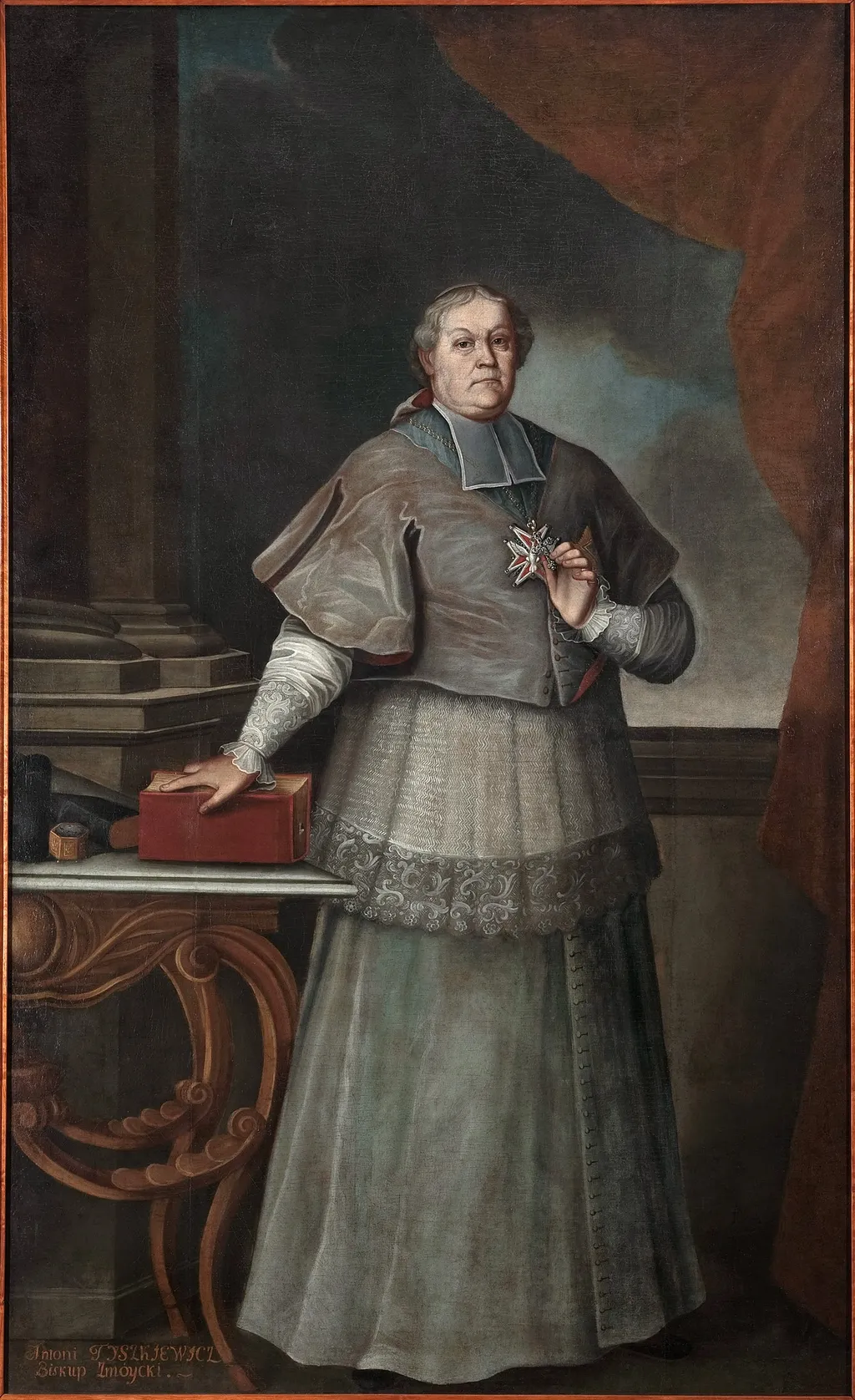
Portrait of Antoni Tyszkiewicz (1709–1762), Leliwa coat of arms, bishop of Samogitia is an oil painting by the Neoclassicist artist Unknown. It dates from 1797 and is held in the collection of the National Museum in Warsaw. This oil painting depicts Antoni Tyszkiewicz, bishop of Samogitia, rendered in a formal, restrained composition.
About this work
Overview
Portrait of Antoni Tyszkiewicz (1709-1762), Leliwa coat of arms, bishop of Samogitia is an oil on canvas painting by an unknown artist, dated to 1793.
Portrait of Antoni Tyszkiewicz (1709-1762), Leliwa coat of arms, bishop of Samogitia is an oil on canvas painting by an unknown artist, dated to 1793. The full-length work measures 226.5 cm in height and 138 cm in width. It depicts Antoni Dominik Tyszkiewicz, a bishop of Samogitia, and incorporates his Leliwa coat of arms. The painting is held in the collection of the National Museum in Warsaw, where it carries the inventory number MP 3279 MNW.
Subject & Meaning
The painting portrays Antoni Dominik Tyszkiewicz in full ecclesiastical dress, signifying his high clerical office. He wears a voluminous grey episcopal cassock and a shorter capelet over a pale under-robe, or rochet, with patterned lace edging at the waist and lace-trimmed sleeves. He holds a cross-shaped insignia at chest level, while his right hand rests on a red book atop an ornate carved wooden table, reinforcing his episcopal authority. A star-shaped order, identified as the Order of the White Eagle, hangs on his chest. The Leliwa coat of arms is included in the composition, asserting his noble lineage. A painted inscription appears in the lower left corner, and a clock on the table alongside a small cylindrical container and dark cloth serves as a memento mori.
Technique & Style
Executed in oil paint on canvas, the work demonstrates a smooth, controlled brushwork, particularly in the fine detailing of the lace and fabric textures. The palette is restrained, dominated by greys, browns, muted reds, and pale blues. Light falls from the left, illuminating the figure's face, hands, and the table surface, while deep shadows pool behind him and beneath the table. The background is divided between a dark column and draped brown fabric on the left, and a lighter cloudy sky visible through an opening on the right, with a dark red curtain sweeping across the upper right corner. The painting's surface shows fine age cracking throughout, indicating its historical condition.
History & Provenance
Created in 1793, decades after the subject's death in 1762, the portrait is a posthumous commemorative work. Sources indicate a date range extending to as late as 1800 or 1815 for its completion. The painting was once part of the Society for the Care of the Monuments of the Past collection in Warsaw between 1906 and 1944. The work was acquired by the clergy and eventually entered the collection of the National Museum in Warsaw, where it is currently held under inventory number MP 3279 MNW.
Context
The portrait belongs to a tradition of representative episcopal portraiture in the Polish-Lithuanian Commonwealth. By depicting Tyszkiewicz in an interior setting with clerical attire, a pectoral cross, and the Order of the White Eagle, the unknown artist adhered to the established iconography of high-ranking church officials. The creation of such a posthumous portrait in 1793 reflects the practices of ecclesiastical institutions preserving the memory of their leaders. The work is also related to a broader corpus of Tyszkiewicz family portraiture, with some historical stock records confusing this depiction of the bishop with portraits of other family members, such as Antoni Kazimierz Tyszkiewicz, a lieutenant general of the army of the Grand Duchy of Lithuania.
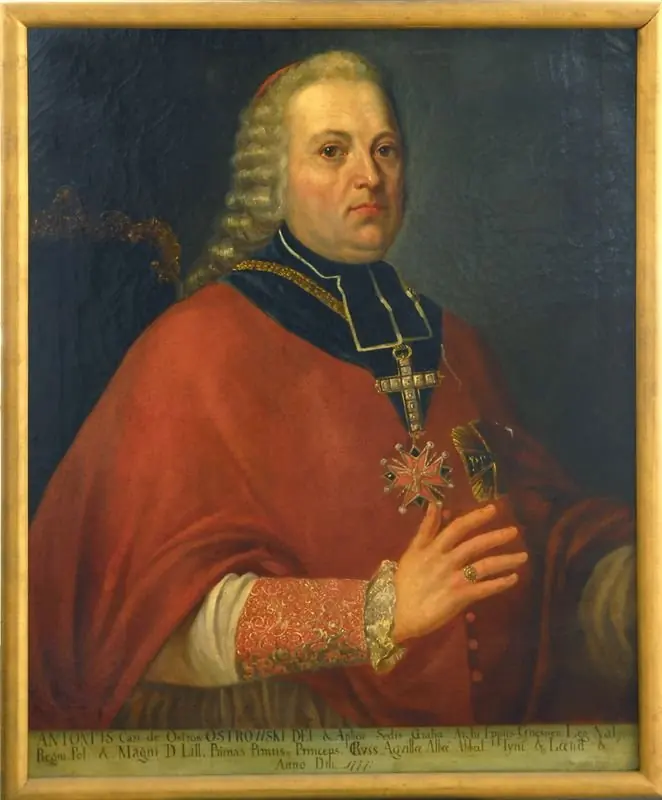
Artist & collection









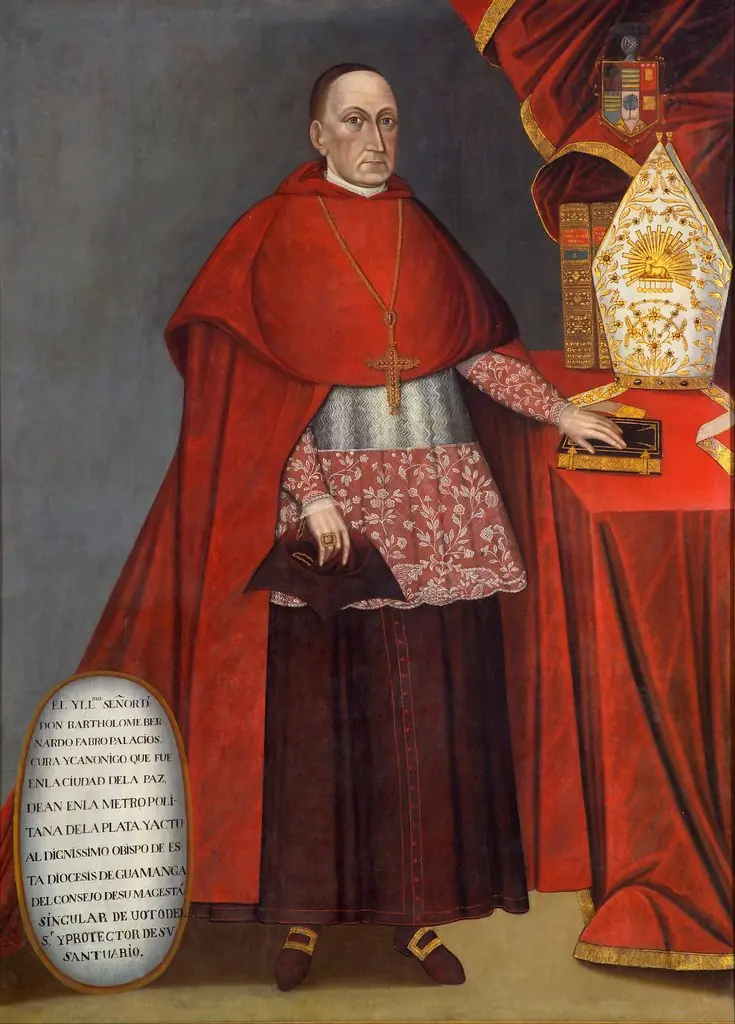 Bartholomew Fabro y Palacios, Bishop of Huamanga
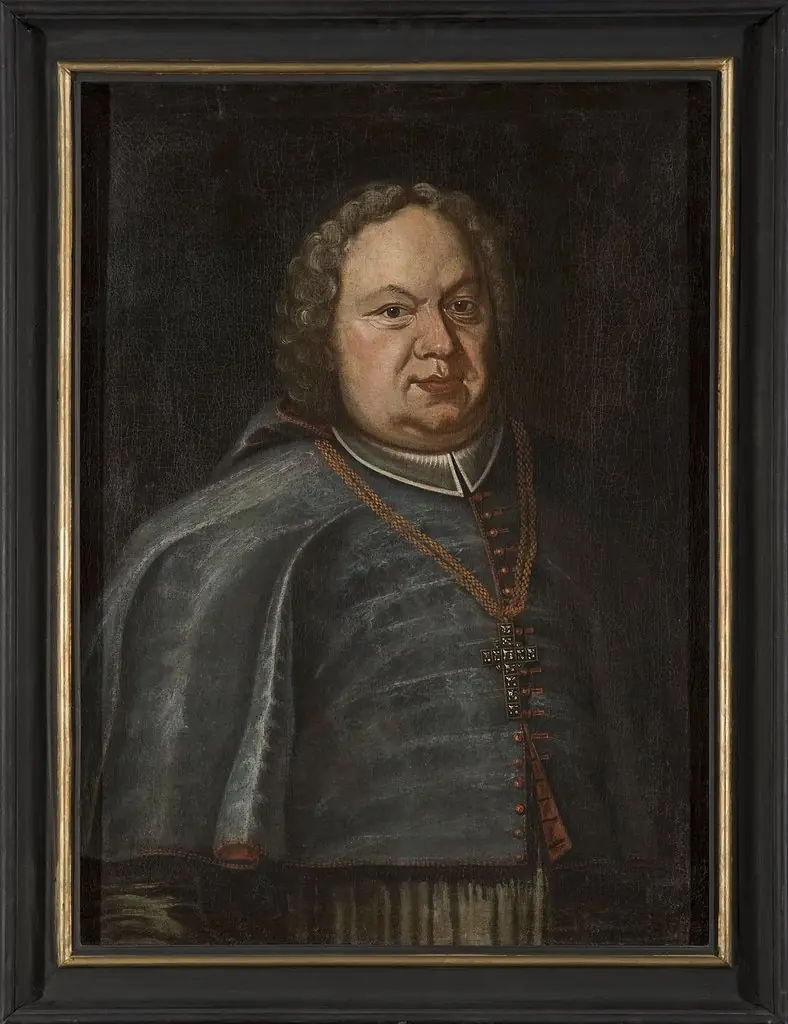 Portrait of Maciej Łubieński /?/ (d. 1652), primate
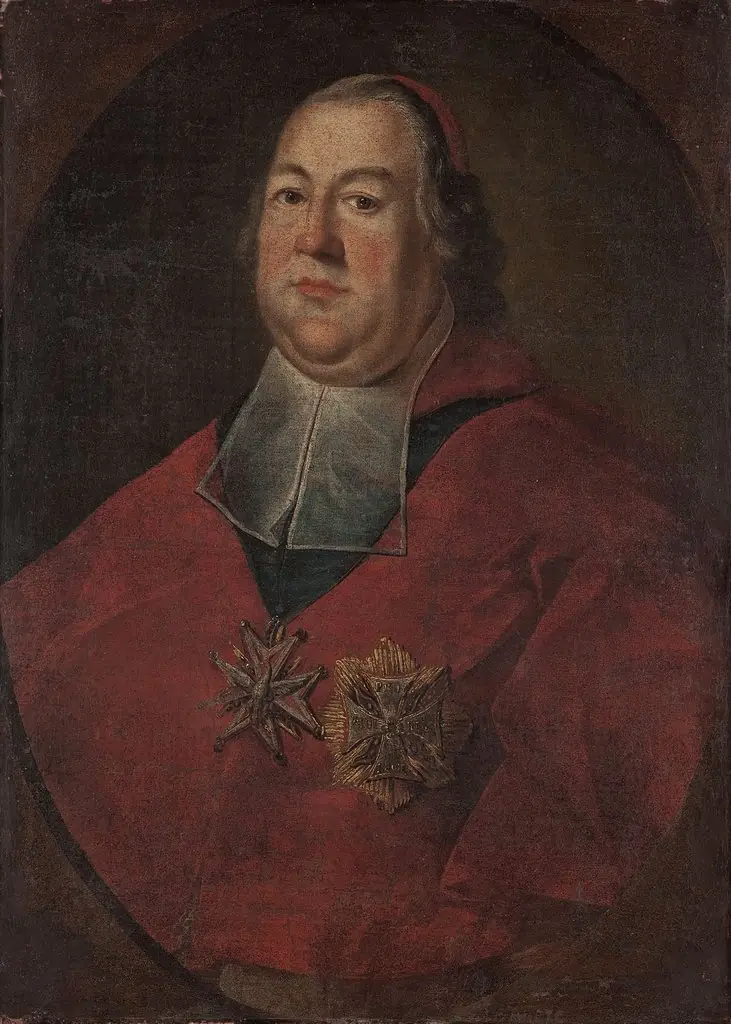 Portrait of Adam Ignacy Komorowski ? (1699–1759), bishop of Livonia, primate from 1748
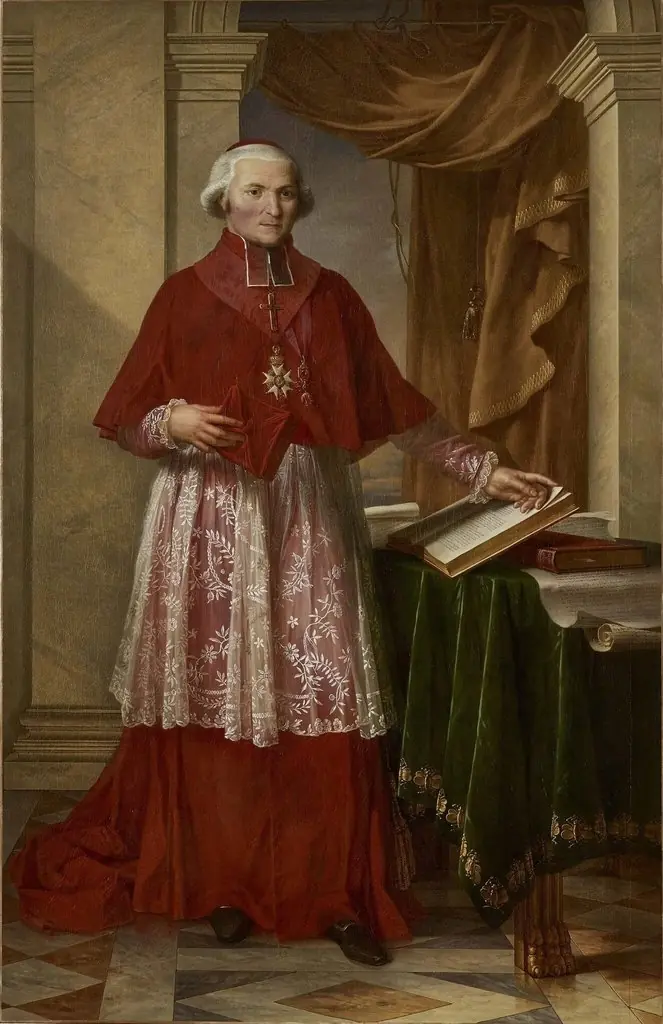 Portrait of Joseph Fesch
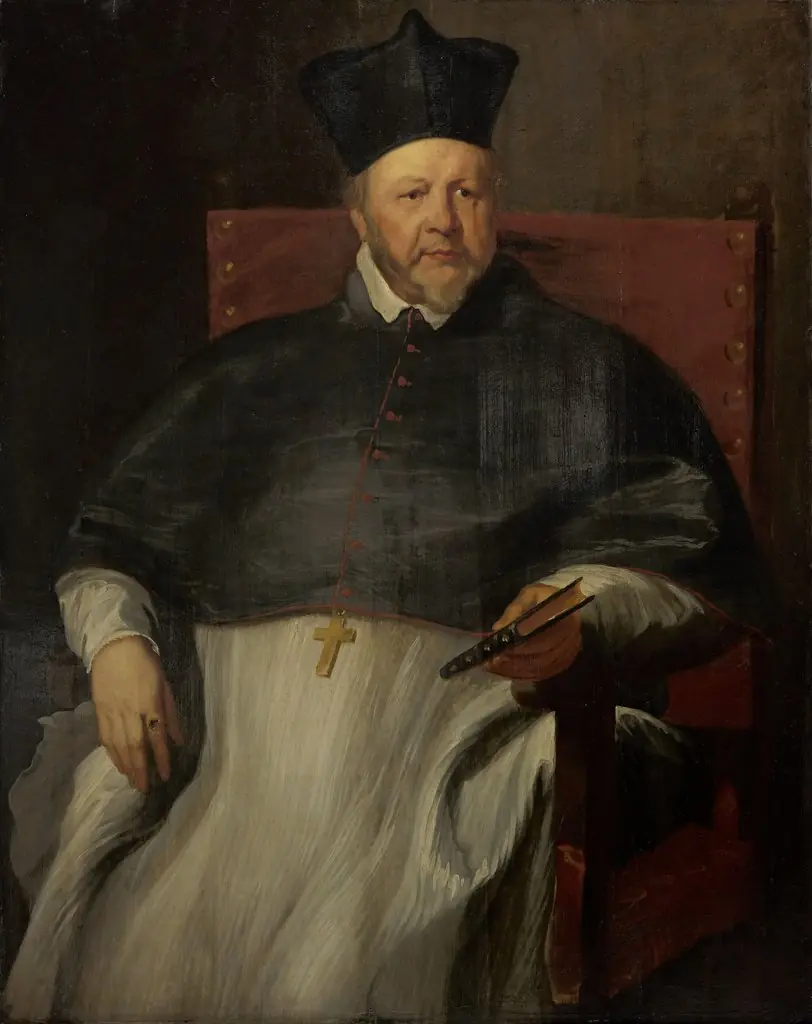 Joannes Malderus, Bishop of Antwerp
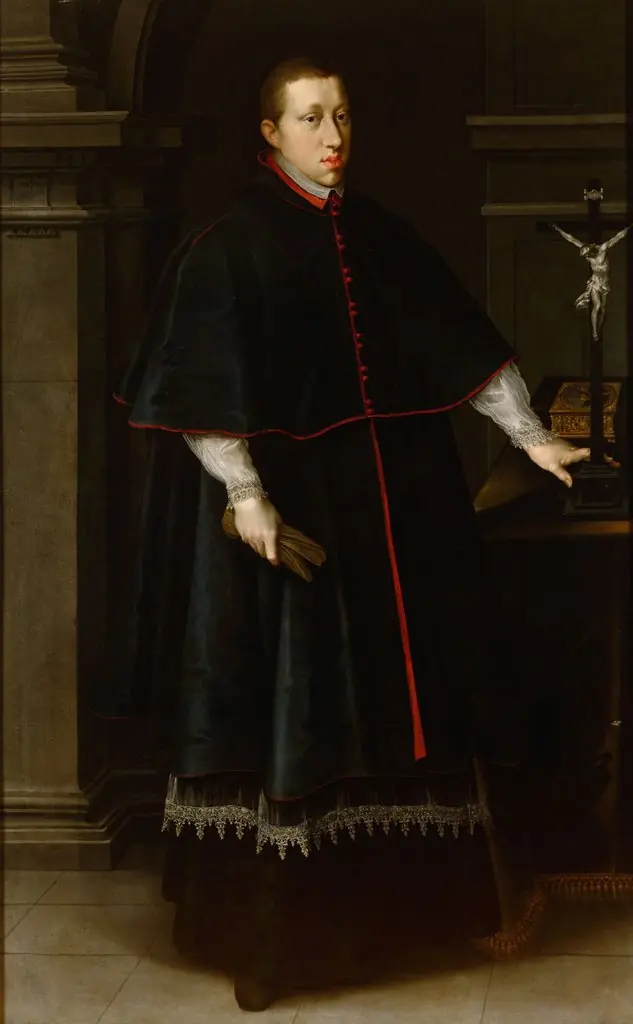 Archduke Leopold V (1586-1632) in the Spiritual Garment
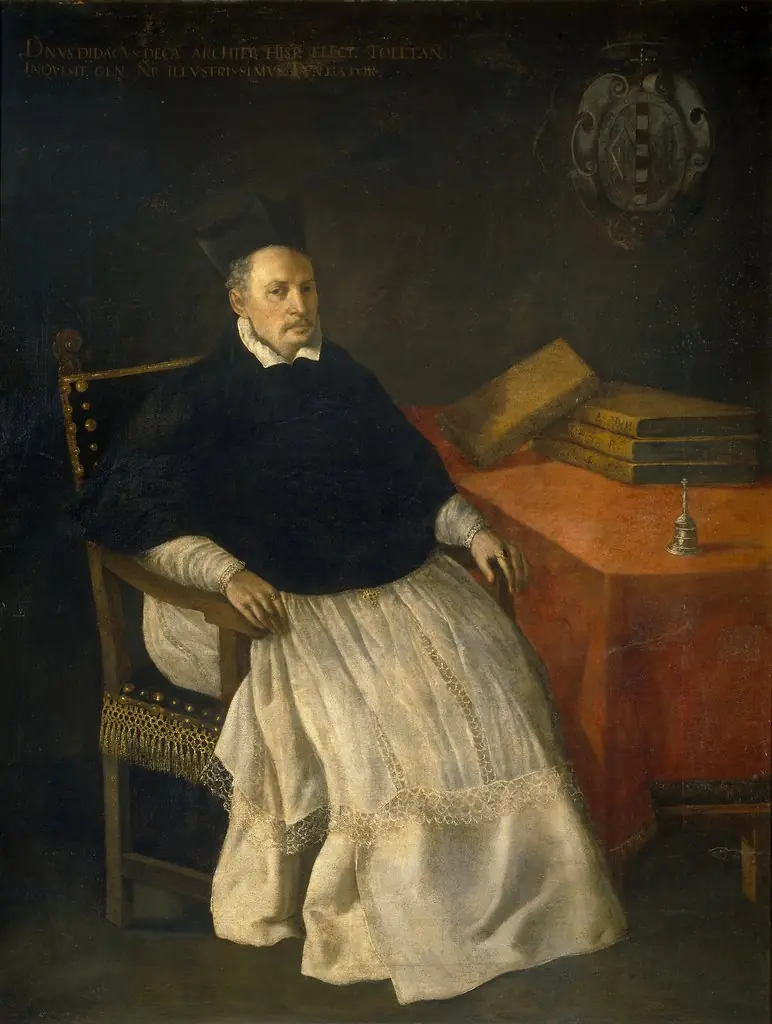 Fray Diego de Deza y Tavera arzobispo de Sevilla
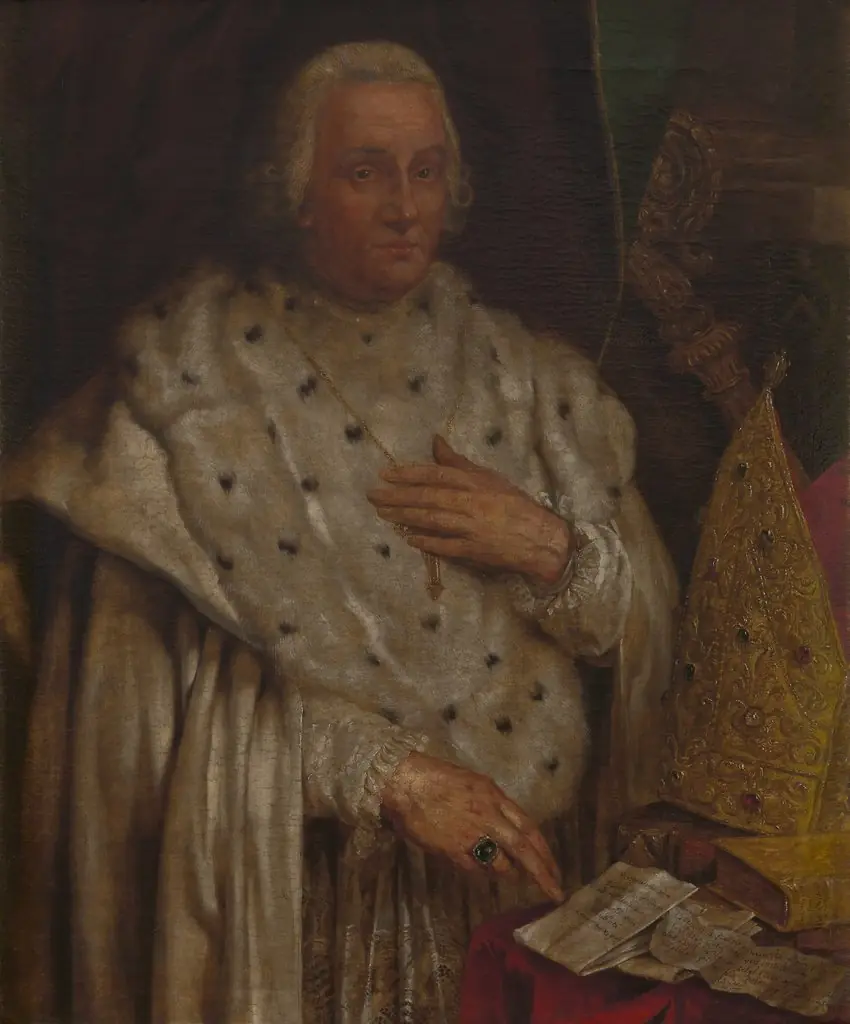 Godefried Hermans, Abbot of Tongerlo
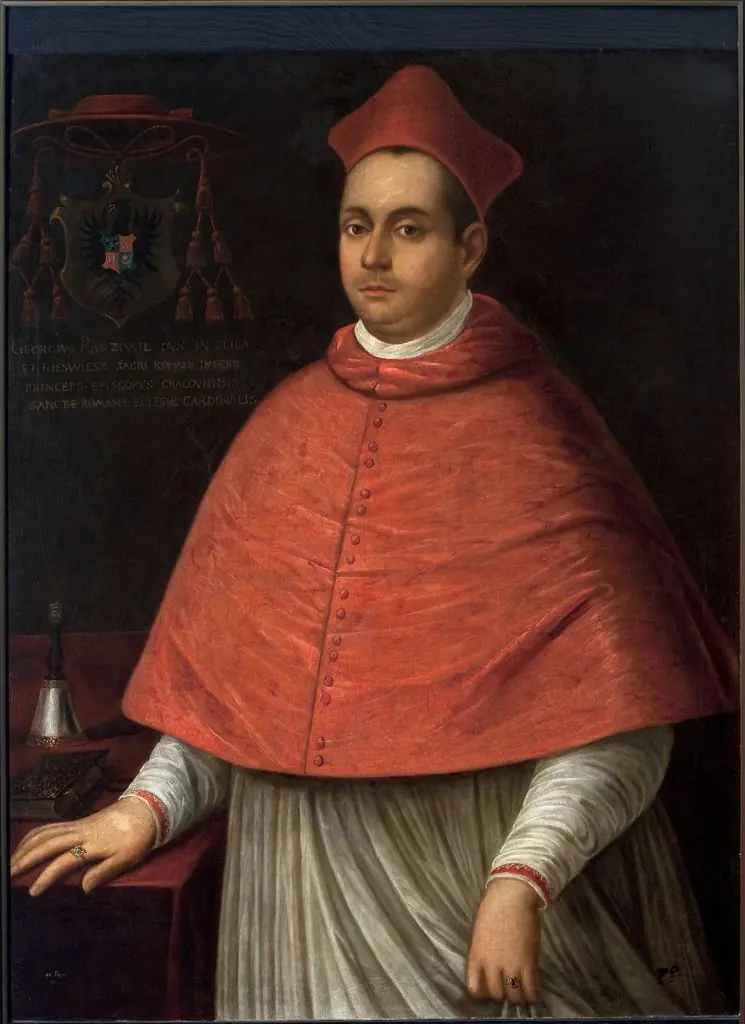 Portrait of Jerzy Radziwiłł (1556–1600), cardinal
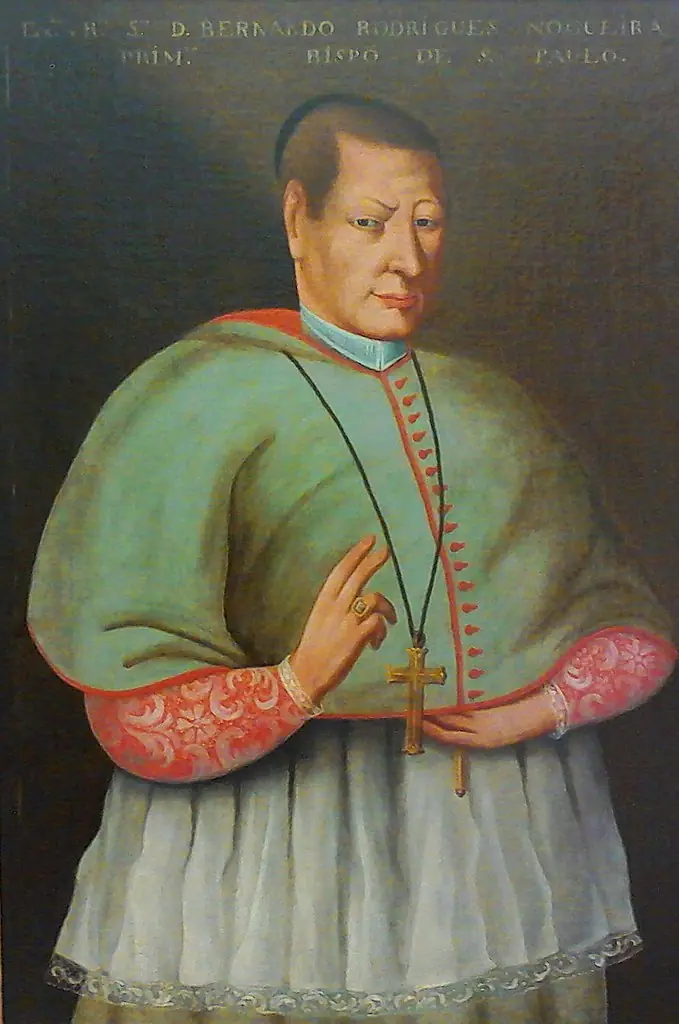 Portrait of Dom Bernardo Rodrigues Nogueira, 1st Bishop of São Paulo
 Portrait of Władysław Łubieński (1703–1767), Archbishop of Gniezno and the Primate of Poland
- Portrait of Antoni Ostrowski, archbishop of Gniezno