Artwork
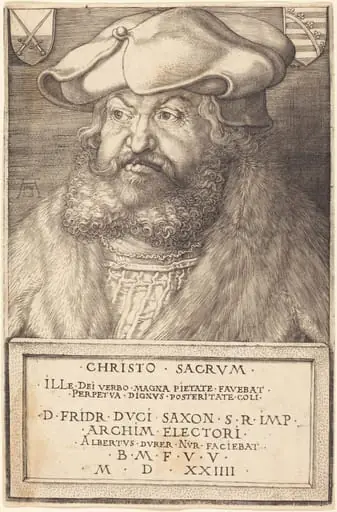
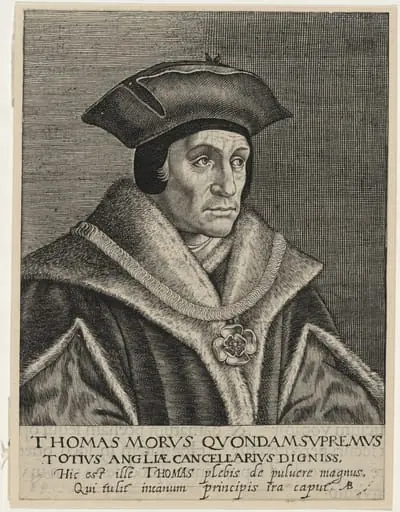
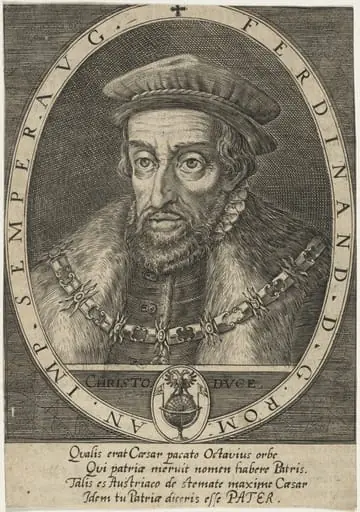
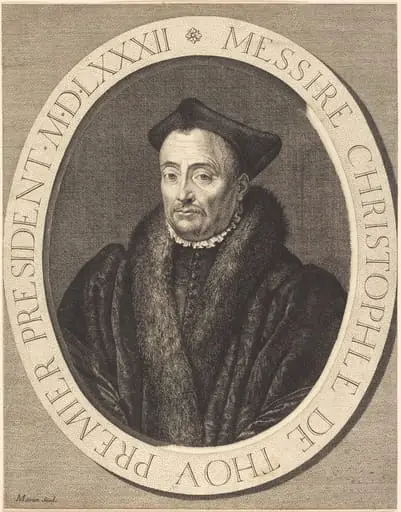
Portrait of Christoph II Scheurl
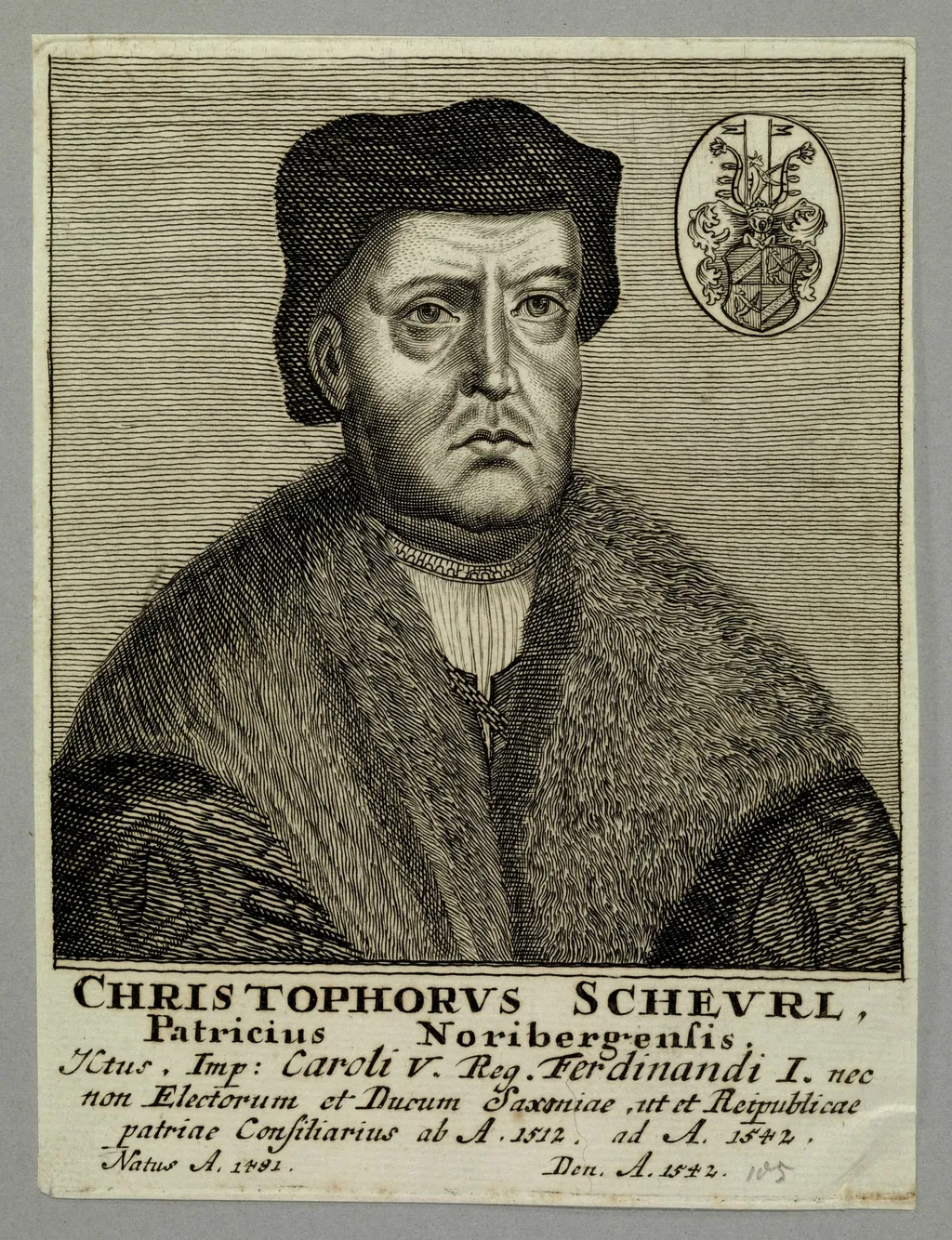
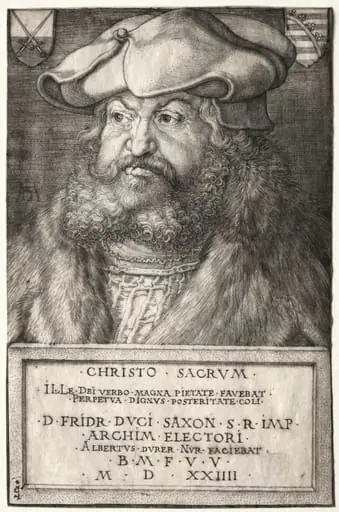
Portrait of Christoph II Scheurl is an unspecified painting by Unknown. It dates from 1850 and is held in the collection of the Bamberg State Library.
About this work
Overview
The Portrait of Christoph II Scheurl is a worn, early printed image on paper, altered by physical damage including edge trimming, staining, and creasing. It was mounted onto a surface, likely for preservation or display. Though labeled as a painting, it is in fact a printed portrait, possibly from a woodcut or engraving, now held in the Museum of Ethnography.
Subject & Meaning
Christoph II Scheurl, a 16th-century German jurist and humanist, is depicted in formal attire, suggesting his status and intellectual role. The portrait’s modest execution and physical degradation reflect its function as a reproductive image rather than a commissioned artwork, possibly used for personal or academic circulation among scholarly circles.
Technique & Style
The image was produced using a printmaking method, likely woodcut or engraving, with minimal tonal variation. While sometimes compared to sfumato, the effect is accidental, resulting from ink wear and paper aging rather than deliberate blending. The composition is straightforward, emphasizing the sitter’s face and collar without elaborate background detail.
History & Provenance
The portrait was cut tightly to the plate’s edge, a rare practice that may indicate reuse of the matrix or a desire to isolate the figure. Its stains and creases suggest prolonged handling. It entered the Museum of Ethnography’s collection through academic or private donations, possibly linked to early modern German scholarly networks.
Context
In early 16th-century Germany, printed portraits of scholars were increasingly common, serving as tools for intellectual identity and legacy. Unlike painted likenesses, these prints were reproducible and portable. Scheurl’s image aligns with this trend, reflecting the rise of humanist culture and the printed word in academic life.
Legacy
The portrait survives as a physical artifact of early print culture, valued for its historical condition rather than artistic refinement. Its damage provides insight into how such images were used, stored, and altered over time. It remains a quiet testament to the material life of scholarly portraiture in the Reformation era.
Artist & collection