Artwork
Portrait of Dmitry Naryshkin
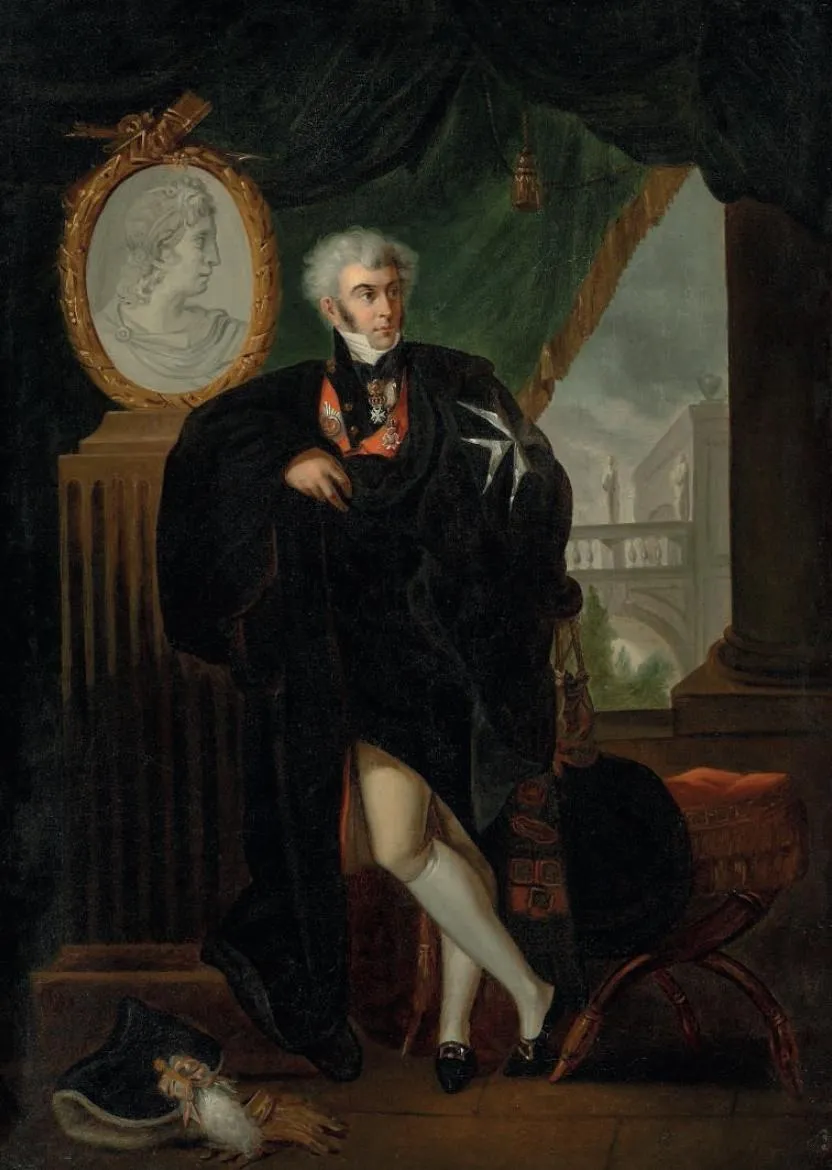
Portrait of Dmitry Naryshkin is an oil painting by the Neoclassicist artist Unknown. It dates from 1805 and is held in the collection of the Hermitage Museum.
About this work
Overview
Its attribution has been subject to scholarly discussion, with some sources tentatively linking it to the Austrian portraitist Ludwig Guttenbrunn.
The Portrait of Dmitry Naryshkin is an oil on canvas painting dated 1805, depicting the Russian nobleman Dmitry Lvovich Naryshkin (1764-1838). Measuring 63 by 44.5 cm, the work is attributed to an anonymous artist and was produced in Austria. It is held in the collection of the State Hermitage Museum in St. Petersburg, where it is catalogued under accession number 155343. The painting represents a significant example of early nineteenth-century European portraiture of the Russian aristocracy, combining formal court conventions with the refined technical standards of Austrian academic painting. Its attribution has been subject to scholarly discussion, with some sources tentatively linking it to the Austrian portraitist Ludwig Guttenbrunn.
Subject & Meaning
Dmitry Lvovich Naryshkin, born in 1764 and deceased in 1838, was a prominent figure in the Russian imperial nobility. The portrait presents him in full ceremonial dress, signaling his elevated social and political status. He wears a black velvet cloak adorned with a large white star on the left shoulder, a black coat, white breeches, and black shoes with buckles. A red sash bearing two jeweled orders crosses his chest, while his powdered hair is styled in the short, curly fashion fashionable among European elites of the Napoleonic era.
The iconography of power extends beyond the figure himself. To his left, a fluted pedestal supports an oval medallion with a profile relief portrait in a gilded frame tied with ribbon, possibly alluding to imperial favor or ancestral lineage. The black bicorne hat with a white feather and tan gloves resting on the floor in the foreground serve as attributes of aristocratic leisure and public office. The classical architectural landscape visible behind the dark green draped curtain, with its columns and arches, places the subject within a tradition of noble association with antiquity and enduring authority. The overall composition asserts Naryshkin's position within the hierarchical structures of the Russian Empire under Alexander I.
Technique & Style
The painting is executed in oil on canvas, measuring 63 cm in height and 44.5 cm in width. The technique displays the smooth, polished brushwork characteristic of academic portraiture, with particular attention paid to the rendering of textile textures and metallic highlights. The palette is dominated by blacks, deep greens, and warm browns, punctuated by touches of red, gold, and white that draw the eye to the orders and sash.
Strong chiaroscuro illuminates the figure's face and legs against the darker surroundings, creating a dramatic contrast that emphasizes the three-dimensionality of the form and the psychological presence of the sitter. The composition is carefully balanced, with the figure positioned slightly off-center and the left hand, holding gloves and a hat, resting on a cushioned stool to his right. This pose, combining formality with a suggestion of relaxed confidence, follows conventions established by European court portraiture. The handling of the draped curtain with gold trim and the architectural background demonstrates the painter's technical competence in integrating figure and setting into a unified spatial environment.
History & Provenance
The portrait was created in 1805 in Austria, during a period when Russian nobles frequently travelled to and were depicted by European artists. The circumstances of its commission remain unknown, though the work's Austrian origin suggests Naryshkin may have sat for the portrait during a sojourn in Vienna or commissioned it through intermediaries.
The painting entered the collection of the State Hermitage Museum in St. Petersburg, where it is currently located. Its accession number in the museum's catalogue is 155343. The work has been exhibited and reproduced as part of the Hermitage's holdings of early nineteenth-century European painting, and a faithful photographic reproduction has been made available through Wikimedia Commons, which notes the work's public domain status. The Alamy stock image service has also distributed a reproduction of the painting, identifying it as the work of an anonymous artist of the early nineteenth century while also referencing the tentative attribution to Ludwig Guttenbrunn.
Context
The attribution of the Portrait of Dmitry Naryshkin has been a subject of scholarly uncertainty. The primary catalogue and Wikidata entries classify the work as by an anonymous painter. However, the Wikimedia Commons file history records a description attributing the work to Ludwig Guttenbrunn, an Austrian portraitist active in the late eighteenth and early nineteenth centuries, based on a source from the Russian website liveinternet.ru. This attribution has been reproduced in some commercial contexts, including the Alamy image database, which lists both "Anonymous Artist, early 19th century" and "LUDWIG GUTTENBRUNN." The Hermitage Museum's official catalogue maintains the anonymous attribution.
Guttenbrunn, if indeed the painter, would have been working in a Viennese context shaped by the legacy of court portraiture established by artists such as Heinrich Friedrich Fuger and Martin van Meytens. The painting's style is consistent with this tradition, though the tentative nature of the attribution precludes definitive stylistic analysis. The work occupies a place in the broader corpus of European portraiture of Russian subjects, a genre that flourished as the Russian aristocracy increasingly engaged with Western European cultural production during the reigns of Catherine the Great and her successors.
Legacy
The Portrait of Dmitry Naryshkin remains primarily known through its place in the Hermitage Museum's encyclopedic collection rather than through independent art-historical fame. Its public domain status, established by the expiration of copyright term, has facilitated its circulation as a digital image, with reproductions appearing on Wikimedia Commons and commercial stock photography platforms.
The painting's cultural afterlife is intertwined with the broader historical memory of the Naryshkin family, one of the most distinguished noble houses of imperial Russia. Dmitry Naryshkin's portrait serves as a visual document of the sartorial and symbolic codes of the Russian aristocracy during the Napoleonic era. The tentative attribution to Ludwig Guttenbrunn, though unverified, has kept the work within scholarly conversations about Austrian-Russian artistic exchange in the early nineteenth century. As with many anonymously authored works from this period, its value lies less in individual artistic innovation than in its representative function, preserving the image and status of a historical figure for subsequent generations.
Artist & collection









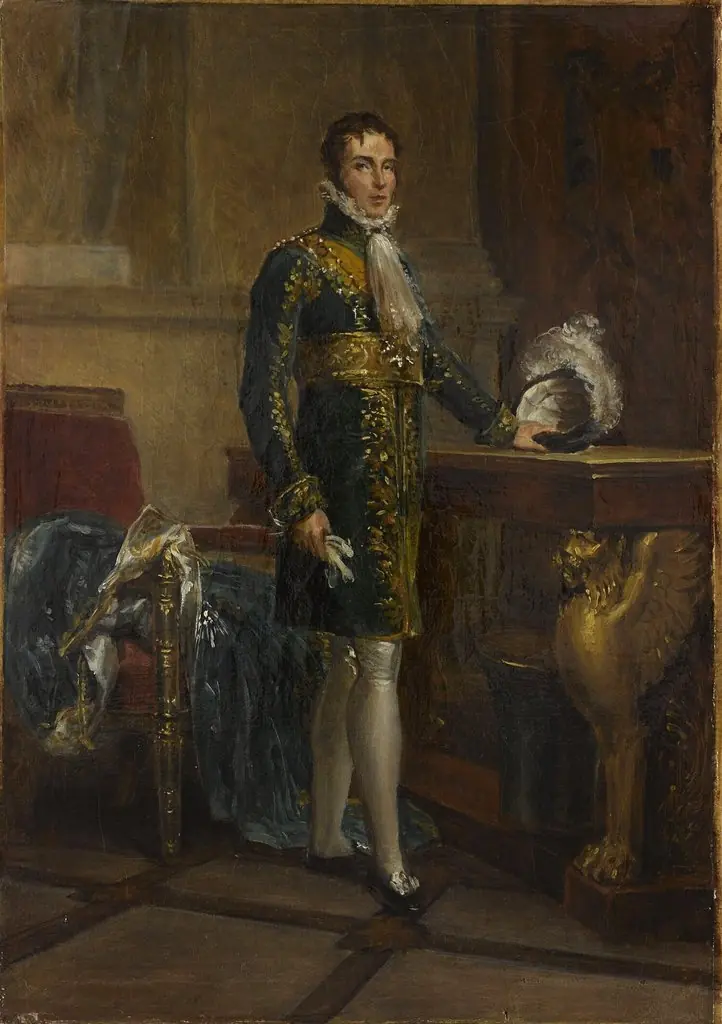
- Eugène de Beauharnais (1781-1824), duc de Leuchtenberg, dit le prince Eugène, vice-roi d'Italie
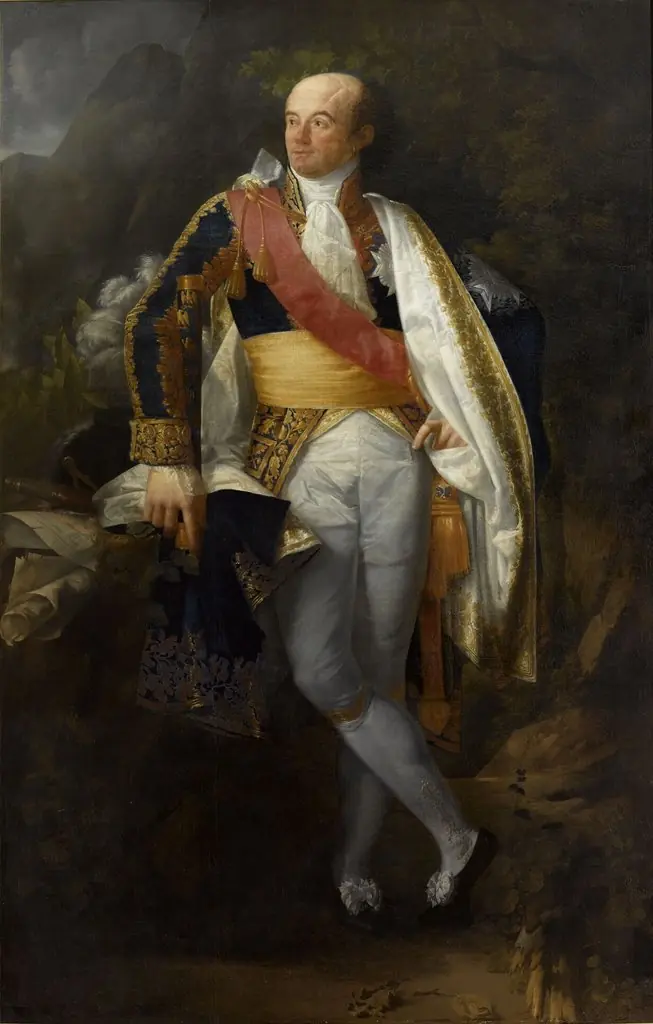 Dominique-Catherine, marquis Pérignon, maréchal de France (1754-1818)
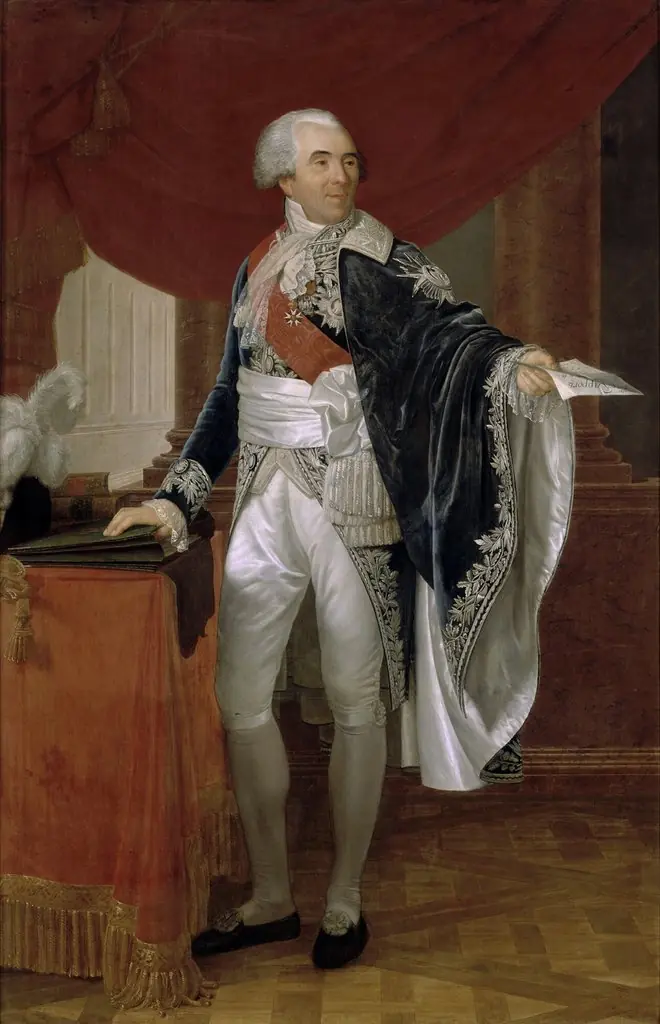 Jean-Gérard Lacués, count of Cessac (1752-1841)
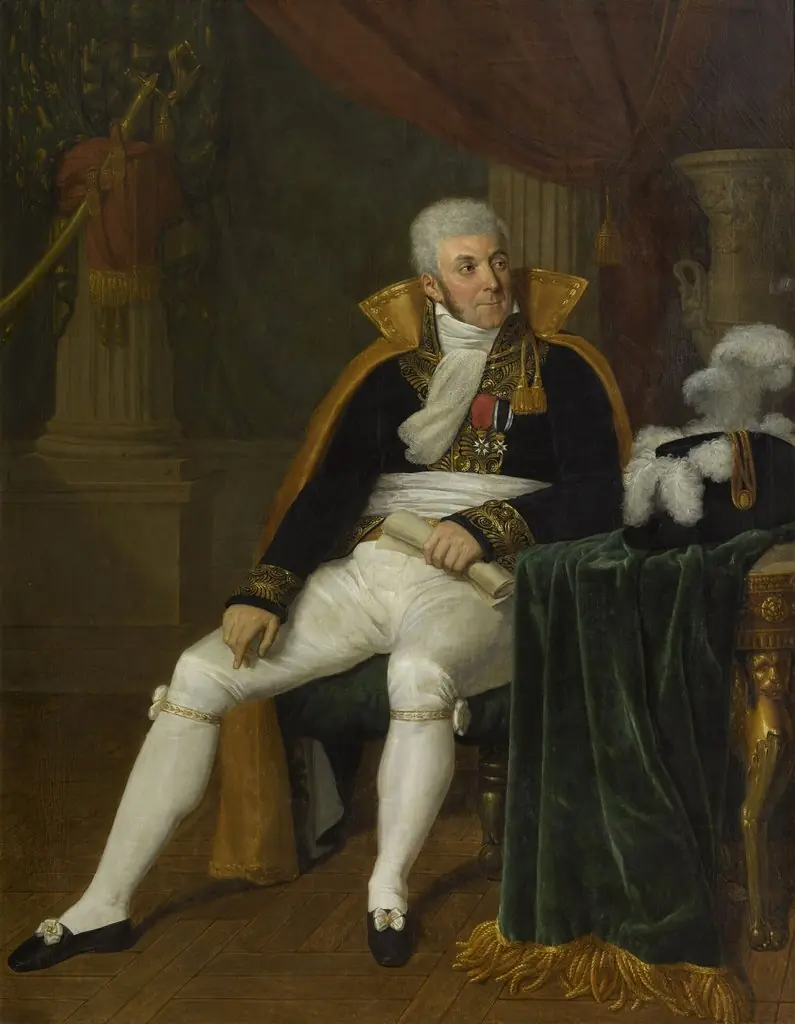 Jérôme, count Soulès, lieutenant-general (1760-1833)
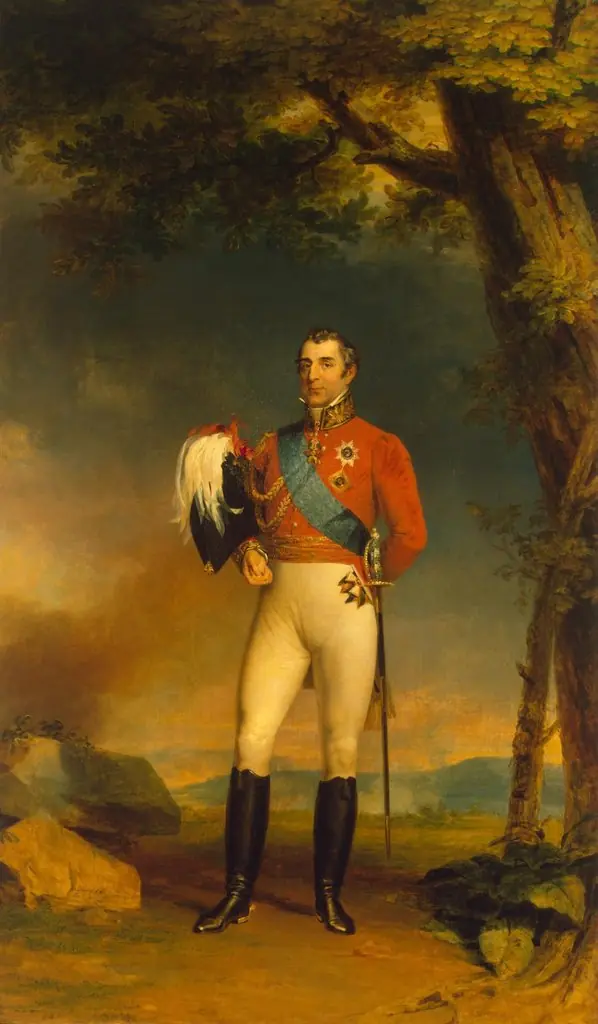 Portrait of Duke of Wellington (1769-1852)
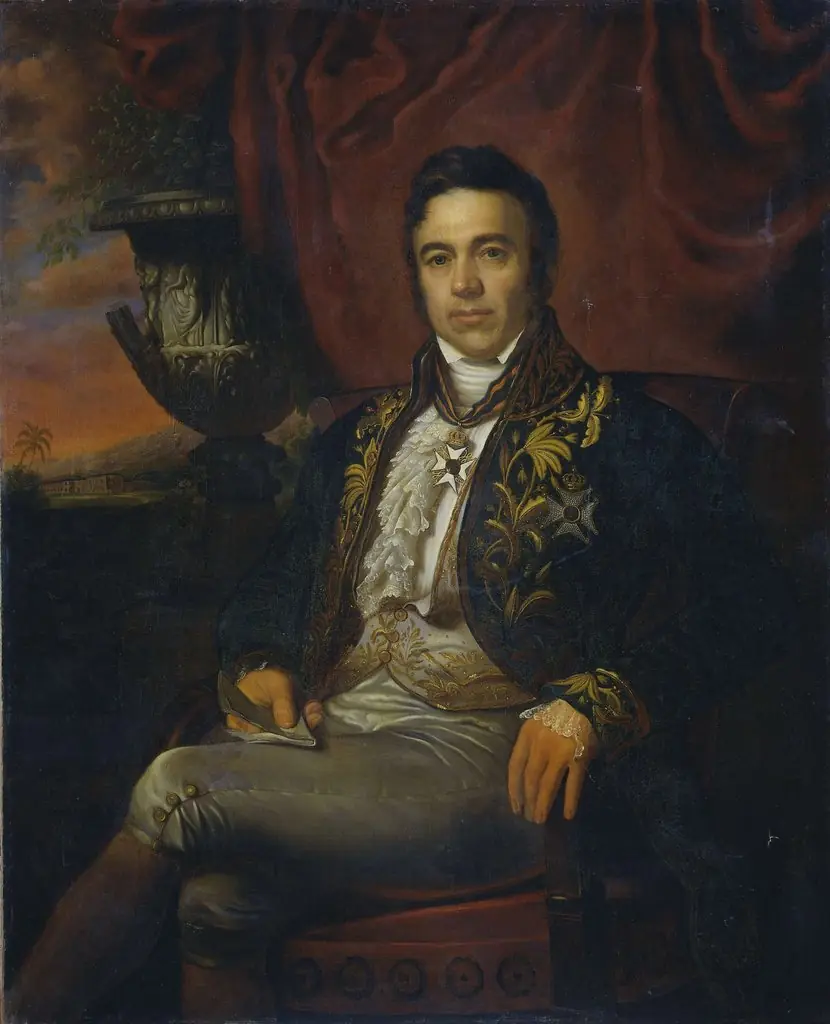 Portrait of Jean Chrétien Baud (1789-1859), Gouverneur-generaal ad interim (1833-35)
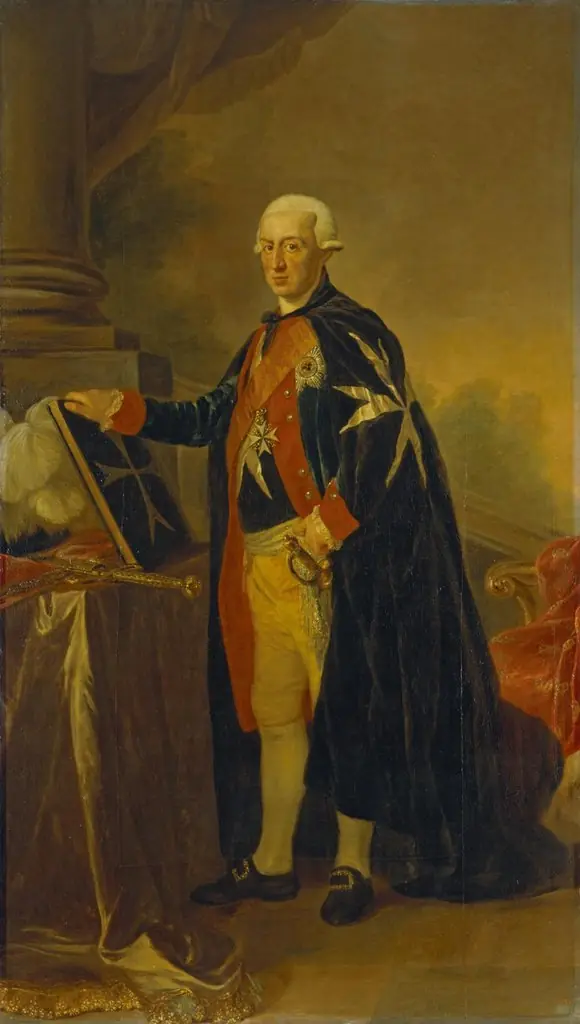 Portrait of Prince Augustus Ferdinand of Prussia
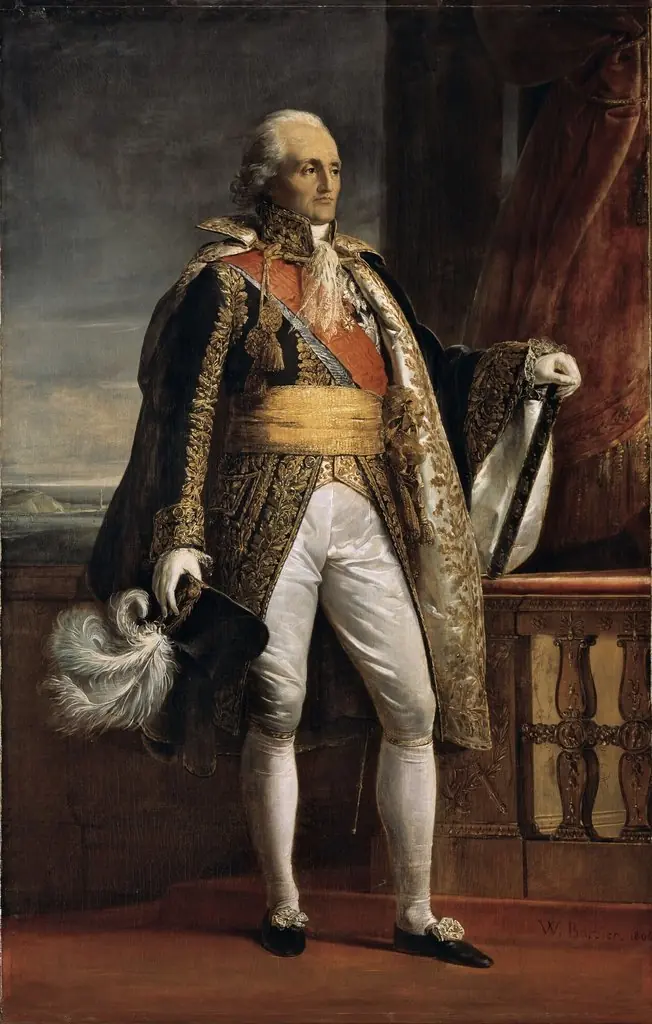 Bon Adrien Jeannot de Moncey, Duc de Conegliano, Marshal of France
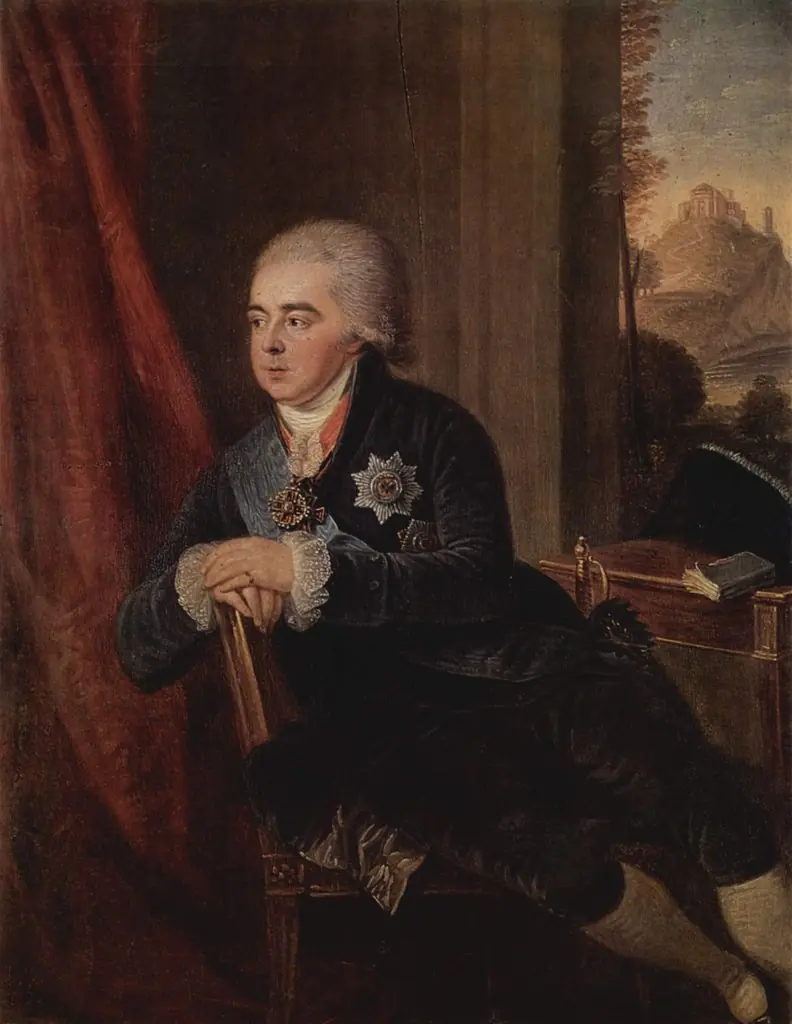 Portrait of Prince Alexander B. Kurakin
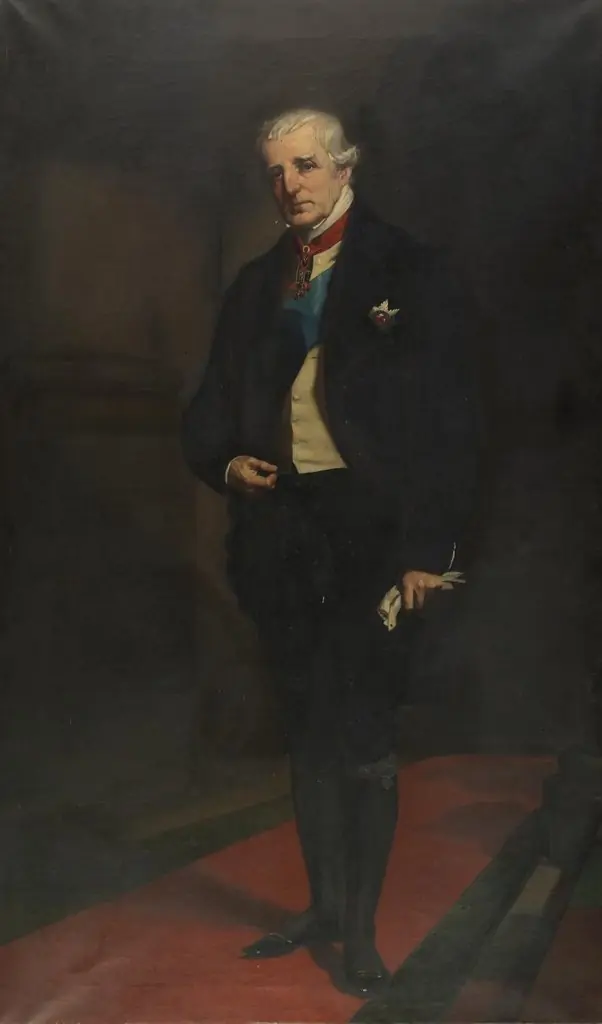 Arthur Wellesley (1769–1852), 1st Duke of Wellington
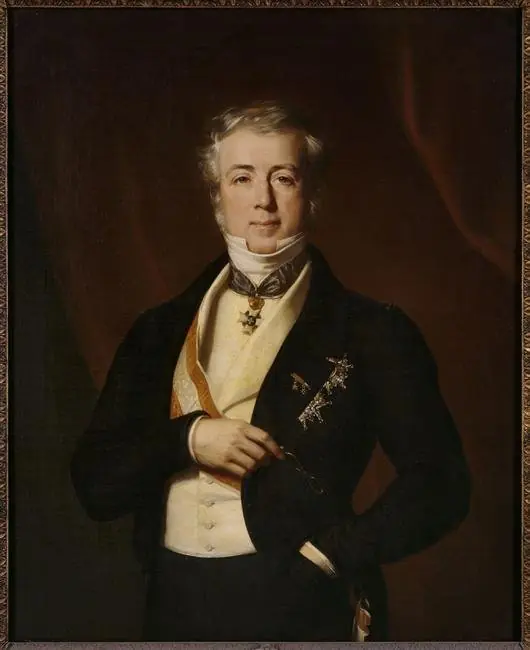 Alexandre Aguado, marquis de Las Marismas (1784-1842)
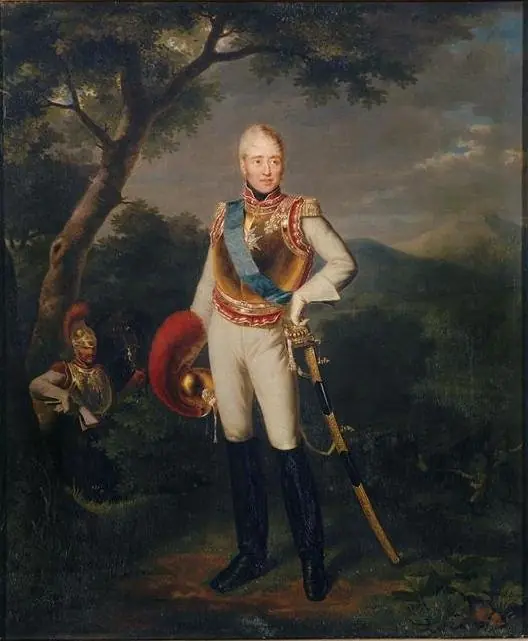 Charles X, roi de France (1757-1836), alors comte d'Artois, en uniforme de colonel-général des Carabiniers en 1818