Artwork
Portrait of Frederik Hendrik van Oranje- Nassau (1584-1647)
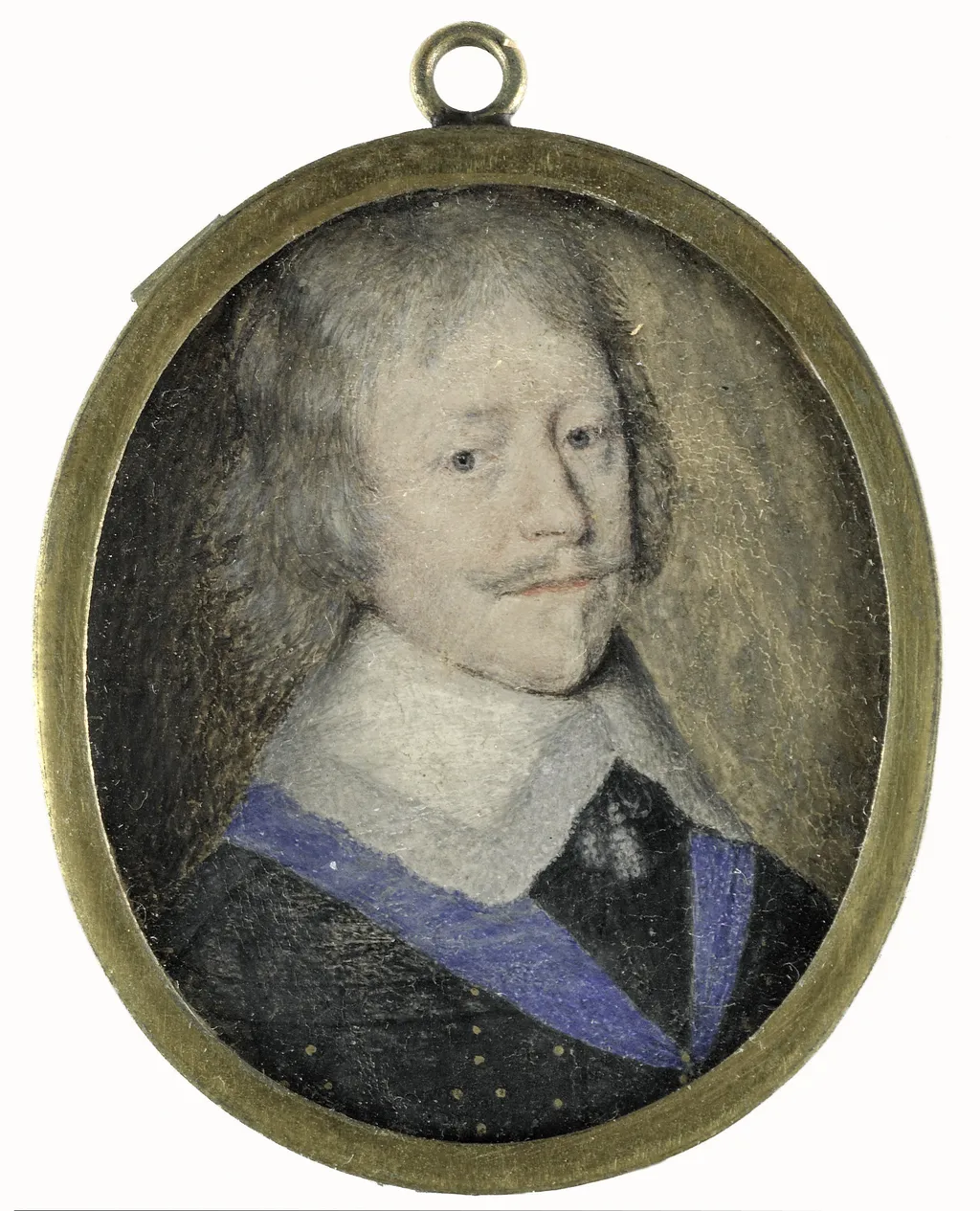
Portrait of Frederik Hendrik van Oranje- Nassau (1584-1647) is an unspecified painting by the Dutch Golden Age artist Unknown. It dates from 1650 and is held in the collection of the Rijksmuseum.
About this work
Subject & Meaning
The portrait shows Frederick Henry of Orange-Nassau, a Dutch stadtholder who played a central role in the Eighty Years' War and the consolidation of Dutch independence. Depicted in a miniature format on cardboard, the work functions as a commemorative object within the Rijksmuseum's collection, emphasizing his status as a national symbol during the mid‑17th century. The iconography aligns with typical portrait conventions of the period, presenting the sitter in dignified attire that underscores his political authority and military leadership.
Technique & Style
This anonymous portrait miniature is executed in paint on a cardboard support. Dating to 1650, the work was produced in Holland and is classified within the miniature genre. It features compact dimensions, measuring 4.8 cm in height and 3.9 cm in width.
History & Provenance
It is cataloged under the accession number SK-A-1562 and has been exhibited in the museum's galleries dedicated to Dutch Golden Age portraiture.
This anonymous portrait of Frederik Hendrik van Oranje-Nassau was created in 1650 in Holland. The work is executed on cardboard and functions as a miniature painting. It currently resides in the collection of the Rijksmuseum, where it is held as part of their permanent holdings.
No specific details regarding the original commission, early ownership history, or the chain of custody prior to its arrival at the museum are provided in the available records.
The work is part of the Rijksmuseum collection in Amsterdam. It is cataloged under the accession number SK-A-1562 and has been exhibited in the museum's galleries dedicated to Dutch Golden Age portraiture. Exhibition records indicate its inclusion in the 2019 display titled 'Portraits of the House of Orange'.
Context
The work is classified as a miniature portrait painted on cardboard in 1650, reflecting the Dutch school's practice of producing small-scale likenesses on unconventional supports during the mid-17th century
Scholarship emphasizes its role as a rare example of anonymous portraiture within the Rijksmuseum's holdings, contrasting with contemporary state-commissioned works while highlighting the material experimentation characteristic of Dutch graphic and painted media of the period
The painting's attribution to the Dutch artistic milieu is contextualized by its creation in Holland and inclusion in a national collection, situating it within broader discussions of 17th-century portraiture's evolving genres and material boundaries
Overview
This portrait depicts Frederik Hendrik van Oranje-Nassau (1584-1647) against a light brown background, focusing on his neutral expression and detailed attire, including a dark jacket with a blue collar, a white shirt, and distinctive mustache and light-colored hair.
Legacy
The painting's impact or influence on subsequent art is not detailed, but it serves as an example of 17th-century portrait techniques, particularly in its application of chiaroscuro for depth and emotional subtlety.
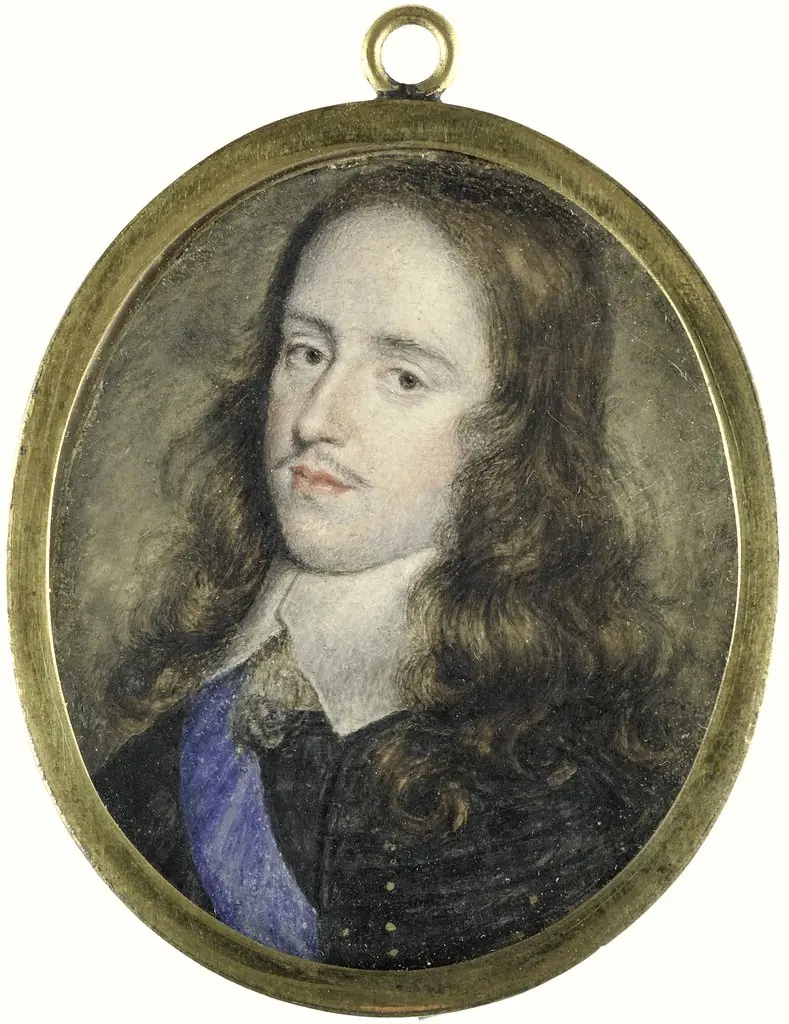
Artist & collection









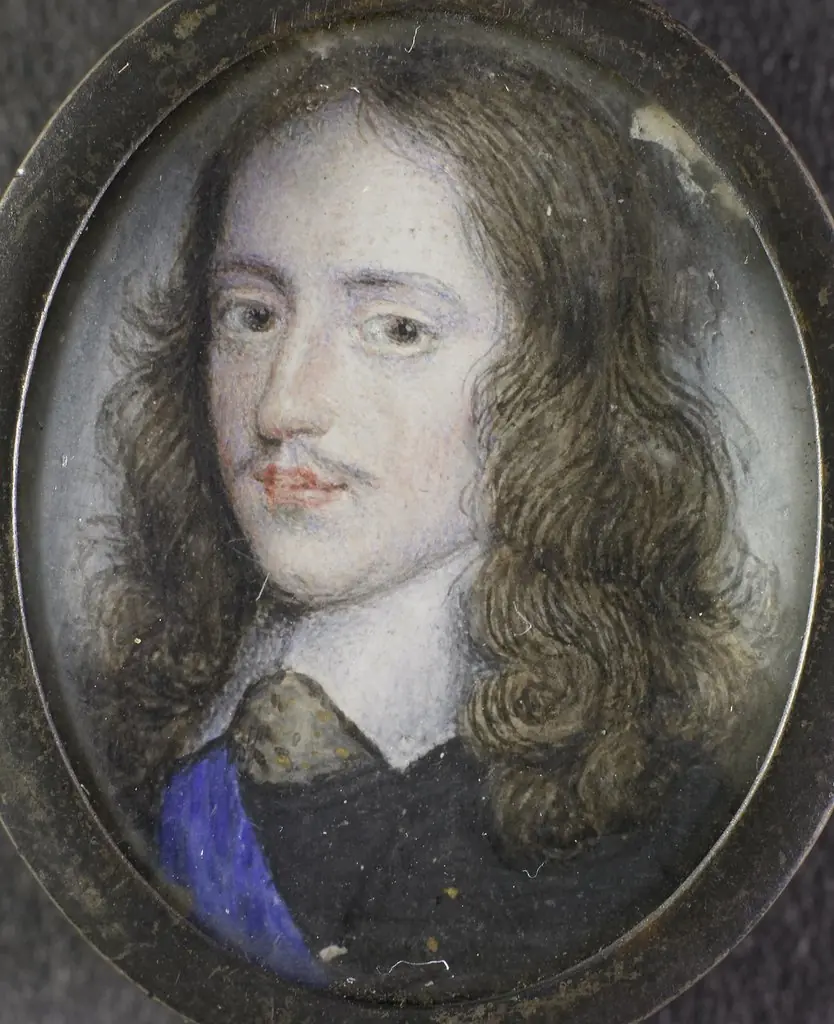 Willem II (1626-50), prins van Oranje
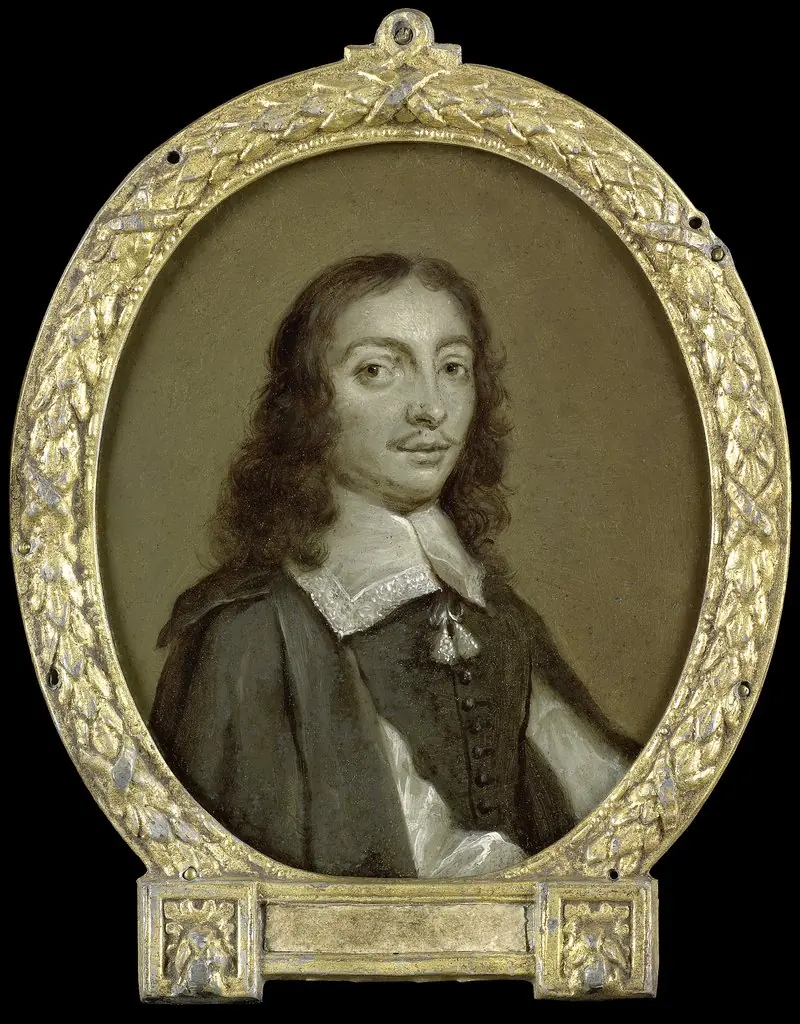 Portrait of Frans Godin, Poet in Brussels
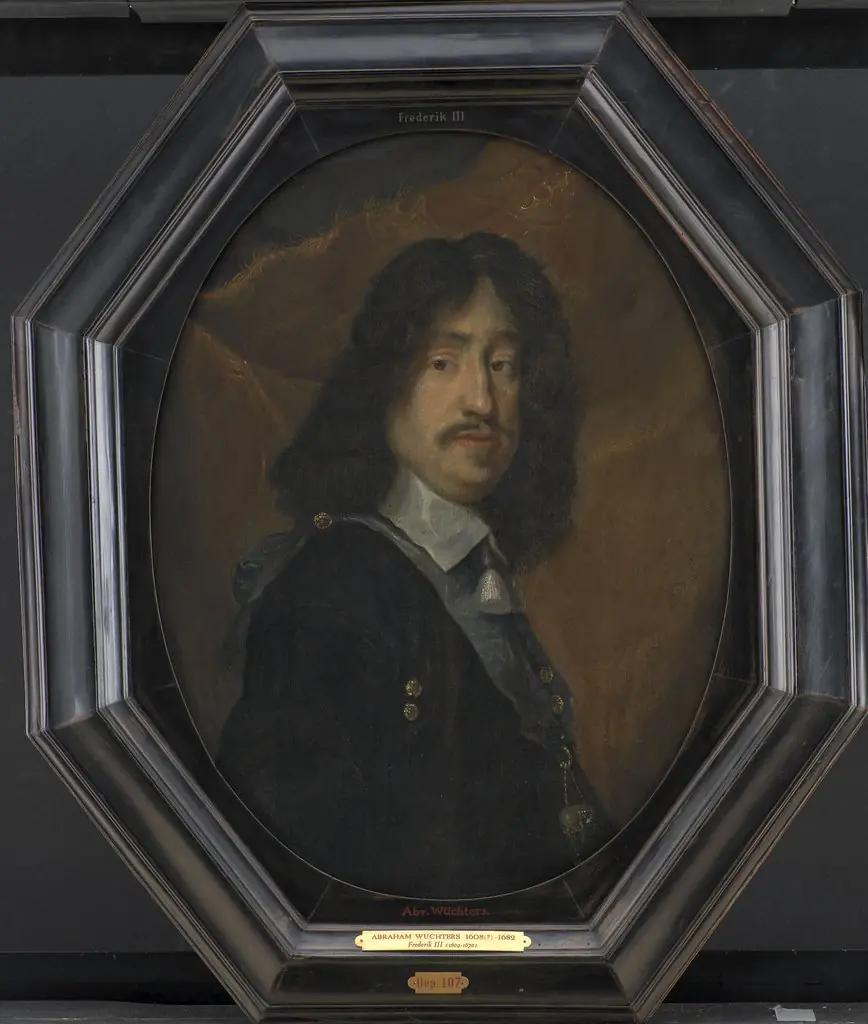 Frederik III
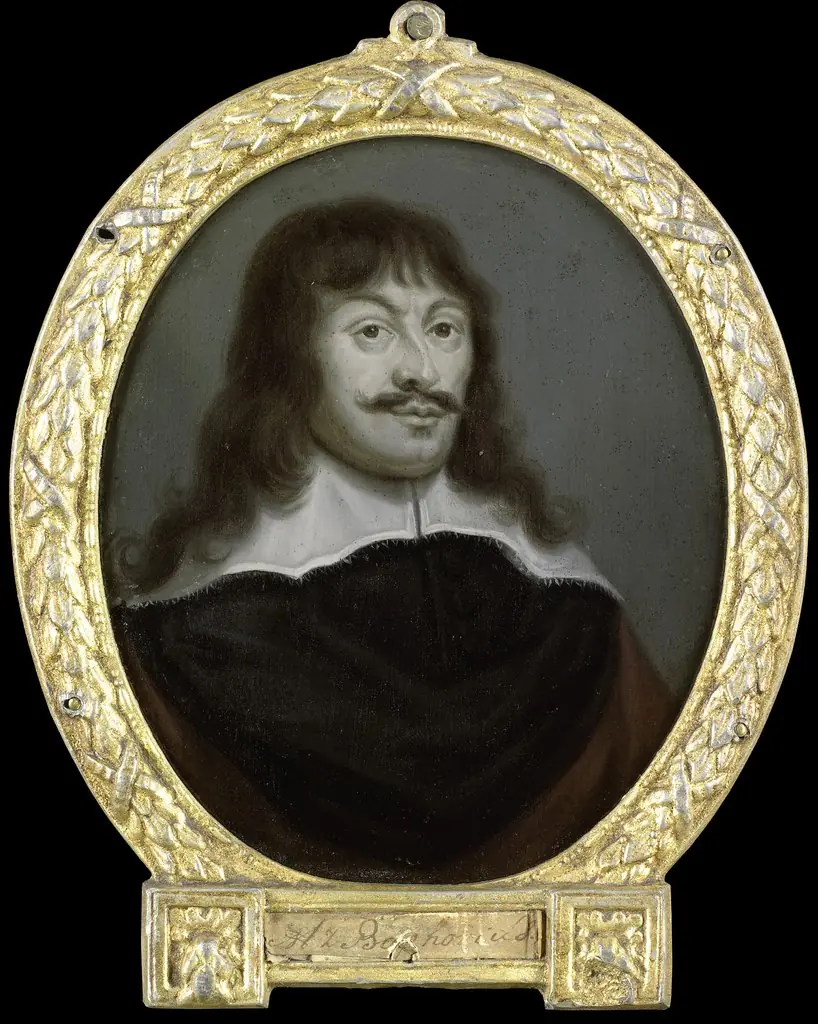 Portrait of Marcus Zuërius van Boxhorn, Historian and Professor at Leiden
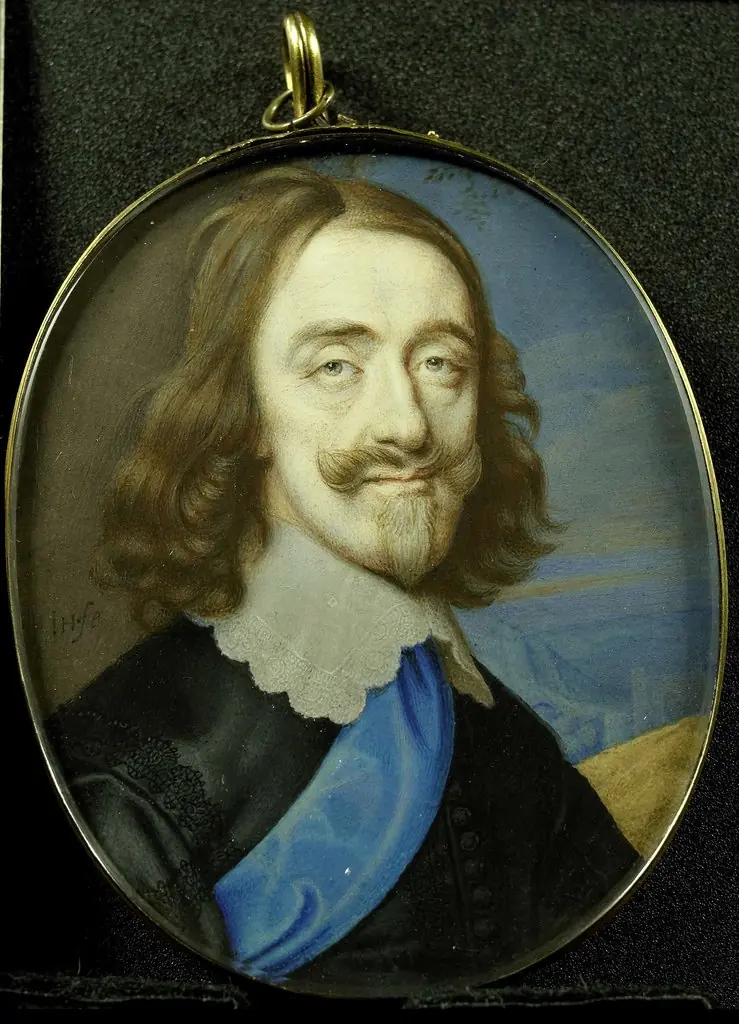 Portrait of Charles I, king of England
 Frederik III
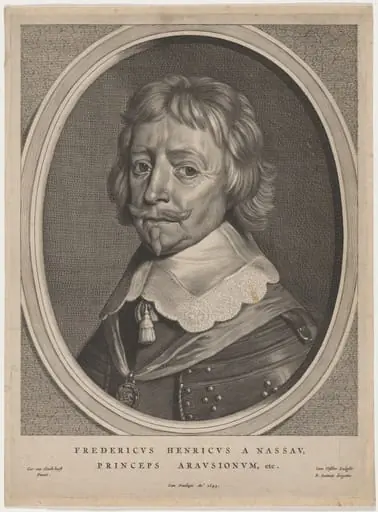 Frederick Henry of Orange
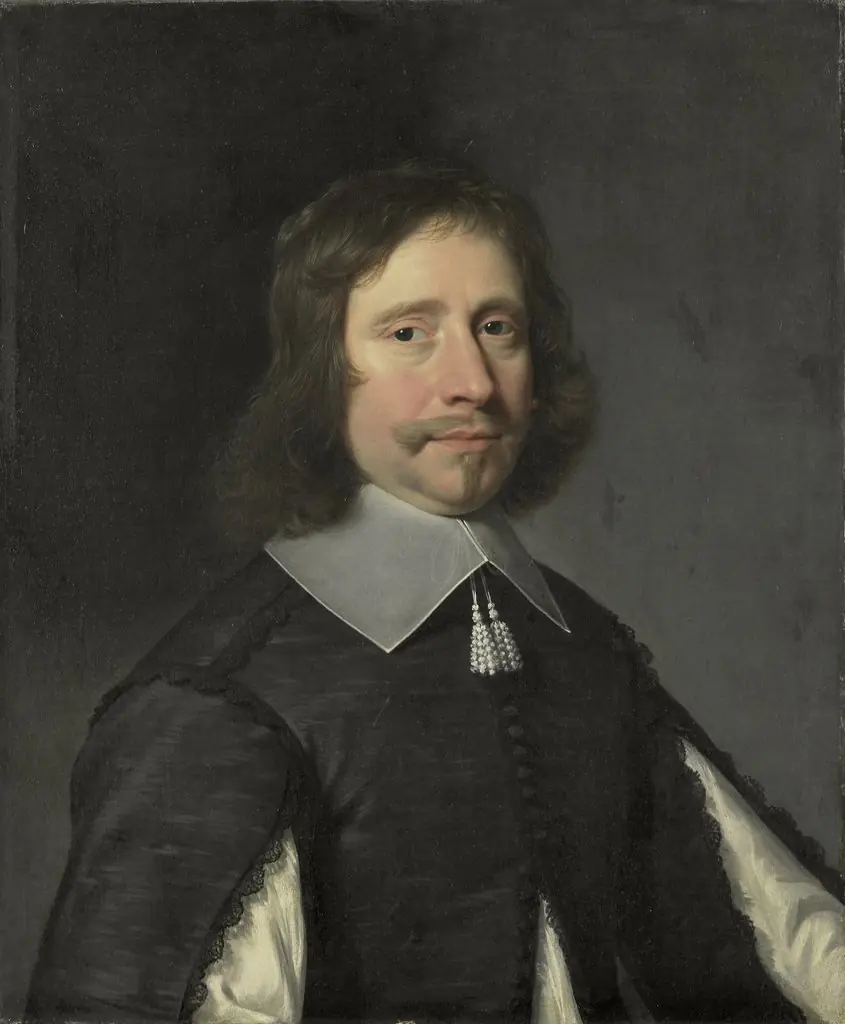 Portrait of a man, perhaps Philippe de la Trémoïlle (1596-?), count of Olonne
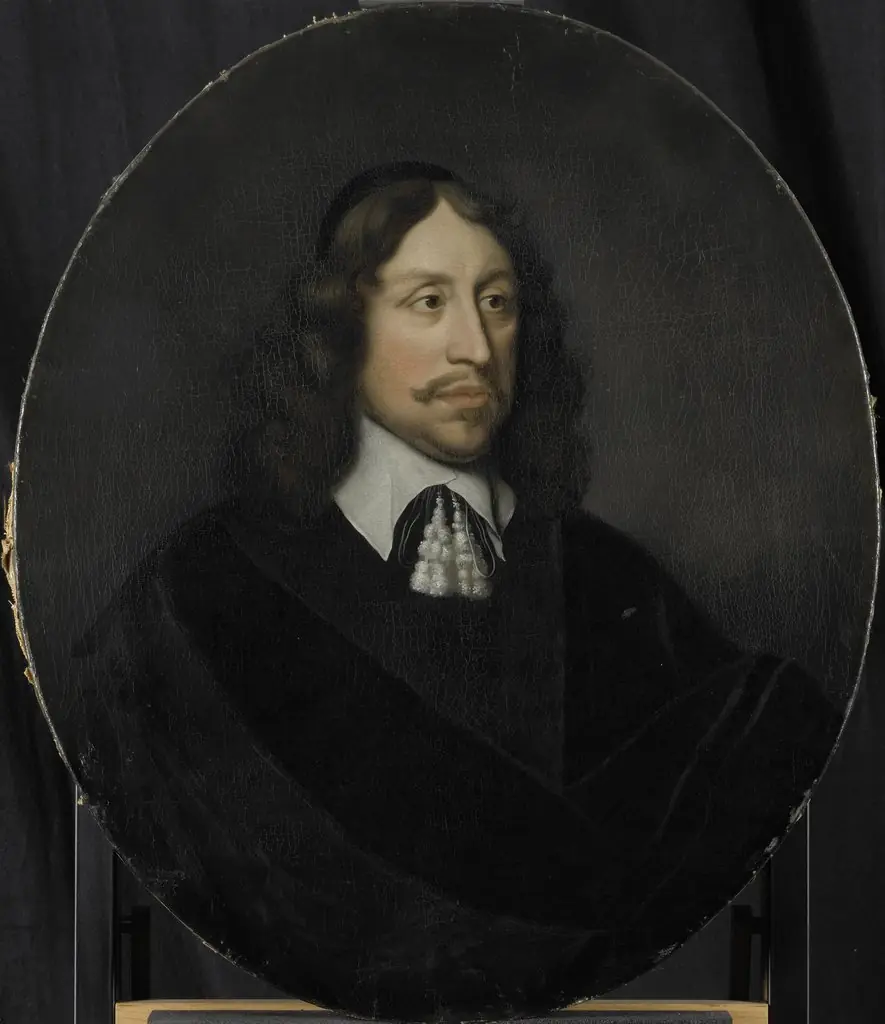 Portrait of Johan de Vries, Director of the Rotterdam Chamber of the Dutch East India Company, elected 1667