Artwork
Portrait of Henri II King of France (1518-1559)
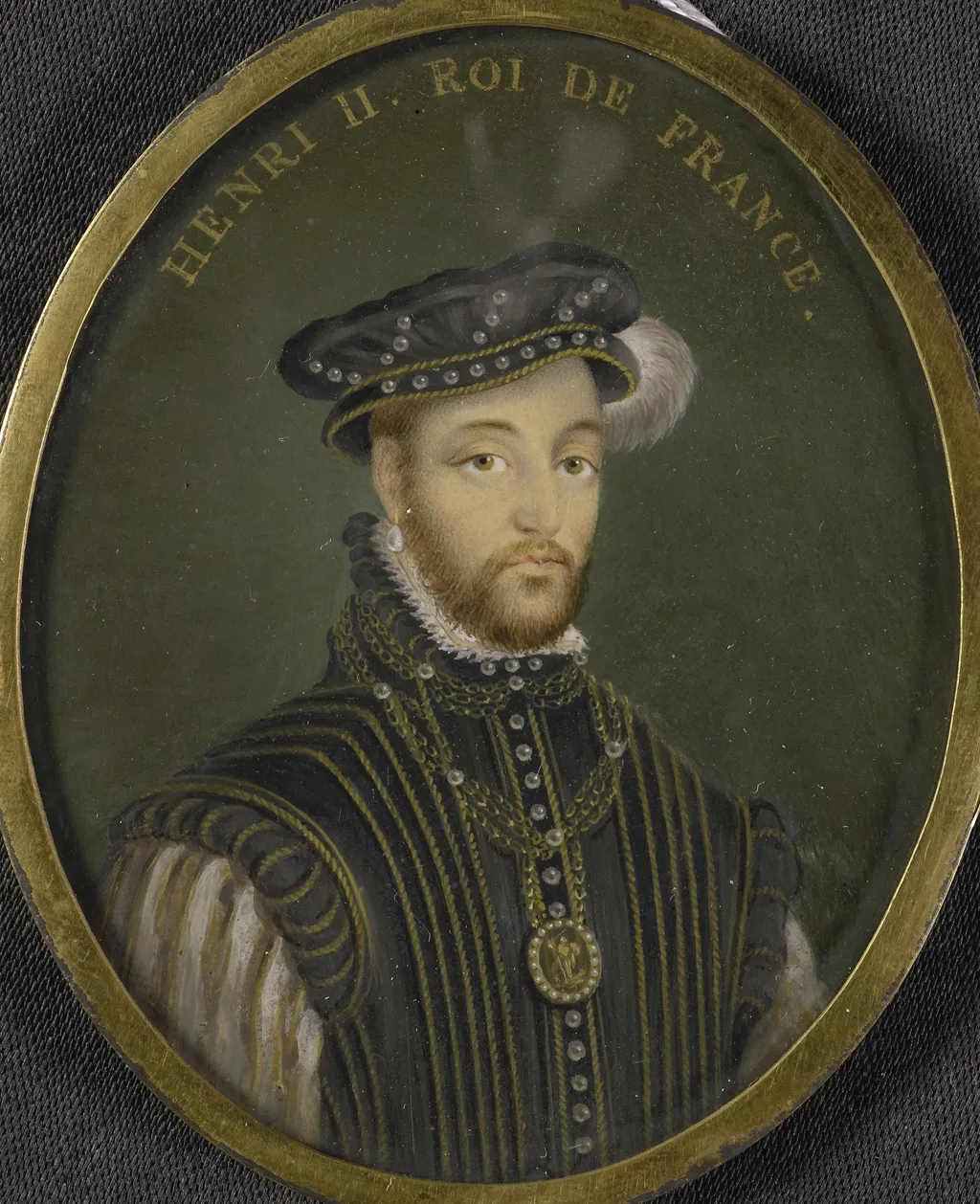
Portrait of Henri II King of France (1518-1559) is an unspecified painting by the Rococo painting artist Unknown. It dates from 1750 and is held in the collection of the Rijksmuseum. This portrait depicts Henri II, King of France from 1518 to 1559, rendered on cardboard in a detailed painting.
About this work
Subject & Meaning
Symbolically, the image conveys the continuity of the Valois dynasty and the political power of the French crown during the Renaissance period.
The work depicts Henri II, King of France, who reigned from 1519 to 1559. It is a miniature portrait painted on cardboard in 1750, showing the monarch in a style typical of court portraiture. The representation emphasizes regal authority and the sitter's status within the French royal lineage.
The piece belongs to the portrait genre and is housed in the Rijksmuseum's collection of Dutch historical art.
Symbolically, the image conveys the continuity of the Valois dynasty and the political power of the French crown during the Renaissance period. Its modest dimensions and use of cardboard reflect the intimate scale of private devotional portraiture in the mid‑eighteenth century.
Interpretations of the work focus on its role as a commemorative object that blends historical representation with artistic convention, underscoring the monarch's image as a conduit for state ideology.
Technique & Style
The work is executed on cardboard support, a material noted for its rigidity and suitability for small‑scale portraiture. The surface exhibits fine brushwork that captures the sitter’s regal attire and composed expression, while the limited palette emphasizes tonal contrast. Condition is stable, with no visible cracks or losses, and the handling marks are minimal, reflecting careful preservation.
Stylistically, the composition follows a formal, frontal pose typical of 18th‑century portrait miniatures, balancing realism with decorative patterning.
History & Provenance
The Portrait of Henri II King of France (1518–1559) is held in the collection of the Rijksmuseum in Amsterdam, formerly known as the Nederlandsch Museum voor Geschiedenis en Kunst. The work is cataloged as an anonymous painting created in 1750 on cardboard. While the specific inventory or accession number is not provided in the available records, the museum lists the piece as a miniature portrait with dimensions of 8.8 cm in height and 7.4 cm in width. No exhibition history or loan records are documented in the provided sources.
Legacy
The portrait of Henri II, created in 1750 on cardboard, was later recognized as an anonymous work within the miniature portrait genre. Its inclusion in the Rijksmuseum collection highlighted the significance of early modern portraiture and contributed to scholarly discussions on anonymous artists in the Netherlands. The piece's material and stylistic features have been referenced in studies of 18th-century portrait miniature traditions.
Overview
This portrait depicts Henri II, King of France from 1518 to 1559, rendered on cardboard in a detailed painting. The subject is shown wearing elaborate attire, characteristic of historical figures from the period.
Context
The style and attire depicted place the subject within the mid-16th century European royal context, aligning with the fashion and artistic trends of Renaissance France during Henri II's reign.
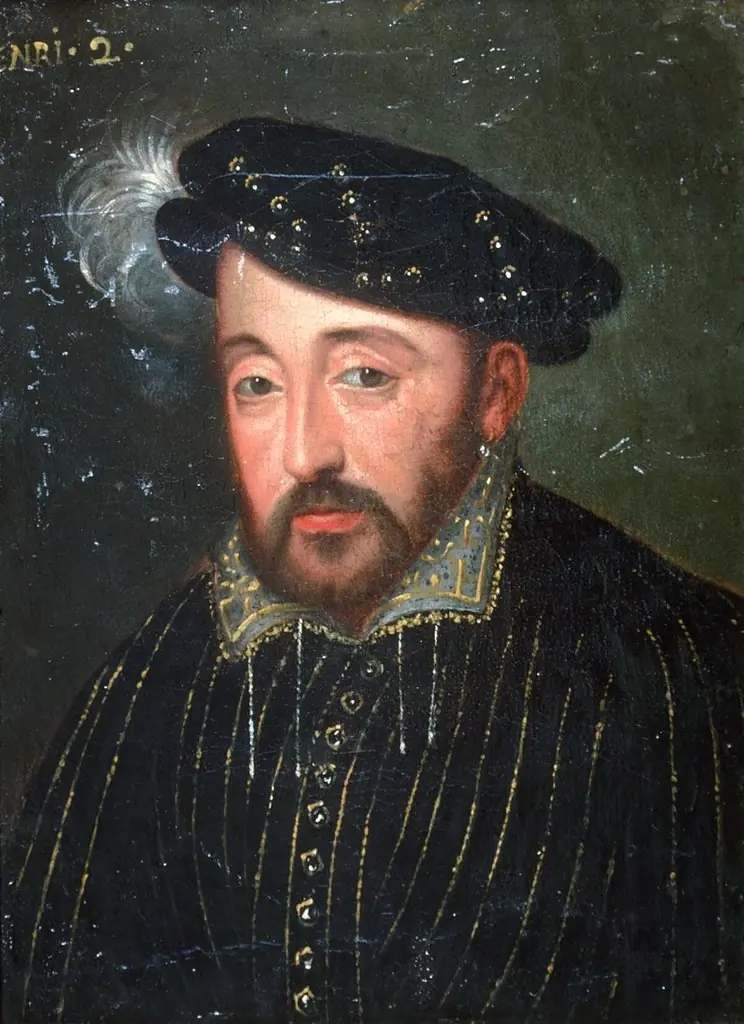
Artist & collection









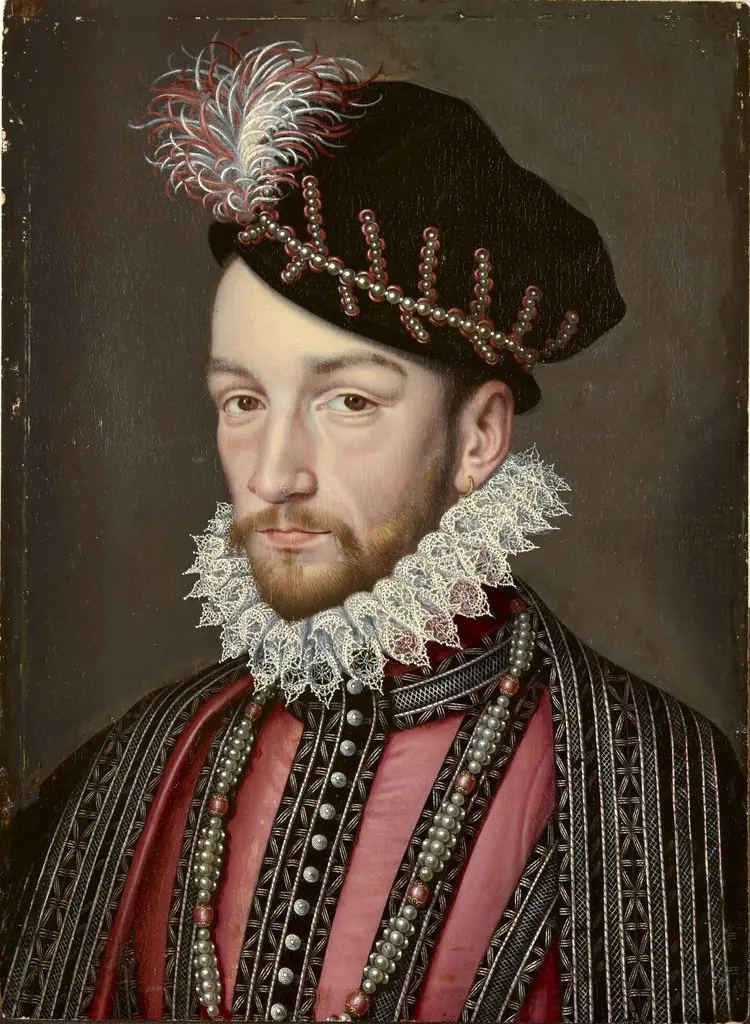 Charles IX, roi de France (1550-1574)
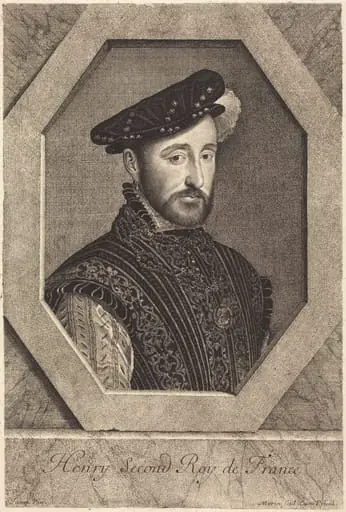 Henry II
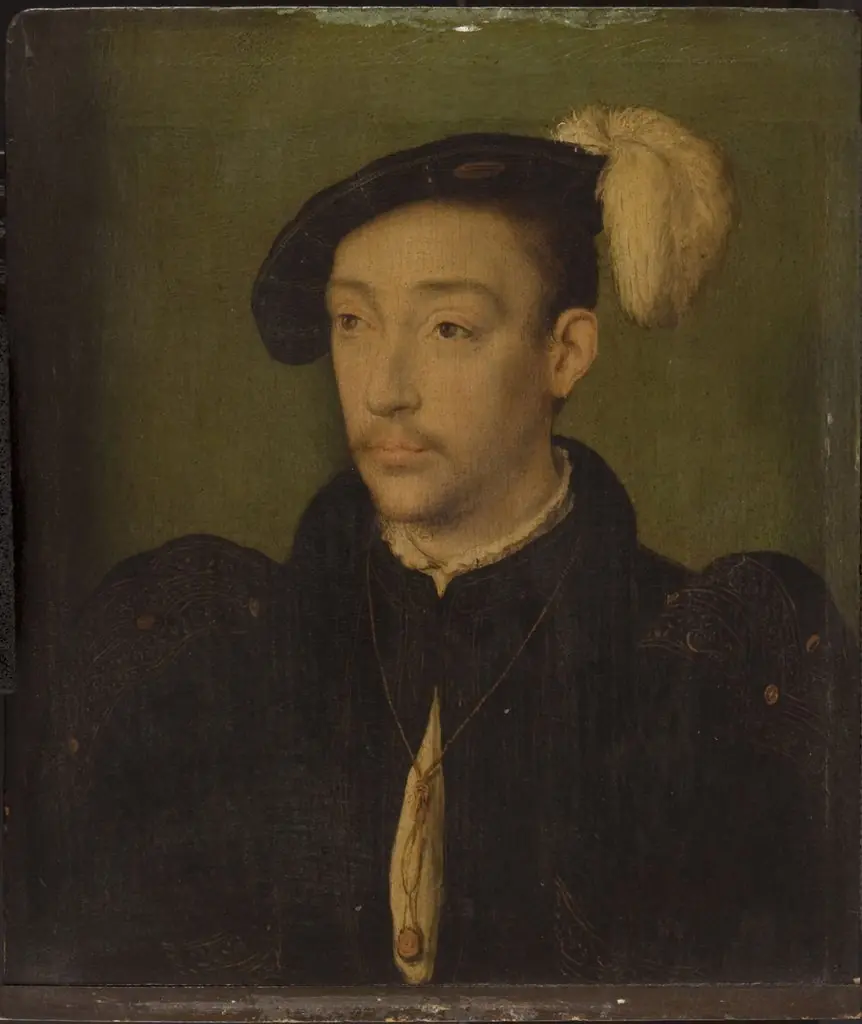 Portrait of the Dauphin Francis, Son of Francis I
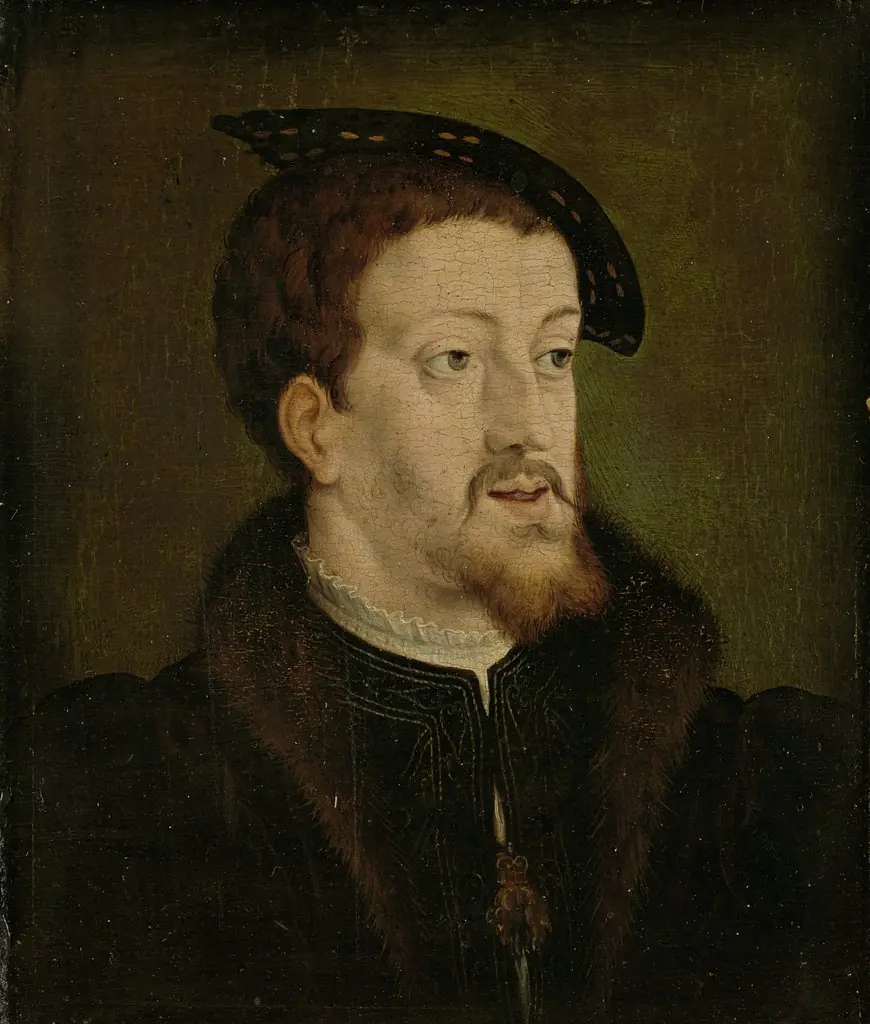 Portrait of Charles V (1500-58), emperor of the Holy Roman Empire
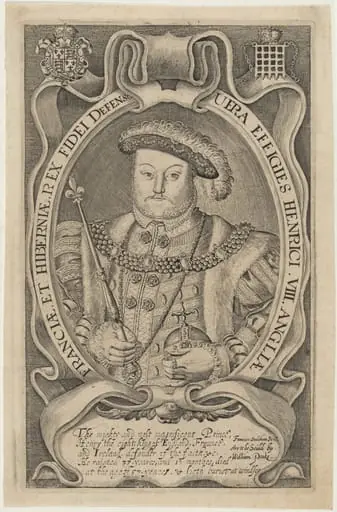 Henrici VIII Angliae, Franciae et Hiberniam Rex (King Henry VIII)
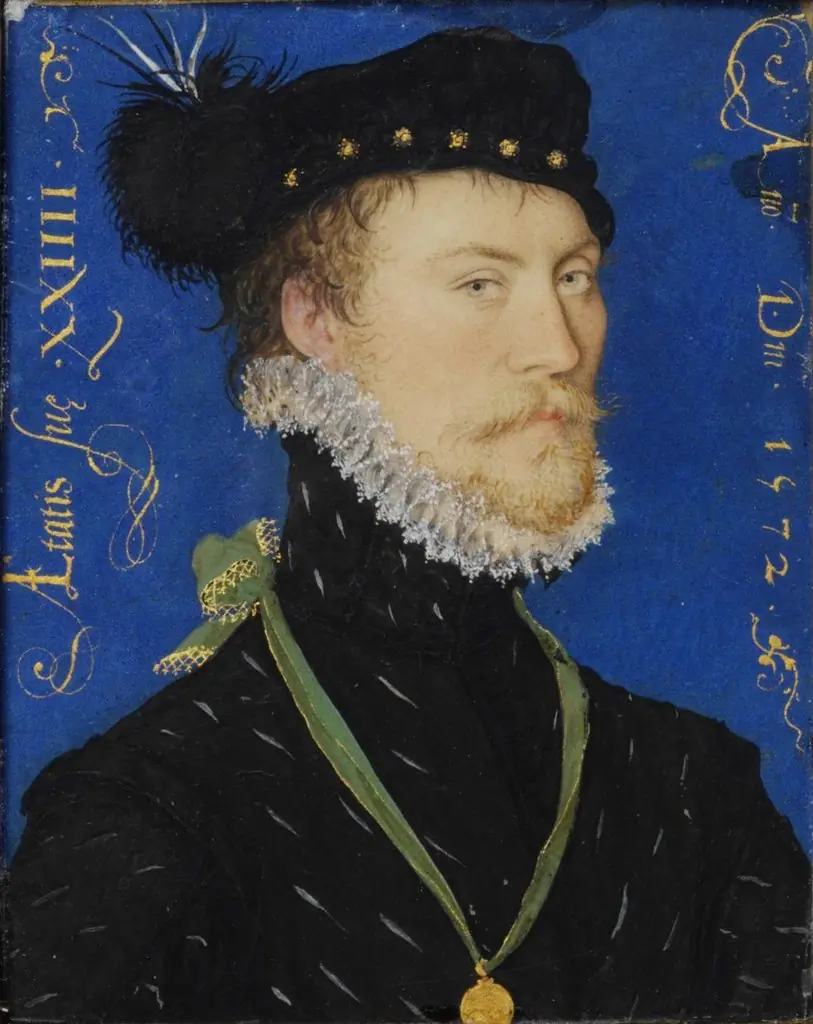 Portrait of an unknown man
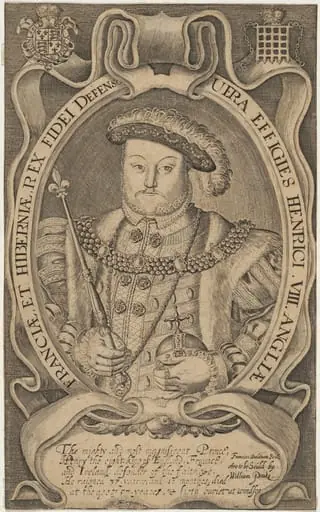 Henrici VIII Angliae, Franciae et Hiberniam Rex (King Henry VIII)