Artwork
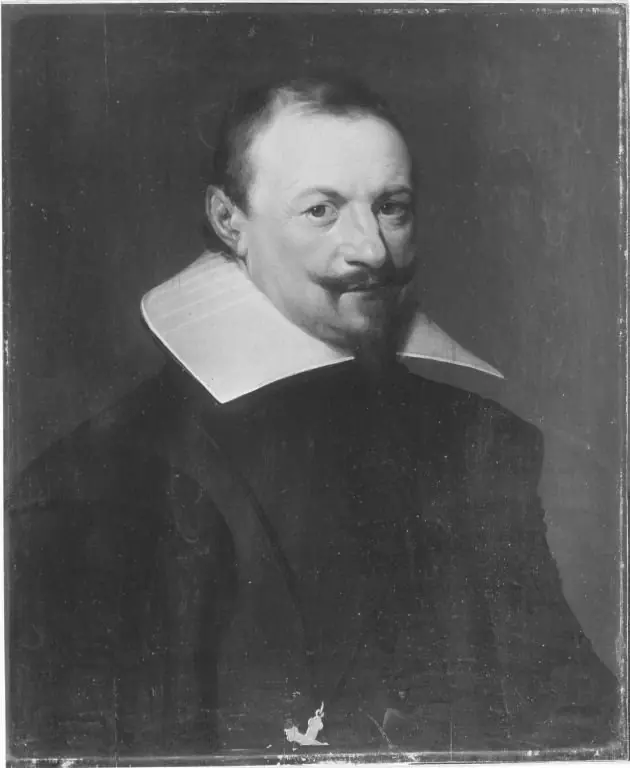
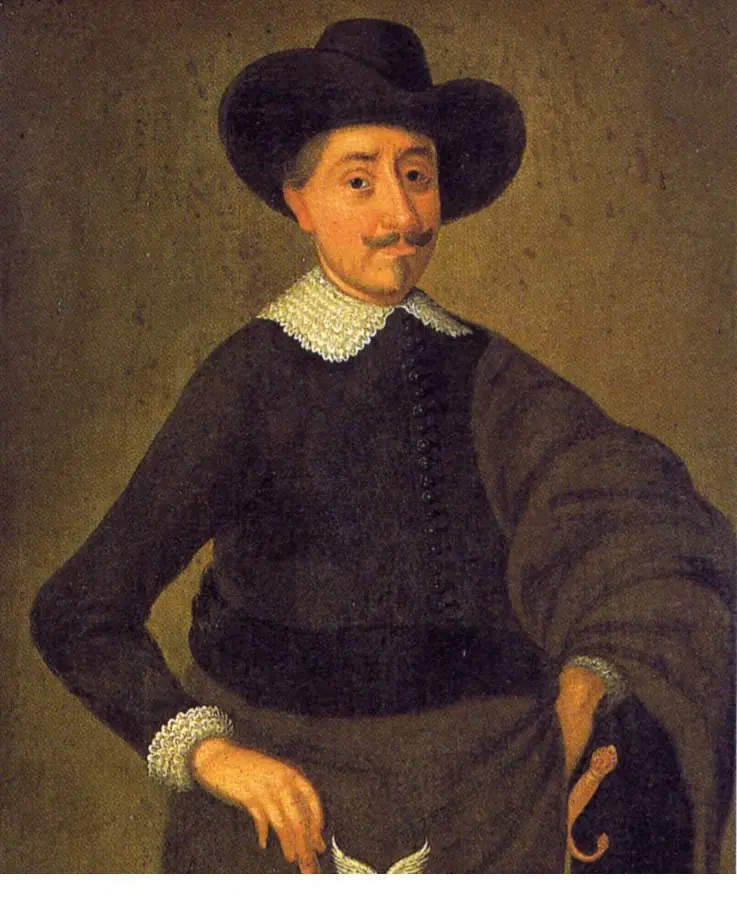
Portrait of Jerzy Frąckiewicz (?–after 1629), marshal of Lida District
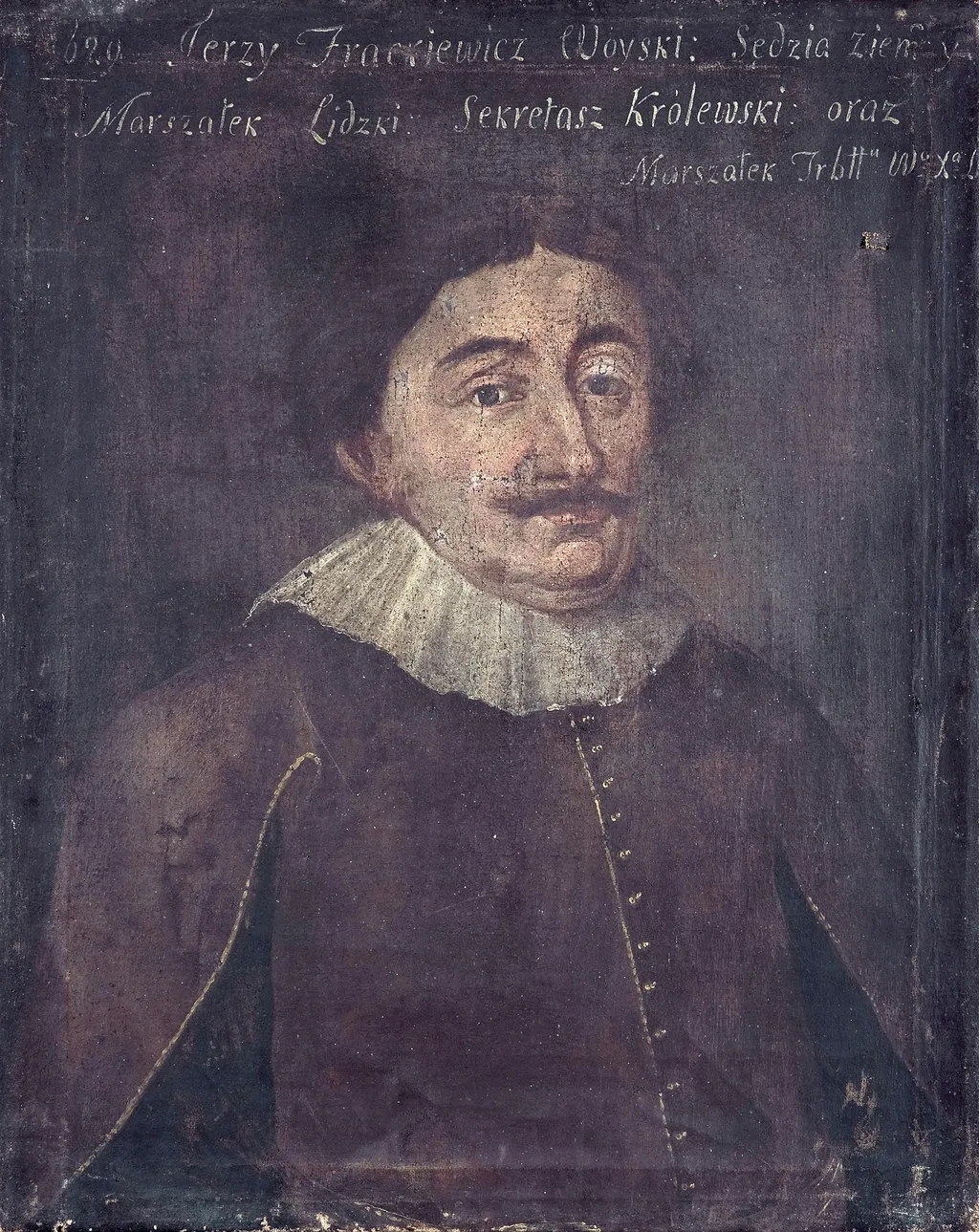
Portrait of Jerzy Frąckiewicz (?–after 1629), marshal of Lida District is an oil painting by the Rococo painting artist Unknown. It dates from 1750 and is held in the collection of the National Museum in Warsaw. This oil painting depicts Jerzy Frąckiewicz, a regional official from the Lida District, active before 1629.
About this work
Overview
The plain, shadowed background focuses attention on the figure, whose facial features, though partially faded, retain clarity, particularly the eyes.
This oil painting depicts Jerzy Frąckiewicz, a regional official from the Lida District, active before 1629. Rendered in a restrained palette of dark tones, the portrait emphasizes the sitter’s solemn demeanor. The plain, shadowed background focuses attention on the figure, whose facial features, though partially faded, retain clarity, particularly the eyes. The inscription above identifies his title and origin, grounding the work in a specific historical context.
Subject & Meaning
Jerzy Frąckiewicz is portrayed not as a nobleman in grand attire, but as a local administrator, his authority conveyed through stillness and direct gaze. His dark robe and crisp white collar suggest civic rank rather than aristocratic luxury. The absence of symbolic objects or elaborate setting implies a preference for quiet dignity over ostentation, reflecting the values of regional governance in early 17th-century Poland-Lithuania.
Technique & Style
The artist employs a muted chiaroscuro to model the face and clothing, using subtle gradations of light to define form without dramatic contrast. Brushwork is precise in the rendering of the collar and hair, while the face shows signs of pigment degradation, yet the eyes remain sharply defined. The composition is tightly framed, eliminating distraction and reinforcing the portrait’s introspective tone.
History & Provenance
The painting’s origin is tied to the Lida District, part of the Grand Duchy of Lithuania within the Polish-Lithuanian Commonwealth. Its survival suggests it was preserved within a family or institutional collection, though no documented ownership before modern times is recorded. The faded condition points to exposure to environmental factors, yet the integrity of the portrait’s core elements remains intact.
Context
During the early 1600s, regional marshals like Frąckiewicz held administrative and judicial roles in local governance. Portraits of such figures were uncommon compared to those of royalty or clergy, making this work a rare visual record of non-noble elite. Its stylistic simplicity aligns with provincial traditions that prioritized likeness and status over theatrical embellishment.
Legacy
The portrait stands as a modest but significant example of civic portraiture from the Polish-Lithuanian borderlands. It offers insight into how local officials wished to be seen, composed, authoritative, and unadorned. Its survival, despite deterioration, underscores the value placed on such images within regional memory, even when they lacked royal patronage.
Artist & collection