Artwork
Portrait of Maria Beatrice d'Este
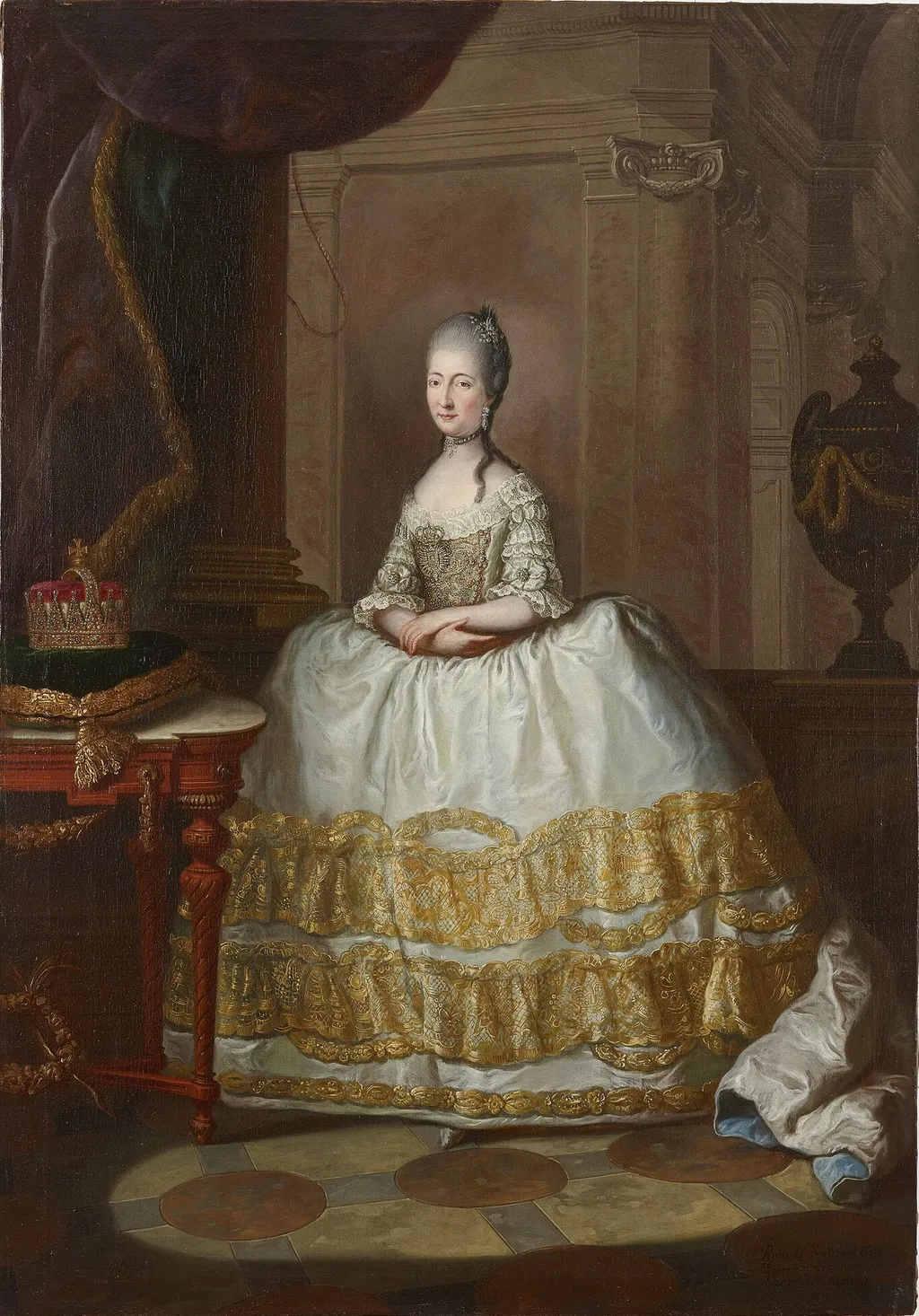
Portrait of Maria Beatrice d'Este is an oil painting by the Rococo painting artist Unknown. It dates from 1772 and is held in the collection of the Palace of Versailles. This oil painting presents Maria Beatrice d'Este, Duchess of Massa, in formal court attire.
About this work
Overview
The work reflects the conventions of aristocratic portraiture in late 18th-century Italy, prioritizing dignity and status over emotional expression.
This oil painting presents Maria Beatrice d'Este, Duchess of Massa, in formal court attire. She is seated calmly, hands folded, framed by a subdued background that emphasizes her elaborate dress. The composition centers on her presence, with lighting and detail directing attention to her regal bearing.
The work reflects the conventions of aristocratic portraiture in late 18th-century Italy, prioritizing dignity and status over emotional expression.
Subject & Meaning
Maria Beatrice d'Este is depicted not merely as an individual but as a symbol of noble authority. Her crown, placed on a table beside her, reinforces her title and lineage. The folded hands suggest composure and restraint, traits associated with aristocratic women of her time.
The inclusion of the crown as a separate object, rather than worn, may indicate her role as a dynastic figure rather than an active ruler, underscoring inherited status over personal power.
Technique & Style
The artist employs chiaroscuro to model the figure with subtle gradations of light and shadow, lending volume to the fabric and form. The dress, rich in gold embroidery, is rendered with precise brushwork to capture texture and sheen. The muted background avoids distraction, allowing the luminous tones of the gown to dominate.
The updo and delicate crown are rendered with fine detail, reflecting the precision expected in court portraiture of the period.
History & Provenance
Painted during Maria Beatrice’s lifetime, the portrait likely originated in the Este court or a related Italian noble household. It remained within family collections until the 19th century, when it entered a public institution. Documentation links it to the Este dynasty’s efforts to visually assert their legitimacy amid shifting political alliances in northern Italy. Its preservation reflects its importance as a dynastic record.
Context
Created in the late 1700s, the portrait emerges during a period when Italian duchies maintained ceremonial traditions despite declining political autonomy. Portraits like this served to affirm noble identity through visual symbols, crowns, embroidery, posture, rather than military or political imagery. The restrained palette and formal composition align with broader European trends in aristocratic representation, balancing opulence with decorum.
Legacy
The portrait endures as a documented example of how Italian noblewomen were visually codified in the ancien régime. It contributes to scholarly understanding of gender, status, and representation in pre-unification Italy. While not widely exhibited, it remains a key reference in studies of Este family iconography and the material culture of minor European courts.
Artist & collection









 Portrait of Catherine II
 Marie-Adélaïde de France (1732-1800), fille de Louis XV, dite Madame Adélaïde
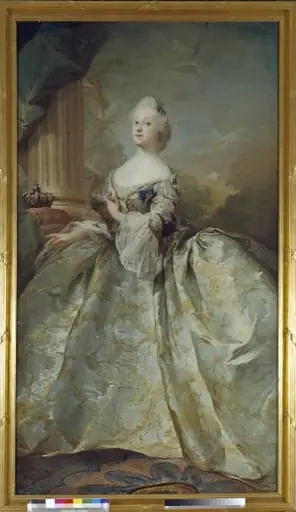 Portræt af Louise, Frederik V's første dronning
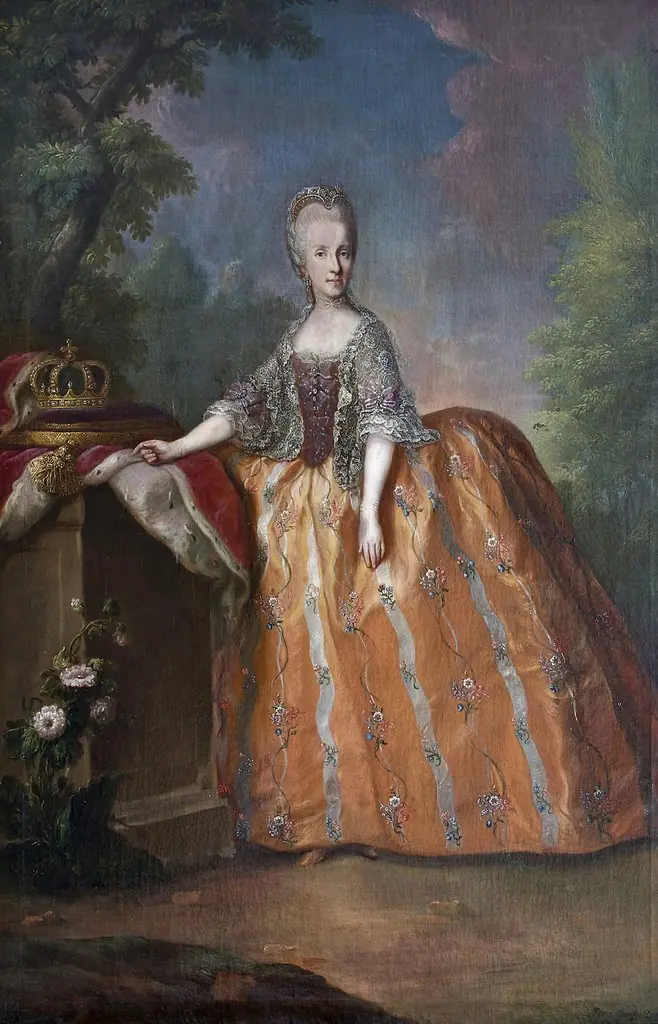 Maria Luisa of Spain, Holy Roman Empress
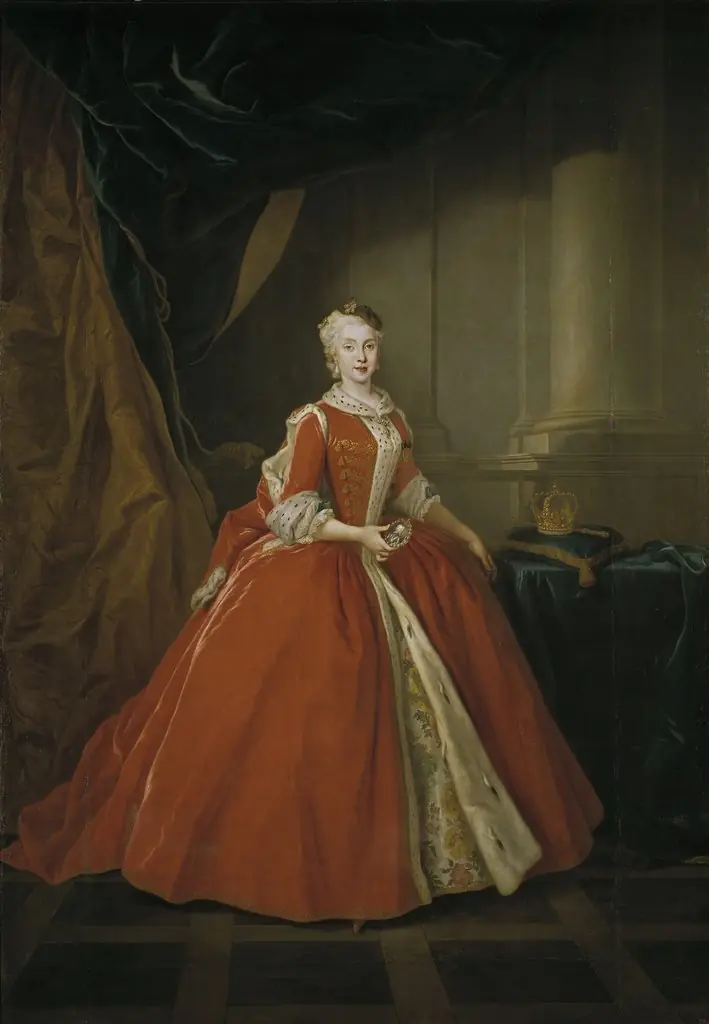 Maria Amalia de Saxony
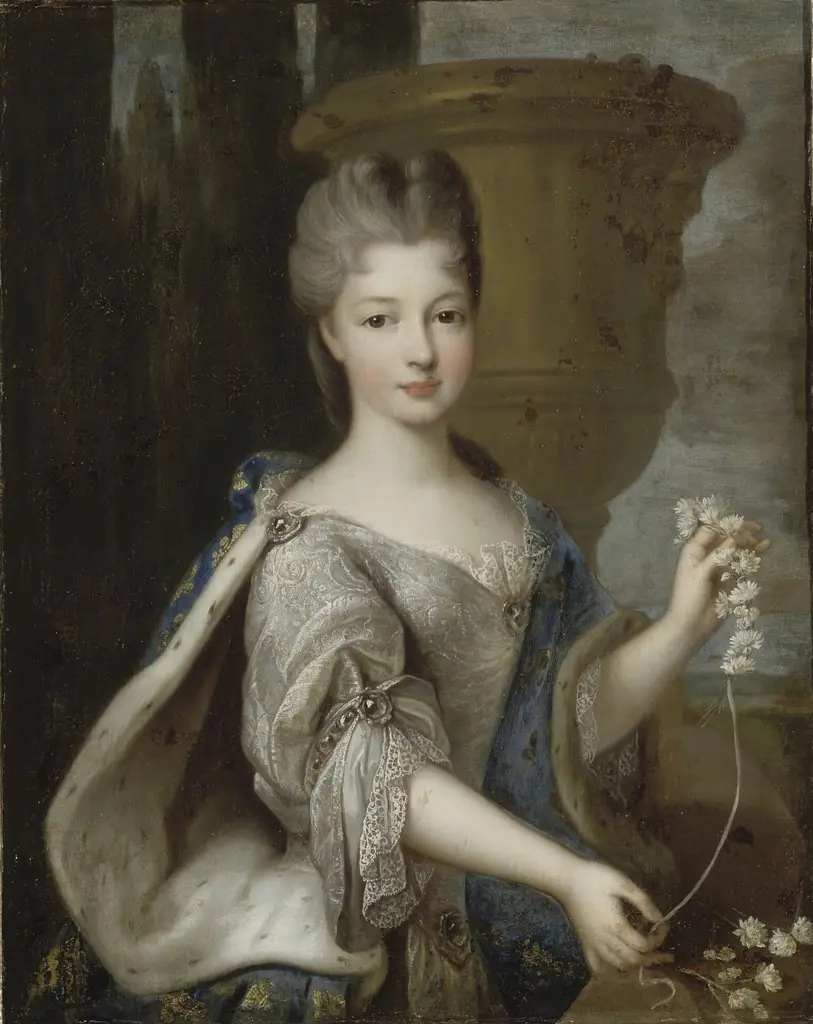 Louise-Elisabeth de Bourbon-Condé, Princess of Conti (1699-1775)
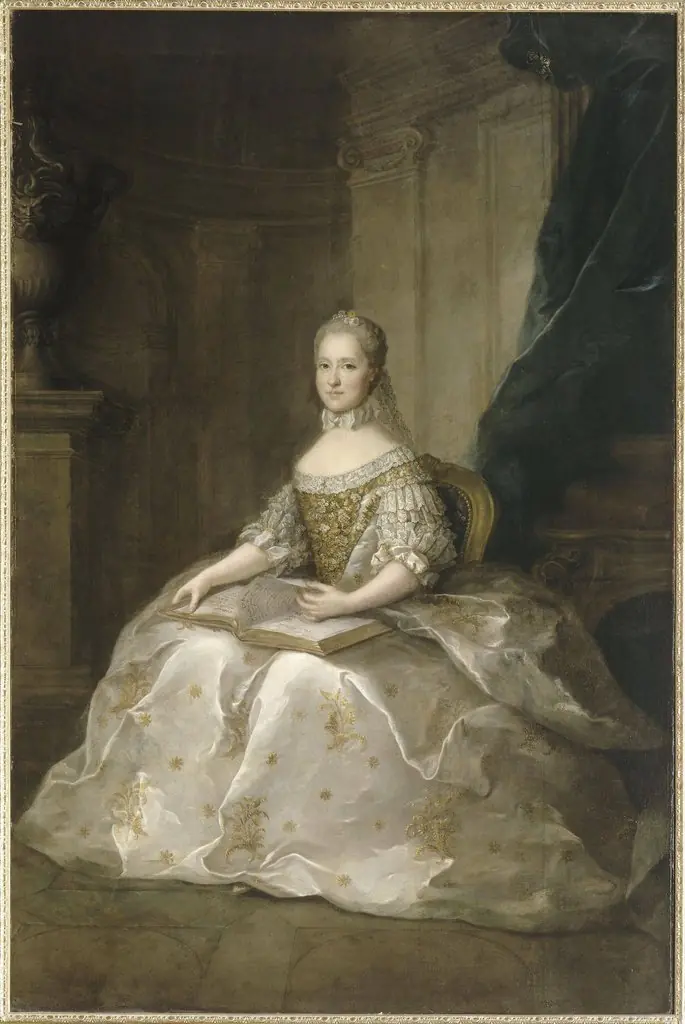 Portrait of Maria Josepha of Saxony (1731–1767), Dauphine of France
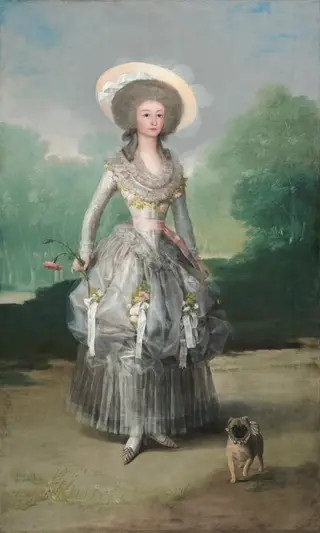 The Marquesa de Pontejos
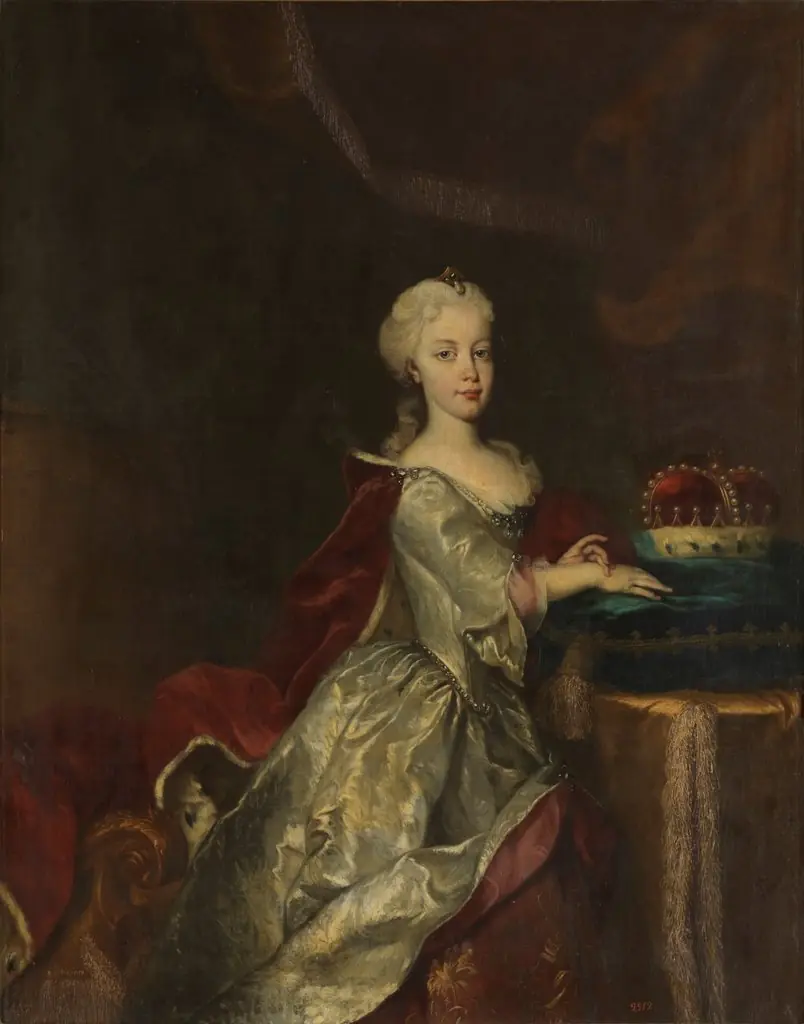 María Teresa archiduquesa de Austria