Artwork
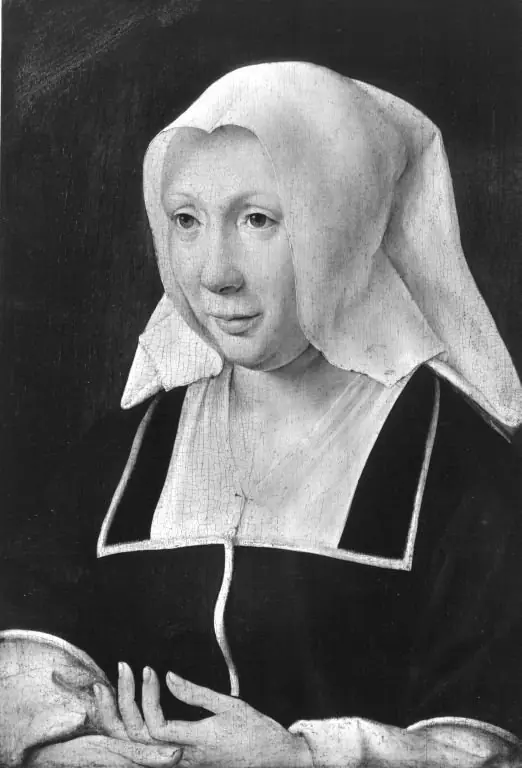
Portrait of Marie de Pacy, wife of Barthélemy Alatruye (?-1466)
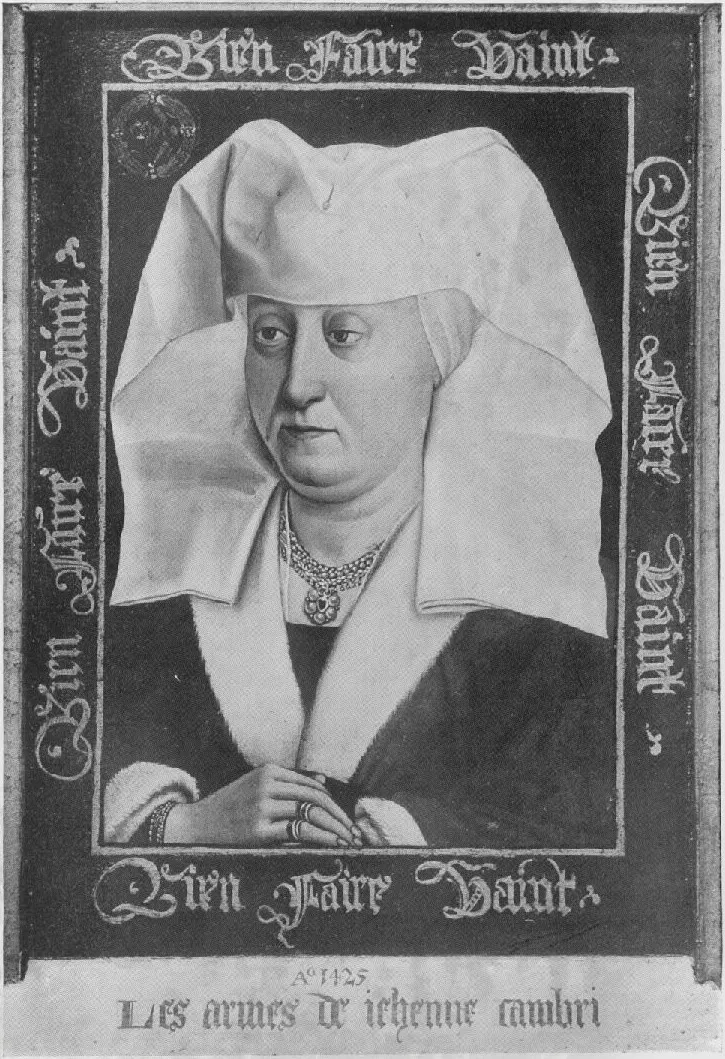
Portrait of Marie de Pacy, wife of Barthélemy Alatruye (?-1466) is an oil painting by the Northern Renaissance artist Unknown. It dates from 1427 and is held in the collection of the Royal Museums of Fine Arts of Belgium. This oil painting depicts Marie de Pacy, wife of Barthélemy Alatruye, likely painted in the mid-15th century.
About this work
Overview
The subject is rendered with quiet intensity, set against a deep, unmodulated background that isolates her figure.
This oil painting depicts Marie de Pacy, wife of Barthélemy Alatruye, likely painted in the mid-15th century. The subject is rendered with quiet intensity, set against a deep, unmodulated background that isolates her figure. Her attire and jewelry suggest noble status, while the composition emphasizes stillness and introspection. The artist employs chiaroscuro to model form through subtle shifts in light and shadow.
Subject & Meaning
Marie de Pacy is portrayed with solemn dignity, her gaze direct and expression restrained. The white headdress and high collar reflect contemporary modesty norms for married women of rank, while the necklace and rings signify wealth and social standing. The absence of symbolic objects or landscape implies a focus on personal presence rather than narrative, aligning with early Netherlandish portraiture’s interest in individual identity.
Technique & Style
The artist uses chiaroscuro to define the contours of the face and fabric with precision, creating a three-dimensional presence without overt modeling. Brushwork is fine and controlled, particularly in the rendering of lace-like collar details and the metallic sheen of jewelry. The dark background enhances the luminosity of the skin and white textiles, drawing attention to the sitter’s features through contrast rather than decoration.
History & Provenance
The painting’s early history is undocumented, but its style and materials place it within the circle of Northern European panel painters active in the 1450s–1460s. It was likely commissioned by the Alatruye family as a private devotional or commemorative image. Ownership records emerge only in later centuries, with no known exhibition history prior to the 19th century.
Context
In mid-15th-century France and the Low Countries, portraits of noblewomen were often commissioned to affirm familial lineage and social position. Unlike Italian counterparts, Northern artists favored intimate, unadorned depictions, emphasizing texture and quiet realism. This work reflects a broader trend toward secular portraiture among the urban elite, detached from religious iconography yet still imbued with moral gravity.
Legacy
The portrait contributes to the understanding of early Netherlandish portraiture’s evolution toward psychological depth and material realism. Though not widely known, its restrained composition and technical finesse align it with works by contemporaries such as Robert Campin or Jan van Eyck’s followers. It remains a quiet example of how individual identity was visually asserted in a pre-Renaissance context.
Artist & collection

Museum
Royal Museums of Fine Arts of Belgium
Continue through works from the same source collection.








- Portrait of a mother (the daughter is overpainted)
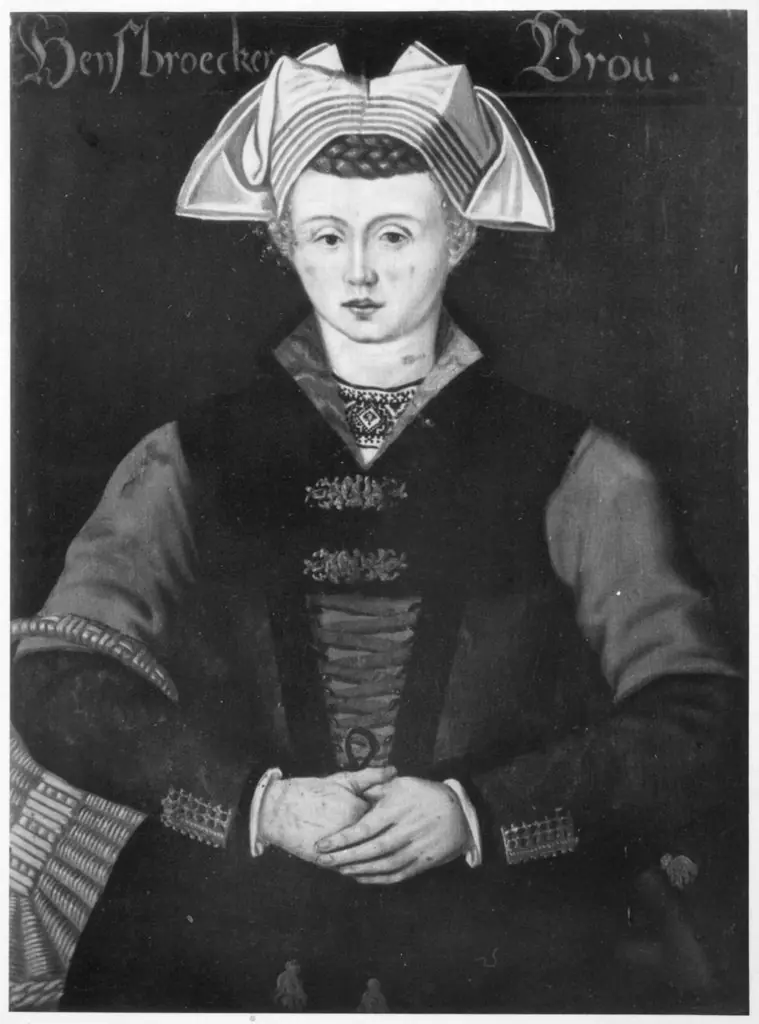 Woman from Hensbroek in country dress
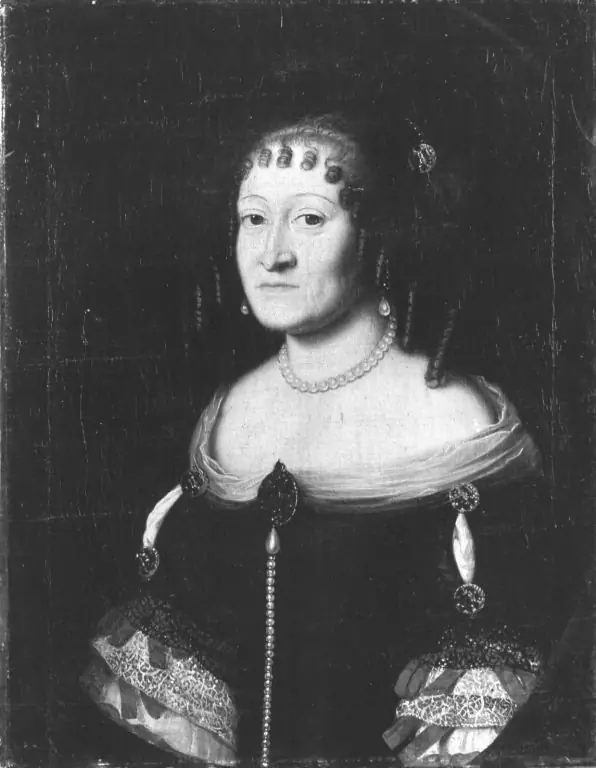 Portrait of Elisabeth Dorothea of Saxony-Gotha-Altenburg
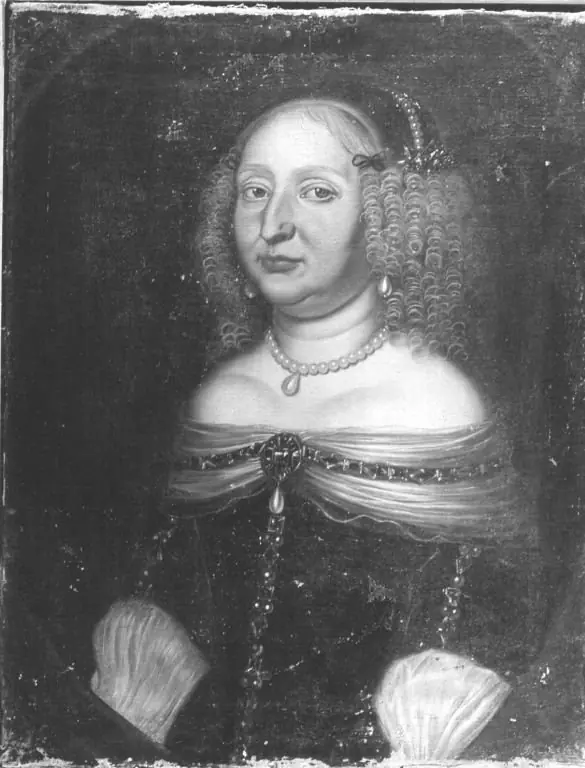 Bildnis der Sophie Eleonore von Sachsen, Landgräfin von Hessen-Darmstadt, Gemahlin des Landgrafen Georg II. (1609-1671) (?)
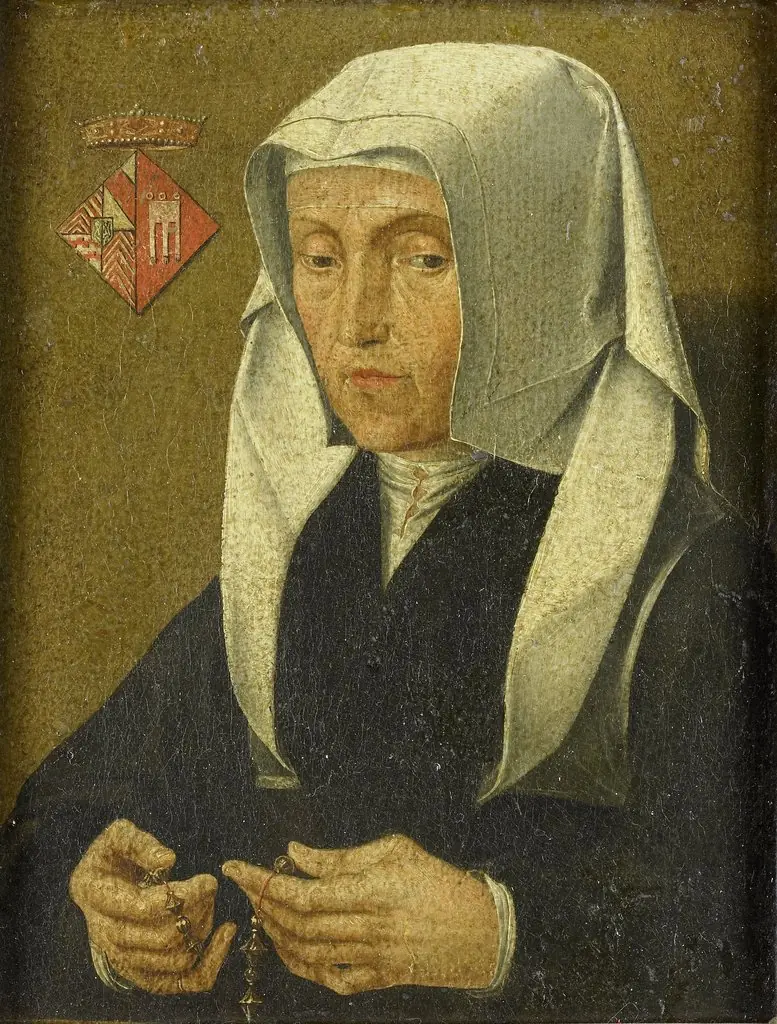 Portrait of Magdalena van Werdenborgh (1464-1538)
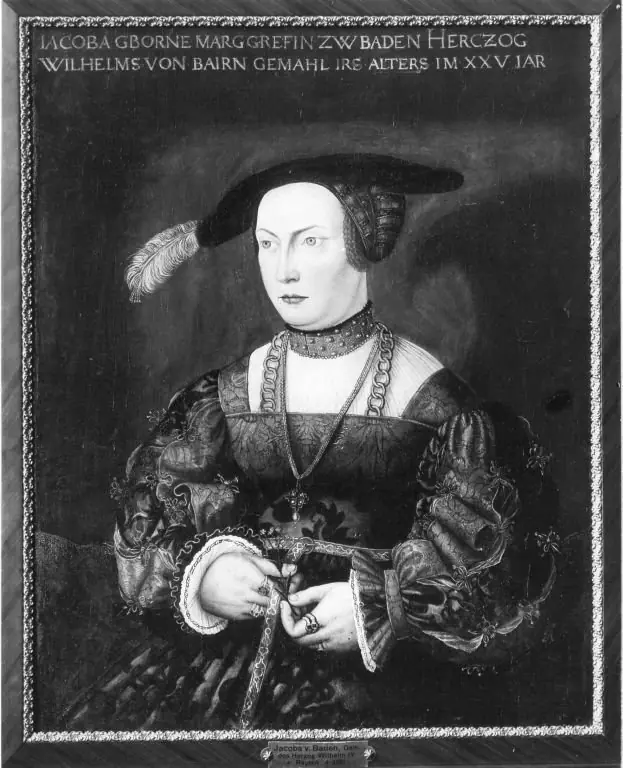 Maria Jakobäa, Gemahlin Herzog Wilhelms IV. von Bayern
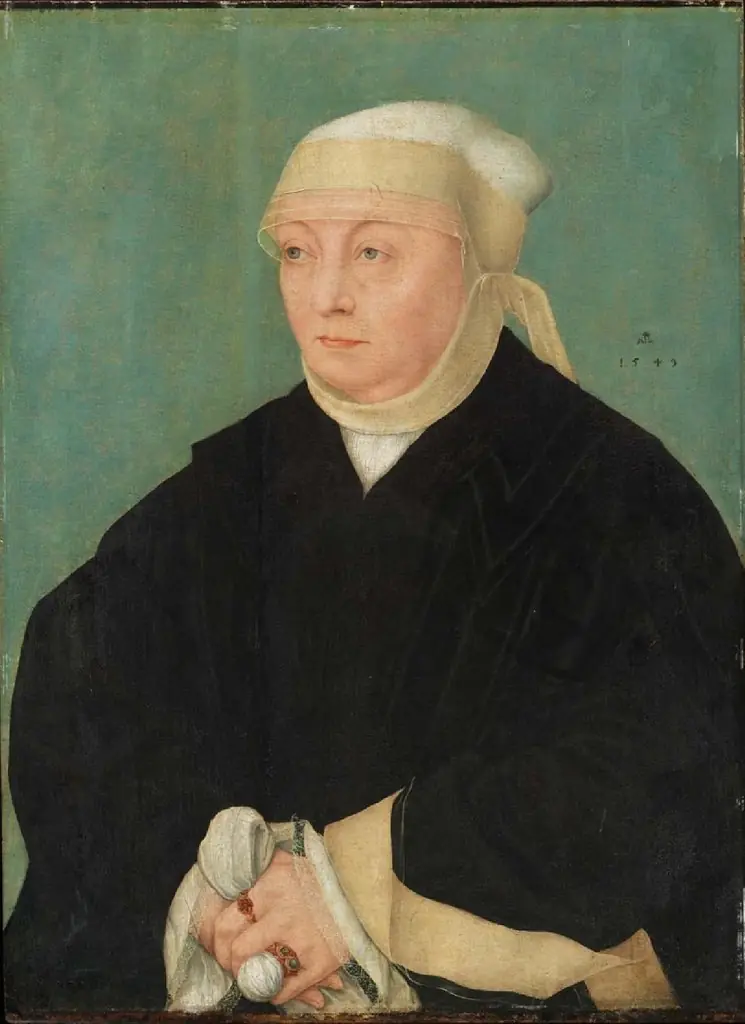 Portrait of a Woman
 Portraits of a Couple: Female portrait
 Wilhelmina van Naaldwijk
 Portrait of the Duchess Barbara of Saxony, 1478-1534 (wife of George the Bearded)
 Portrait of Ursula Nothaft
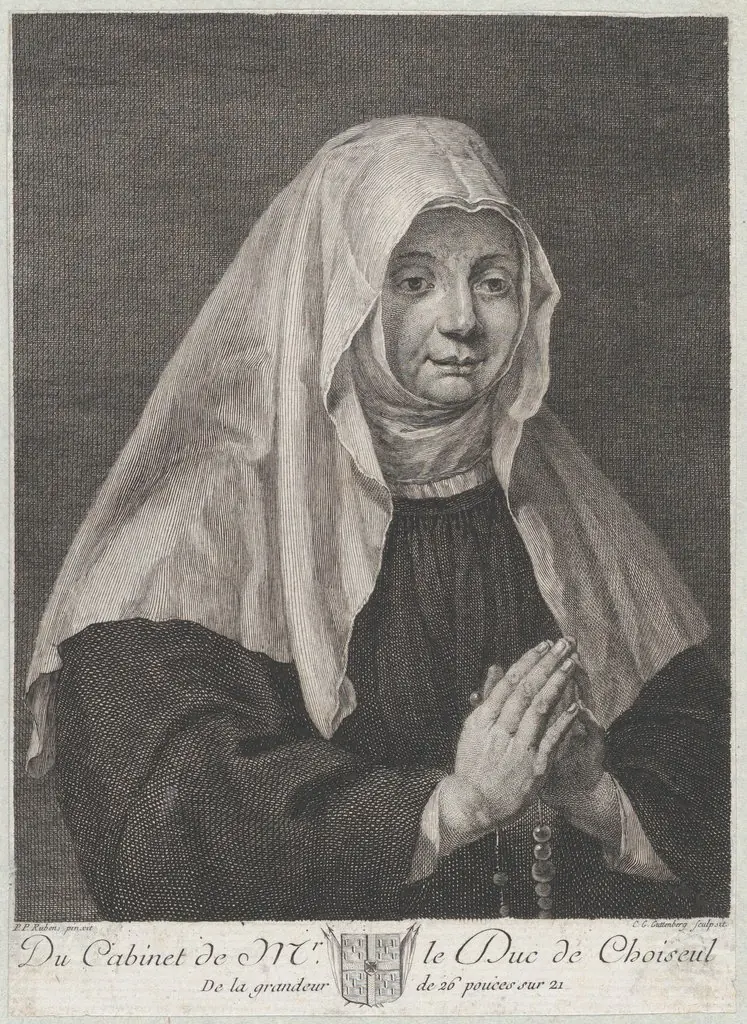 Portrait of a praying nun