Artwork
Portraits of Cho Hyun-myeong and Cho Jae-ho
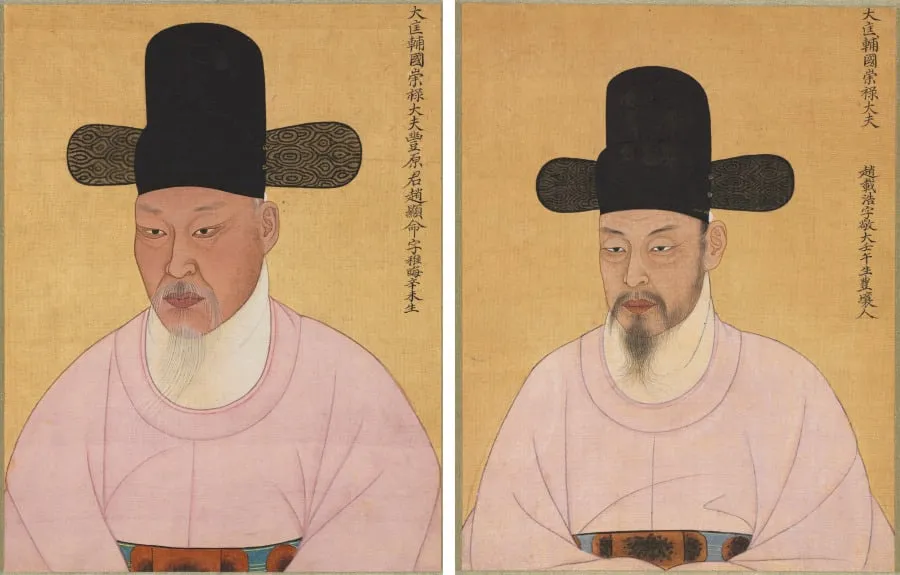
Portraits of Cho Hyun-myeong and Cho Jae-ho is an unspecified painting by the Joseon dynasty painting artist Unknown. It dates from 1804 and is held in the collection of the Cleveland Museum of Art. The pair of hanging scrolls depict Cho Jae‑ho (1702‑1762) and his cousin Cho Hyun‑myeong, both senior officials of the late Joseon court.
- Accession no.
- 1999.15
- Credit line
- John L. Severance Fund
About this work
You see two men in dark robes sitting side by side, their faces calm and serious.
You see two men in dark robes sitting side by side, their faces calm and serious. Both wear black hats and hold small books.
These portraits were made to honor the Cho family during the Joseon dynasty. The family kept copies for rituals, passing them down through generations. The men were high-ranking officials, but the artist who painted them is unknown.
To see more works like this, look up korea, joseon dynasty (1392–1910).
Overview
The pair of hanging scrolls depict Cho Jae‑ho (1702‑1762) and his cousin Cho Hyun‑myeong, both senior officials of the late Joseon court. Rendered in subdued tones, the figures sit side by side, each wearing a dark robe, a black ceremonial hat, and holding a small book. Their expressions are composed, reflecting the dignified bearing expected of high‑ranking state councilors.
Subject & Meaning
The portraits were commissioned by the Cho lineage as a visual tribute to two of its most prominent members. By presenting the cousins together, the family emphasized both their shared heritage from the Pungyang region and their collective service to the state, reinforcing filial piety and the Confucian ideal of honoring ancestors through art.
Technique & Style
Executed in the traditional Korean portrait tradition, the works employ ink and mineral pigments on silk, with careful brushwork that delineates facial features and clothing folds. The restrained palette of dark hues and the subtle shading convey a sense of solemnity, while the inclusion of books alludes to the scholars’ literary accomplishments.
History & Provenance
Created during the mid‑18th century, the scrolls entered the Cho family’s private collection and have been reproduced for use in ancestral rites. Copies of the images continue to be retained by the family in Korea, where they are displayed during Confucian memorial ceremonies, ensuring the portraits’ transmission across generations.
Context
Both sitters held the title yeong‑uijeong, the highest rank among the state councilors, a position that placed them at the apex of Joseon’s bureaucratic hierarchy. Their portraits exemplify the period’s practice of memorializing elite officials, a custom that linked personal legacy with the broader political and cultural order of the dynasty.
Artist & collection









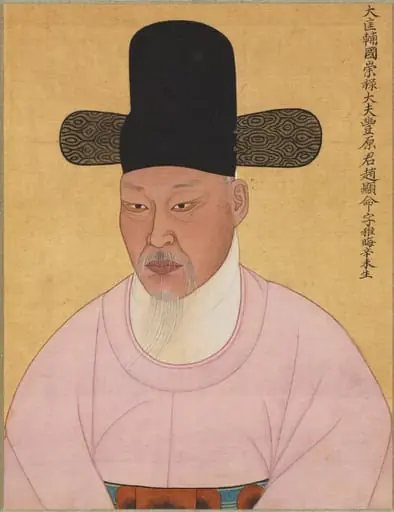
- Cho Hyun-myeong from Punhyang Cho Family
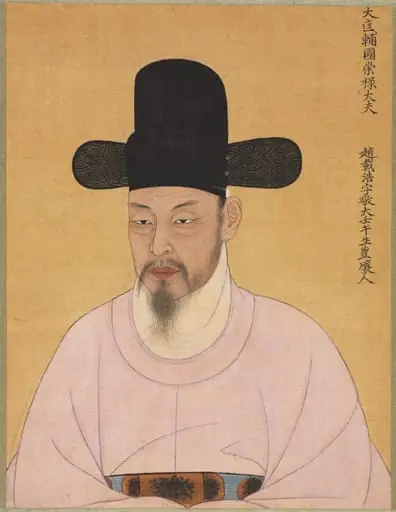 Cho Jae-ho from Punhyang Cho Family
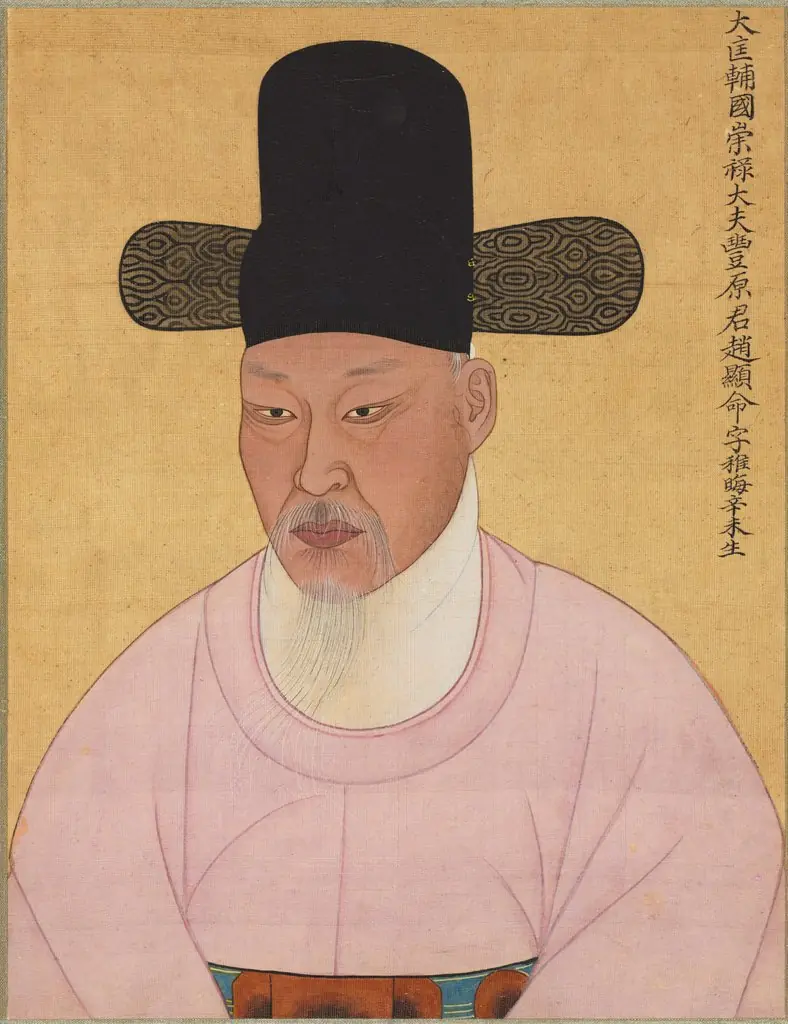 Portraits of Cho Hyun-myeong and Cho Jae-ho
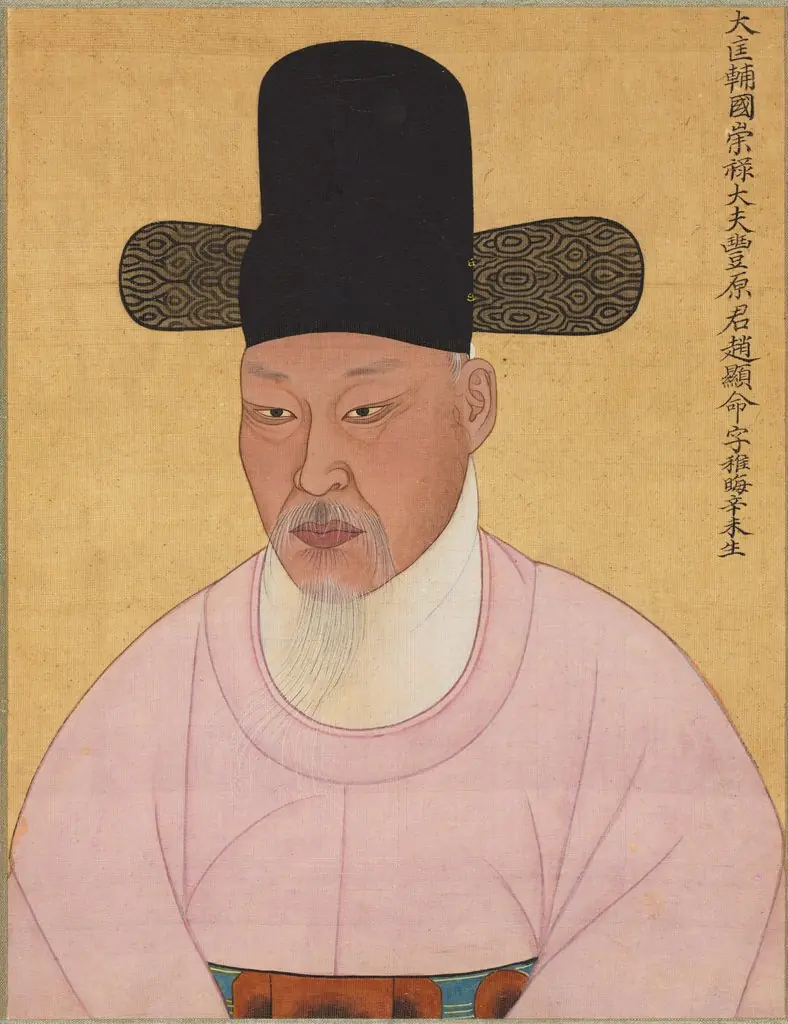 Cho Hyun-myeong from Punhyang Cho Family
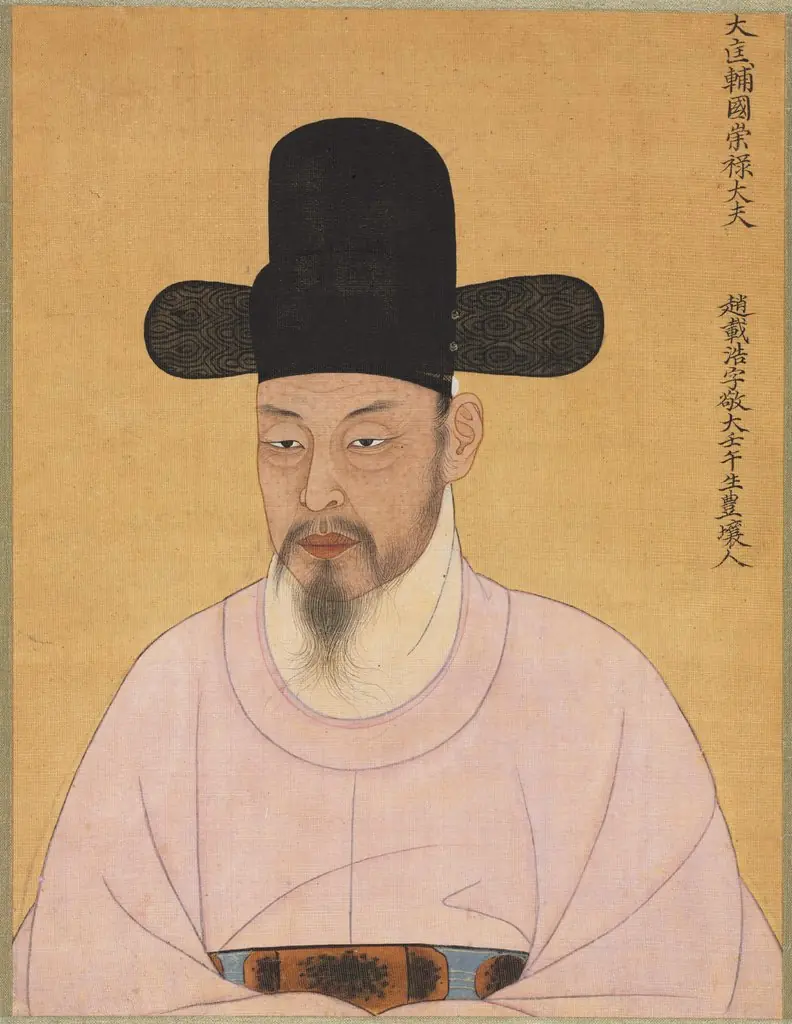 Cho Jae-ho from Punhyang Cho Family
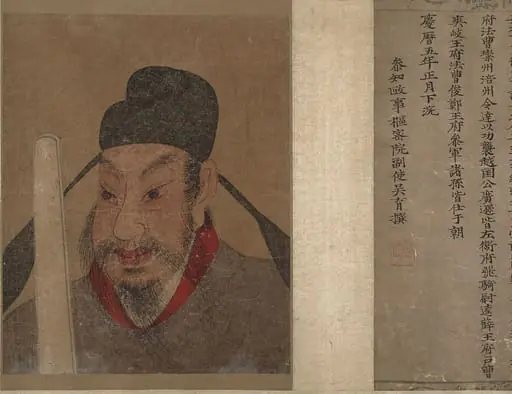 明 佚名(仿)吳育 新安汪氏譜牒 卷|Portrait of a Member and Record of the Wang Family
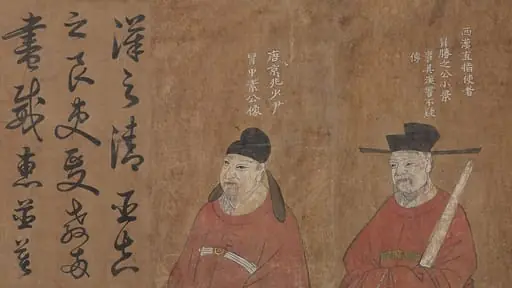 明/清 佚名 冒氏先人小像二幅 卷|Two Ancestors of the Mao Family
 Portraits of the Qianlong Emperor and His Twelve Consorts