Artwork
Portraits of Thirty-six Immortal Poets, Fujiwara no Kanesuke Kamakura period (14th century), Japan
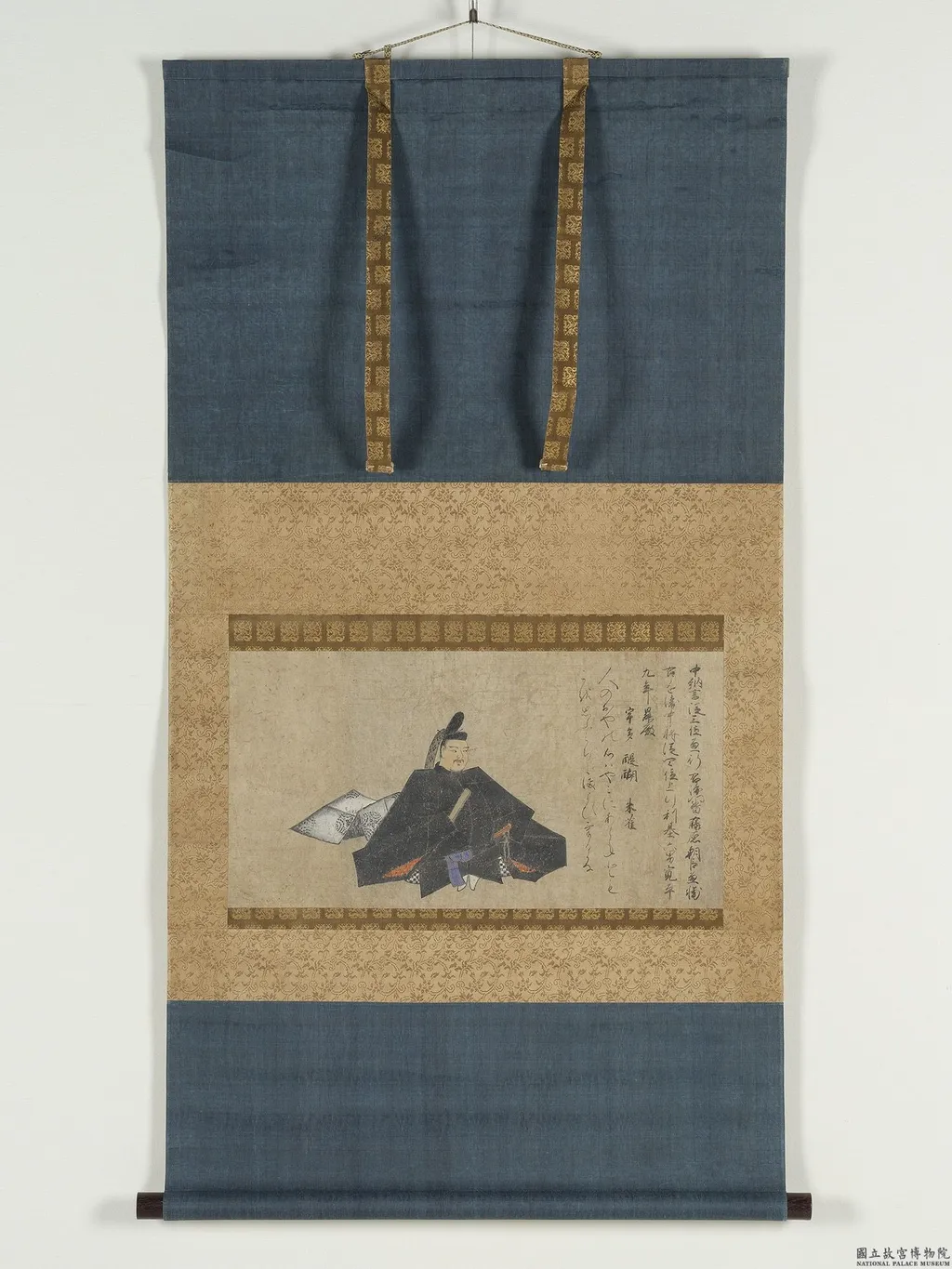
Portraits of Thirty-six Immortal Poets, Fujiwara no Kanesuke Kamakura period (14th century), Japan is an unspecified painting by the Tosa School artist Unknown. It dates from 1850 and is held in the collection of the National Palace Museum. This 14th-century Japanese scroll painting, 'Portraits of Thirty-six Immortal Poets,' features Fujiwara no Kanesuke in a serene depiction.
About this work
Overview
This 14th-century Japanese scroll painting, 'Portraits of Thirty-six Immortal Poets,' features Fujiwara no Kanesuke in a serene depiction. Executed during the Kamakura period, the work showcases traditional Japanese artistic sensibilities.
Subject & Meaning
The subject, Fujiwara no Kanesuke, is portrayed in deep contemplation, seated on the floor, reading from a scroll he holds in his left hand. This pose conveys intellectual engagement and quiet reflection, highlighting the reverence for poetry and scholarship in Japanese culture.
Technique & Style
The painting is characterized by a restrained, elegant style with clean lines and minimal ornamentation. A muted beige background contrasts subtly with Kanesuke's dark, traditionally attired figure (black robe with orange accents and a black hat), emphasizing simplicity and focus on the subject.
History & Provenance
The painting is part of a series titled 'Portraits of Thirty-six Immortal Poets.' It is currently housed at The National Palace Museum, providing insight into Japan's Kamakura period artistic practices and the veneration of poetic heritage.
Context
Created during the Kamakura period, this work reflects the era's aesthetic values and the cultural significance of poetry among the Japanese nobility. It also speaks to the tradition of honoring esteemed poets through visual arts.
Artist & collection









- The Imperial Lying-In
 The Second Coming of the Fifth Patriarch
 蜀山人(大田 南畝)賛 雪・月・花図 |Snow, Moon, and Cherry Blossoms (Yoshiwara in Three Seasons)
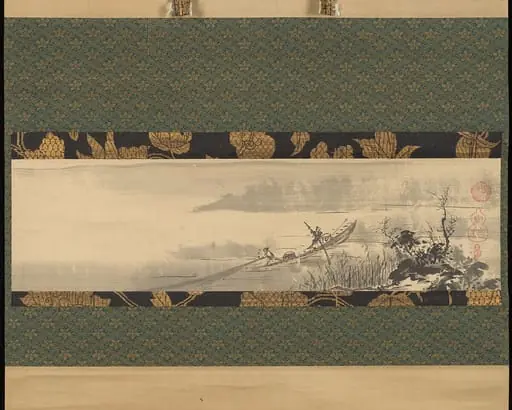
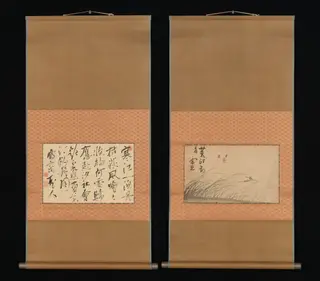 Fishing Boat on Reed Covered Bank and Calligraphy
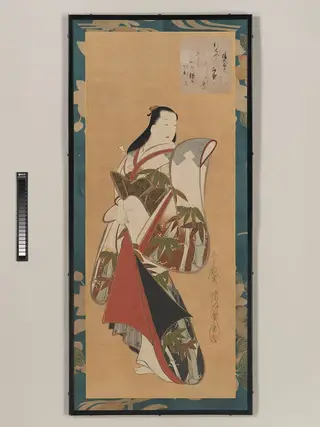 懐月堂安度筆 立姿遊女図|Standing Courtesan
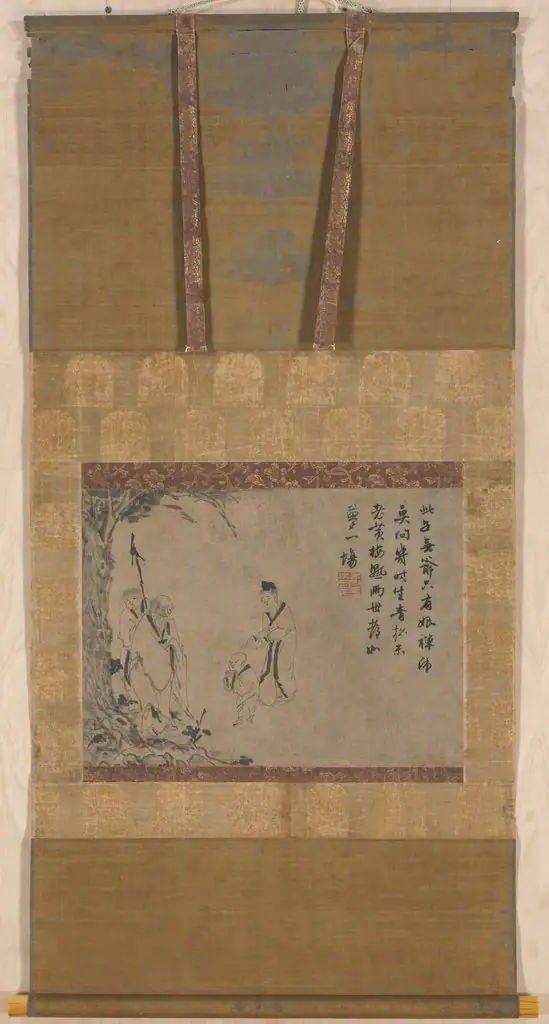 The Second Coming of the Fifth Patriarch
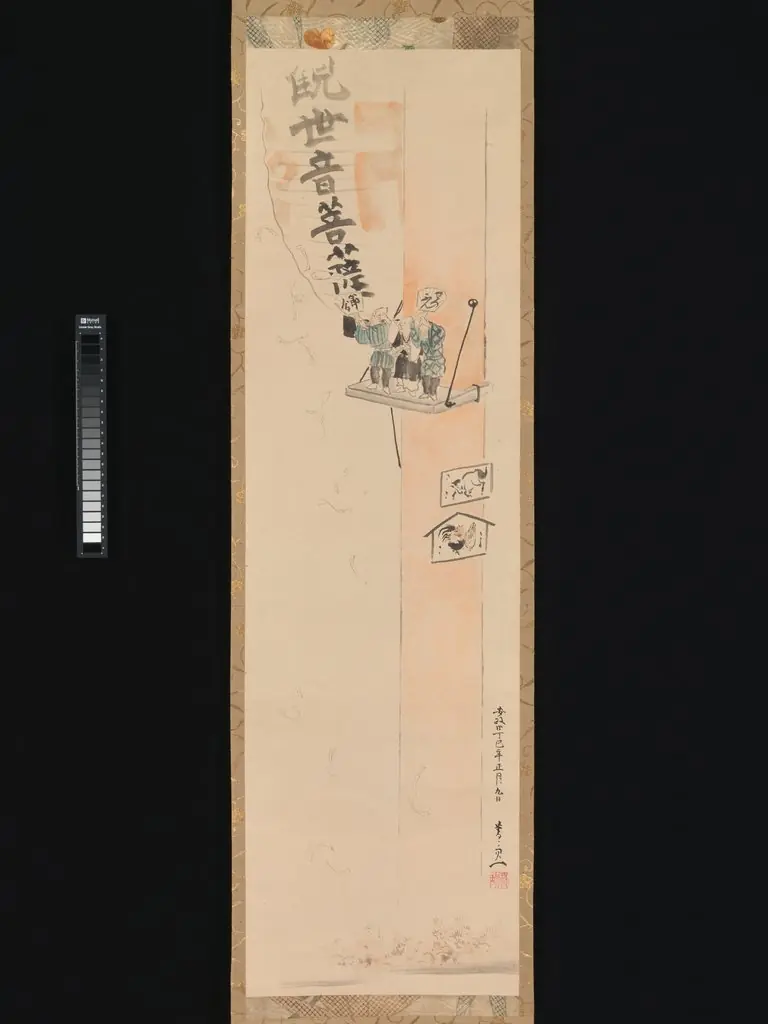 Setsubun Festival at Sensōji
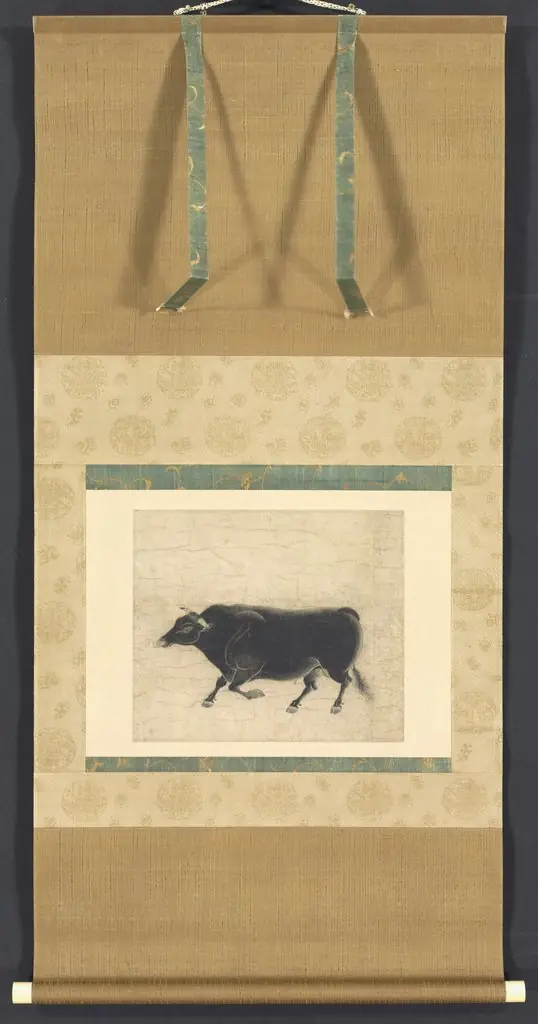 Swift Bull from the Ten Swift Bulls
 Untitled
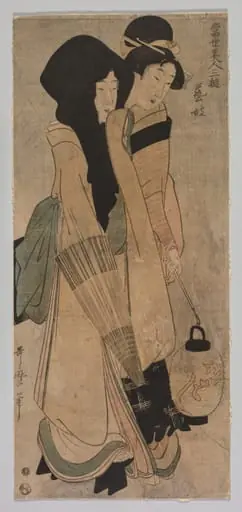 Contemporary Beauties Third
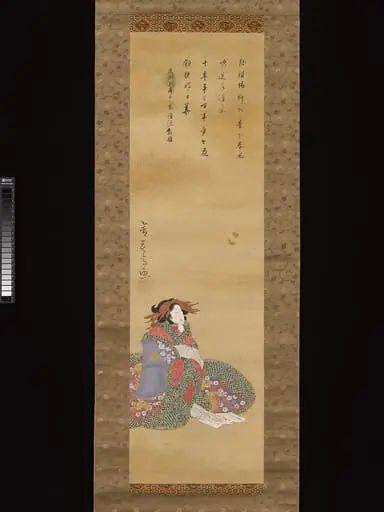 Untitled
 Untitled