Artwork
Post-mortem of man with Legion d'Honneur ribbon
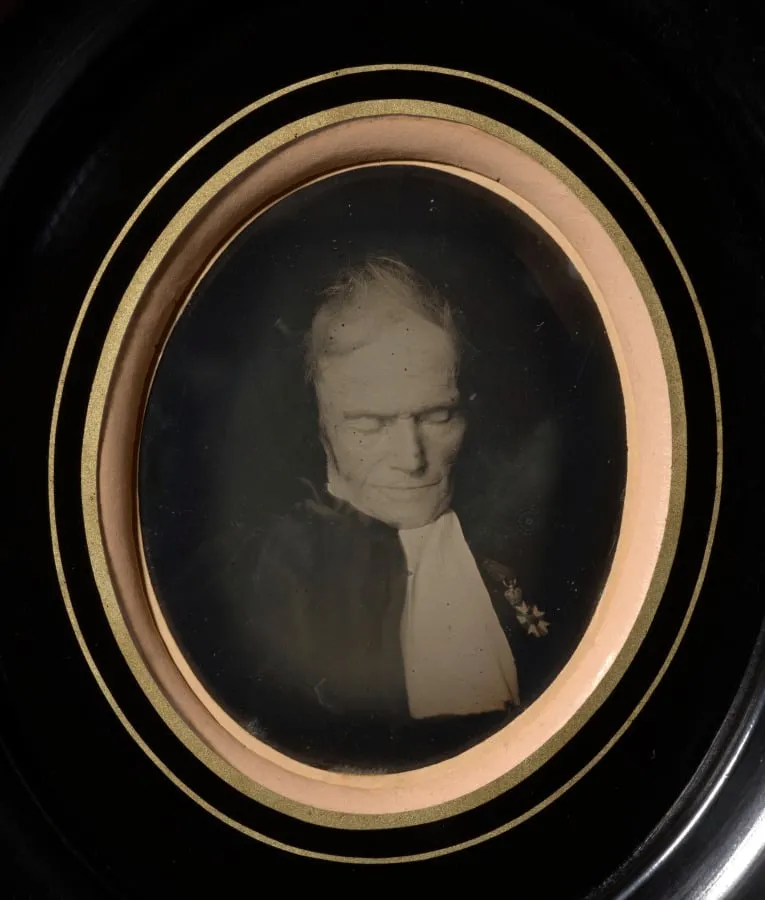
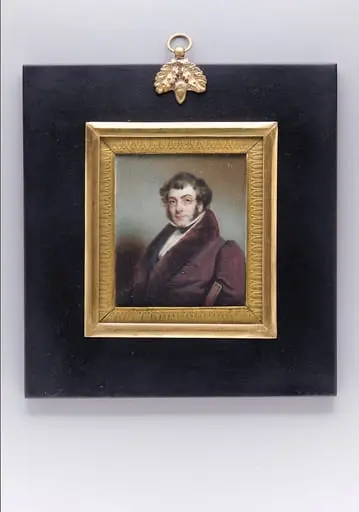
Post-mortem of man with Legion d'Honneur ribbon is a photography by the Romanticist artist Unknown. It dates from 1850 and is held in the collection of the Cleveland Museum of Art. This photograph depicts a deceased man, distinguished by the presence of the Legion d’Honneur ribbon pinned to his clothing.
- Accession no.
- 2021.81
- Credit line
- Gift of Michael Mattis and Judith Hochberg
About this work
Overview
This photograph depicts a deceased man, distinguished by the presence of the Legion d’Honneur ribbon pinned to his clothing. The composition centers on the subject’s face, rendered with a sober, unidealized realism. Subdued tonalities and minimal background detail ensure the figure remains the focal point, while the downward gaze and solemn expression convey a sense of quiet finality.
Subject & Meaning
The image belongs to the post-mortem photography tradition, a practice that documented the dead as a form of memorial. The Legion d’Honneur ribbon, France’s highest order of merit, suggests the subject held a position of distinction. His closed eyes and composed features reflect conventions of the genre, which sought to preserve dignity and evoke contemplation rather than grief.
Technique & Style
Executed in the photographic medium, the work relies on controlled lighting and shallow depth of field to isolate the subject. The dark backdrop contrasts sharply with the pale skin and light-colored hair, heightening the visual impact. The absence of extraneous detail focuses attention on the man’s facial features, while the muted palette reinforces the image’s somber tone.
History & Provenance
Its inclusion in the Cleveland Museum of Art’s collection underscores its historical significance within the broader context of photographic practices.
Post-mortem photography emerged in the 19th century as a means of commemorating the deceased, particularly before the widespread adoption of personal photography. This example adheres to the conventions of the genre, which often included symbolic elements such as medals or flowers. Its inclusion in the Cleveland Museum of Art’s collection underscores its historical significance within the broader context of photographic practices.
Context
During the 19th century, post-mortem photographs served as keepsakes for families, especially in an era of high mortality rates. The Legion d’Honneur ribbon indicates the subject’s social or military standing, aligning with the period’s emphasis on honor and service. Such images were typically produced in studios or private homes, reflecting both personal and cultural rituals surrounding death.
Legacy
Post-mortem photography offers insight into 19th-century attitudes toward mortality and remembrance. While the practice has since declined, these images remain valuable historical documents, illustrating how societies have visually preserved the memory of the dead. This photograph contributes to the understanding of photographic traditions and their role in commemorating individual lives.
Artist & collection









- Self-portrait
 Shakespearean Actor
 Portrait of Rafał Hadziewicz
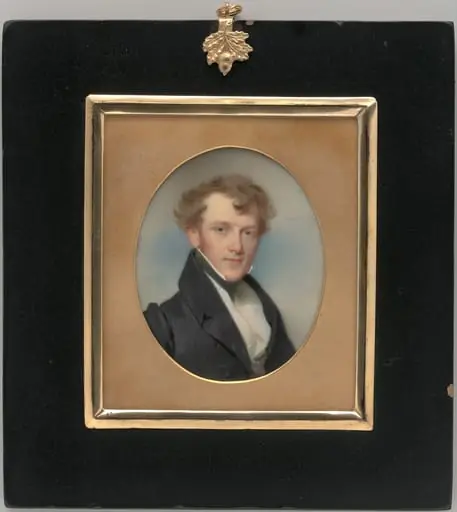 John Inman
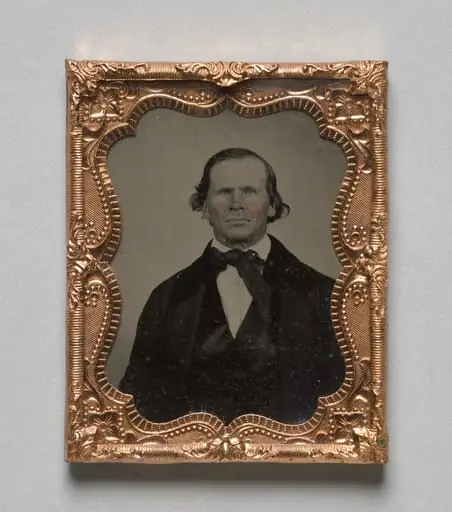 Husband
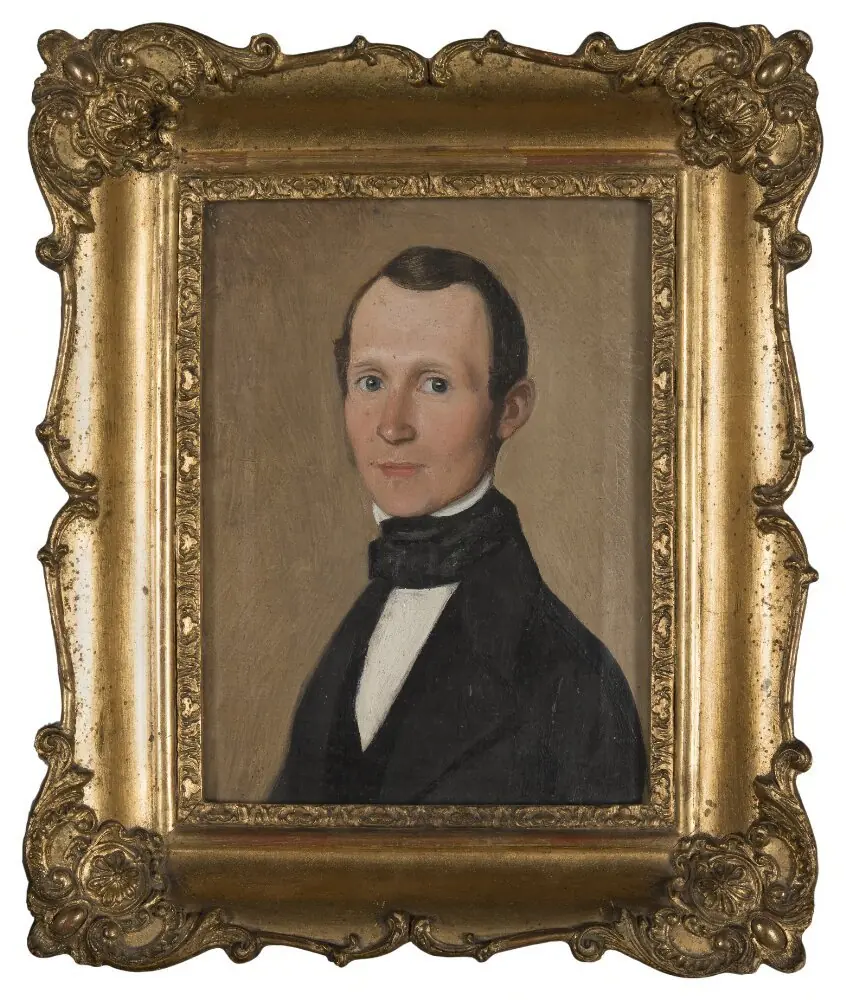 Fredrik Signeul (1810 - 1890), Paint Manufacturer, Director of an Orphanage in Uddevalla
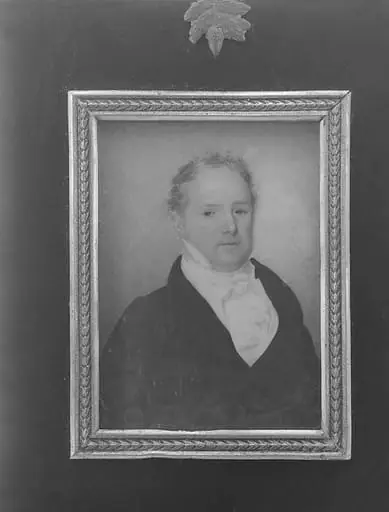 Portrait of a Gentleman
 James Stuart
 Portrait of Mrs. Sowińska, general's wife (1776–1860)
 George Frederik Diederichs (1799–1862). Bookhandler of Amsterdam
 Reverend John Thomas DD, 1821-1892
 Frederick Gore King