Artwork
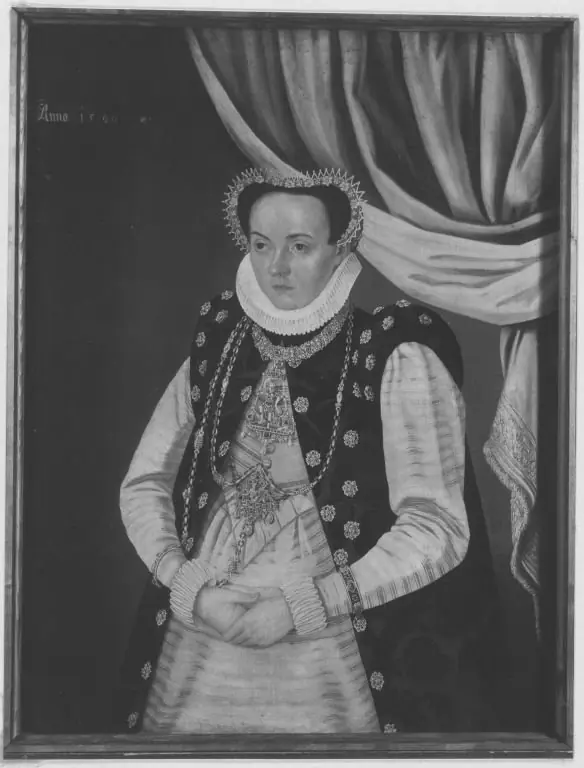
Prinzessin Maximiliane Maria von Bayern (1552-1614), Tochter Herzog Albrechts V. von Bayern
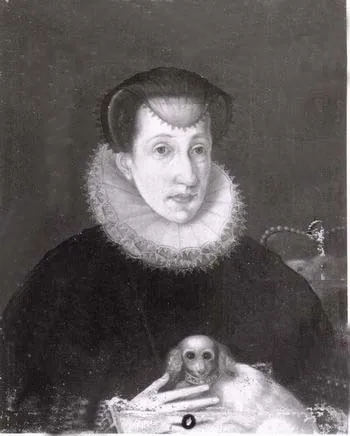
Prinzessin Maximiliane Maria von Bayern (1552-1614), Tochter Herzog Albrechts V. von Bayern is an unspecified painting by the Early Baroque Italian artist Unknown. It dates from 1600 and is held in the collection of the Bavarian State Painting Collections. The work is a monochrome portrait depicting Maximiliane Maria of Bavaria, daughter of Duke Albrecht V.
About this work
Overview
The work is a monochrome portrait depicting Maximiliane Maria of Bavaria, daughter of Duke Albrecht V. Dressed in a dark gown with a high white collar and a decorative headpiece, she holds a basket or cloth while a small dog rests on her lap. The composition is formal, with a restrained expression and a subtle accessory near her shoulder.
Subject & Meaning
The sitter, Maximiliane Maria (1552‑1614), belonged to the Wittelsbach dynasty, a lineage that emphasized dynastic representation through portraiture. The inclusion of a lap dog, a common symbol of fidelity, and the modest yet elegant attire reflect the expectations of noble femininity and the role of a princess within the courtly hierarchy of 16th‑century Bavaria.
Technique & Style
Executed in a black‑and‑white palette, the painting employs strong contrasts of light and shadow, a hallmark of chiaroscuro that heightens the three‑dimensionality of the figure. The careful rendering of fabric texture, the crisp delineation of the collar, and the delicate modeling of the dog's fur demonstrate a meticulous approach to surface detail within a restrained tonal range.
History & Provenance
The portrait originates from the mid‑16th century, likely commissioned by the Bavarian ducal court to document the family lineage. It has remained associated with the Wittelsbach collection, passing through various private and institutional holdings before entering its present museum context, where it serves as a visual record of the dynasty’s visual culture.
Context
During the period of Maximiliane Maria’s life, Bavarian portraiture was influenced by both Northern Renaissance realism and emerging Mannerist tendencies. The work reflects contemporary courtly fashion, such as the high white collar and elaborate headwear, while also aligning with the broader European practice of using portraiture to assert political legitimacy and familial continuity.
Artist & collection









- Catherine Morgan
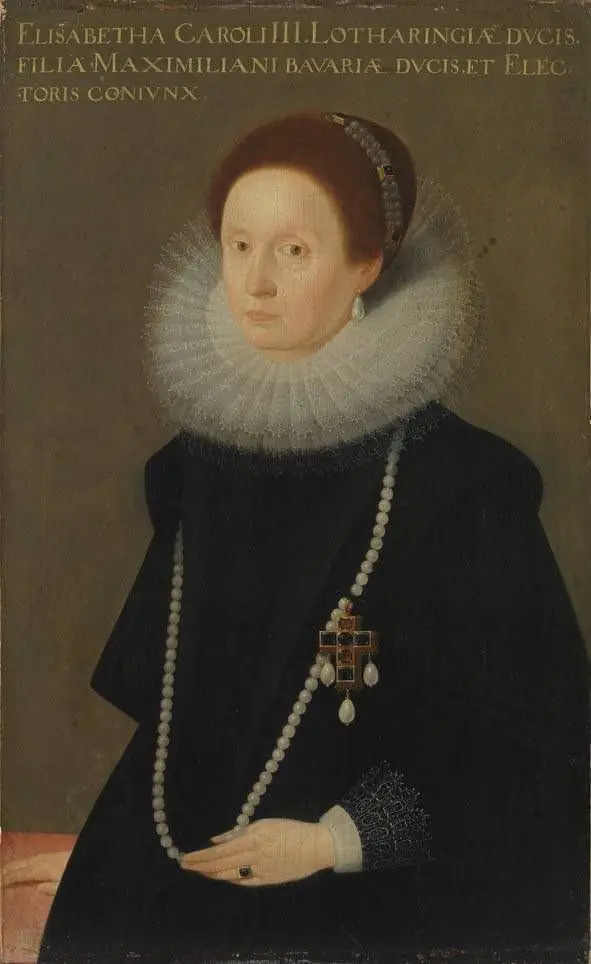 Bildnis der Elisabeth von Lothringen (1574-1635), erste Gemahlin des Kurfürsten Maximilian I. von Bayern (Schule)
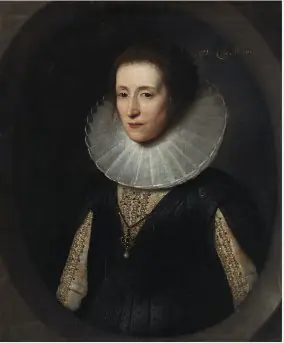 Portrait of Lady Alexander
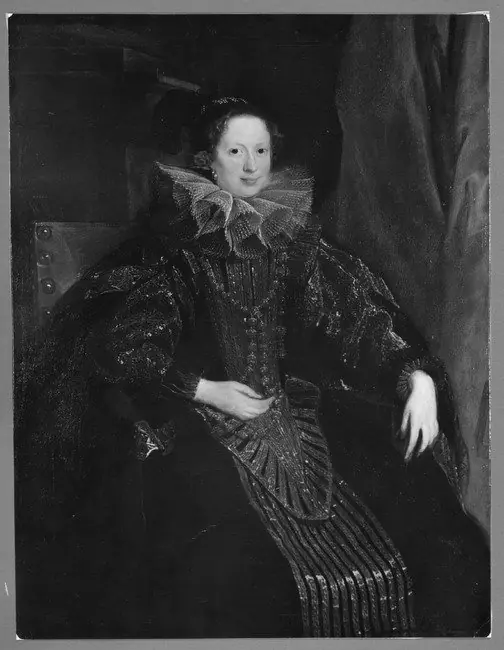 Portrait of an unknown Genoese woman, 1622-1623
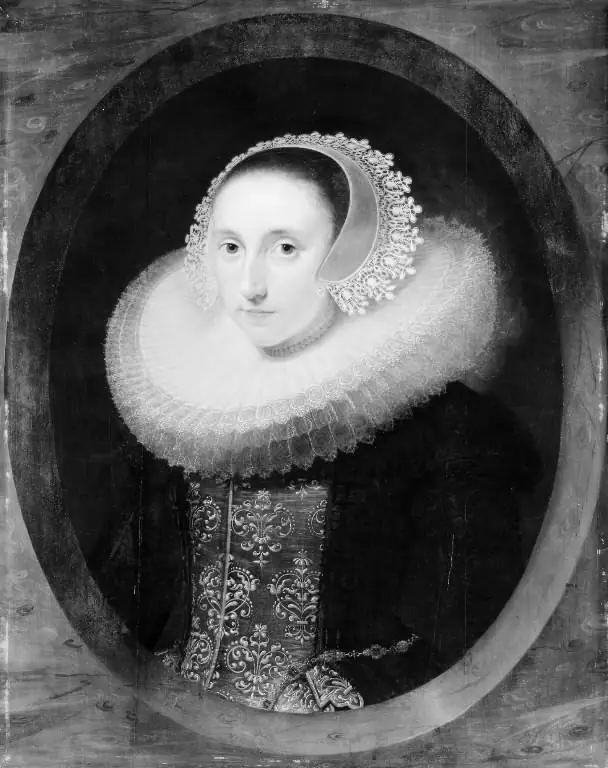 Portrait of a Young Lady
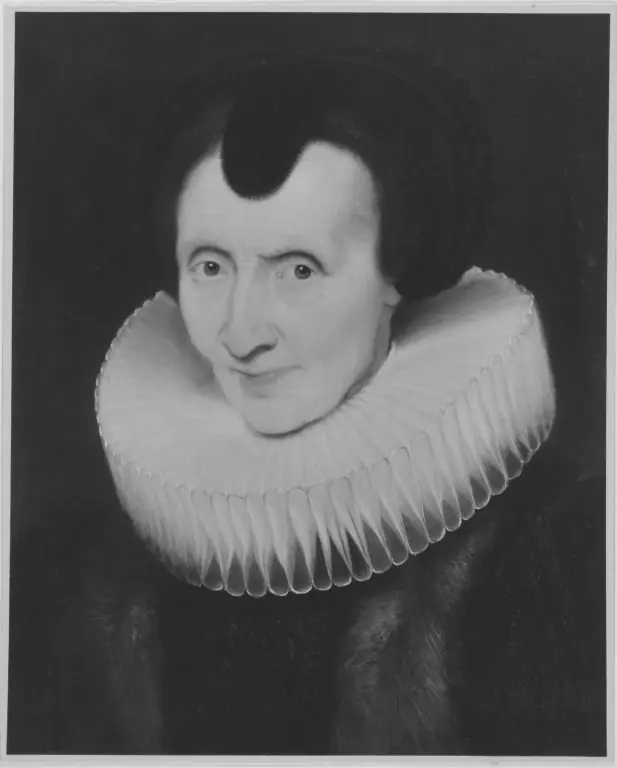 Weibliches Bildnis
 Portrait of a Young Lady
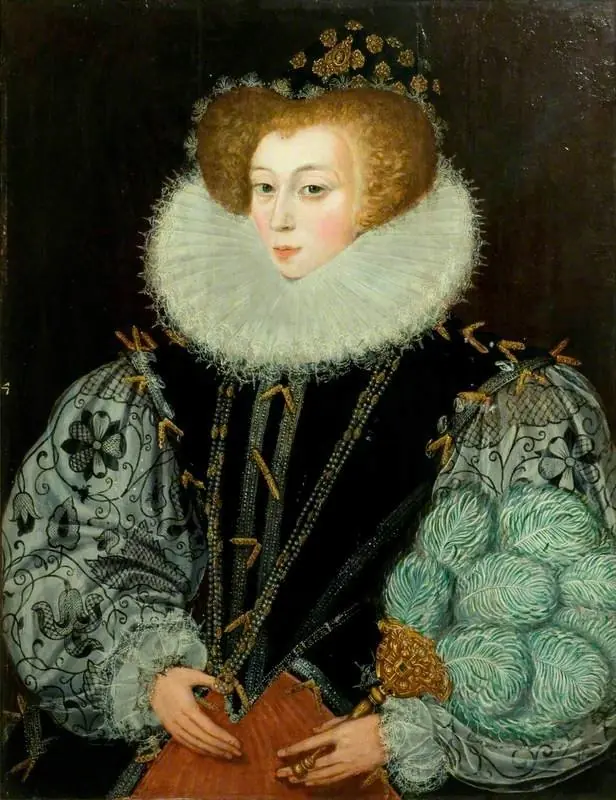 Mrs John Croker, née Frances Kingsmill (c.1564–c.1627)
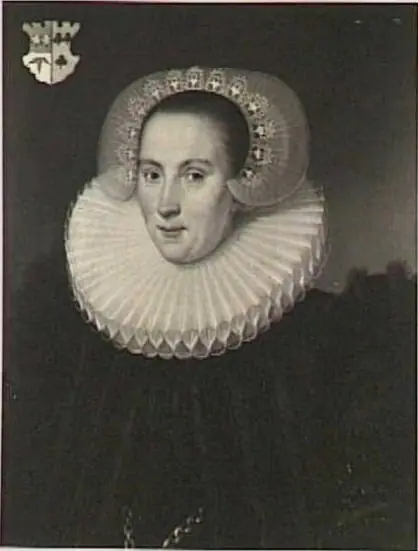 Portrait of Maria Carré (d1613)
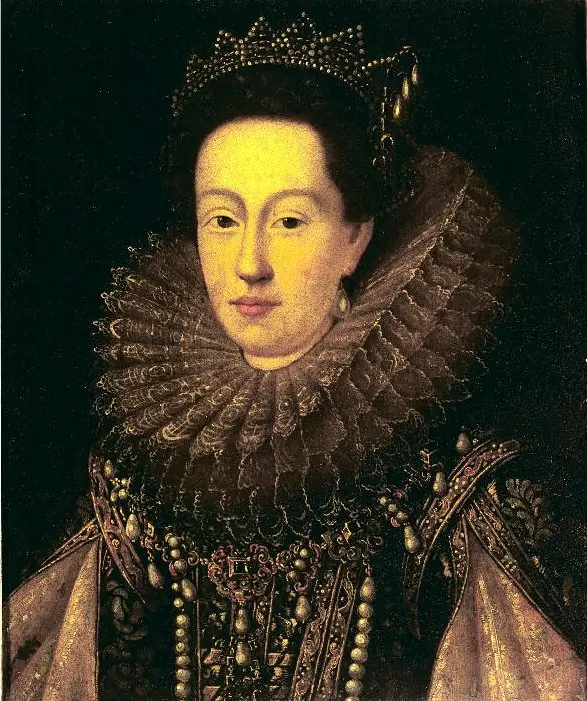 Portrait of a Lady (possibly Margaret of Savoy)
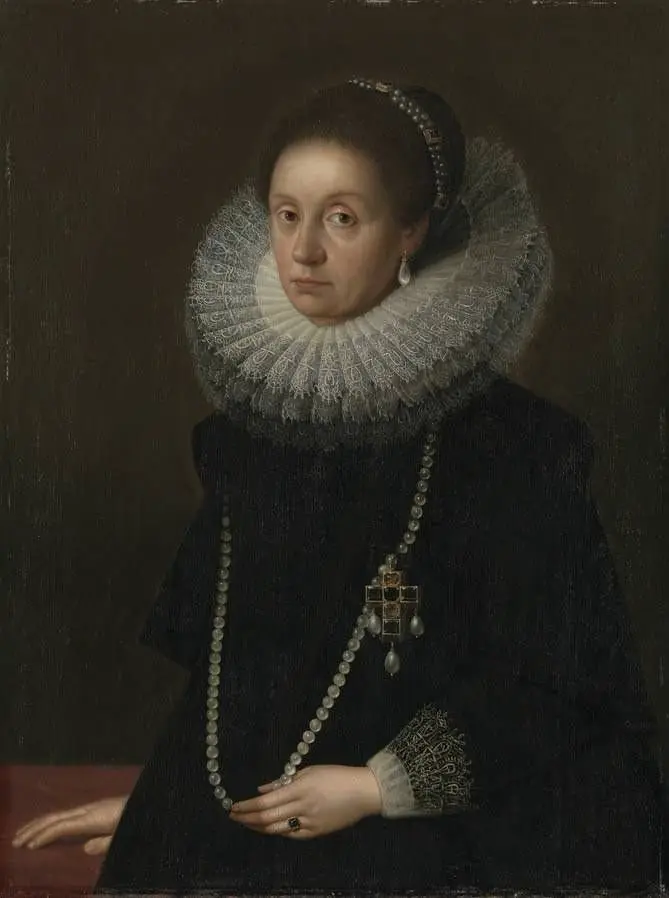 Bildnis der Elisabeth Renata von Lothringen, erste Gemahlin des Kurfürsten Maximilian I. von Bayern (1574-1635)
 Portrait of a lady in a ruff, dated 1590