Artwork
Saint Augustine
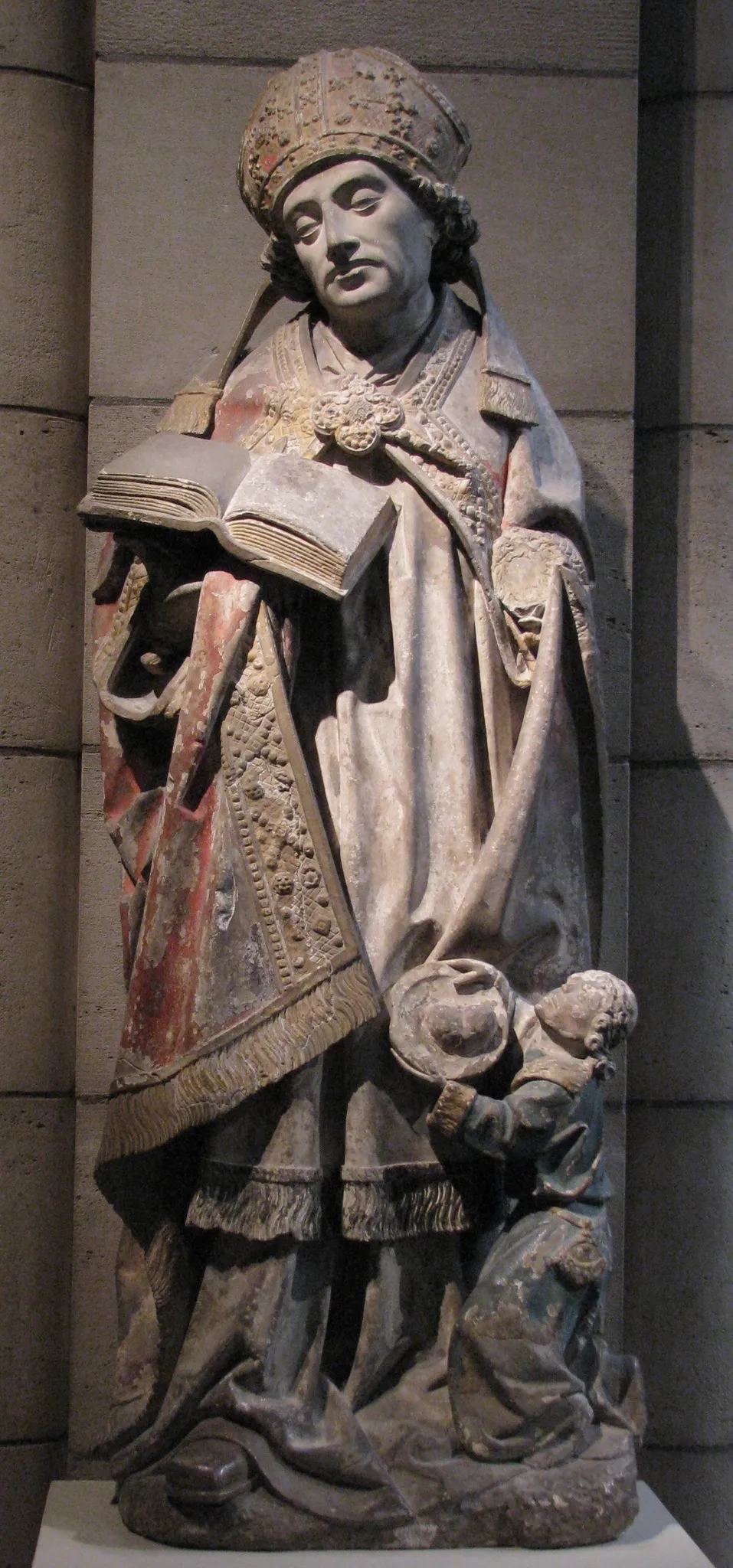
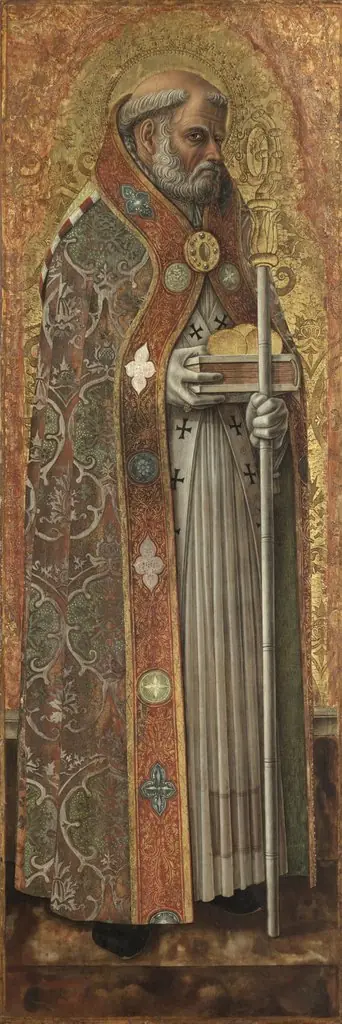
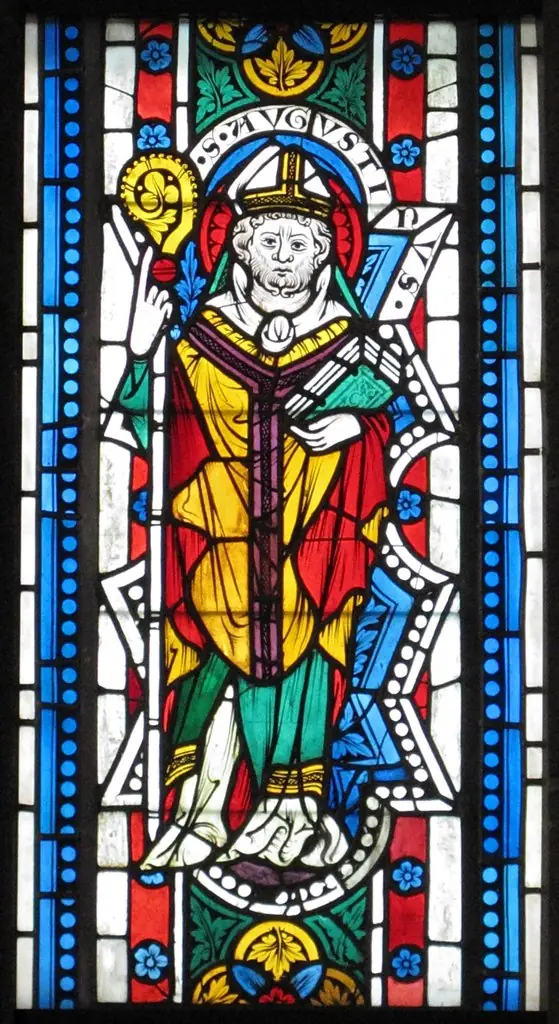
Saint Augustine is an unspecified painting. It dates from 1450 and is held in the collection of the Metropolitan Museum of Art.
About this work
History & Provenance
The painting Saint Augustine is dated to circa 1450. It is an anonymous work, and no specific patron or commissioning party is recorded in the available sources. The painting is held in the collection of the Metropolitan Museum of Art.
No earlier provenance or ownership chain prior to its acquisition by the museum is documented in the provided sources.
Overview
A smaller kneeling figure at his feet suggests a plea for assistance or spiritual guidance, emphasizing Augustine's role as a pastoral leader.
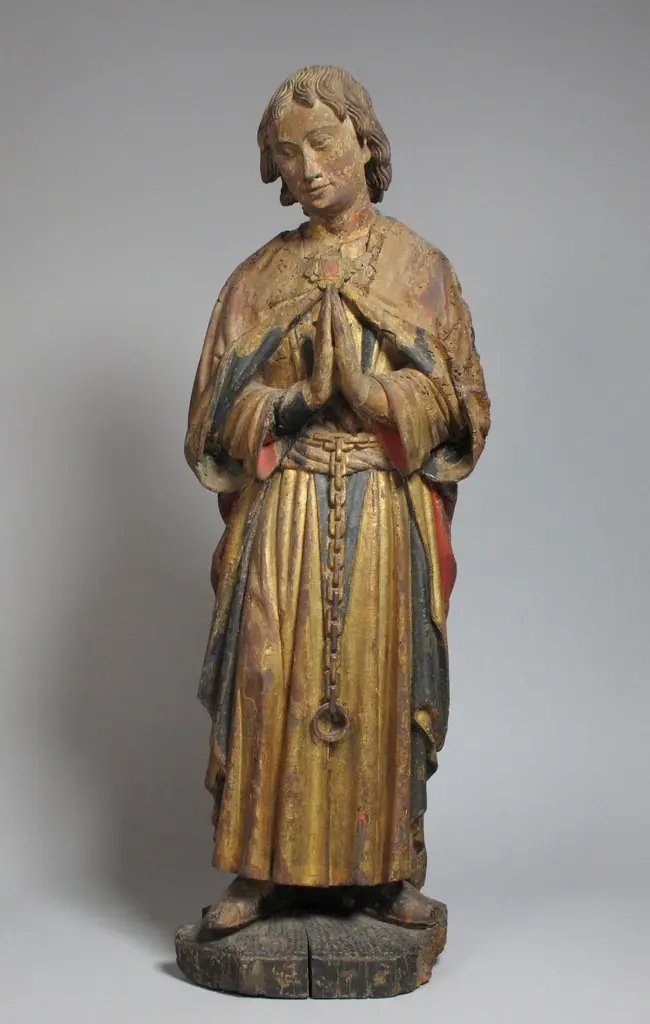
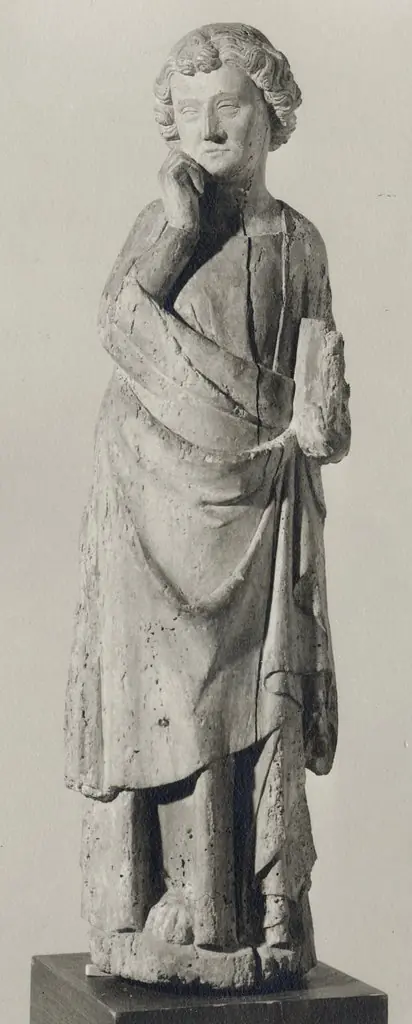
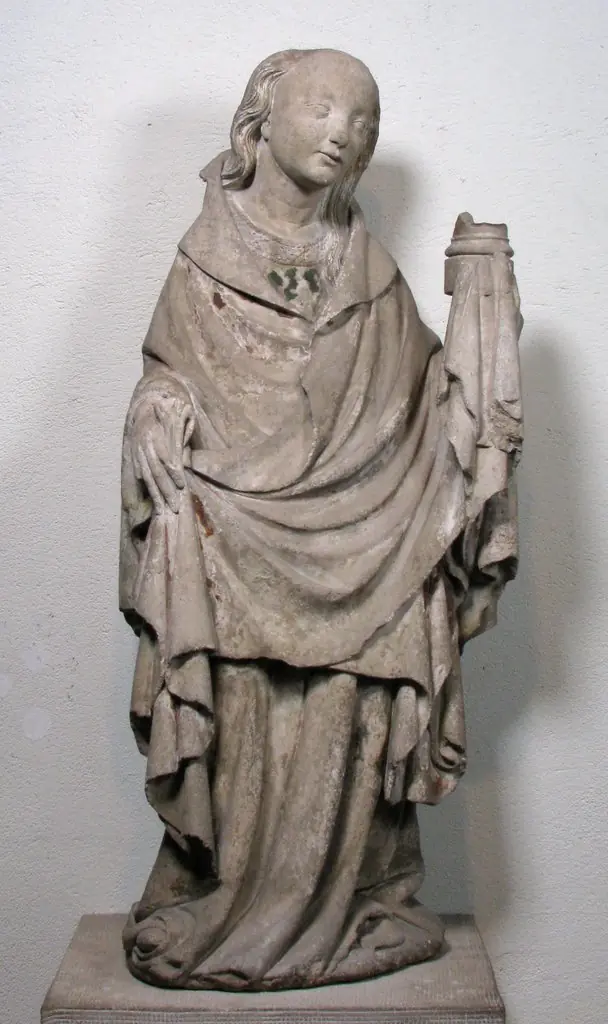
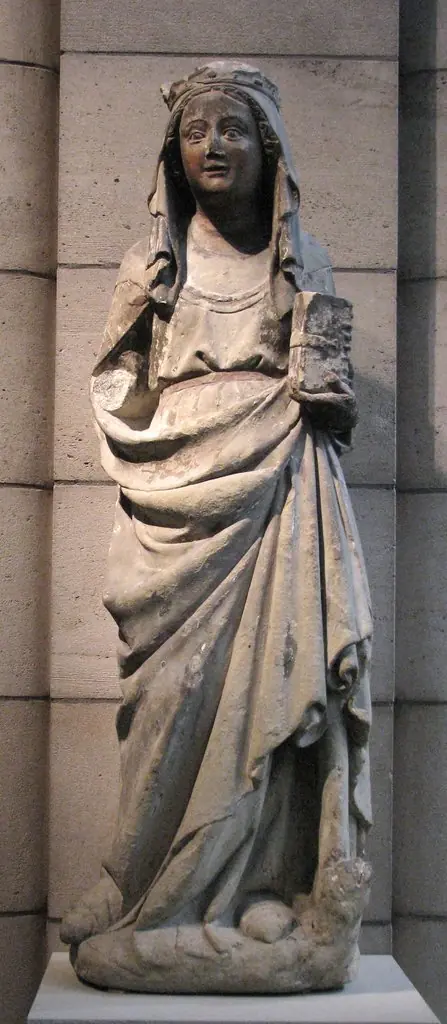
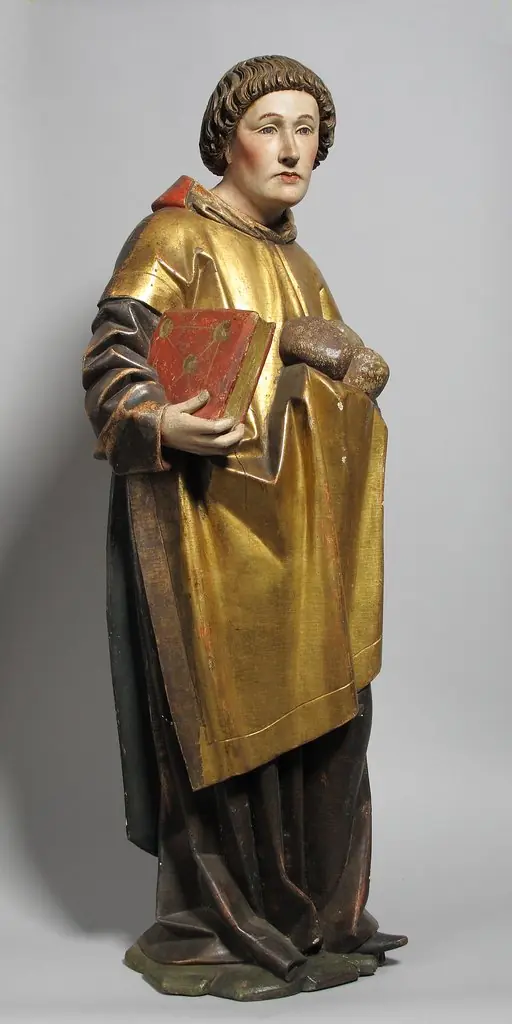
This sculpted work portrays Saint Augustine, a prominent Christian theologian and bishop. The figure is depicted in ecclesiastical robes, holding a book and a small cup, symbols often associated with his intellectual contributions and charitable works. A smaller kneeling figure at his feet suggests a plea for assistance or spiritual guidance, emphasizing Augustine's role as a pastoral leader. Traces of original paint remain, indicating the sculpture was once polychromed.
Subject & Meaning
The central figure represents Saint Augustine of Hippo, identifiable by his bishop's mitre and vestments. The book he holds signifies his extensive theological writings, such as Confessions and City of God, which profoundly influenced Western thought. The small cup, alongside the kneeling supplicant, alludes to his pastoral duties and commitment to charity, reflecting his role as a spiritual guide and advocate for the faithful.
Technique & Style
This artwork is a carved representation, characterized by its worn surface and the remnants of polychromy visible on the robes. The heavy drapery of the cloak and the detailed rendering of the bishop's hat suggest a particular sculptural tradition. The presence of a smaller, kneeling figure at the saint's feet adds a narrative dimension, typical of devotional art designed to convey spiritual interaction and the saint's intercessory power.
Context
The iconography employed in this sculpture aligns with established traditions for depicting Christian saints. The inclusion of a book and symbols of charity were standard visual cues for figures renowned for their intellectual contributions and benevolent actions. Such works served not only as devotional objects but also as didactic tools, visually communicating the virtues and significance of figures like Saint Augustine to a broad audience within a religious setting.
Artist & collection