Artwork
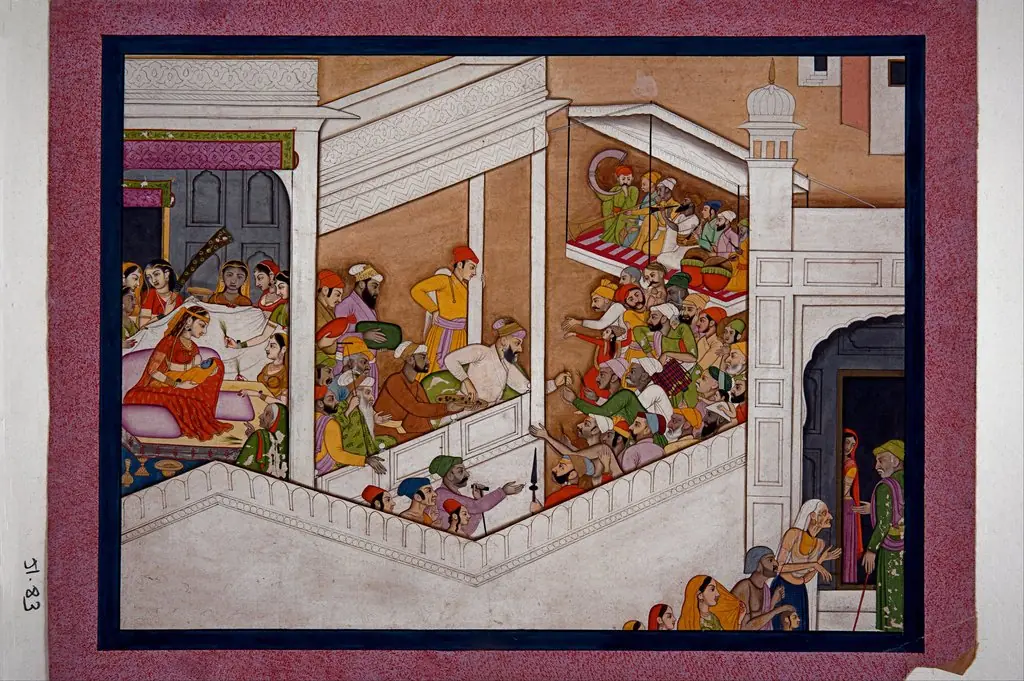
Sita Imprisoned at Ravana's Palace, Ravana Holding Court (Illustration to the Ramayana)
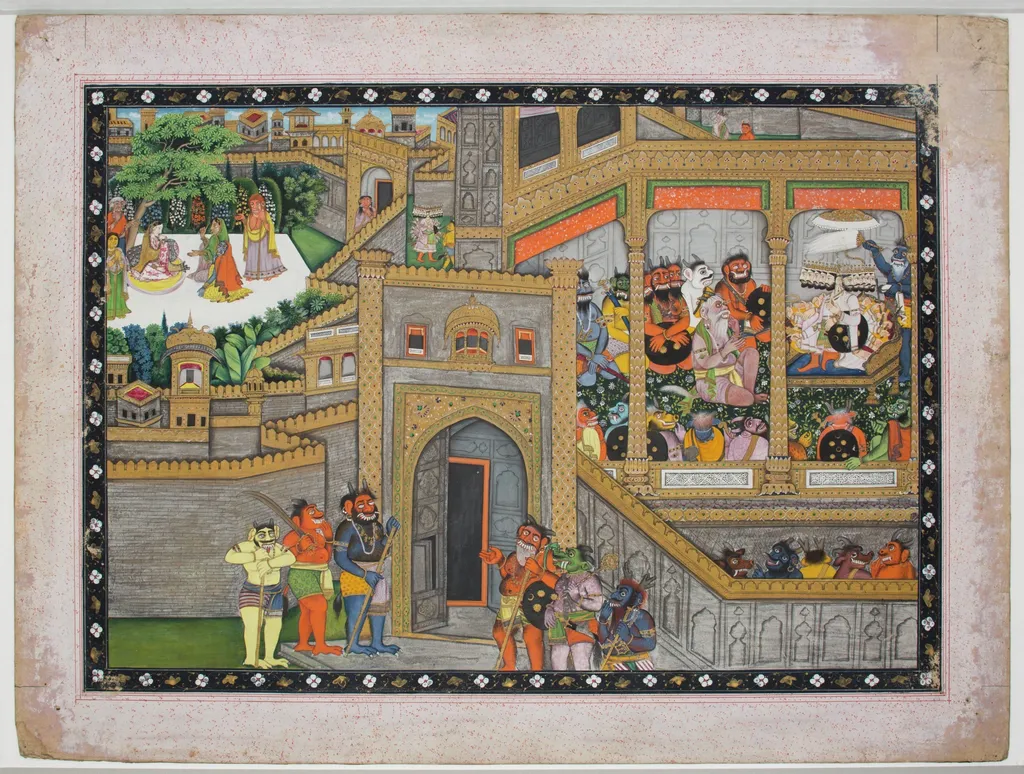
Sita Imprisoned at Ravana's Palace, Ravana Holding Court (Illustration to the Ramayana) is an unspecified painting by the Patna School of Painting artist Unknown. It dates from 1800 and is held in the collection of the Detroit Institute of Arts.
About this work
The painting also shows various other characters from the Ramayana, including Hanuman and Lakshmana.
This painting shows a scene from the Ramayana, an ancient Indian epic. It depicts Ravana's palace, where Sita is being held captive. The scene is divided into different sections, each showing a different part of the story.
In the center, Ravana is shown sitting on a throne, surrounded by his courtiers and guards. Sita is shown in a separate section, looking sad and worried. The painting also shows various other characters from the Ramayana, including Hanuman and Lakshmana.
The painting is done in a colorful and detailed style, with intricate patterns and designs. It is a beautiful example of Indian art from the 18th century. You can find more paintings like this at the Detroit Institute of Arts.
Overview
This 18th-century Indian painting illustrates a pivotal scene from the Ramayana, depicting Sita's captivity in Ravana's palace alongside Ravana presiding over his court.
Subject & Meaning
The painting narrates multiple facets of the Ramayana story simultaneously, with Ravana on a throne surrounded by attendants, Sita shown in distress, and other key figures like Hanuman and Lakshmana integrated into the composition, highlighting the epic's dramatic tension and character dynamics.
Technique & Style
Executed in a vibrant and meticulous style, the painting features intricate patterns, detailed designs, and a rich color palette, exemplifying the artistic traditions of 18th-century Indian art.
History & Provenance
Created in the 18th century, the painting's specific origins and ownership history prior to its current location are not detailed here, though it is now part of a collection accessible through the Detroit Institute.
Context
This work reflects the longstanding cultural significance of the Ramayana in Indian art, where epic narratives were frequently depicted in detailed, multifaceted scenes to engage viewers with familiar stories.
Legacy
As an example of 18th-century Indian painting, it contributes to the understanding and appreciation of traditional Indian art forms, particularly in the representation of religious and epic themes.
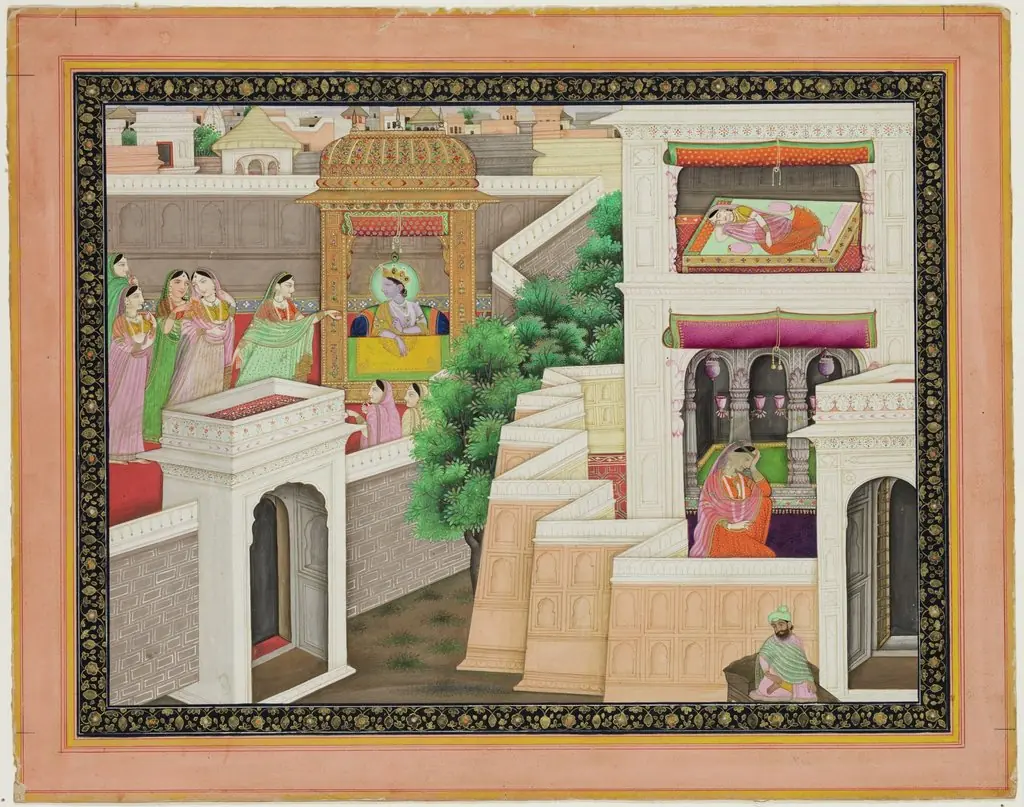
Artist & collection









- Story of Krishna and Radha
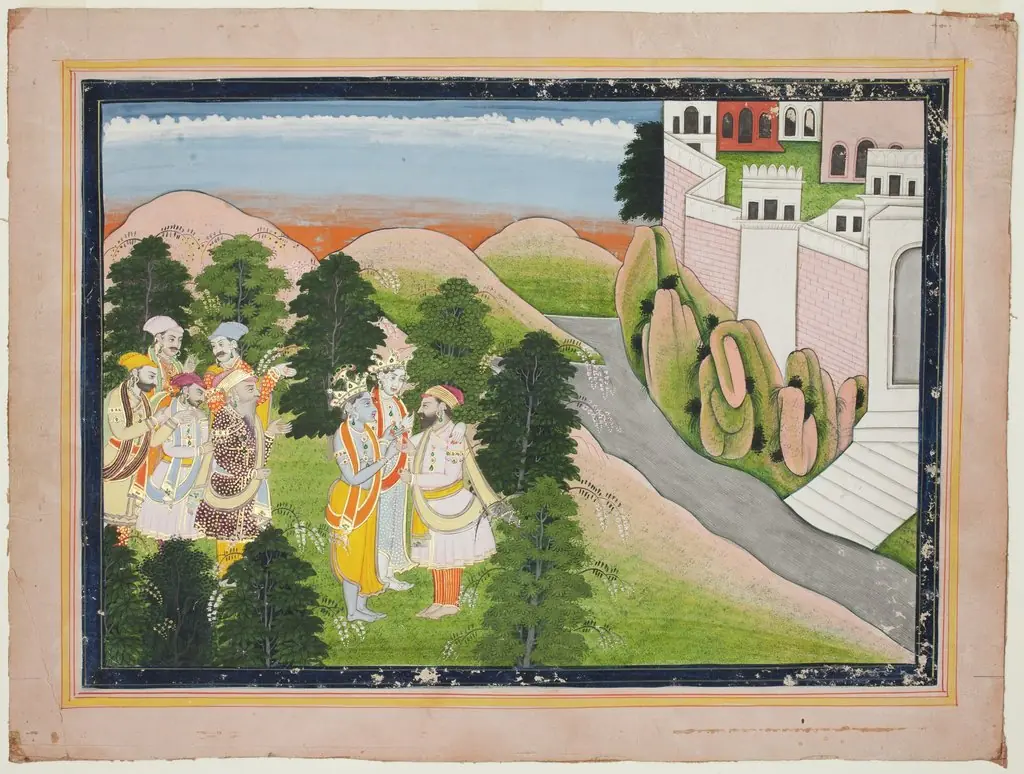 Krishna and Balarama with Various Nobles
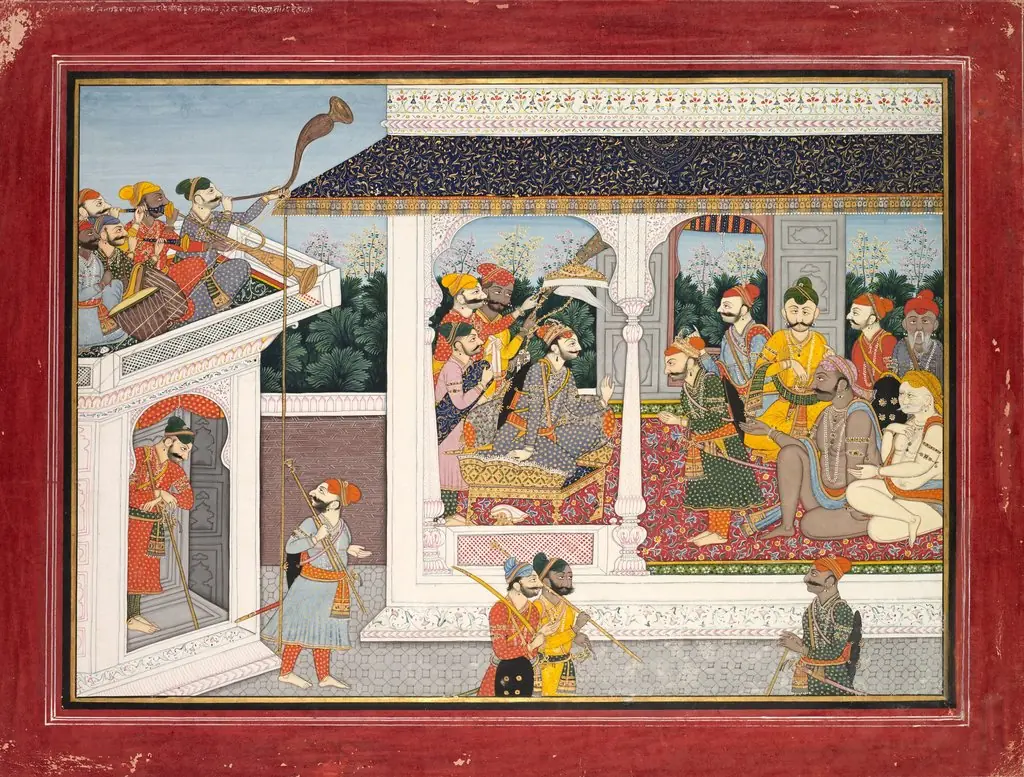 Kamsa deploys Akrura and Keshi to Braj, from a Bhagavata Purana
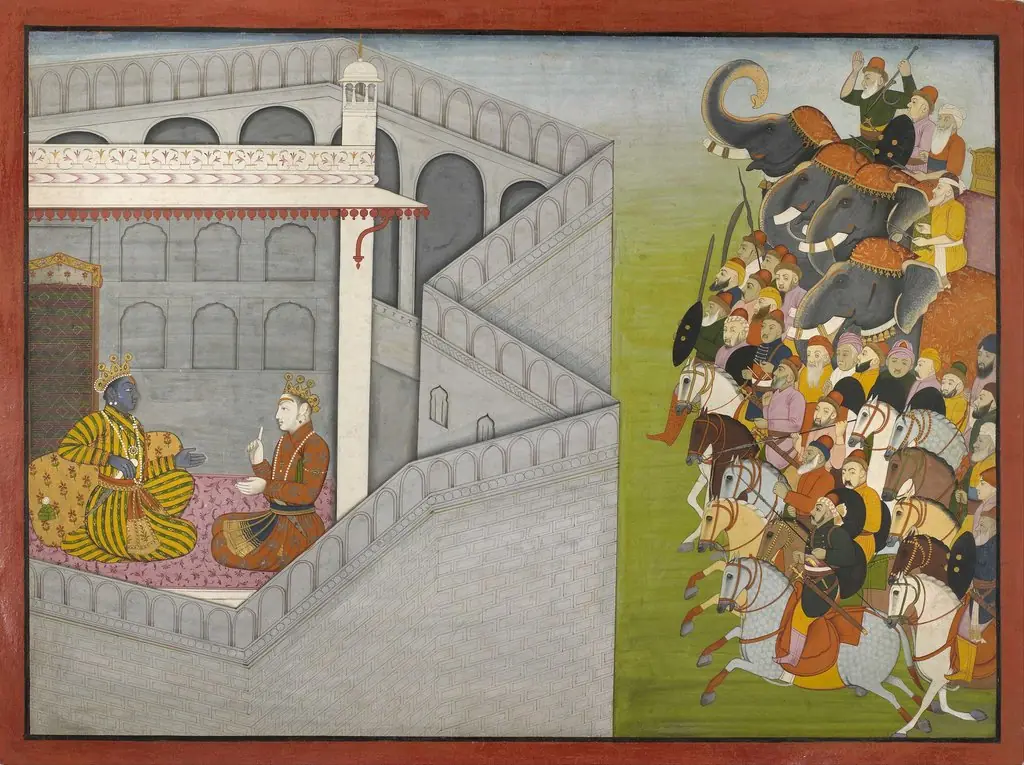 The Siege of Mathura by Jarasandha
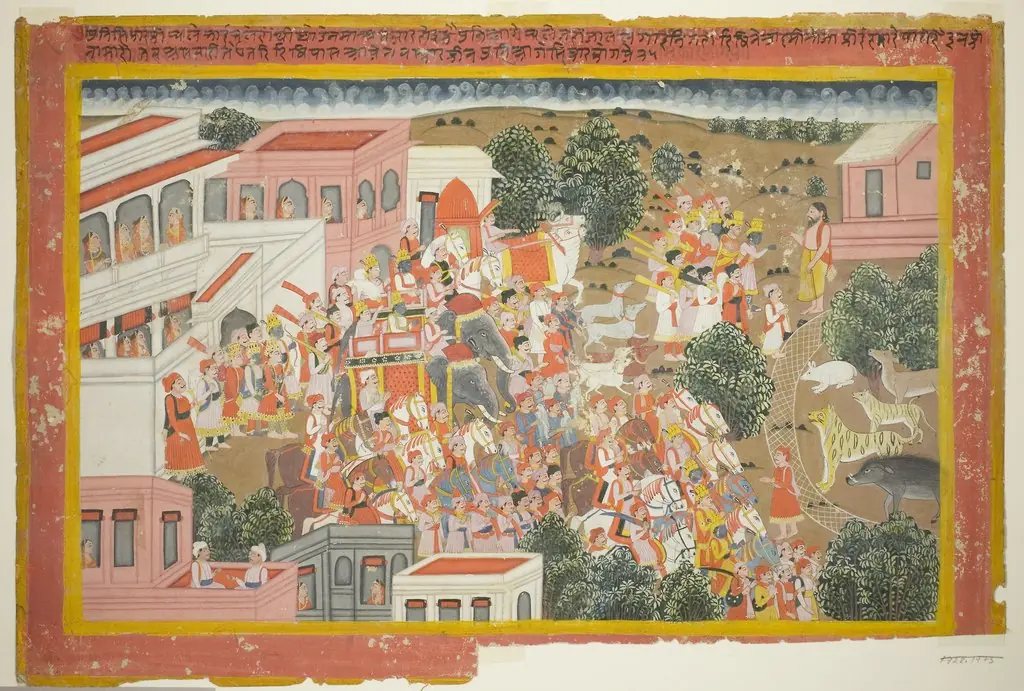 Four Princes in Procession Visit a Sage, page from a copy of the Ramayana
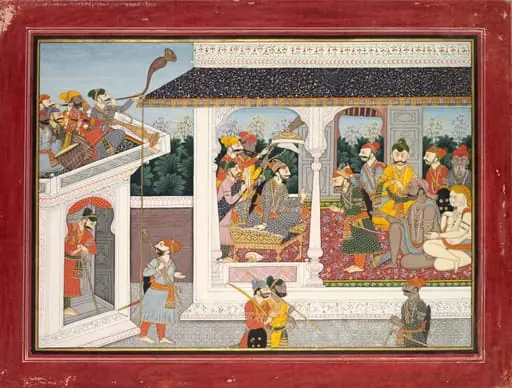 Kamsa deploys Akrura and Keshi to Braj, from a Bhagavata Purana
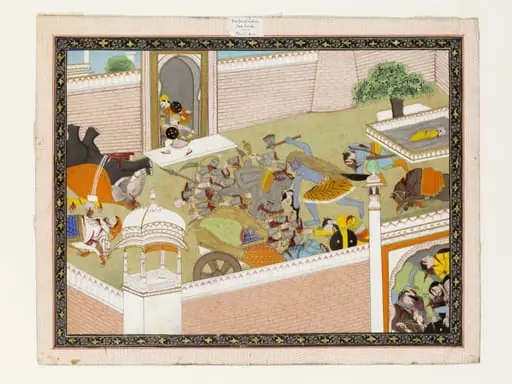 Vishnu as Parasurama
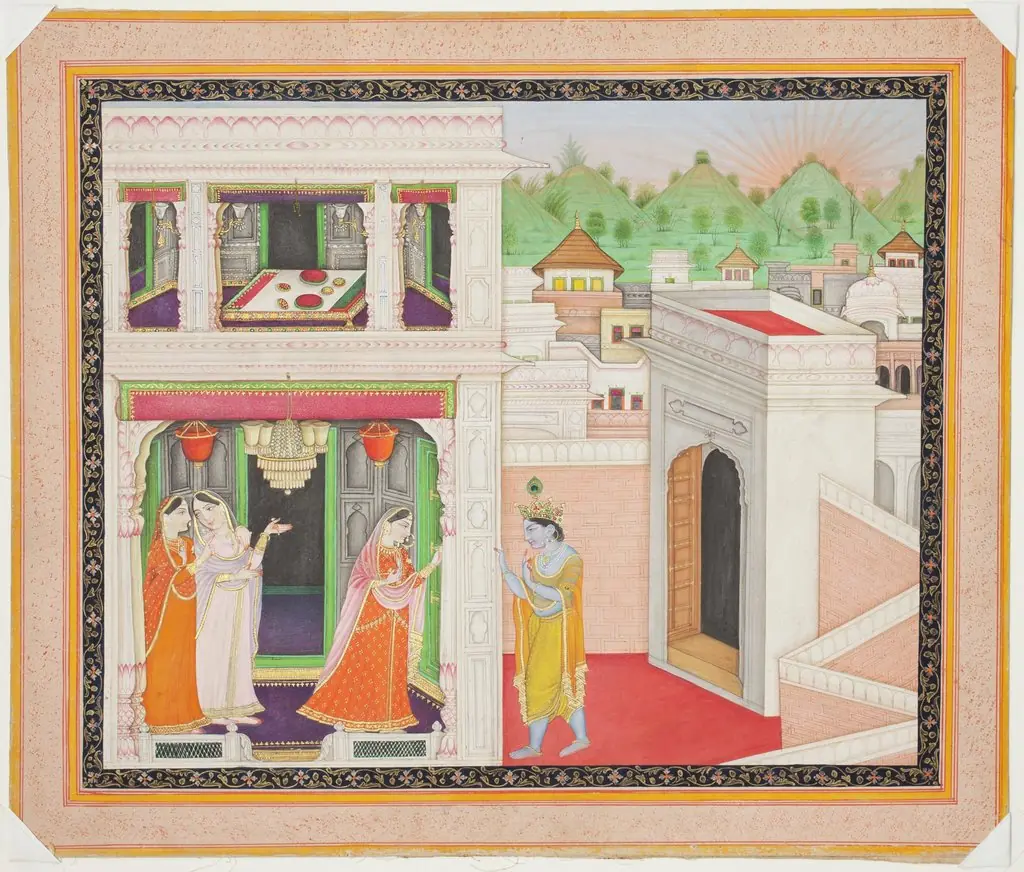 Radha and Krishna: The Exchange of Glances
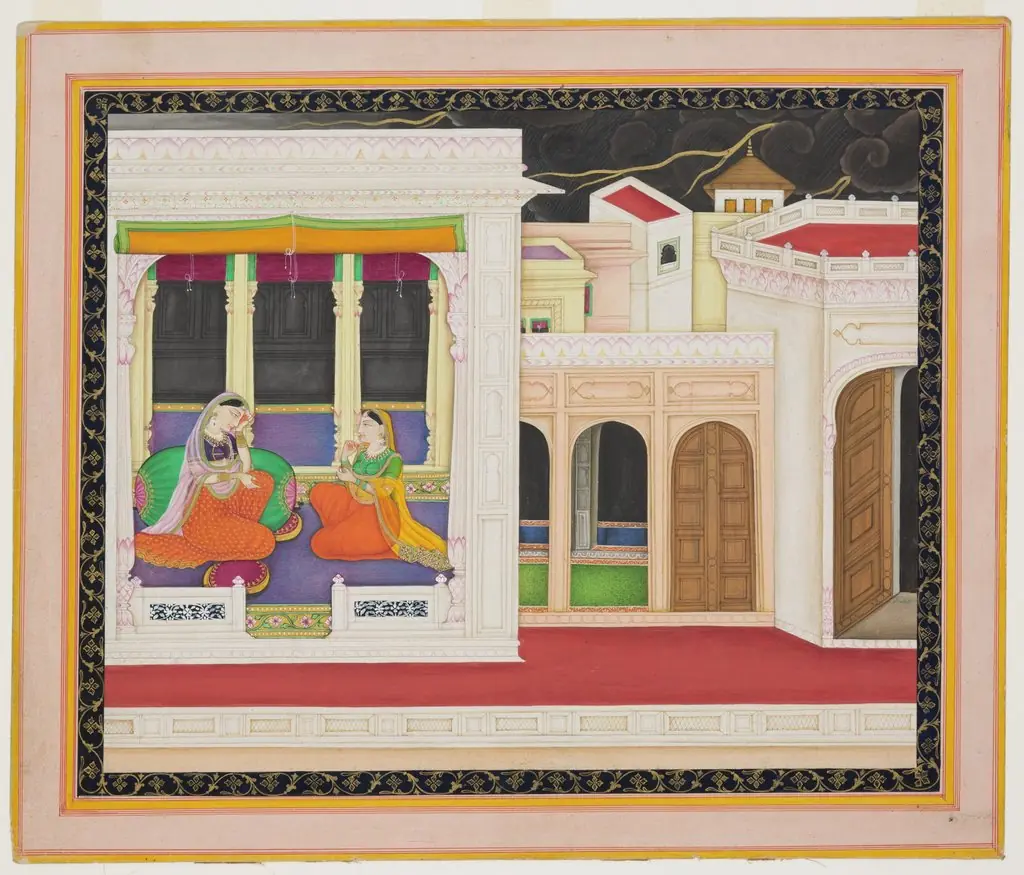 Story of Krishna and Radha
 Untitled
 Untitled
 Celebrations of Krishna’s birth