Artwork
Taira no Kanemori of the Thirty-Six Poetic Immortals
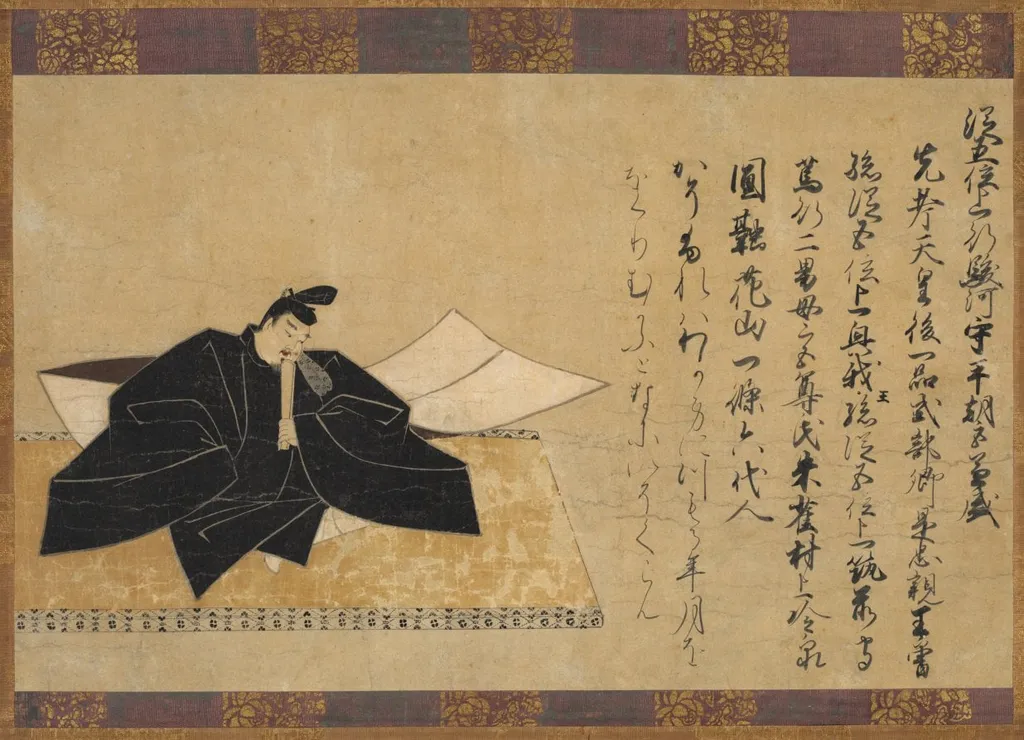
Taira no Kanemori of the Thirty-Six Poetic Immortals is an unspecified painting by the Joseon dynasty painting artist Unknown. It dates from 1204 and is held in the collection of the Cleveland Museum of Art. The fragment depicts Taira no Kanemori, one of the celebrated thirty‑six poets revered in classical Japanese literature.
- Accession no.
- 1951.397
- Credit line
- John L. Severance Fund
About this work
The lines are simple, but the details, the folds of his robe, the needles on the tree, are careful and clear.
You see a single figure in a long robe, standing under a pine tree. His face is calm, and he holds a scroll.
This is Taira no Kanemori, one of Japan’s 36 great poets. The painting was once part of a long scroll showing all 36, but only this piece survives. The lines are simple, but the details, the folds of his robe, the needles on the tree, are careful and clear.
To see more like this, look up japan, kamakura period (1185–1333).
Overview
The fragment depicts Taira no Kanemori, one of the celebrated thirty‑six poets revered in classical Japanese literature. Rendered on silk, the image shows the poet standing beneath a pine, his expression composed, clutching a scroll that alludes to his literary activity. The work originally formed part of an extensive hand‑scroll that presented all thirty‑six figures in sequence, of which only this segment survives.
Subject & Meaning
Kanemura’s portrayal emphasizes his role as a poet‑scholar, the scroll symbolising his contributions to the waka tradition. The pine tree, a common motif of endurance and longevity, frames the figure, reinforcing the notion of his lasting cultural significance within the poetic canon.
Technique & Style
Executed in the refined brushwork characteristic of the Kamakura period, the painting balances simplicity with attentive detail. The folds of the robe are rendered with subtle line variation, while the pine’s needles are indicated by fine, controlled strokes, creating a sense of texture without excessive ornamentation.
History & Provenance
Originally part of a continuous hand‑scroll illustrating each of the thirty‑six poetic immortals, the piece was separated from its companion sections at an unknown date. The surviving fragment entered the museum collection through a 20th‑century acquisition, providing a rare glimpse of the larger narrative composition.
Context
The work reflects the Kamakura era’s renewed interest in courtly culture and the codification of literary heritage. By assembling the poets in a single scroll, patrons sought to celebrate and preserve the aesthetic ideals of earlier Heian poetry within a visual format accessible to contemporary audiences.
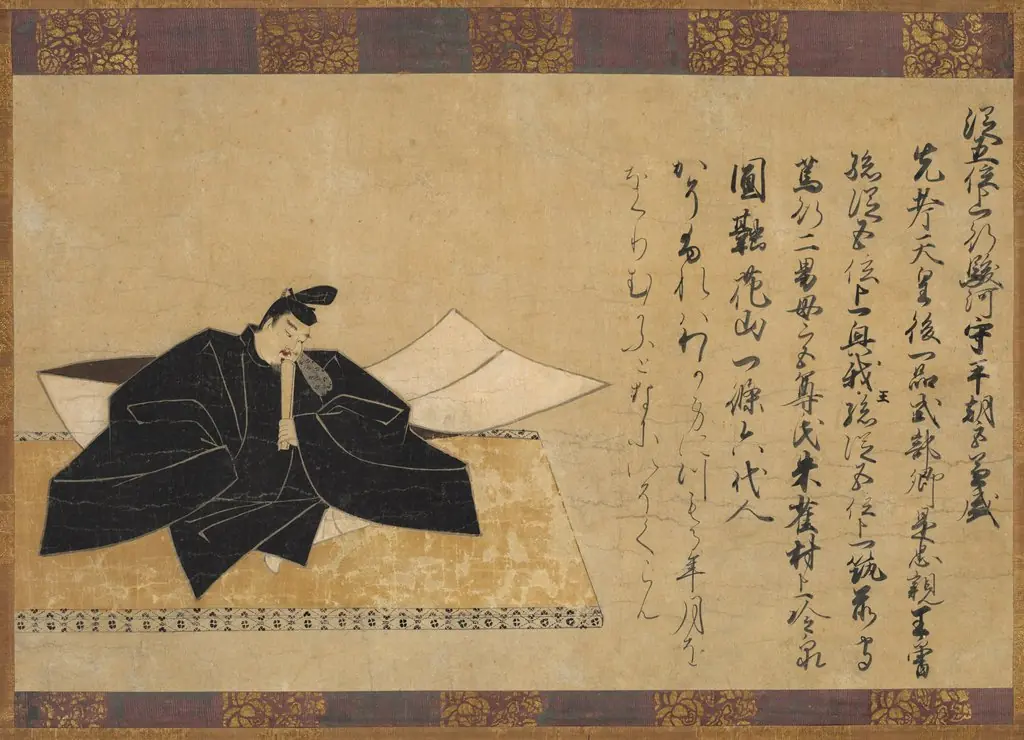
Artist & collection









- Taira no Kanemori of the Thirty-six Poetic Immortals
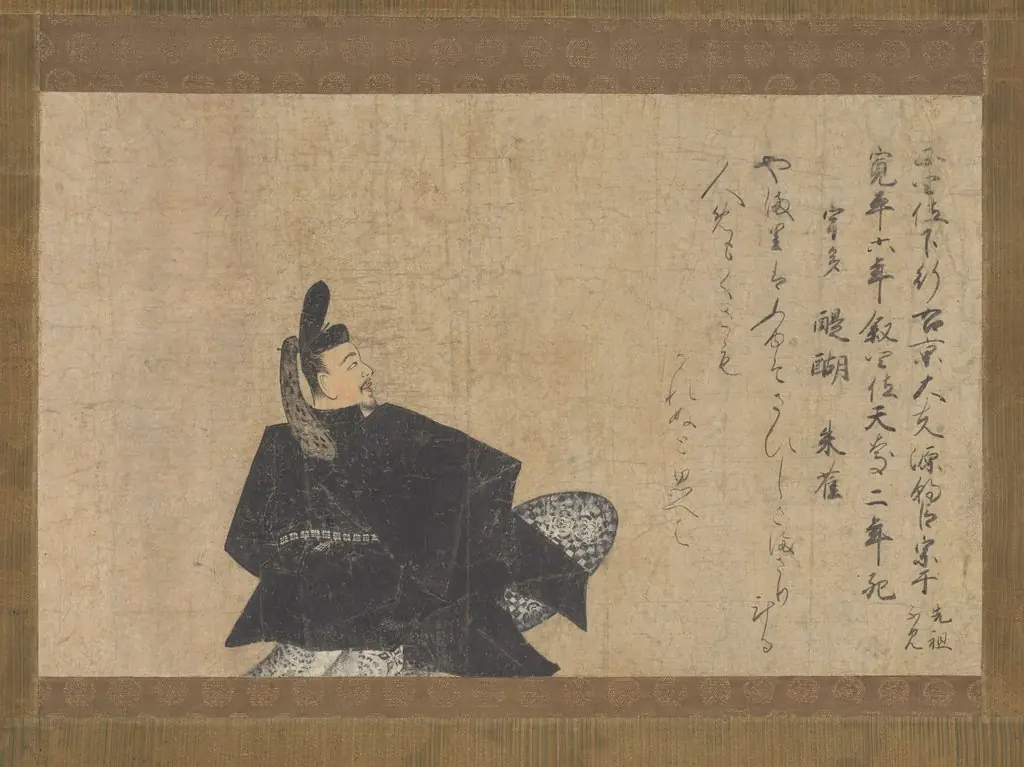 Minamoto no Muneyuki, from the “Fujifusa Version” of Thirty-six Poetic Immortals (Fujifusa-bon Sanjūrokkasen emaki)
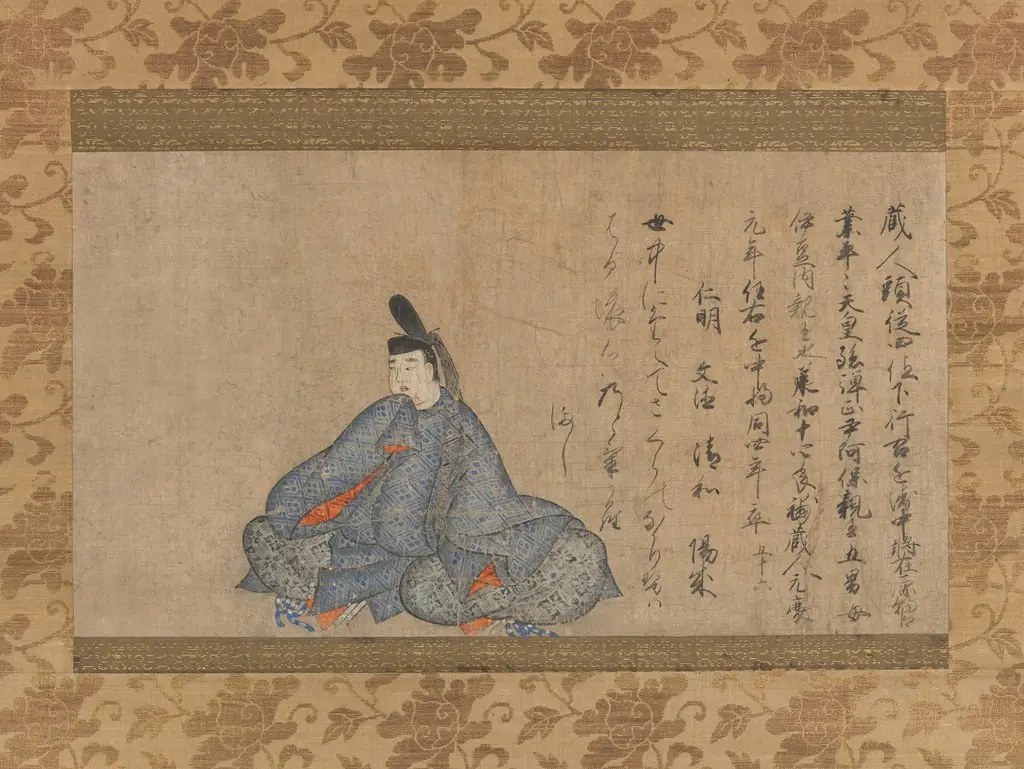 Ariwara Narihira (825–880), from the Fujifusa version of Thirty-six Immortal Poets
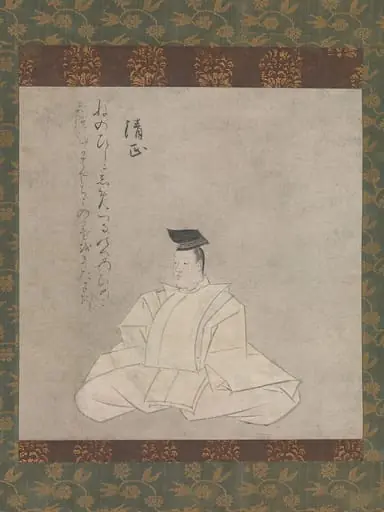 藤原清忠 「業兼本 時代不同歌合絵巻」 断簡|The Poet Fujiwara Kiyotada, from the “Narikane Version” of Thirty-six Poetic Immortals
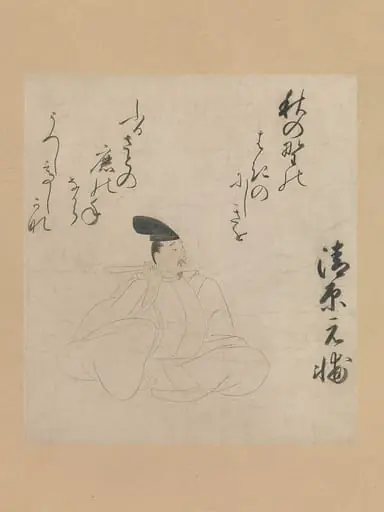 清原元輔 「為重本 時代不同歌合絵巻」 断簡 |The Poet Kiyohara Motosuke, from the “Tameshige Version” of Thirty-six Poetic Immortals (Tameshige-bon Jidai fudō utawase emaki)
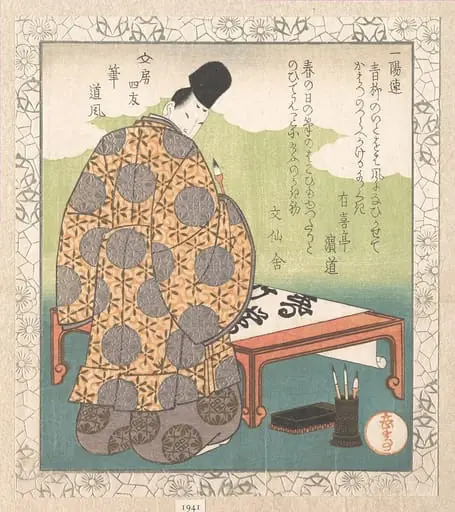 「一陽連文房四友 筆 道風」『春雨集』 摺物帖|The Heian Court Calligrapher Ono no Tōfū (894–966); “Calligraphy Brush” (Fude), from Four Friends of the Writing Table for the Ichiyō Poetry Circle (Ichiyō-ren Bunbō shiyū)From the Spring Rain Collection (Harusame shū), vol. 1
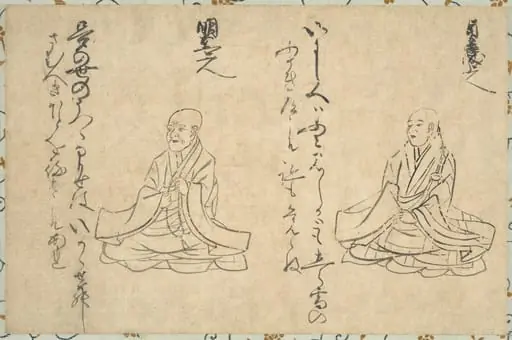 Thirty-Six Poetic Immortals of the Buddhist Clergy
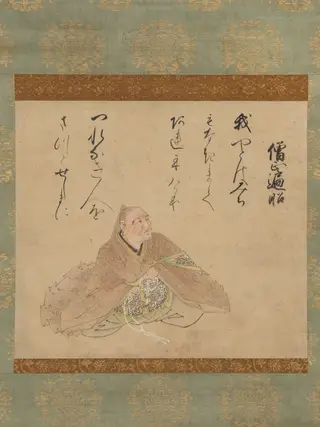 Archbishop Henjō (Sōjō Henjō zu), from the Dōon Version of the Thirty-Six Poetic Immortals
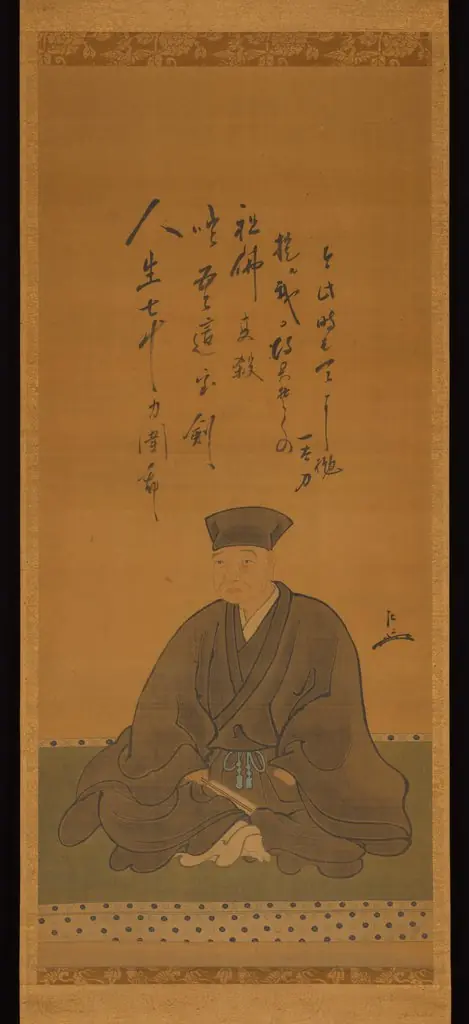 Portrait of Sen no Rikyū with his Death Poem