Artwork
The Crucifixion, (reverse) Saint Francis of Assisi; The Resurrection, (reverse) An Abbot Saint, Possibly Saint Benedict
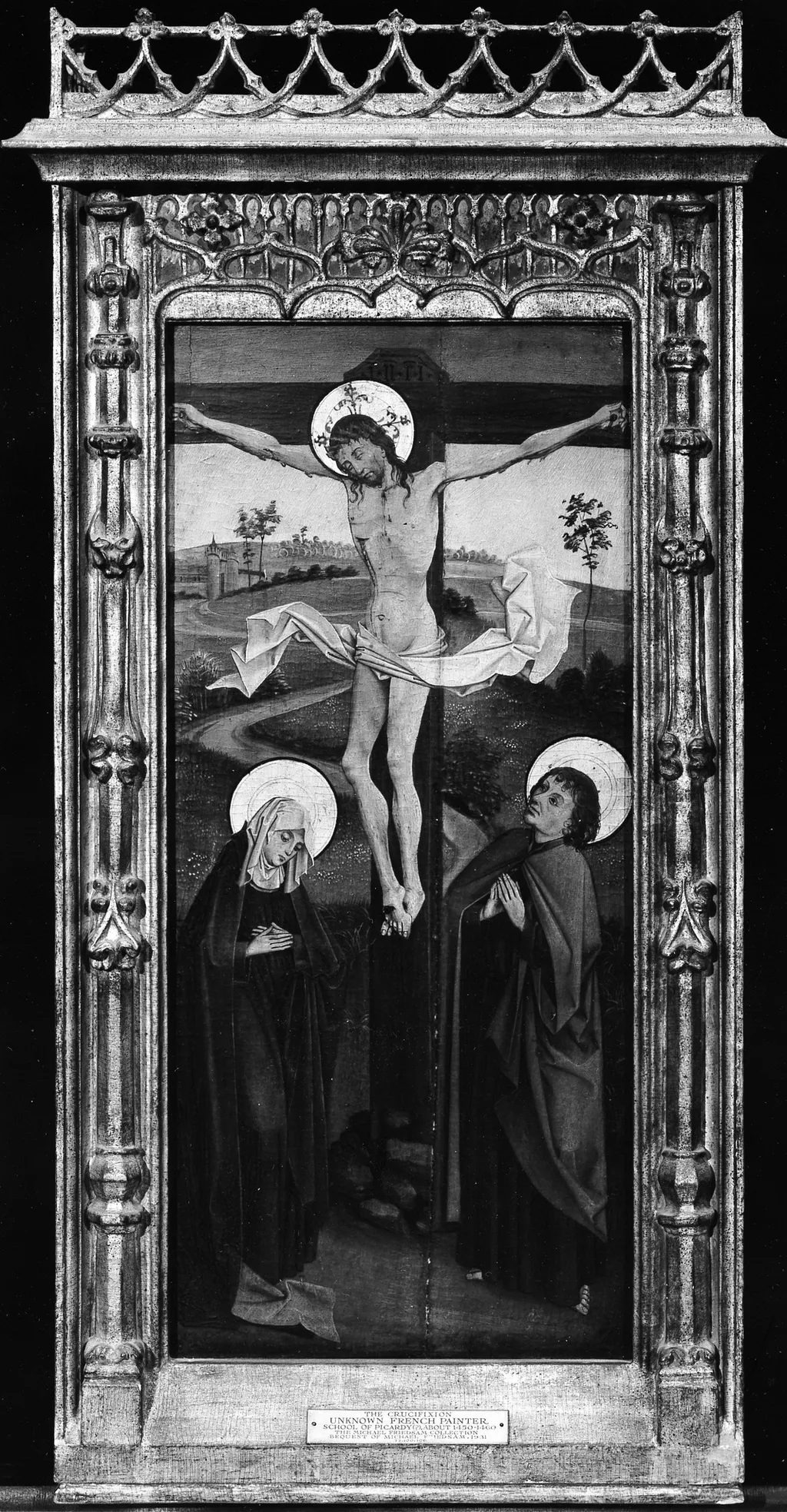
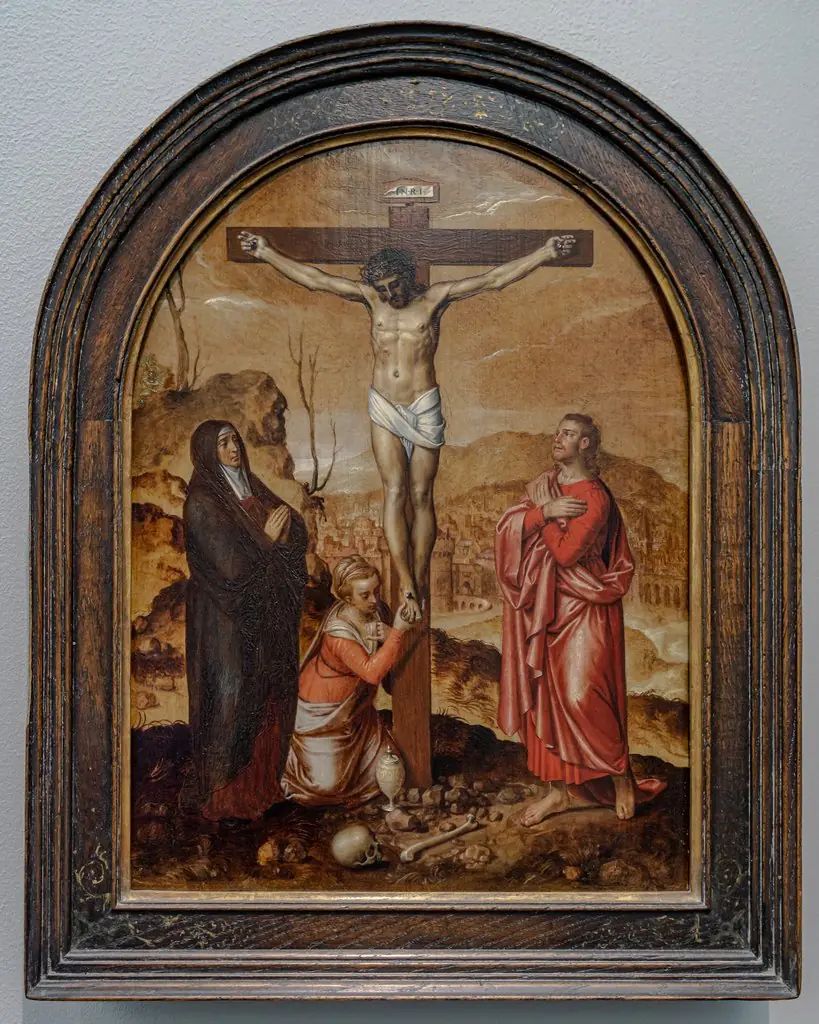
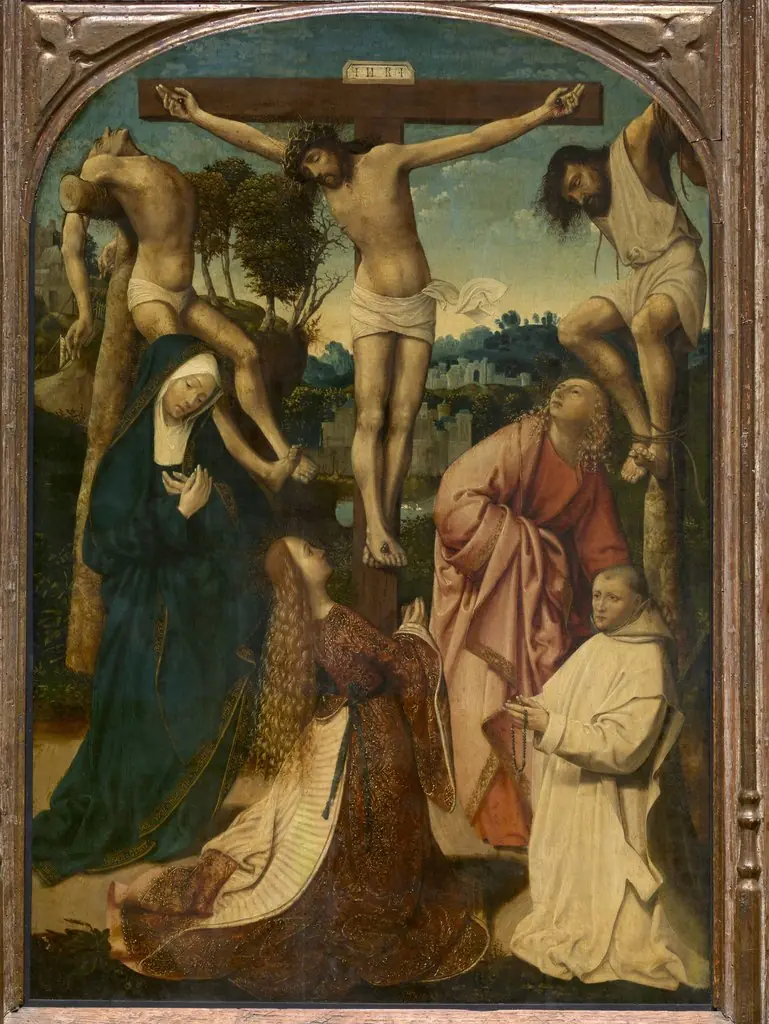
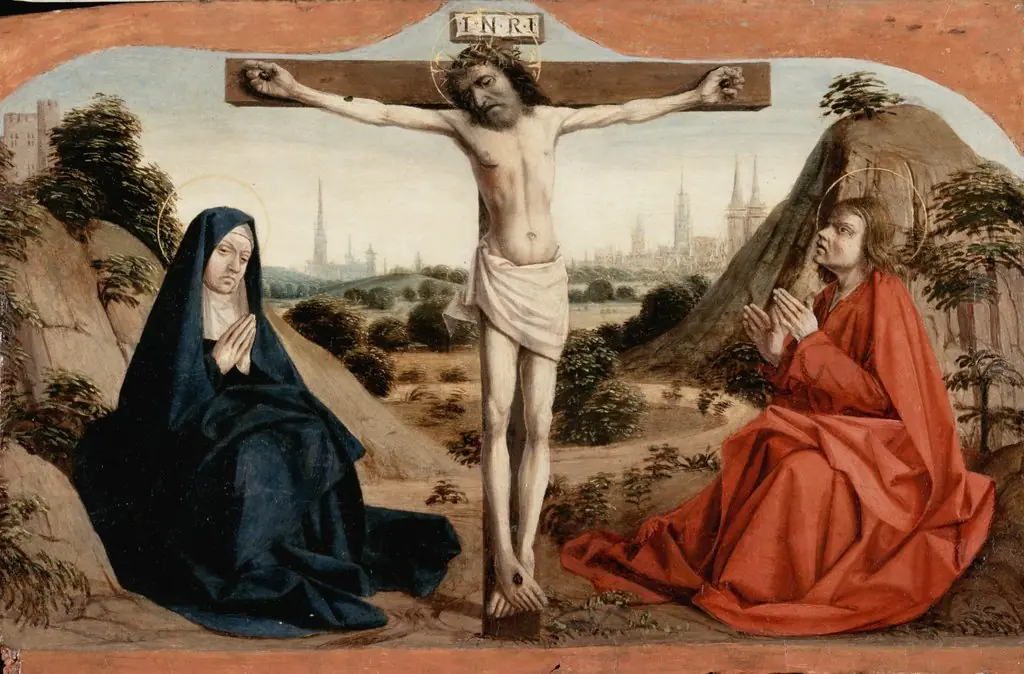
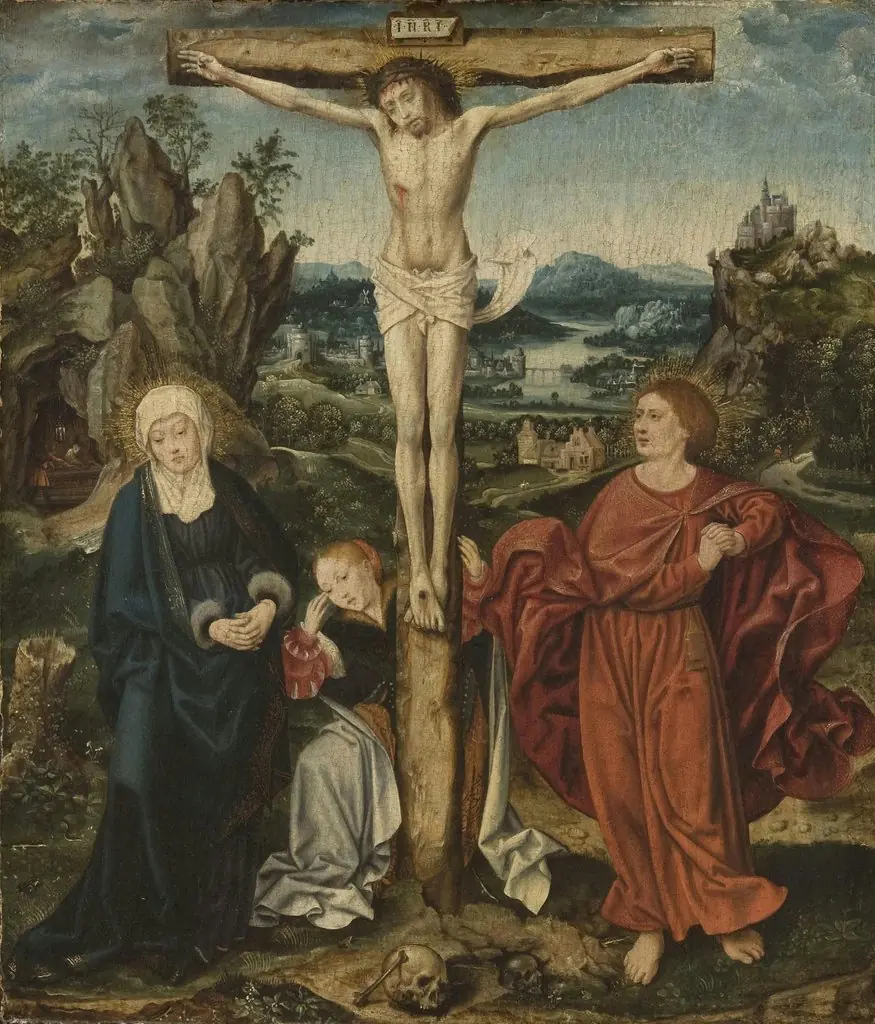
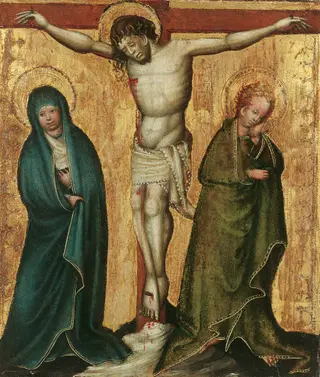
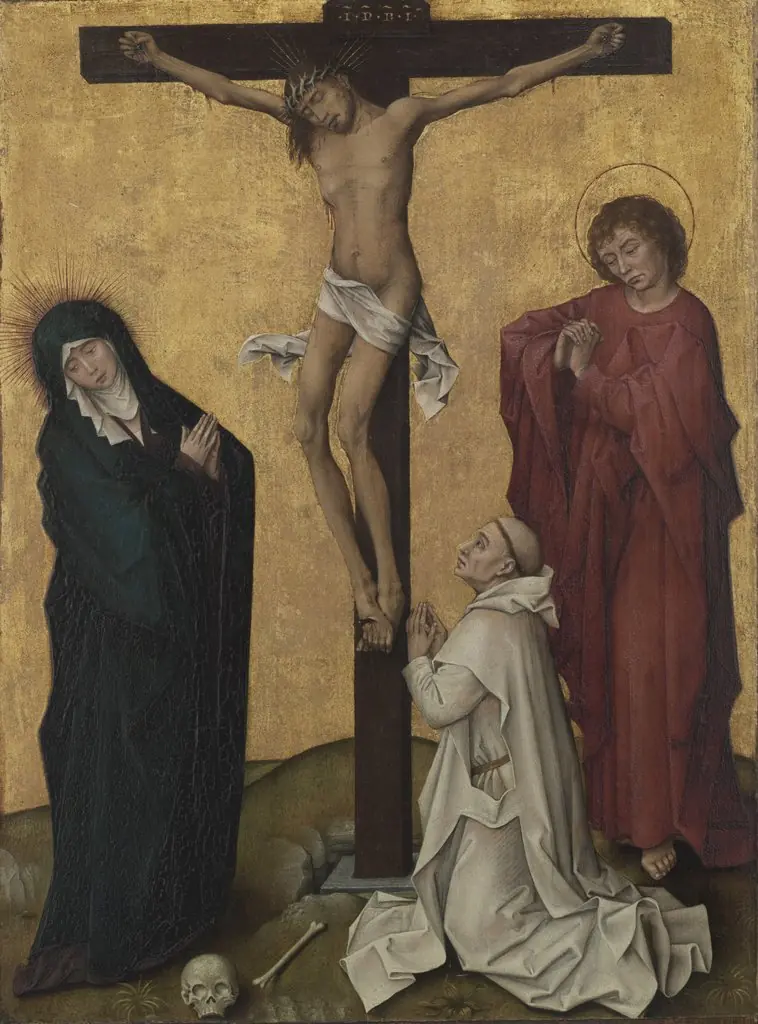
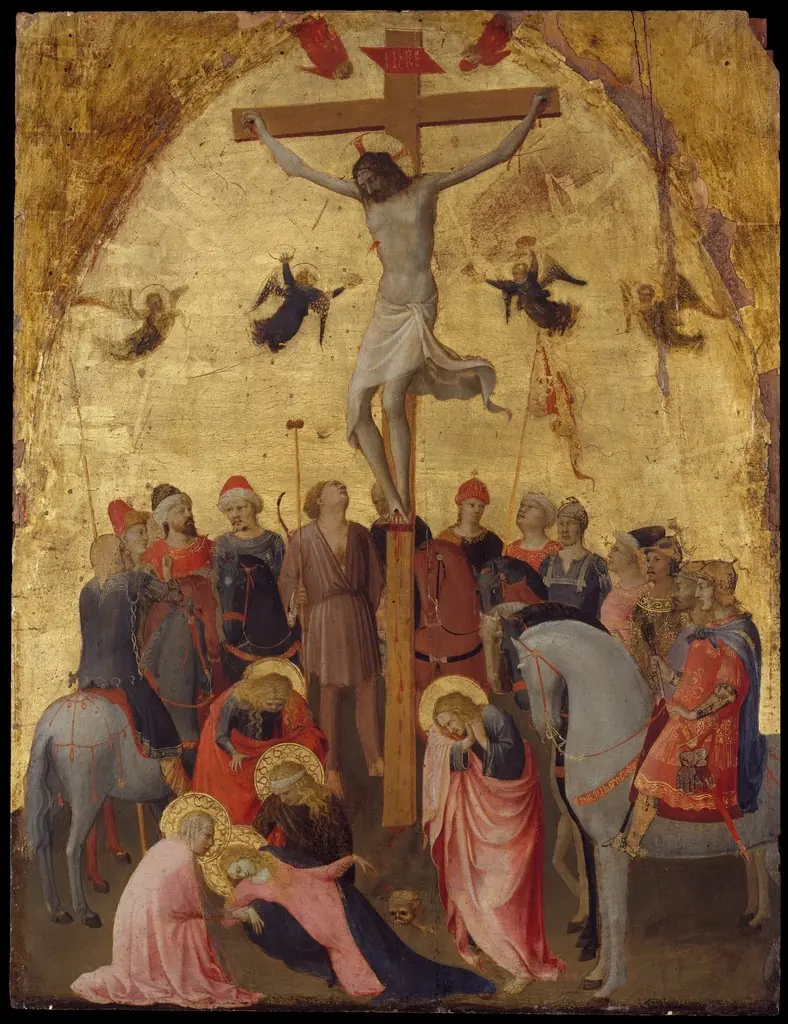
The Crucifixion, (reverse) Saint Francis of Assisi; The Resurrection, (reverse) An Abbot Saint, Possibly Saint Benedict is an oil painting. It dates from 1460 and is held in the collection of the Metropolitan Museum of Art. This oil painting presents a depiction of the Crucifixion, a central event in Christian theology.
About this work
Subject & Meaning
Together the images convey themes of sacrifice, redemption, and the promise of eternal life within a late‑medieval devotional context.
The work combines two narrative episodes: a crucifixion in which Saint Francis of Assisi is shown as a participant, and a separate panel depicting the Resurrection of Christ alongside a possible depiction of an abbot, traditionally identified as Saint Benedict. The crucifixion includes typical symbols of the Passion, cross, crown of thorns, and the presence of a soldier, while Francis is associated with the stigmata, indicating his mystical union with Christ. The Resurrection scene emphasizes triumph over death, often signified by bright light and the empty tomb, and the abbot’s presence may allude to monastic authority and contemplative devotion.
Together the images convey themes of sacrifice, redemption, and the promise of eternal life within a late‑medieval devotional context.
Technique & Style
The painting is executed in oil paint on a wooden panel, a medium and support typical of northern French panel painting in the mid‑15th century. Measuring roughly 49.5 cm high by 22.2 cm wide, it belongs to the Metropolitan Museum of Art’s collection (formerly the Friedsam holdings). As an anonymous northern French artist’s devotional diptych dated to 1460, the work presents the Crucifixion and Resurrection on the front with Saint Francis and an abbot saint on the reverses. Stylistically, it exemplifies the clear, narrative‑driven religious art of its region and period.
History & Provenance
Created in 1460, this double-sided panel painting was executed by an anonymous artist from northern France. The work, characterized by its religious subject matter and oil-on-panel medium, was originally part of a collection owned by Michael Friedsam. It is currently held in the collection of the Metropolitan Museum of Art.
The piece measures 49.5 cm in height and 22.2 cm in width. While the specific commissioning patron and the exact circumstances of its initial creation remain unrecorded in the available documentation, the work dates firmly to the mid-15th century. The painting depicts the Crucifixion and the Resurrection on its primary faces, with Saint Francis of Assisi and an abbot saint, possibly Saint Benedict, on the reverse sides.
Overview
This oil painting presents a depiction of the Crucifixion, a central event in Christian theology. The artwork is notable for being a double-sided panel, with additional sacred figures on its reverse: Saint Francis of Assisi and an abbot saint, possibly Saint Benedict. The primary scene features Christ on the cross, attended by key figures, set against a somber landscape.
Context
As a double-sided panel, this painting likely served a specific devotional function, possibly as part of a small altarpiece or a private prayer object that could be viewed from multiple angles or turned to reveal different sacred images. Its current home is within the collections of The Metropolitan Museum of Art, where it contributes to the institution's representation of early religious art.
Artist & collection