Artwork
Triptych of Ferdinand the Holy Prince
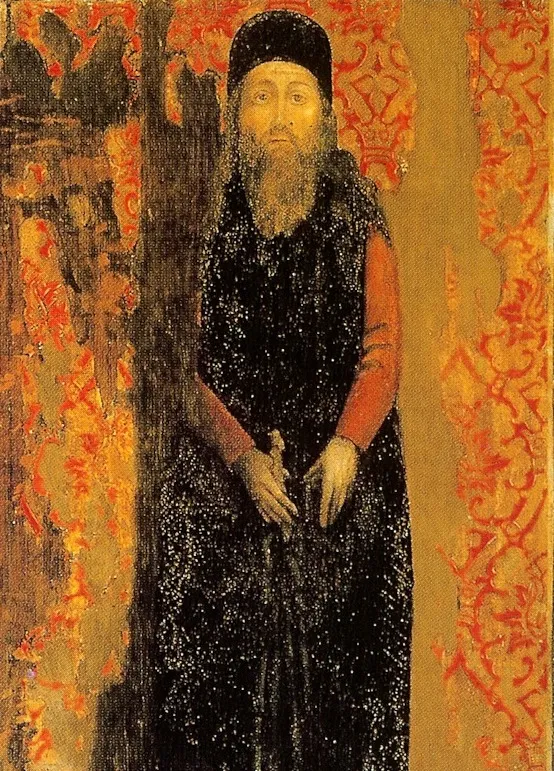
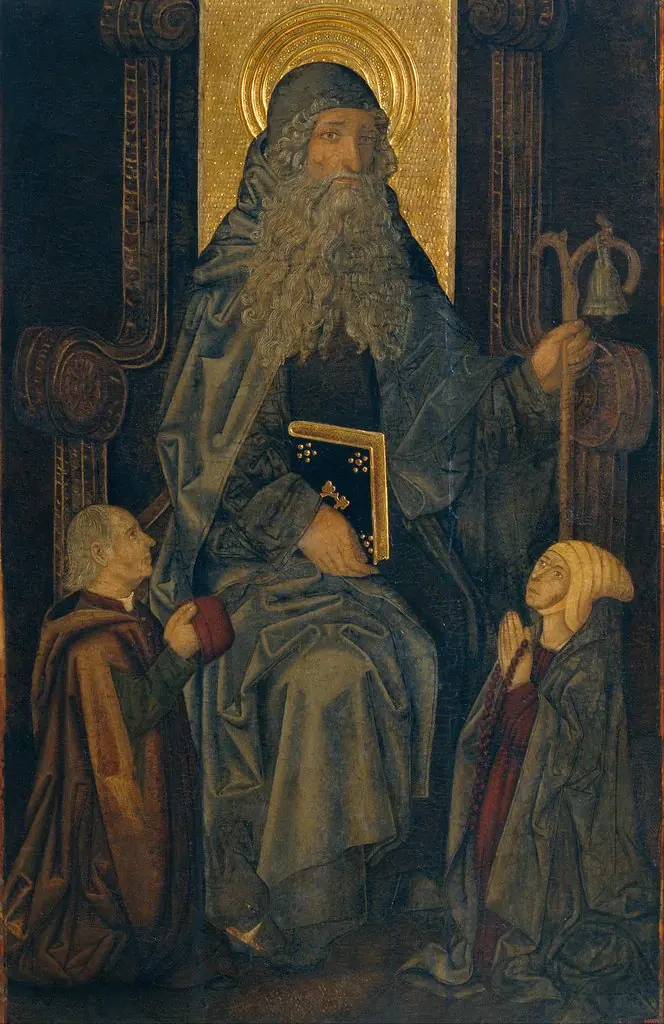
Triptych of Ferdinand the Holy Prince is an unspecified painting by the Early Renaissance artist Unknown. It dates from 1450 and is held in the collection of the National Museum of Ancient Art. The work is a triptych portrait of Ferdinand the Holy Prince, presented as a single figure centered within a three‑panel composition.
About this work
Overview
The work is a triptych portrait of Ferdinand the Holy Prince, presented as a single figure centered within a three‑panel composition. He is shown in a black habit and hat, his long beard framing a solemn expression. His hands are joined before him, and his gaze meets the viewer directly, set against a wall patterned in red and gold that repeats across the side panels.
Subject & Meaning
The figure represents Ferdinand, a Portuguese infante noted for his pious reputation. The clasped hands and forward‑facing pose convey devotion and humility, while the rich red‑gold backdrop may allude to royal status and spiritual authority. The triptych format, traditionally used for devotional images, reinforces the saintly character of the subject.
Technique & Style
The painter employs chiaroscuro, contrasting deep shadows with illuminated areas to model the figure’s form and suggest three‑dimensional space. The precise rendering of the beard and fabric, combined with the flat decorative pattern on the walls, creates a balance between realism and ornamental abstraction typical of late medieval Iberian portraiture.
Context
Triptychs of royal saints were common in the Iberian courts of the 15th and 16th centuries, serving both devotional and dynastic purposes. By placing the saintly prince within a stylized architectural setting, the work aligns personal piety with the visual language of courtly prestige.
Legacy
While the painting’s provenance is not fully documented, its composition and use of light have been referenced in studies of Iberian portraiture, illustrating how sacred portraiture merged with emerging naturalistic techniques prior to the full adoption of Renaissance ideals in Portugal.
Artist & collection









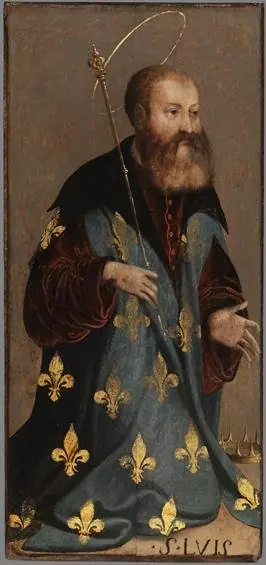 São Luís, Rei de França
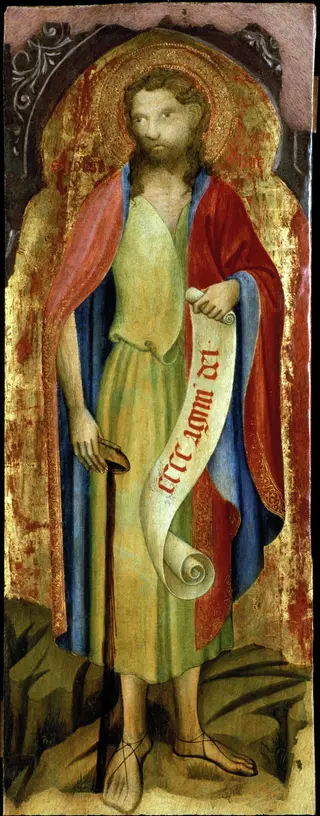 Saint John the Baptist
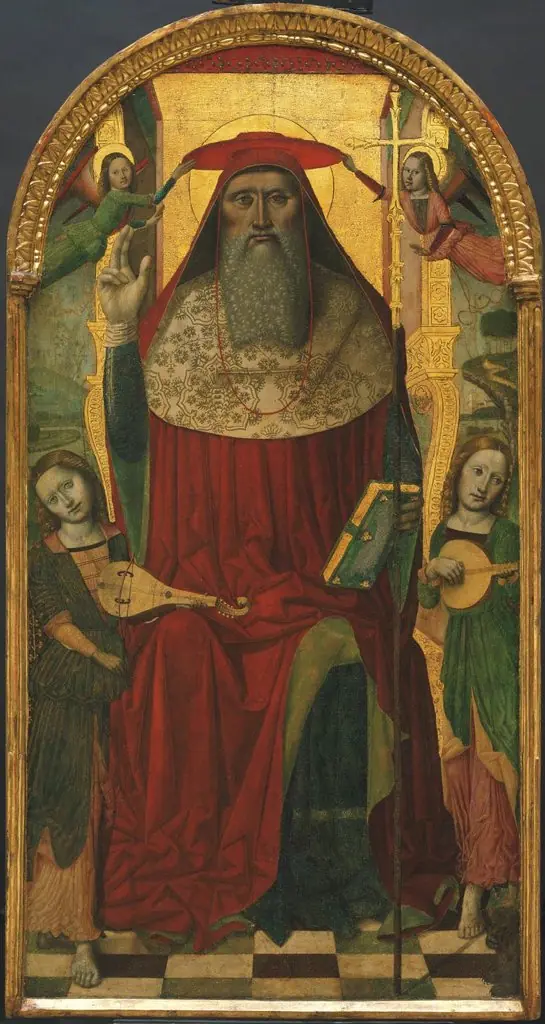 Enthroned Saint Jerome, with Angels
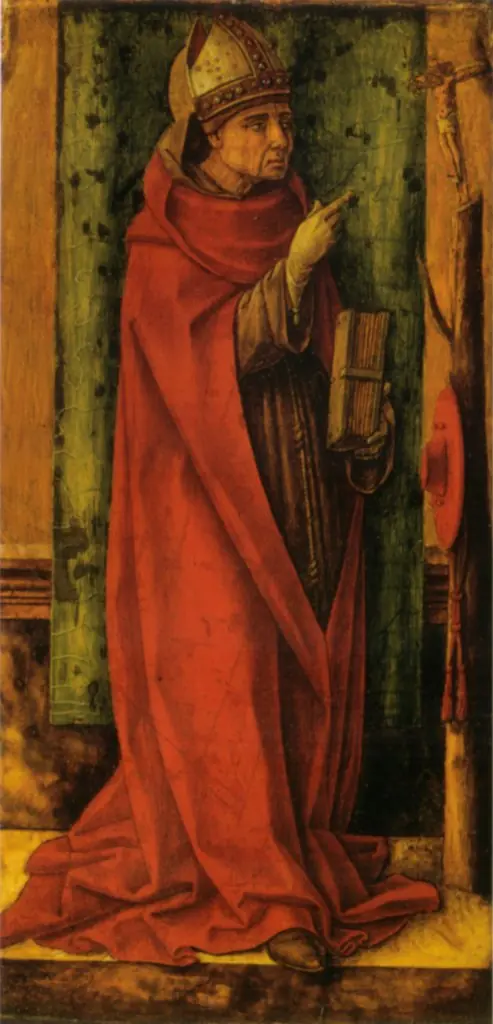 Bonaventure
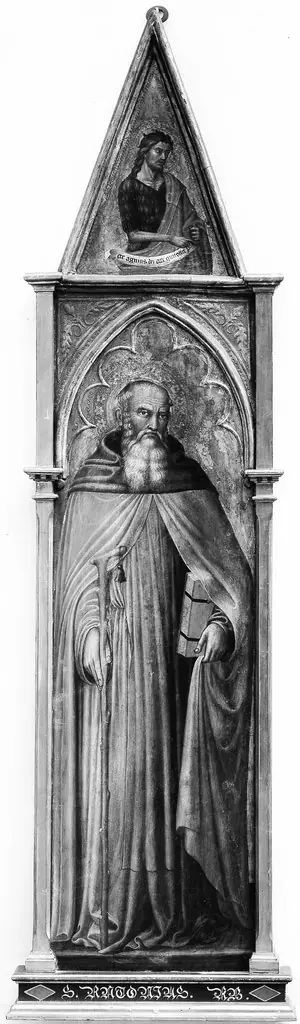 Saint Anthony Abbot (with Saint John the Baptist)
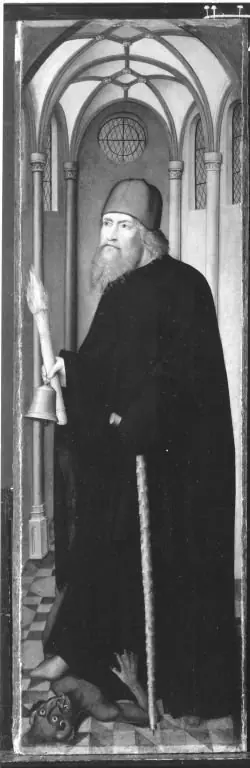 Rinck-Epitaph(?): Hl. Antonius Eremita (und Werkstatt)
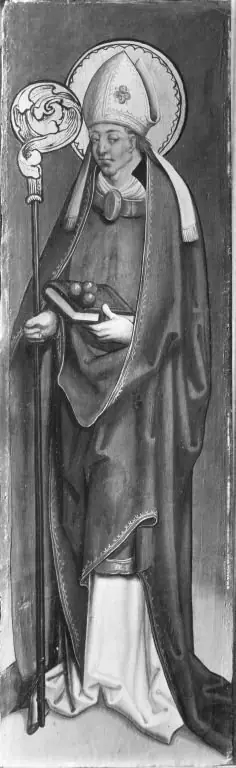 Saint Nicolas
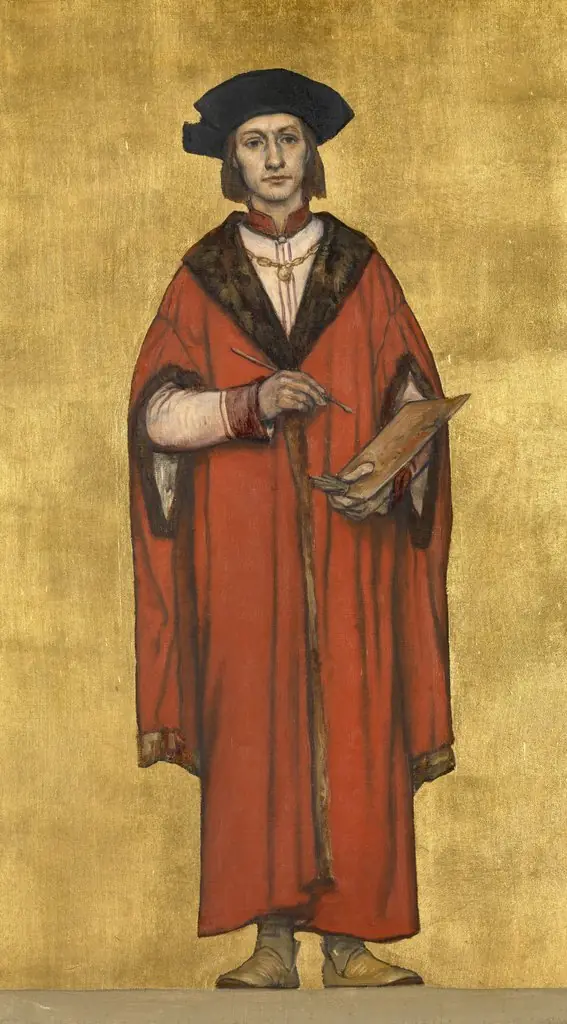 The Painter Jan van Eyck
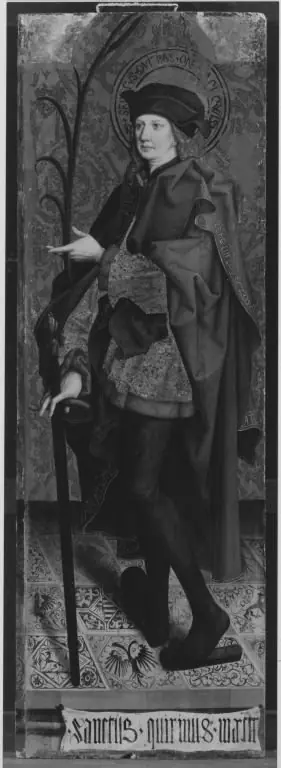 Portrait of Saint Quirinus of Neuss
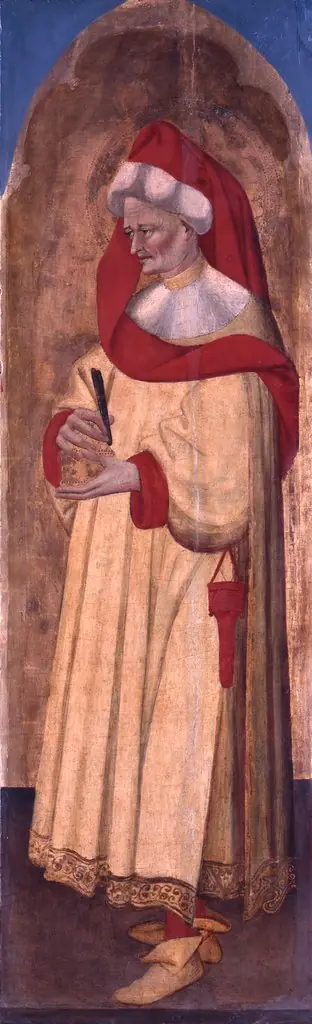 St. Damian
 Saint Anthony the Abbot and Donors
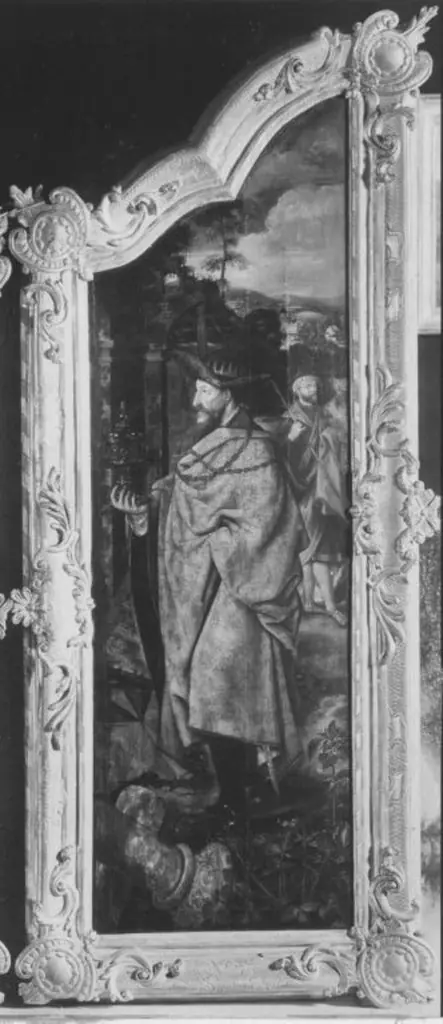
- Triptych: King Caspar