Artwork
Untitled
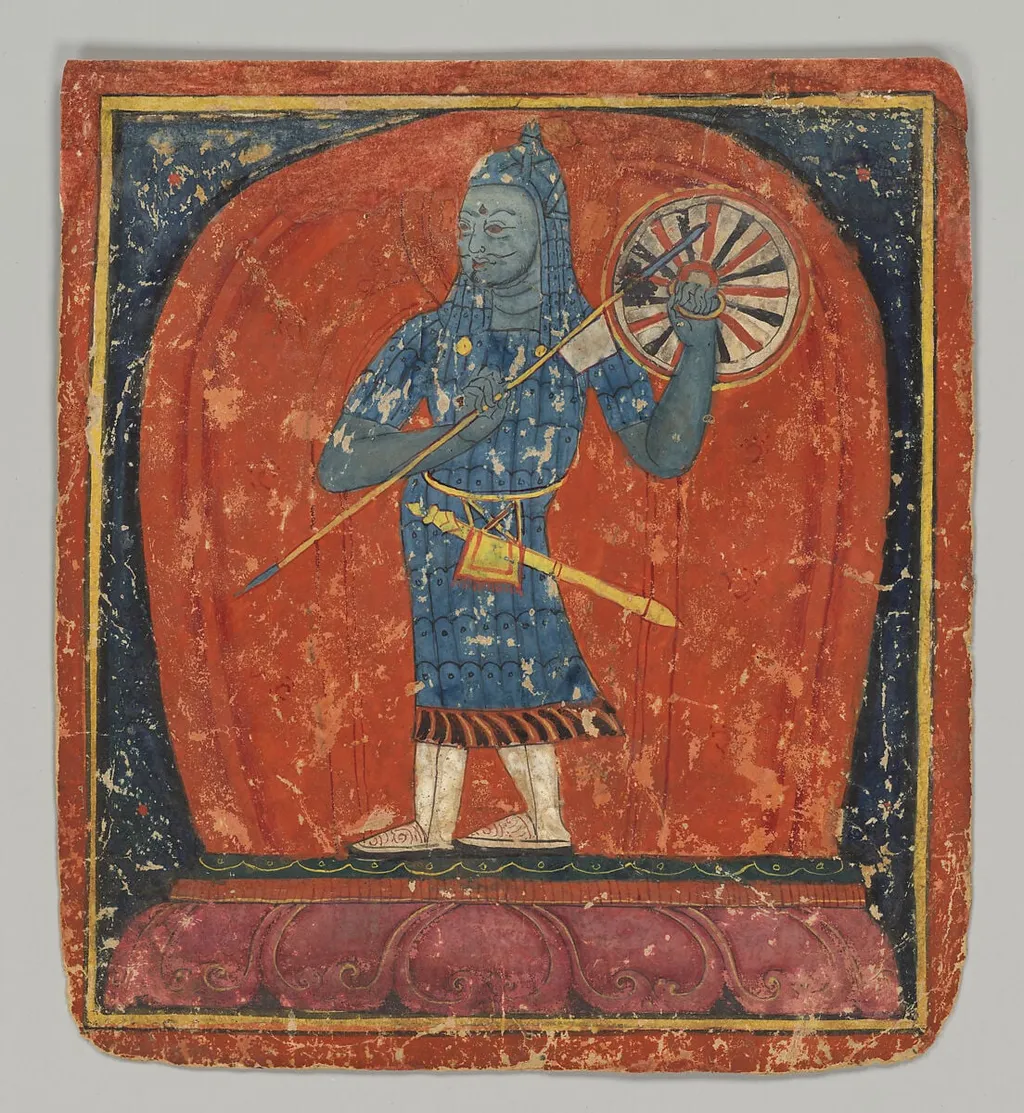
Untitled is a watercolor painting. It dates from 1416 and is held in the collection of the Metropolitan Museum of Art.
About this work
The artist used watercolor so thin it almost glows, layer upon layer, like stained glass.
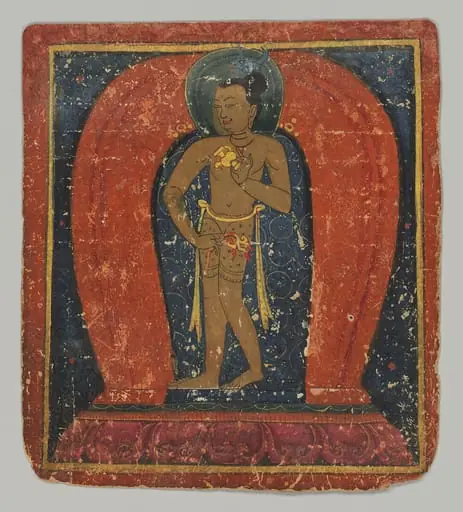
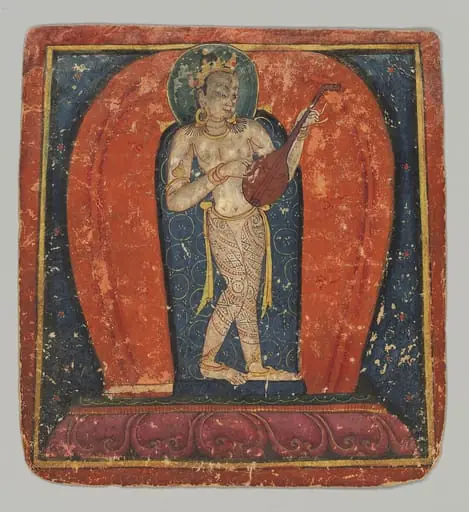
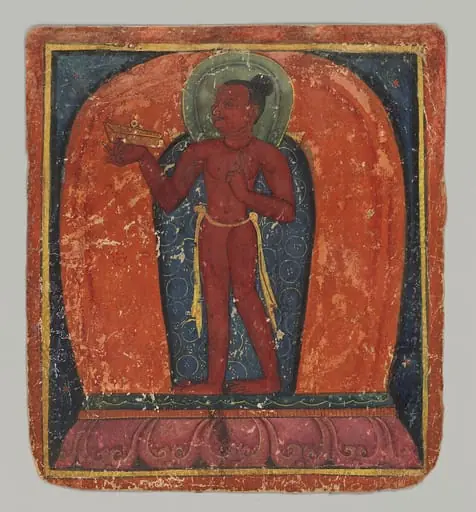
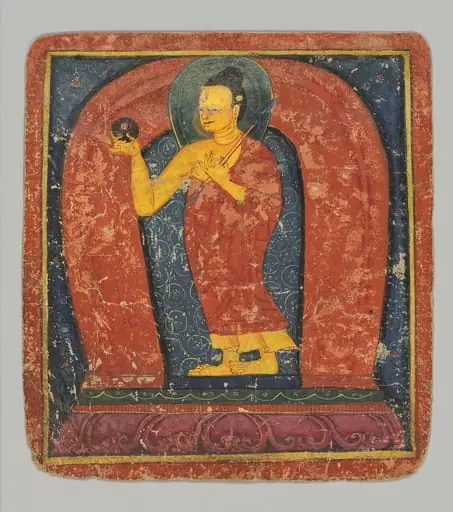
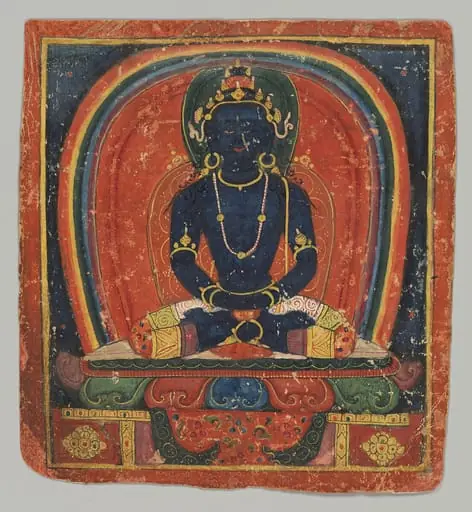
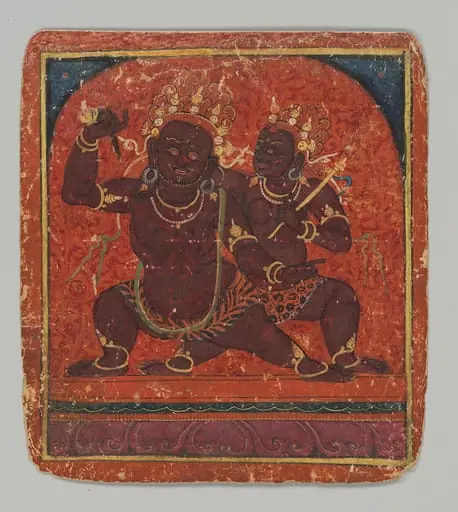
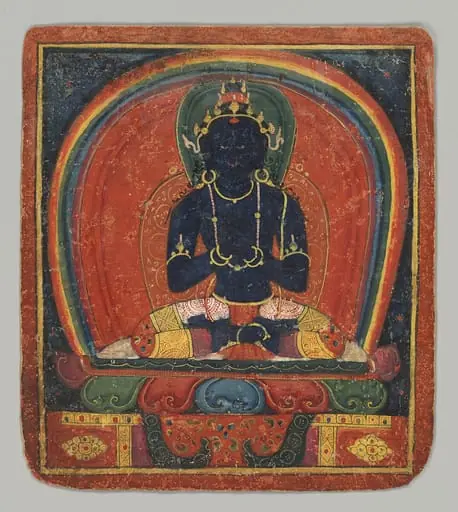
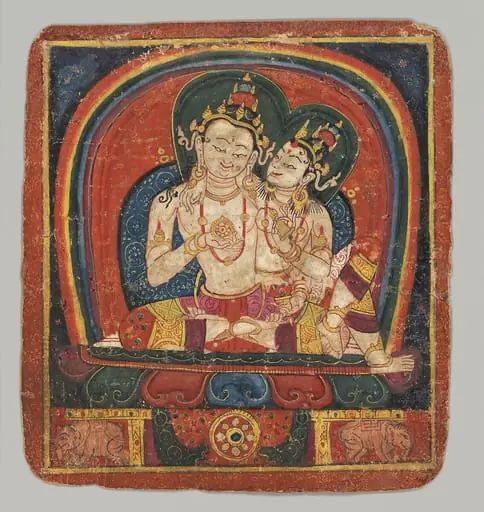
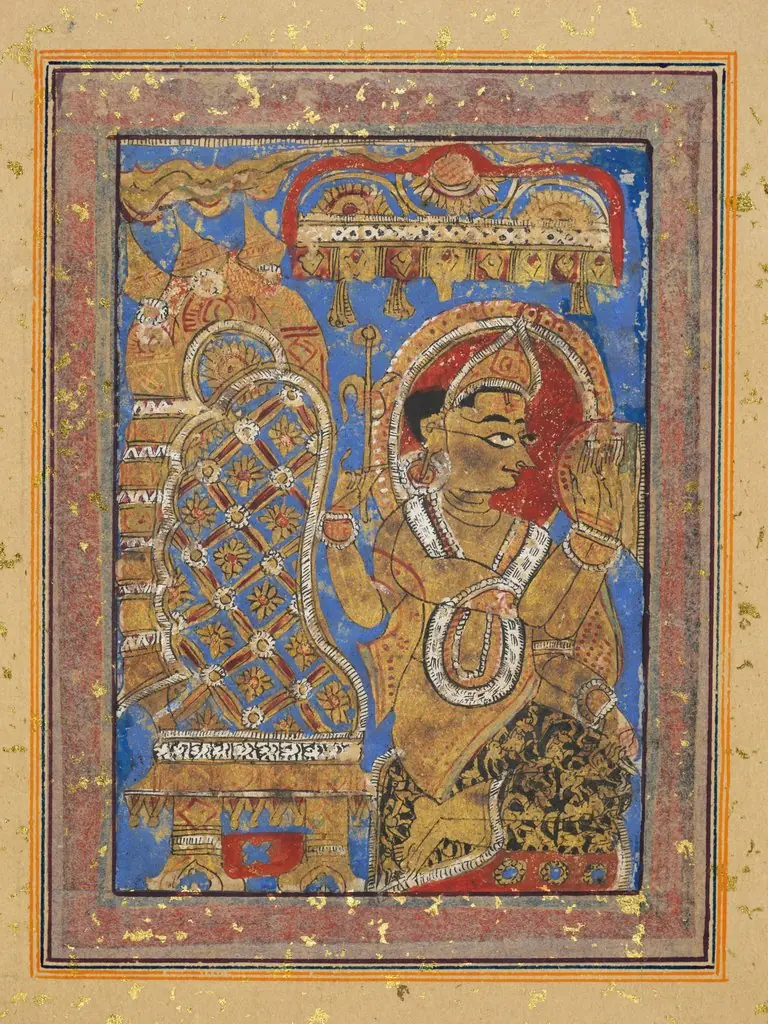
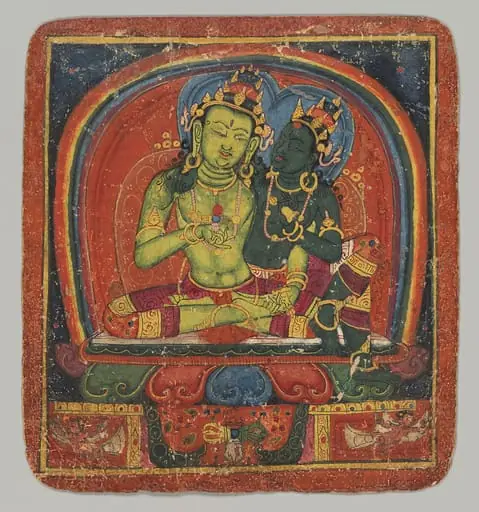
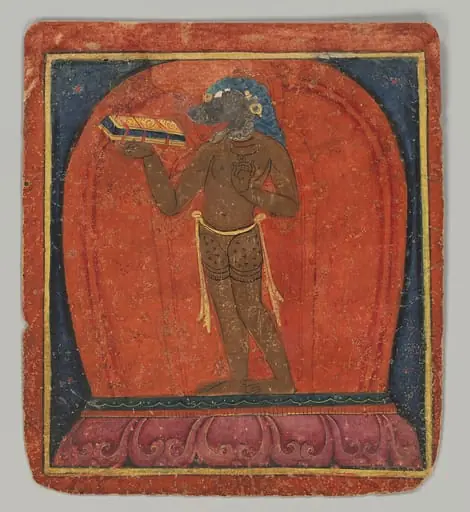
A man sits cross-legged, hands folded, eyes half-closed. His robe is deep red, his skin golden in the dim light. Around him, thin clouds drift like smoke.
This painting was made in Tibet around 1400, long before cameras. The artist used watercolor so thin it almost glows, layer upon layer, like stained glass. No one knows who painted it, but the calm face suggests a teacher, not a god.
To see more quiet faces like this, look up Buddhism.
Subject & Meaning
Created in 1416 by an unknown artist, this work is classified as religious art. The composition depicts a single male figure, serving as the central subject of the piece. While the specific iconographic identity of the man is not detailed in the available records, the classification within the religious genre suggests the figure represents a sacred or biblical personage.
The work functions as a devotional image, focusing on the human representation within a spiritual context. The absence of a specific title, referred to as 'Untitled,' places the emphasis entirely on the visual depiction of the man rather than a narrative scene or complex symbolic arrangement.
Technique & Style
This devotional work is executed in opaque watercolor on paper, a medium characteristic of early fifteenth-century manuscript and panel painting traditions adapted here to a small-scale religious format. The composition is rendered on a modest support measuring approximately 16 cm in height by 14.5 cm in width, an intimate scale suited to private devotional use. The handling of opaque watercolor allows for precise, layered application typical of the period, producing the crisp figural rendering of the male subject.
The work is classified within the Metropolitan Museum of Art's paintings collection, indicating its preservation as a painted object on paper rather than a manuscript cutting. No specific condition notes are documented in the available records.
History & Provenance
The work, an opaque watercolor on paper, is dated to 1416, establishing its creation in the early fifteenth century. It is attributed to an unknown artist and is classified as a religious painting. The work is held in the collection of the Metropolitan Museum of Art, as indicated by its accession designation MET 2000.282.21, which suggests it entered the museum's holdings in the year 2000. No further details regarding commission, prior ownership, or earlier provenance are recorded in the available sources.
Context
The work, an opaque watercolor on paper dated 1416, is classified as a religious painting depicting a man. Its attribution to an anonymous painter is recorded in both the internal catalogue and the Metropolitan Museum of Art’s Wikidata entry (MET 2000.282.21). Measuring 16 × 14.5 cm, the piece resides in the Met’s collection, situating it within early fifteenth‑century European devotional art.
The anonymity of the creator reflects the workshop practices of the period, where individual authorship was often subsumed under collective religious imagery. Scholars note that such anonymous panels provide insight into the transmission of iconographic motifs across workshops in the early Renaissance.
Overview
This untitled Tibetan painting, created around 1400, depicts a serene figure rendered in opaque watercolor on paper. The artwork portrays a man seated in meditation, characterized by a calm demeanor and a deep red robe, enveloped by subtle, cloud-like forms. Its precise origins and creator remain unknown, yet it offers insight into the artistic practices of its era.
Artist & collection