Artwork
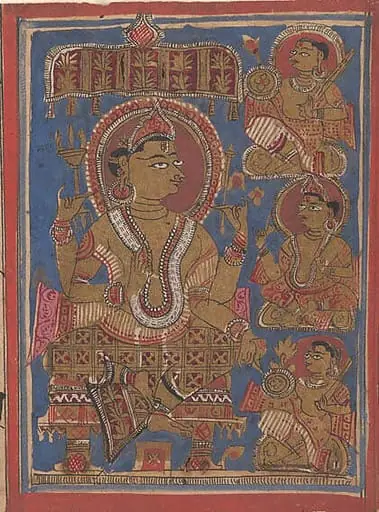
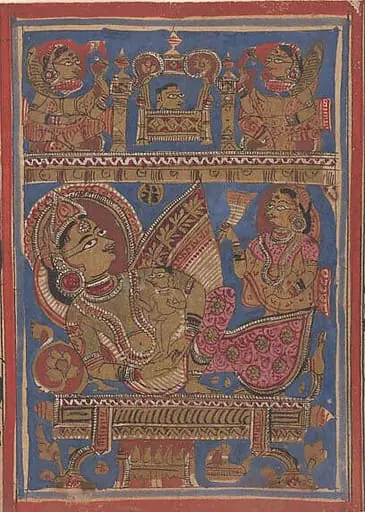
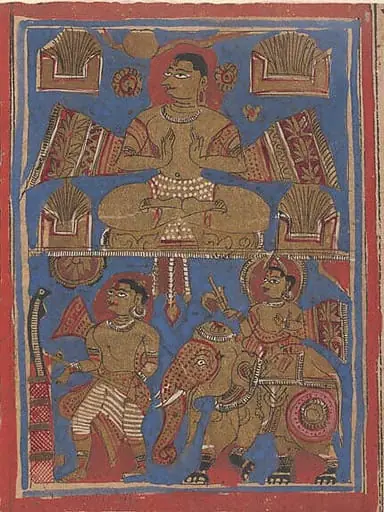
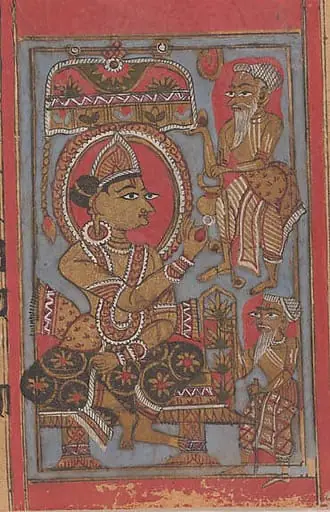
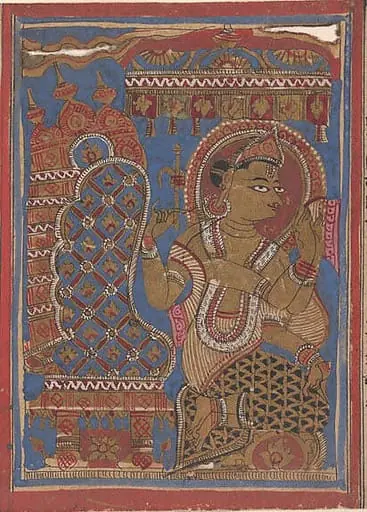
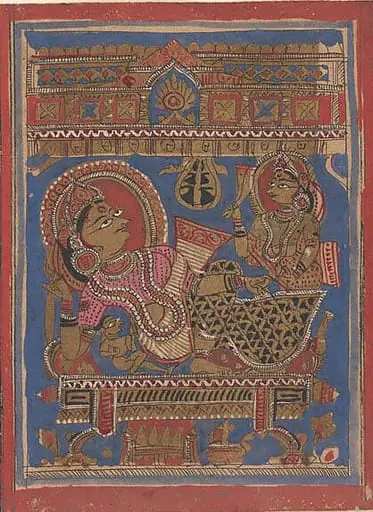
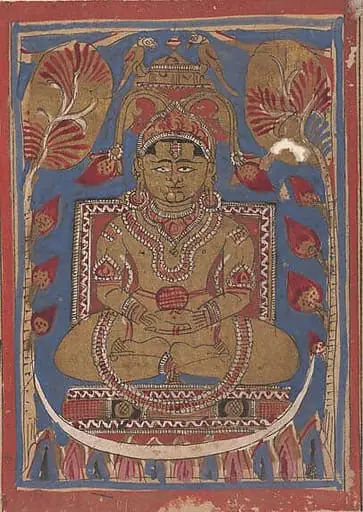
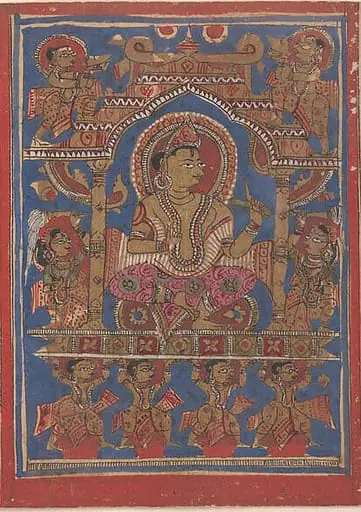
Painting from a Kalpa-sutra: Indra Praises the Embryo of Mahavira in the Womb of the Brahman Woman Devananda
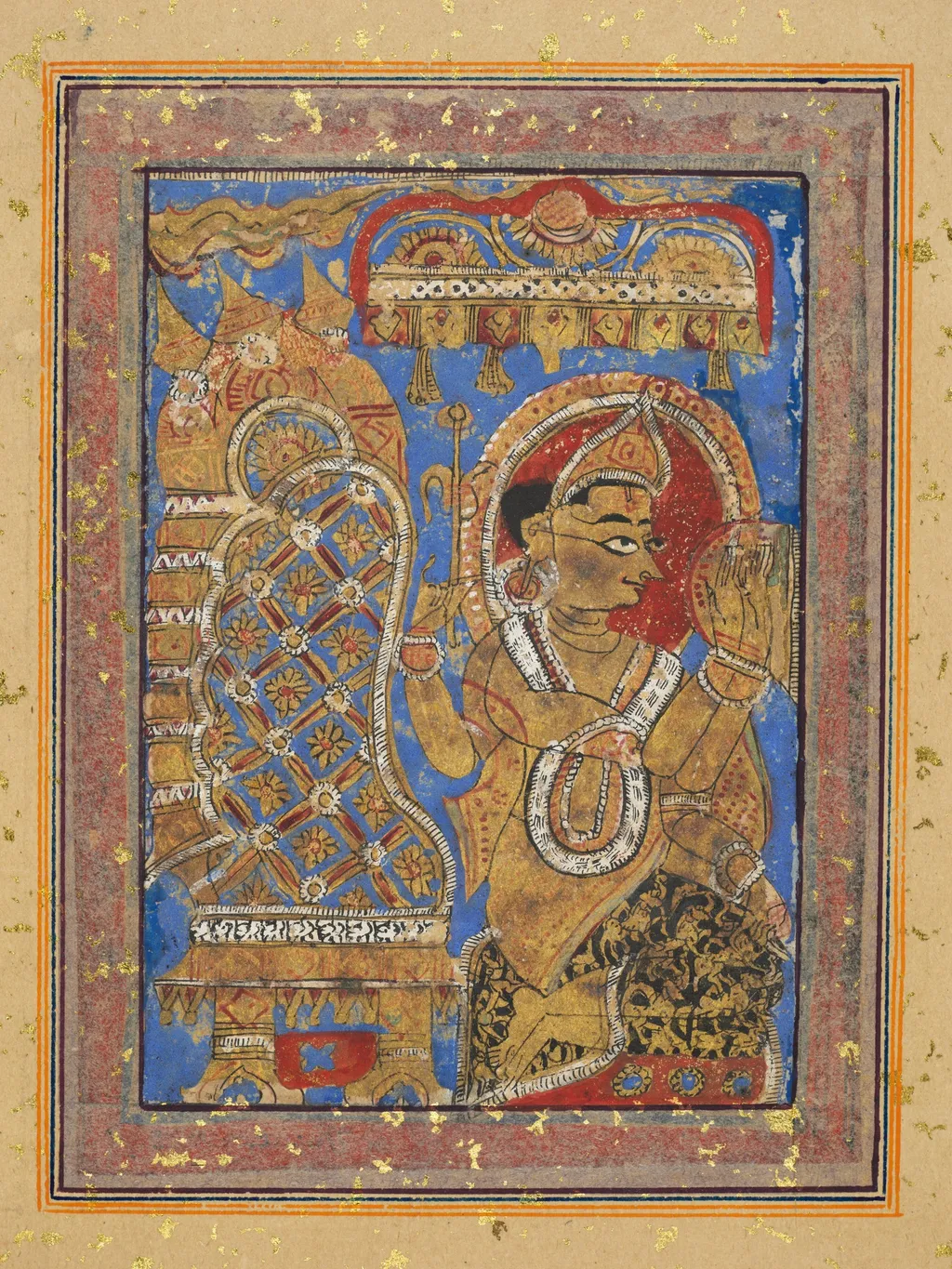
Painting from a Kalpa-sutra: Indra Praises the Embryo of Mahavira in the Womb of the Brahman Woman Devananda is an unspecified painting. It dates from 1524 and is held in the collection of the Cleveland Museum of Art.
About this work
History & Provenance
It entered the Cleveland Museum of Art in 1925 as accession number 1925.
The painting is dated to 1524 based on the internal record and the Cleveland Museum of Art’s collection entry, which both place its creation in the sixteenth century.
It entered the Cleveland Museum of Art in 1925 as accession number 1925.1339, where it has remained in the museum’s holdings. The Cleveland Museum of Art’s record identifies the work as a religious painting within the Kalpa-sūtra tradition and assigns the date 1524 without further attribution of artist or provenance prior to its acquisition.
Legacy
The work, a 16th‑century Jain miniature from the Kalpa‑sutra, depicts Indra honoring the embryo of Mahavira within the womb of the Brahman woman Devananda. It is classified as a religious painting and was created in 1524.
The piece entered the Cleveland Museum of Art collection, where it is catalogued under the accession number 1925.1339, ensuring its continued presence in public access and academic discussion.
Its inclusion in a major museum has contributed to renewed scholarly attention on early Jain visual culture and has inspired later artistic reinterpretations of the same narrative.
Overview
This painting illustrates a scene from a Kalpa-sutra, a Jain sacred text, depicting the god Indra offering reverence to the unborn Mahavira within the Brahman woman Devananda. The composition centers on a prominent figure, surrounded by a densely detailed environment filled with architectural elements and smaller figures, rendered in a vibrant palette.
Subject & Meaning
The artwork portrays a pivotal moment from Jain scripture, specifically the Kalpa-sutra, which recounts the life of Mahavira, the 24th Tirthankara. Here, the deity Indra is shown paying homage to Mahavira's embryonic form while it resides in the womb of Devananda. This narrative highlights the divine recognition and significance of Mahavira even before his birth.
Technique & Style
The painting features a central standing figure, distinguished by a red halo and holding a tall staff and a spherical object. Its calm expression contrasts with the dynamic, intricate background, which is densely populated with swirling motifs, architectural forms, and smaller figures situated on clouds or within structures. A striking use of bright reds, blues, and golds creates visual impact, balanced by areas of softer, faded tones.
Context
This work originates from a Kalpa-sutra, a significant collection of Jain religious texts. Such manuscripts are crucial for preserving and disseminating the narratives surrounding the lives and teachings of the Tirthankaras, particularly Mahavira. Illustrated pages like this served to visually enhance the sacred stories, making them more accessible and engaging for devotees.
Artist & collection