Artwork
Wing of a Triptych with the Portrait of Julien de Brouckere
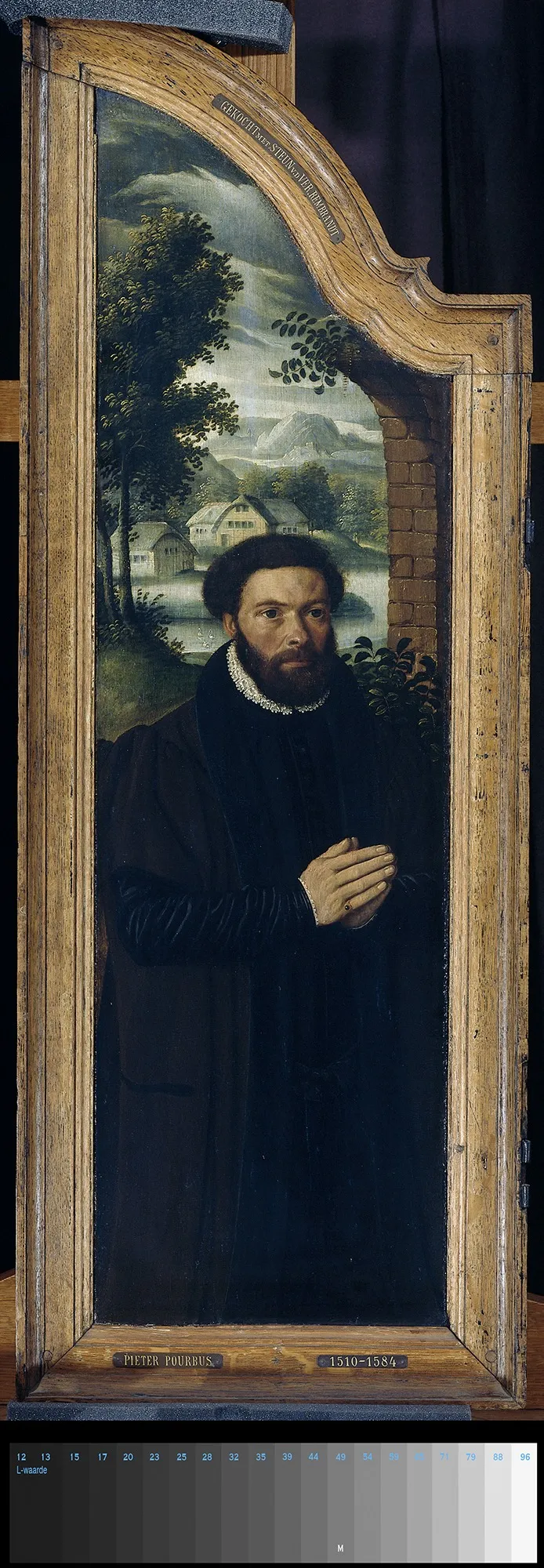
Wing of a Triptych with the Portrait of Julien de Brouckere is an oil painting. It dates from 1592 and is held in the collection of the Rijksmuseum. The panel, an oil painting forming a wing of a larger triptych, depicts a solitary figure in a dark robe with a white ruffled collar.
About this work
Subject & Meaning
The artwork functions as a wing of a triptych, featuring a portrait of Julien de Brouckere.
The artwork functions as a wing of a triptych, featuring a portrait of Julien de Brouckere. The subject is depicted as a kneeling man, a traditional iconographic posture indicating devotion, piety, or prayer, which was conventional for the donor wings of altarpieces and triptychs during the period. By portraying de Brouckere in this reverent pose, the painting represents his religious veneration and humble position before the sacred central panel that the wing would have originally accompanied.
Technique & Style
Created in 1584 in Bruges, the Wing of a Triptych with the Portrait of Julien de Brouckere is executed in oil paint on a wooden panel support. The work measures 83 cm in height and 25.5 cm in width. Stylistically, it functions as a portrait depicting a man in a kneeling posture. The painting is currently held in the collection of the Rijksmuseum.
History & Provenance
The work was painted in Bruges in 1584 by an anonymous artist, commissioned to depict the kneeling figure of Julien de Brouckere. It was created as part of a triptych and executed in oil on panel, measuring 83 cm in height and 25.5 cm in width. The painting entered the collection of the Rijksmuseum, where it remains on display today.
Dating to 1584, the work reflects the late 16th-century portrait tradition in the Low Countries. It is classified as a portrait and was made using oil paint, a medium common for panel paintings of the period.
Legacy
The work's later influence and legacy are closely tied to its attribution to the Master of the Playing Cards and its presence in the Rijksmuseum collection. Its status as a portrait from Bruges in 1584, painted in oil on panel, contributed to scholarly discussions of early Netherlandish portraiture and the identification of anonymous masters. The painting's inclusion in the Rijksmuseum's holdings has ensured continued public and academic attention to this early work, reinforcing its reputation within the study of Renaissance portraiture and triptych composition.
Overview
The panel, an oil painting forming a wing of a larger triptych, depicts a solitary figure in a dark robe with a white ruffled collar. He stands before a modest landscape that includes a house and trees under a cloudy sky. His hands are clasped, and a ring is visible on his left finger, suggesting a portrait commission.
Context
Painted in the Northern Renaissance tradition, the work reflects the period’s interest in integrating portraiture within religious or devotional formats. The inclusion of a personal portrait within a triptych aligns with contemporary practices of commemorating patrons alongside sacred narratives.
Artist & collection

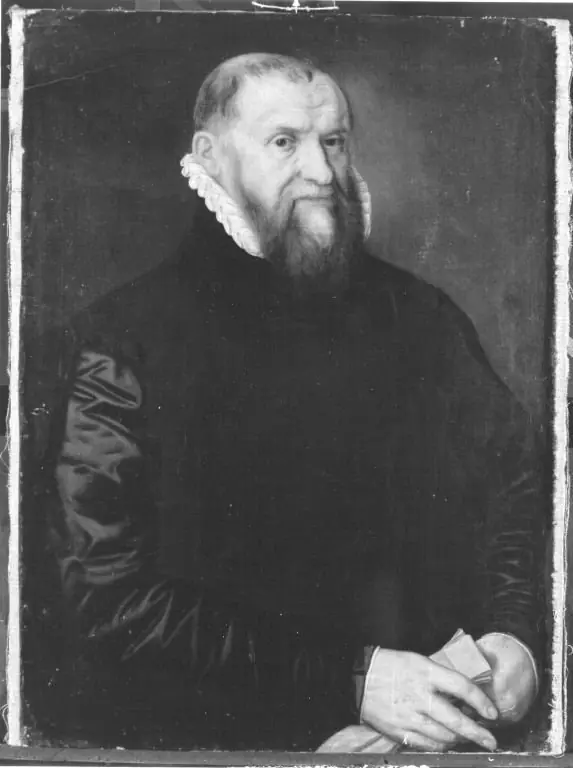
- Bildnis eines Mannes (Art des)
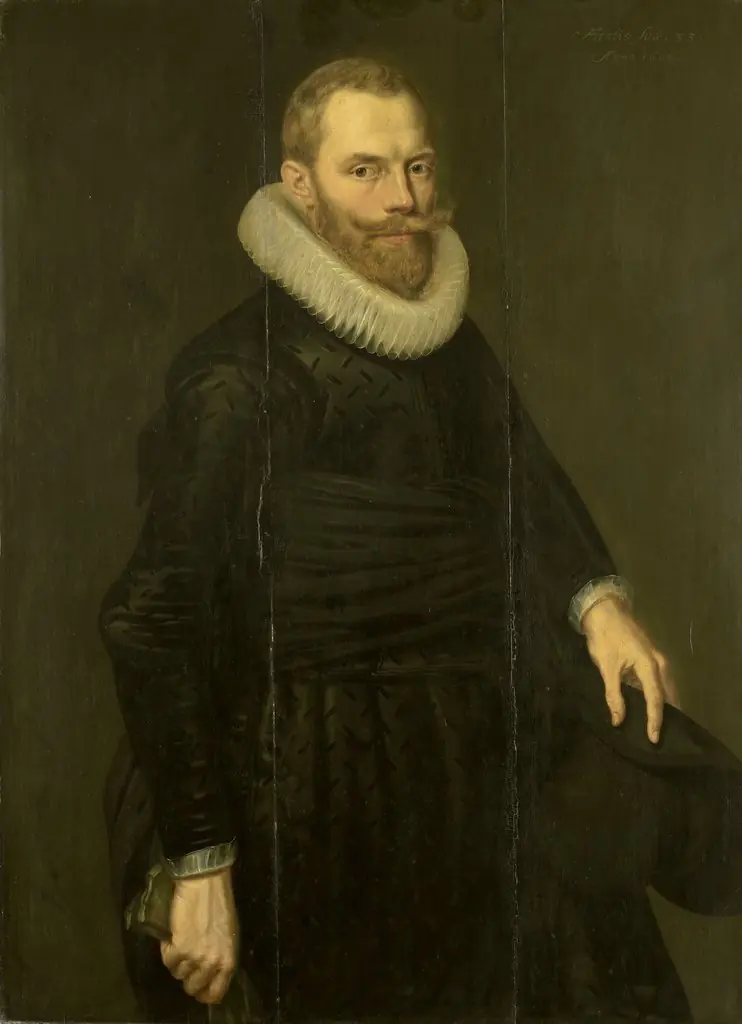 Portrait of Dirck Hasselaer (1581-1645)
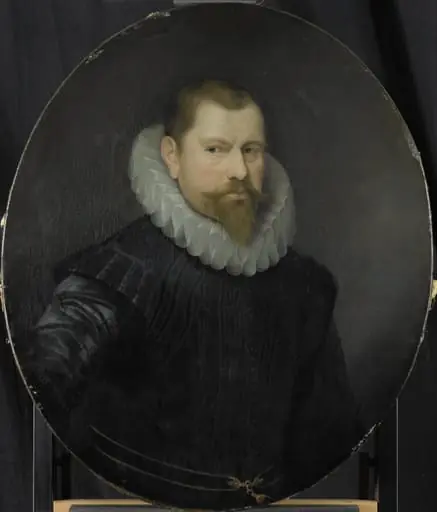 Portrait of Cornelis Matelieff the Younger, Director of the Rotterdam Chamber of the Dutch East India Company, elected 1602
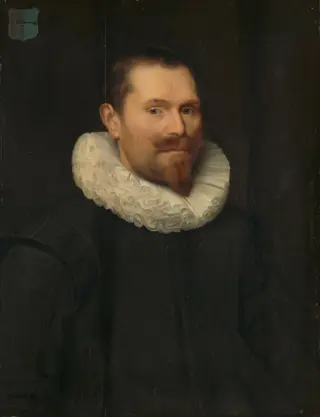 Portrait of a man
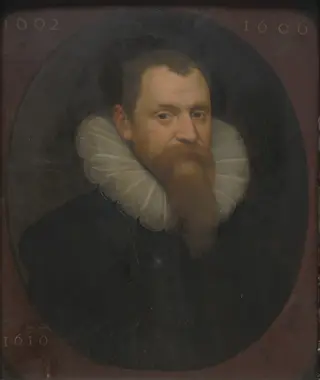 Portrait of a Man
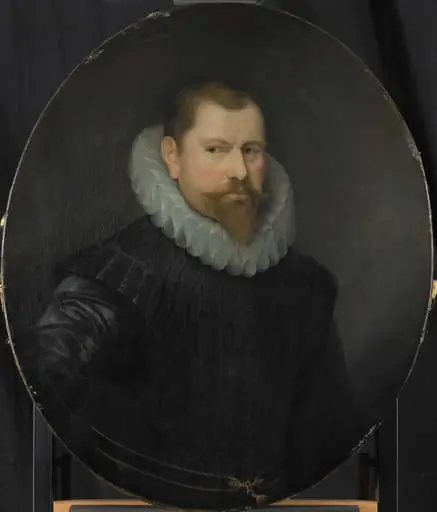 Portrait of Cornelis Matelieff the Younger, Director of the Rotterdam Chamber of the Dutch East India Company, elected 1602
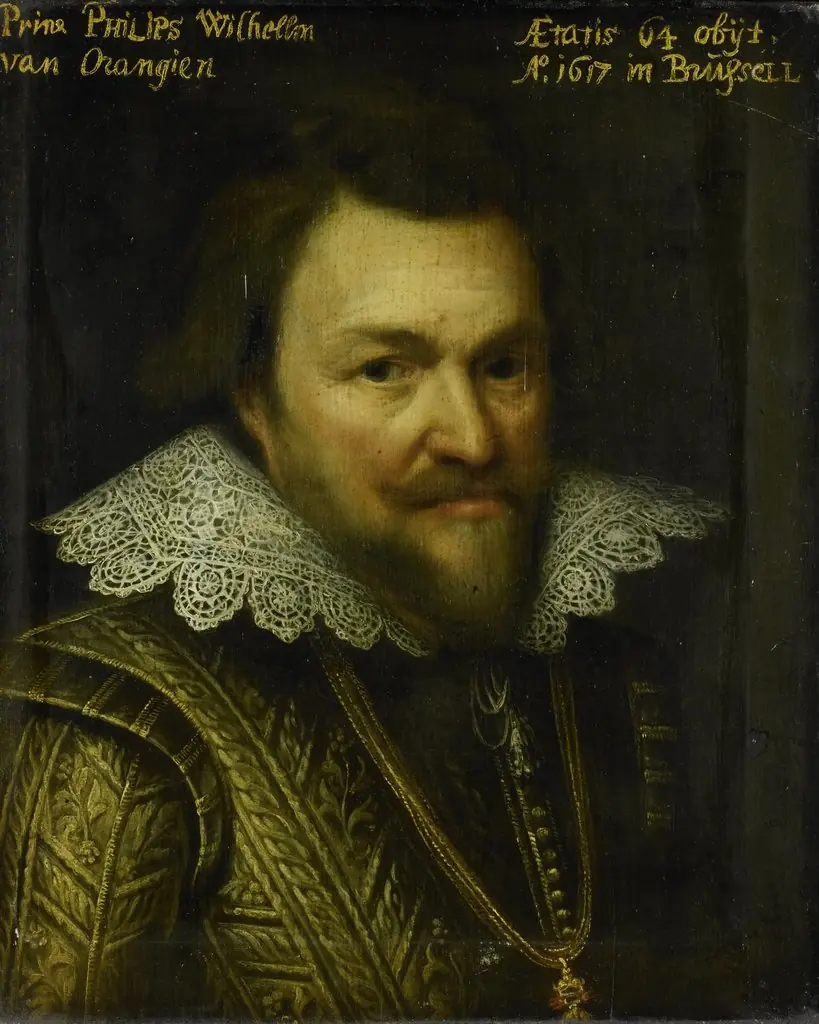 Portrait of Philips Willem (1554-1618), Prince of Orange
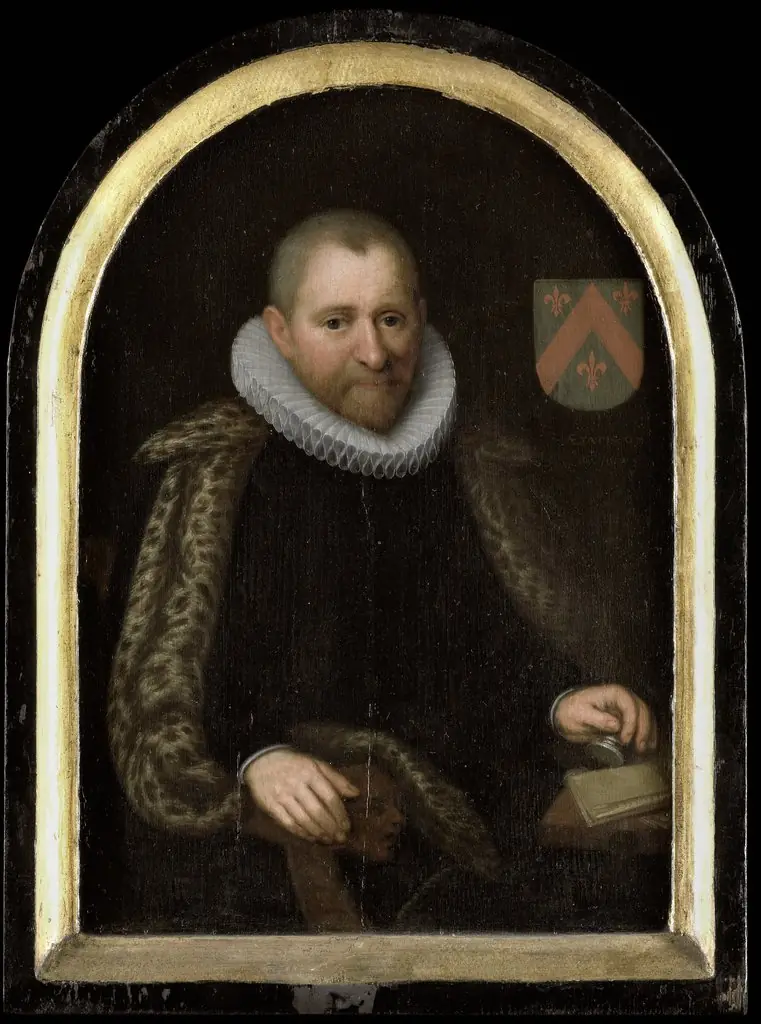 Portrait of Gerrit Willemsz Overrijn van Schoterbosch (c. 1538-1611)
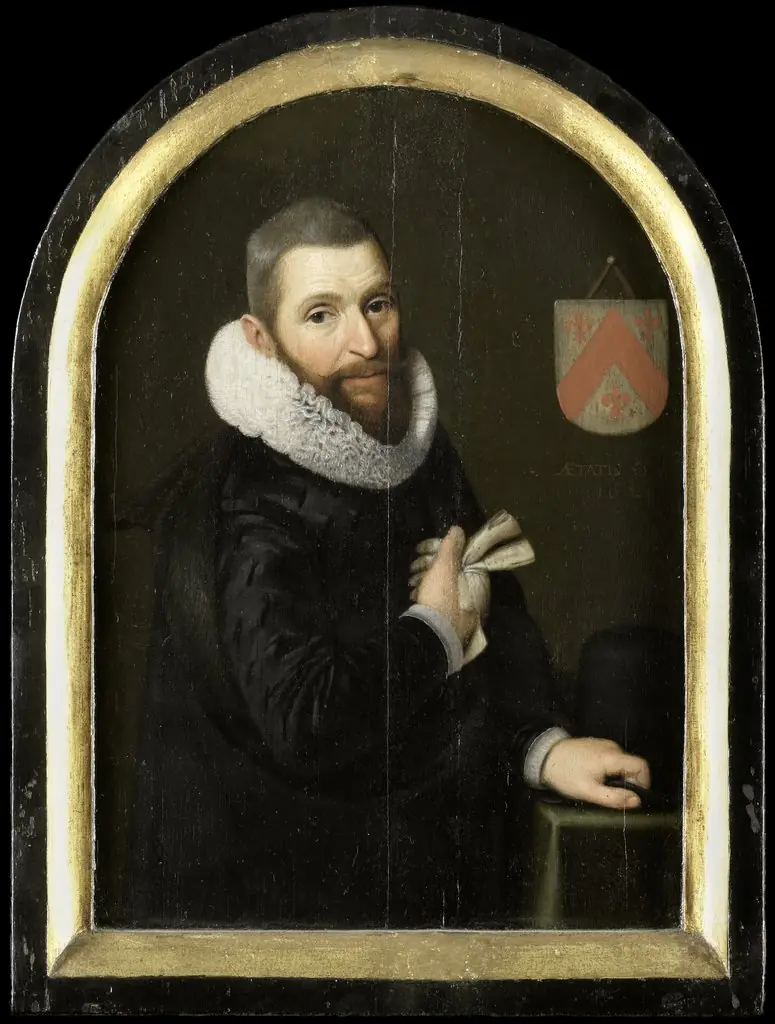 Portrait of Johan Gerritsz van Schoterbosch (c. 1564-1654)
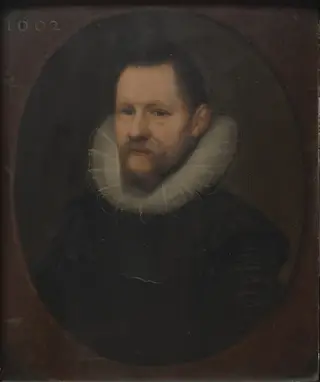 Portrait of a Man
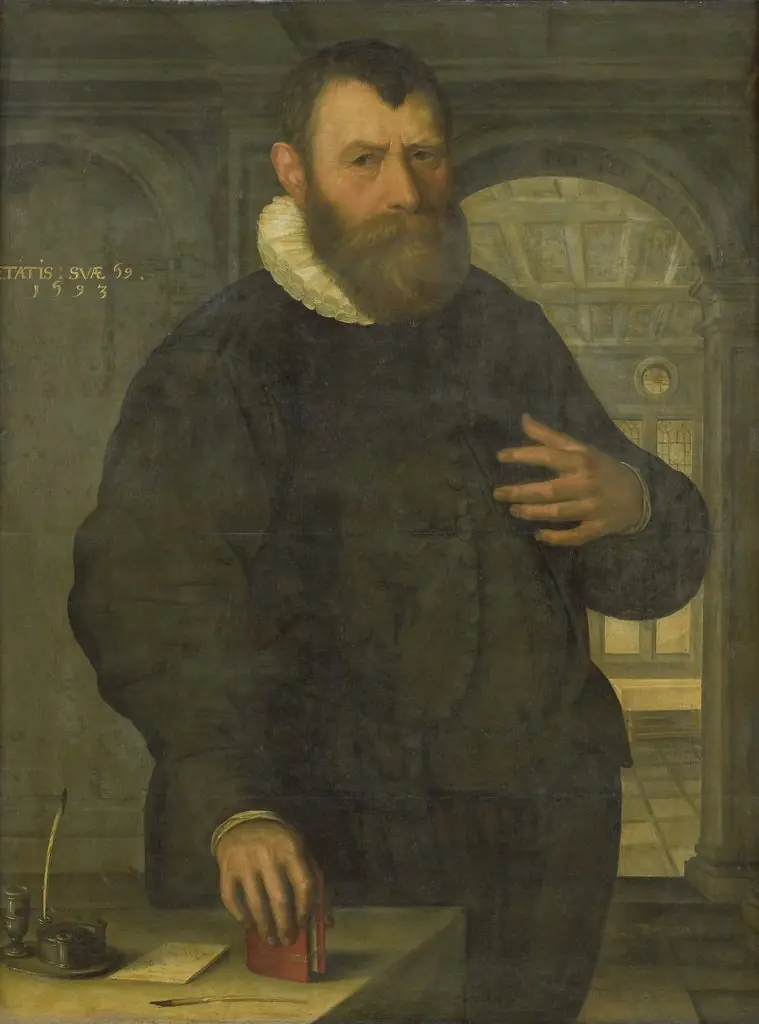 Portrait of Bartholomeus van der Wiere (1534-1603)
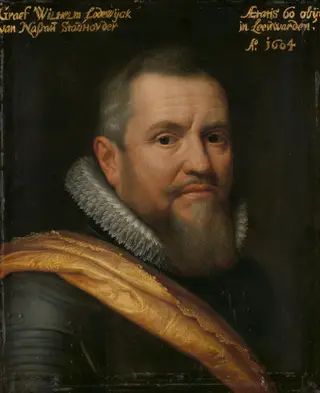 Untitled