Artwork
Father and Son
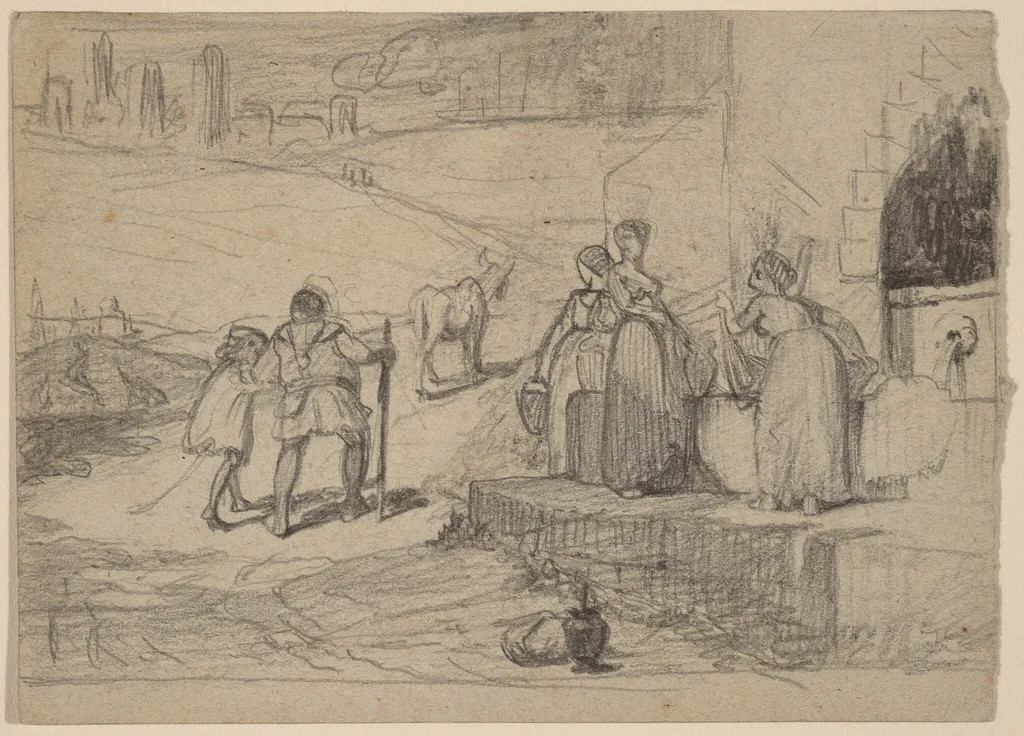
Father and Son is a graphite drawing by the Impressionist artist Elihu Vedder. It dates from 1859 and is held in the collection of the National Gallery of Art.
- Inscription
- Inscribed:lower right verso in graphite by unknown hand: 14
About this work
Overview
Father and Son is a graphite drawing on wove paper attributed to American artist Elihu Vedder, executed circa 1859. The work presents a modestly sized study of two figures, a seated elder and a younger companion, rendered in delicate, linear marks that emphasize gesture over detail.
Subject & Meaning
The composition focuses on an intimate encounter between an older man and a child, suggesting themes of lineage, guidance, or domestic routine. While no explicit narrative accompanies the image, the pairing invites contemplation of generational connection within a quotidian setting.
Technique & Style
Vedder employed swift, economical strokes of graphite to outline forms, allowing the paper’s texture to remain visible. The drawing’s sketch-like quality, with loosely suggested background elements, aligns with the artist’s early practice of rapid studies that prioritize movement and atmosphere over finished polish.
History & Provenance
Created during Vedder’s formative years before his later fame as a symbolist illustrator, the piece reflects his early interest in narrative drawing. It remains part of a private collection, documented in catalogues of his early works, and has been referenced in scholarship on his pre‑symbolist period.
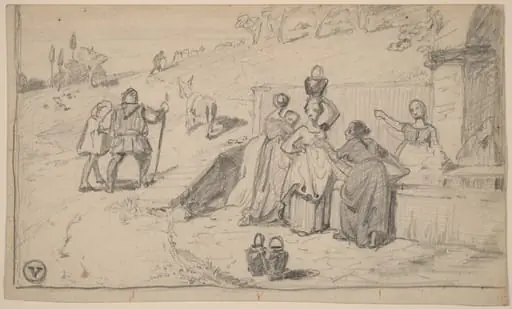
Own this work as a print
Artist & collection
Artist
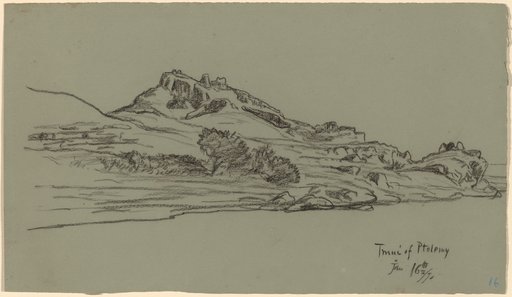
Elihu Vedder (26 February 1836 – 29 January 1923) was an American symbolist painter, book illustrator and poet from New York City.

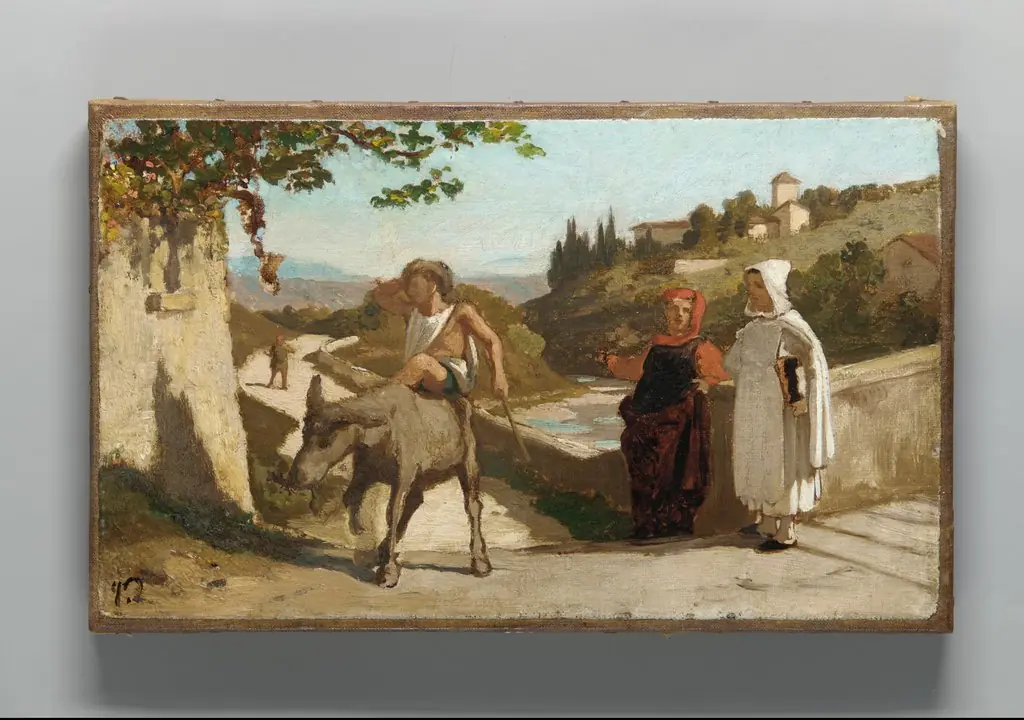 The Fable of the Miller, His Son, and the Donkey
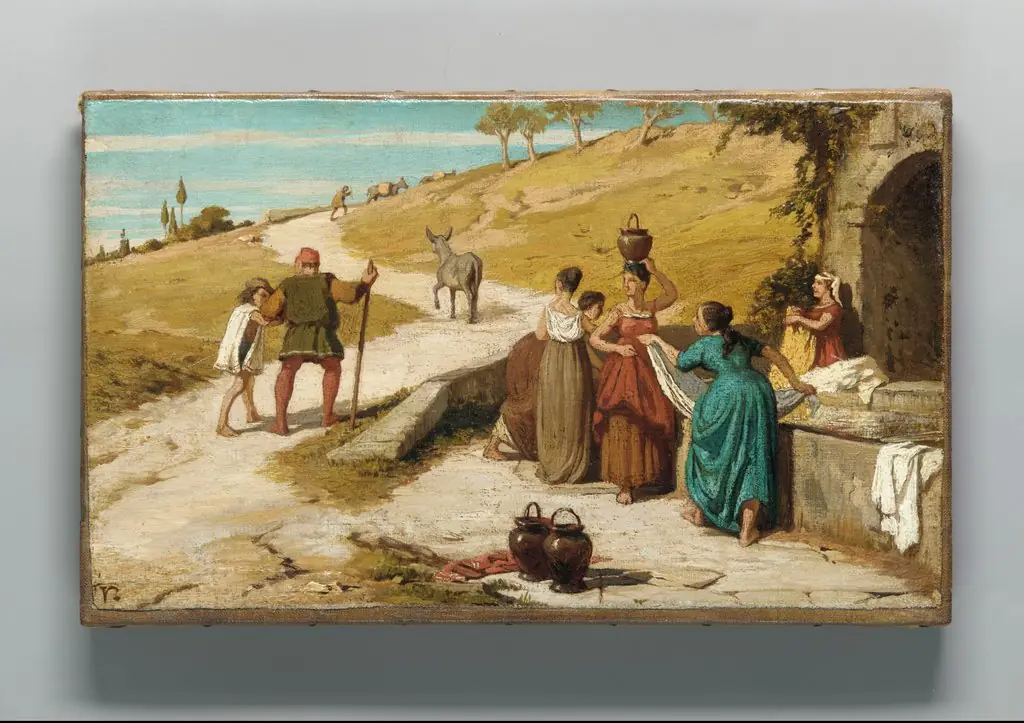 The Fable of the Miller, His Son, and the Donkey
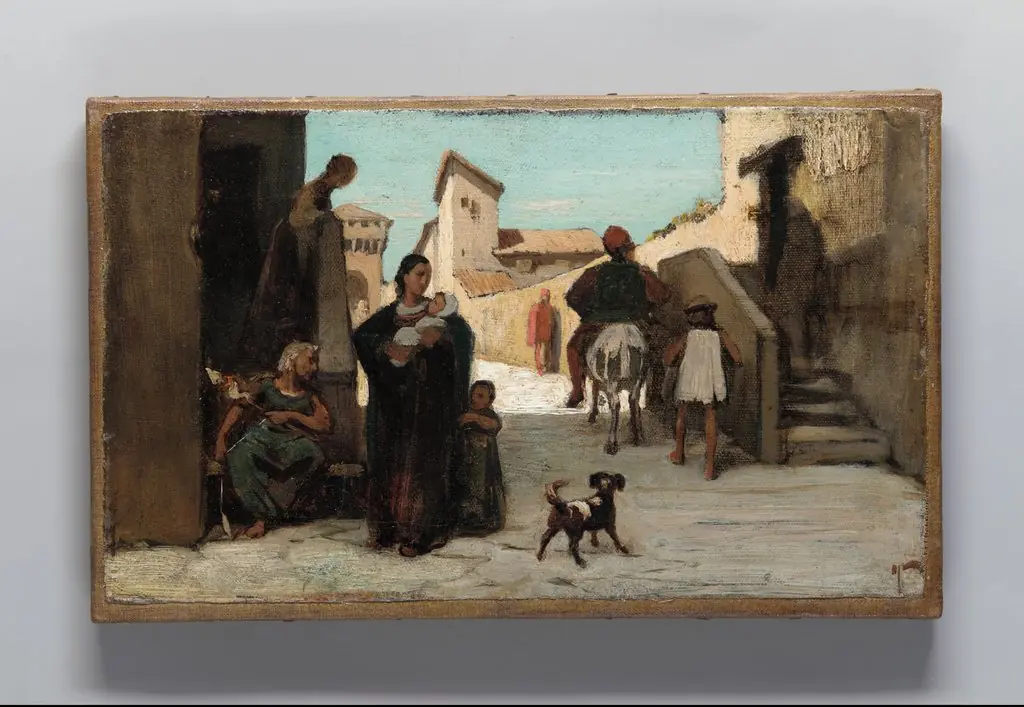 The Fable of the Miller, His Son, and the Donkey
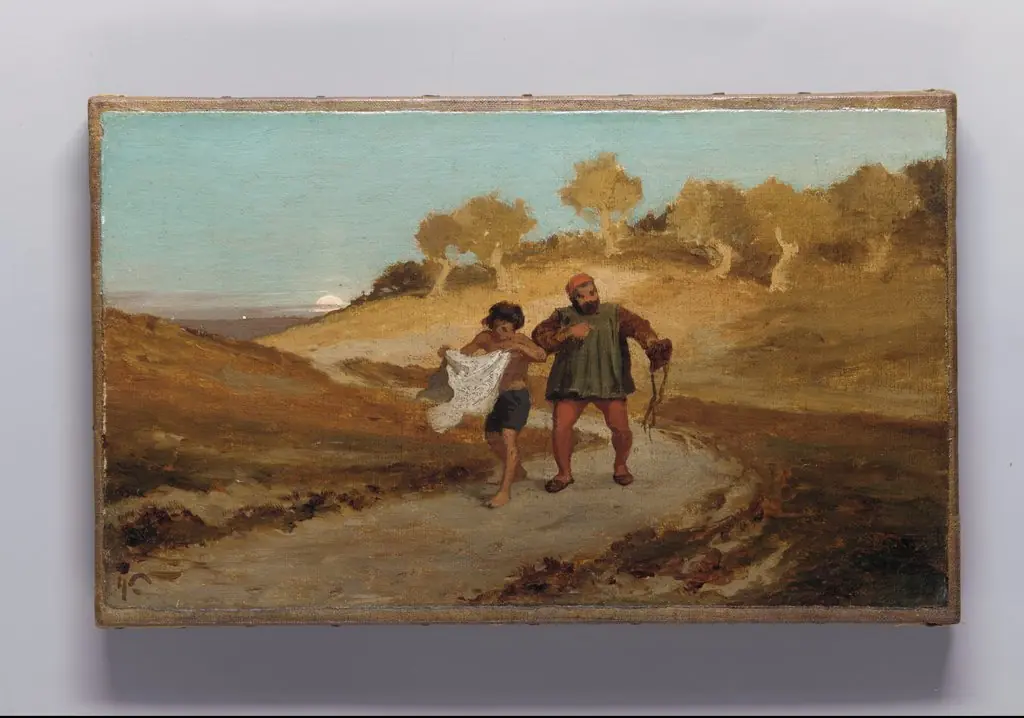 The Fable of the Miller, His Son, and the Donkey
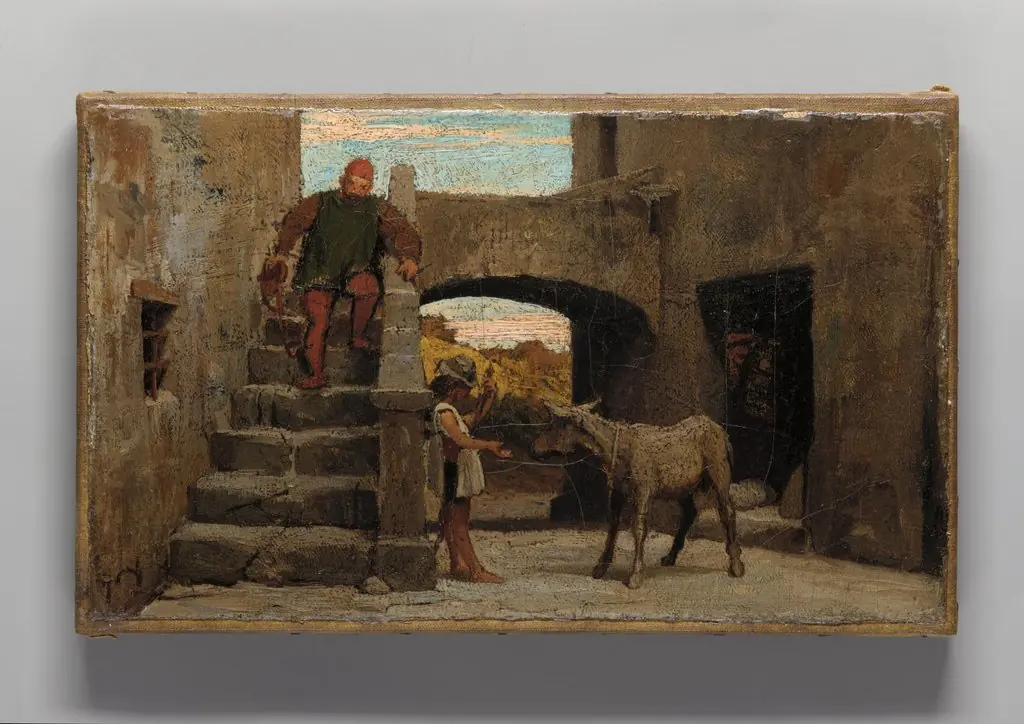 The Fable of the Miller, His Son, and the Donkey
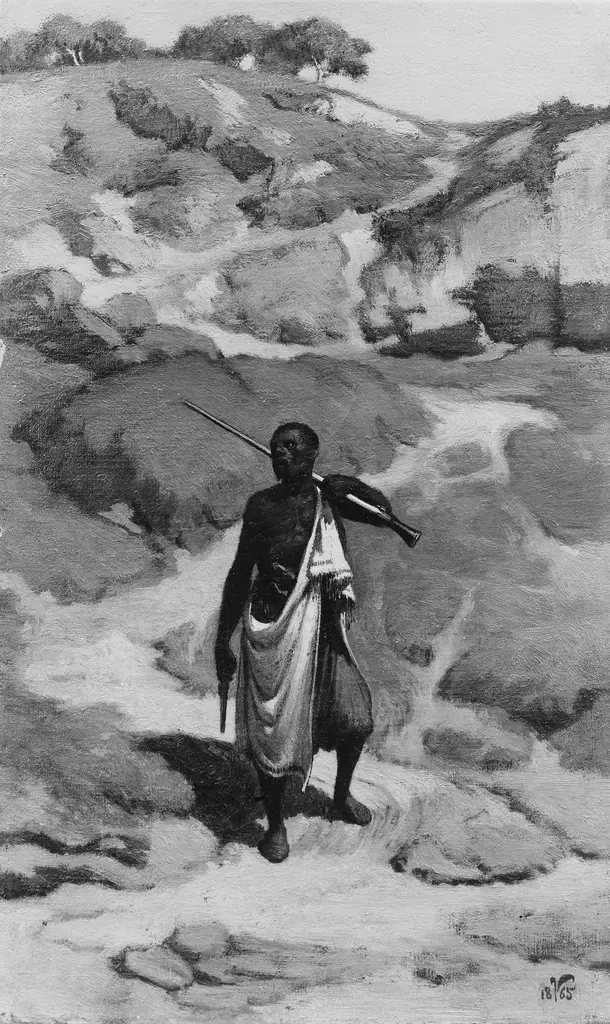 The African Sentinel
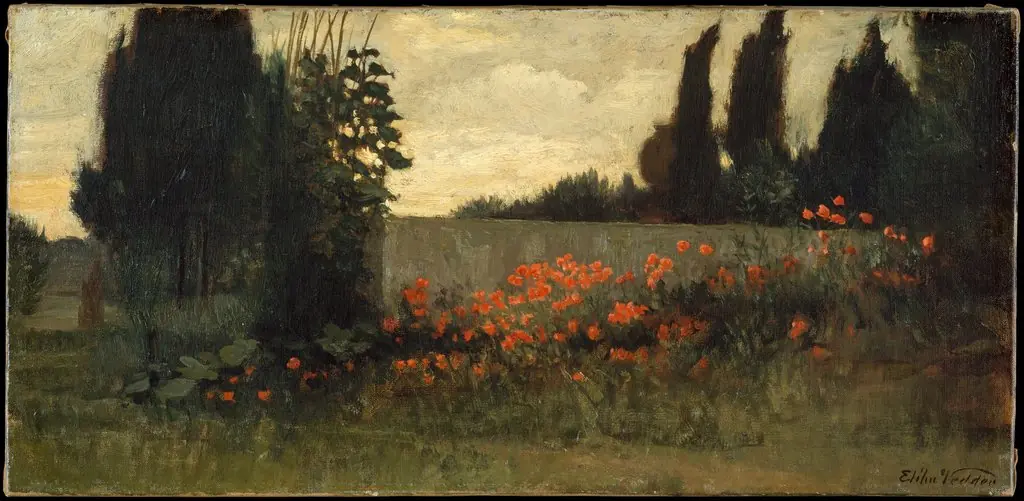 Cypress and Poppies
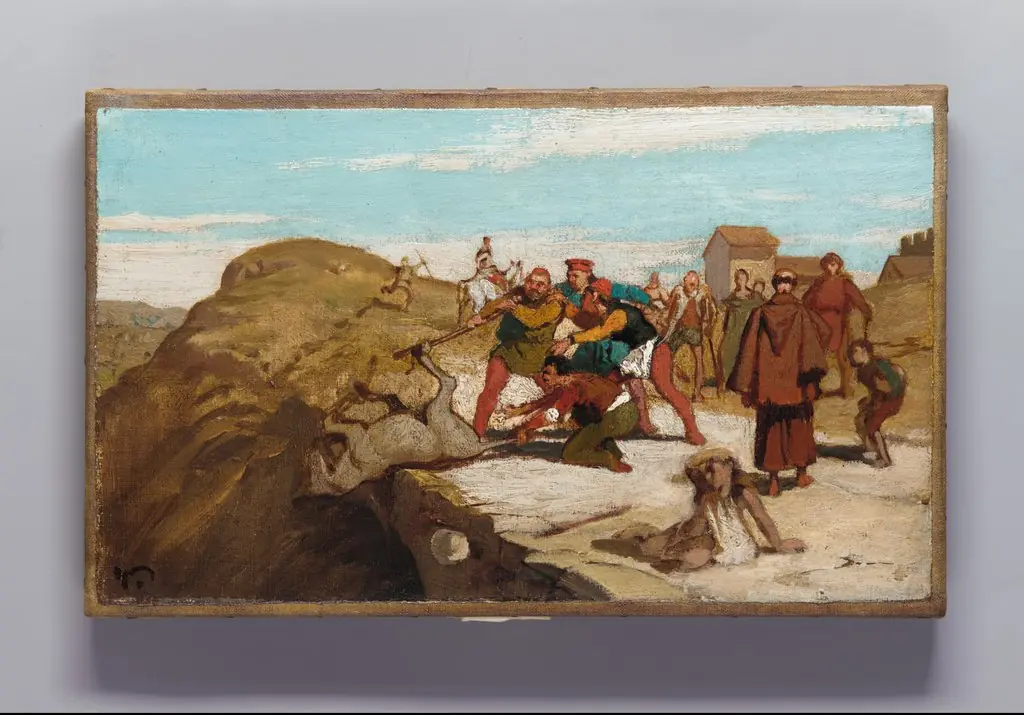 The Fable of the Miller, His Son, and the Donkey
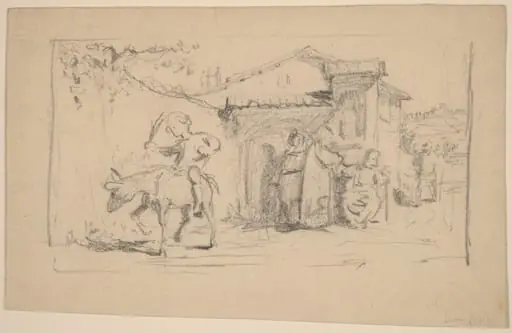 Son and Donkey
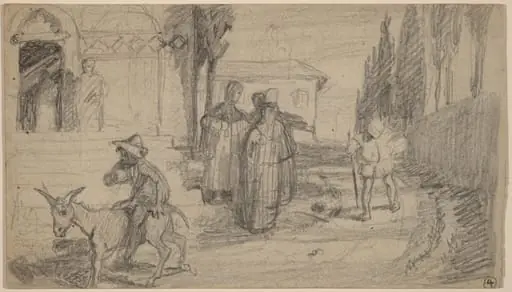 The Parable of the Miller and the Donkey
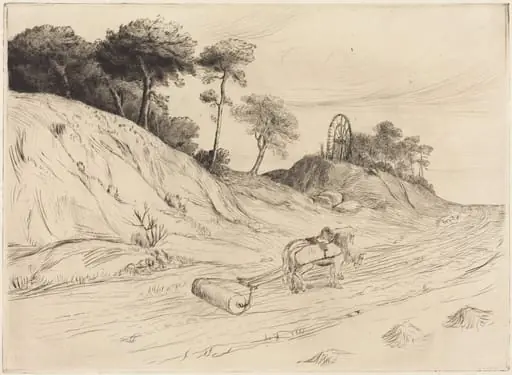 Landscape with Roller (Le paysage au rouleau)
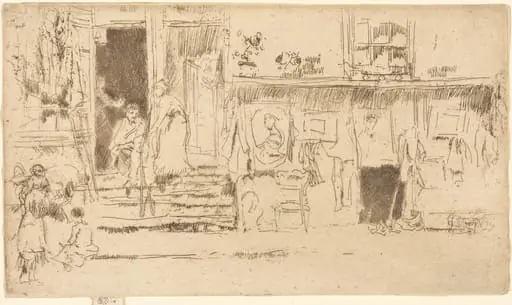 Old-Clothes Shop, No.II
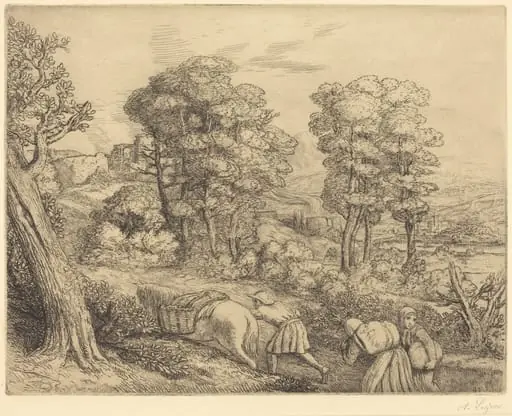 Return to the Farm (Le retour a la ferme)
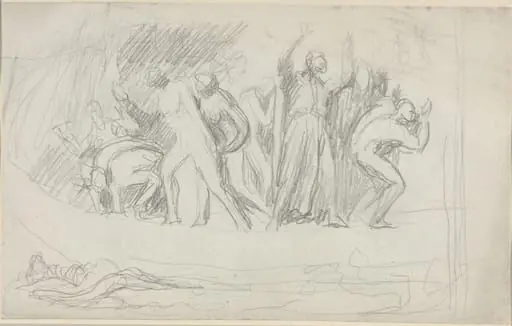 Study for "The Deluge"
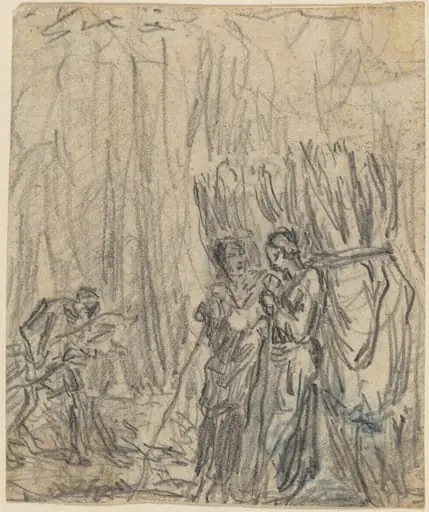 Gleaners
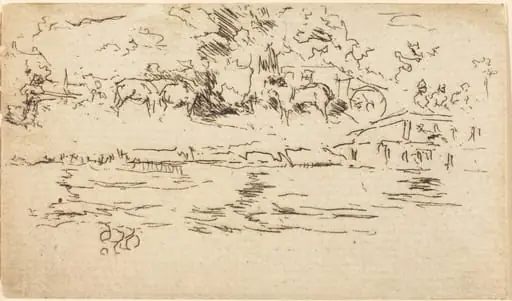 The Towing-Path
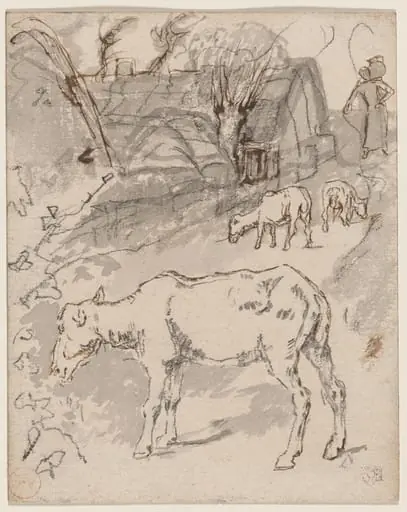 Three Sheep by a Cottage (recto)/Sketches of Cows (verso)
 The Dismissal of Hagar
- Father and Son
 Son and Donkey