Artwork
Nile Journey, Feluccas (recto)
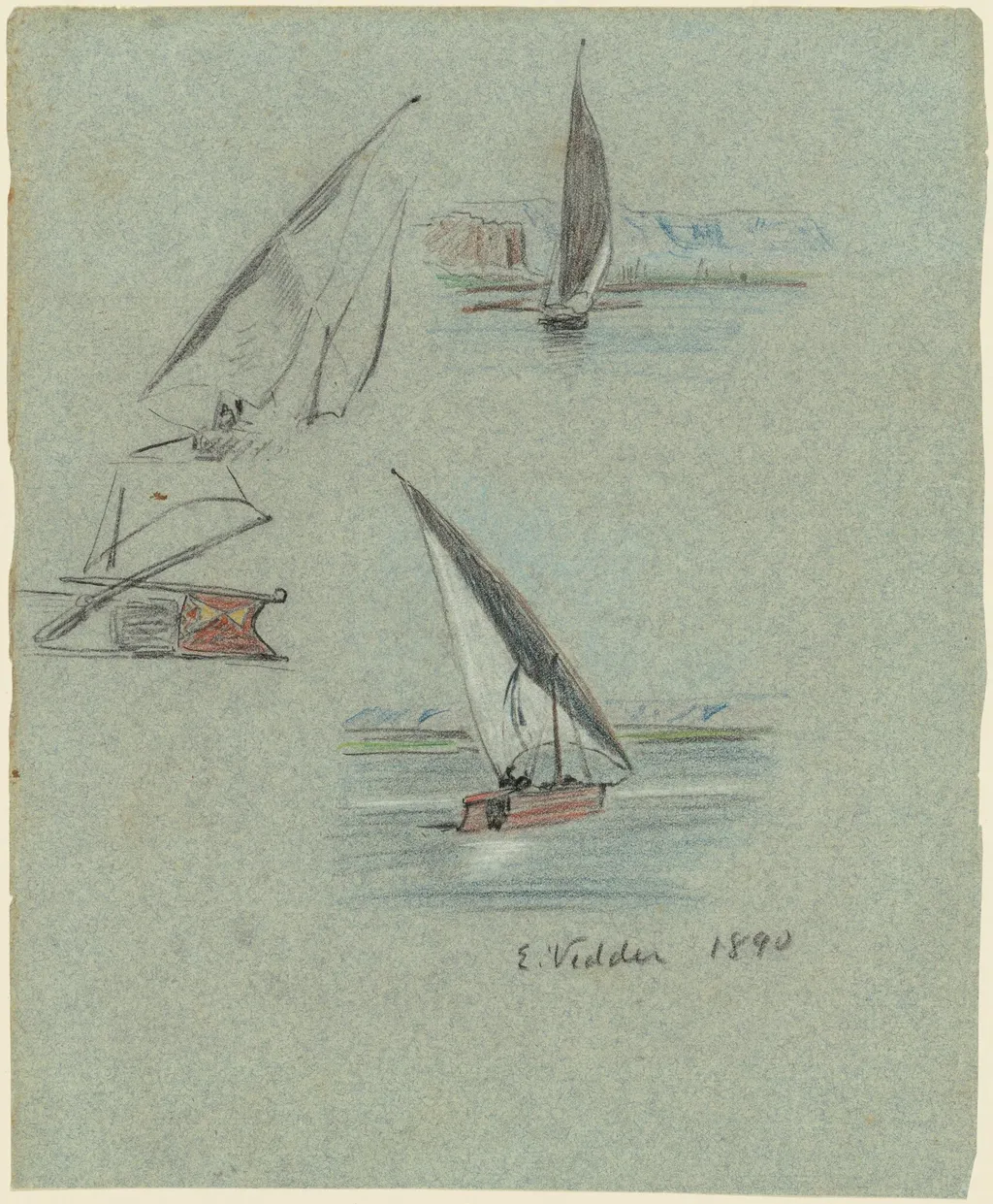
Nile Journey, Feluccas (recto) is a chalk drawing by the Impressionist artist Elihu Vedder. It dates from 1890 and is held in the collection of the National Gallery of Art.
- Inscription
- Inscribed:lower right in black chalk: E. Vedder 1890
About this work
Overview
Created in 1890, this drawing by American artist Elihu Vedder employs colored chalk on a blue paper support. The composition presents two feluccas, traditional sailboats of the Nile, gliding across a calm, blue‑green river surface. Vedder’s handling of line is swift and gestural, suggesting movement while maintaining a tranquil atmosphere.
Subject & Meaning
The work captures a moment of everyday river traffic on the Nile, focusing on the simple elegance of the feluccas and their masts. By isolating the vessels against a muted horizon, Vedder emphasizes the quiet rhythm of travel and the interplay of light on water, evoking a contemplative mood rather than a narrative scene.
Technique & Style
Vedder applied colored chalk directly onto the blue ground, allowing the paper’s hue to define the water’s tone. The drawing is characterized by loose, rapid strokes that outline the hulls, masts, and a modest cabin with a red roof. This economy of line reflects a sketch‑like immediacy, aligning with the artist’s broader symbolist sensibility.
History & Provenance
Elihu Vedder, known for his illustrations of Edward FitzGerald’s translation of The Rubaiyat of Omar Khayyam, produced this piece during a period of intense interest in exotic locales. While specific ownership records are limited, the drawing is catalogued among his late‑19th‑century works that explore travel and landscape themes.
Own this work as a print
Artist & collection
Artist
Elihu Vedder (26 February 1836 – 29 January 1923) was an American symbolist painter, book illustrator and poet from New York City.

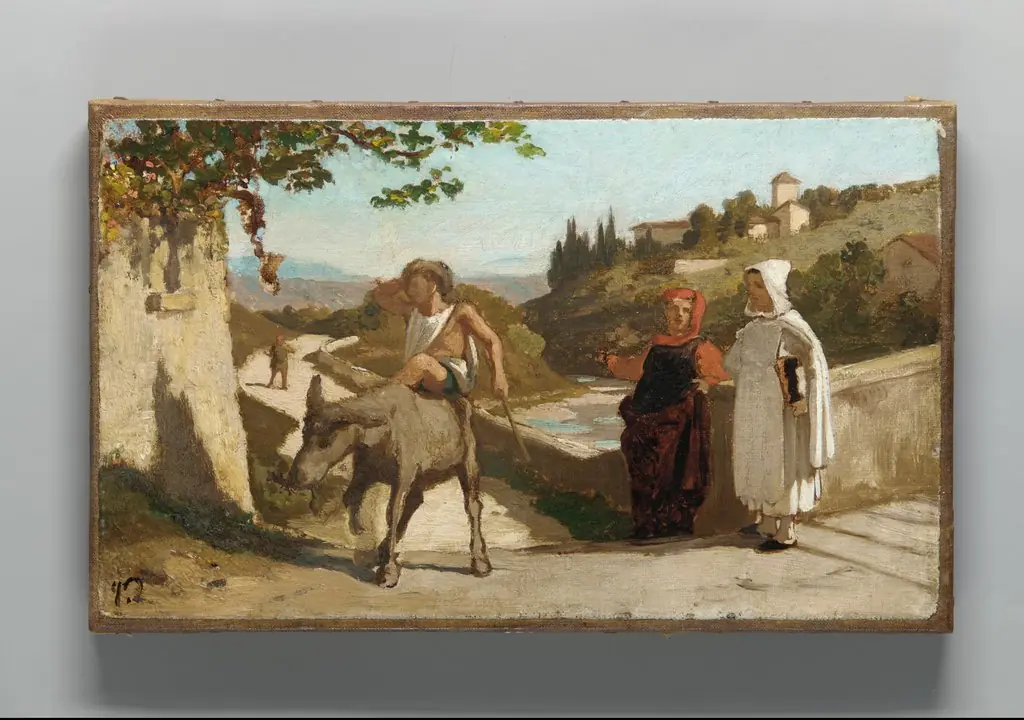 The Fable of the Miller, His Son, and the Donkey
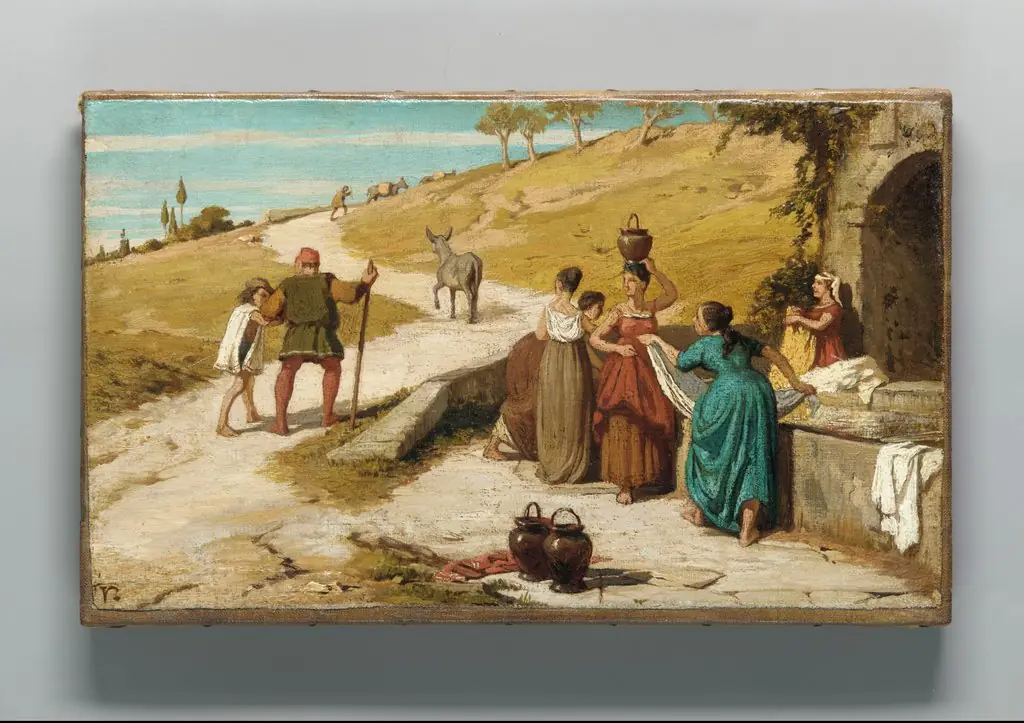 The Fable of the Miller, His Son, and the Donkey
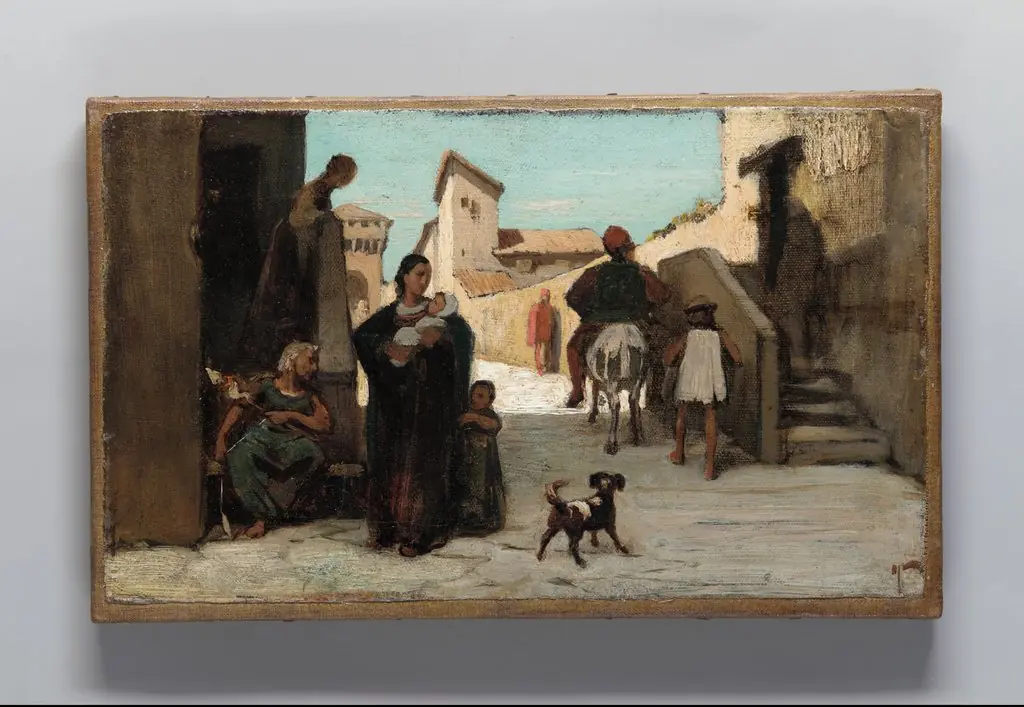 The Fable of the Miller, His Son, and the Donkey
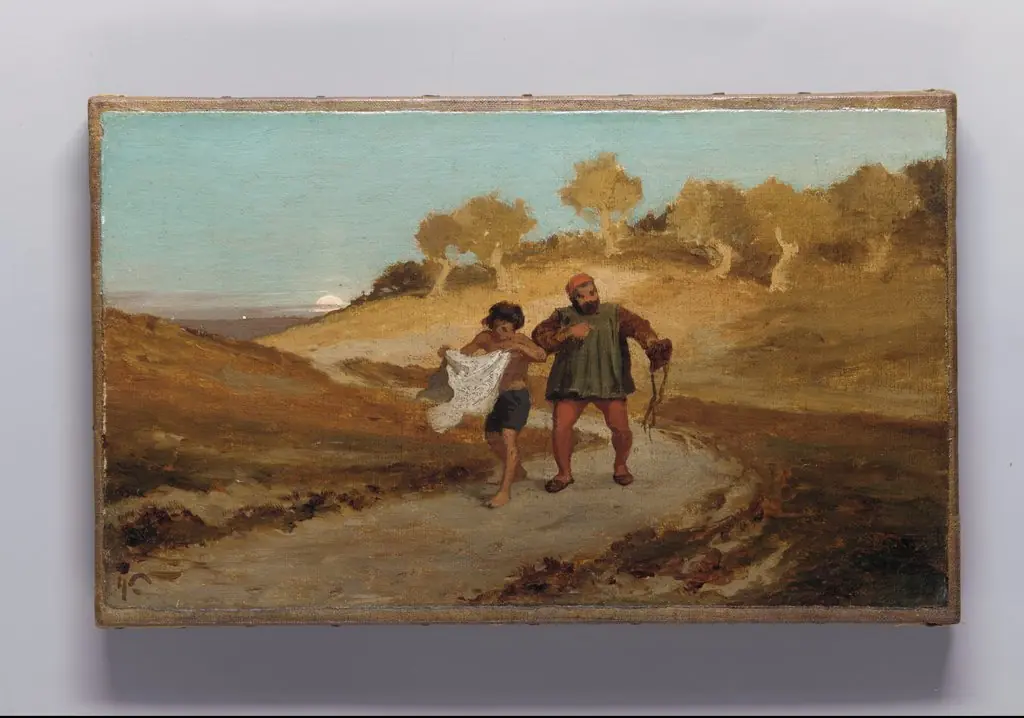 The Fable of the Miller, His Son, and the Donkey
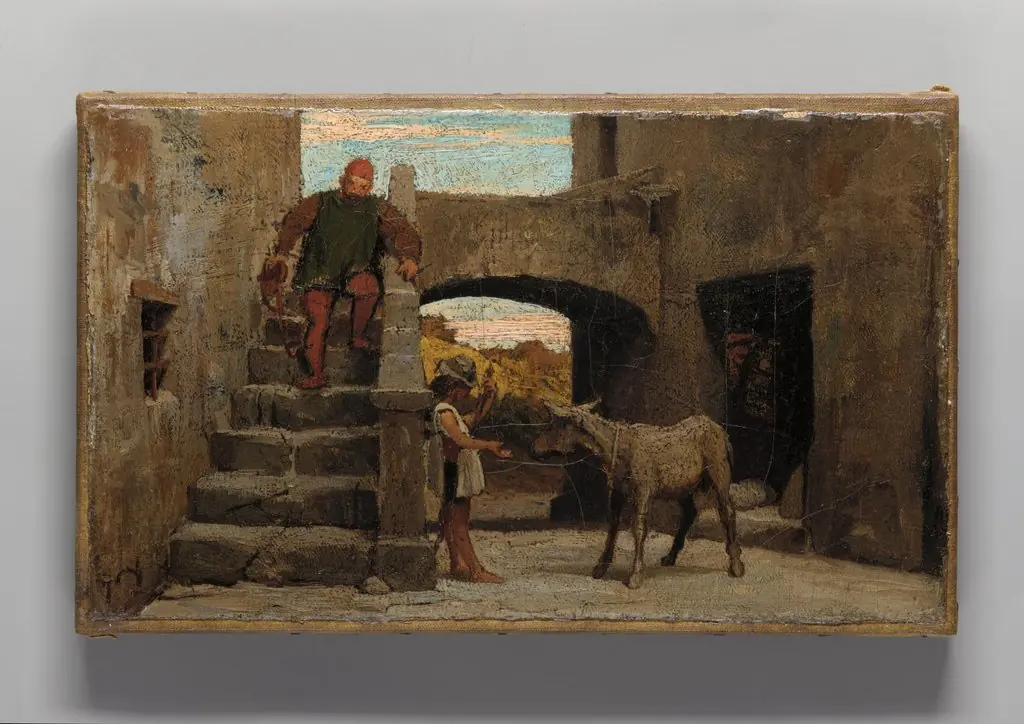 The Fable of the Miller, His Son, and the Donkey
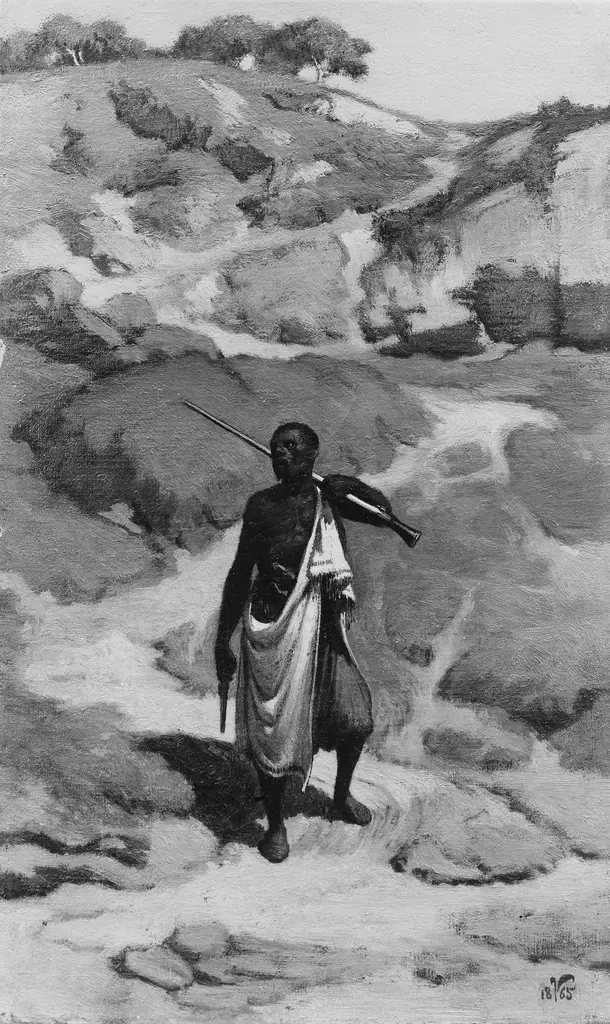 The African Sentinel
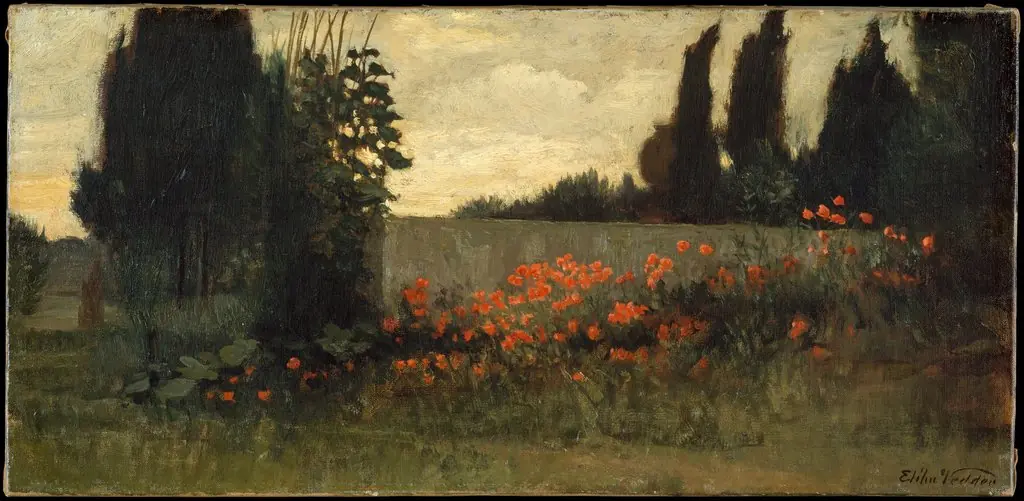 Cypress and Poppies
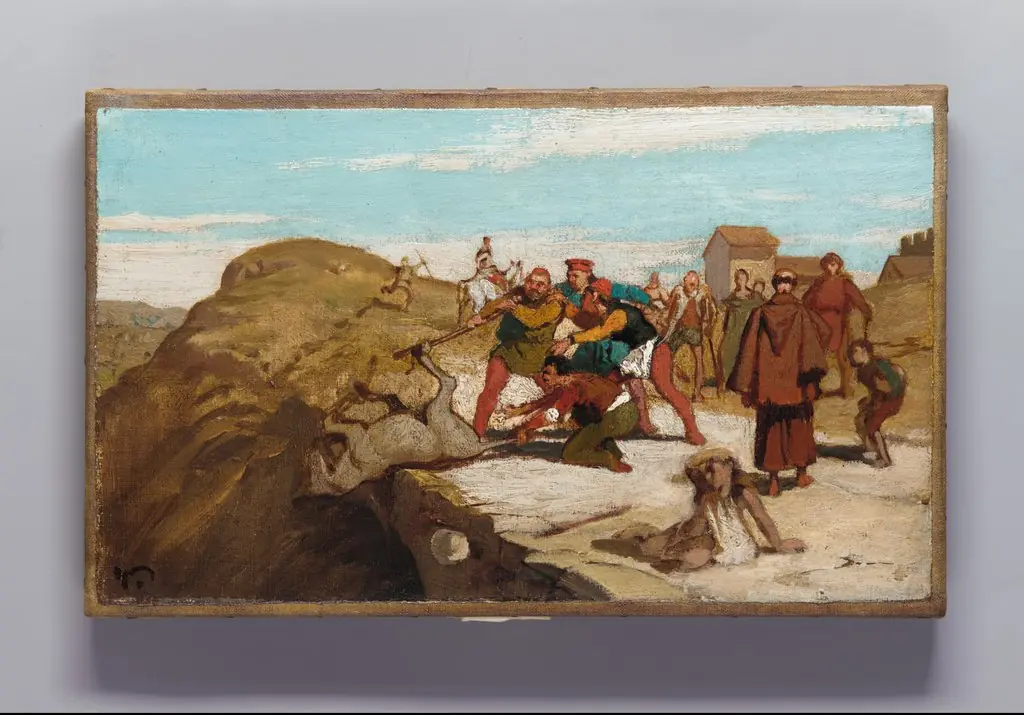 The Fable of the Miller, His Son, and the Donkey
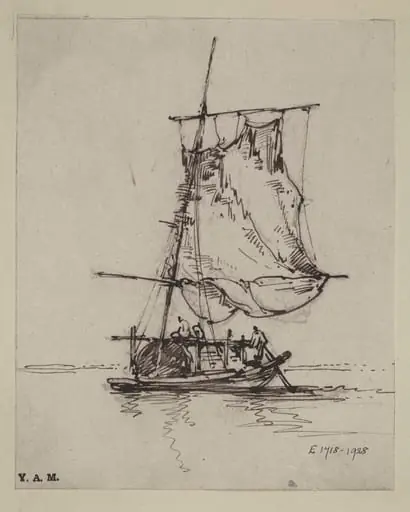 A drawing by George Chinnery of a Tanka boat with a large sail or net raised
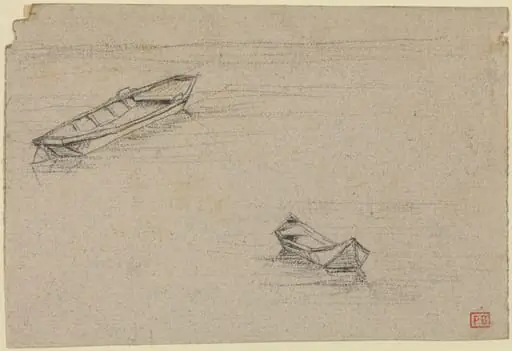 Two Boats for "L'Abside de Notre-Dame de Paris"
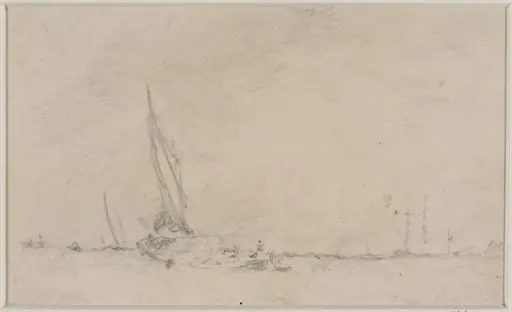 River Scene with bridge
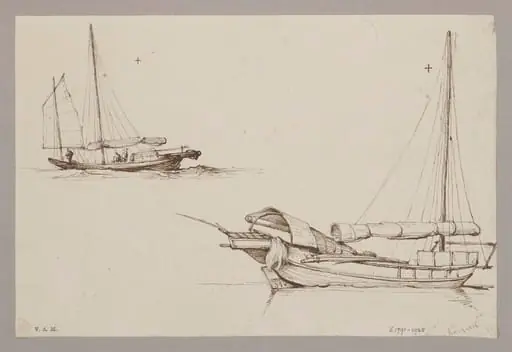 Small Chinese junks
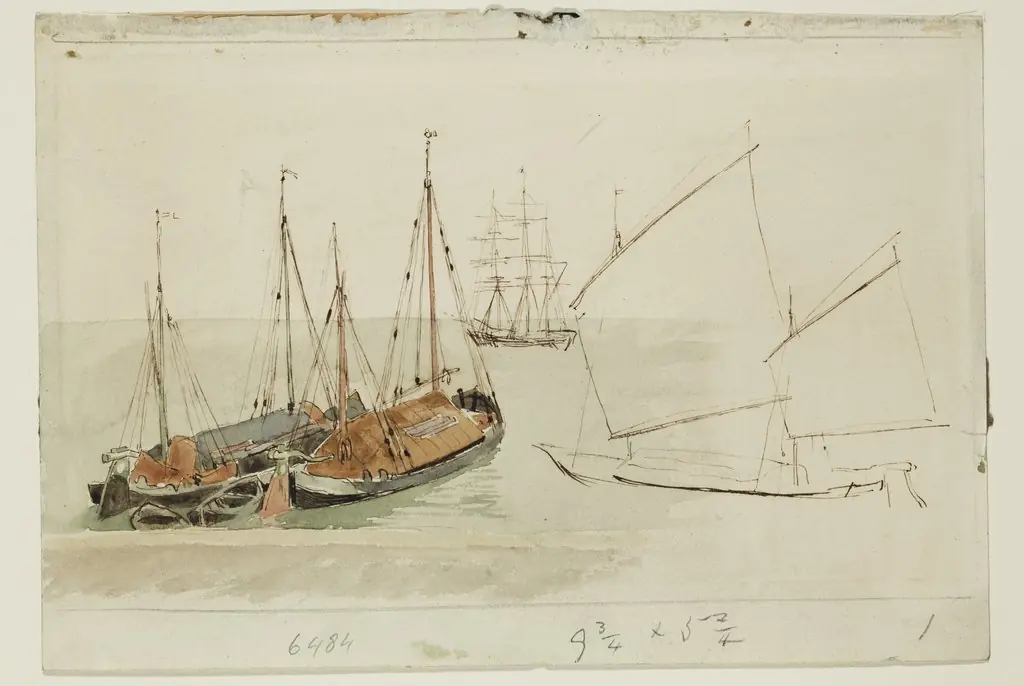 Marine
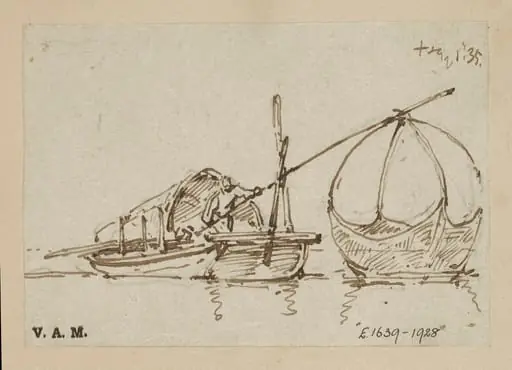 A Tanka boat with a figure operating a lift net
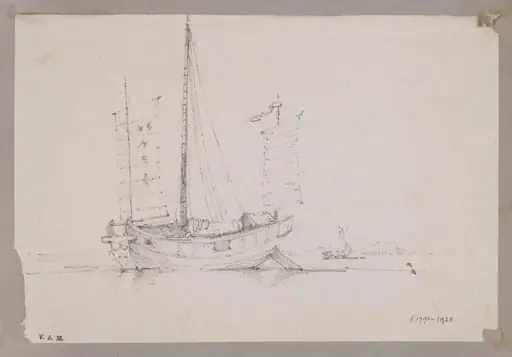 A Chinese junk
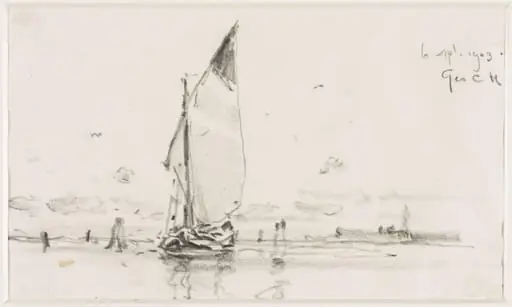 On the Lagoons, Venice.
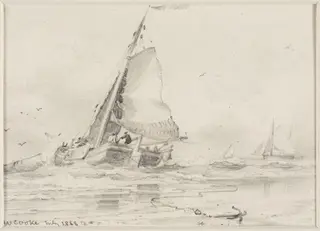 Sailing barges off shore
 Boats at Anchor
 Two drawings: a small tethered boat, and a sketch of figures with utensils
- Nile