Artwork
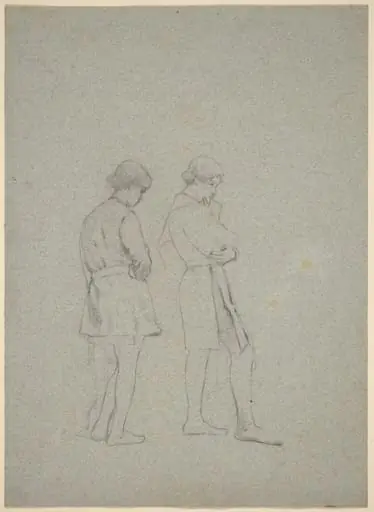
Study after Gozzoli
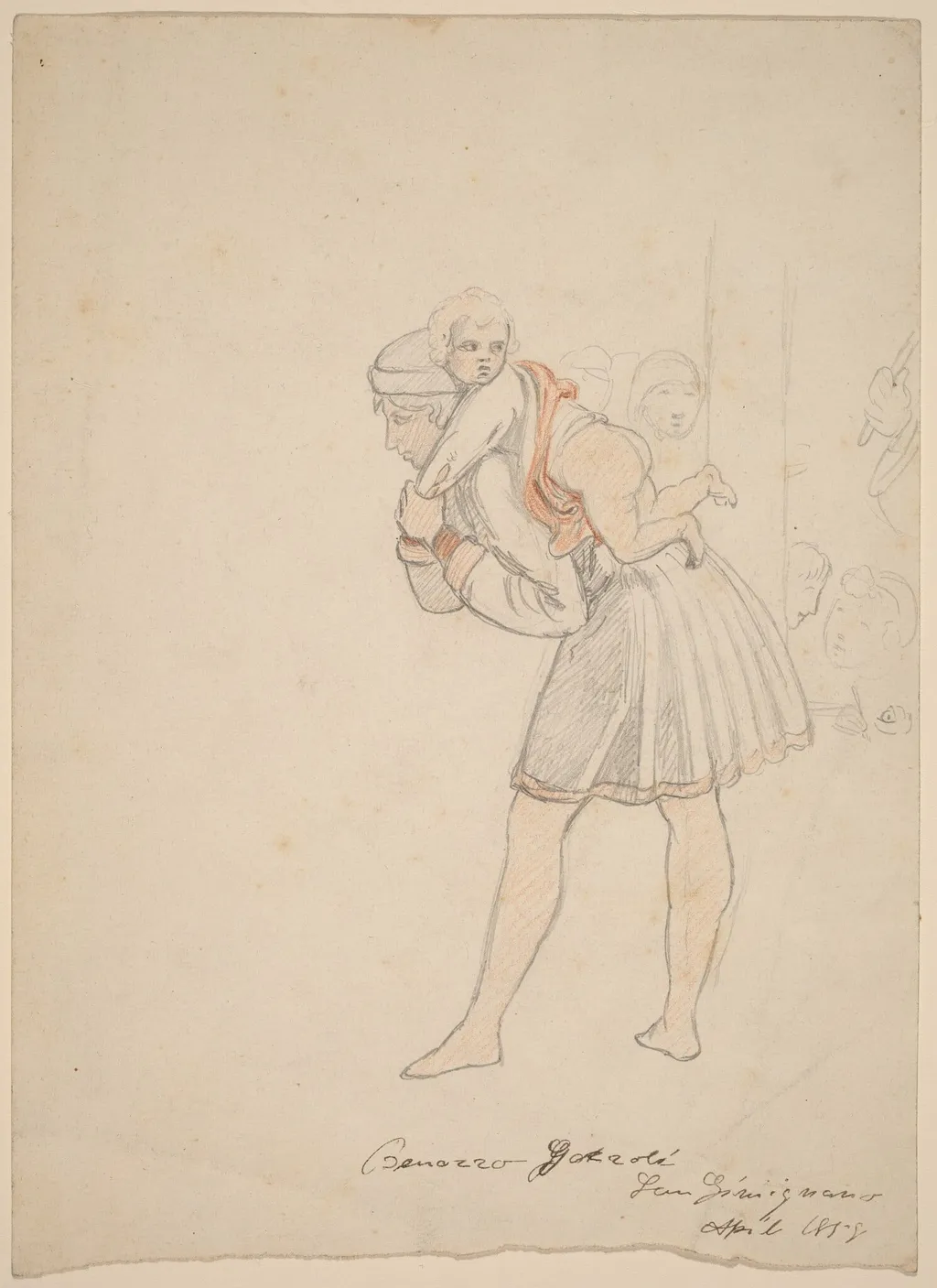
Study after Gozzoli is a graphite drawing by the Impressionist artist Elihu Vedder. It dates from 1858 and is held in the collection of the National Gallery of Art.
- Inscription
- Inscribed:lower center in pen and ink: Genozzo Gozzoli / San Gimignano / April 1858; by later hand, lower center verso in graphite circled: 20 (circled, upside down)
About this work
Overview
The work exemplifies the practice of direct emulation common among 19th-century American artists seeking to deepen their technical and visual vocabulary.
Created in 1858 by American artist Elihu Vedder, this drawing is a study executed in graphite and colored pencil on wove paper. It emerges from Vedder’s early engagement with European artistic traditions during his formative years, before he gained recognition for his illustrations of The Rubaiyat of Omar Khayyam. The work exemplifies the practice of direct emulation common among 19th-century American artists seeking to deepen their technical and visual vocabulary.
Subject & Meaning
The drawing is not an original composition but a careful observation and reinterpretation of details from Benozzo Gozzoli’s Renaissance frescoes. Vedder focused on figure types, drapery, and compositional rhythms, using the exercise to internalize the formal language of 15th-century Italian painting. The subject matter reflects a scholarly interest in historical art rather than narrative invention.
Technique & Style
Vedder employed graphite for precise linear structure and colored pencil to suggest subtle tonal variations and surface texture. The handling is restrained, emphasizing clarity of form over expressive flourish. The use of wove paper, a relatively new material at the time, allowed for fine detail and smooth gradation, aligning with academic drawing practices of the period.
History & Provenance
The drawing was made during Vedder’s time in Europe, likely while he was studying in Rome or Florence. It remained in private hands for much of the 20th century before entering a public collection. Its survival as a working sketch offers insight into Vedder’s artistic development and the transmission of Renaissance aesthetics across the Atlantic.
Context
In mid-19th-century America, artists frequently turned to European Old Masters as models for training and inspiration. Vedder’s study reflects a broader trend among his peers who traveled abroad to absorb classical and Renaissance traditions. Such exercises were considered essential for cultivating technical discipline and historical awareness in a young art world still defining its identity.
Legacy
Though not widely exhibited, this drawing remains a tangible record of Vedder’s intellectual engagement with Renaissance art. It illustrates how American artists of the era used drawing not merely as preparation but as a means of dialogue with the past. The work contributes to understanding the transatlantic flow of artistic ideas in the 19th century.
Own this work as a print
Artist & collection
Artist
Elihu Vedder (26 February 1836 – 29 January 1923) was an American symbolist painter, book illustrator and poet from New York City.

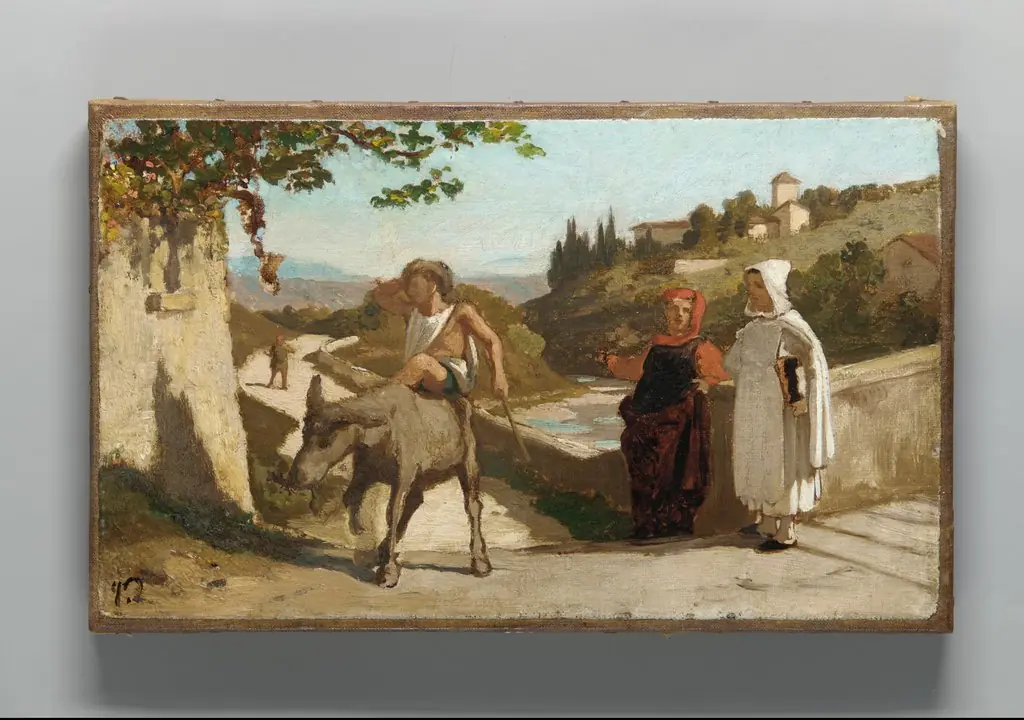 The Fable of the Miller, His Son, and the Donkey
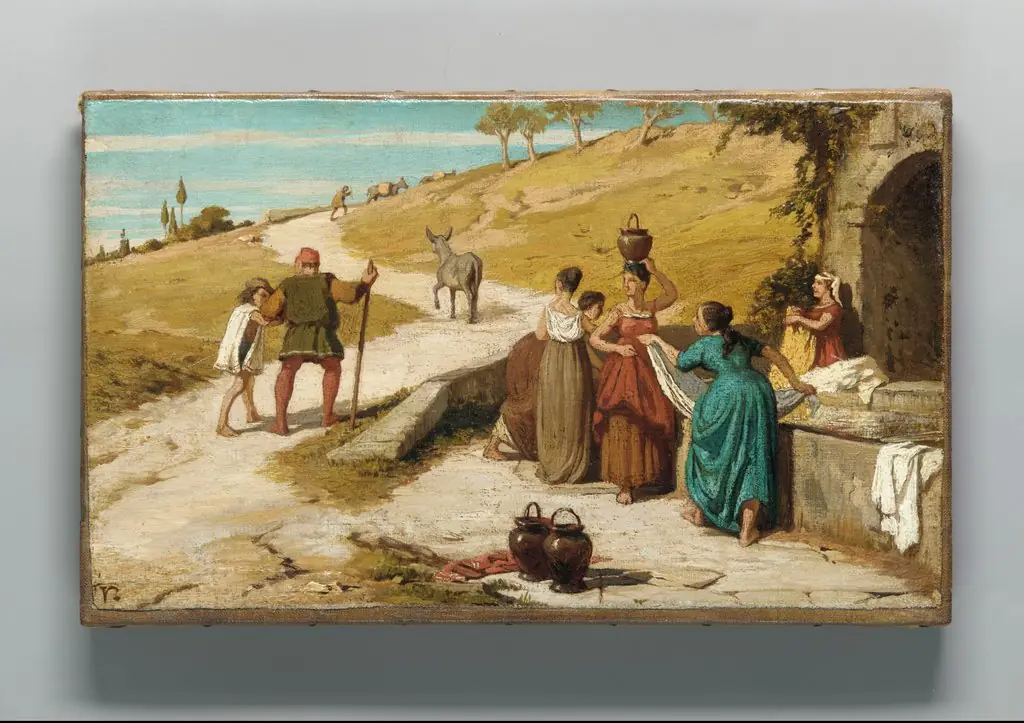 The Fable of the Miller, His Son, and the Donkey
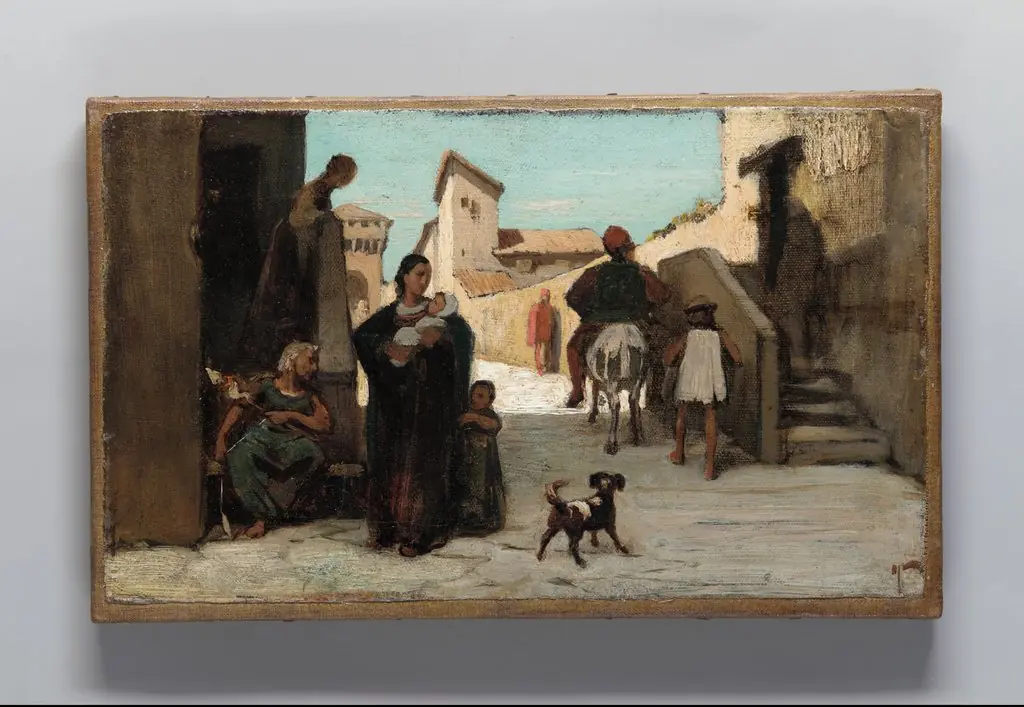 The Fable of the Miller, His Son, and the Donkey
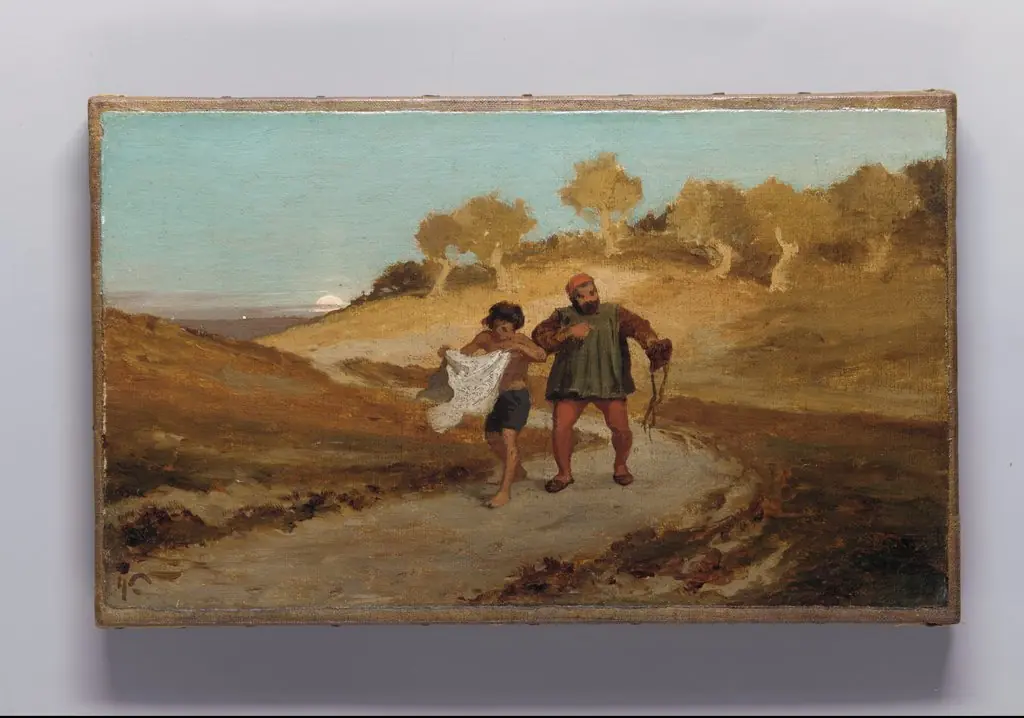 The Fable of the Miller, His Son, and the Donkey
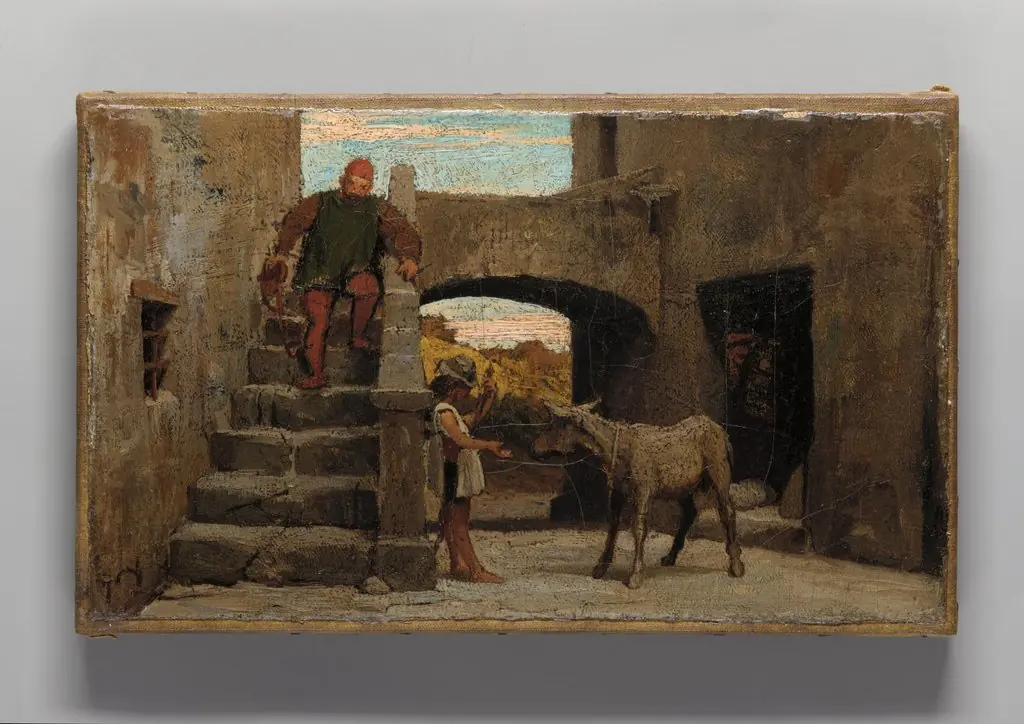 The Fable of the Miller, His Son, and the Donkey
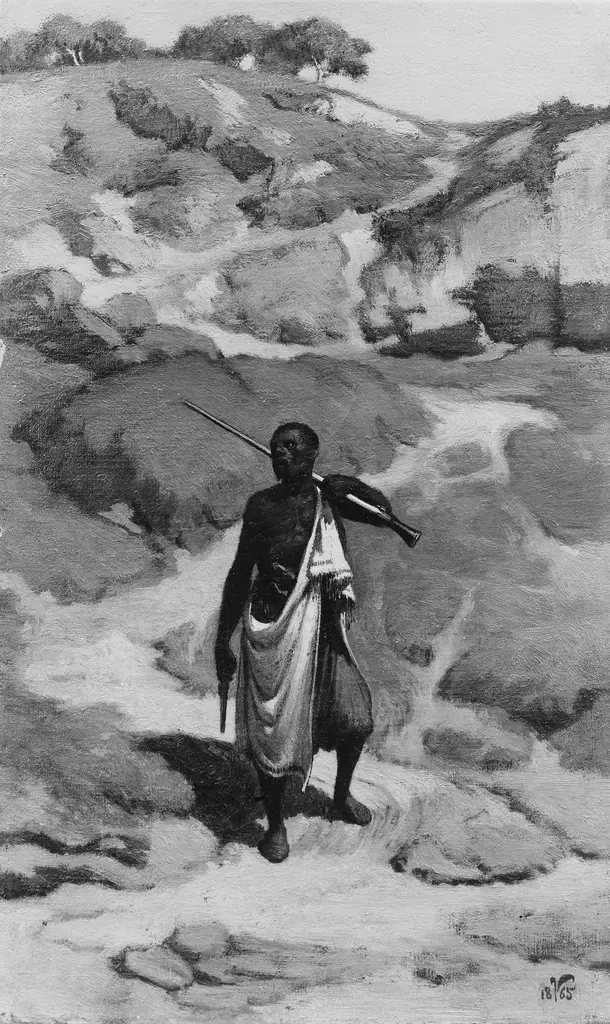 The African Sentinel
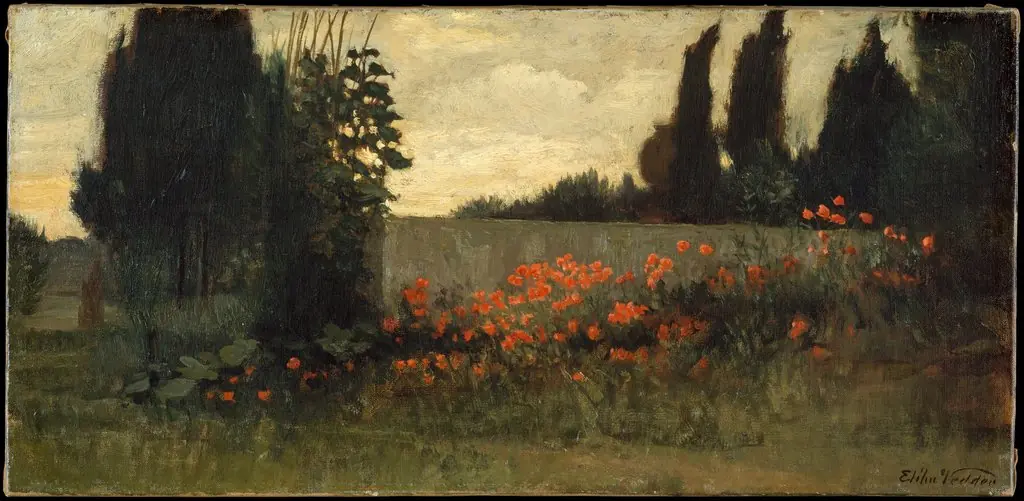 Cypress and Poppies
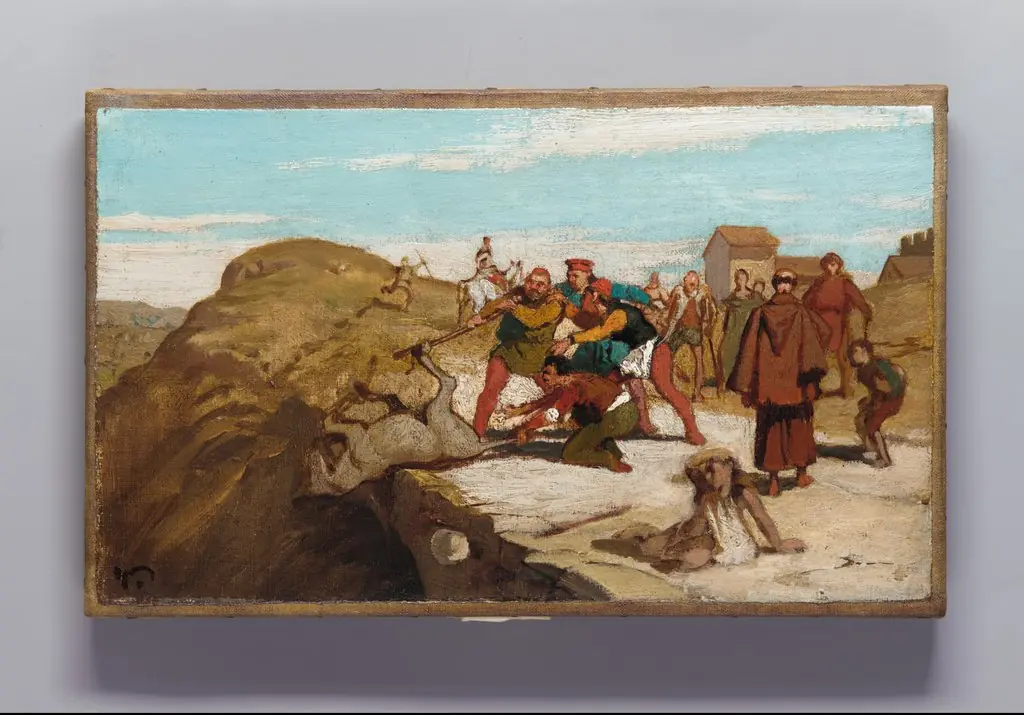 The Fable of the Miller, His Son, and the Donkey
- An Indian woman holding a child
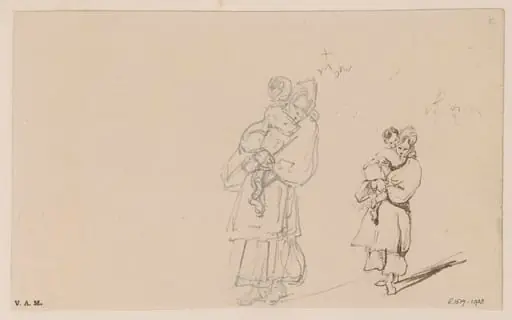 Two drawings of a boatwoman holding a child
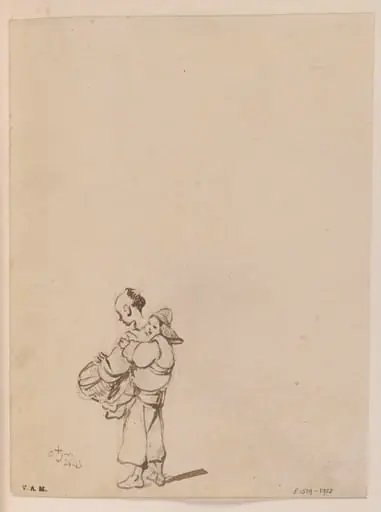 A Chinese figure carrying a child and a basket
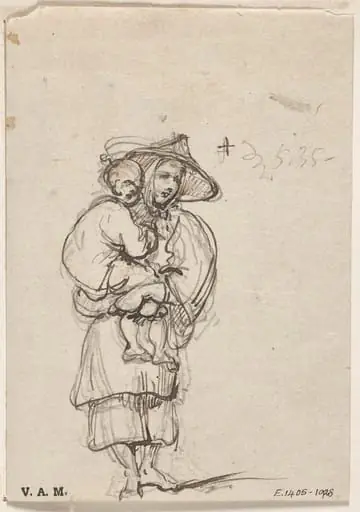 A boatwoman holding a child
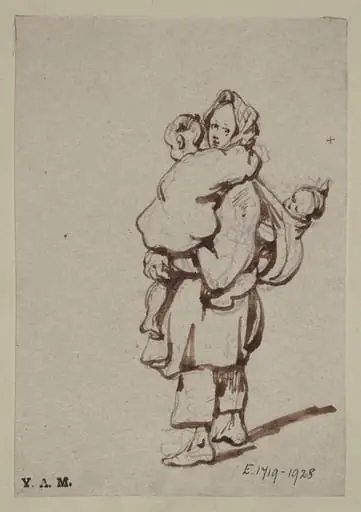 A boatwoman with two children
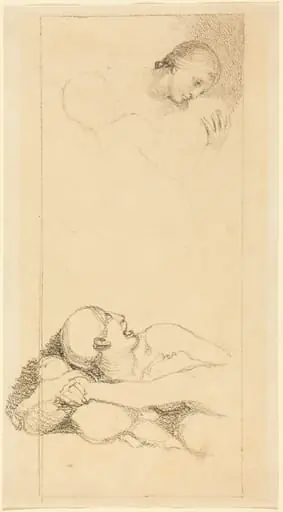 Frightened Man Looking Up; Woman and Children
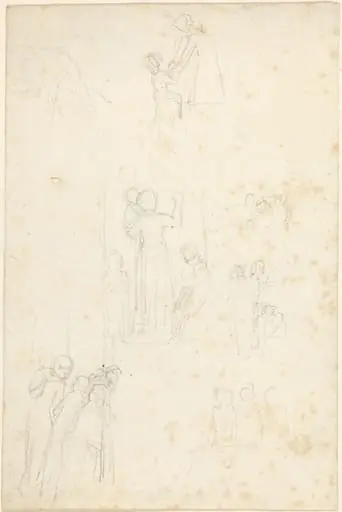 Sheet of Studies
![Vagabond Family [recto], by Benjamin West](https://artifactworldgallery.com/img/benjamin-west--vagabond-family-recto--e92f2d9affcd42a4-w320.webp) Vagabond Family [recto]
Vagabond Family [recto]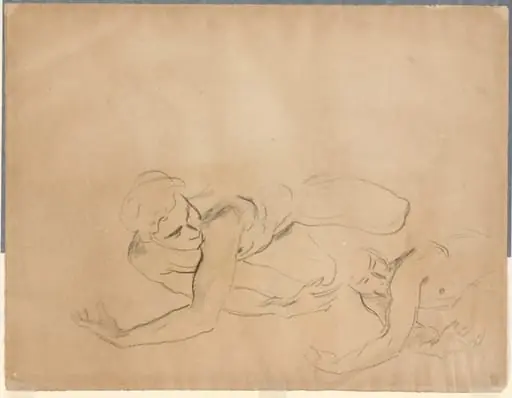 Studies of a Male Nude (verso)
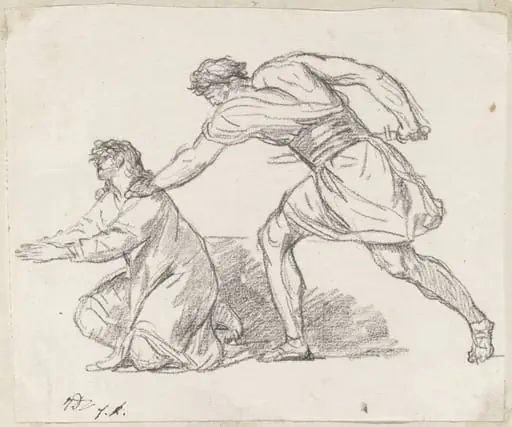 Warrior Seizing a Kneeling Figure
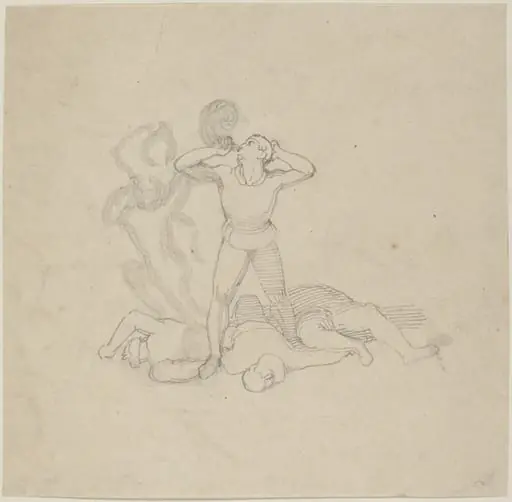 Figure Standing over Corpses, Blowing a Horn
 Studies for Elaine