Artwork
Thatched Cottages and Houses
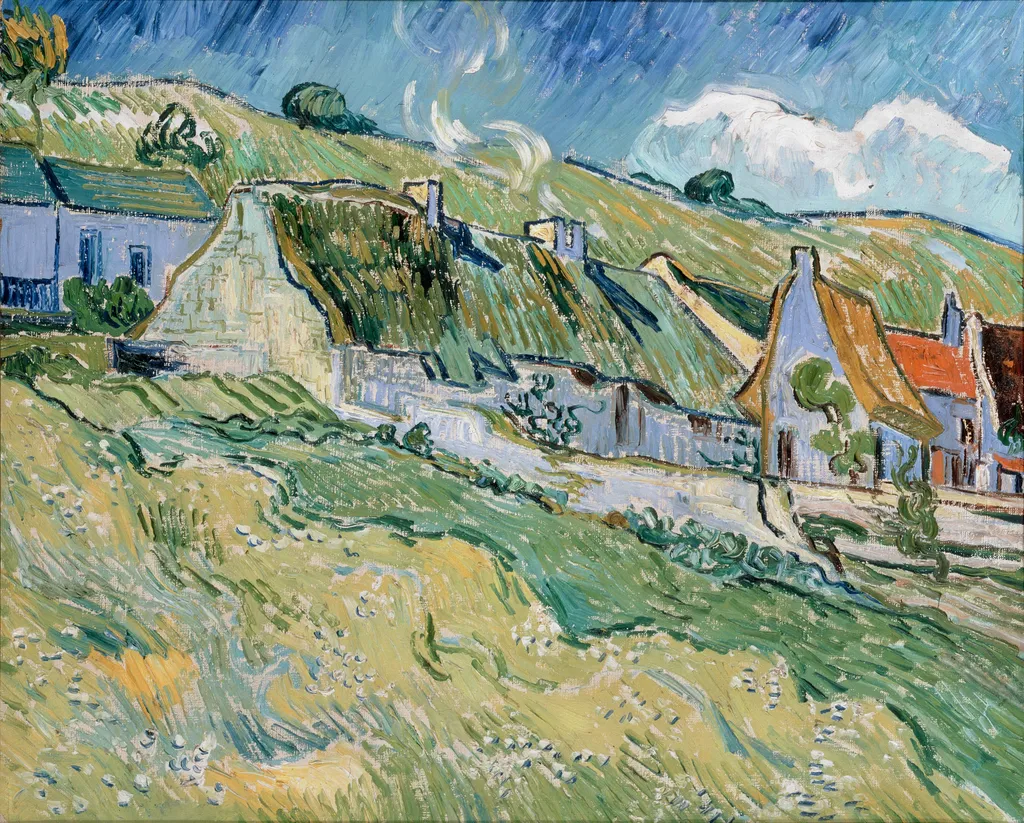
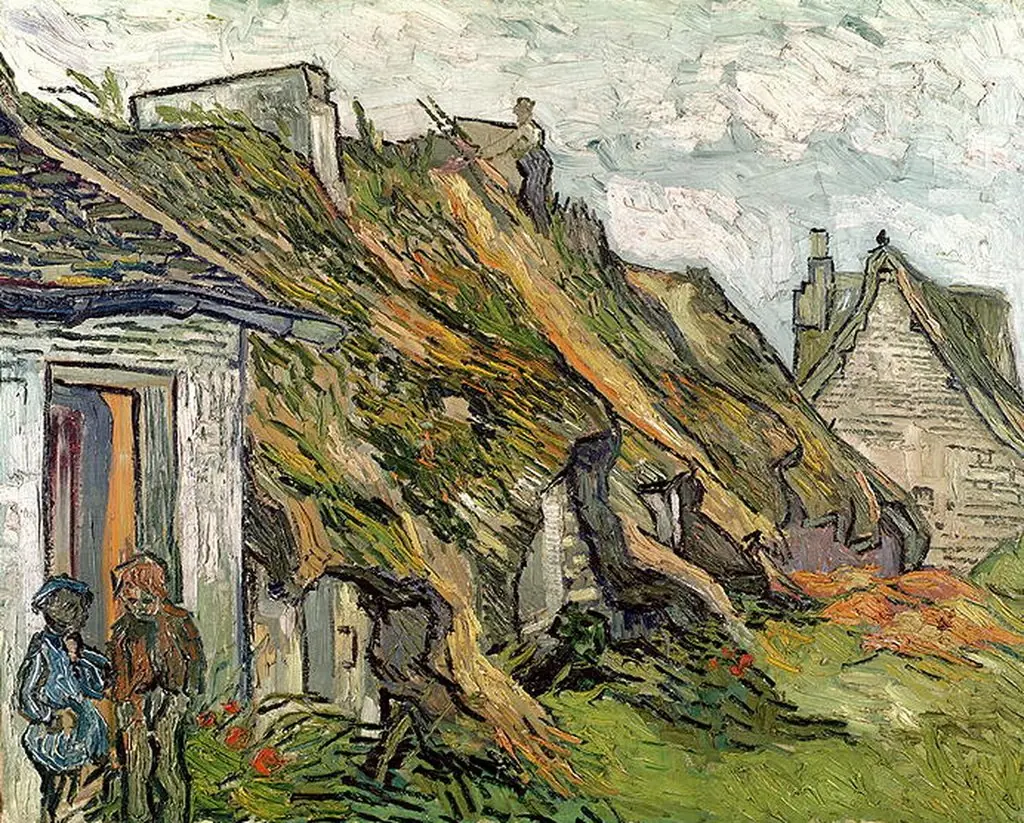
Thatched Cottages and Houses is an oil painting by the Post-Impressionist artist Vincent van Gogh. It dates from 1890 and is held in the collection of the Hermitage Museum.
About this work
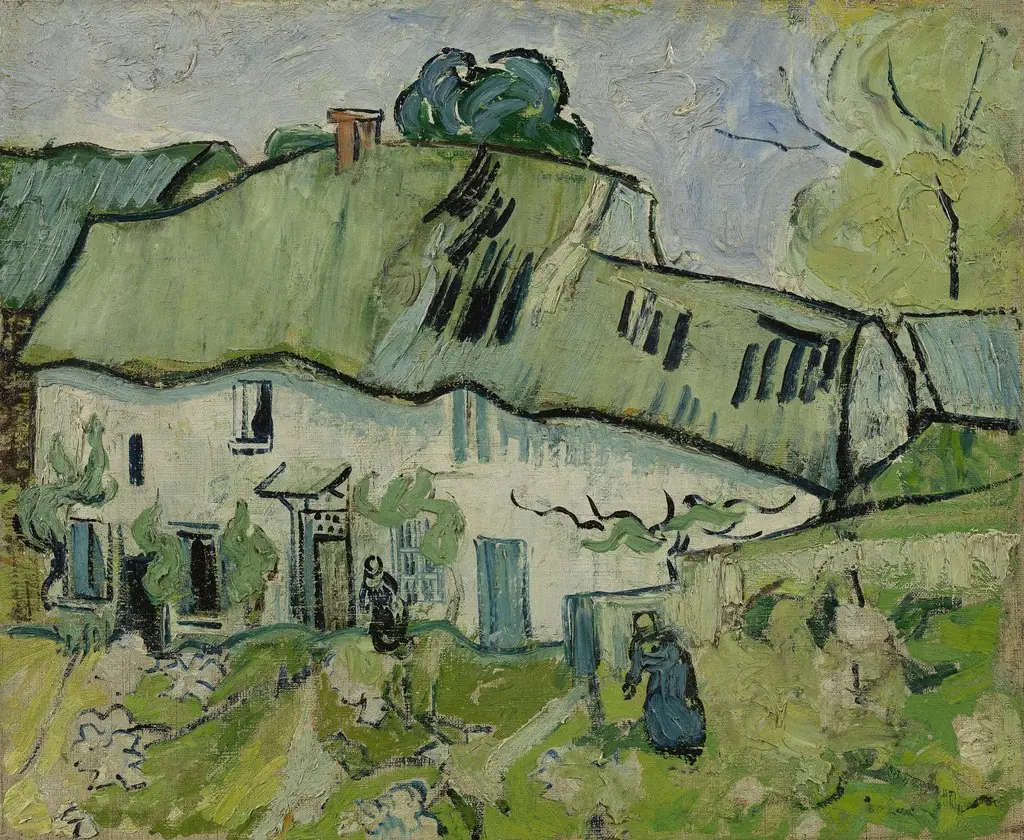
Van Gogh painted Thatched Cottages and Houses in May 1890. He used oil paint while living in Auvers-sur-Oise, France. The work is now at the State Hermitage Museum.
It shows thatched cottages in the village of Cordeville. Van Gogh often painted rural scenes near where he stayed. This was one of his final works before his death.
Check out the artist Vincent van Gogh next.
Overview
Thatched Cottages and Houses is an oil painting on canvas created by Vincent van Gogh in May 1890 during his final months in Auvers-sur-Oise, France.
Thatched Cottages and Houses is an oil painting on canvas created by Vincent van Gogh in May 1890 during his final months in Auvers-sur-Oise, France. Measuring 59 by 72 centimeters, the landscape depicts rural cottages with thatched roofs set against a hilly terrain. The work is currently held in the collection of the Hermitage Museum in Saint Petersburg, where it entered in 1948. As one of approximately twenty paintings executed immediately after Van Gogh's arrival from the asylum at Saint-Rémy, it exemplifies the brightened palette that distinguishes his brief Auvers period and represents a significant production from the last phase of his career.
Subject & Meaning
The painting presents a row of rural cottages and houses situated along a rising grassy hillside, viewed from a low angle that accentuates the slope of the terrain. The buildings feature thatched roofs rendered in varying shades of green, yellow, and orange, with walls in pale blue and white. A dirt path or road runs before the structures, while the foreground and hills are covered in undulating grass. The sky occupies the upper third of the canvas, painted in swirling strokes of blue and white suggesting moving clouds. No human or animal figures appear, directing full attention to the architecture and landscape. Light enters from the left, casting subtle shadows on the buildings. A touch of red on one distant roof punctuates the otherwise harmonious palette of greens, blues, yellows, and earth tones. The scene depicts the hamlet of Cordeville near Auvers-sur-Oise, a subject Van Gogh revisited in July 1890 in a related composition now at Tate Britain.
Technique & Style
Van Gogh employed oil paint on canvas with a characteristically thick and highly visible application. The brushwork is directional, following the contours of the land and sky, with the canvas weave visible between textured strokes in places. This handling creates a dynamic surface where undulating strokes in the grass and swirling marks in the sky generate rhythmic movement across the composition. The technique reflects what scholar Jan Hulsker identified as the brightened coloration characteristic of the Auvers period, which differentiated these works from the paintings executed at Saint-Rémy without constituting a complete stylistic break. The paint application maintains the expressive, structured brushwork that defines Van Gogh's post-impressionist manner while responding to the specific topography of the Oise valley.
History & Provenance
Van Gogh painted this work in May 1890 shortly after arriving in Auvers-sur-Oise from the asylum at Saint-Rémy, and he mentioned it in a letter dated 21 May 1890 to his brother Theo and sister-in-law Jo, describing it as a study of old thatched roofs with fields of peas in flower and wheat in the foreground against a hilly background. The painting belonged to the collection of Sergei Shchukin before being nationalized following the October Revolution. It was exhibited from 1919 to 1929 at the Trubetskoy Palace in Moscow, which housed the Museum of Modern Western Art, then moved to a second Museum of Modern Western Art installed in Ivan Morozov's former mansion in Moscow. The work entered the Hermitage Museum in 1948, where it remains. The French Wikipedia source identifies the Hermitage as the current location, while the English Wikipedia incorrectly states it is in the Musée d'Orsay.
Context
The painting belongs to the approximately twenty works Van Gogh produced immediately after his arrival in Auvers on 20 May 1890, during the final months before his death in July of that year. This period followed his release from the asylum at Saint-Rémy and preceded his move to Auvers, where he came under the care of Dr. Paul Gachet. The Auvers period is noted for a general brightening of palette compared to the Saint-Rémy works, though scholars emphasize this evolution was gradual rather than abrupt. The subject of rural cottages and thatched roofs connects to Van Gogh's enduring interest in peasant architecture and rural life, themes he had explored throughout his career and that held particular significance in his final productive phase. The dramatic intensity the artist felt during this period has been noted by scholars examining the emotional register of the Auvers landscapes.
Legacy
The painting's trajectory through major Russian collections reflects the significant role of early twentieth-century Russian collectors in preserving post-impressionist masterworks. Its inclusion in Sergei Shchukin's collection, one of the most important assemblies of modern art in Europe, positioned it within a critical nexus of avant-garde taste before Soviet nationalization dispersed these holdings. The work's later institutionalization in the Hermitage, following its exhibition history in Moscow's pioneering museums of modern western art, testifies to the complex afterlife of privately collected modernism under Soviet cultural policy. Van Gogh's return to the Cordeville subject in July 1890, producing Thatched Cottages on a Hill now at Tate Britain, indicates the thematic hold this landscape exerted during his final weeks of painting.
Own this work as a print
Artist & collection
Artist
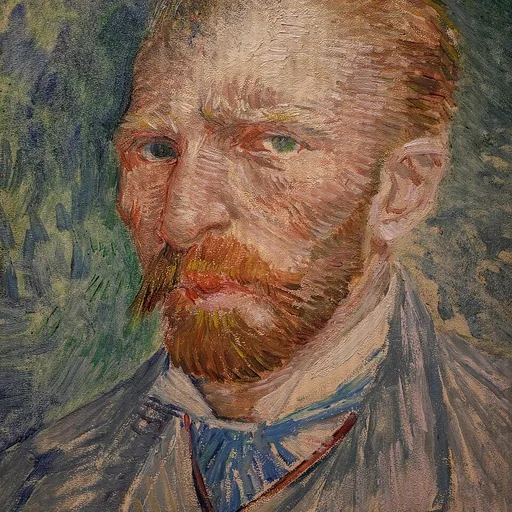
Vincent Willem van Gogh was a Dutch Post-Impressionist painter who is among the most famous and influential figures in the history of Western art.

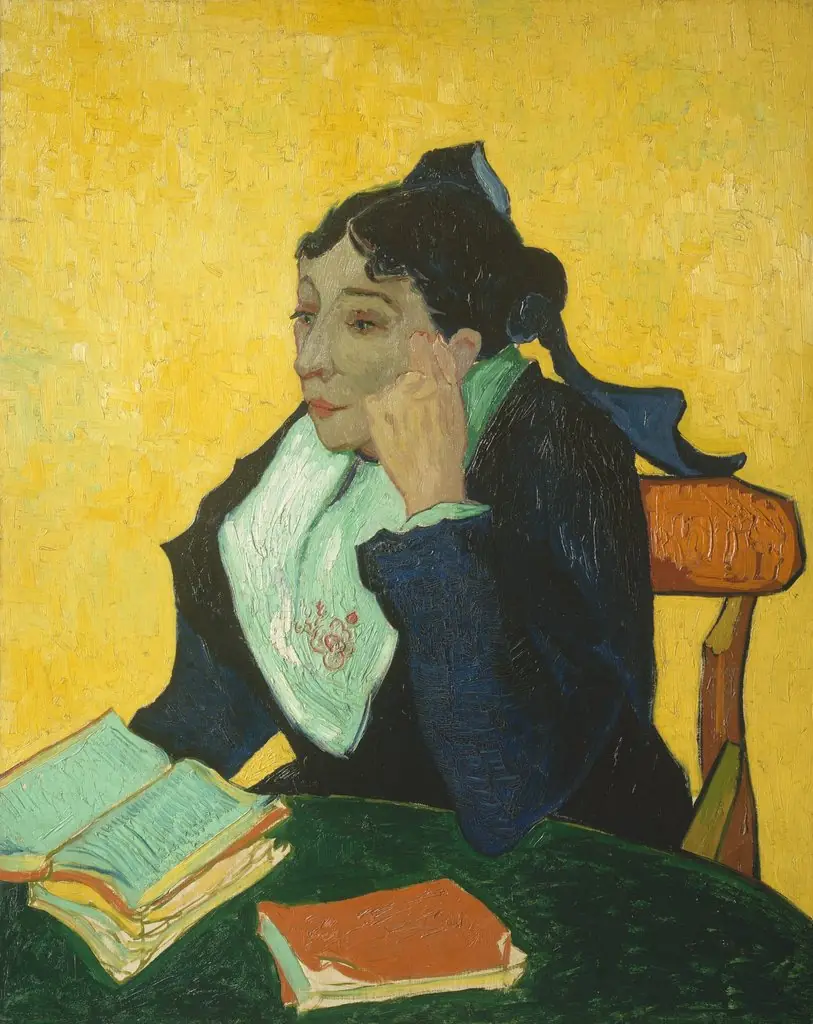
- Mountainous Landscape Behind Saint-Paul Hospital
 Katu, Auvers-sur-Oise
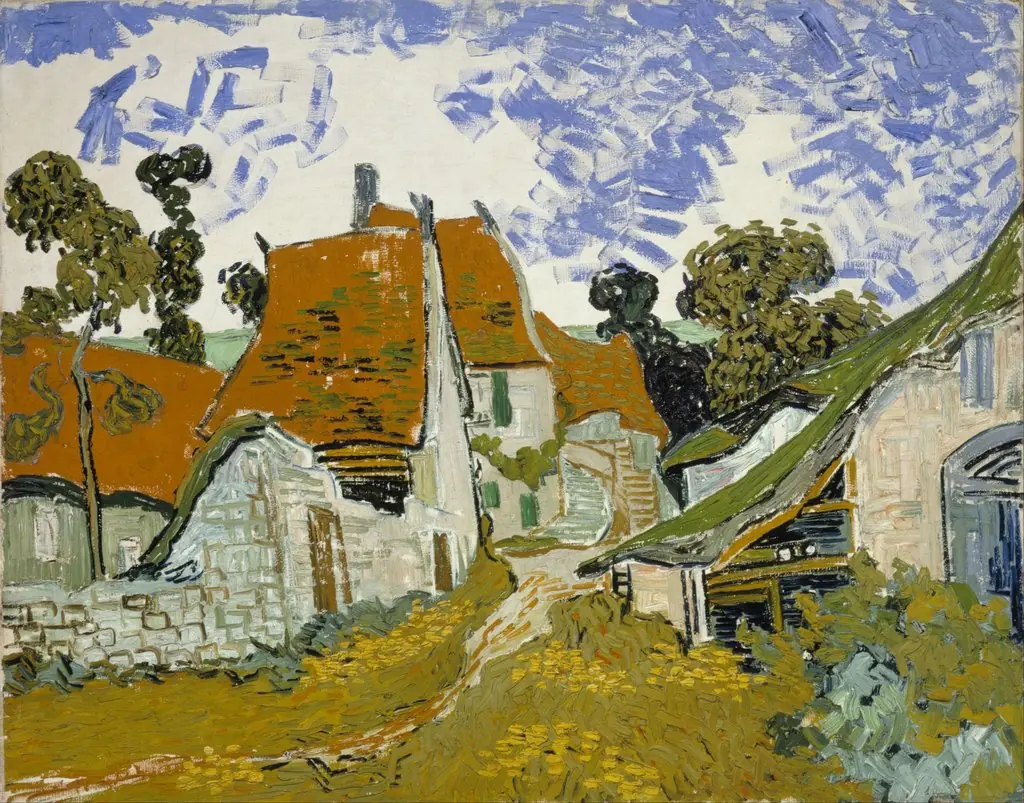 Street in Auvers-sur-Oise
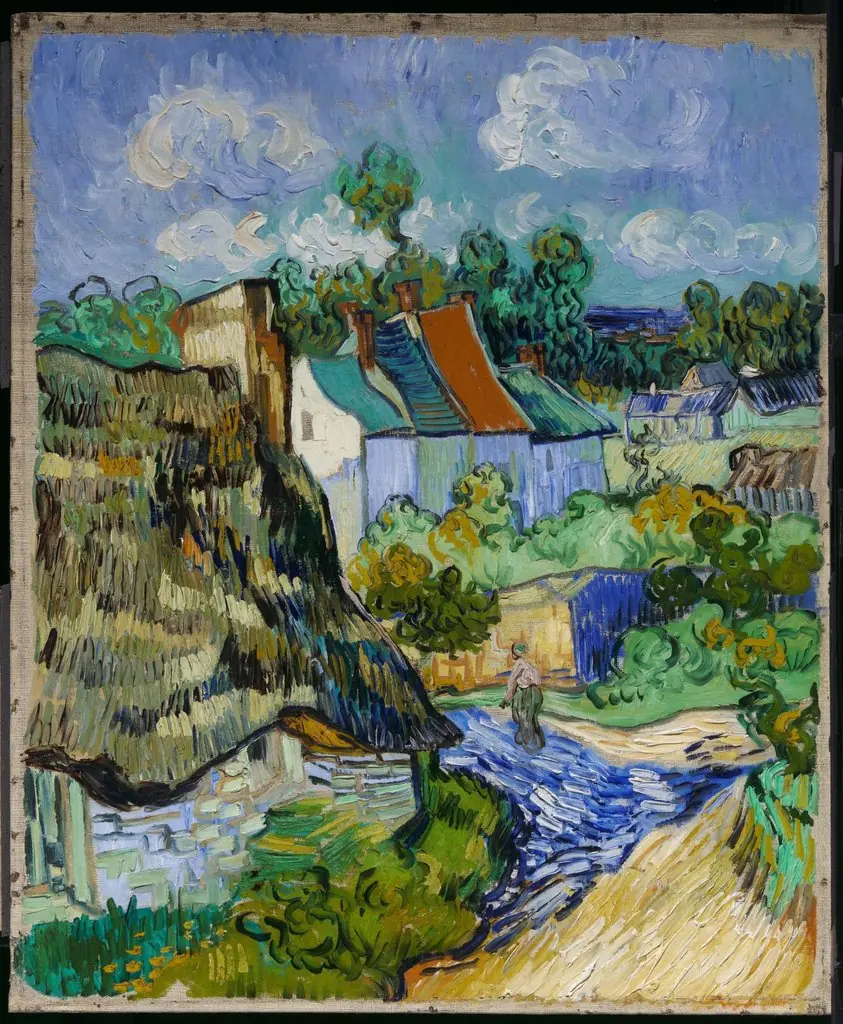 Houses in Auvers
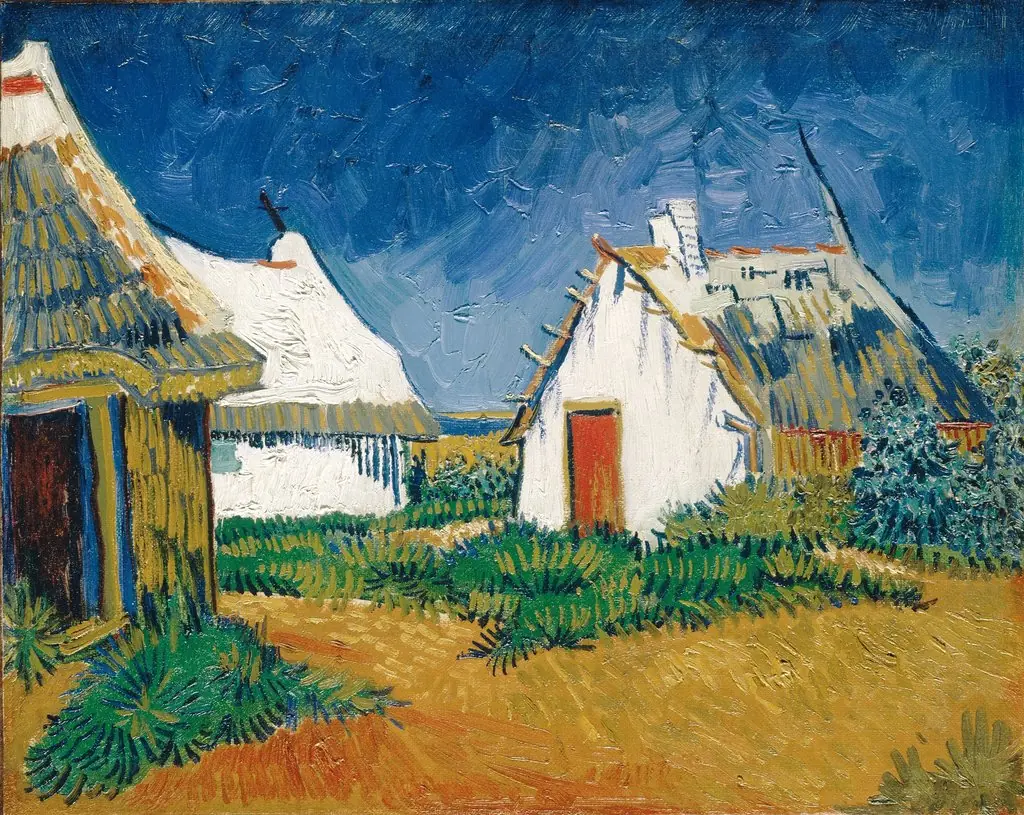 Three White Cottages in Saintes-Maries
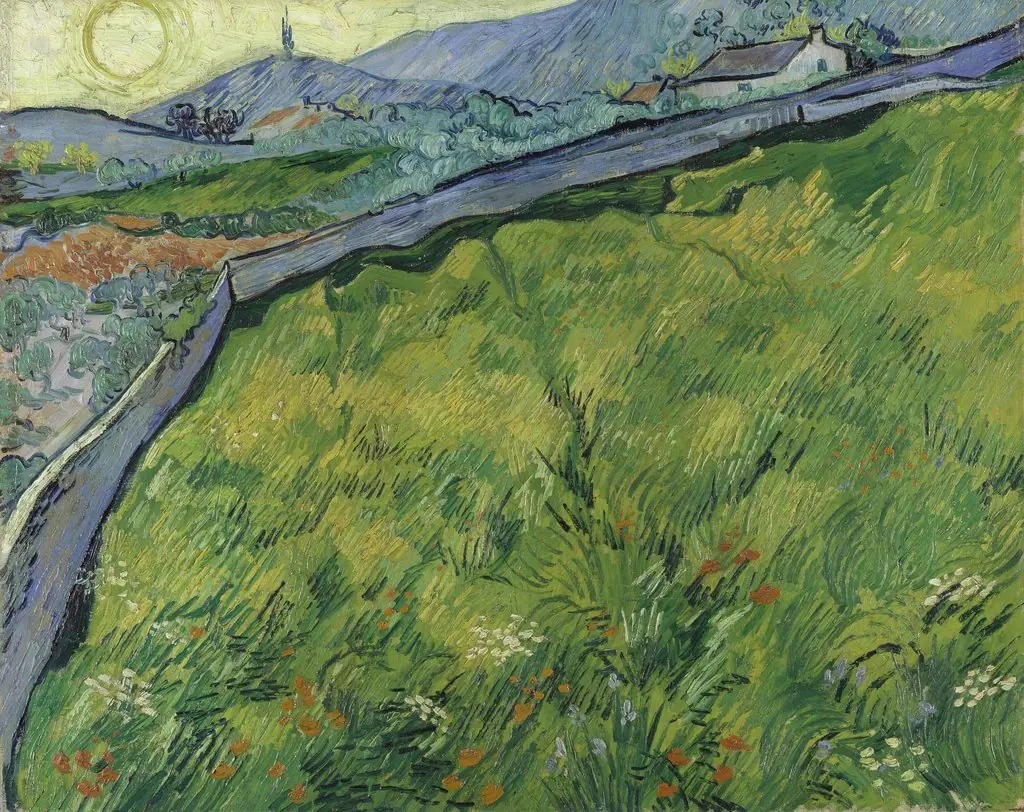 Enclosed Wheat Field with Rising Sun
 Thatched Sandstone Cottages in Chaponval
 Farmhouse in Provence
 Landscape with House and Ploughman
 Green Wheat Fields, Auvers
 Wheat Field with Cypresses
 Farmhouse