Artwork
Moscow I
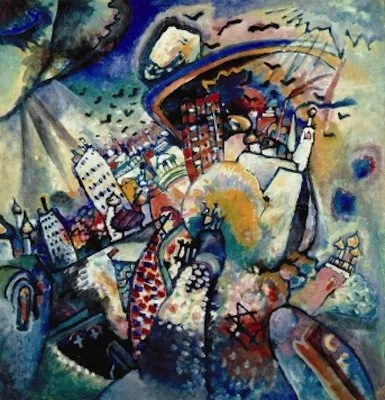
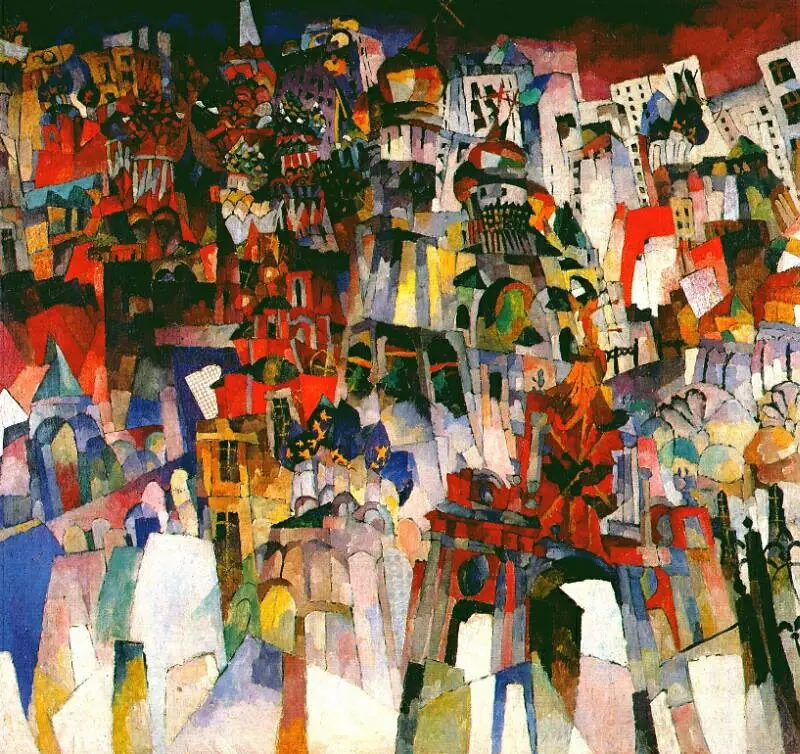
Moscow I is an unspecified painting by the Abstract Expressionist artist Wassily Kandinsky. It dates from 1916 and is held in the collection of the Tretyakov Gallery.
About this work
Overview
Though rooted in the visual memory of Moscow, the work abandons literal representation in favor of emotional and structural resonance.
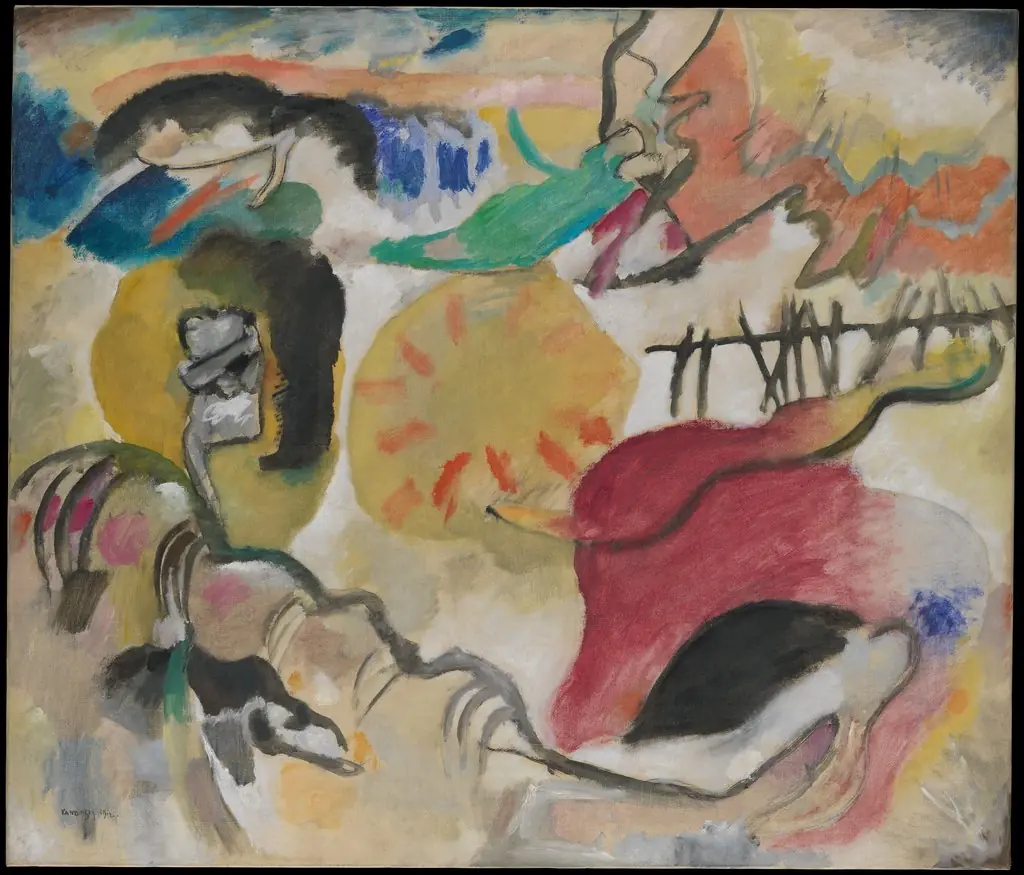
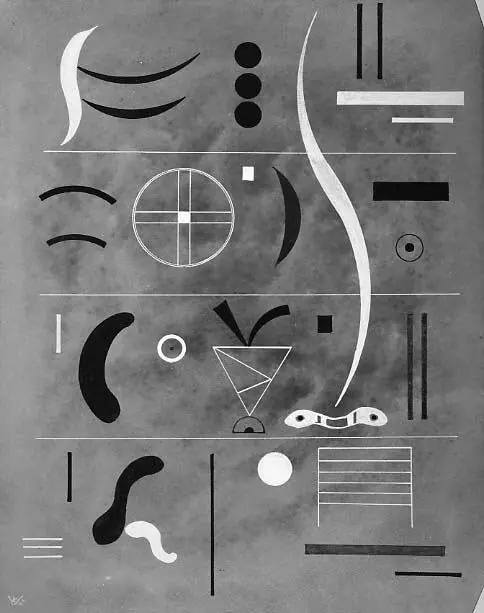
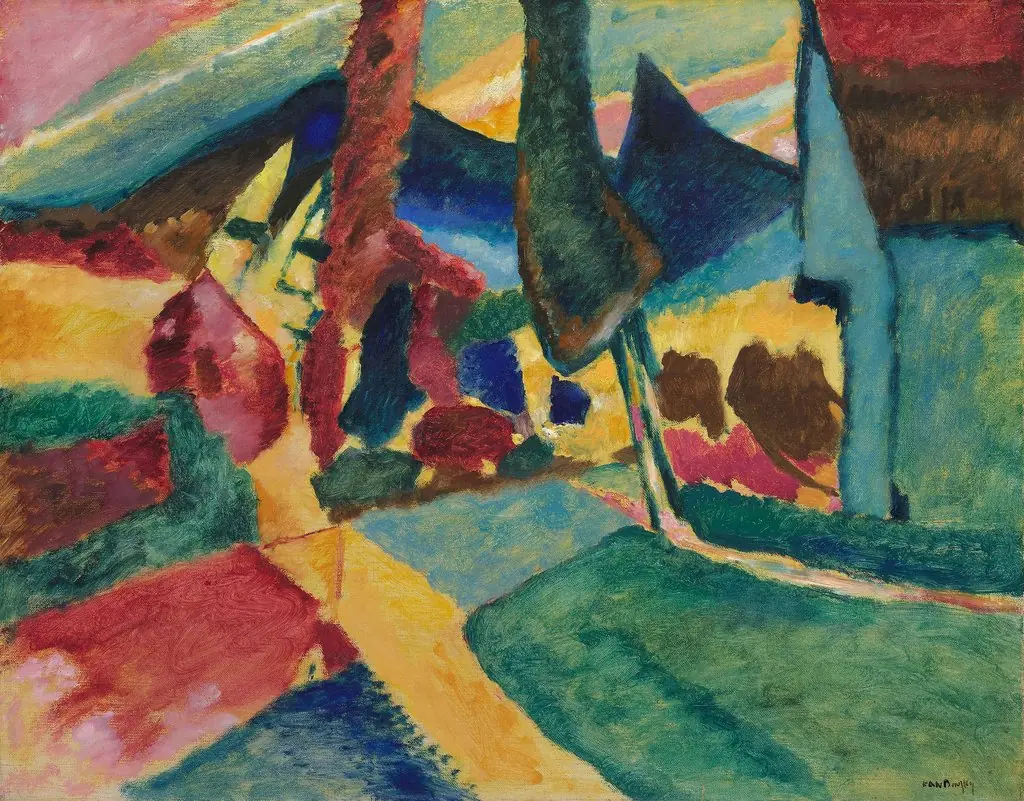
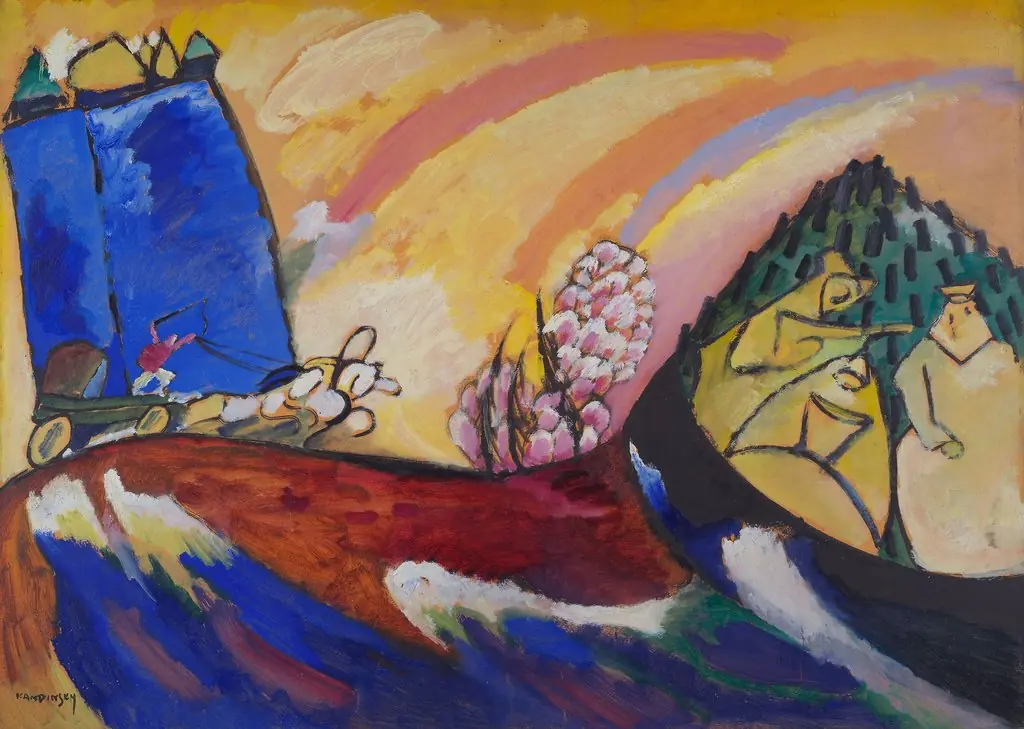
Created in 1916, Moscow I is an abstract painting by Wassily Kandinsky, produced during his return to Russia after years in Germany. Though rooted in the visual memory of Moscow, the work abandons literal representation in favor of emotional and structural resonance. It belongs to a phase in which Kandinsky sought to convey inner experience through color and form, distancing himself from traditional depiction while retaining traces of urban architecture.
Subject & Meaning
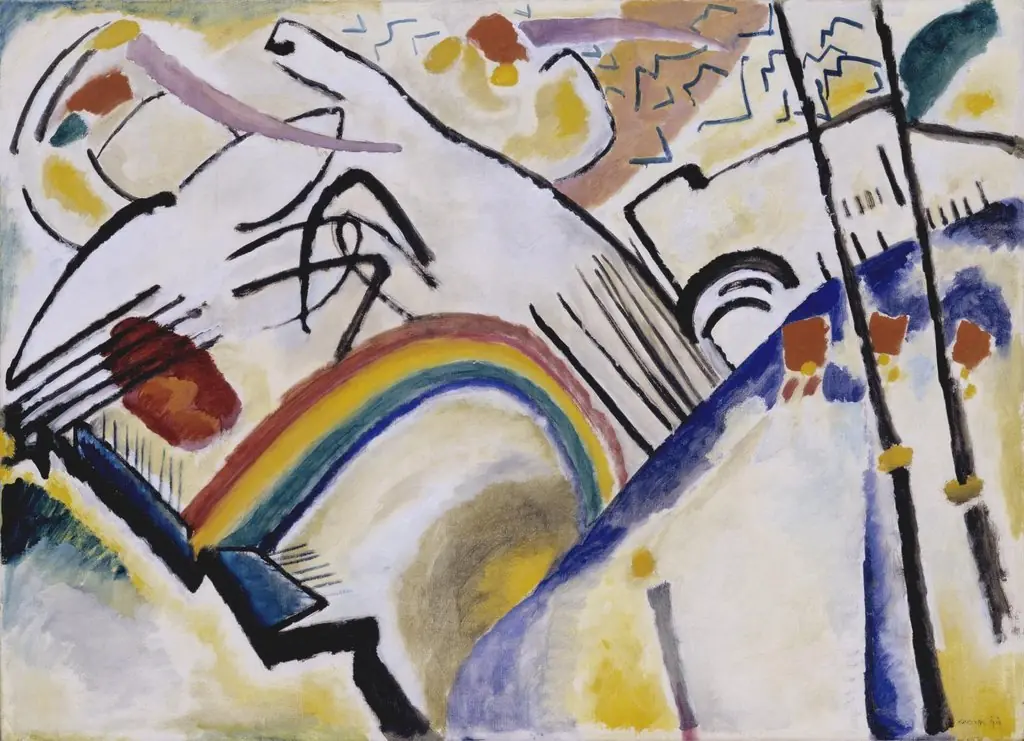
The painting evokes Moscow’s skyline through fragmented shapes suggesting domes, towers, and waterways, but does not depict them literally. Kandinsky uses these elements as symbolic anchors, transforming the city into a field of vibrating hues and dynamic lines. The composition suggests movement and spiritual energy rather than topographical accuracy, reflecting his belief that art should express the unseen forces shaping human perception and emotion.
Technique & Style
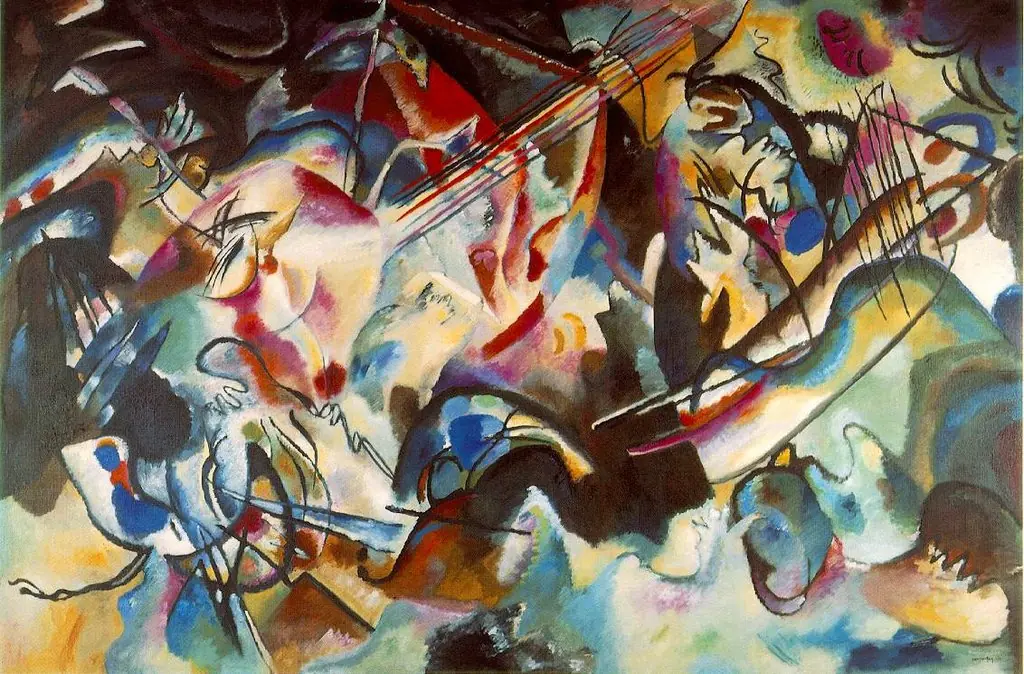
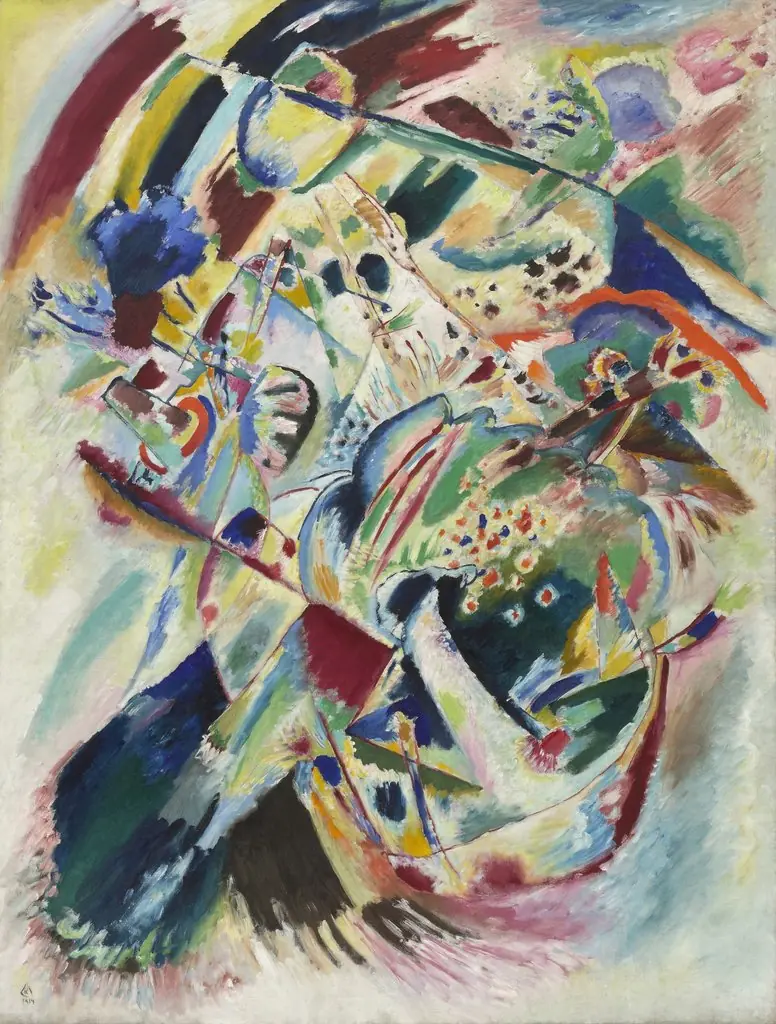
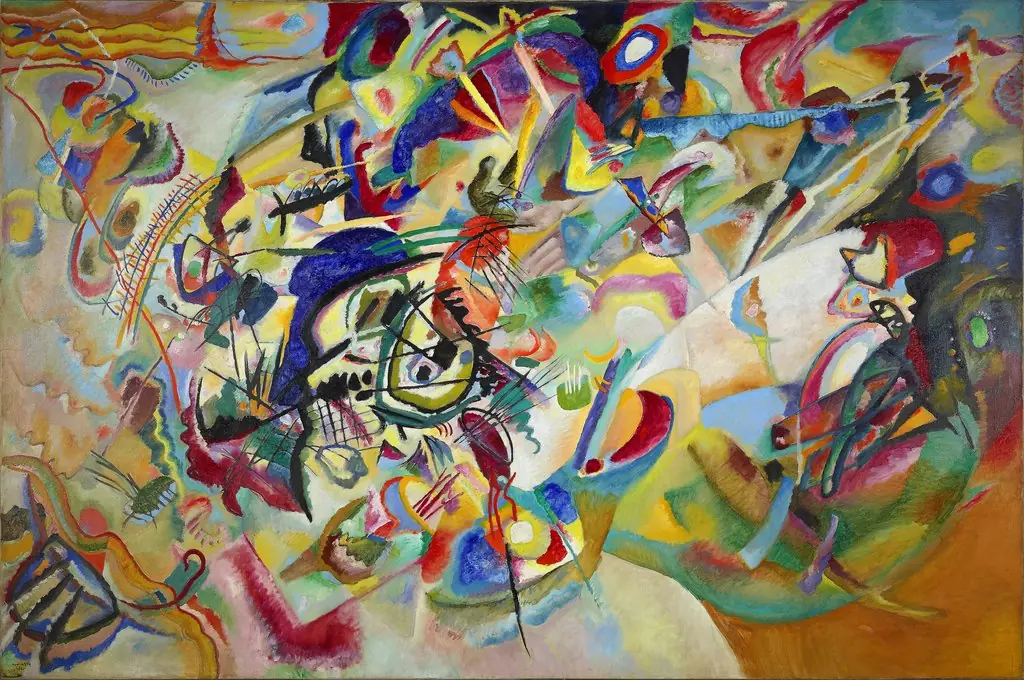
Kandinsky employs bold, expressive brushwork and layered planes of color to construct a sense of spatial depth without perspective. Dominant blues and whites are punctuated by vivid reds and yellows, creating rhythmic contrasts. Geometric forms, triangles, arcs, rectangles, interact with fluid strokes, generating tension between structure and spontaneity.
The technique prioritizes emotional impact over realism, aligning with his theoretical writings on color as a spiritual medium.
History & Provenance
Painted during Kandinsky’s time in Moscow following his return from Munich, Moscow I was created amid the upheaval of World War I and the lead-up to the Russian Revolution. It remained in his possession until 1920, when it entered the collection of the State Tretyakov Gallery in Moscow. The work is among the few surviving pieces from this transitional period, documenting his artistic evolution before his return to Germany and involvement with the Bauhaus.
Context
In 1916, Russia was undergoing profound social and political change, and Kandinsky’s work reflected broader cultural shifts toward abstraction and spiritual inquiry. His engagement with Theosophy and Russian folk art influenced his symbolic use of form. While contemporaries like Malevich pursued pure geometric reduction, Kandinsky retained organic, city-inspired motifs, positioning his abstraction as a bridge between memory and metaphysics.
Legacy
Moscow I stands as a pivotal example of early abstract painting that redefined how urban environments could be interpreted beyond representation. It contributed to the theoretical foundation of non-objective art and influenced later movements seeking emotional depth through form and color. The work remains a key reference in discussions of modernism’s departure from realism, illustrating how personal memory and cultural identity could be rendered through abstraction.
Artist & collection
Artist
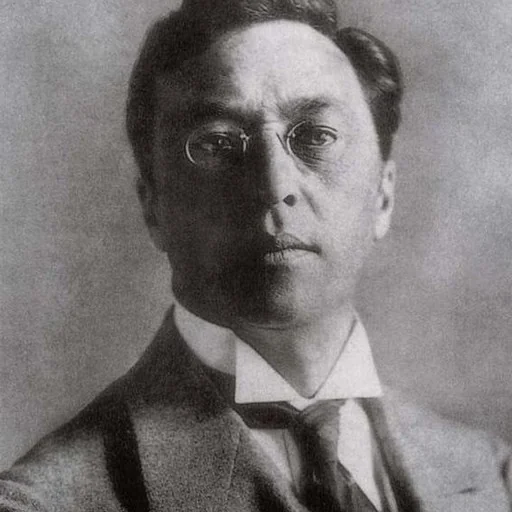
Wassily Wassilyevich Kandinsky (16 December 1866 – 13 December 1944) was a Russian painter and art theorist active in Germany during the late Belle Époque and Interwar eras.