Artwork
Mary Bethel Boude (Mrs. Samuel Boude)
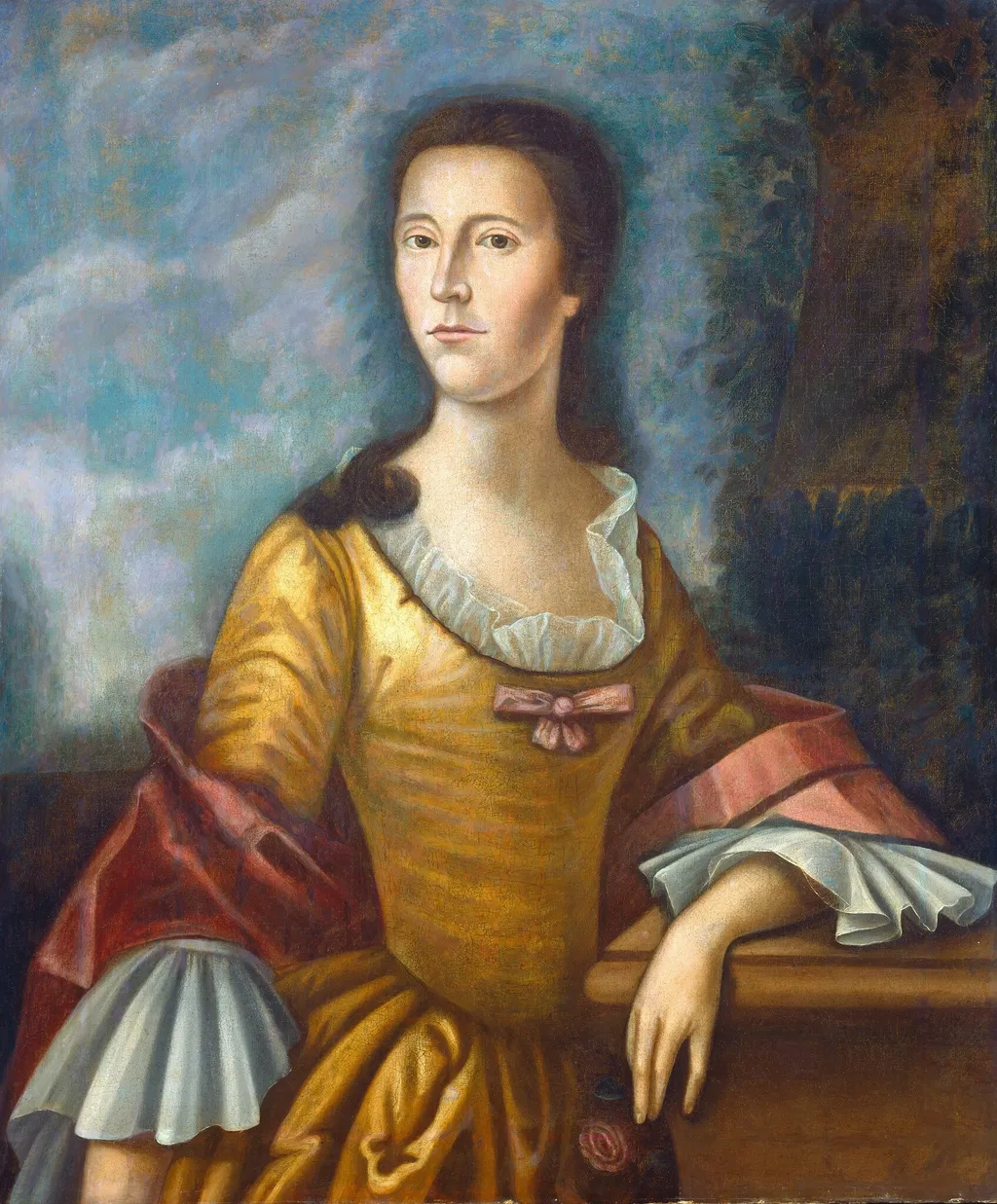
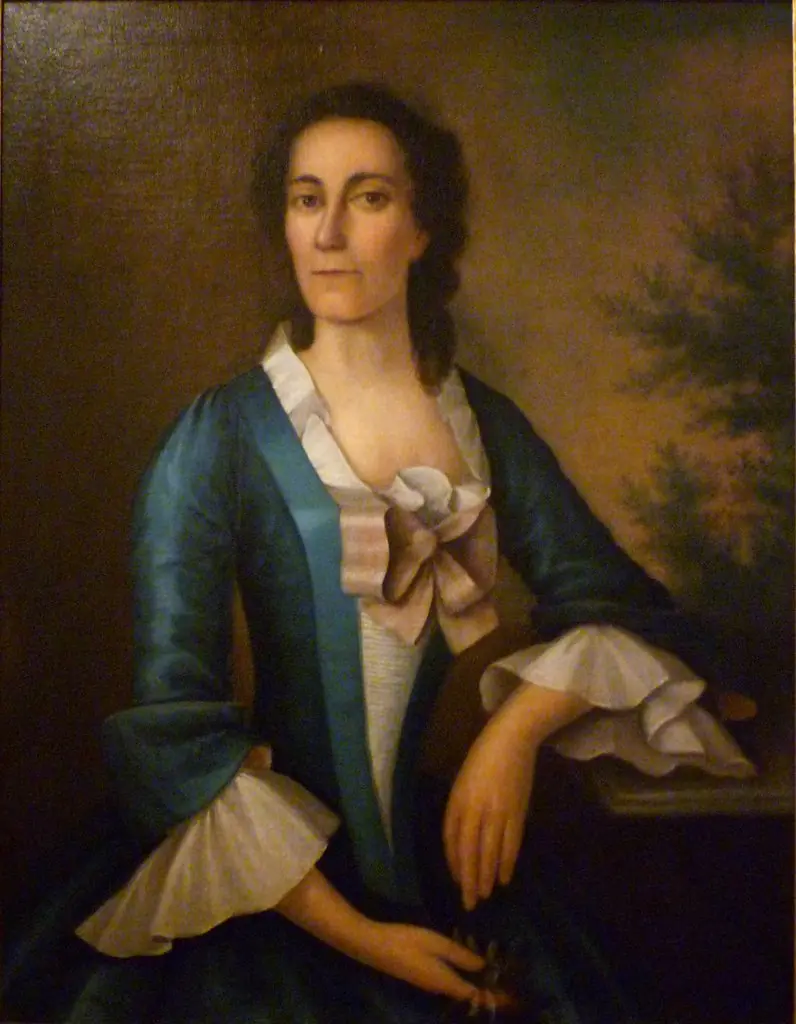
Mary Bethel Boude (Mrs. Samuel Boude) is an oil painting by the American Impressionist artist Benjamin West. It dates from 1756 and is held in the collection of the National Gallery of Art.
About this work
Subject & Meaning
Bethel," the Bethel family home in Columbia, Pennsylvania, where they functioned as ancestral likenesses preserving the memory of the family.
Mary Bethel Boude (Mrs. Samuel Boude) is a portrait depicting Mary Bethel, the wife of Samuel Boude. As a straightforward likeness rather than an allegorical or narrative composition, the painting's meaning centers on the commemoration of the sitter herself, presenting her as a recognizable individual worthy of formal painted representation. The work belongs to a paired tradition with a companion portrait of Mrs. Boude, and according to family accounts both canvases hung for many years at "Mt.
Bethel," the Bethel family home in Columbia, Pennsylvania, where they functioned as ancestral likenesses preserving the memory of the family. Folkloric stories surrounding the portraits describe them as having been recovered from a tavern, with damage to the eyes attributed to a bad-tempered child, underscoring the painting's long history as a treasured family heirloom rather than any encoded symbolic program.
Technique & Style
Benjamin West's 1755 portrait of Mary Bethel Boude is executed in oil on canvas, a standard mid-eighteenth-century support and medium for formal portraiture. The painting measures 90.4 by 76.3 centimeters, a moderately scaled format suited to an intimate domestic likeness. Family tradition recorded by Sarah McCorkle Case notes that the canvas was at one point recovered from a tavern, and that damage to the sitter's eyes was caused by a bad-tempered child, indicating visible condition issues in the eyes that have persisted through the work's history.
The portraits of Mr. and Mrs. Boude reportedly hung for many years at the Bethel family home, "Mt. Bethel," in Columbia, Pennsylvania, before passing to a descendant. Stylistically, the work belongs to West's early American portrait practice of the 1750s, executed prior to his departure for England.
History & Provenance
Benjamin West painted a full‑length oil portrait of Mary Bethel in 1755, depicting the wife of Samuel Boude. The work remained in the Bethel family, hanging at their home “Mt. Bethel” in Columbia, Pennsylvania, before descending to the sitter’s great‑granddaughter, Elizabeth F. G. Heistand of Marietta, PA.
In December 1947 Heistand sold the painting to M. Knoedler & Co., New York, and it was purchased the same month by Edgar William and Bernice Chrysler Garbisch. The Garbisches later gifted the portrait to the National Gallery of Art in 1964. The provenance, dating, and creation history are documented in archival correspondence and exhibition records.
The portrait is currently held in the collection of the National Gallery of Art in Washington, D.C. Its ownership history traces from the sitter's descendant, Elizabeth F.G. Heistand of Marietta, Pennsylvania, who lent the work to a 1912 exhibition in Lancaster. In December 1947, the painting was sold to M. Knoedler & Co. in New York and acquired that same month by collectors Edgar William and Bernice Chrysler Garbisch. The Garbisches subsequently gifted the artwork to the National Gallery of Art in 1964. Historical records indicate the painting formerly hung at "Mt. Bethel," the Bethel family residence in Columbia, Pennsylvania.
Legacy
The portrait entered the National Gallery of Art after its 1947 sale to M. Knoedler & Co. and a 1964 gift, where it remains in the permanent collection. Its appearance in the 1912 Lancaster County portrait exhibition and later citation in William Sawitzky’s 1938 article helped revive scholarly attention to Benjamin West’s early American portraiture. Catalog entries in Wikidata identify it as a 1755 oil portrait of Mary Bethel, underscoring its significance within the genre of colonial portraiture and its continued use in studies of West’s oeuvre.
Overview
Benjamin West painted this oil on canvas portrait of Mary Bethel Boude in 1756. The work captures Mrs. Boude seated within an interior, presenting a composed and refined image. This painting exemplifies the early development of American portraiture, reflecting the artistic trends and social customs of the mid-18th century. It showcases West's nascent talent before his move to Europe and subsequent international renown.
Context
This portrait emerged during a formative era for American art, when local artists were beginning to establish a distinct identity while still drawing heavily from European aesthetic conventions. Wealthy patrons commissioned such works to commemorate family members and display their prosperity, making portraiture a dominant genre. West's early career in America before his departure for Europe illustrates this transitional phase in colonial artistic practice.
Own this work as a print
Artist & collection

Artist
Benjamin West (October 10, 1738 – March 11, 1820) was an American-born British painter who specialised in history painting, creating such works as The Death of Nelson, The Death of General Wolfe, the Treaty of Paris,…

 Portrait of Mrs. Thomas Shippard
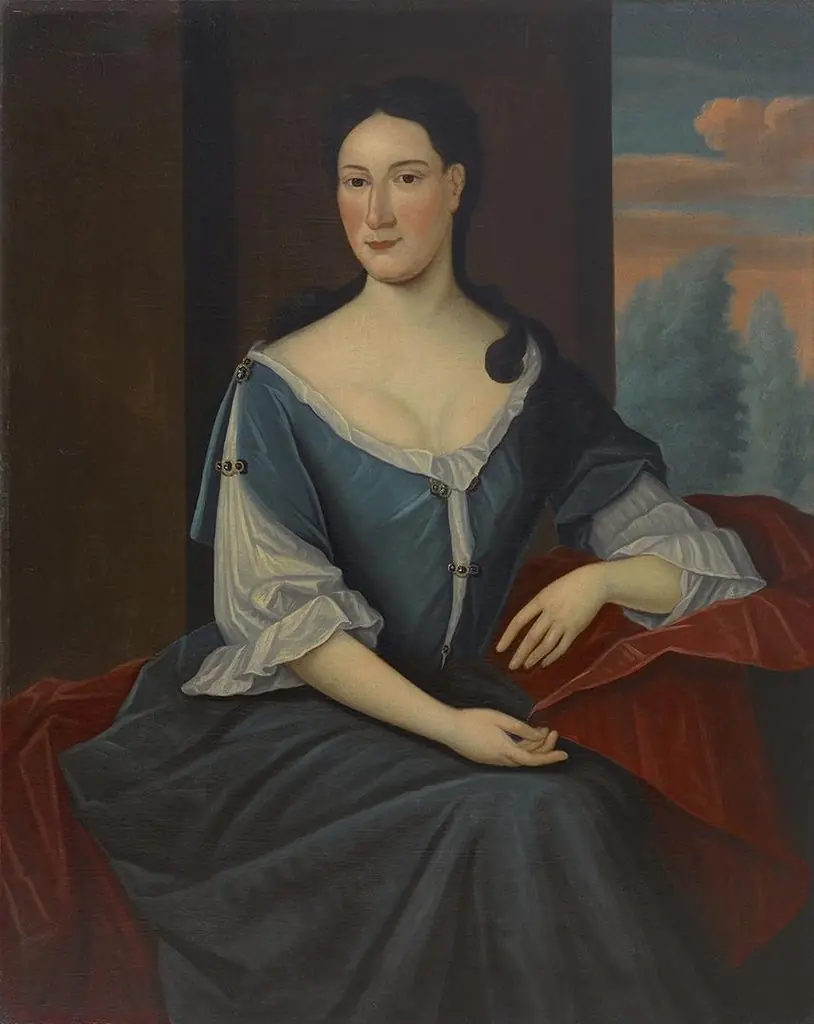 Mrs. Jacob Franks (Abigaill Levy)
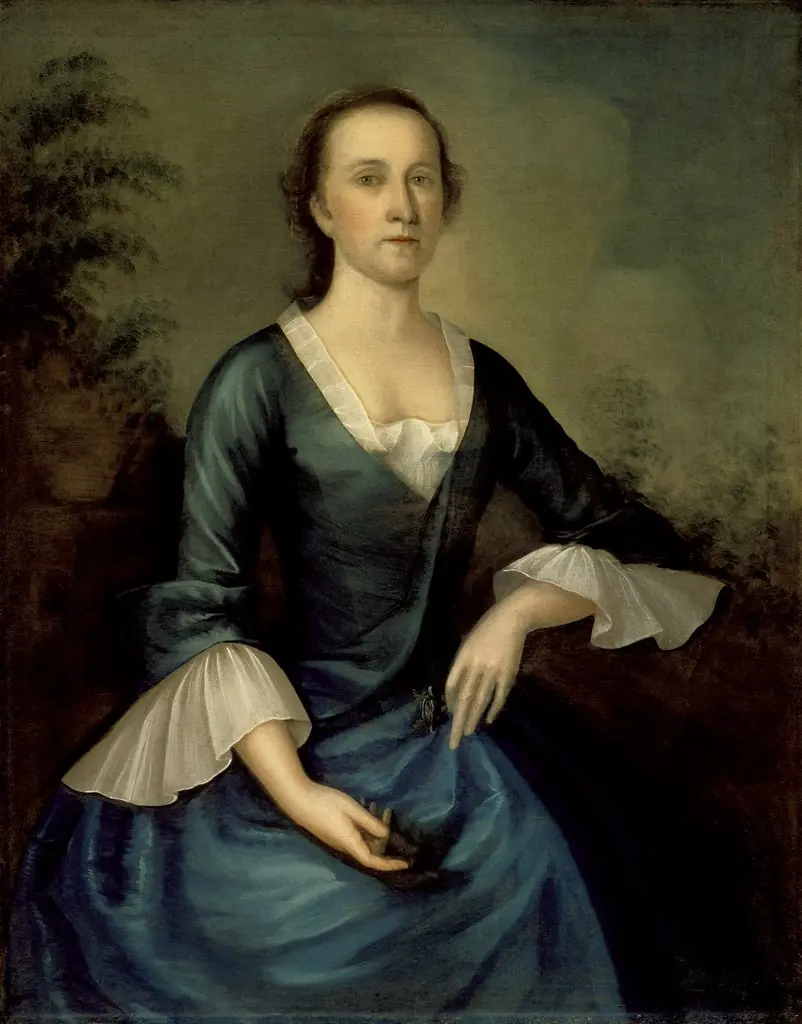 Portrait of Sarah Larrabee Edes
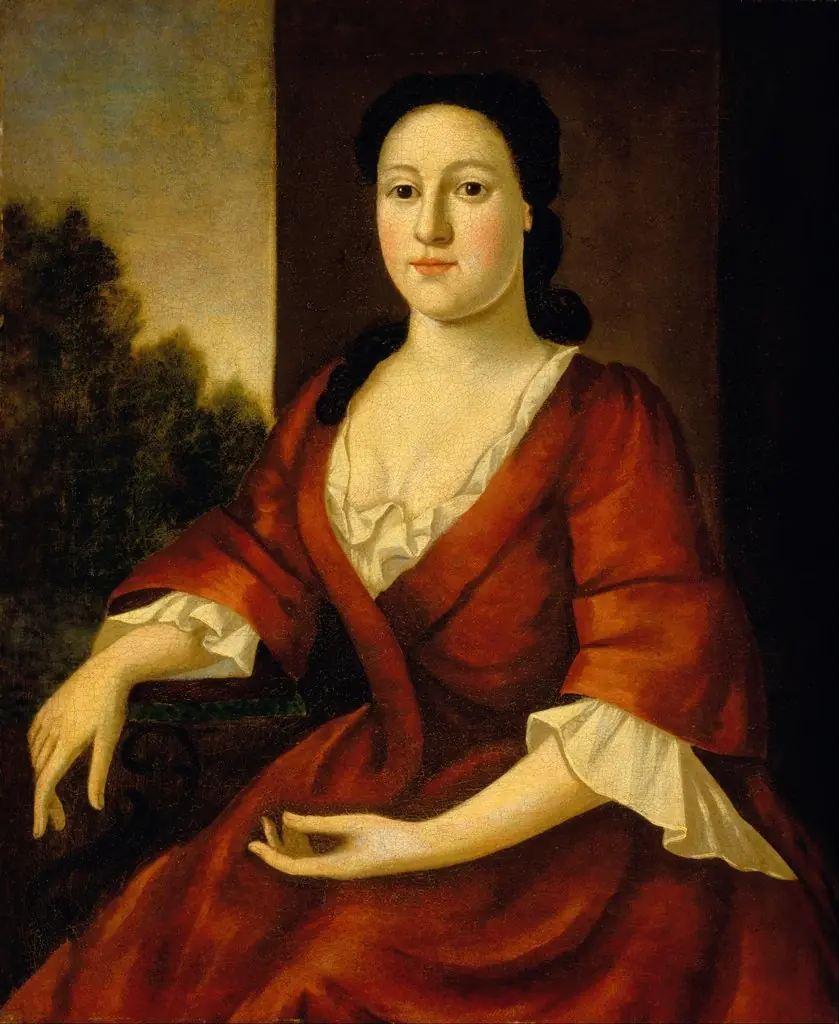 Portrait of Mrs. John Greenleaf (Priscilla Brown, born 1725)
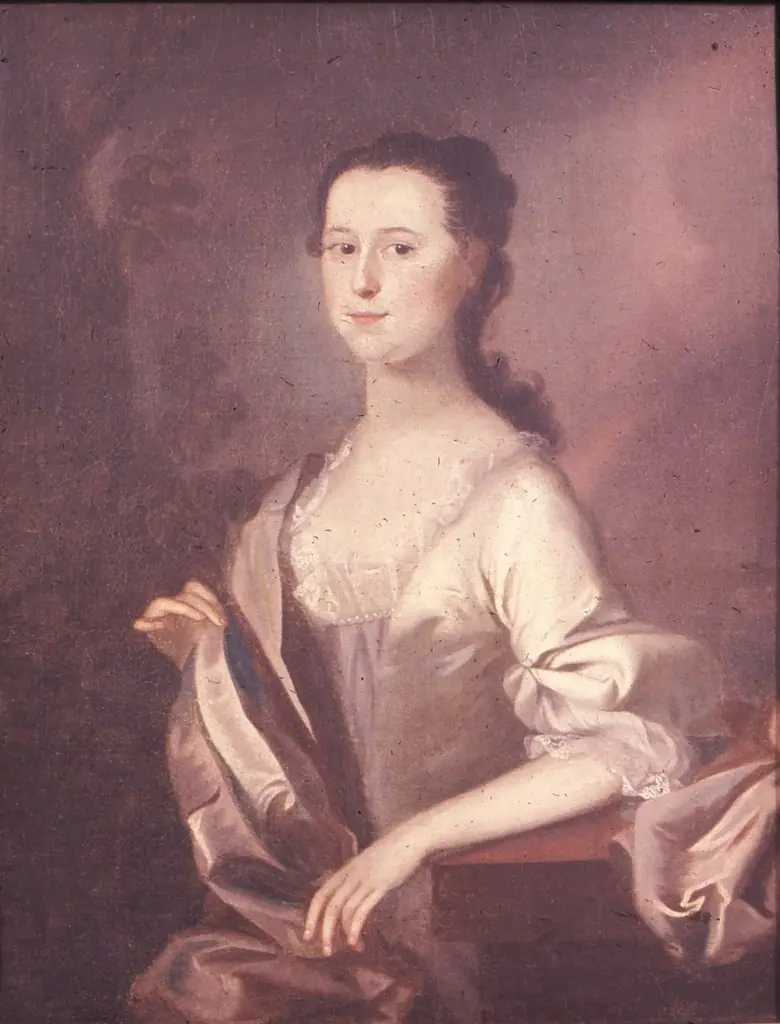 Mrs. Wyseman Clagett (Née Lettice Mitchell; Later Mrs. Simon McQuesten)
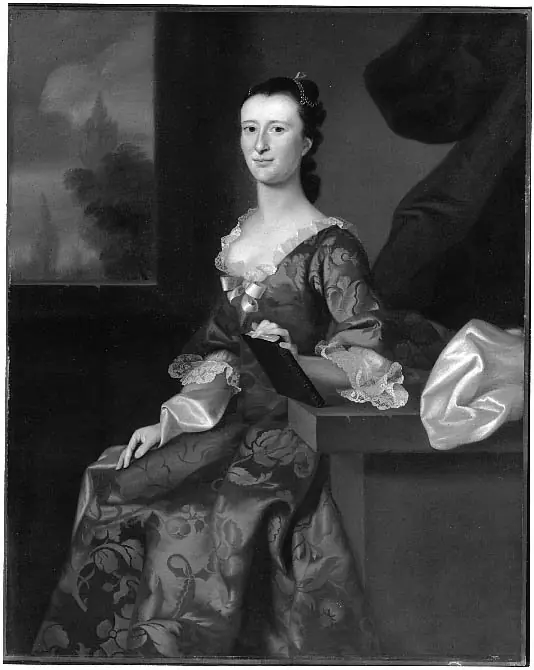 Mrs. Jonathan Simpson (Margaret Lechmere)
 Portrait of a Woman
 Mrs. Augustus Jay
 Mrs. William Allen
 Jane Browne