Artwork
Jane Browne
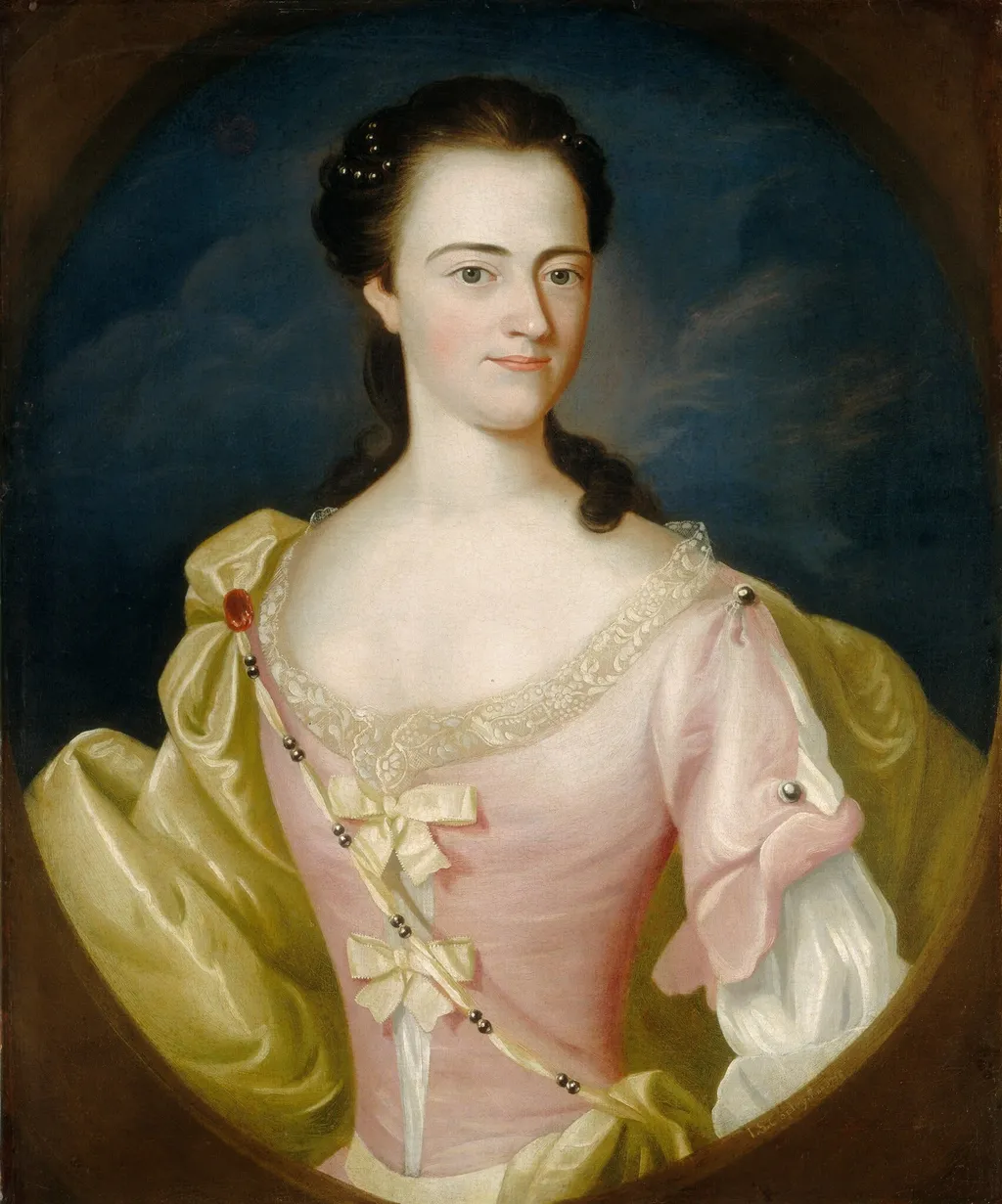
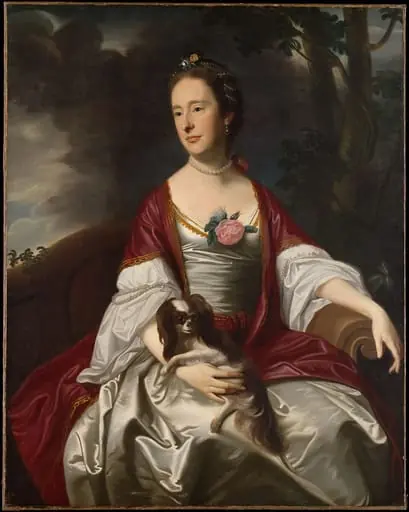
Jane Browne is an oil painting by the Rococo painting artist John Singleton Copley. It dates from 1756 and is held in the collection of the National Gallery of Art.
- Inscription
- Inscribed:lower right on painted spandrel: I.S. Copley. Pinx. 1756; on reverse, in a later hand (beneath lining): Portrait of Jane Browne / afterwards wife of Samuel Livermore / Chief Justice of New Hampshire / Painted in Portsmouth N.H. / 1756 / by J.S. Copley
About this work
Technique & Style
As a genre painting classified specifically as a portrait, the piece demonstrates Copley's handling of oil media to render the sitter's likeness.
John Singleton Copley executed the portrait of Jane Browne in 1756 using oil paint on a canvas support. The work measures 75.6 cm in height and 62.6 cm in width, adhering to the standard half-length format typical of the artist's early colonial portraiture. As a genre painting classified specifically as a portrait, the piece demonstrates Copley's handling of oil media to render the sitter's likeness.
The painting is currently held in the Andrew W. Mellon collection at the National Gallery of Art in Washington, D.C., where it remains part of the institution's permanent holdings.
History & Provenance
Jane Browne is a portrait painted in 1756 by John Singleton Copley. It was first owned by Louisa Bliss Livermore, wife of Arthur Livermore, and remained in her family until it passed to her grandson James Lauren Ford in the early 20th century. The work was sold by Ford on 20 February 1924 to Art House, New York, and subsequently acquired by Thomas B. Clarke, whose estate disposed of it at auction on 29 January 1936 through M. Knoedler & Co.
It entered the collection of the Andrew W. Mellon Educational and Charitable Trust and was gifted to the National Gallery of Art in 1942.
Context
The critical reception of John Singleton Copley's 1756 oil portrait Jane Browne has been shaped by its scholarly attention to the sitter's elite New England lineage and the painting's technical mastery within colonial American portraiture. Art historians note Copley's role in establishing a distinct American visual identity, situating this work amid the broader discourse on early republican aesthetics and the transatlantic exchange of portrait conventions. The portrait's inclusion in major exhibitions such as the 1936 Clarke collection sale underscores its recognized significance within the canon of early American art, reflecting ongoing scholarly interest in Copley's documentation of pre-Revolutionary social hierarchies and his influence on subsequent portraitists.
Its presence in the National Gallery of Art's collection, acquired through the Mellon Trust, further cements its status as a key artifact for understanding the cultural milieu of the American colonial elite.
Overview
John Singleton Copley's 'Jane Browne,' painted in 1756, is a half-length portrait of a young woman seated against a dark, neutral background. The subject, identified as Jane Browne, is depicted with dark hair and wears a pink dress featuring a low neckline and voluminous, puffy sleeves. A yellow shawl or cape is draped over her shoulders, providing a warm contrast to the pink fabric.
A decorative sash crosses her torso diagonally, tied in a bow at the waist, accentuating her figure. Executed in oil on canvas, the work demonstrates Copley's early mastery of texture and light, particularly in the rendering of the silk dress and the soft folds of the shawl. Created when the artist was only eighteen, this portrait belongs to a formative period in his Boston career, preceding his departure for Europe.
It exemplifies the colonial American style of portraiture, balancing formal dignity with a naturalistic approach to the sitter's presence. The painting stands as a significant example of Copley's ability to capture the status and character of his patrons through precise detail and subtle psychological engagement.
Subject & Meaning
The work records Jane Browne, later known as Livermore, a woman of the New England gentry. Her attire, a low‑cut gown with puffed sleeves, a decorative sash tied with a bow, and a contrasting shawl, signals both her social standing and contemporary fashions.
Own this work as a print
Artist & collection

Artist
John Singleton Copley (July 3, 1738 – September 9, 1815) was an American-born British painter active in both the Thirteen Colonies and England.


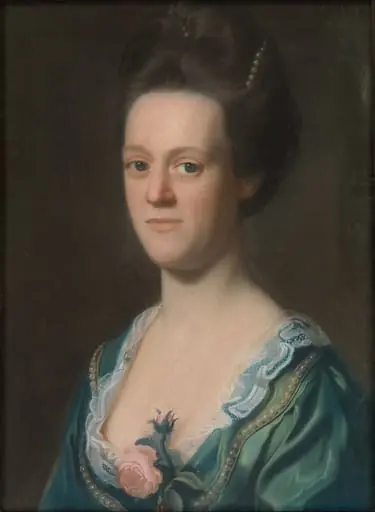 Elizabeth Green (Mrs. Ebenezer Storer II)
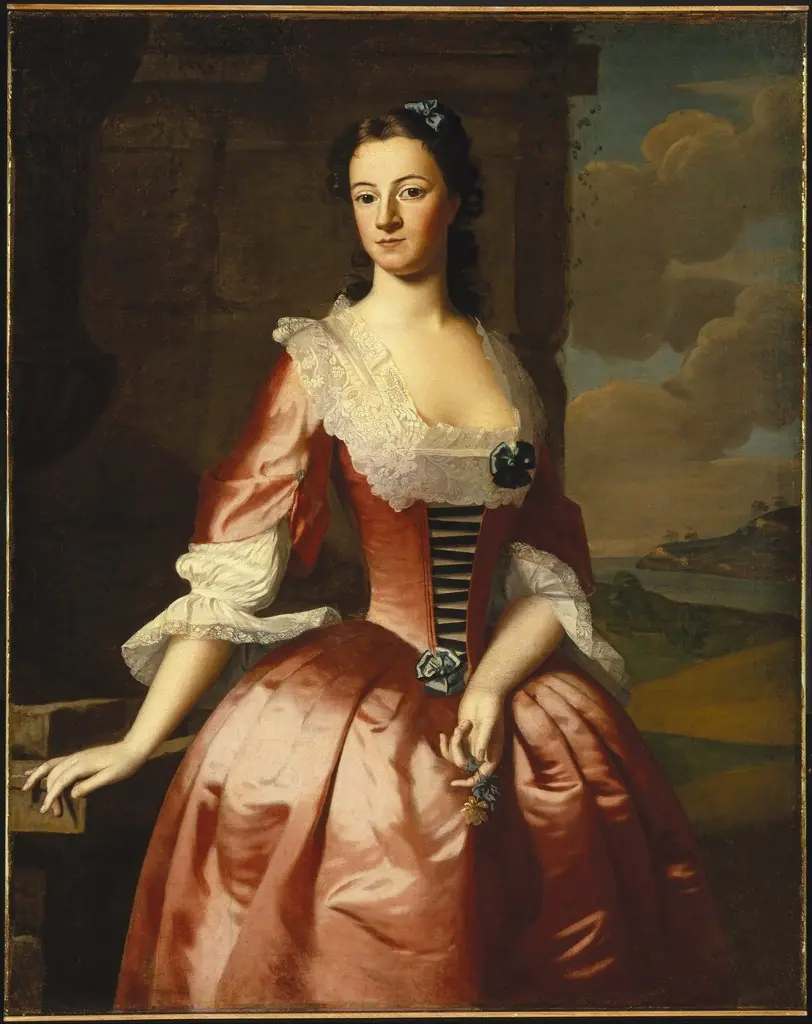 Portrait of a Woman
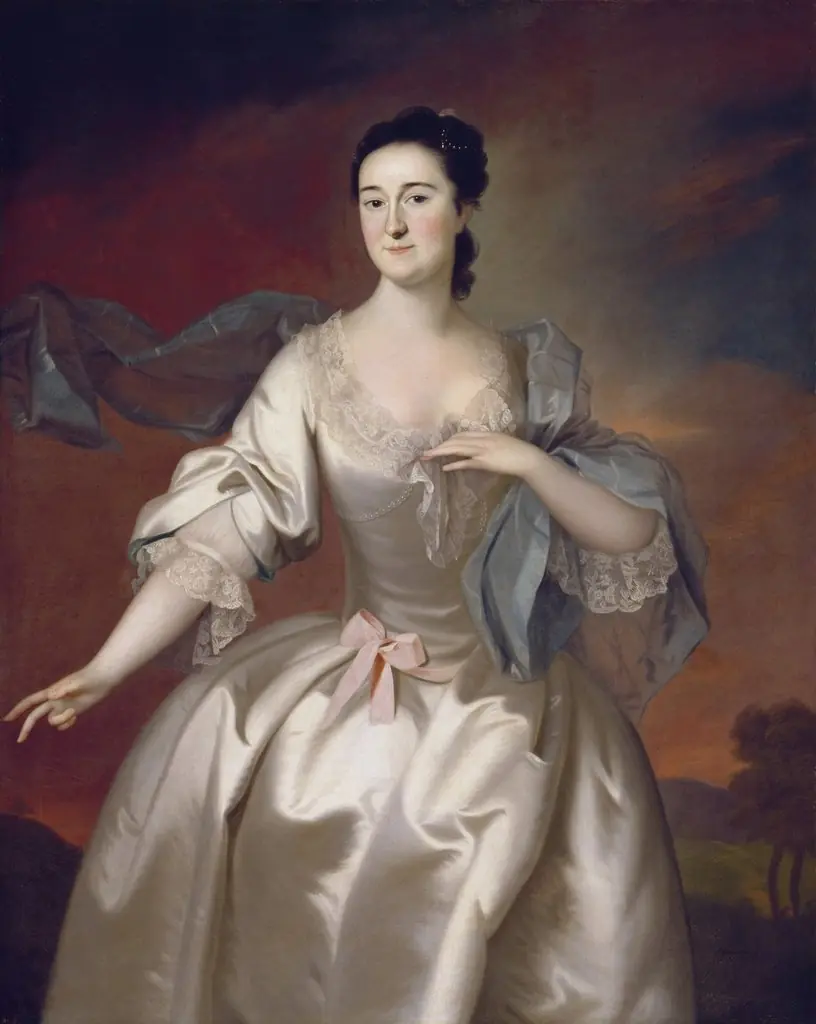 Mrs. James Pitts
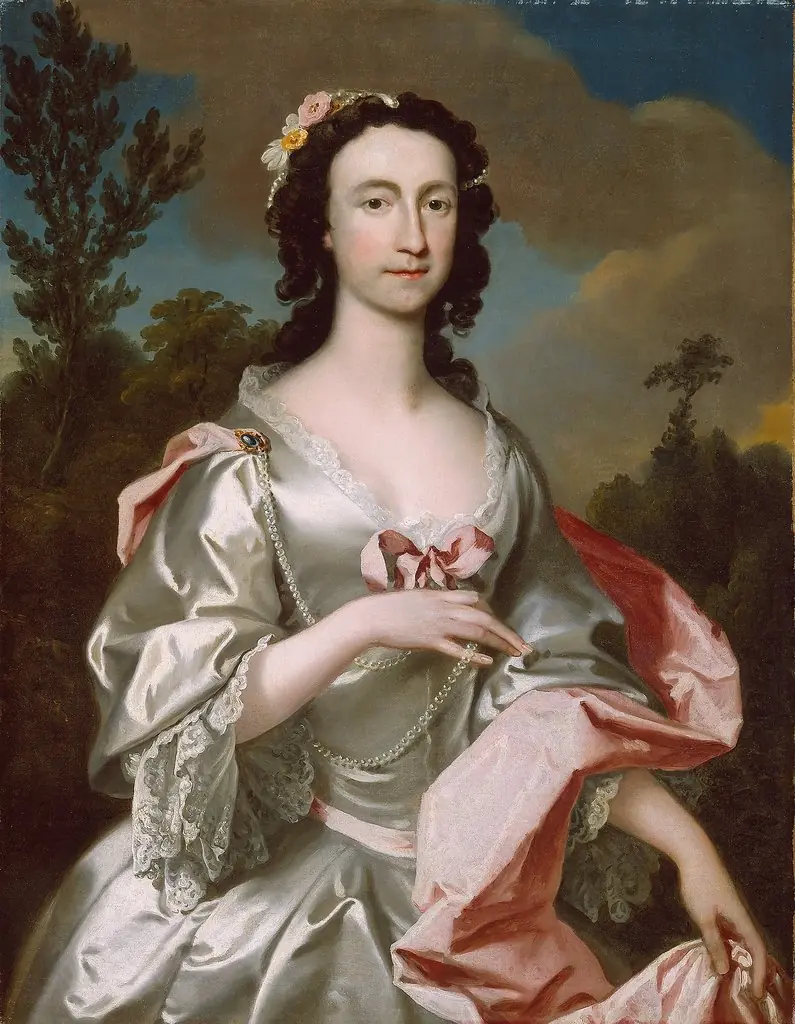 Mrs. Freeman Flower
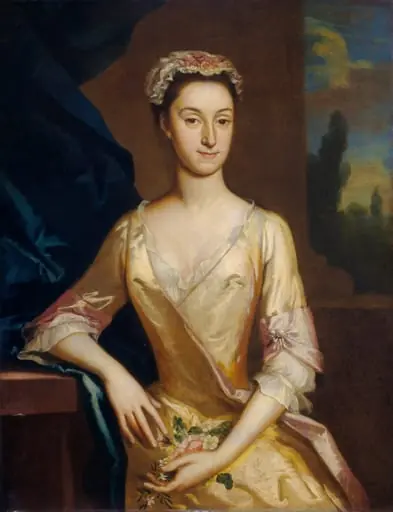 Portrait of a Lady
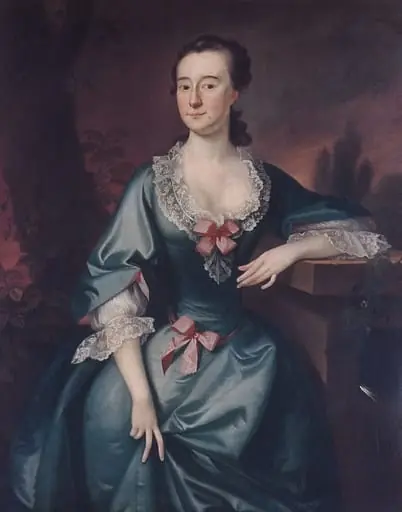 Mrs. David Chesebrough
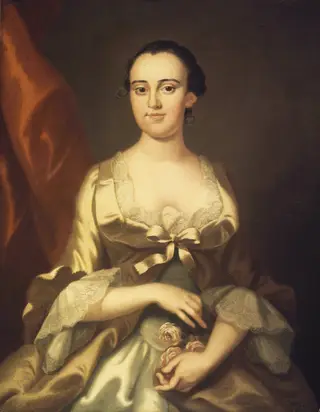 Mrs. William Allen
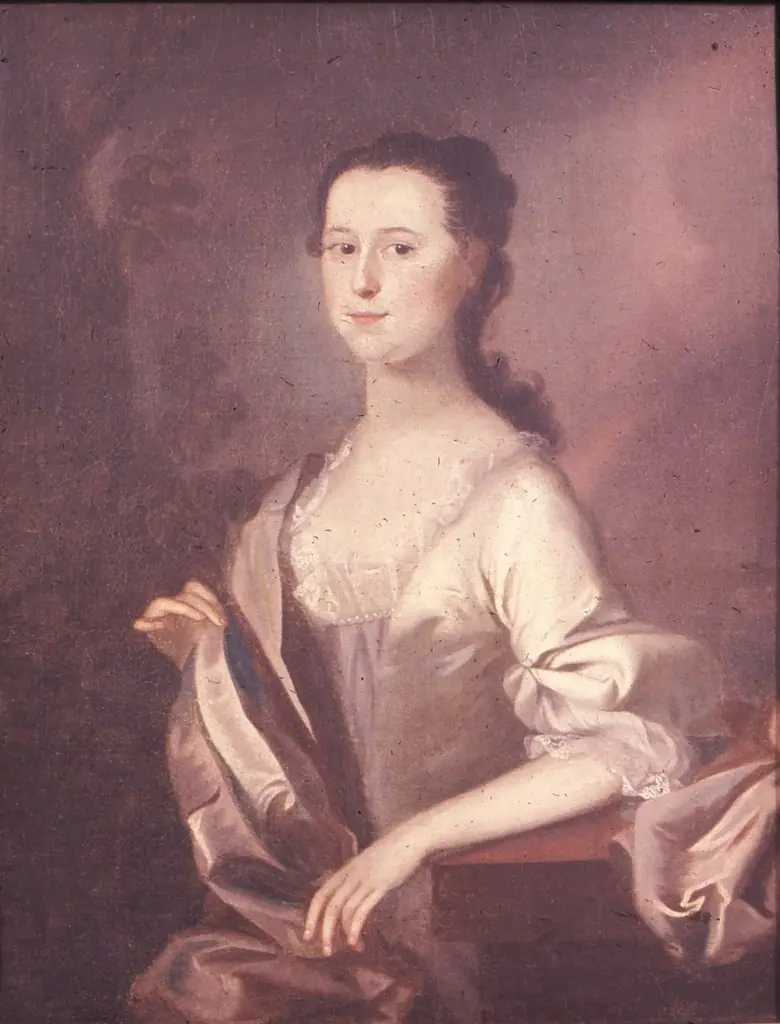 Mrs. Wyseman Clagett (Née Lettice Mitchell; Later Mrs. Simon McQuesten)
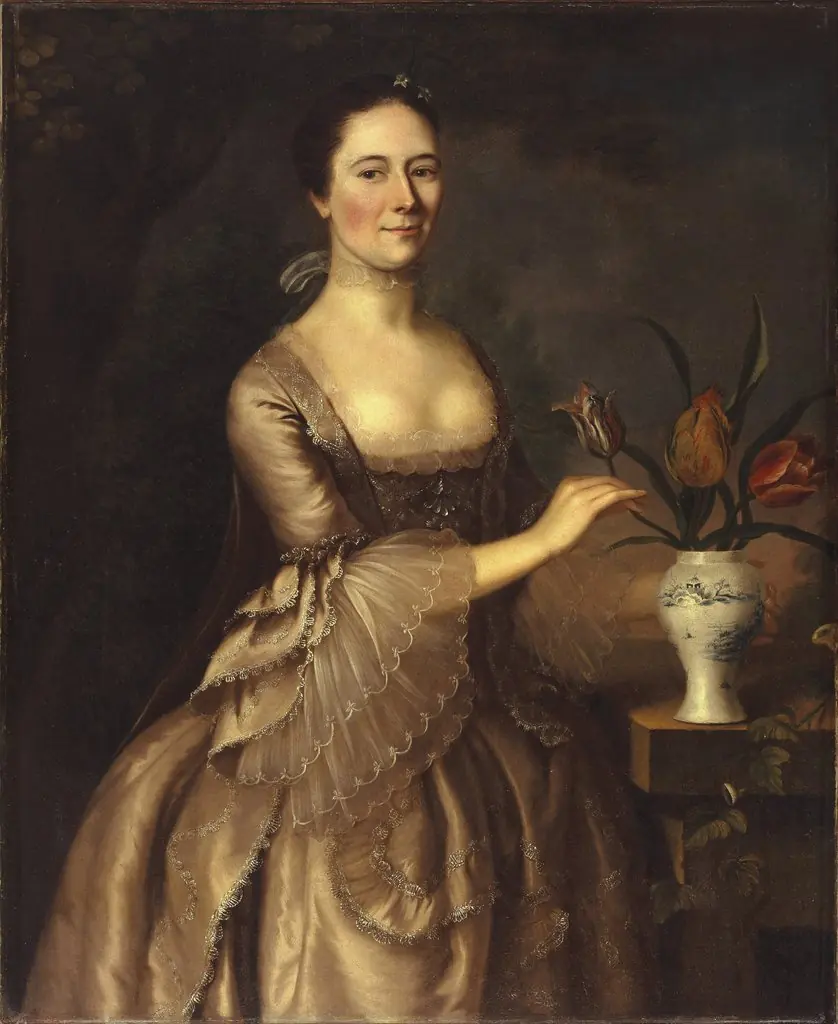 Portrait of a Woman
 Mrs. Charles Carroll of Annapolis
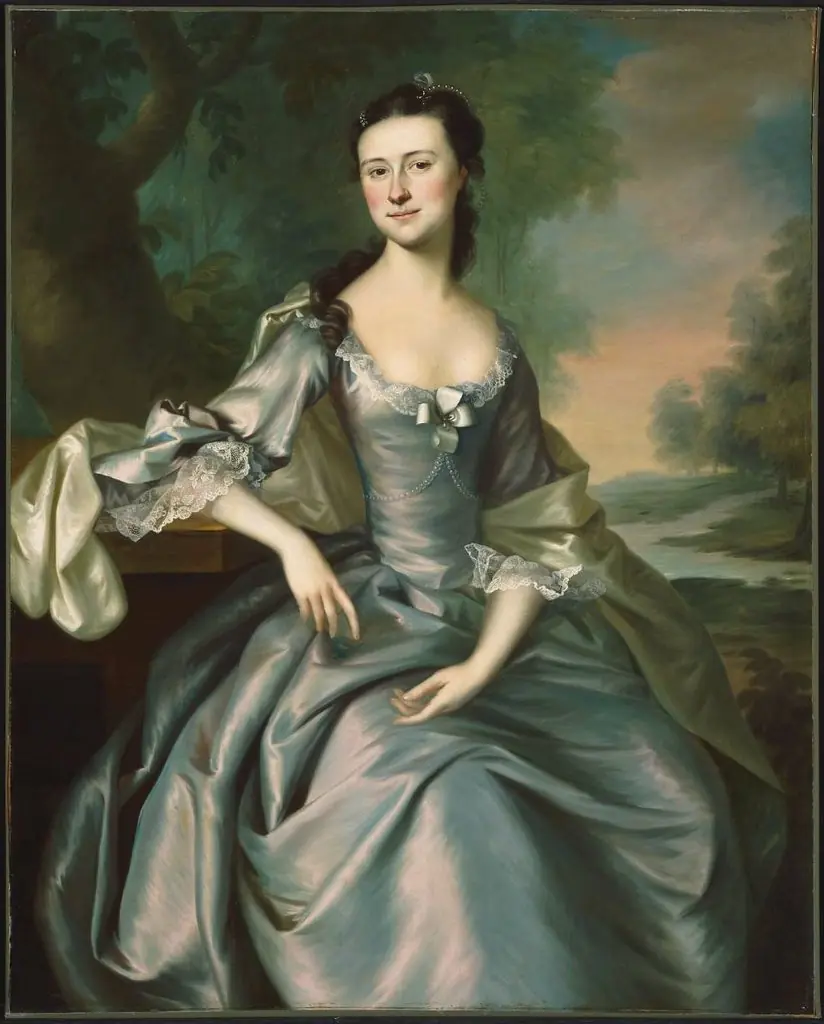 Susan Apthorp (Mrs. Thomas Bulfinch)
- Jane Cutler Doane