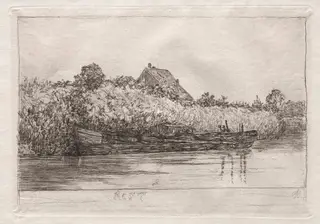
Artwork
Hurlingham
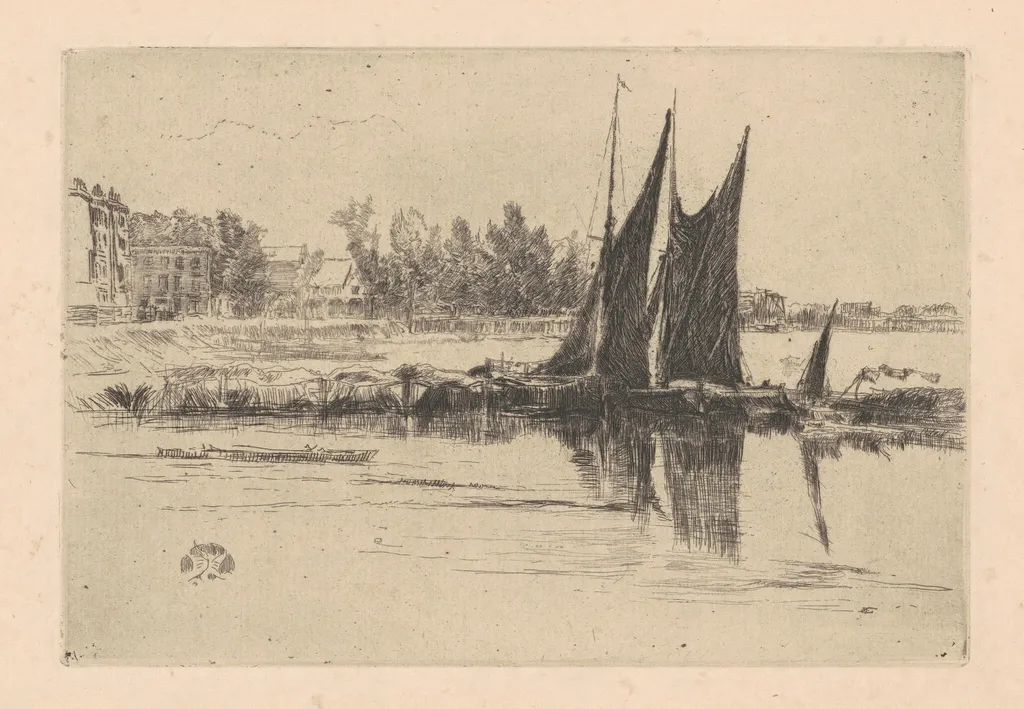
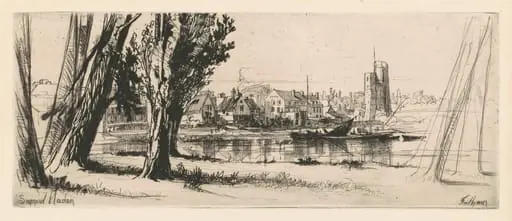
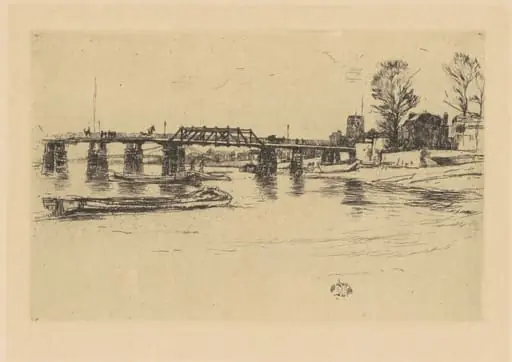
Hurlingham is an ink print by the Impressionist artist James McNeill Whistler. It dates from 1879 and is held in the collection of the National Gallery of Art.
- Inscription
- Inscribed:lower left in plate: [the artist's butterfly]; lower left edge in graphite by unknown hand: K16 Hurlingham; lower right edge in graphite by unknown hand: 622; lower left verso in graphite by unknown hand: K 16. Hurlingham-; lower right verso in graphite by unknown hand: 18
- Markings
- Marked:stamped lower left verso in black ink: F.B.B. [circled]
About this work
Overview
James McNeill Whistler’s print Hurlingham was produced in 1879. Executed in black on laid paper, the image presents a quiet riverbank scene where a small boat is tied to the shore and another drifts in the distance, while faint buildings recede in the background. The composition relies on a restrained palette of grays to convey depth and a calm atmosphere.
Subject & Meaning
The work depicts a leisurely riverside setting, suggesting a tranquil summer day. By focusing on the simple arrangement of boats and architecture, Whistler emphasizes the visual pleasure of everyday space rather than telling a story or imparting moral instruction. The scene invites contemplation of light, water, and the subtle interplay of forms.
Technique & Style
Whistler combined etching with drypoint, allowing both fine incised lines and richer, velvety burrs to coexist on the paper. The laid texture of the support enhances the tonal gradations, while the artist’s characteristic butterfly monogram appears discreetly. The print balances delicate line work with a direct, unadorned rendering of the subject, reflecting his aesthetic‑focused approach.
History & Provenance
Created while Whistler was an American expatriate active in Britain, Hurlingham belongs to a series of prints documenting urban and leisure scenes of the period. The piece was part of his broader output that sought technical precision in depicting contemporary environments, and it has remained within collections that emphasize 19th‑century printmaking.
Context
Hurlingham aligns with Whistler’s late‑19th‑century interest in “art for art’s sake,” privileging visual harmony over narrative content. Though not an Impressionist work, its atmospheric treatment of light and color parallels contemporary explorations of mood in painting, situating the print within the broader shift toward aesthetic abstraction in Victorian Britain.
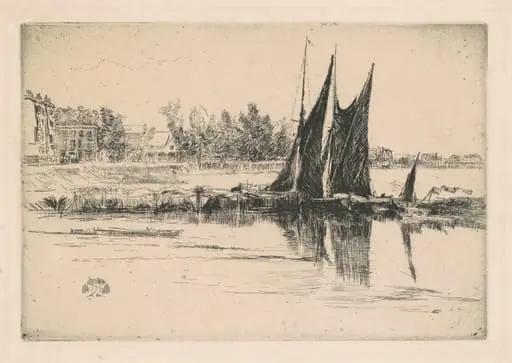
Own this work as a print
Artist & collection
Artist
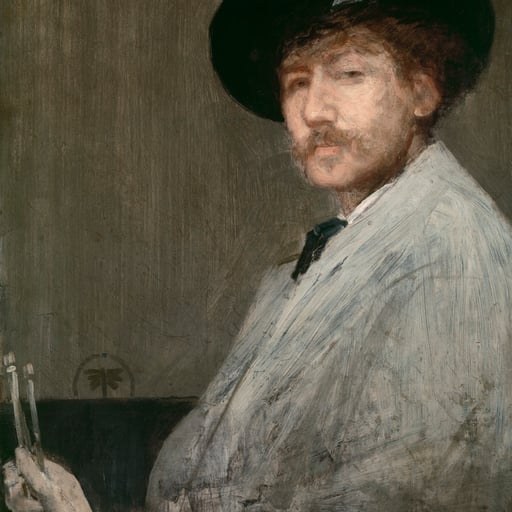
James Abbott McNeill Whistler (; July 10, 1834 – July 17, 1903) was an American painter in oils and watercolor, and printmaker, active during the American Gilded Age and based primarily in the United Kingdom.

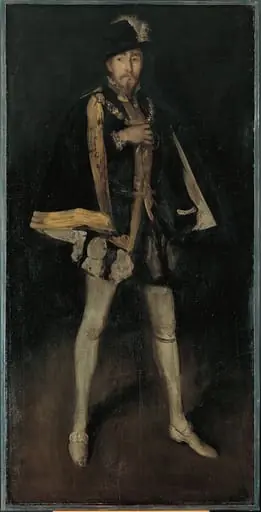 Arrangement in Black, No. 3: Sir Henry Irving as Philip II of Spain
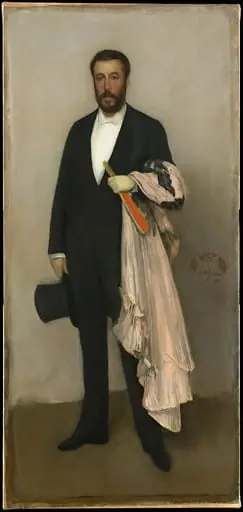 Arrangement in Flesh Colour and Black: Portrait of Theodore Duret
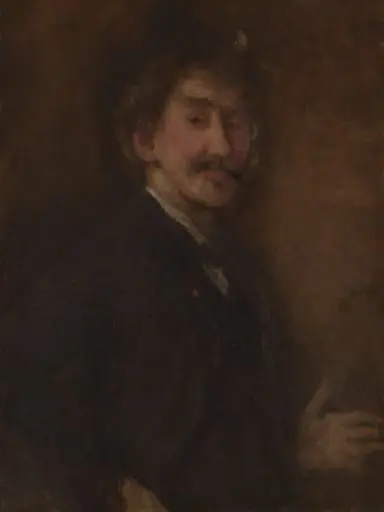 Gold and Brown: Self-Portrait
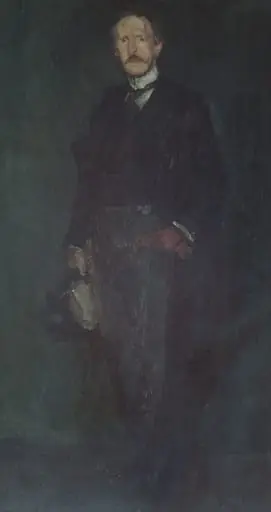 Edward Guthrie Kennedy
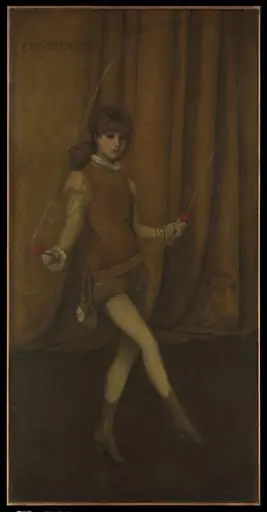 Harmony in Yellow and Gold: The Gold Girl—Connie Gilchrist
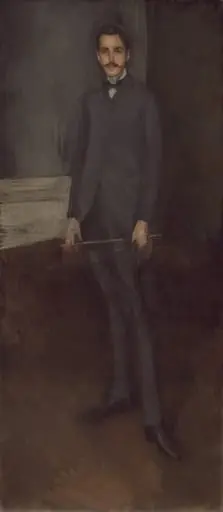 George W. Vanderbilt
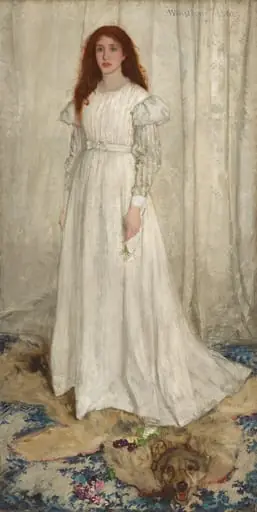 Symphony in White, No. 1: The White Girl
 Henry Irving as Philip II of Spain