Artwork
Lady and Child
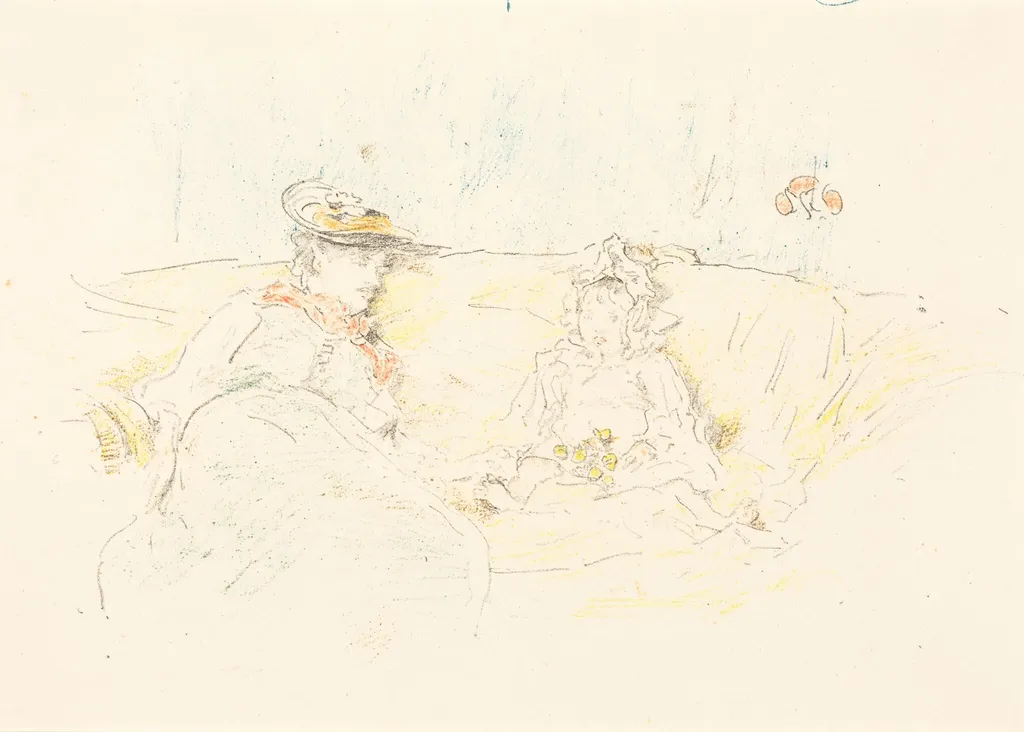
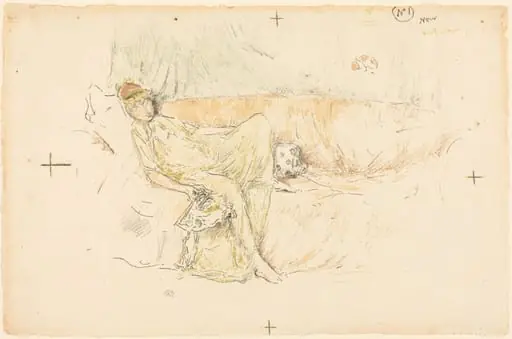
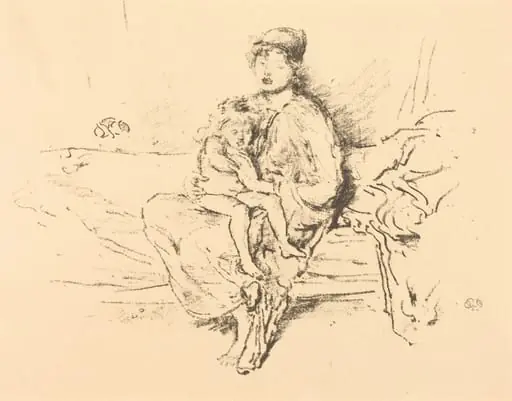
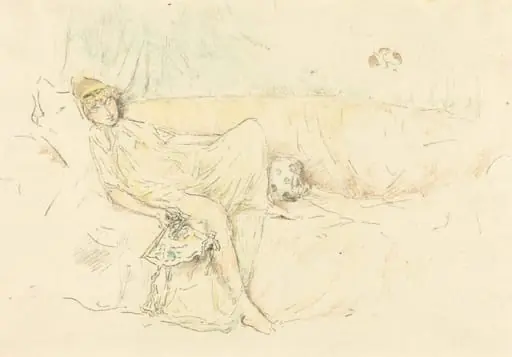
Lady and Child is an ink print by the Impressionist artist James McNeill Whistler. It dates from 1892 and is held in the collection of the National Gallery of Art.
About this work
Overview
Created in 1892, this color lithograph by James McNeill Whistler captures a quiet moment between a woman and child.
Created in 1892, this color lithograph by James McNeill Whistler captures a quiet moment between a woman and child. Executed on wove paper, it belongs to a body of graphic work produced during his years in Britain. Whistler, known for his restrained aesthetic, favored subtle tonal harmonies over narrative detail. The print reflects his commitment to formal composition and his rejection of overt emotionalism in art.
Subject & Meaning
The image portrays a seated woman holding a child on her lap, both figures rendered with minimal detail. The child holds a small, indistinct object, while the woman wears a loose garment and wide-brimmed hat. No explicit story or moral is conveyed; instead, the focus lies in the quiet intimacy of the pose and the balance of forms.
Whistler avoided sentimentality, treating the scene as an arrangement of line and tone rather than a domestic ideal.
Technique & Style
Whistler employed color lithography to achieve soft, layered hues and delicate contours. The lines are fluid and suggestive, evoking form through suggestion rather than definition. Background elements, trees, a perched bird, are lightly indicated, allowing the figures to emerge from a hazy atmosphere. Light and shadow are carefully modulated, emphasizing volume without heavy modeling, consistent with his broader graphic approach.
History & Provenance
The work was produced during Whistler’s mature period in London, when he increasingly turned to printmaking as a means of exploring tonal relationships. It was likely printed in a small edition, typical of his lithographic output. No record of early ownership is widely documented, but the piece entered institutional collections in the 20th century, valued for its technical refinement and alignment with Aesthetic Movement ideals.
Context
Whistler’s work emerged in opposition to Victorian narrative painting, aligning with the Aesthetic Movement’s emphasis on beauty and formal harmony. His use of lithography reflected broader late-19th-century interest in printmaking as a fine art medium. The subdued palette and sketch-like quality echo Japanese ukiyo-e prints, which influenced many European artists of the time, including Whistler, who admired their economy of line and spatial ambiguity.
Legacy
This lithograph exemplifies Whistler’s enduring contribution to modern graphic art: elevating printmaking beyond reproduction to a vehicle for personal expression. His restrained compositions and emphasis on atmosphere influenced later generations of printmakers and modernists who prioritized mood over narrative. Though not widely exhibited during his lifetime, the work now stands as a quiet testament to his pursuit of visual harmony.
Own this work as a print
Artist & collection
Artist
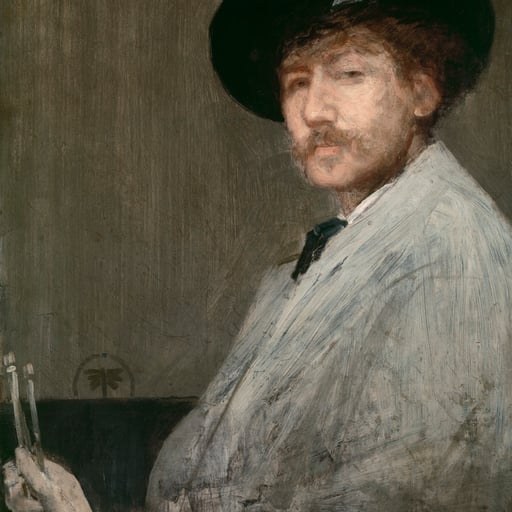
James Abbott McNeill Whistler (; July 10, 1834 – July 17, 1903) was an American painter in oils and watercolor, and printmaker, active during the American Gilded Age and based primarily in the United Kingdom.

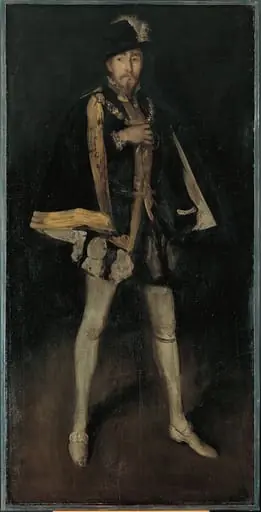 Arrangement in Black, No. 3: Sir Henry Irving as Philip II of Spain
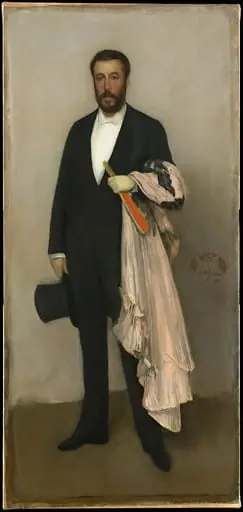 Arrangement in Flesh Colour and Black: Portrait of Theodore Duret
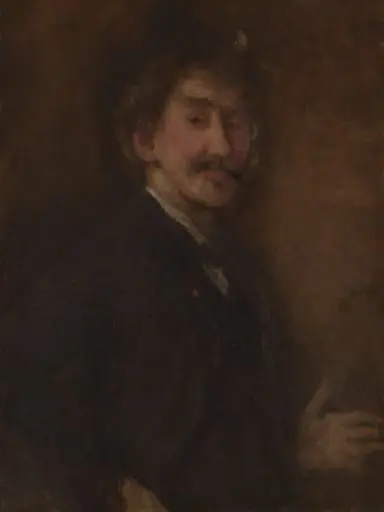 Gold and Brown: Self-Portrait
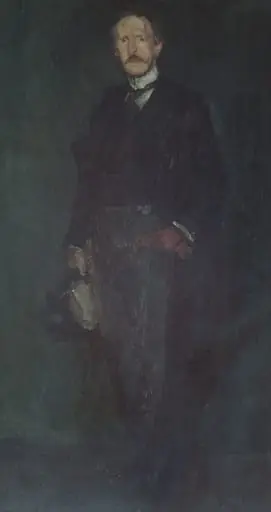 Edward Guthrie Kennedy
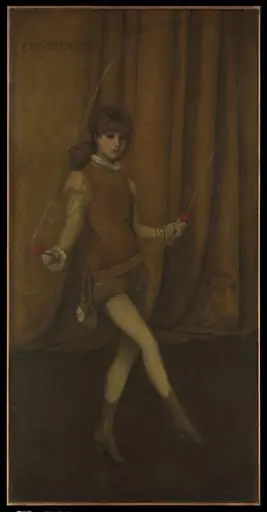 Harmony in Yellow and Gold: The Gold Girl—Connie Gilchrist
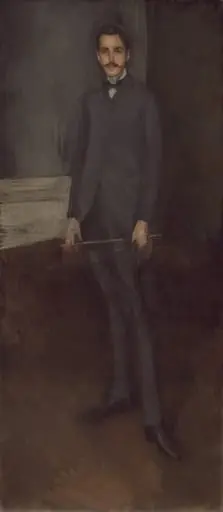 George W. Vanderbilt
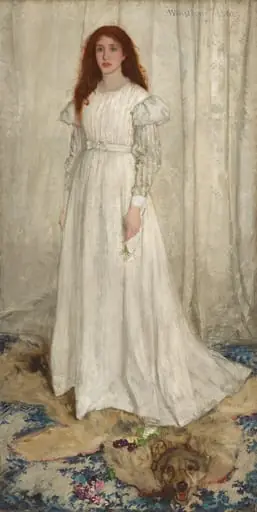 Symphony in White, No. 1: The White Girl
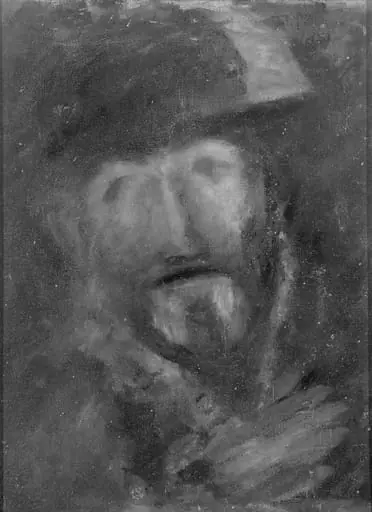 Henry Irving as Philip II of Spain