Artwork
Self-Portrait
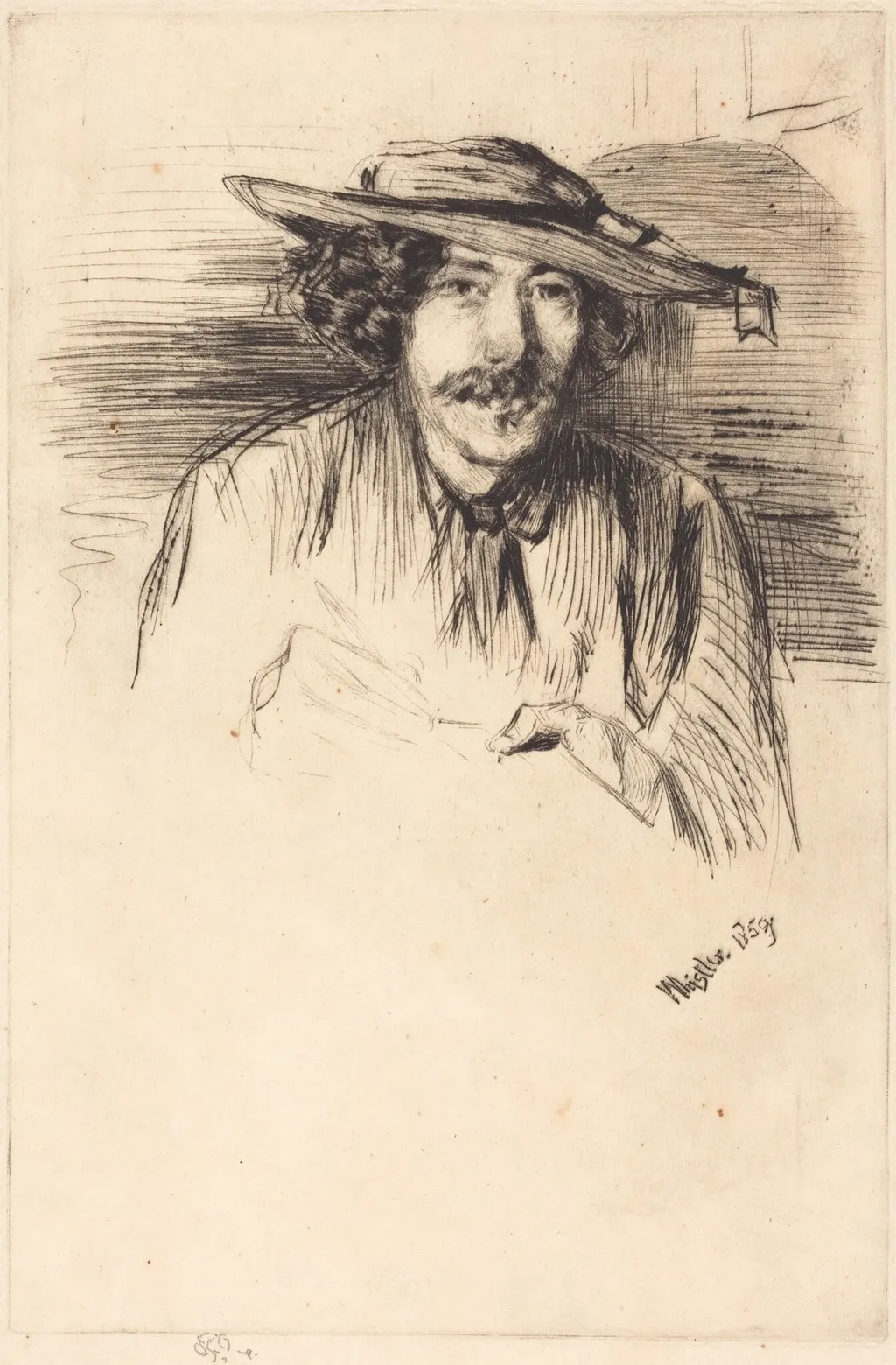
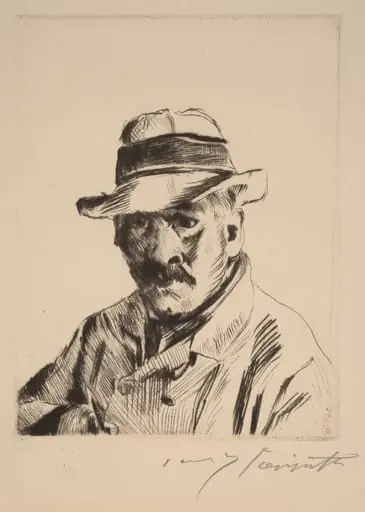
Self-Portrait is an ink print by the Impressionist artist James McNeill Whistler. It dates from 1859 and is held in the collection of the National Gallery of Art.
- Inscription
- Inscribed:on plate: Whistler. 1859; lower right on recto: a 9048
About this work
Overview
James McNeill Whistler’s Self‑Portrait is a drypoint print executed on laid paper in 1859. The work presents the artist in a casual pose, his chin supported by a hand, wearing a wide‑brimmed hat and a slightly rumpled coat. The background consists of loose, wavy strokes that serve only to suggest texture rather than depict a setting.
Subject & Meaning
The image captures Whistler himself, emphasizing a restrained yet expressive presence. His thick mustache and relaxed posture convey a self‑assured yet introspective mood, aligning with the artist’s broader interest in portraying mood over narrative detail.
Technique & Style
Created with a drypoint needle, the print displays characteristic grainy, uneven lines that result from the burr left on the paper’s surface. This method yields a sketch‑like quality, with the laid paper’s texture enhancing the subtle tonal variations of the work.
Context
At the time of its creation, Whistler was establishing his reputation across oil, watercolor, and print media during the American Gilded Age. His aesthetic philosophy prioritized visual harmony and the autonomy of art, echoing the “art for art’s sake” credo that shaped his output.
Legacy
The portrait exemplifies Whistler’s early exploration of printmaking techniques that would inform his later, more refined works. Its delicate linework and focus on atmospheric suggestion continue to illustrate his contribution to 19th‑century aesthetic discourse.
Own this work as a print
Artist & collection
Artist
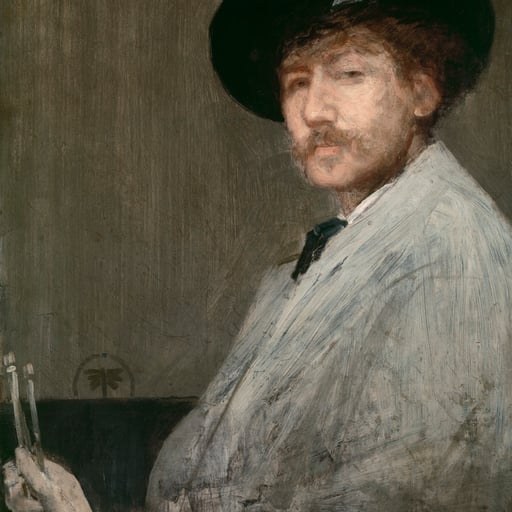
James Abbott McNeill Whistler (; July 10, 1834 – July 17, 1903) was an American painter in oils and watercolor, and printmaker, active during the American Gilded Age and based primarily in the United Kingdom.

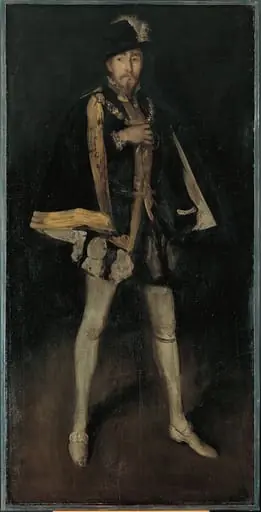 Arrangement in Black, No. 3: Sir Henry Irving as Philip II of Spain
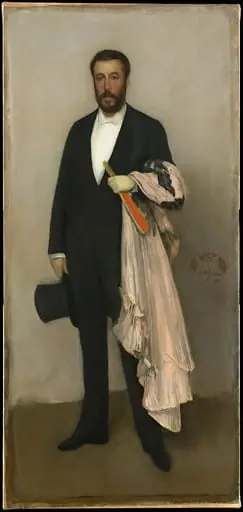 Arrangement in Flesh Colour and Black: Portrait of Theodore Duret
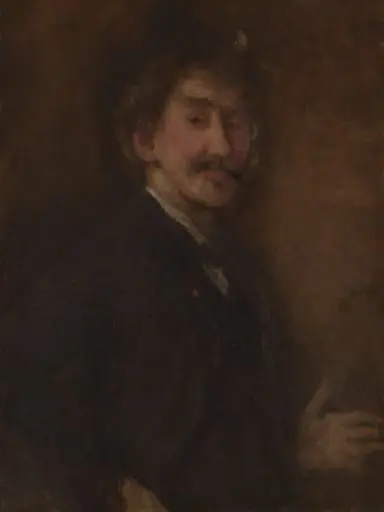 Gold and Brown: Self-Portrait
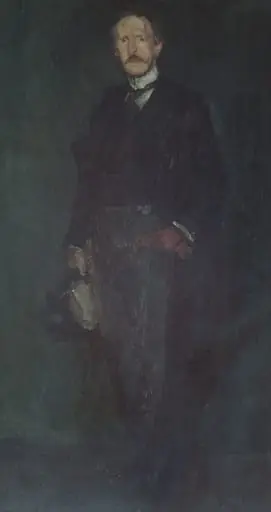 Edward Guthrie Kennedy
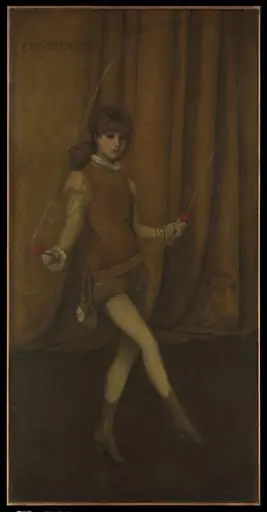 Harmony in Yellow and Gold: The Gold Girl—Connie Gilchrist
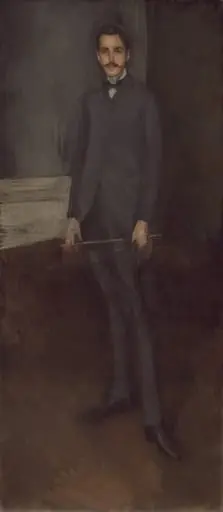 George W. Vanderbilt
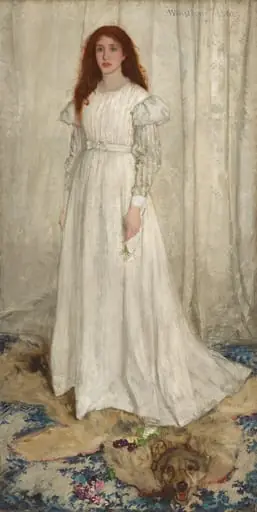 Symphony in White, No. 1: The White Girl
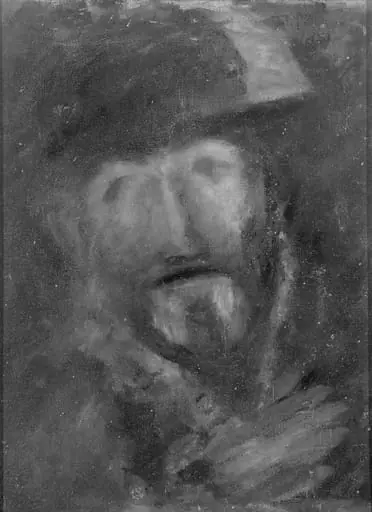 Henry Irving as Philip II of Spain
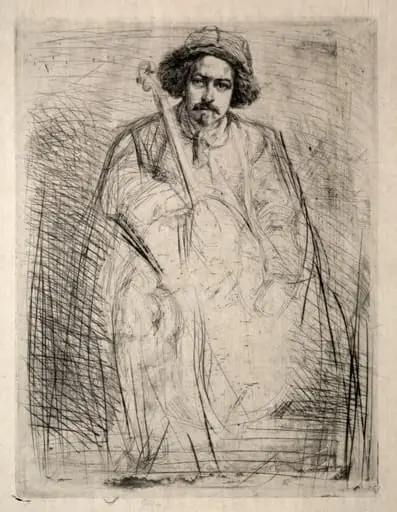
- Becquet
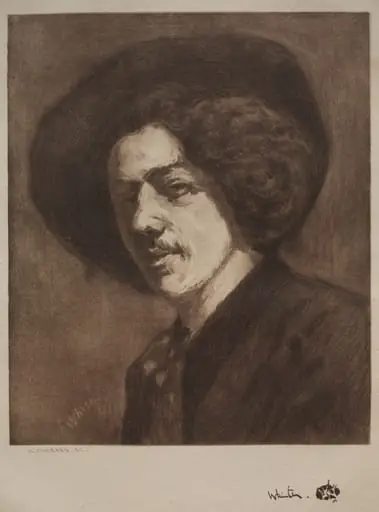 James McNeill Whistler
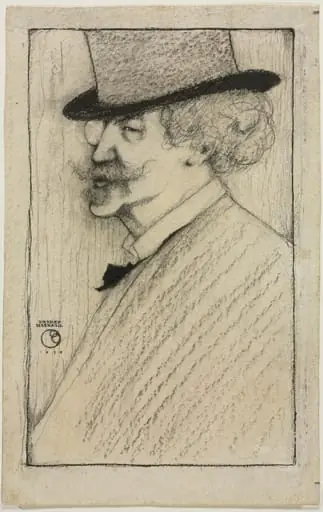 James McNeill Whistler
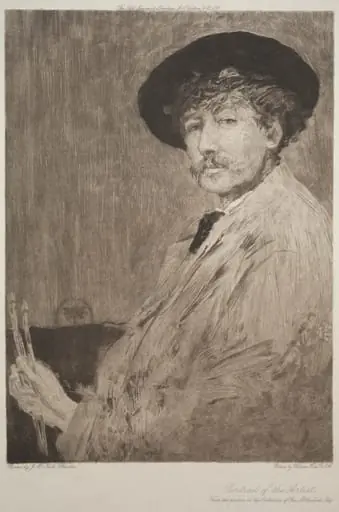 James McNeill Whistler
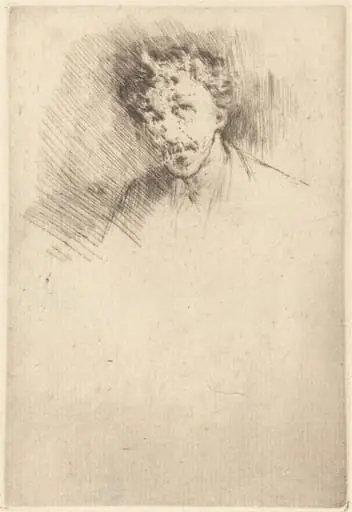 Whistler with the White Lock
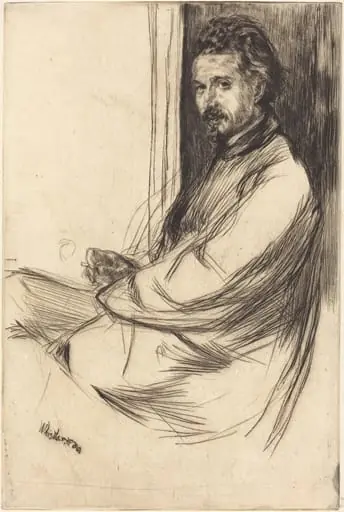 Axenfeld
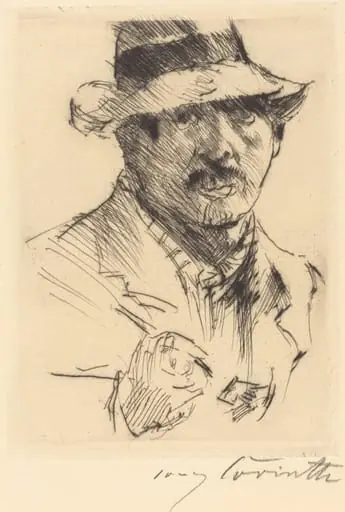 Selbstbildnis (Self-Portrait)
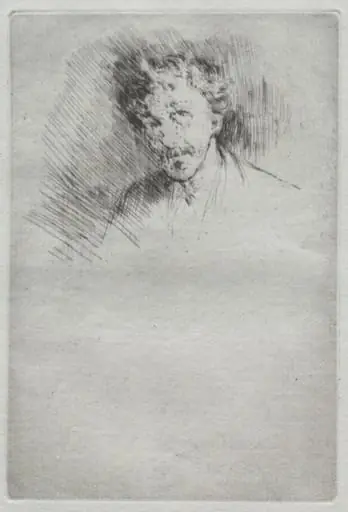 Whistler with the White Lock
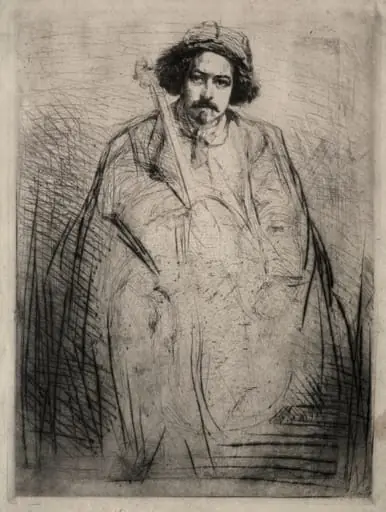 J. Becquet, Sculptor
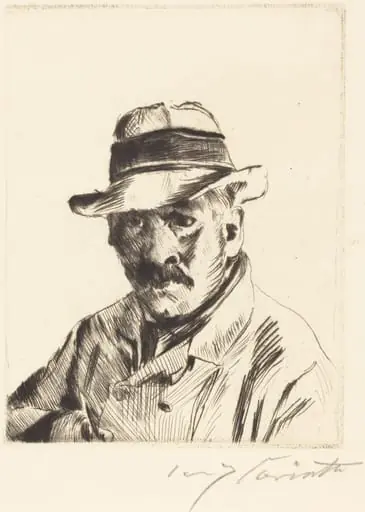 Selbstbildnis im Strohhut (Self-Portrait in a Straw Hat)
 Selbstbildnis im Strohhut, als Brustbild (Self-Portrait in a Straw Hat, Bust Length)
 Dear Edith