Artwork
The Seer
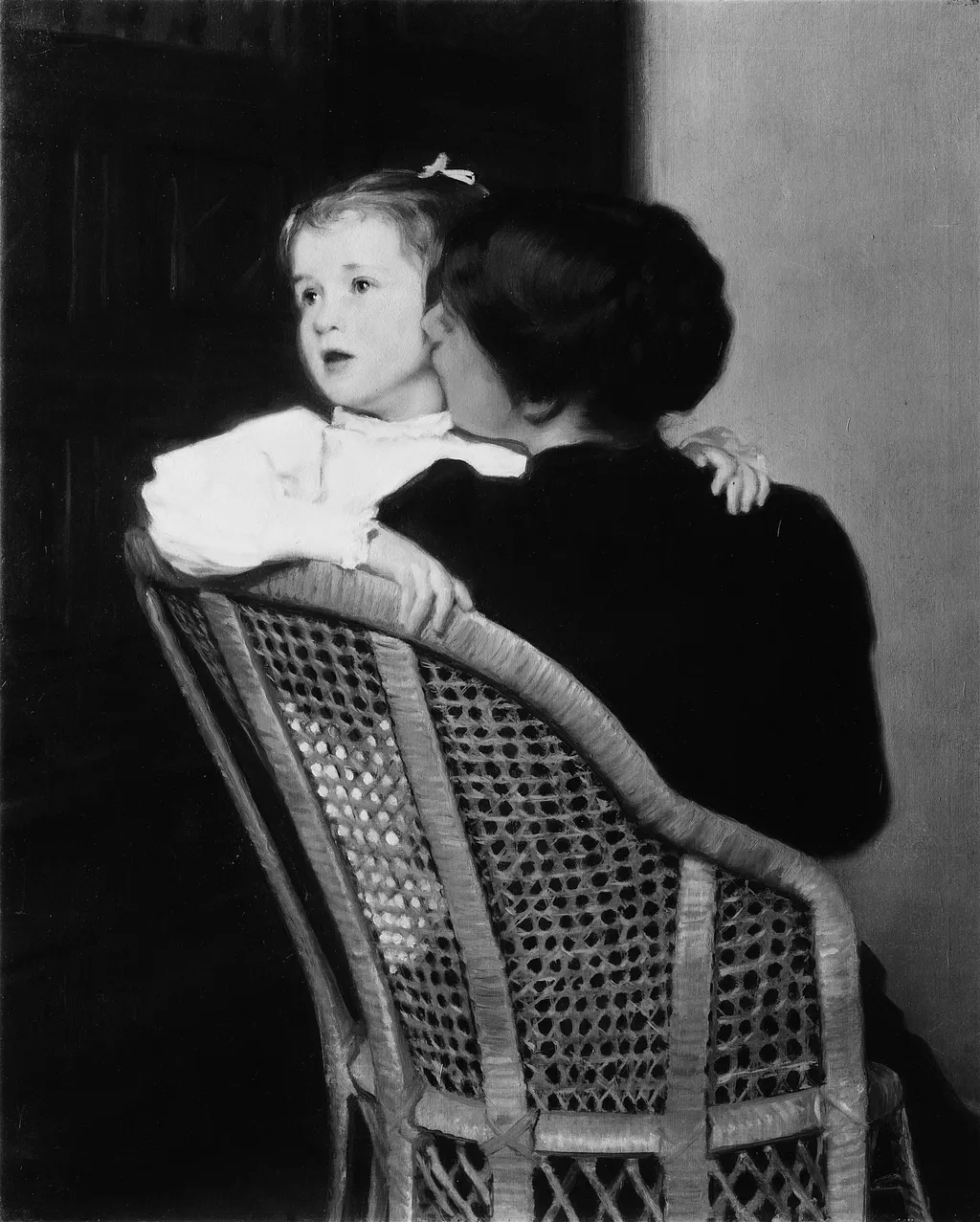
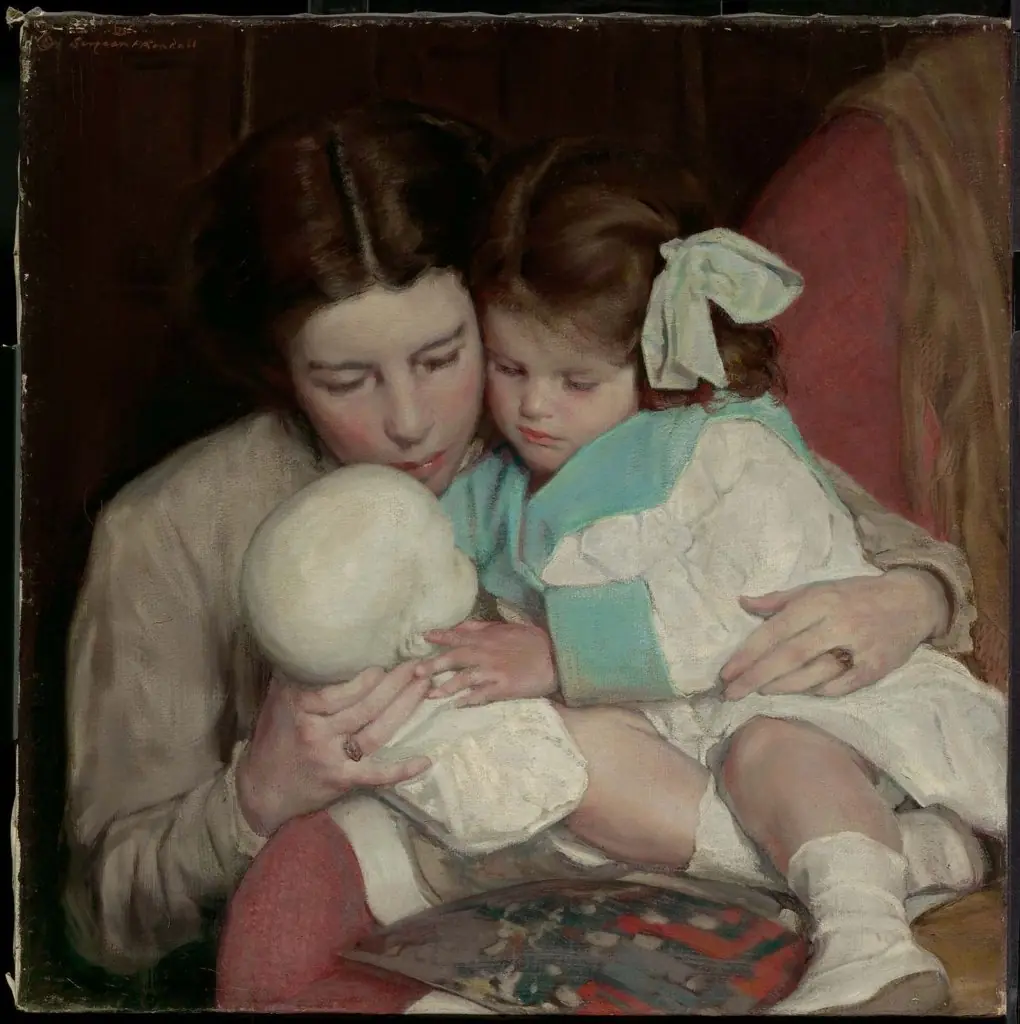
The Seer is an oil painting by the American Impressionist artist William Sergeant Kendall. It dates from 1906 and is held in the collection of the Metropolitan Museum of Art.
About this work
Subject & Meaning
The composition centers on the mother’s attentive gaze, suggesting a protective, almost prophetic presence within the family.
The Seer depicts a domestic scene in which the artist’s wife, Margaret Stickney Kendall, sits with her young daughter Beatrice, while a second child appears as a girl. The composition centers on the mother’s attentive gaze, suggesting a protective, almost prophetic presence within the family. By placing the figures in a quiet interior, Kendall emphasizes intimacy and the nurturing role of women, while the title implies a spiritual insight that transcends the ordinary.
The work thus combines realistic portraiture with symbolic suggestion of maternal intuition and foresight, reflecting early‑20th‑century ideals of domestic sanctity.
History & Provenance
The Seer was created in 1906 by the American artist William Sergeant Kendall. Executed in oil on canvas, the work measures approximately 93.9 centimeters in height and 78.7 centimeters in width. The painting depicts a woman, identified as Margaret Stickney Kendall, alongside a young girl, Beatrice Kendall.
While specific details regarding the original commission or the precise sequence of ownership prior to its current location are not detailed in the available records, the work is currently held in the collection of the Metropolitan Museum of Art. The inception of the piece is firmly dated to the year 1906, marking it as a significant early 20th-century portrait by Kendall.
The painting The Seer (1906) by William Sergeant Kendall is part of the Metropolitan Museum of Art’s collection in New York. The work is listed in the museum’s catalogue under the artist’s name, though the specific accession or inventory number is not disclosed in the available documentation. No exhibition records pertaining to this canvas appear in the sources examined.
Overview
“The Seer,” an oil painting from 1906 by American artist William Sergeant Kendall, presents an intimate domestic moment. The composition features his wife, Margaret Stickney Kendall, cradling their daughter, Beatrice. Kendall, recognized for his portrayals of family life, frequently depicted his wife and children in his early works, offering a personal glimpse into his world. This piece is now part of The Metropolitan Museum of Art's collection.
Technique & Style
Executed in oil, “The Seer” aligns with characteristics of American Impressionism, though it also employs a dramatic lighting technique. The artist uses strong contrasts between light and shadow, a method known as chiaroscuro, to illuminate the subjects' faces while rendering the background in deep obscurity. This technique emphasizes the figures and their emotional connection, drawing the viewer's attention to the girl's bright gaze and the mother's partially hidden features against the dark, unadorned setting.

Own this work as a print
Artist & collection

Artist
William Sergeant Kendall (born 1869 in Spuyten Duyvil, New York, died 1938 in Hot Springs, Virginia), was an American painter, most famous for his evocative scenes of domestic life; his wife Margaret Stickney Kendall…



 Woman with a Parasol - Madame Monet and Her Son
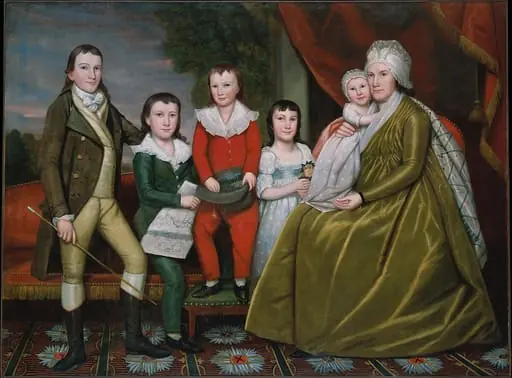 Mrs. Noah Smith and Her Children
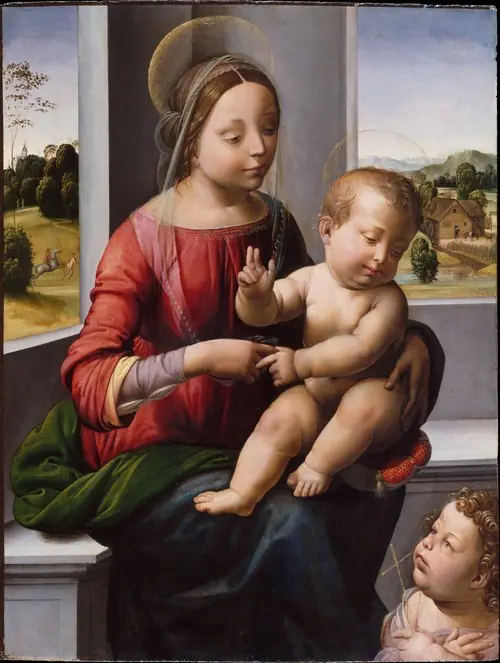 Madonna and Child with the Young Saint John the Baptist
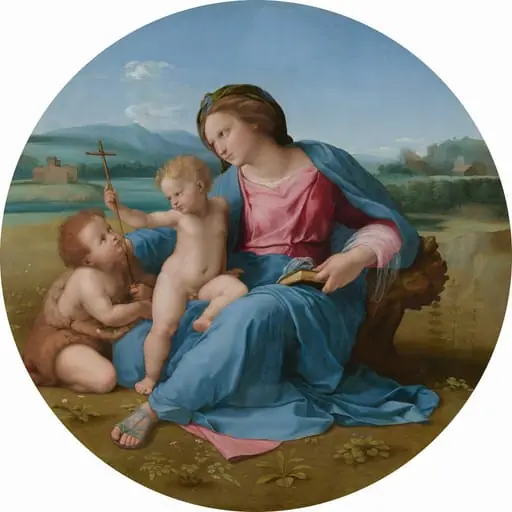 The Alba Madonna
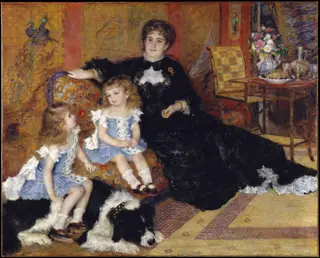 Madame Georges Charpentier and her Children
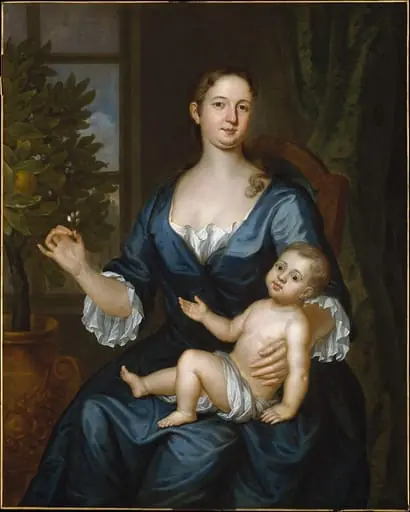 Mrs. Francis Brinley and Her Son Francis
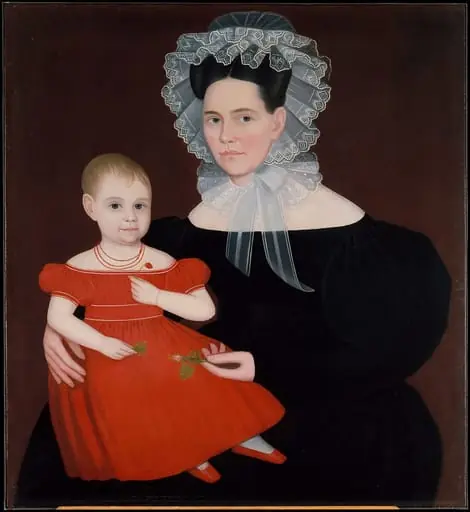 Mrs. Mayer and Daughter
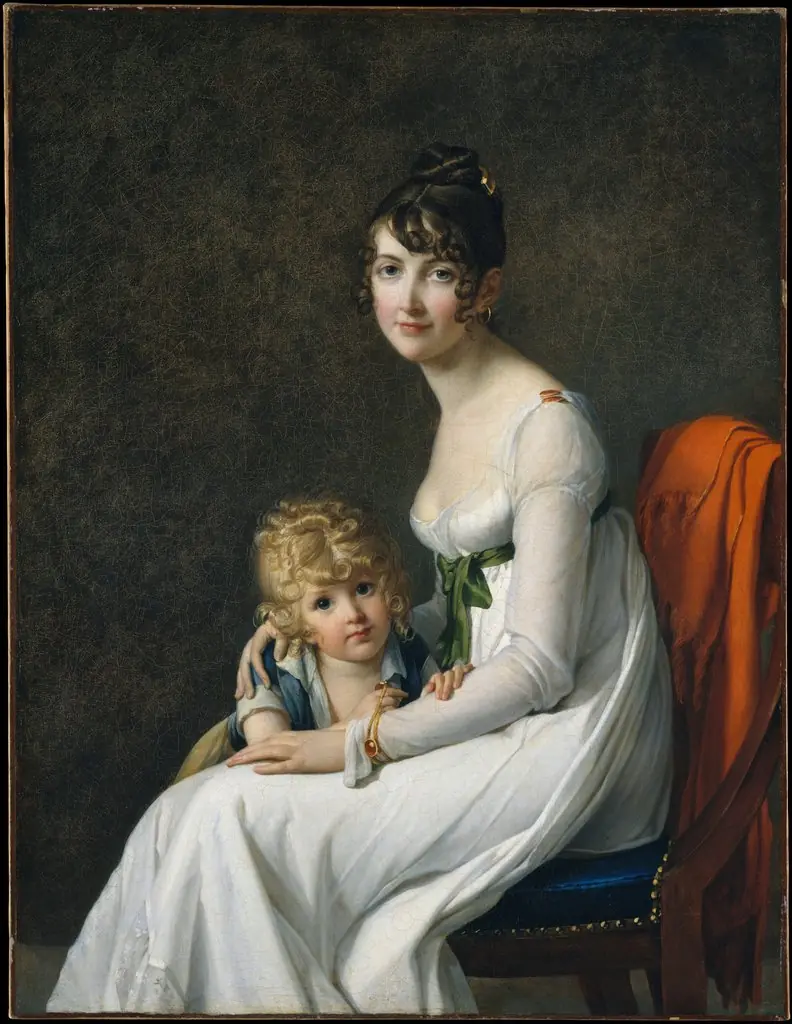 Madame Philippe Panon Desbassayns de Richemont (Jeanne Eglé Mourgue, 1778–1855) and Her Son, Eugène (1800–1859)