Artwork
Harvest Scene
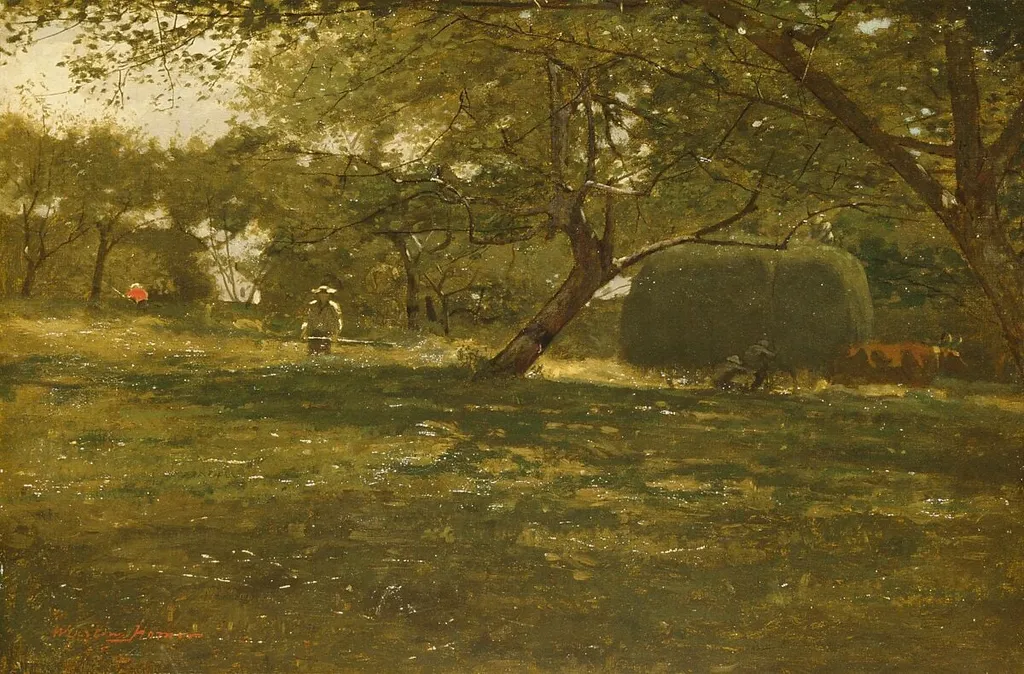
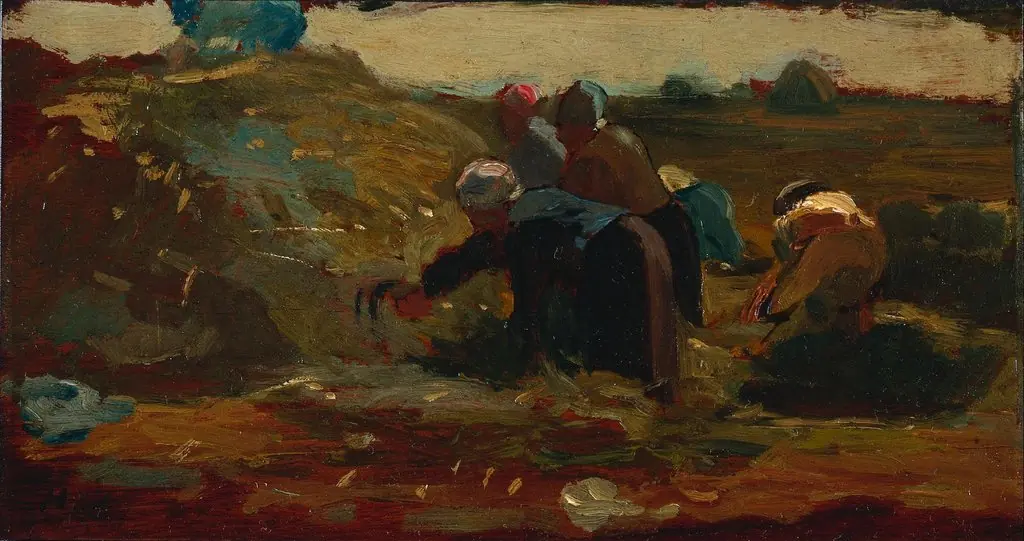
Harvest Scene is an oil painting by the American Impressionist artist Winslow Homer. It dates from 1873 and is held in the collection of the Metropolitan Museum of Art.
About this work
Subject & Meaning
By depicting a man engaged in an outdoor activity amid a seasonal field, the painting conveys the significance of agricultural labor in 19th-century America.
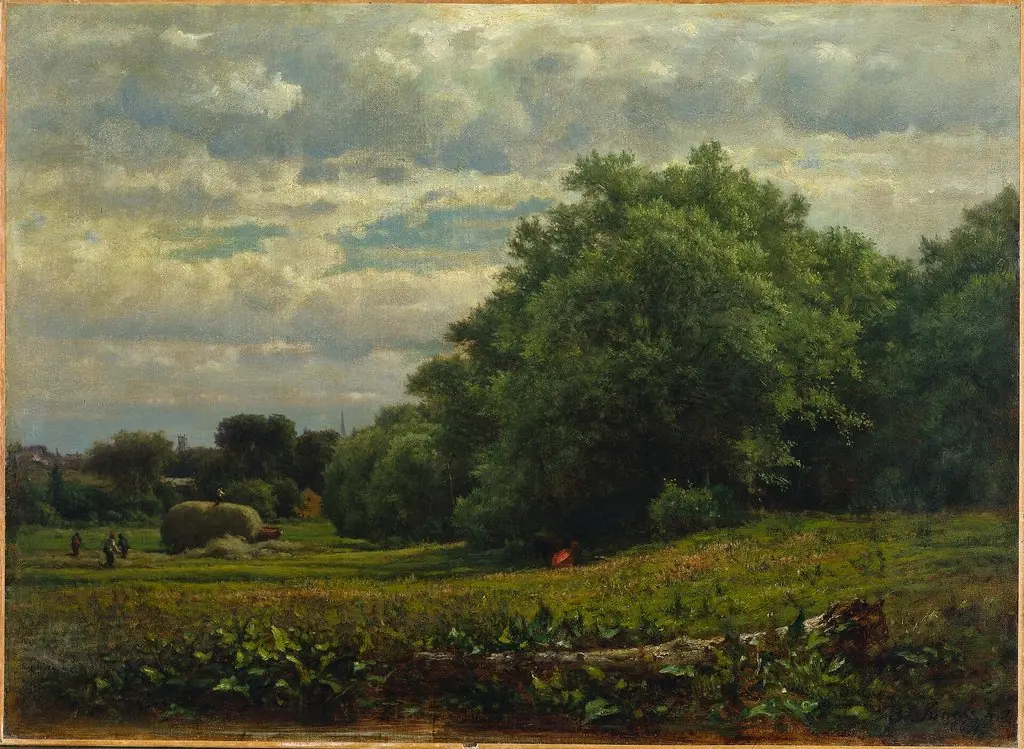
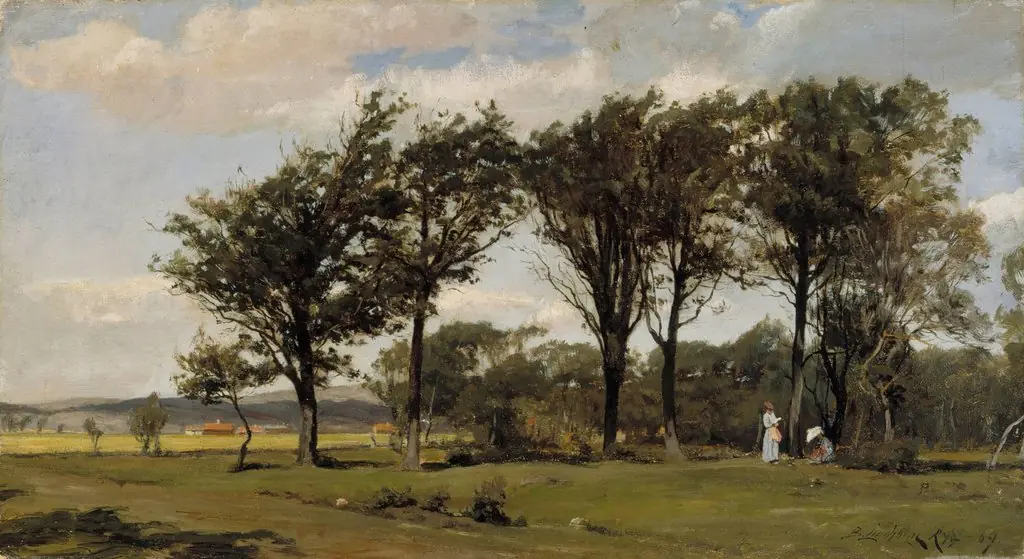
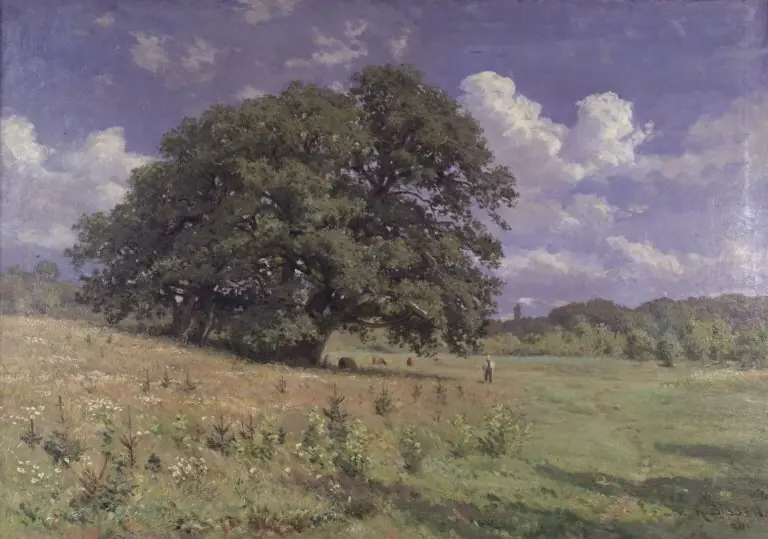
The work titled Harvest Scene shows a lone figure positioned in a broad landscape that includes a distinct tree, set against a flat, cultivated ground. The composition emphasizes the relationship between the human subject and the natural environment, using the tree as a focal point within the rural setting. By depicting a man engaged in an outdoor activity amid a seasonal field, the painting conveys the significance of agricultural labor in 19th-century America.
The inclusion of a tree alongside the figure serves as a visual cue to the pastoral theme, reinforcing the narrative of harvest and the connection between people and the land.
Technique & Style
Harvest Scene is an oil painting on canvas executed by Winslow Homer in 1873. The work measures 25.4 cm in height and 61 cm in width, indicating a horizontal format. The handling is fluid yet controlled, with broad, descriptive brushwork that captures light and atmosphere across a cultivated landscape.
Stylistically, the composition emphasizes a broad, panoramic view of agricultural labor against a backdrop of scattered trees and open sky, aligning with the Barbizon-influenced naturalism of Homer's mid-career. The palette is earth-toned, punctuated by warm ochres and greens, suggesting late summer or early autumn.
History & Provenance
The painting titled Harvest Scene was created by the American artist Winslow Homer in 1873. Executed in oil on canvas, the work measures 25.4 centimeters in height and 61 centimeters in width. Current records identify the Metropolitan Museum of Art as the holding institution for this piece, where it is part of the collection.
The artwork falls within the landscape genre and depicts a scene featuring a man and trees. The work is currently classified within the American Wing of the museum, reflecting its status as a significant example of American landscape painting from that period.
Overview
Winslow Homer's Harvest Scene, an oil on canvas created around 1873, is a landscape genre painting featured in The American Wing. This work captures a rural setting, focusing on a solitary figure engaged in agricultural labor near a prominent tree. The piece exemplifies Homer's exploration of the American landscape and his developing mastery of oil painting during a significant phase of his artistic output.
Context
As a prominent artist of 19th-century America, Winslow Homer evolved from a commercial illustrator to a painter of fine art. Harvest Scene was produced during a period of profound societal change in the United States, marked by a significant shift from rural to urban living. Homer's decision to depict this serene rural subject offers a contemplative perspective on a lifestyle that was increasingly giving way to industrial progress.
Artist & collection
Artist
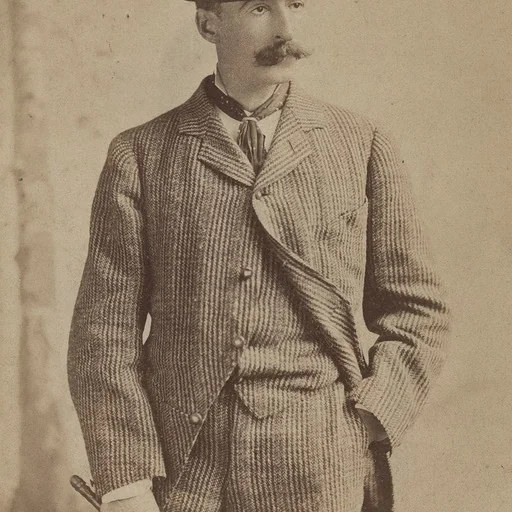
Winslow Homer (February 24, 1836 – September 29, 1910) was an American landscape painter and illustrator, best known for his marine subjects.