Subject
Brown Hair
Brown Hair is a subject in art. The gallery holds 81 works in this subject in art, including works by Titian, Paolo Veronese and Jean Baptiste Camille Corot.
In figurative art, brown hair has always been less a deliberate "subject" than the quiet default of human representation: as the most common hair colour across the populations European artists painted, brunette and chestnut tresses recur in altarpieces, mythologies and portraits from antiquity onward. The colour itself is among the oldest in the painter's repertoire. The earth pigments used to render hair and flesh—raw and burnt umber, raw and burnt sienna—are natural iron-oxide clays that appear in prehistoric cave painting; sienna takes its name from the Tuscan city of Siena, while umber derives from the central Italian region of Umbria where it was originally mined. Both became staples of Renaissance workshops in the fourteenth and fifteenth centuries.
Technically, brown hair gave painters a vehicle for one of the great problems of naturalism: modelling rounded form in low light. Burnt sienna and burnt umber, often warmed with reds or cooled with a touch of blue and lifted with lead white, allowed subtle transitions from highlight to deep shadow. The use of dark earth browns peaked in the seventeenth and eighteenth centuries, when Caravaggio, Rembrandt van Rijn and Anthony van Dyck built their chiaroscuro almost entirely from these tones, letting brown hair dissolve into shadowed grounds.
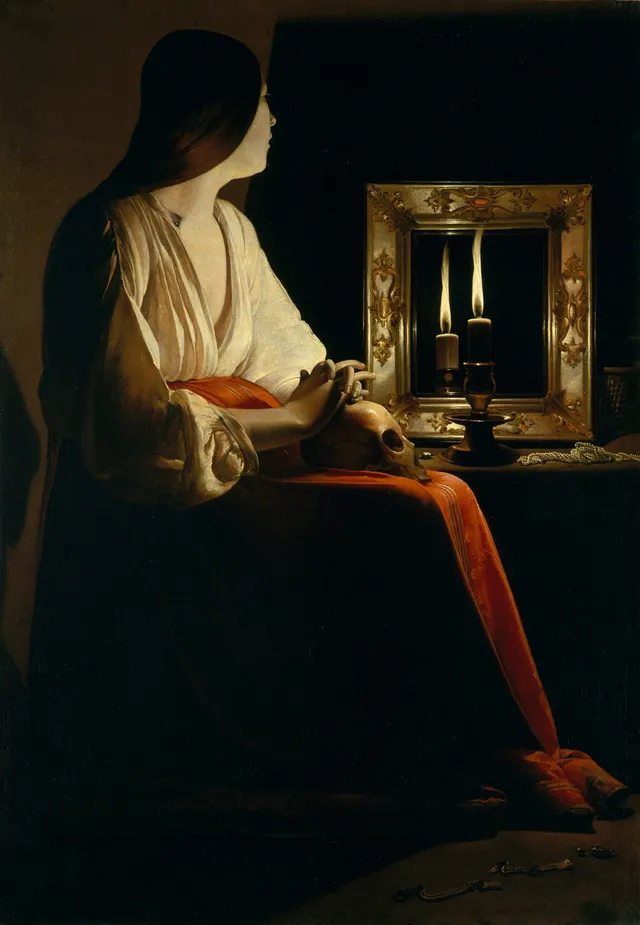
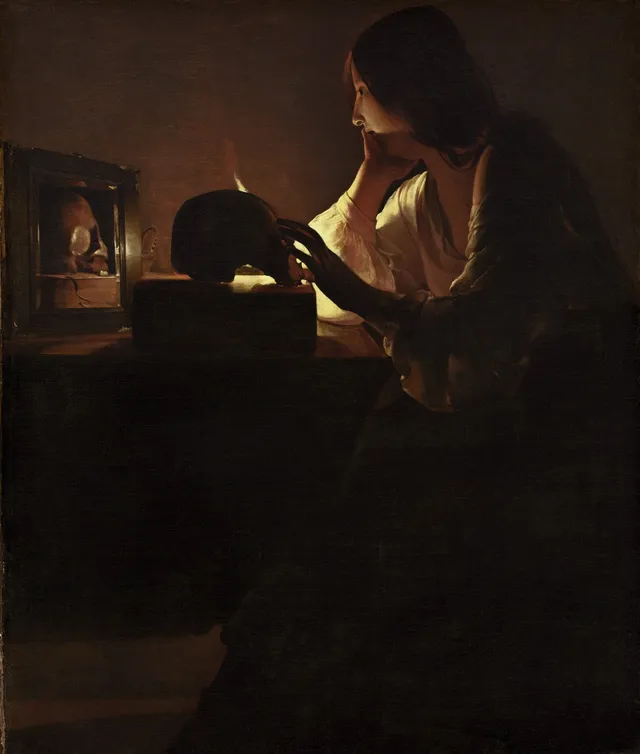
The theme runs through the canonical works in this collection. In Paolo Veronese's "Mars and Venus United by Love" (1570s), the warm-haired figures embody the opulent colourism of the Venetian Renaissance. Georges de La Tour returned repeatedly to the penitent Magdalen around 1640—the versions known as "The Penitent Magdalen" and "The Repentant Magdalen"—her loose brown hair falling across a candlelit, meditative darkness that runs counter to Baroque spectacle.
Nineteenth-century French painting reframed the motif in modern, secular terms. Camille Corot's "The Repose" (begun 1860) sets a reclining brunette against silvery foliage; Édouard Manet's "The Dead Toreador" (probably 1864) and Edgar Degas's "The Dancing Class" (c. 1870) treat dark-haired figures with a new directness of observation. From earth-pigment beginnings to Impressionist realism, brown hair remains a through-line of Western figuration—ordinary in life, and quietly fundamental to how the human figure has been built in paint.
Key artists
Works
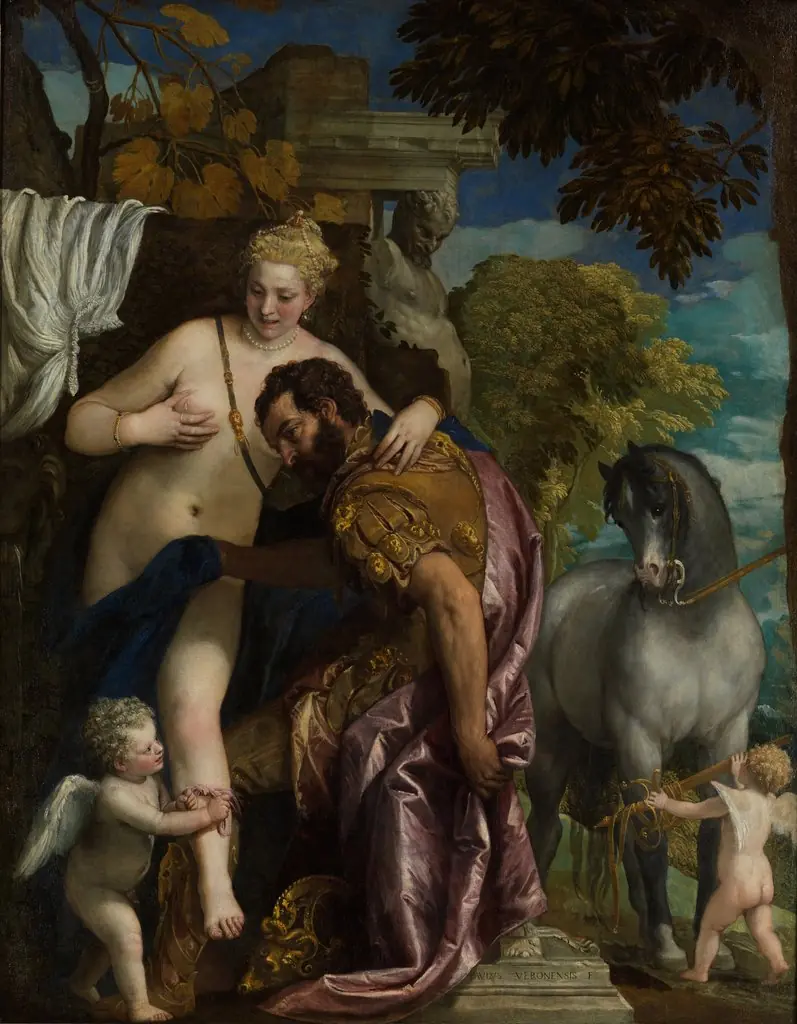 Venus and Mars
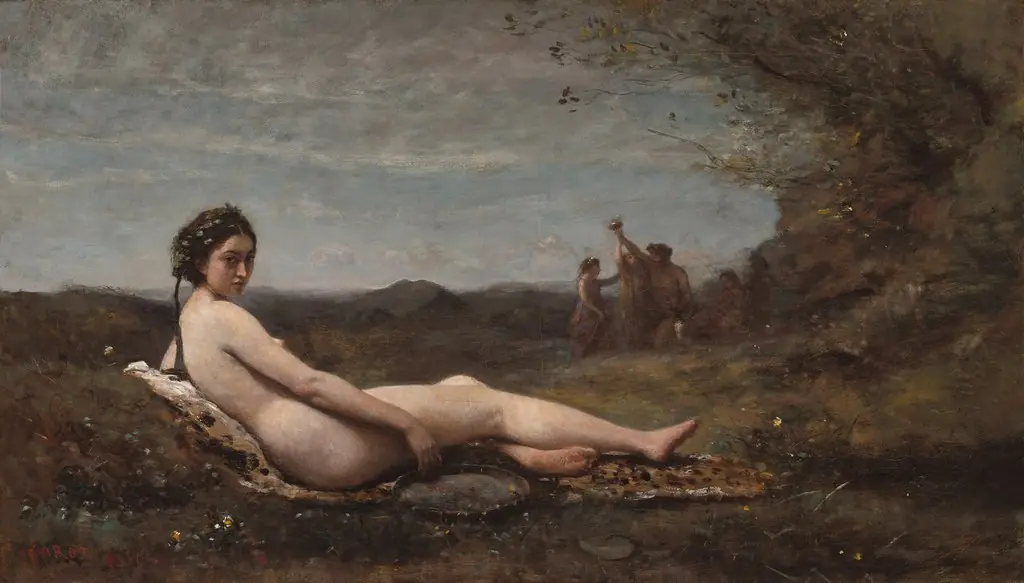 The Repose
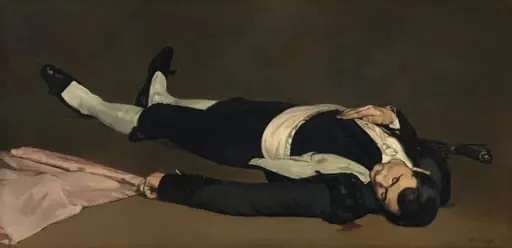 The Dead Toreador
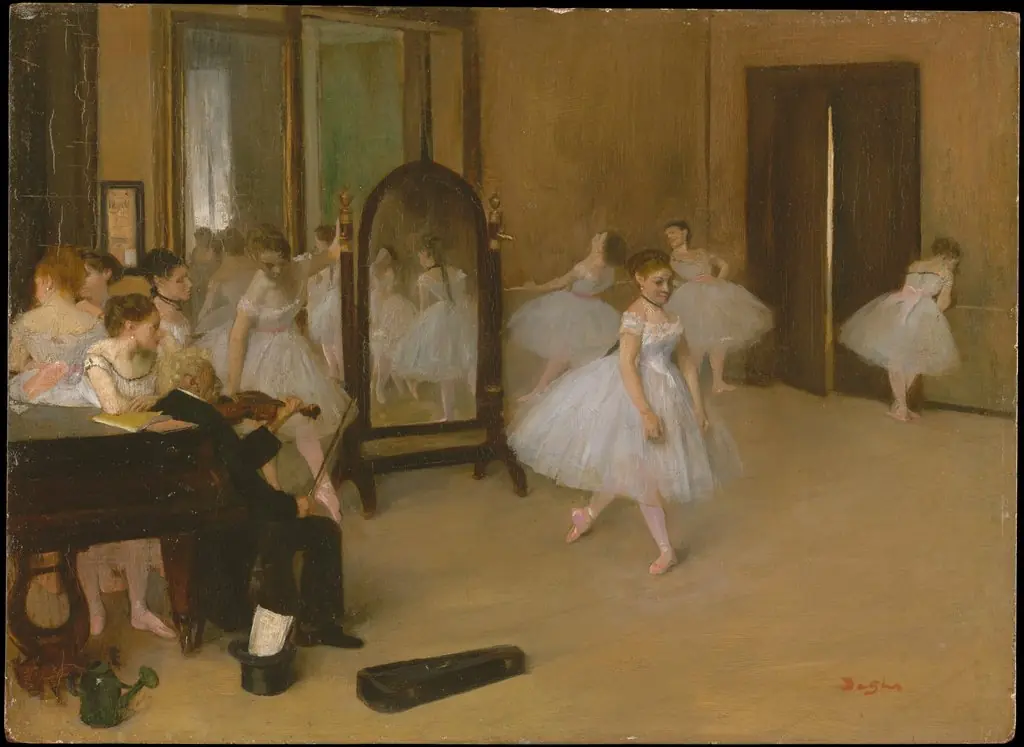 The Dancing Class
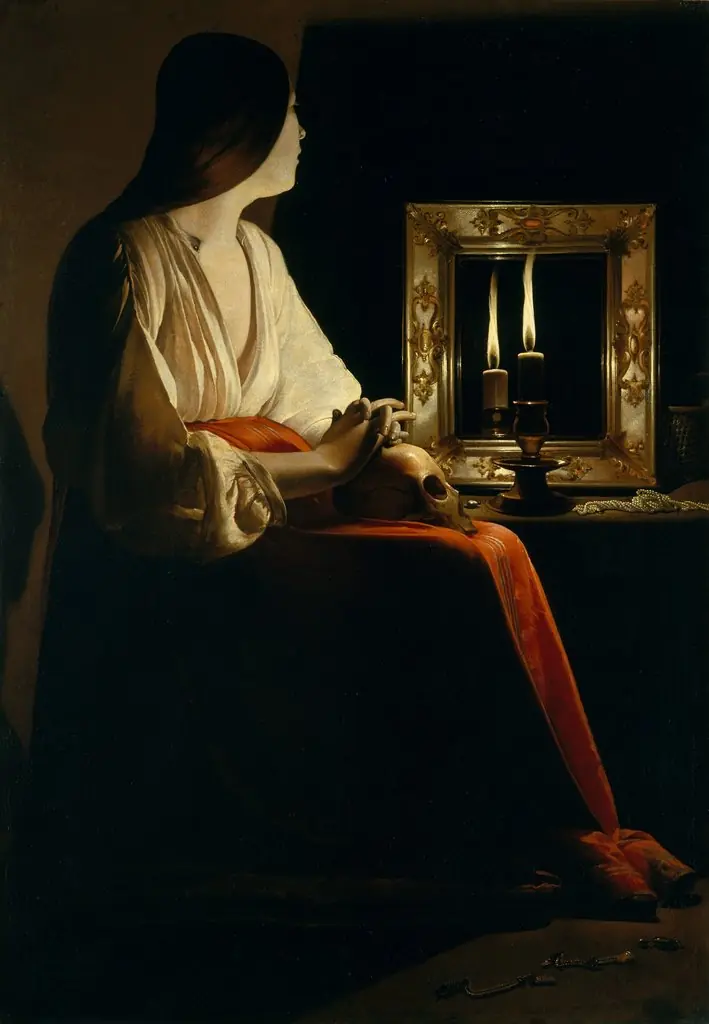 The Penitent Magdalen
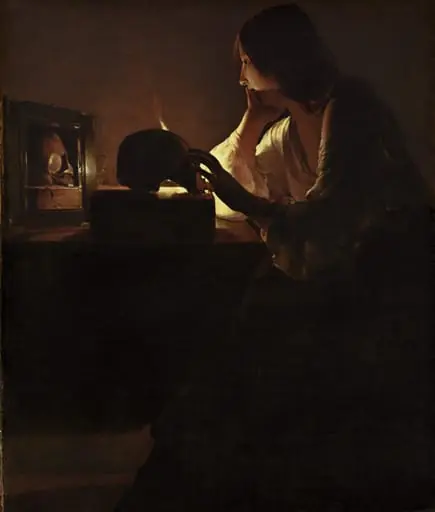 The Repentant Magdalen
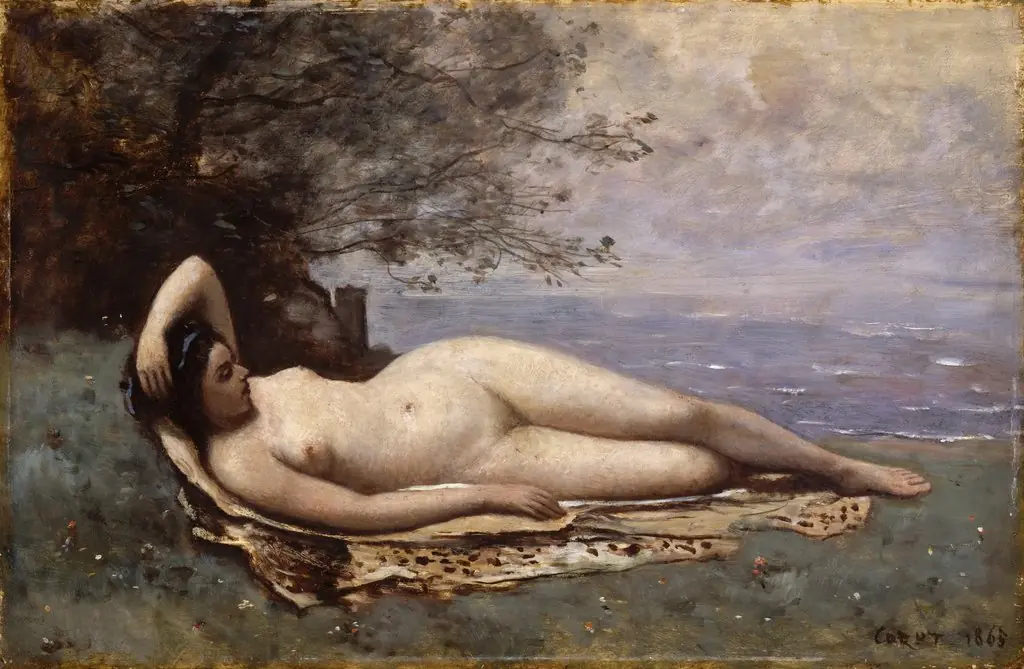 Bacchante by the Sea
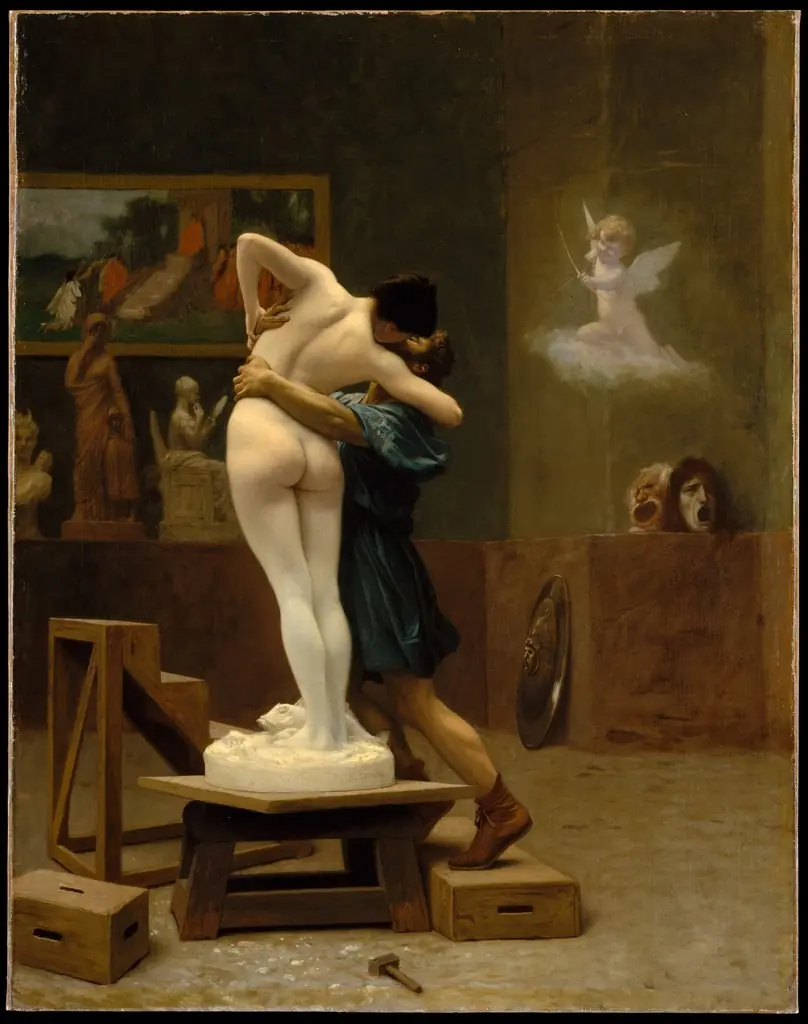 Pygmalion and Galatea
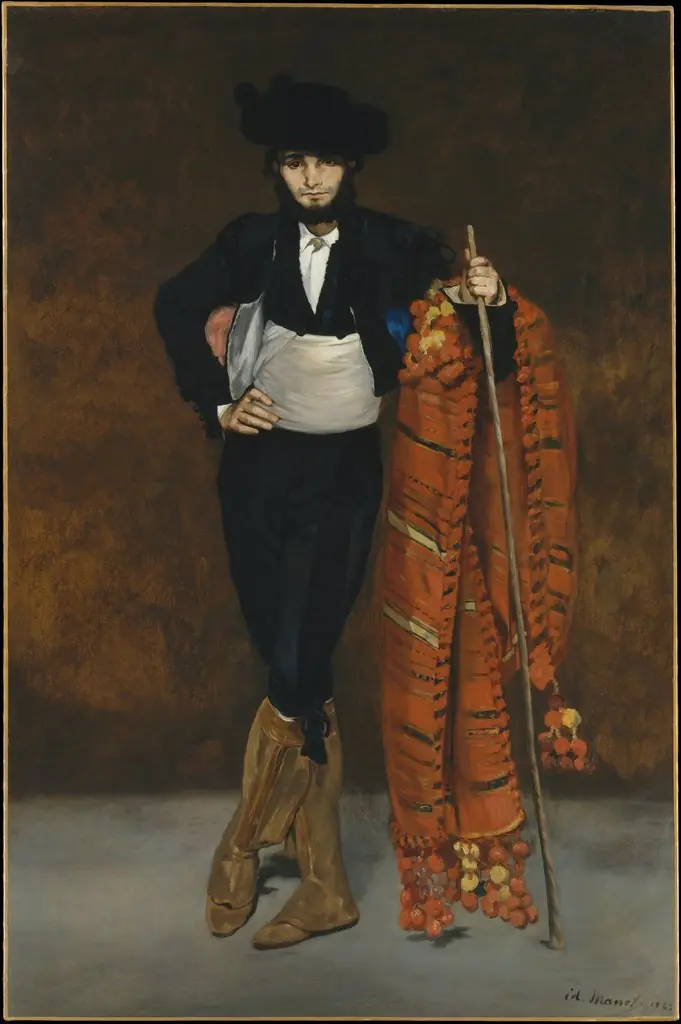 Young man in Mayo costume
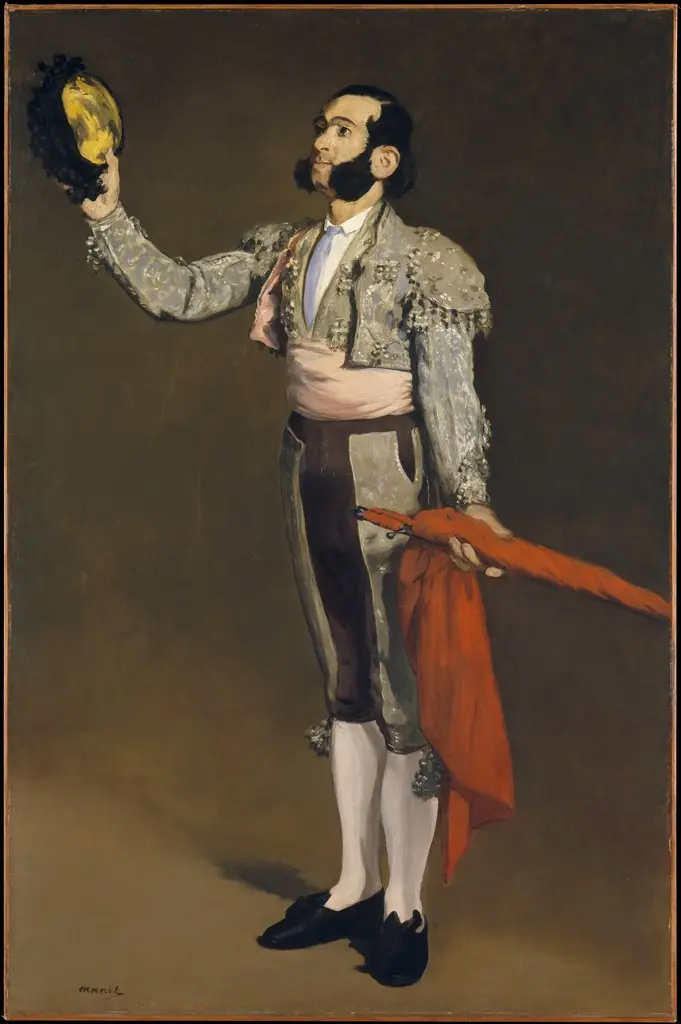 The Matador Saluting
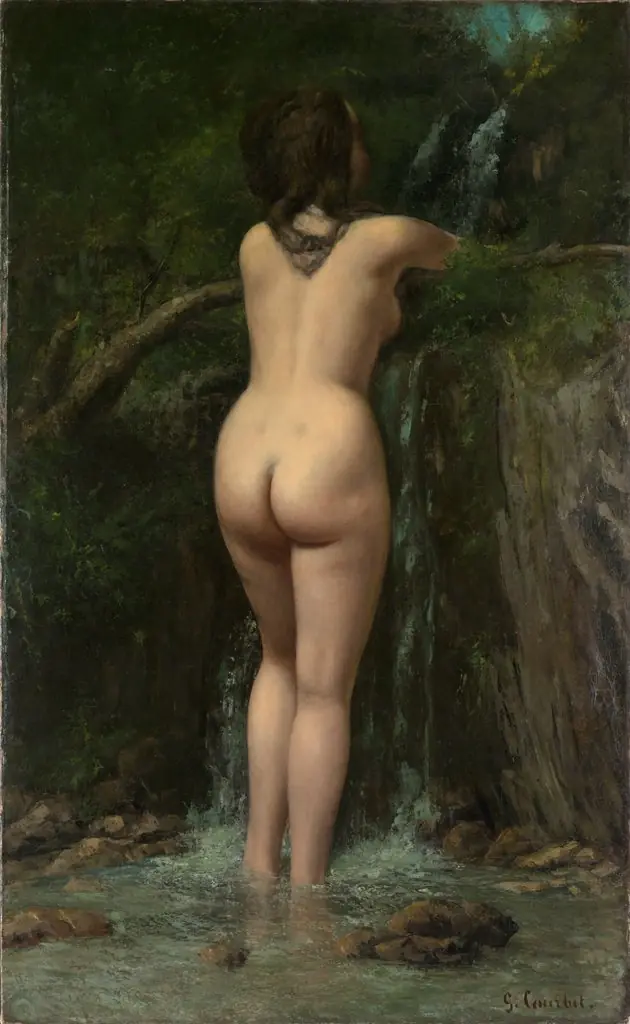 The Source
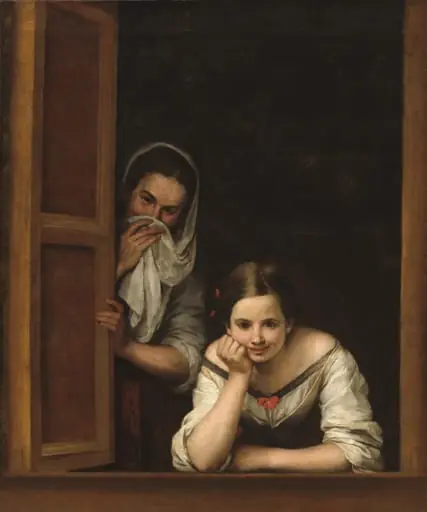 Two Women at a Window
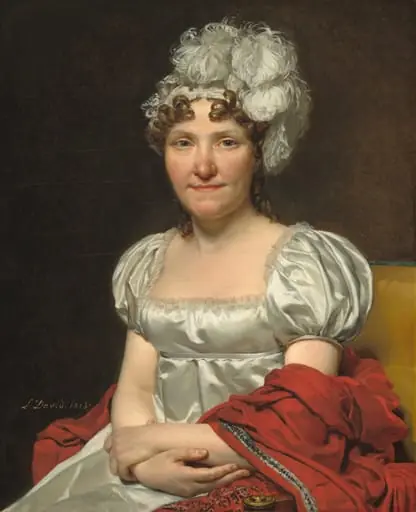 Madame David
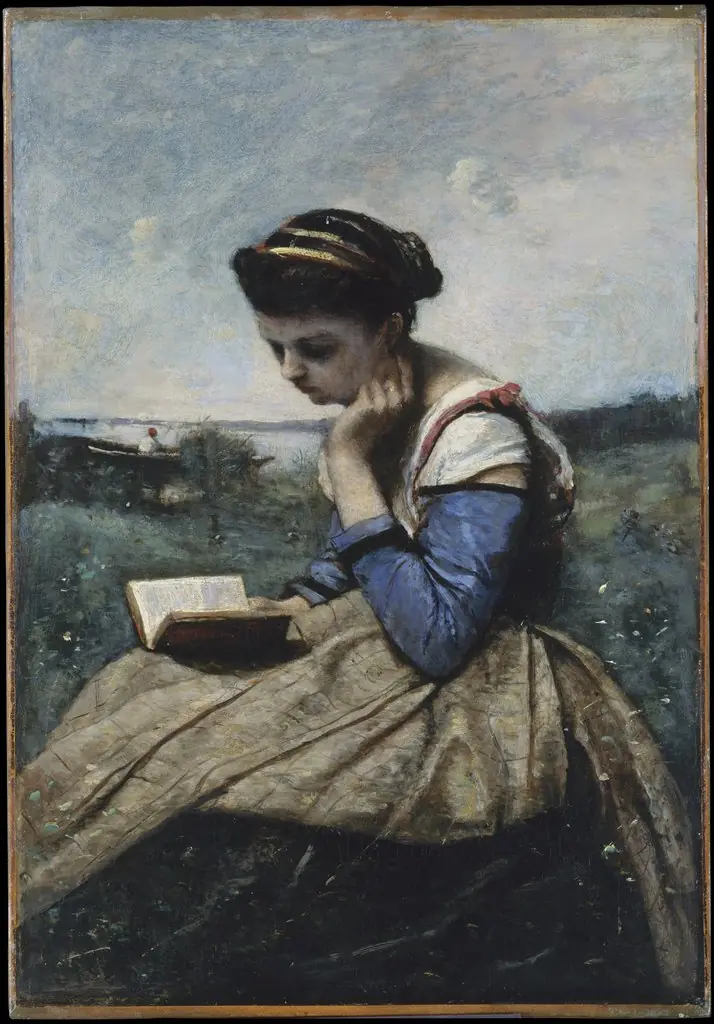 Femme Lisant
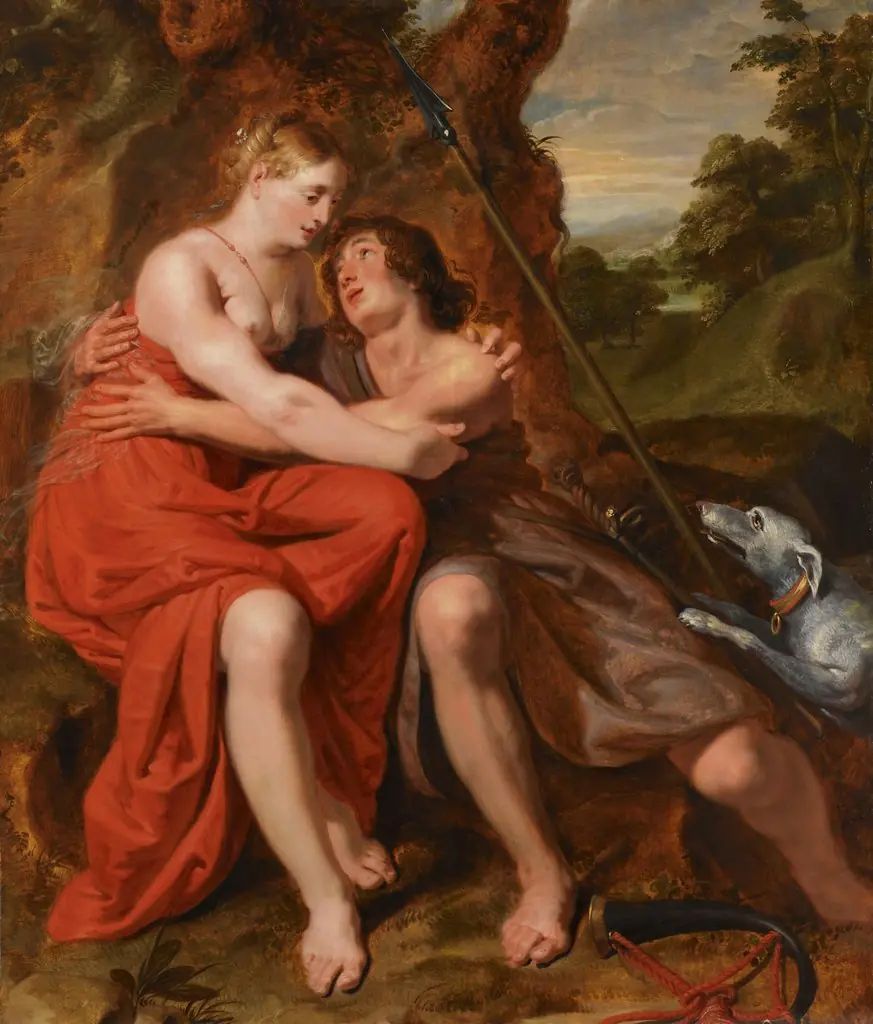 Venus and Adonis
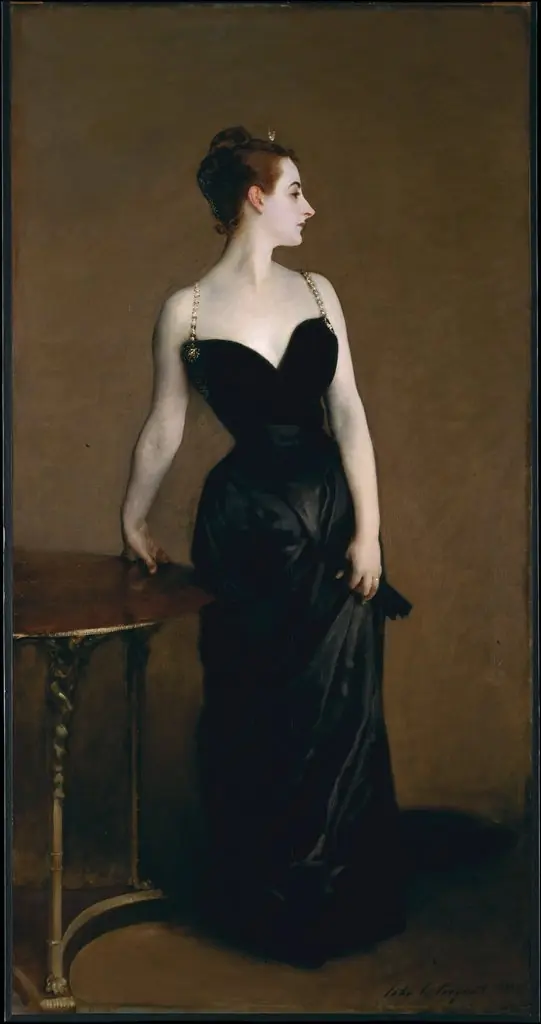 Madame X (Virginie Amélie Avegno Gautreau)
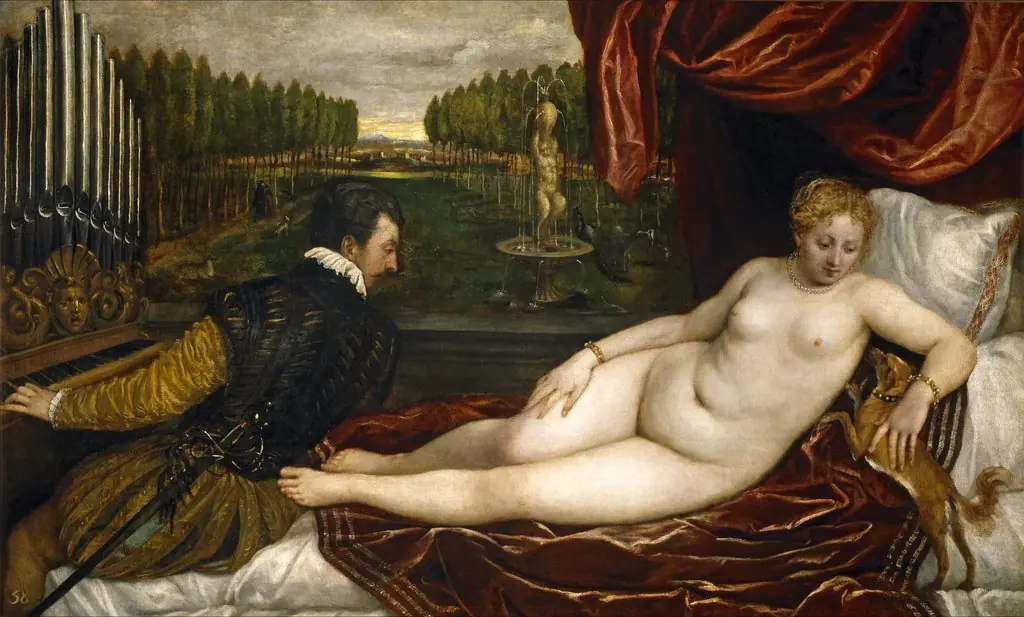 Venus and Music
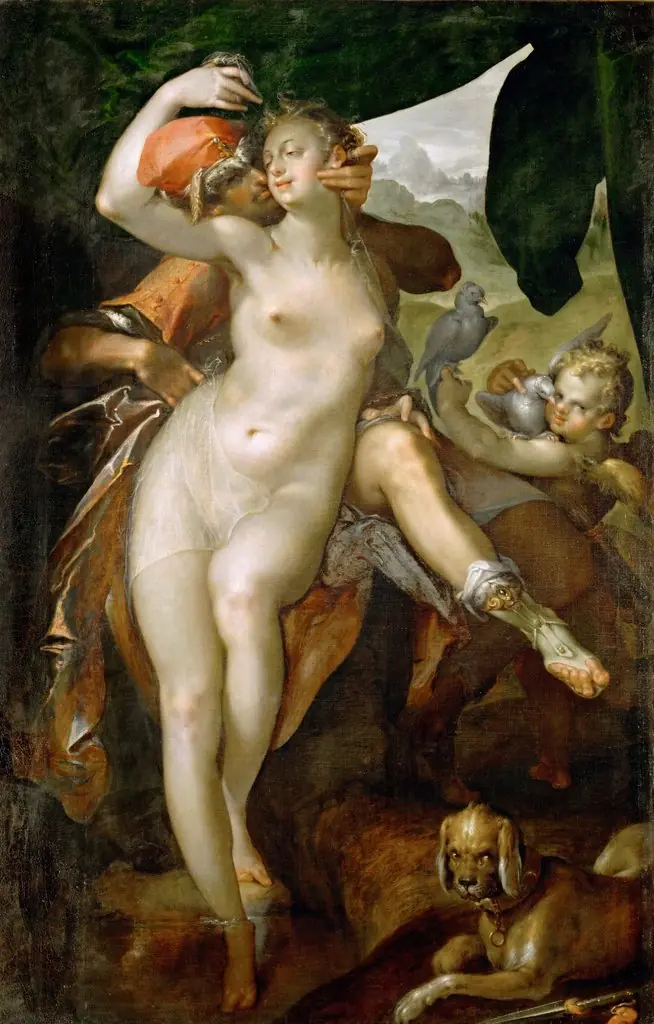 Venus and Adonis
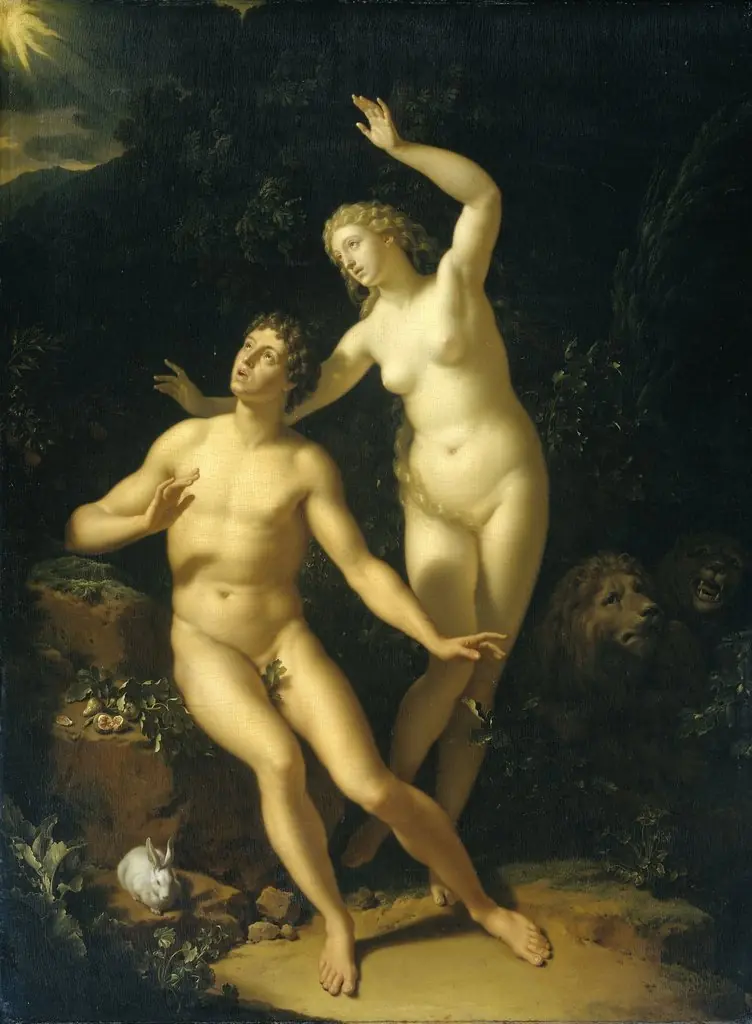 God Holds Adam and Eve Responsible
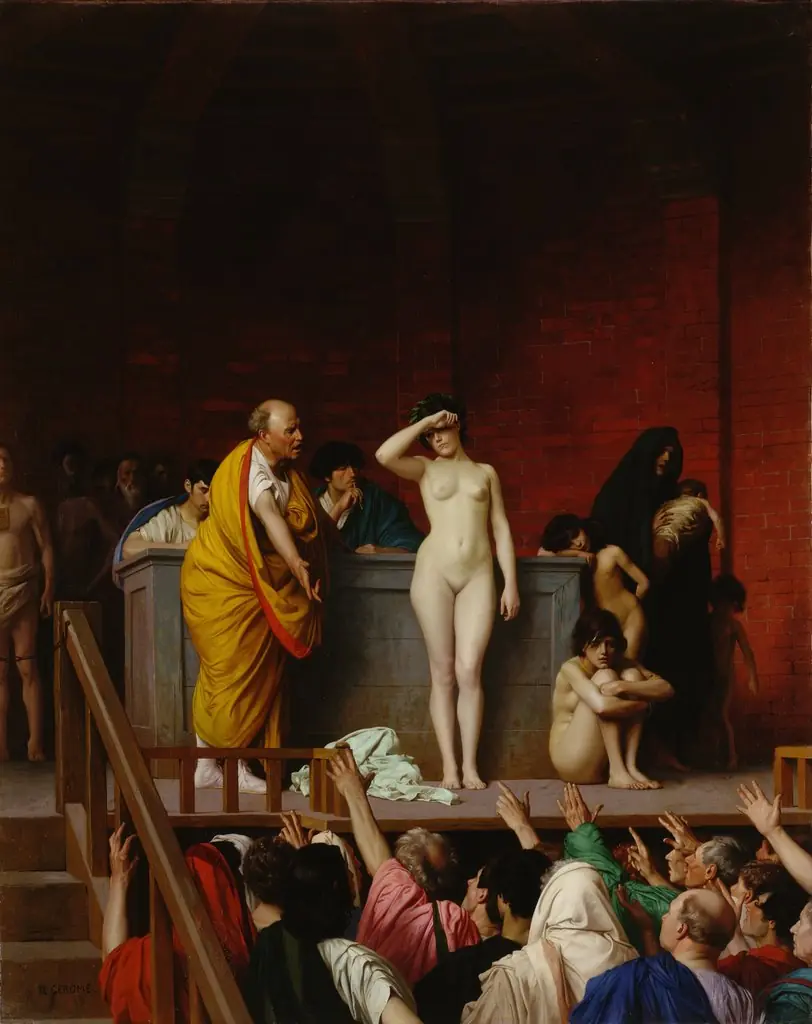 Slave Market in Rome
 Syndics of the Drapers' Guild
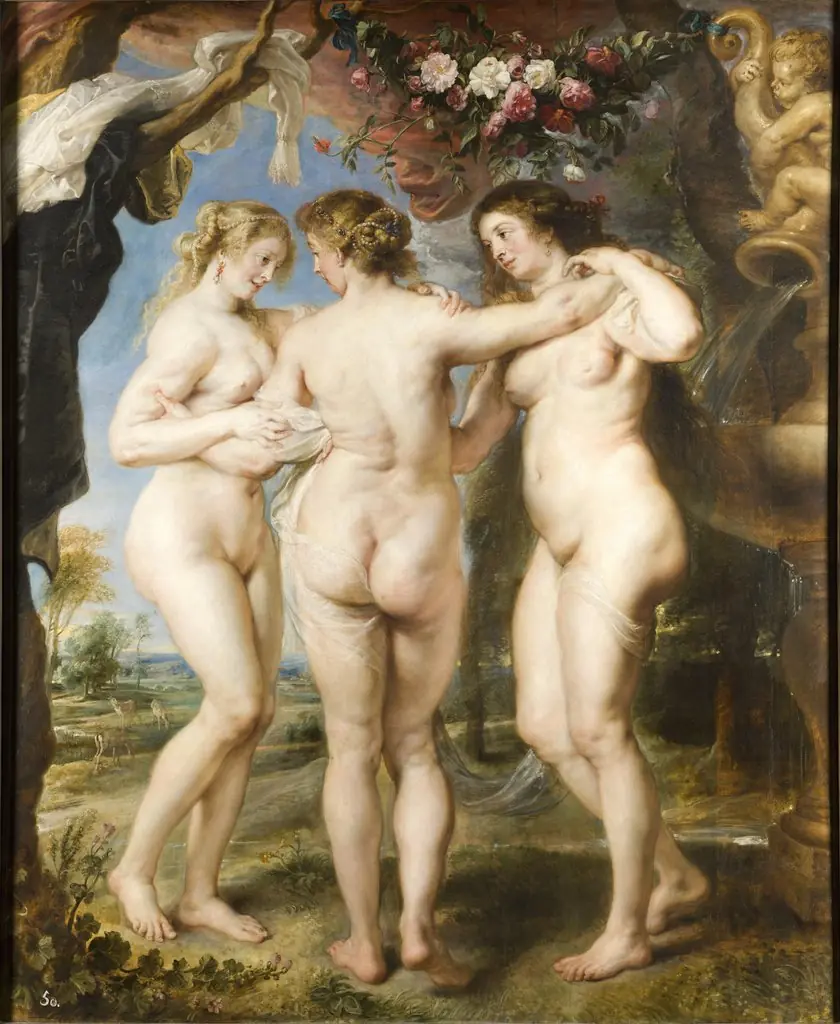 The Three Graces
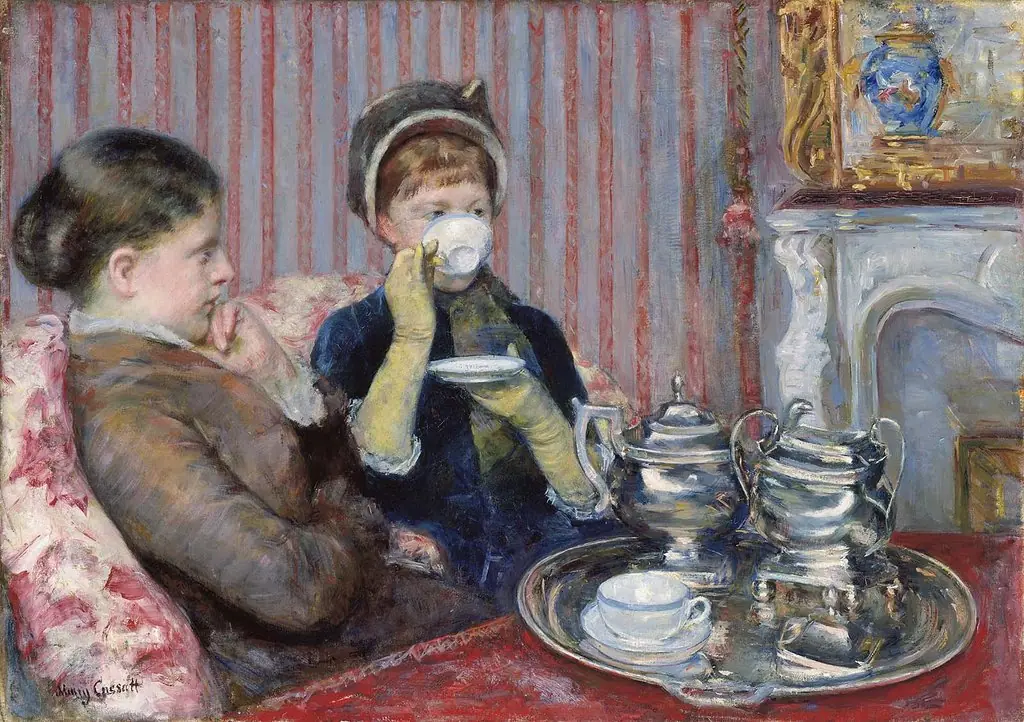 Five O'Clock Tea
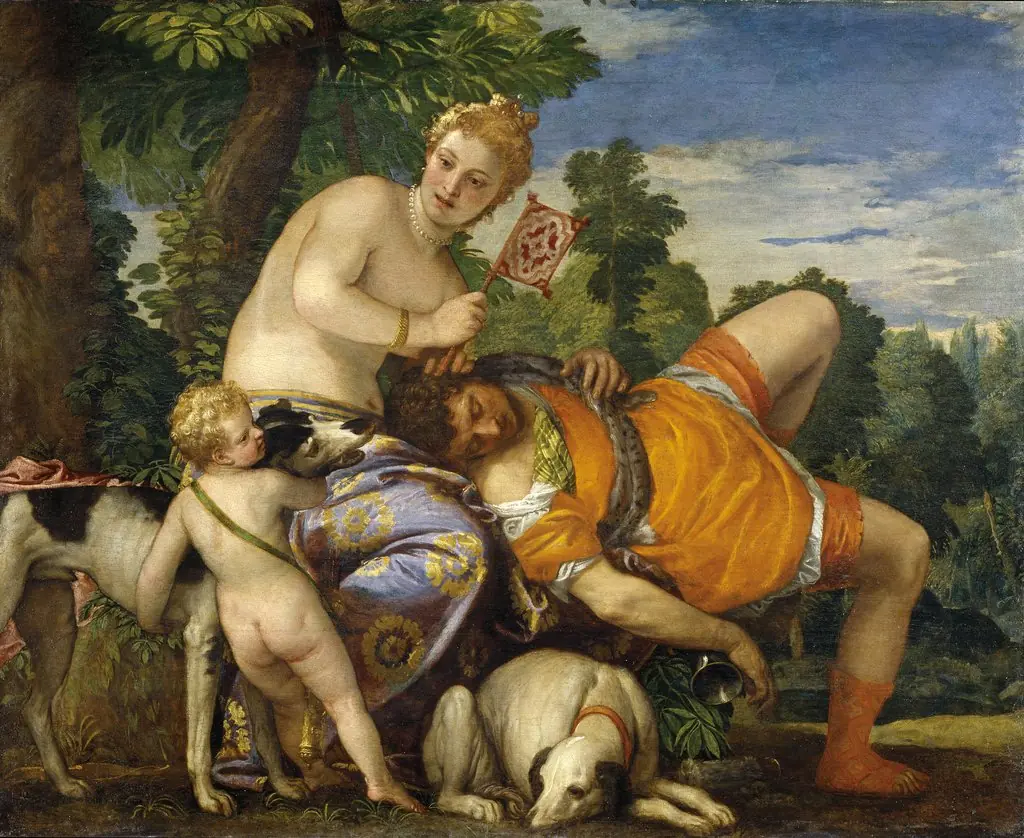 Venus and Adonis
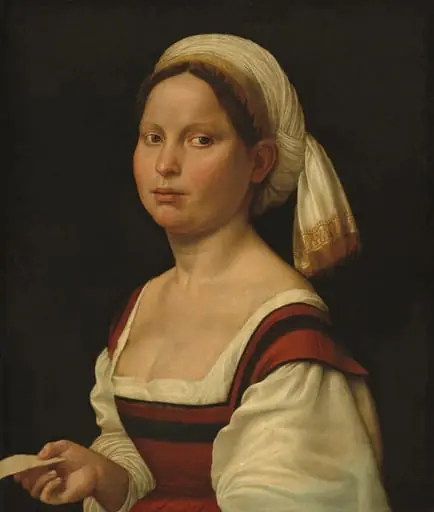 Portrait of a Young Woman
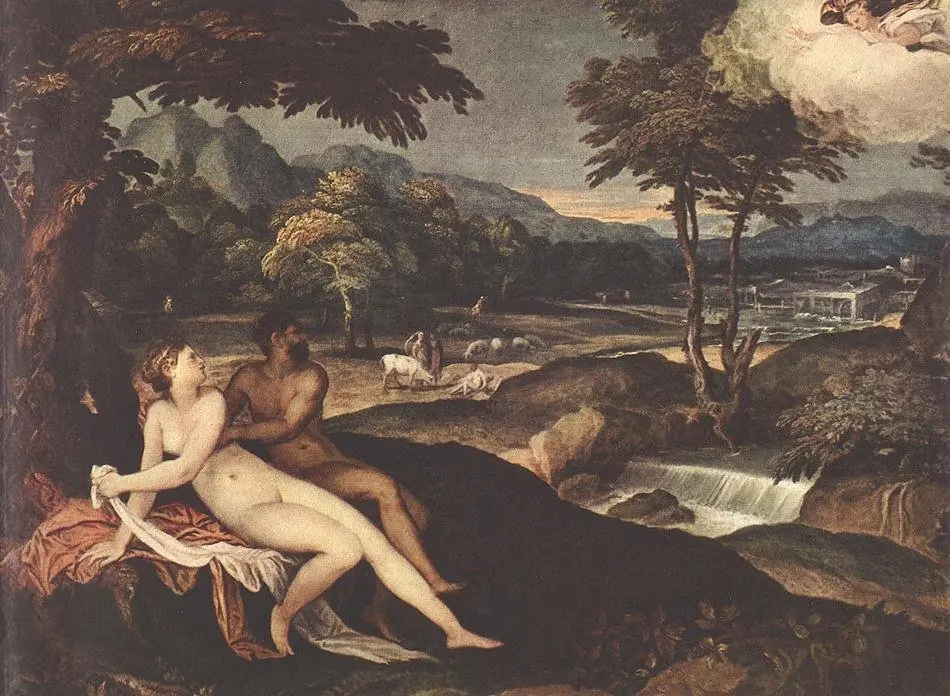 Landscape with Jupiter and Io
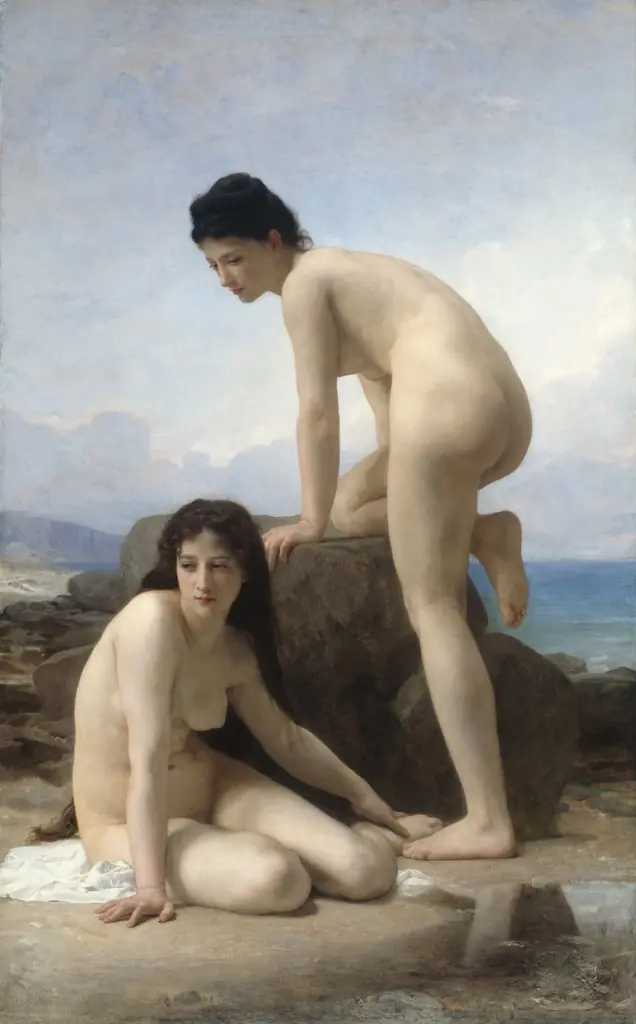 The Two Bathers
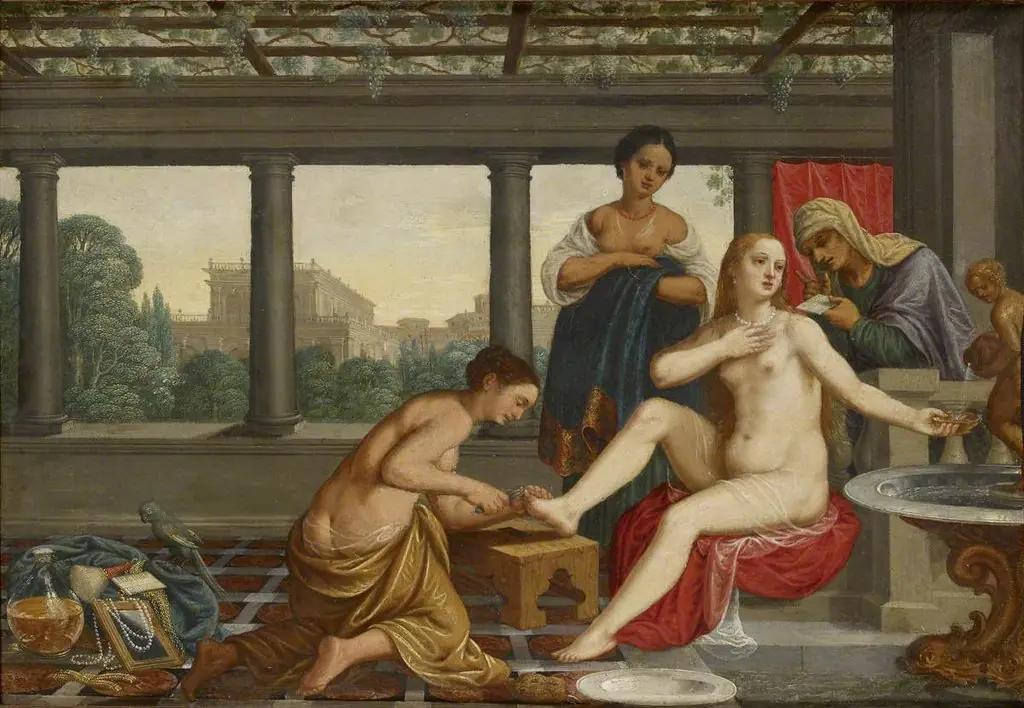 Bathsheba's Bath
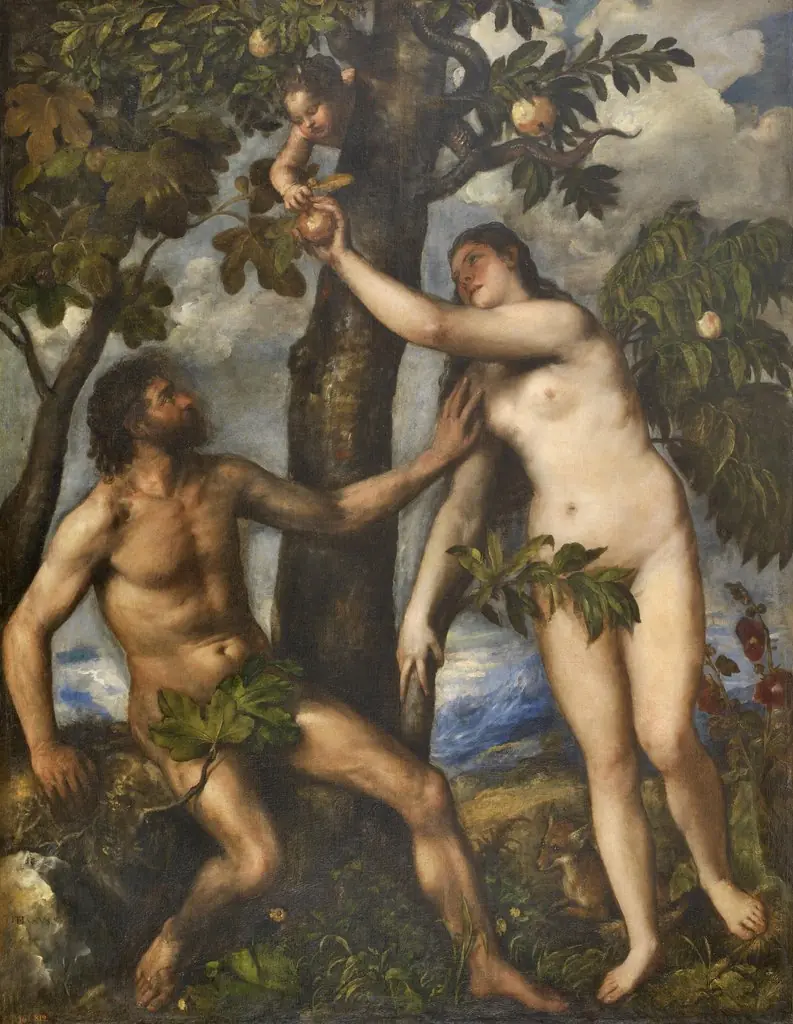 The Fall of Man
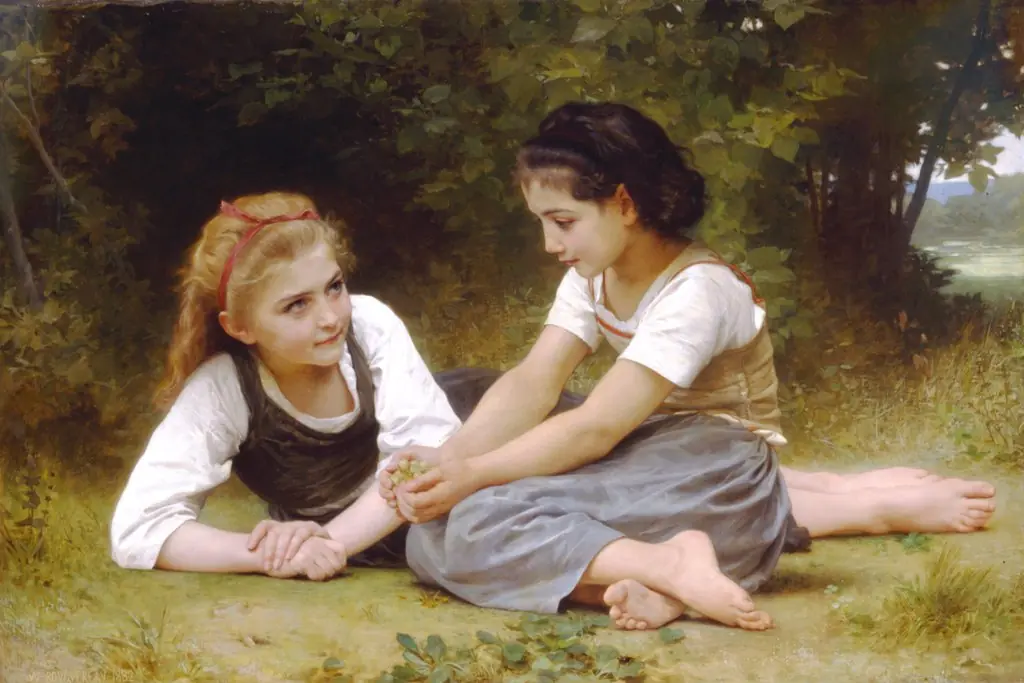 The Nut Gatherers
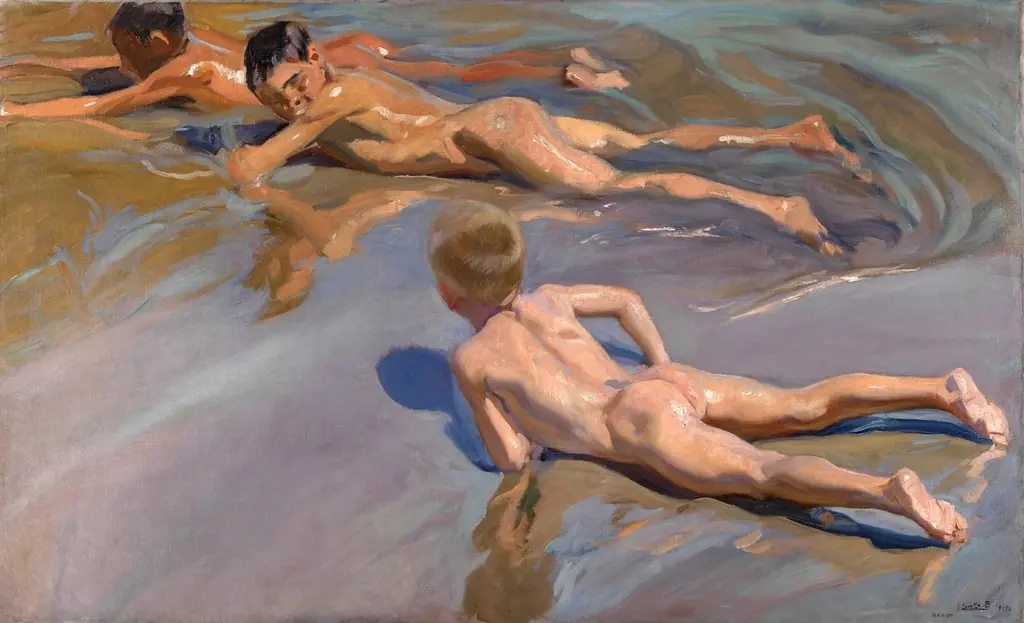 Chicos en la playa
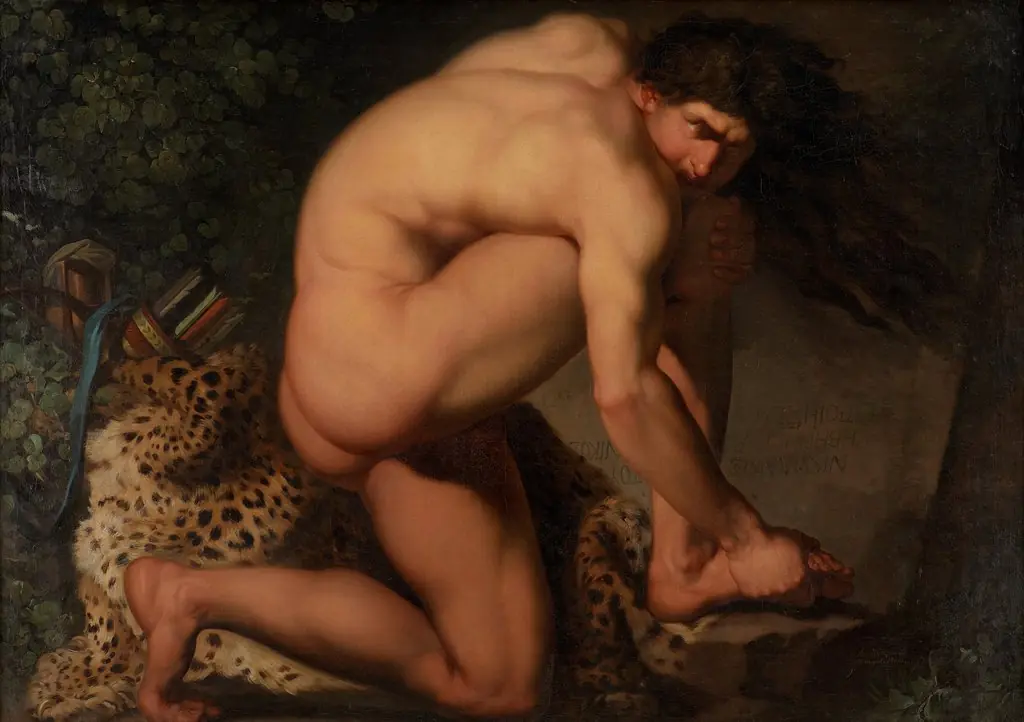 The Wounded Philoctetes
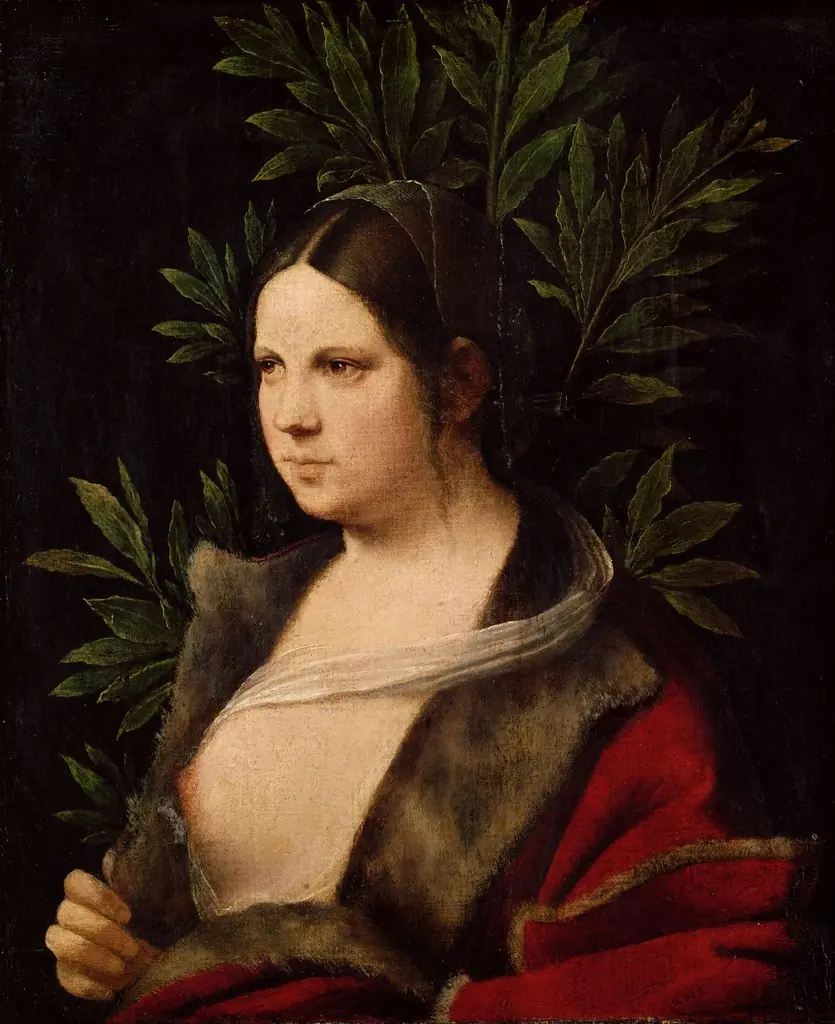 Laura
Laura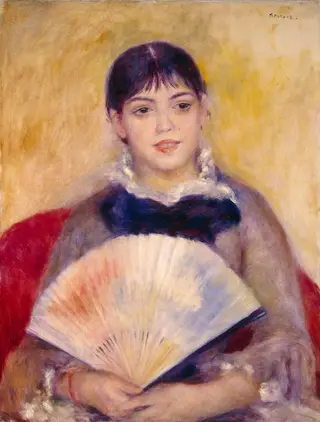 Girl with a Fan
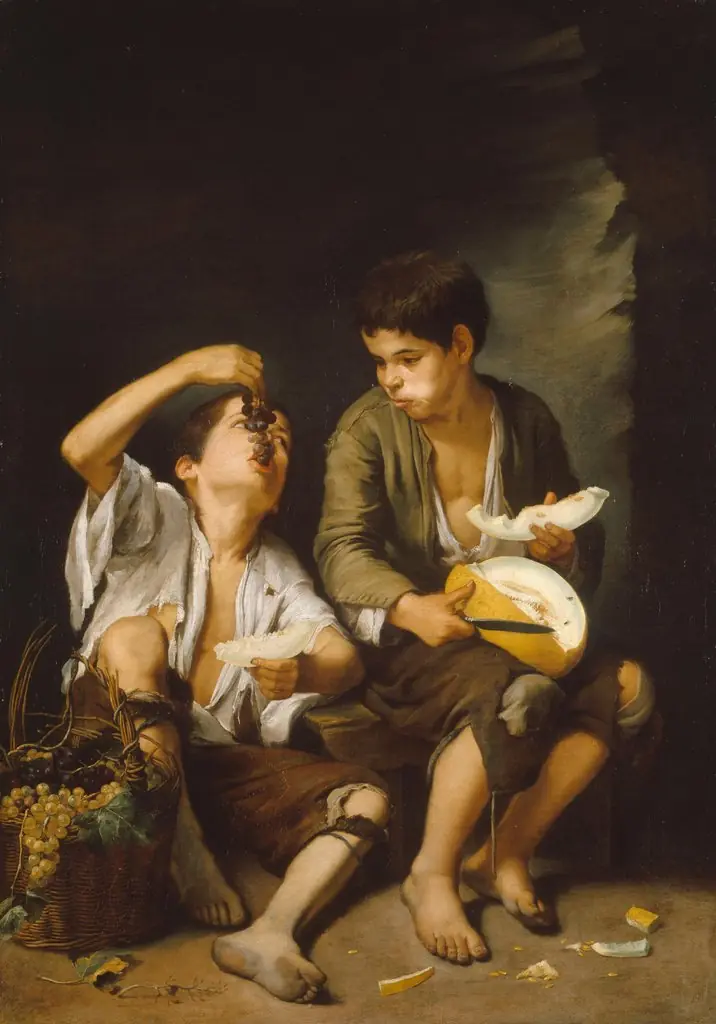 Grape and Melon Eaters
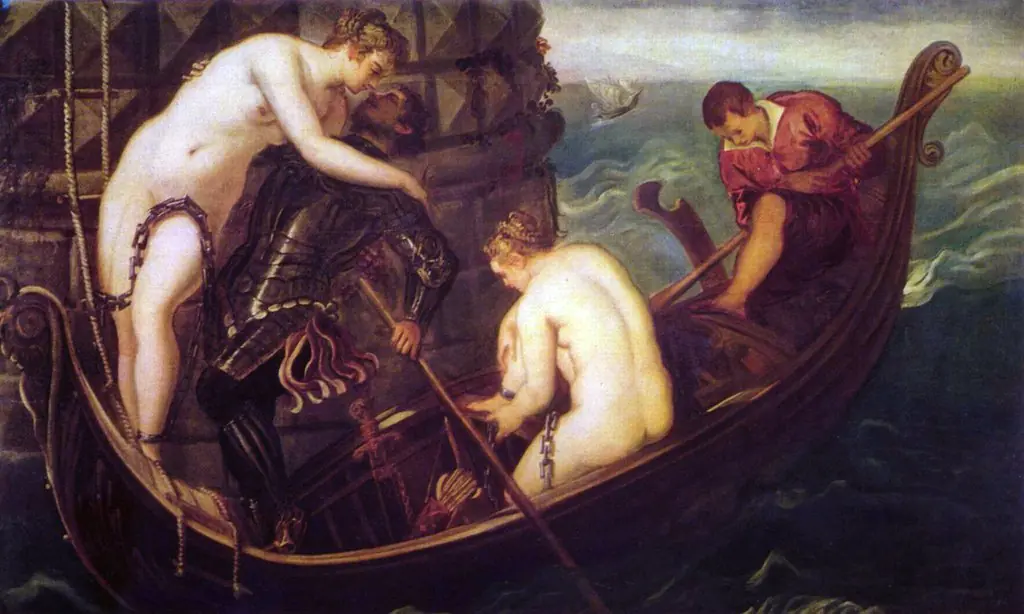 The Deliverance of Arsinoe
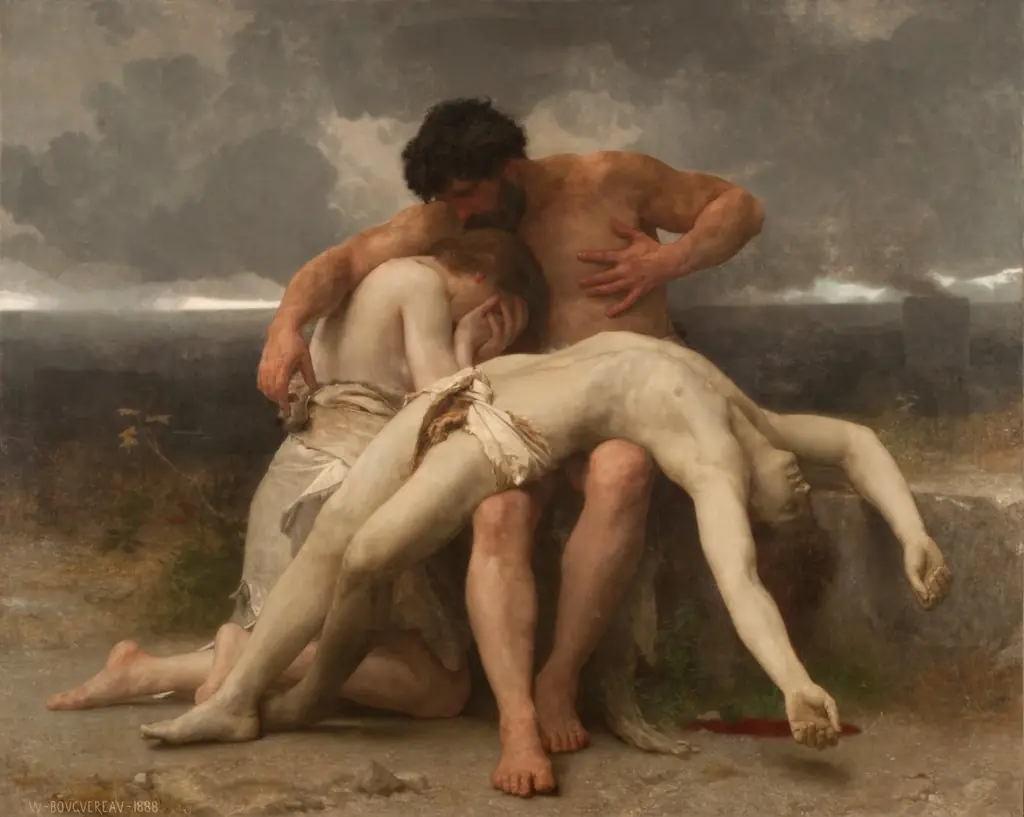 The First Mourning
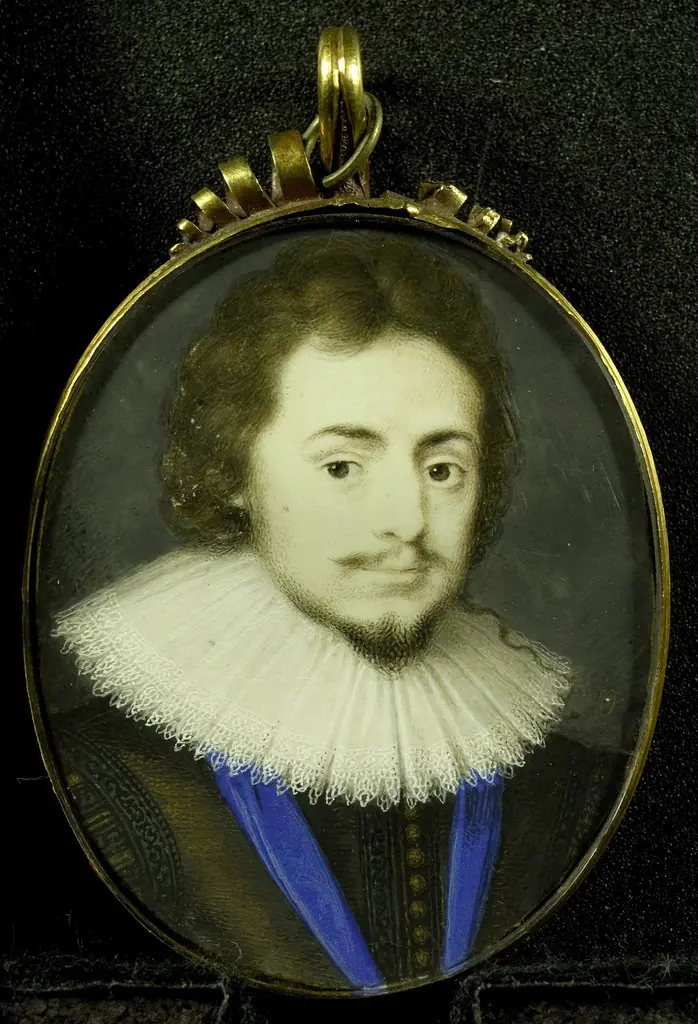 Portrait of Frederick V of the Palatinate
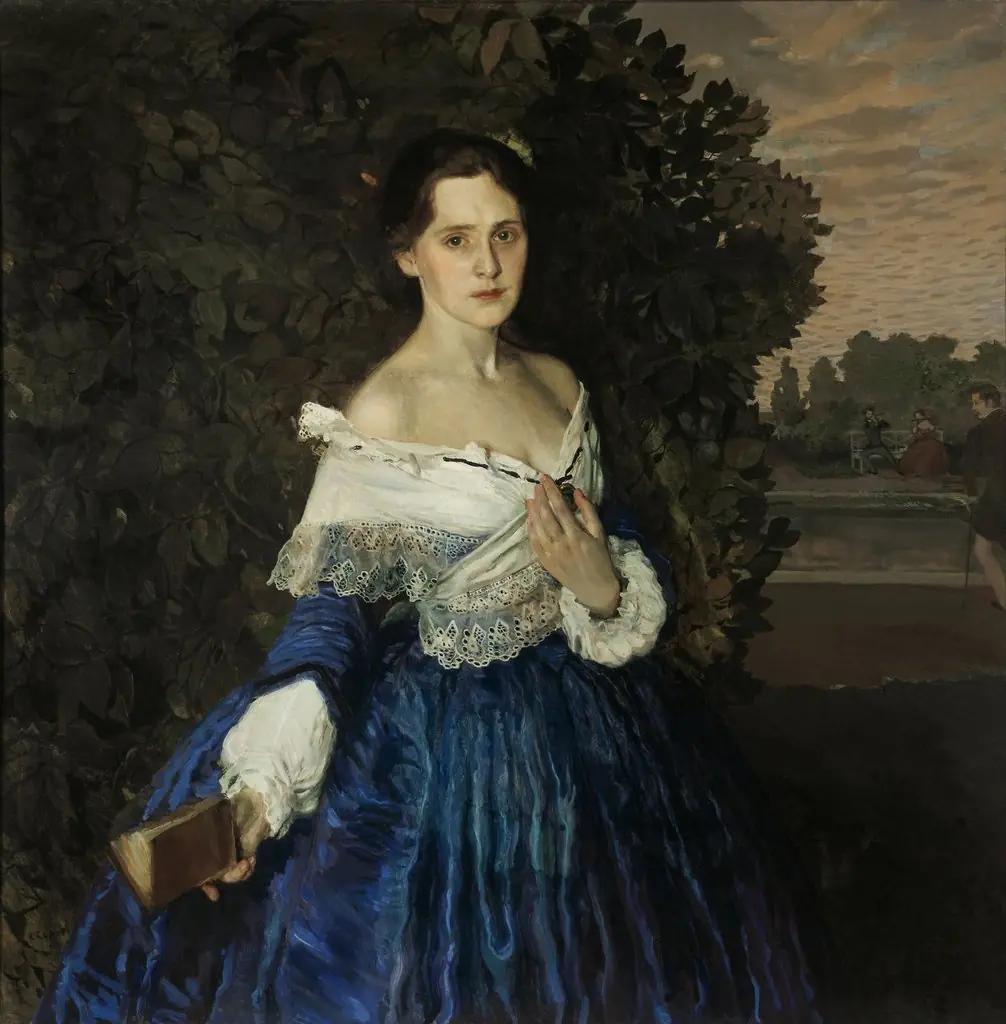 Lady in Blue
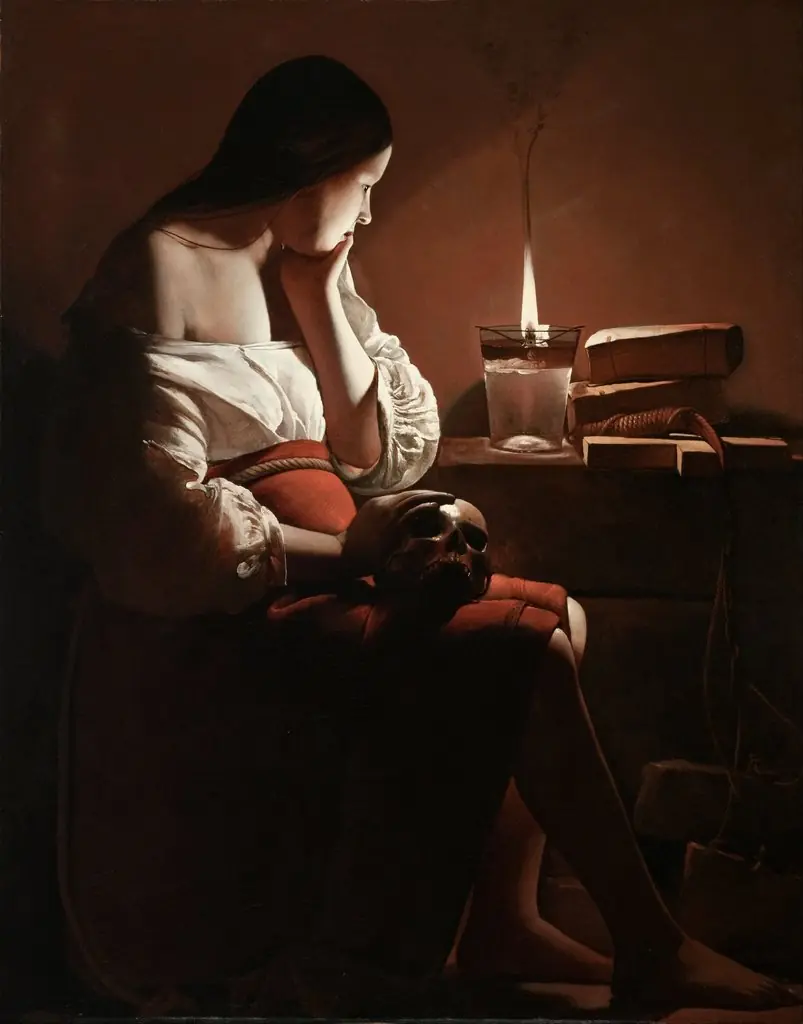 Magdalen with the Smoking Flame
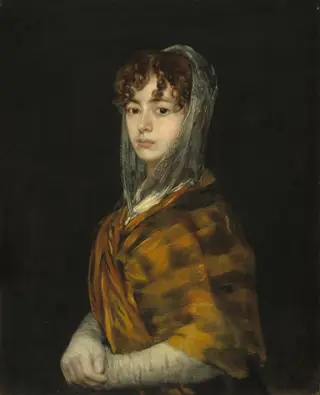 Señora Sabasa Garcia
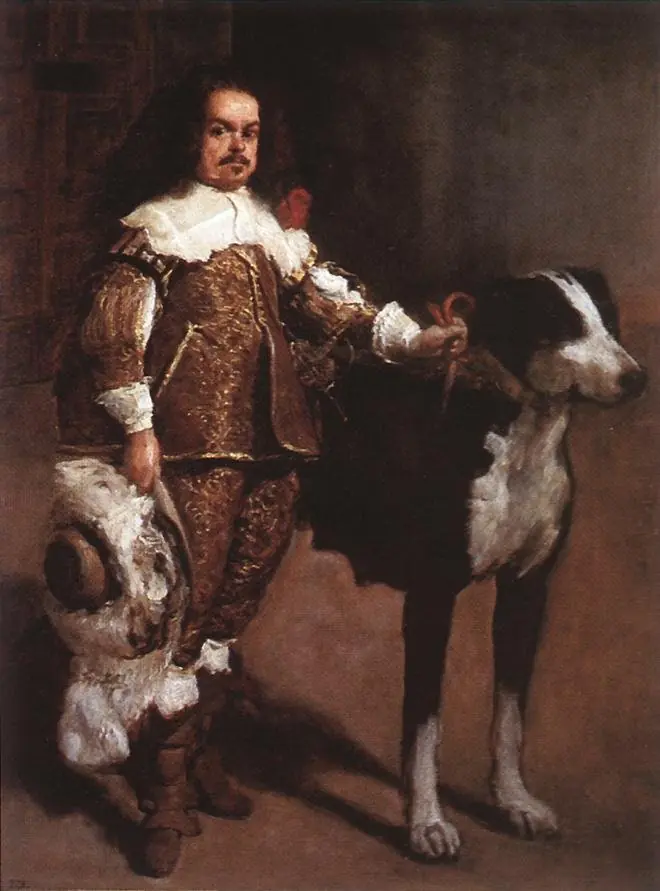 Dwarf with a Dog, formerly denominated Antonio el Inglés
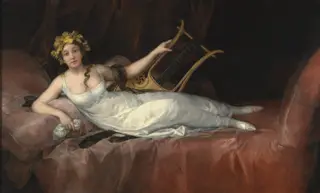 Portrait of the Marchioness of Santa Cruz
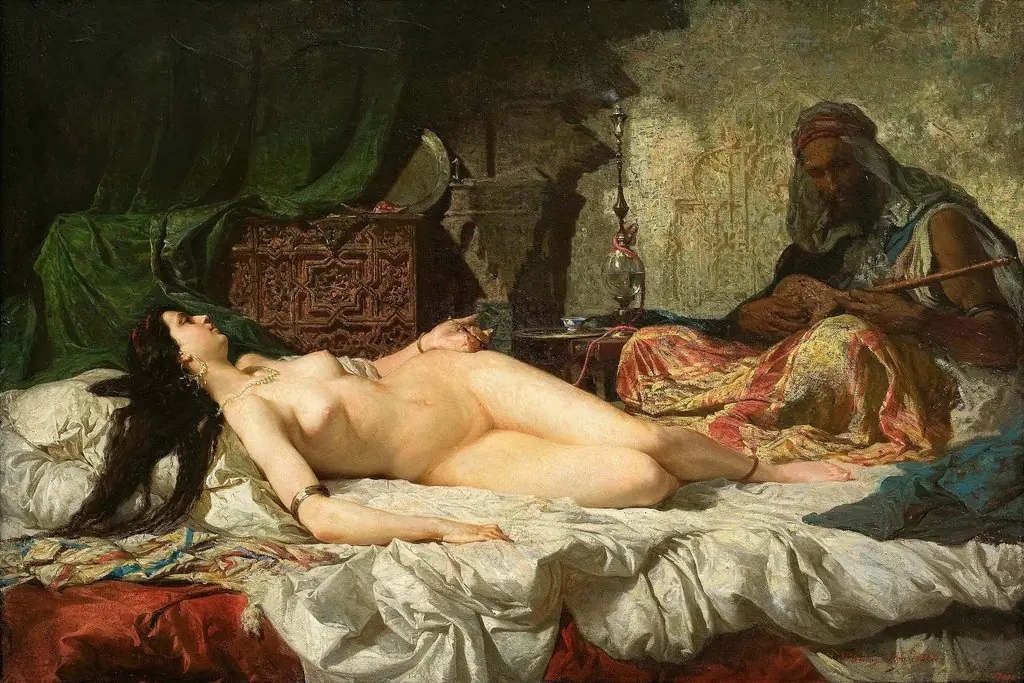 The Odalisque
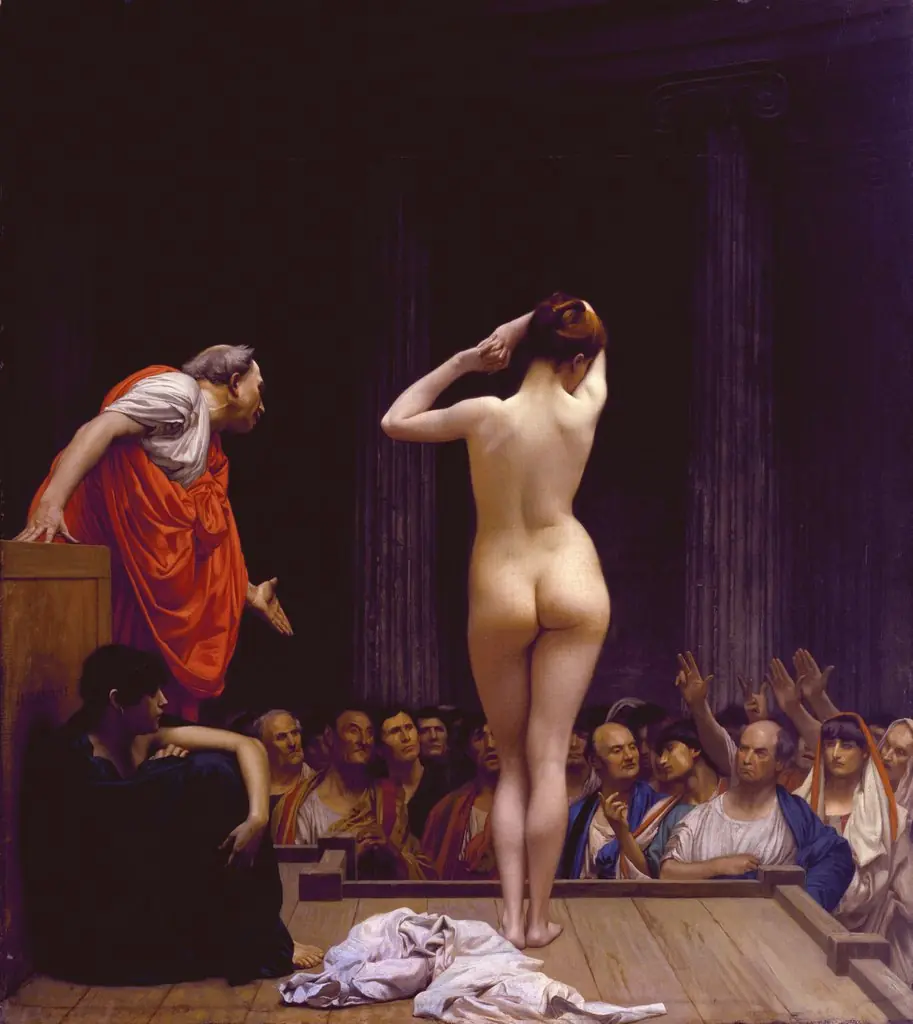 A Roman Slave Market
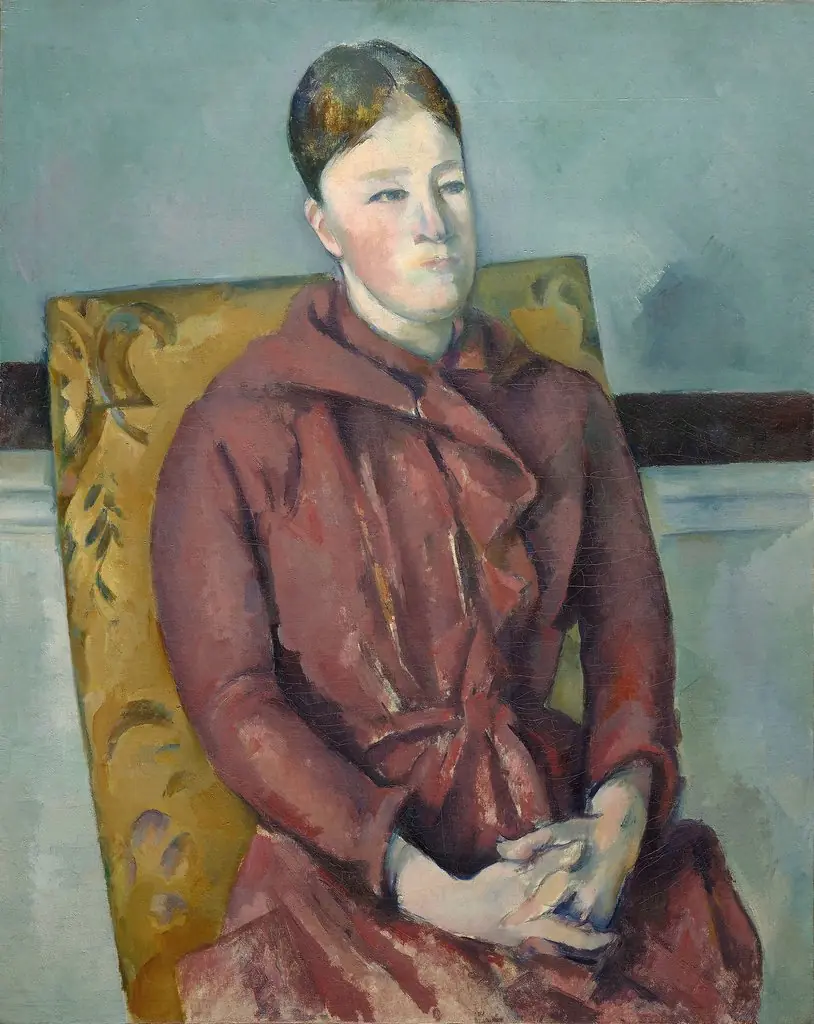 Madame Cézanne in a Yellow Chair
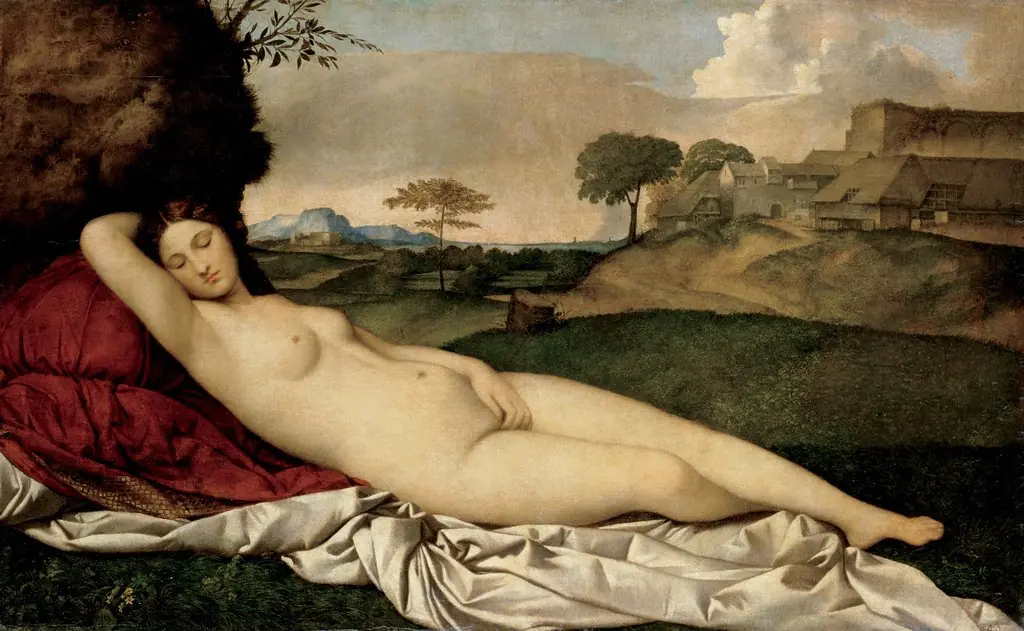 Sleeping Venus
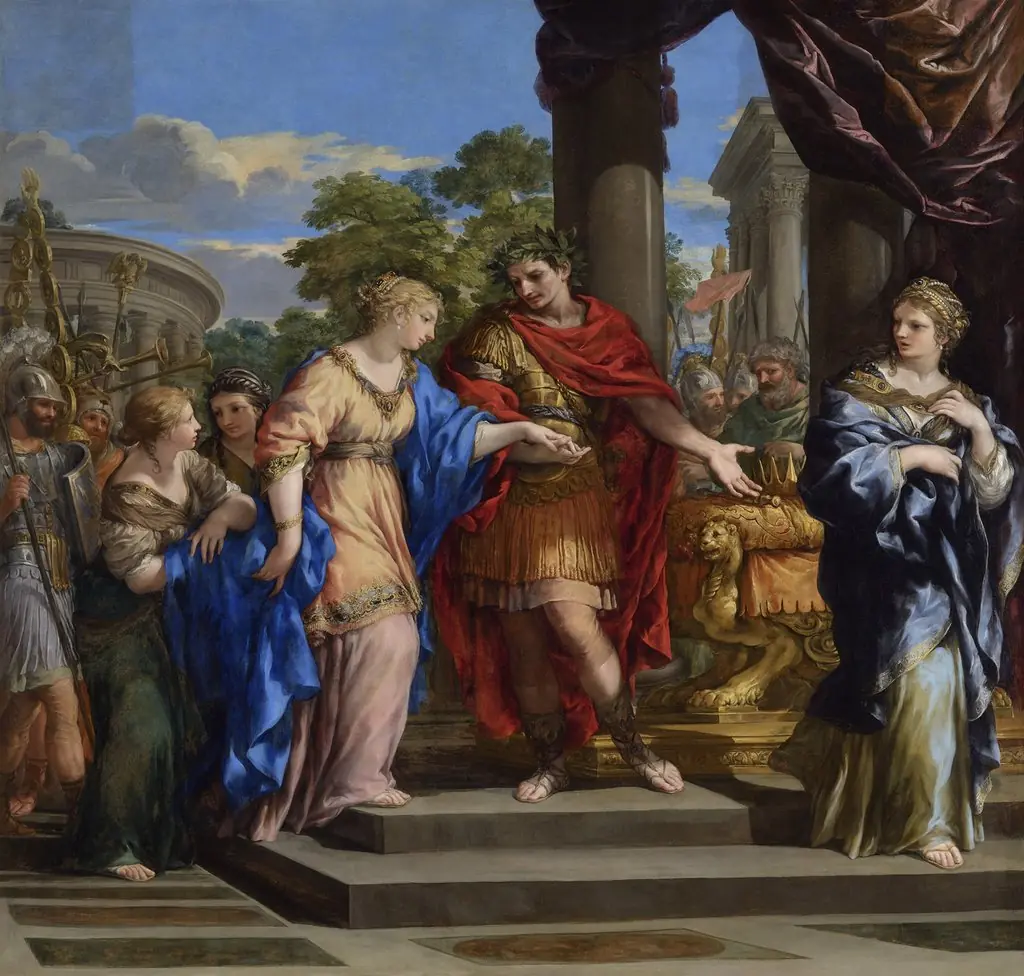 Caesar Giving Cleopatra the Throne of Egypt
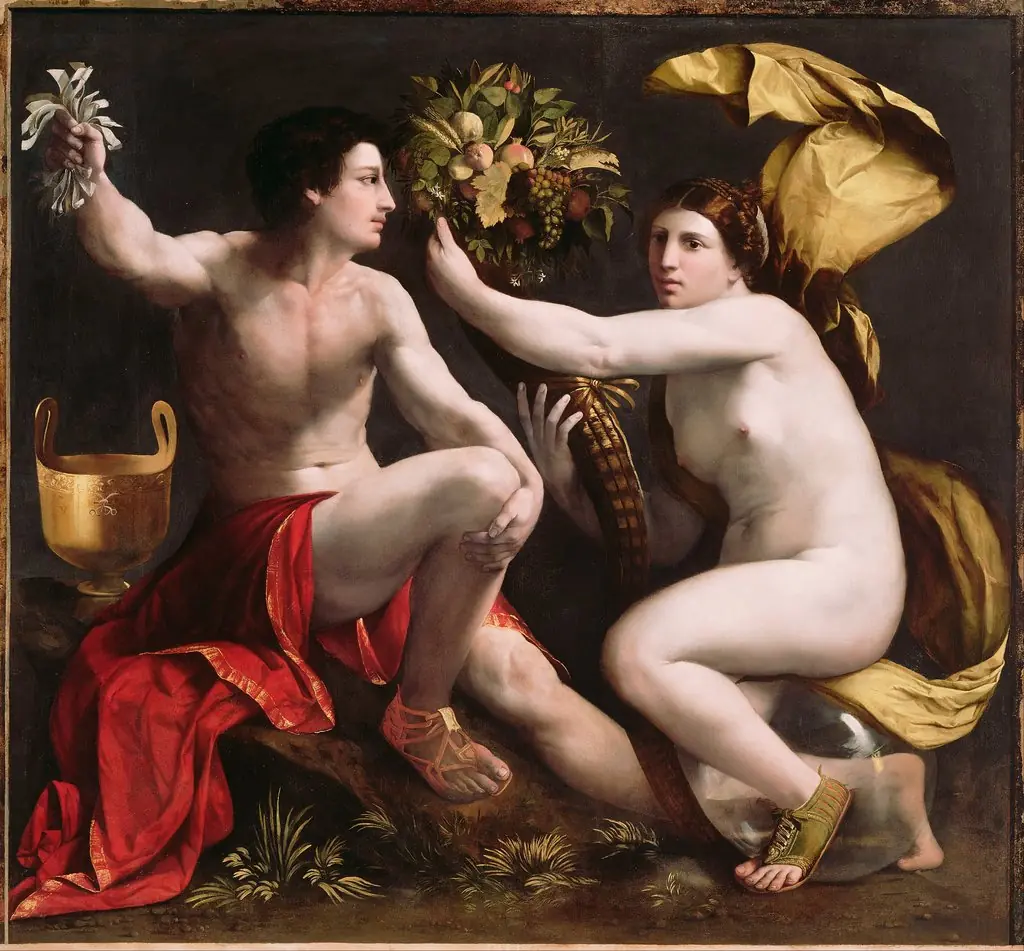 An Allegory of Fortune
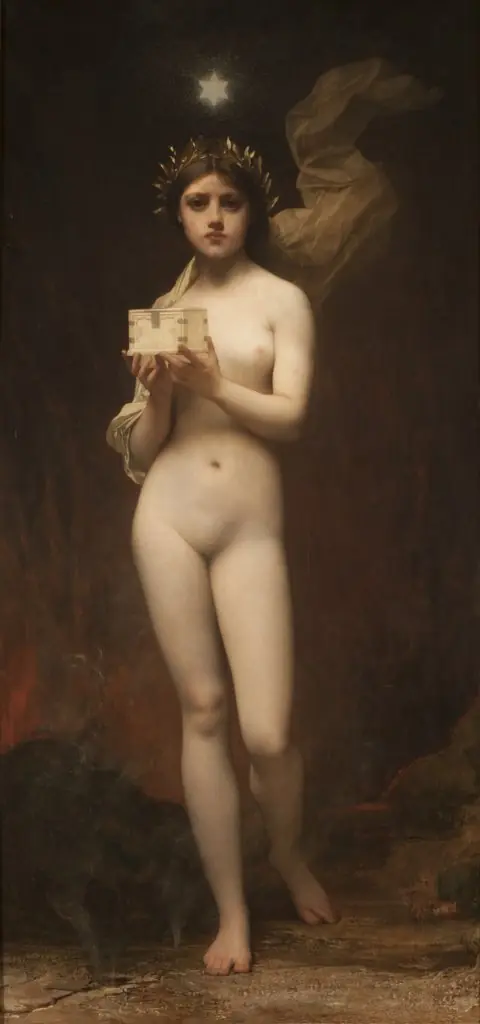 Pandora
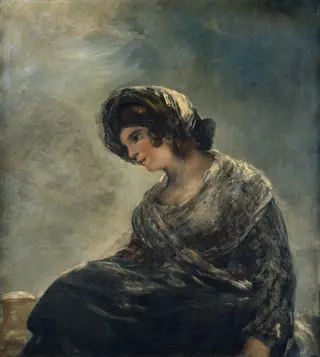 The Milkmaid of Bordeaux
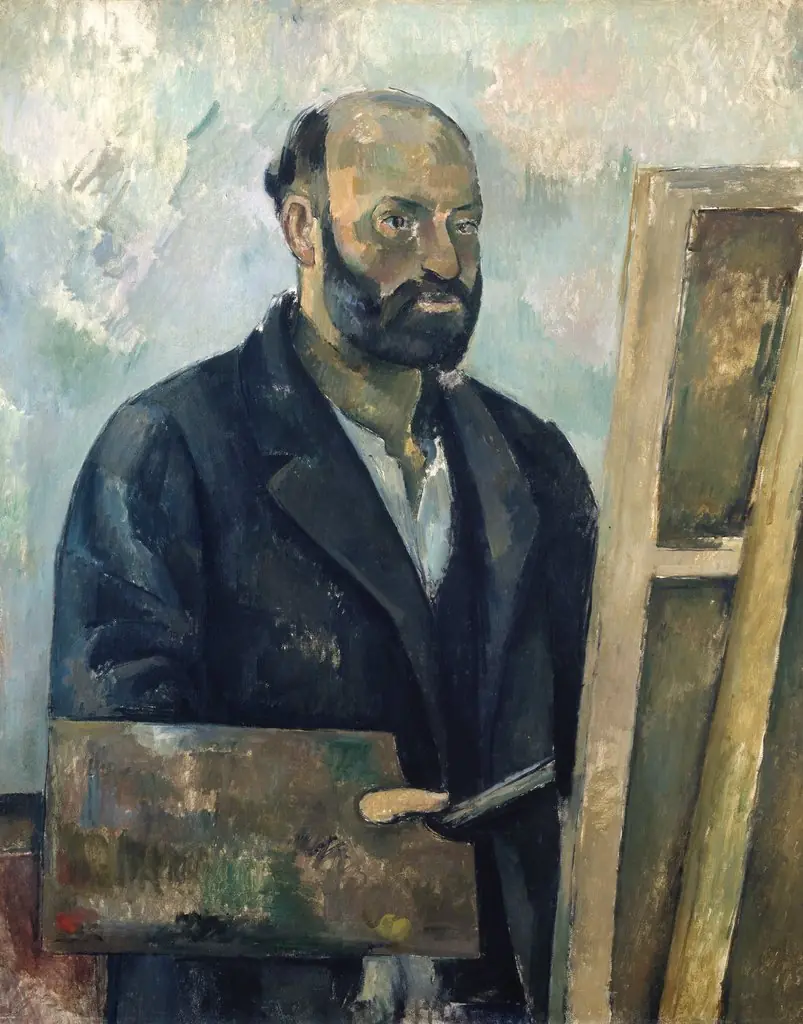 Self-Portrait with Palette
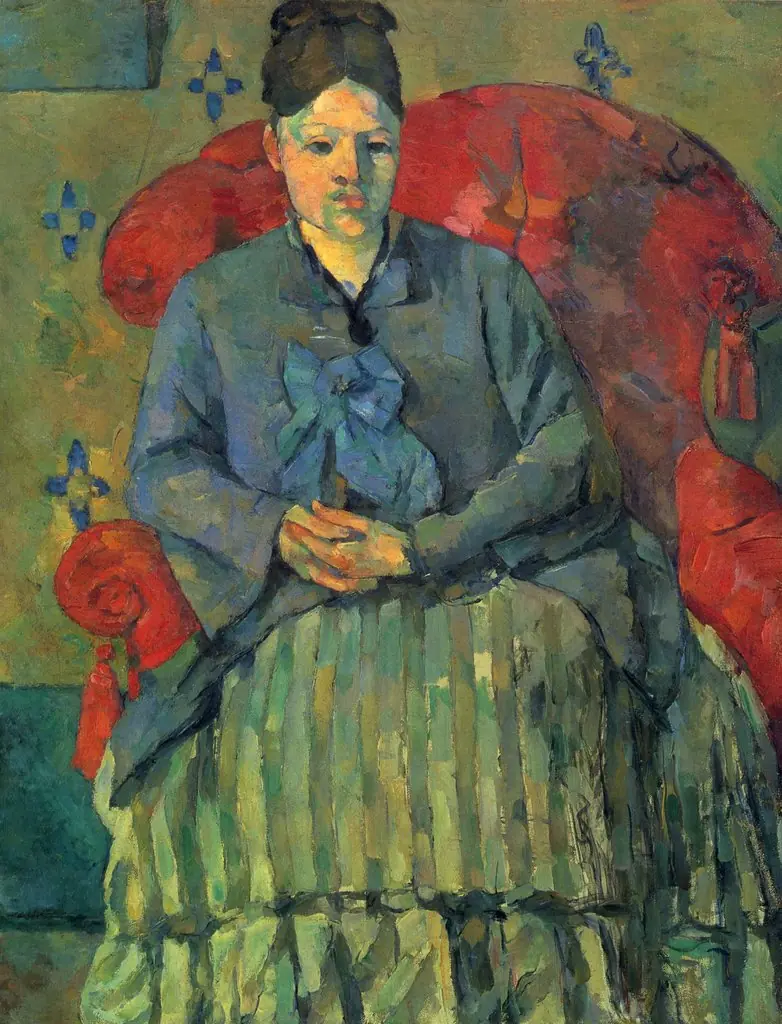 Madame Cézanne à la jupe rayée (Madame Cézanne in a Red Armchair)
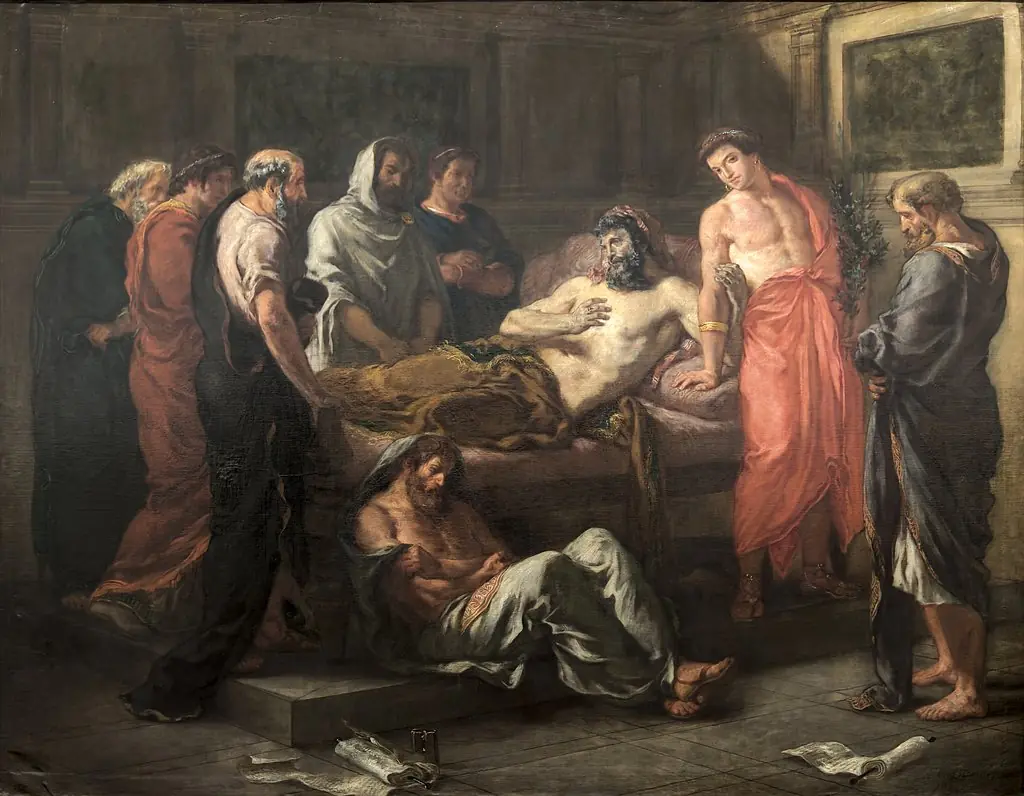 Last Words of the Emperor Marcus Aurelius
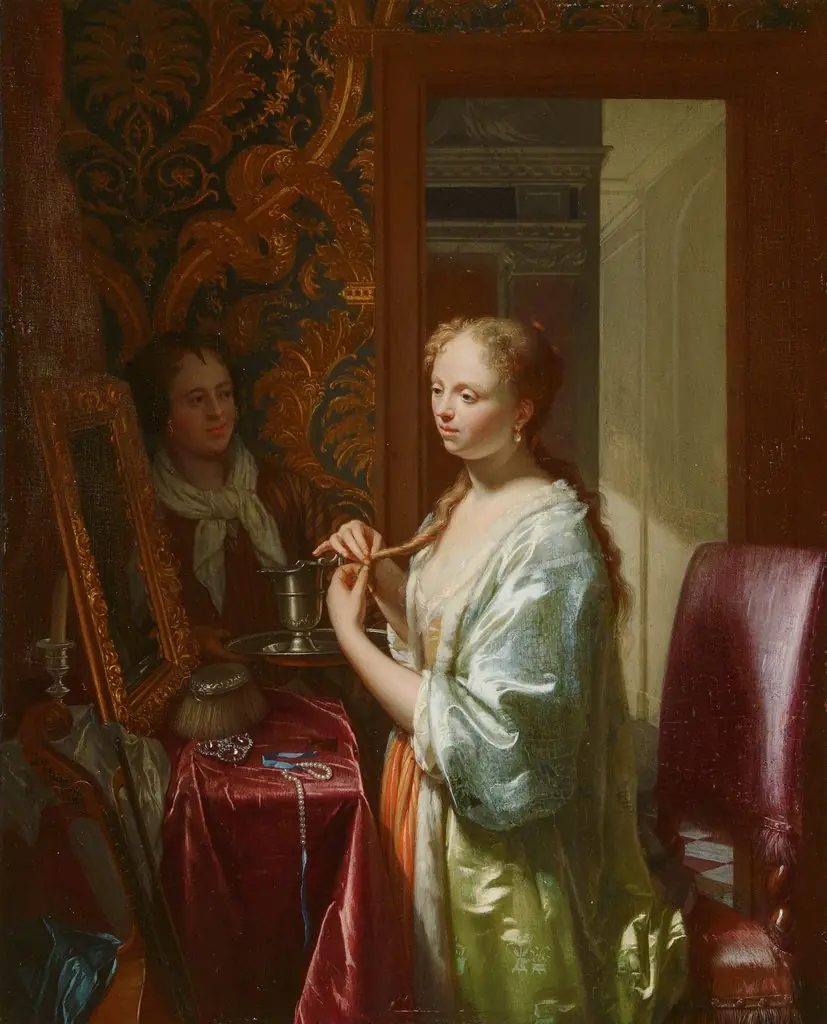 Lady attending to her toilet
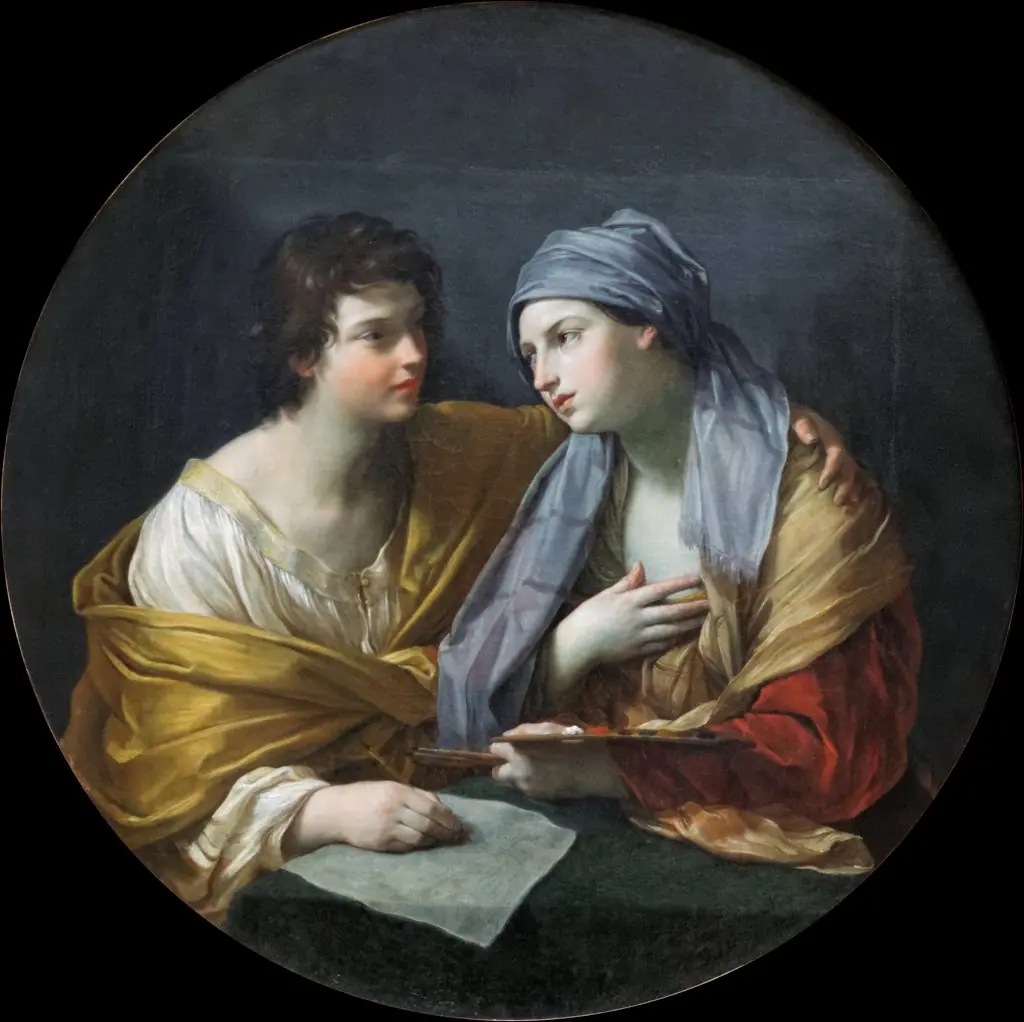 The Union of Drawing and Color
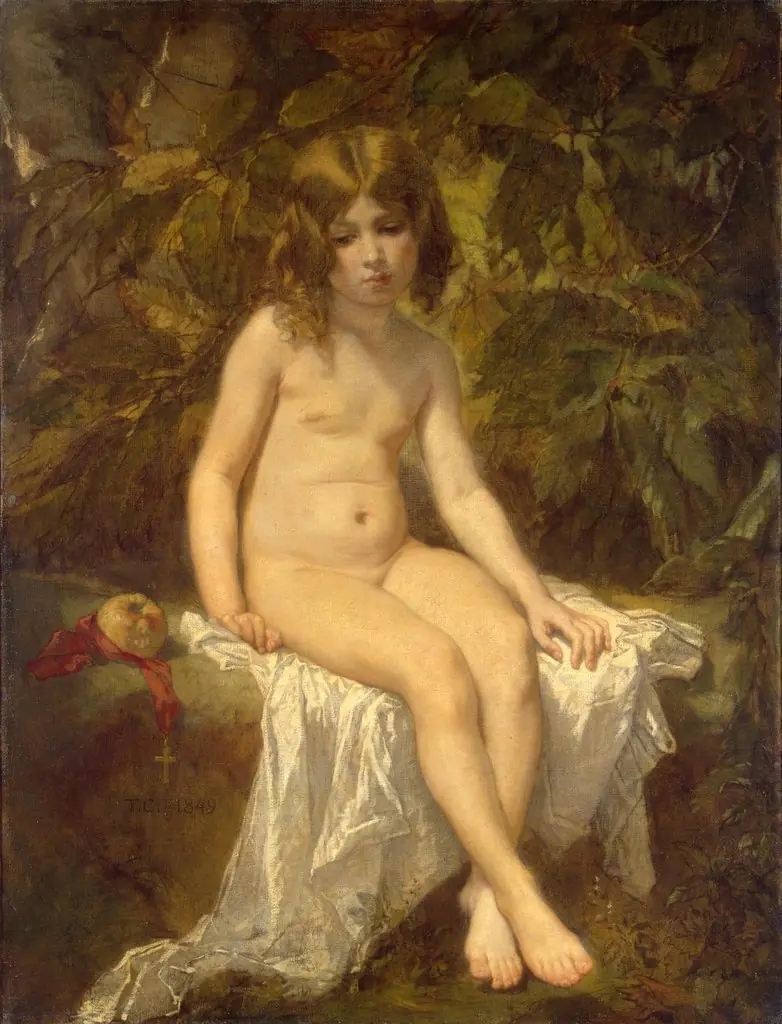 Little Bather
 Nymphs Bathing
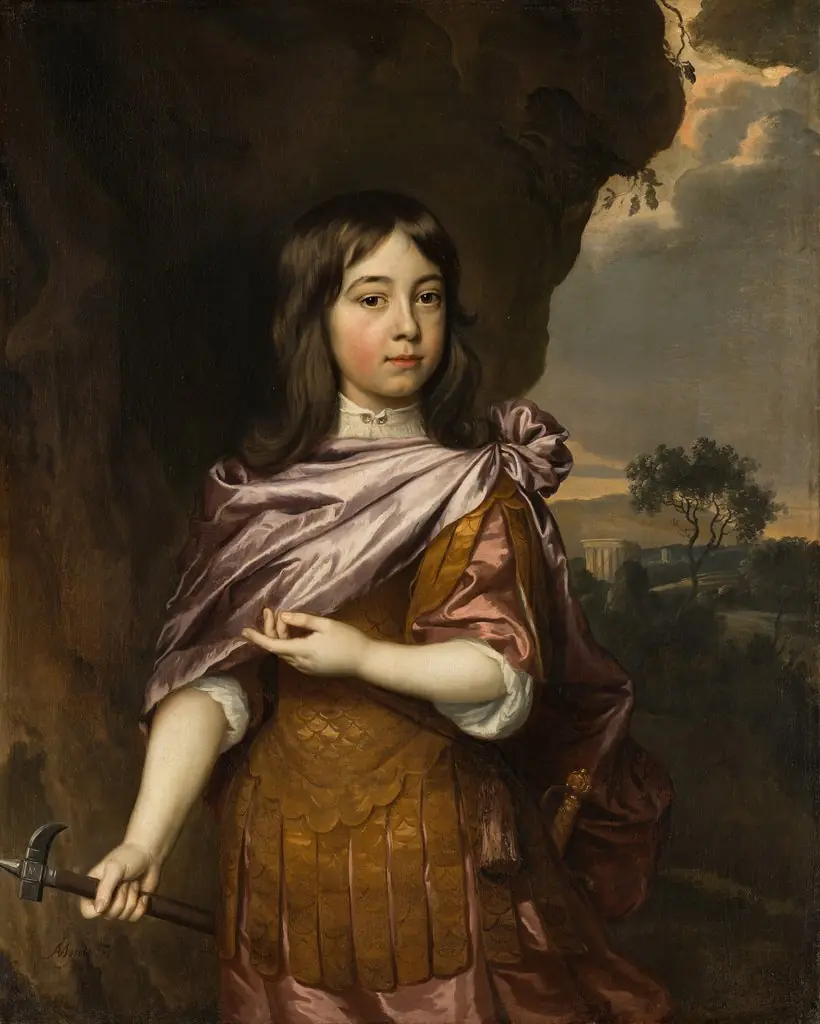 Portrait of Wolfert van Brederode
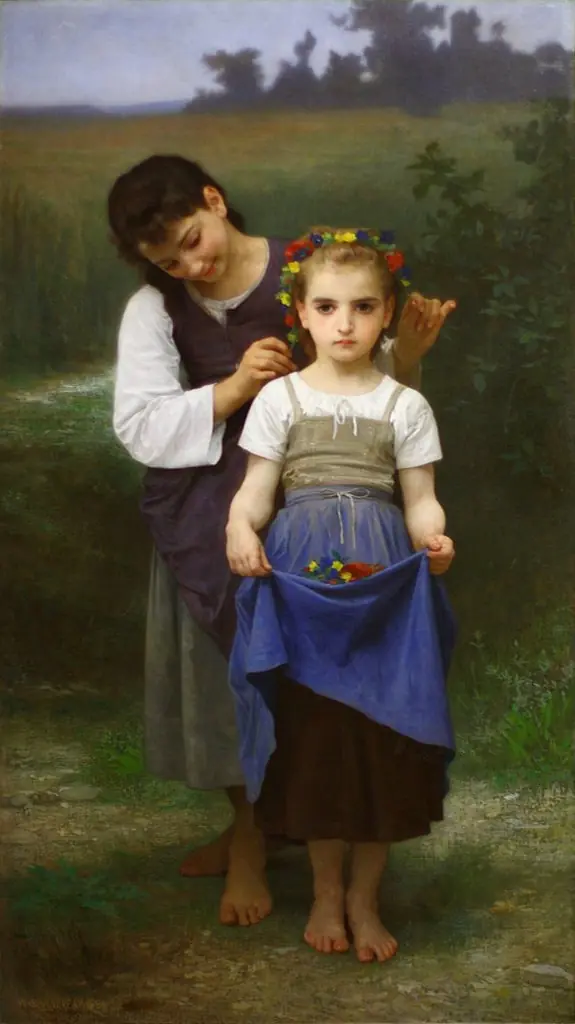 Crown of Flowers
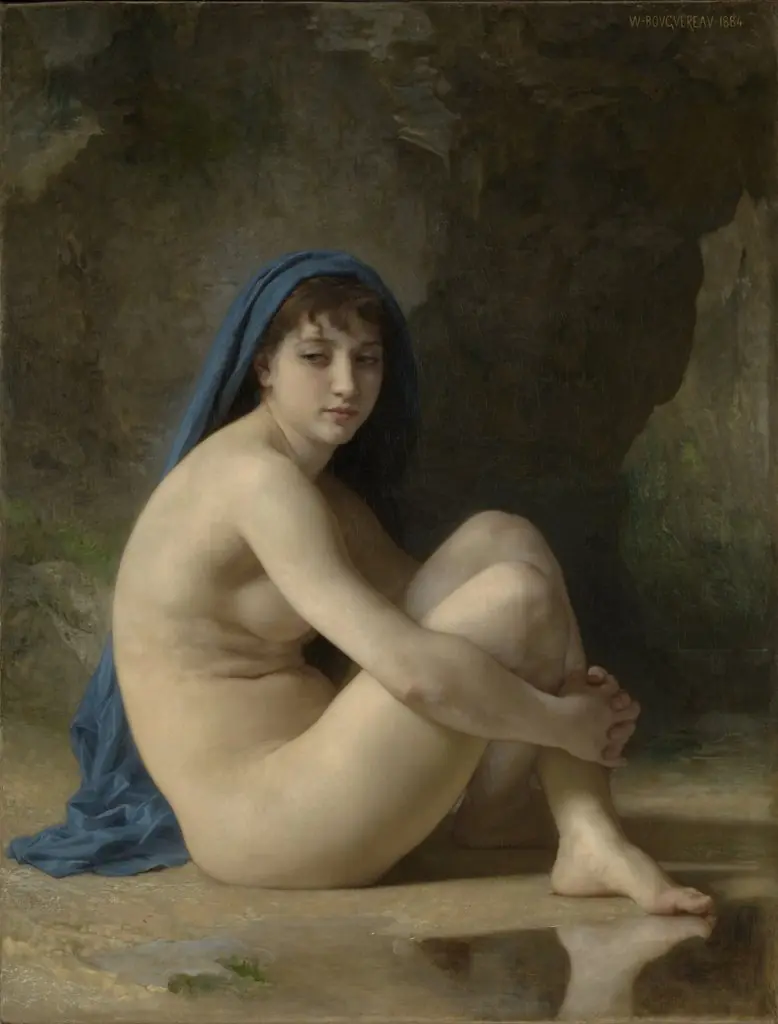 Seated Nude
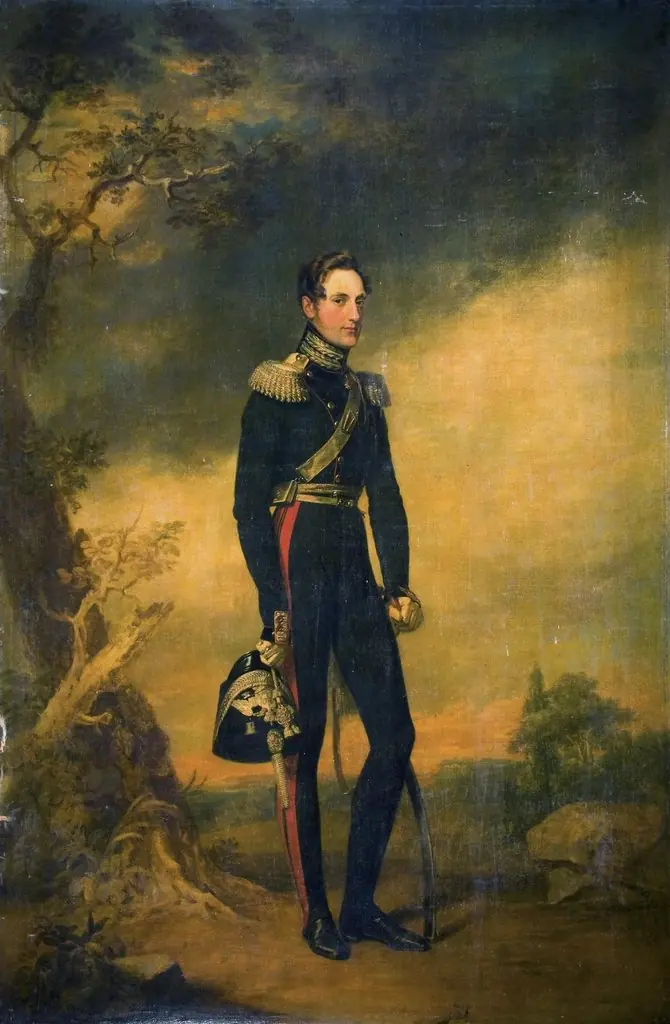 Portrait of Grand Duke Nikolai Pavlovich
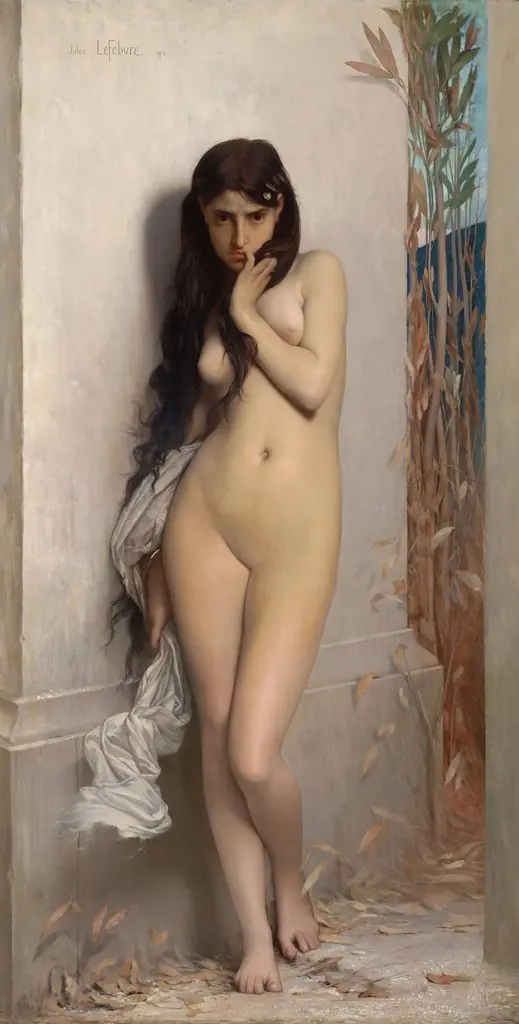 The Cicada
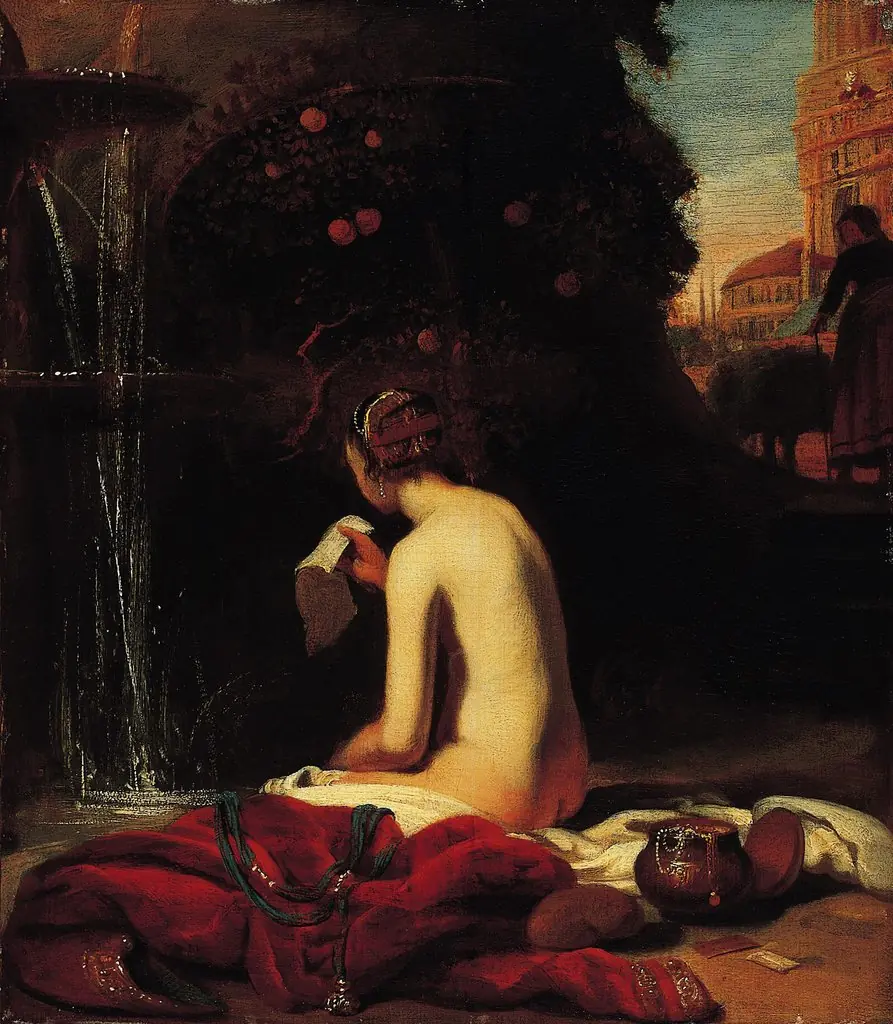 Bathsheba
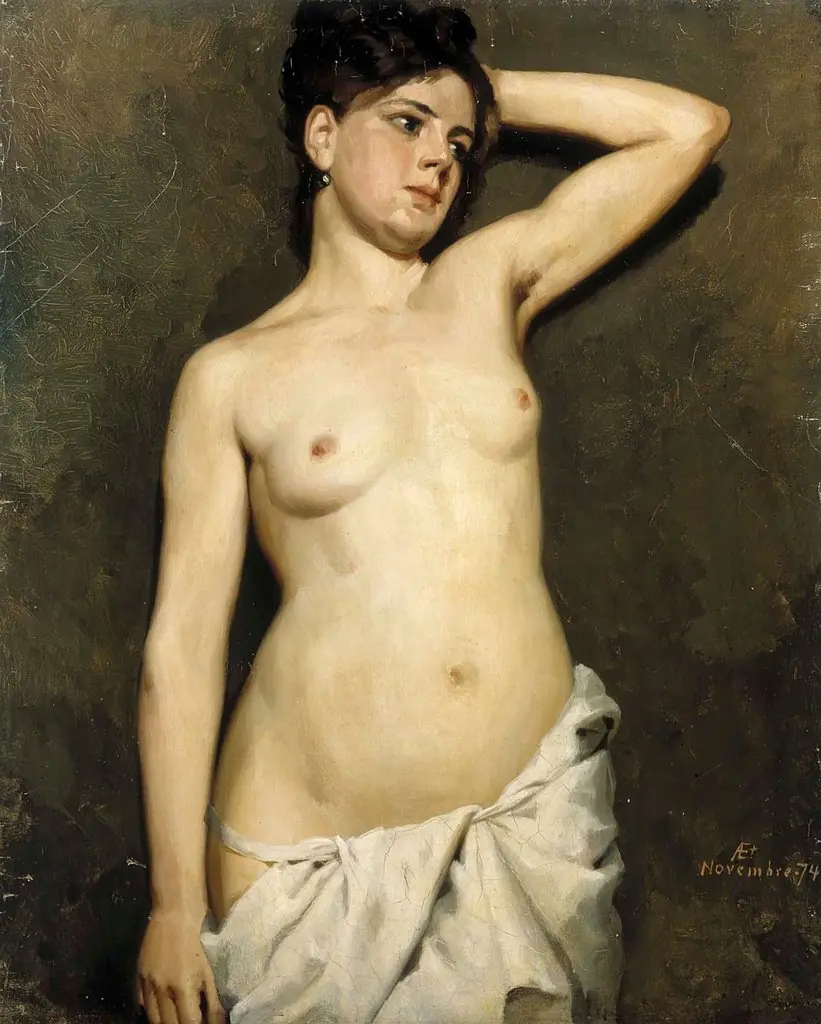 Female Nude, Study
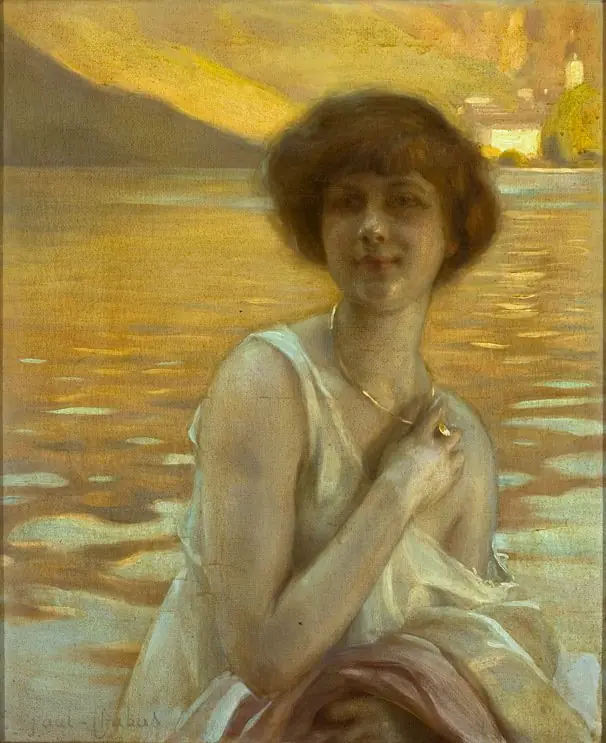 Portrait of a Lady
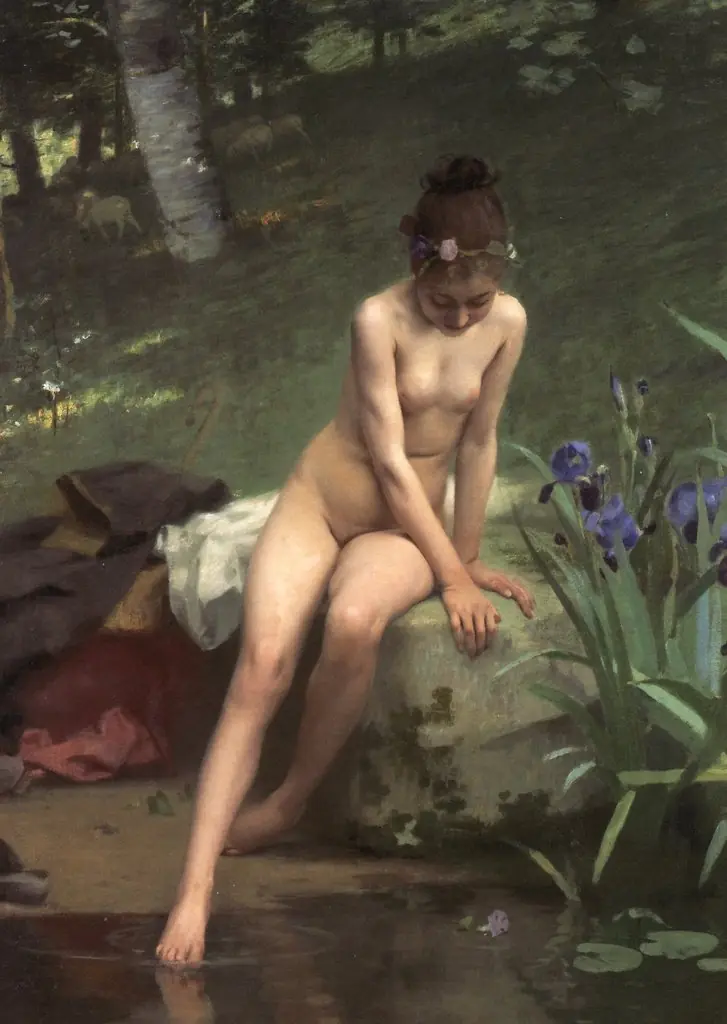 The Young Shepherdess
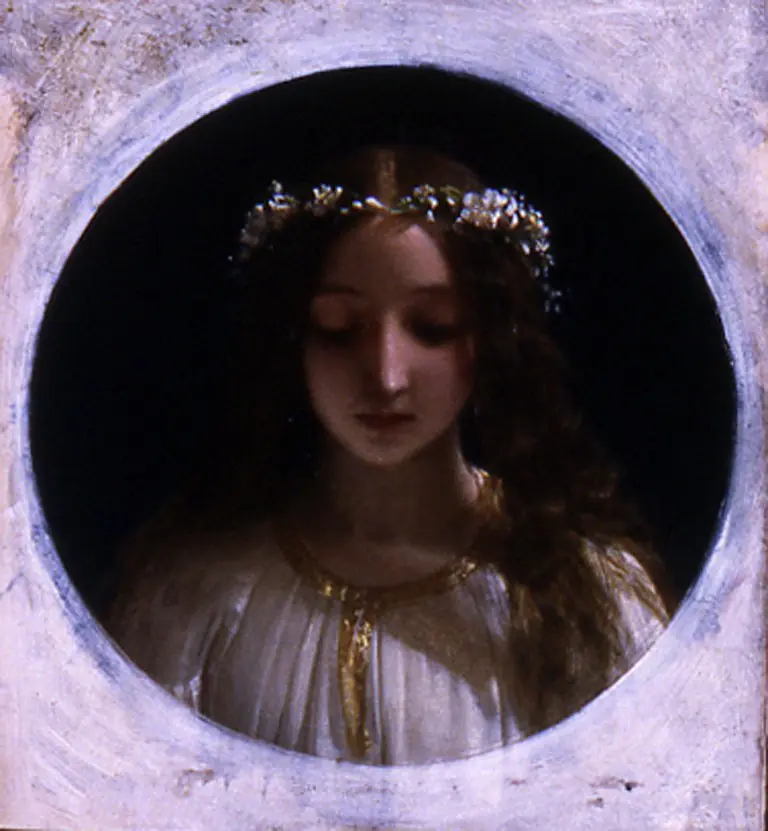 Ophelia
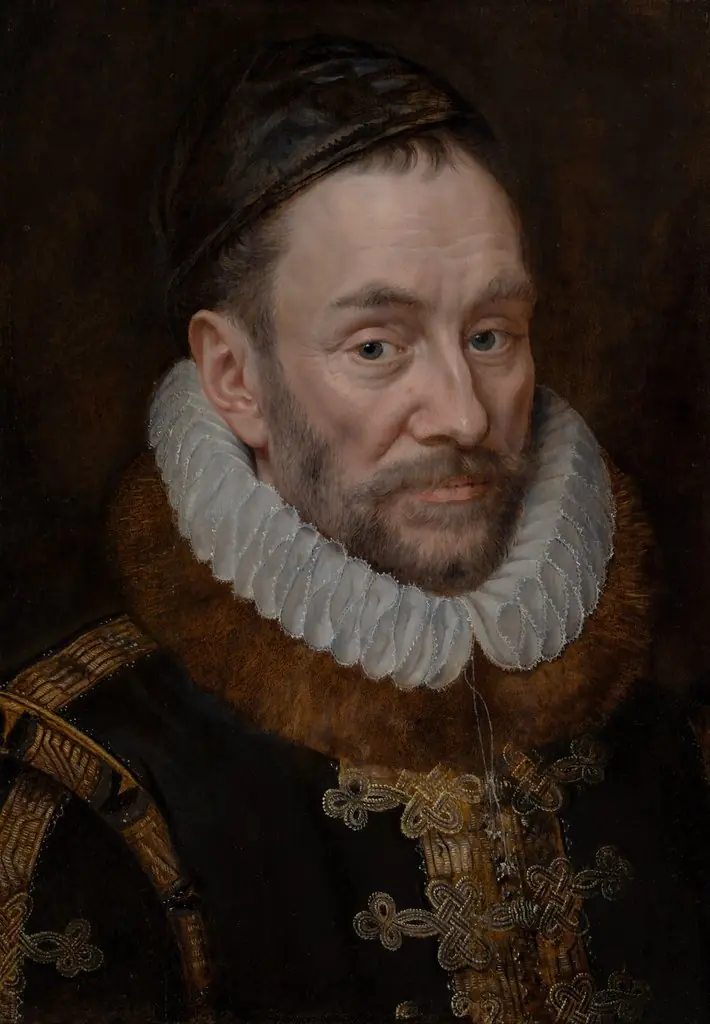 Portrait of William I (1533-1584), Prince of Orange
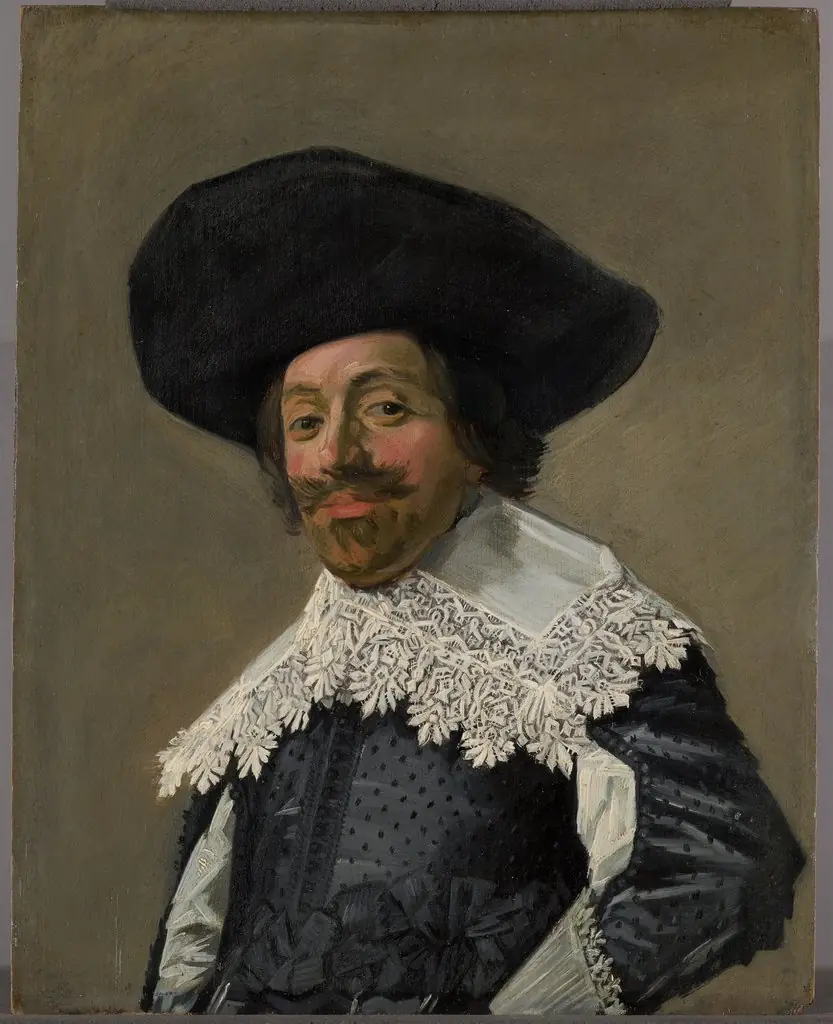 Portrait of a man with a hat
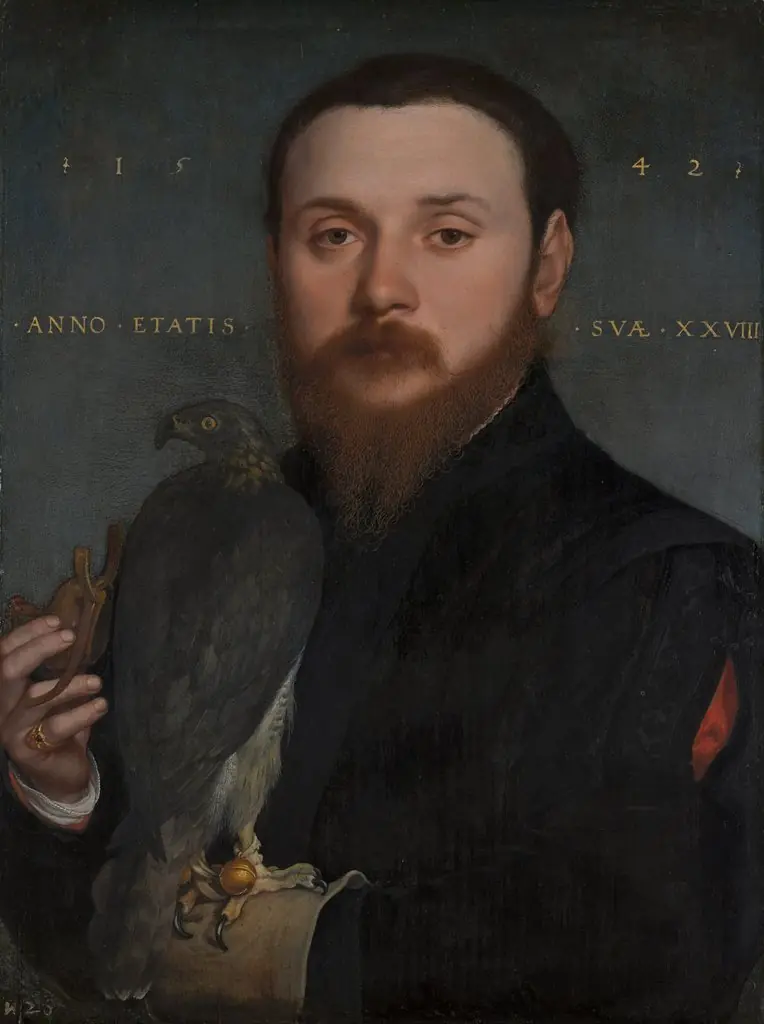 Portrait of a Nobleman with a Hawk
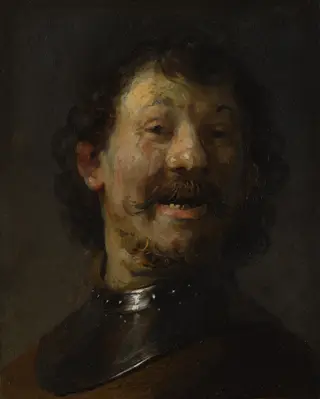 The Laughing Man
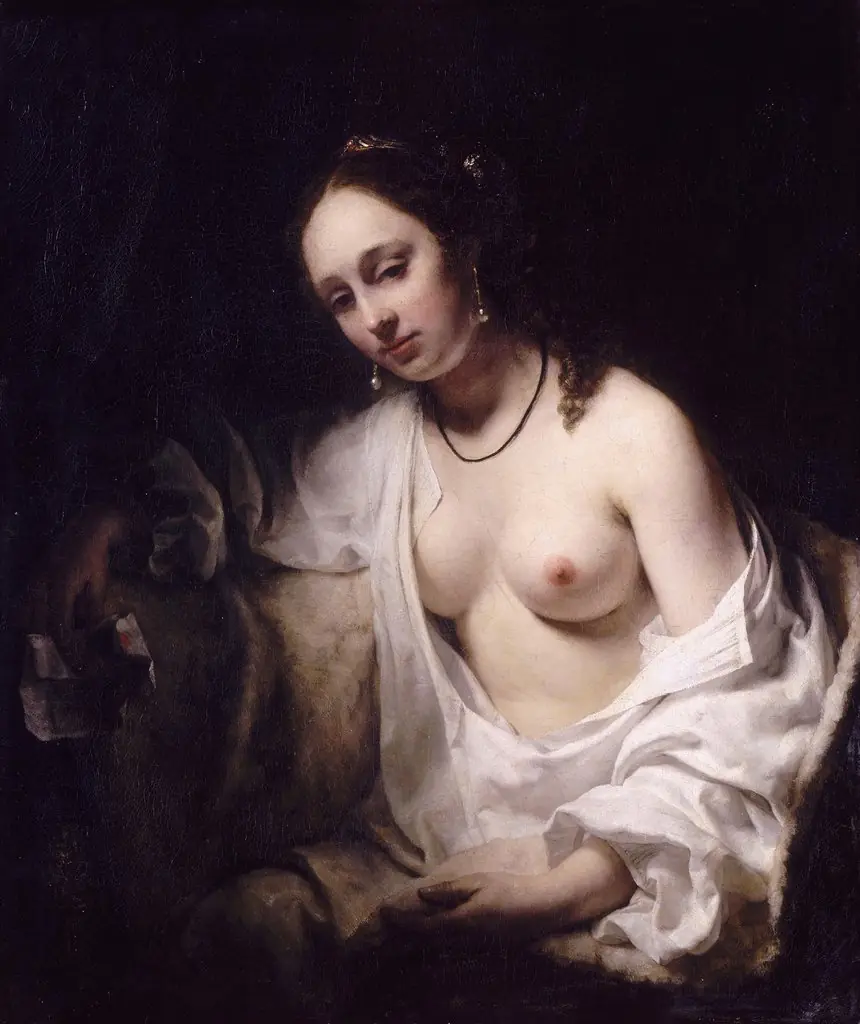 Bathsheba with King David's Letter
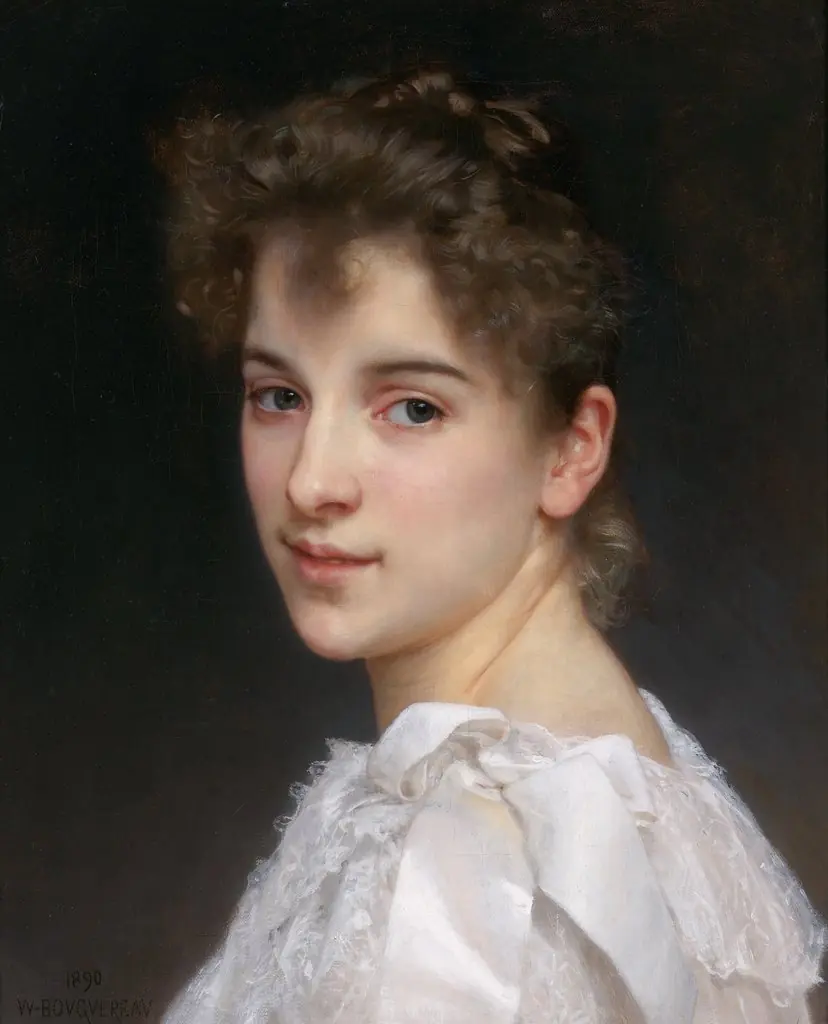 Gabrielle Cot
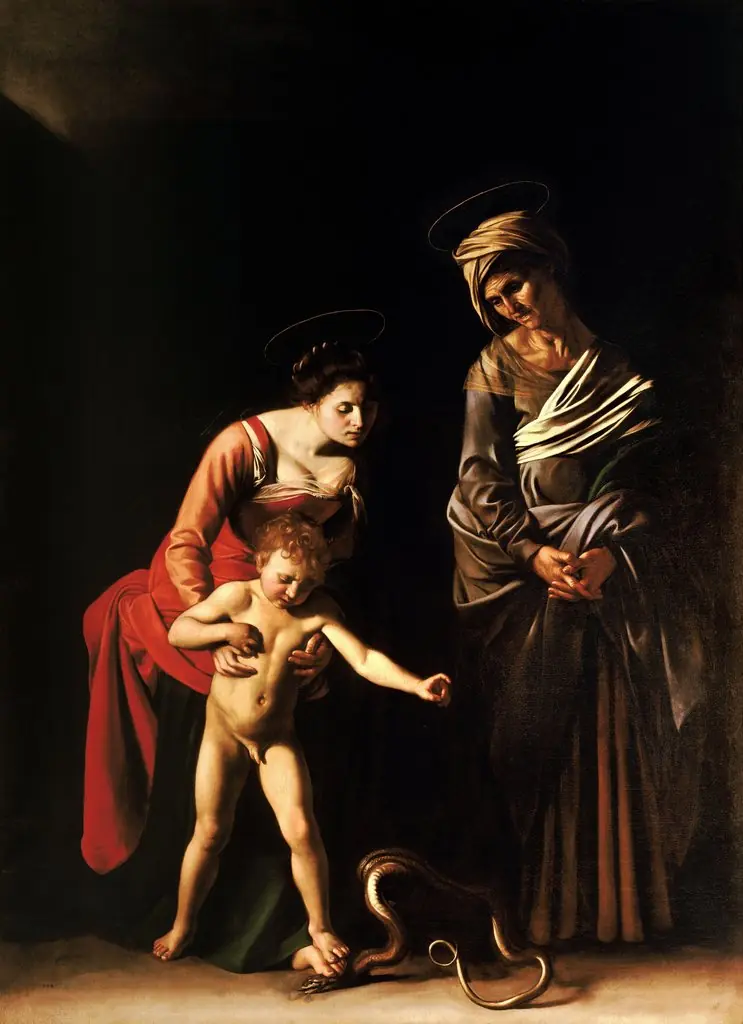 Madonna and Child with Saint Anne
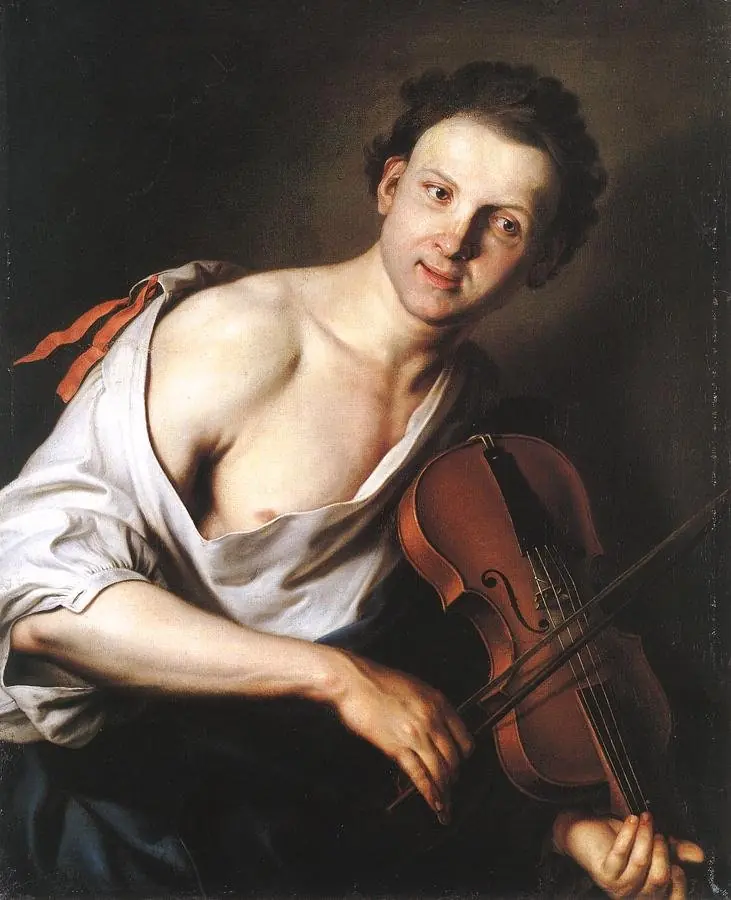 Young man with a violin
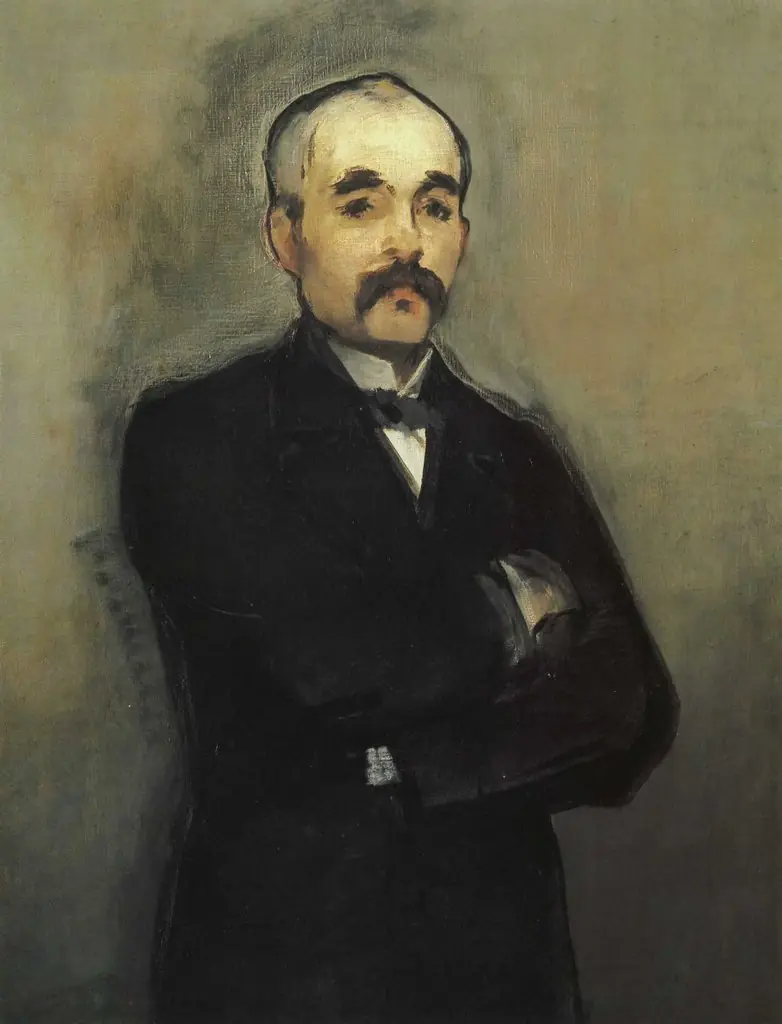 Portrait of Georges Clemenceau
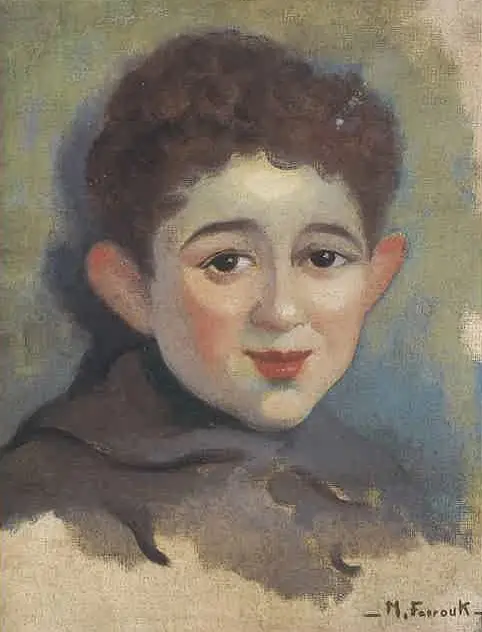 Portrait of Hani Farroukh
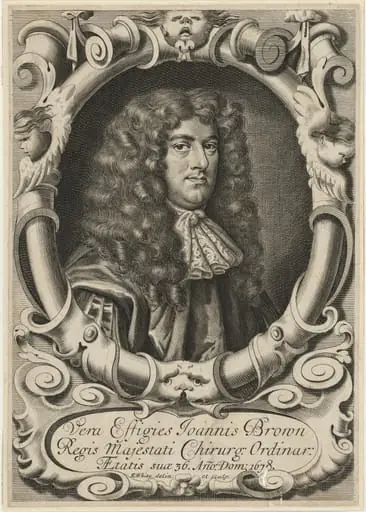 Dr. John Browne, Surgeon
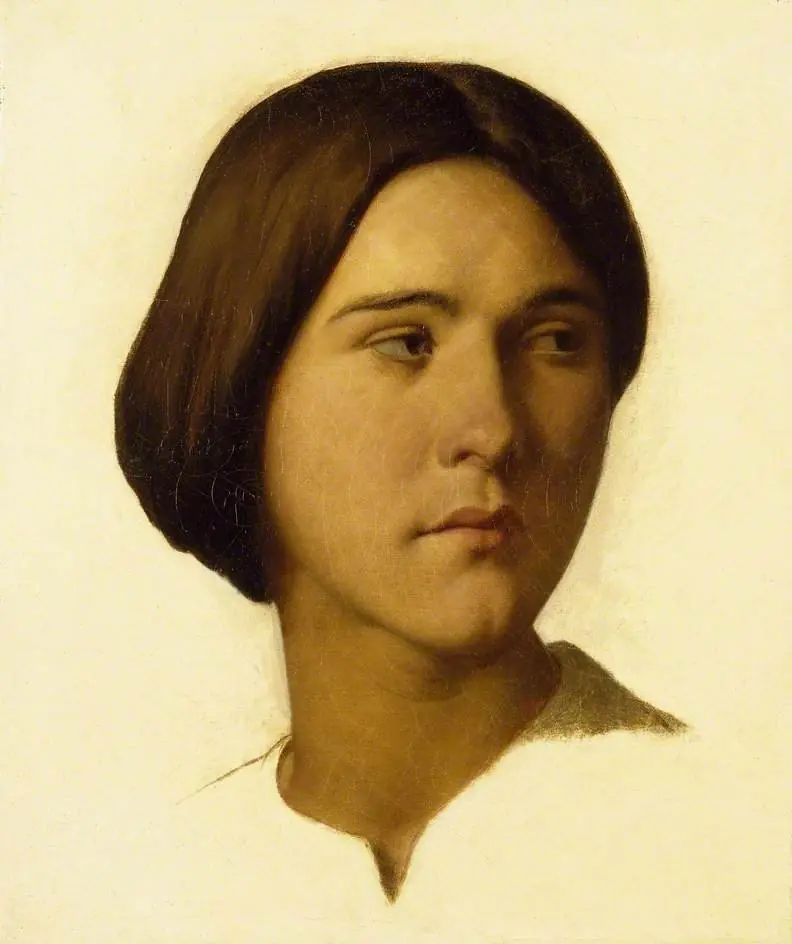 Head of a young Woman
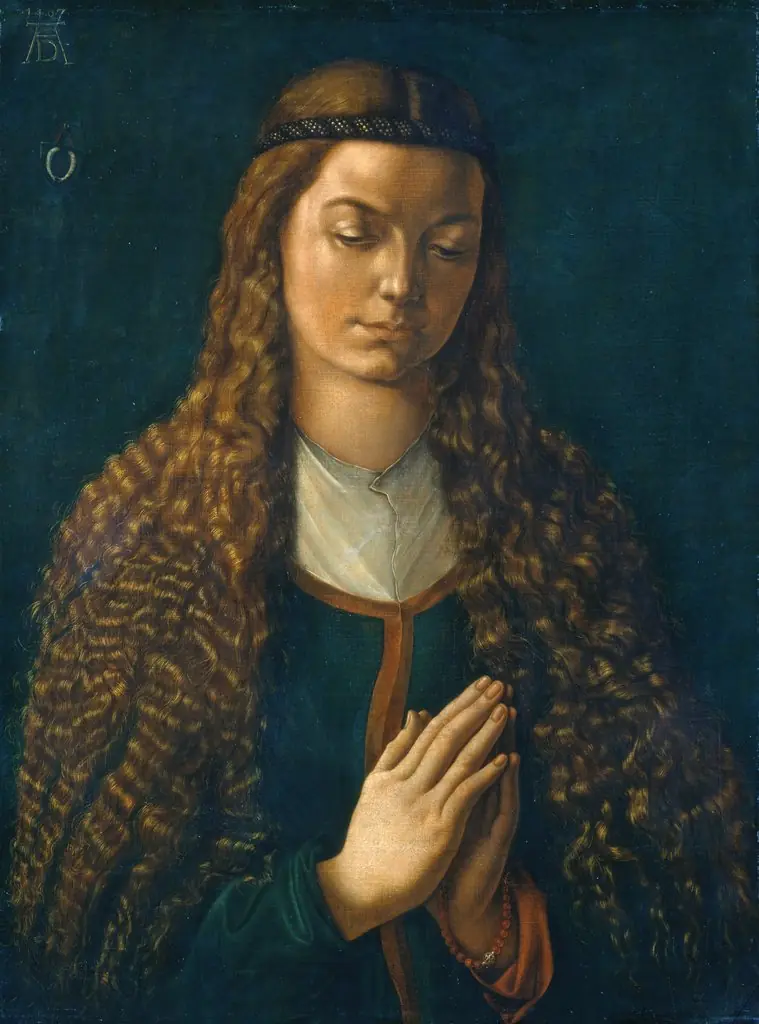 Portrait of a Young Fürleger with Loose Hair
Frequently asked questions
What is Brown Hair?
Brown Hair is a subject in art. The brown hairstreak (Thecla betulae) is a butterfly in the family Lycaenidae.
How many Brown Hair works does Artifact World Gallery have?
Artifact World Gallery holds 81 public-domain Brown Hair works, all free to view and download.
Who are the key Brown Hair artists?
Key Brown Hair artists in the collection include Titian, Paolo Veronese and Jean Baptiste Camille Corot.
Where can I see Brown Hair works?
Brown Hair works in the collection are held by Metropolitan Museum of Art, National Gallery of Art and Museo del Prado.