Subject
Eyebrow
Eyebrow is a subject in art. The gallery holds 42 works in this subject in art, including works by Paolo Veronese, Jean Baptiste Camille Corot and Édouard Manet.
An eyebrow is an area of short terminal hairs above each eye that follows the shape of the lower margin of the brow ridges of some mammals. In humans, eyebrows serve two main functions: first, communication through facial expression, and second, prevention of sweat, water, and other debris from falling down into the eye socket.
Key artists

Overview
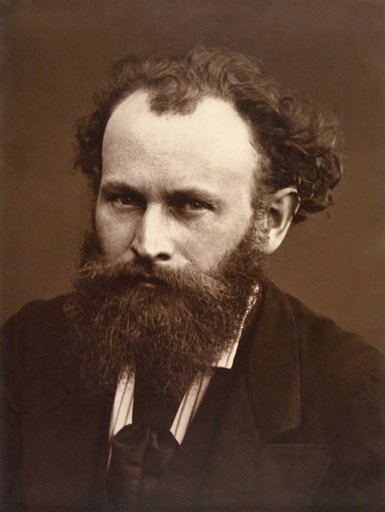
The eyebrow is an area of short, thick, stiff terminal hairs located on the superciliary arch above each eye, following the shape of the lower margin of the brow ridges. Found in humans and other mammals, this feature serves two primary physiological and social functions. First, it acts as a protective barrier, diverting sweat, rain, water, and debris away from the eye socket. Second, and perhaps more significantly in human evolution, it functions as a vital tool for communication and facial expression. The mobility of the eyebrow allows for the clear transmission of subtle emotions, making it a recurring and critical subject in the visual arts, where the depiction of the brow conveys psychological depth and narrative intent.
Iconography & meaning
In art and visual culture, the eyebrow carries heavy semiotic weight as an instrument of nonverbal communication. Its position and movement are central to mimetic expression, making emotions immediately legible even from a distance. A furrowed brow, achieved by the corrugator muscle, traditionally signifies anger, difficulty, disapproval, or intense concentration. Conversely, raised eyebrows denote surprise, attentiveness, fear, or indignation. The ability to raise the brows asymmetrically adds further complexity to these expressions. Because the brow so clearly signals internal states, artists have historically manipulated its shape, thickness, and placement to telegraph character traits, social standing, and emotional resonance in their subjects.
Across movements & periods
The treatment and idealization of the eyebrow have shifted dramatically across cultures and historical periods, reflecting changing aesthetic philosophies. In eighth century Japan, the practice of hikimayu involved shaving or plucking the natural brow and painting smudge like or thin lines higher on the forehead. Similarly, during the Elizabethan era, high status women frequently removed their eyebrows altogether to achieve a stark, elevated forehead. Western fashion later cycled through rigorously plucked thin brows in the 1920s and 1930s, contrasting with periods favoring fuller, natural hair. The unibrow, or synophrys, has oscillated between a perceived flaw in Western societies and a traditional beauty ideal in regions like Central Asia, famously embraced by the surrealist painter Frida Kahlo as a marker of identity.
Notable depictions
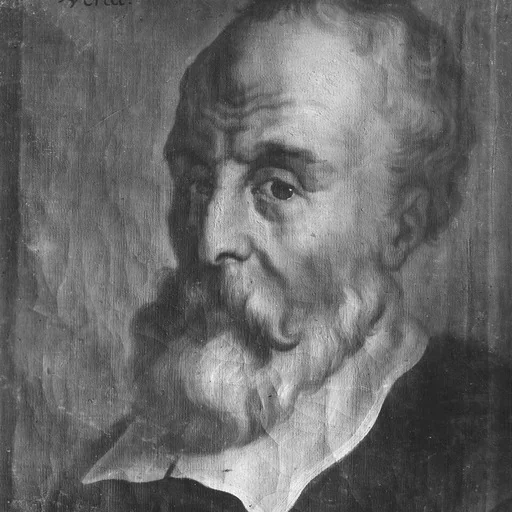
Canonical depictions of the eyebrow in art history often hinge on the feature's ability to anchor identity or subvert convention. John Singer Sargent's portrait of Madame X (Virginie Amelie Avegno Gautreau) relies on the sharply defined, languid arch of the sitter's brows to convey her notorious poise and aloof glamour. Frida Kahlo's self portraits famously feature a prominent unibrow, challenging Western beauty standards and transforming the synophrys into a symbol of fierce, uncompromising identity. Historical portraiture also utilized the brow to denote authority and gravitas, as seen in the 17th century Portrait of Jan van Nes, where the facial hair structure frames a commanding, administrative gaze appropriate to his role as Vice Admiral of Holland and West Friesland.
Legacy
The cultural and aesthetic legacy of the eyebrow continues to evolve, heavily influenced by its artistic and historical depictions. Modern cosmetic practices, including microblading, tattooing, and brow transplantation, actively sculpt the brow to emulate desired historical or celebrity archetypes. The 1990s and 2000s saw the rise of shaved lines in eyebrows as a form of subcultural signaling. Surgical interventions, such as the eyebrow lift first documented by French surgeon Raymond Passot in 1919, alongside botox injections developed in the 1970s, demonstrate the lengths to which people modify the brow to achieve youthful or feminine appearances. A 2003 MIT study confirmed the enduring importance of the feature, revealing that individuals recognized famous faces without eyes far more easily than those without eyebrows, proving the brow remains the most critical anchor for human facial recognition.
Works
 Venus and Mars
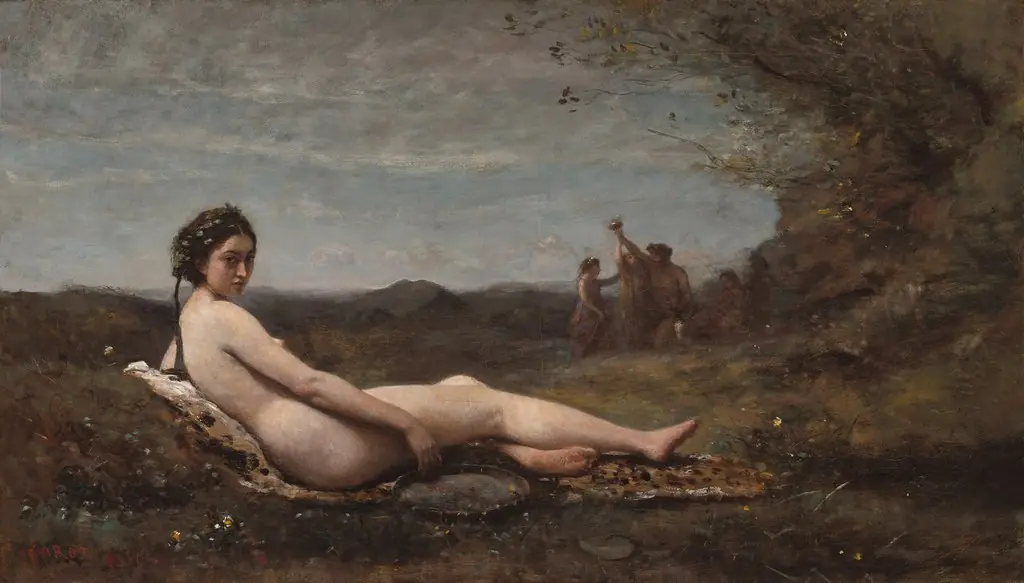 The Repose
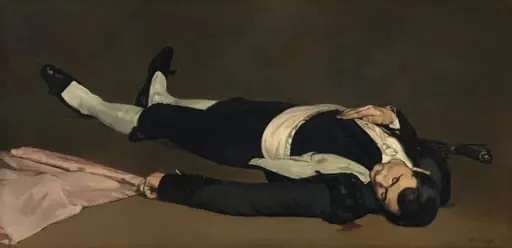 The Dead Toreador
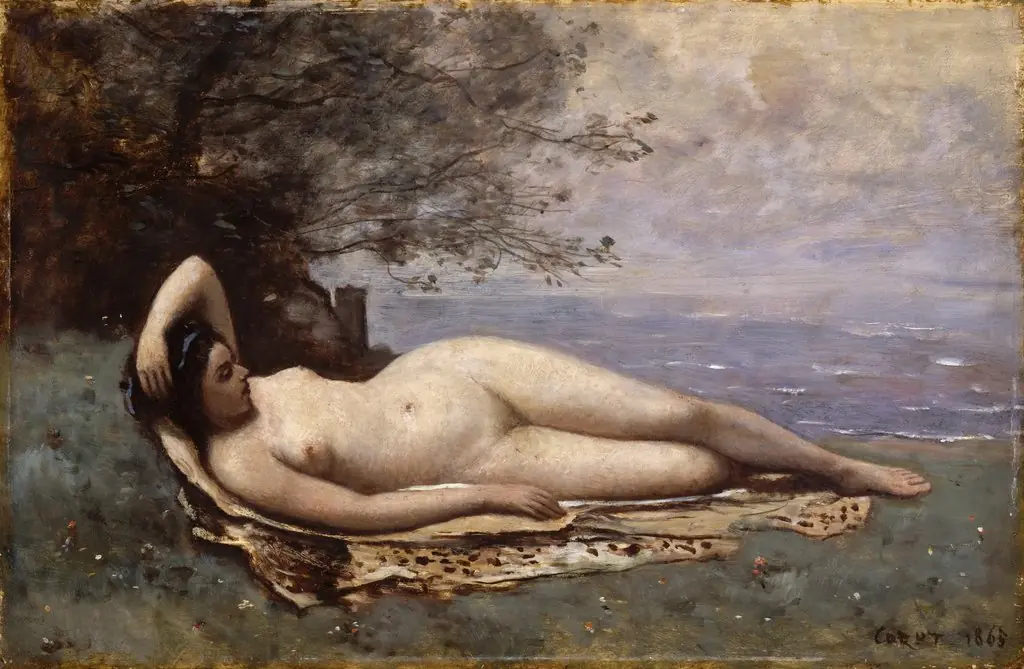 Bacchante by the Sea
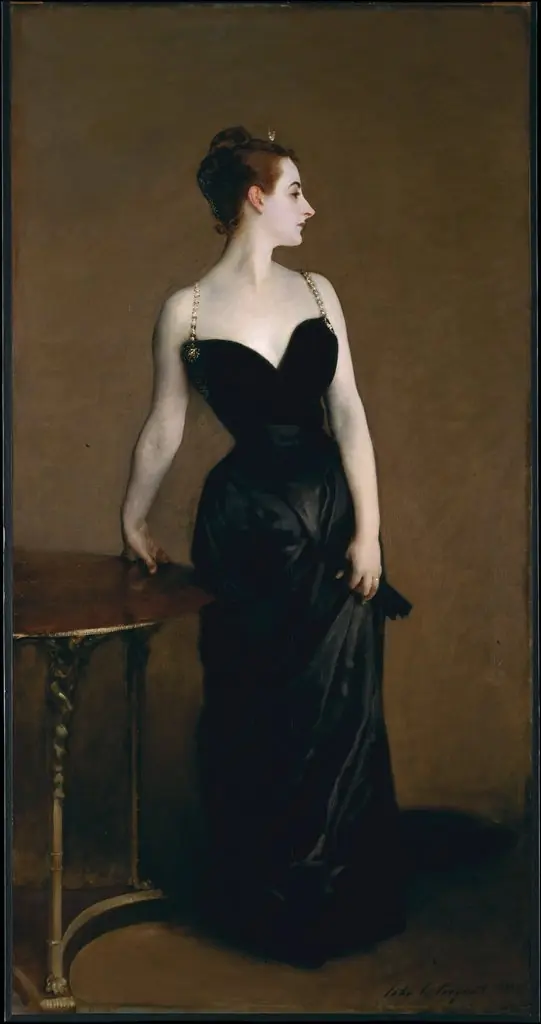 Madame X (Virginie Amélie Avegno Gautreau)
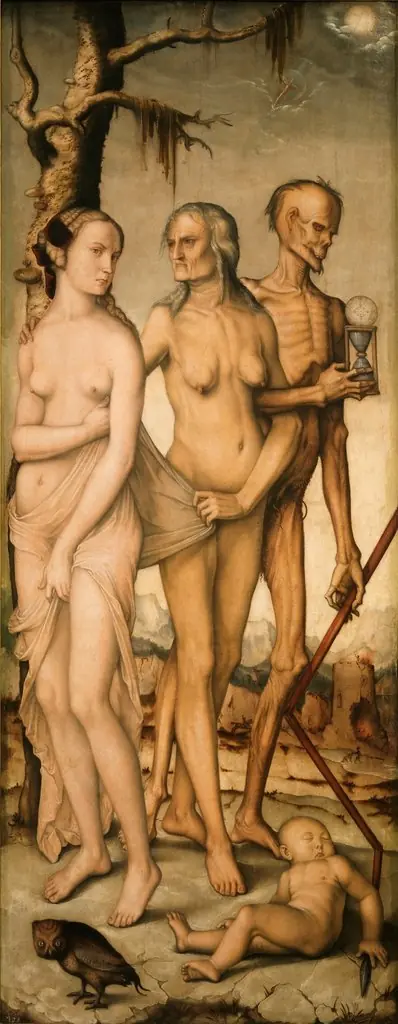 The Ages and Death
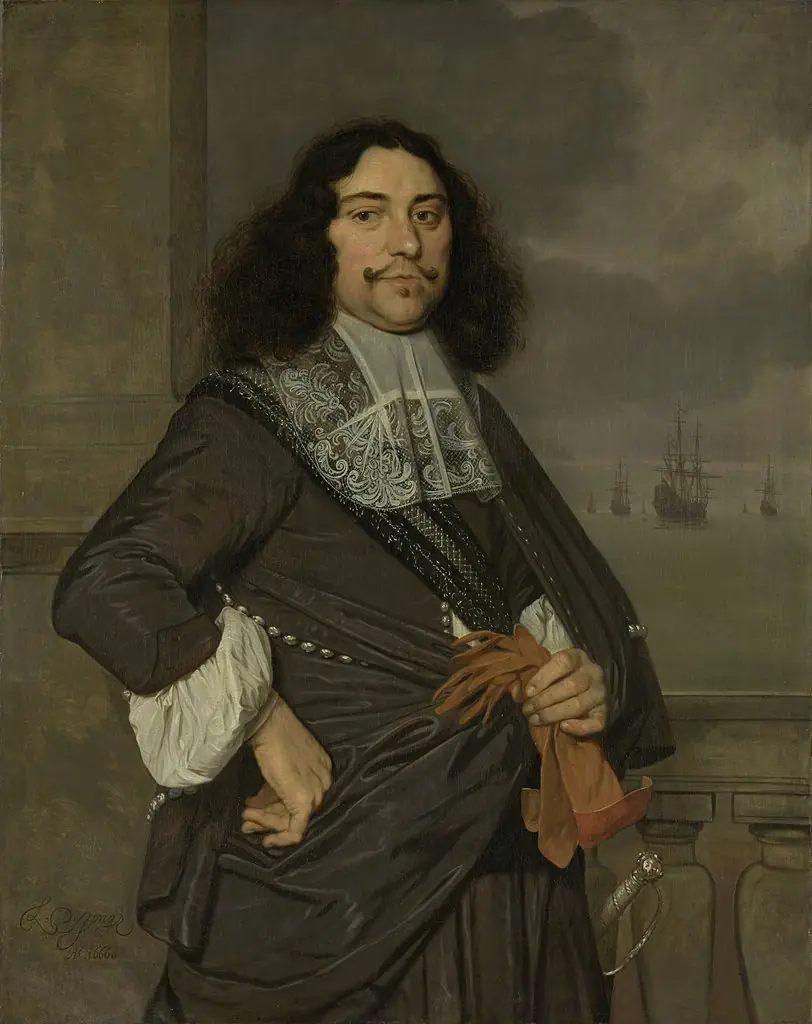 Portrait of Jan van Nes (1631-80). Vice admiral of Holland and West-Friesland
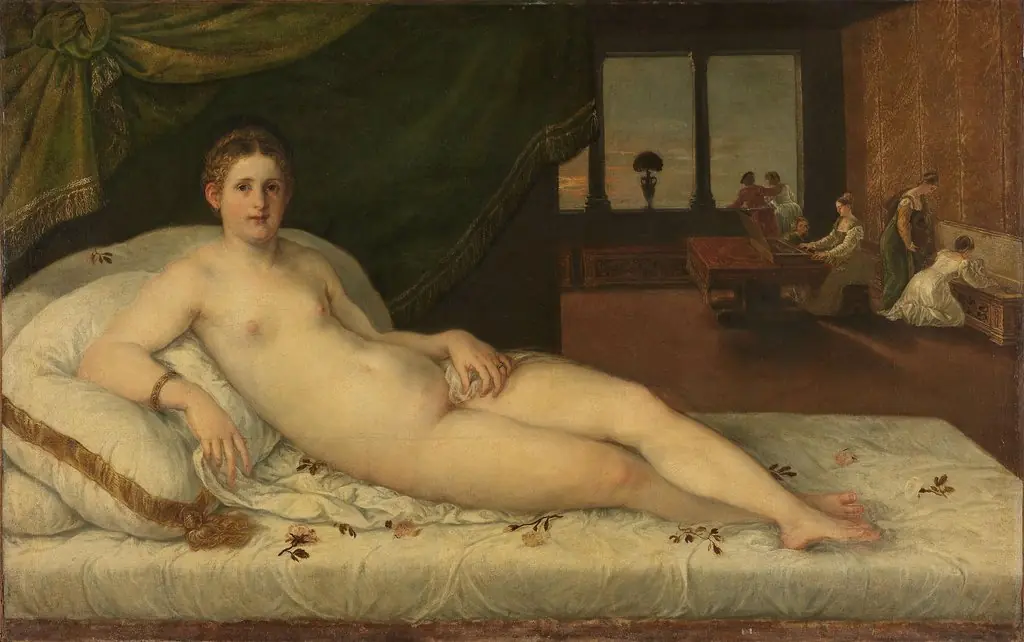 Reclining Venus
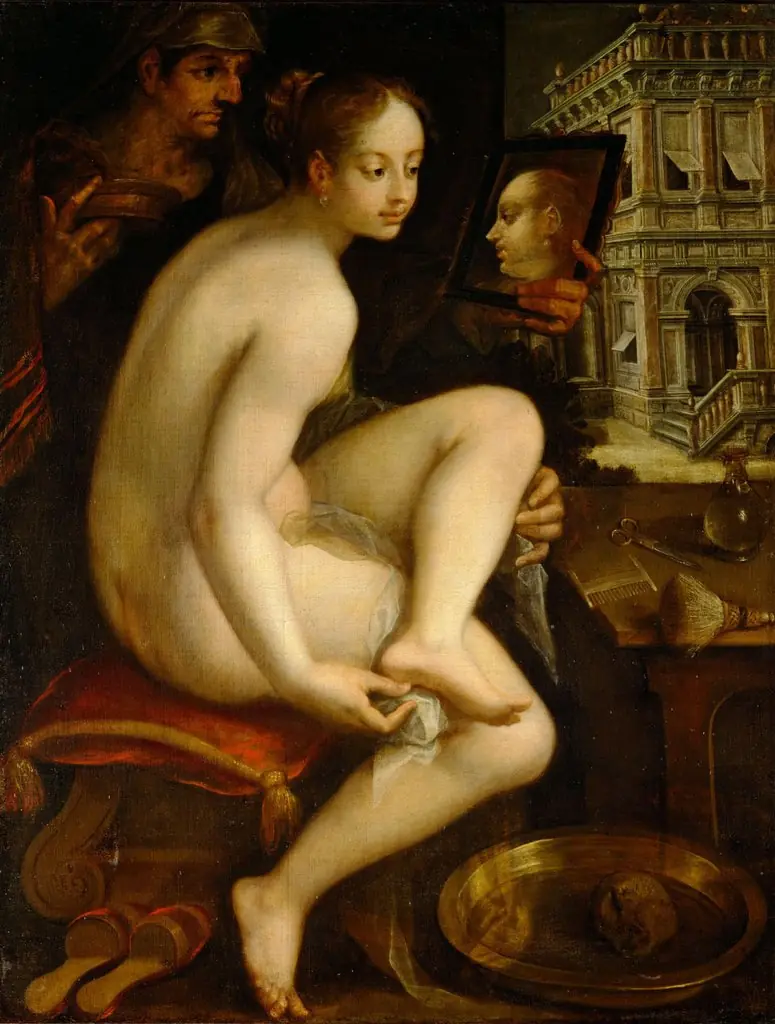 David and Bathsheba
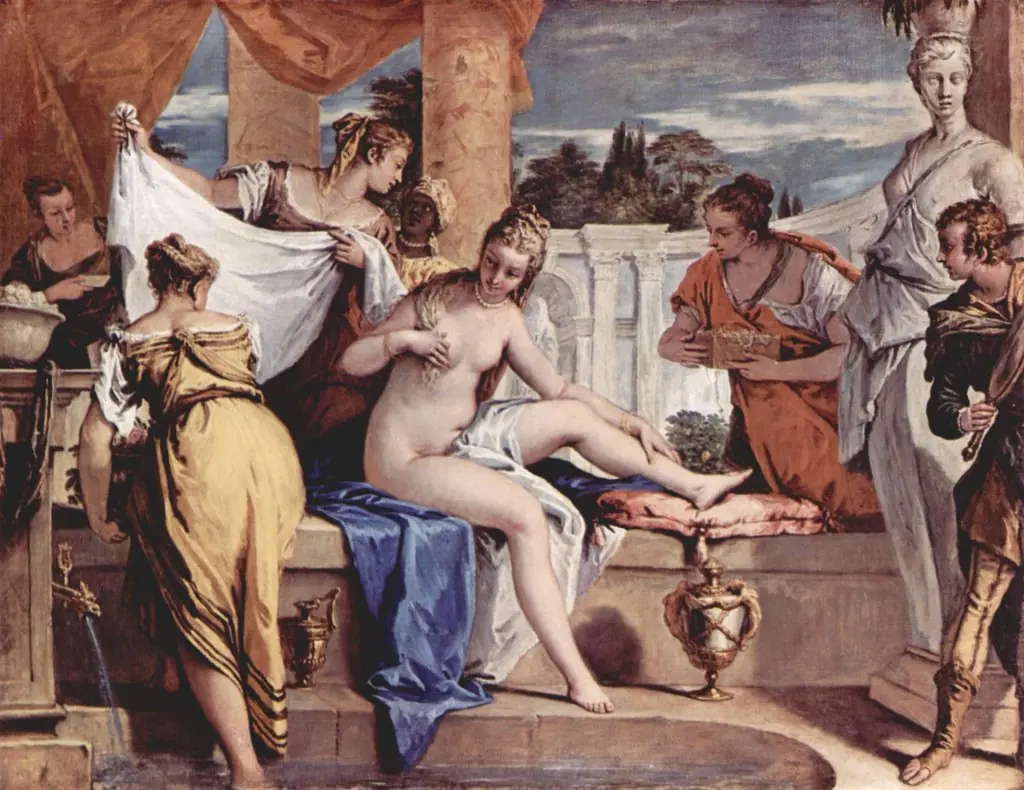 Bathsheba at her bath
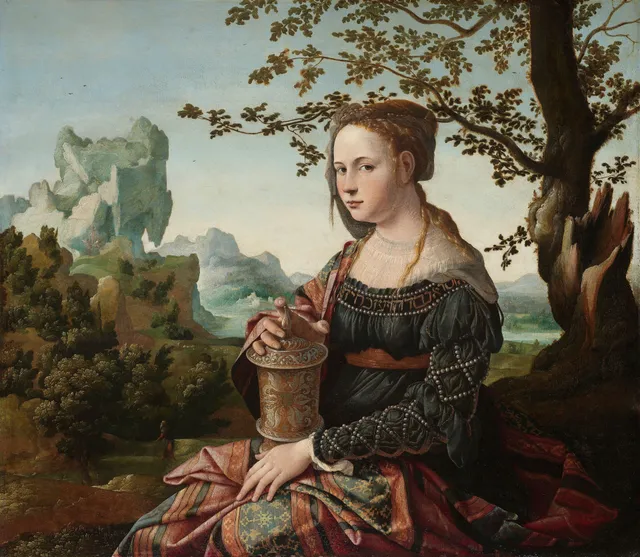
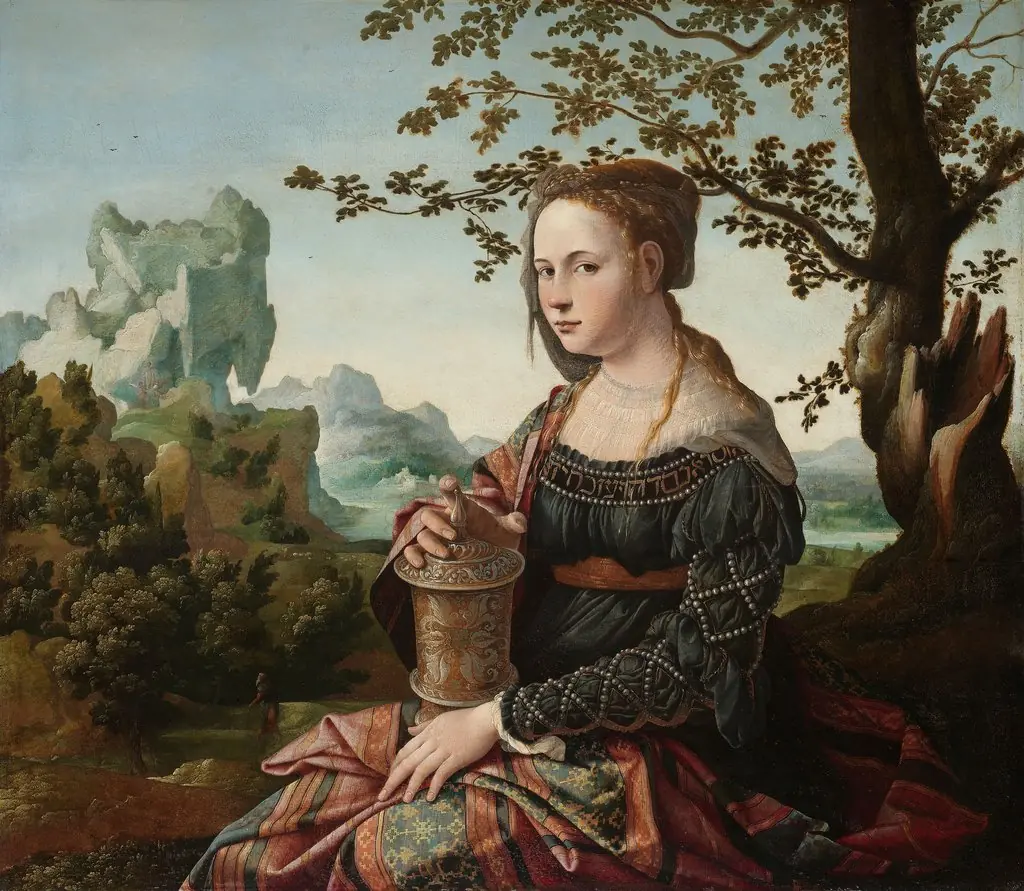 Mary Magdalene
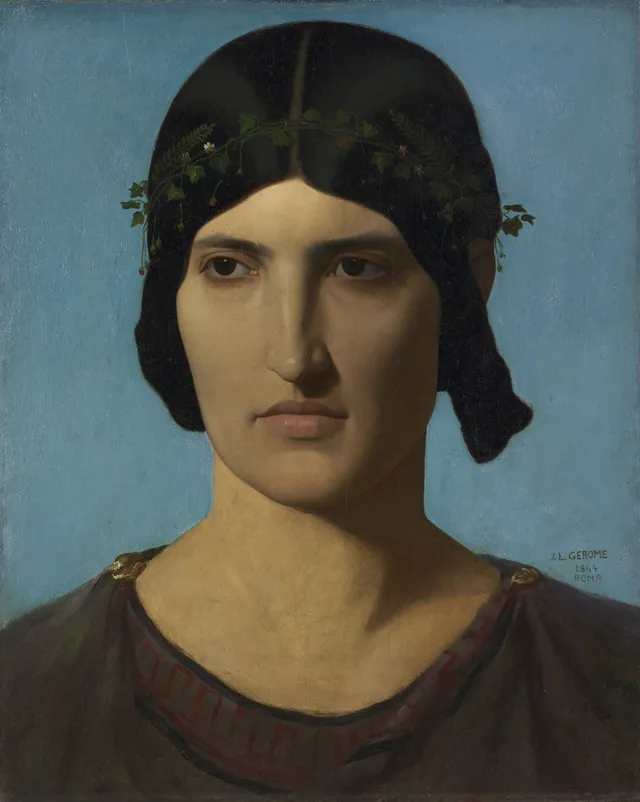
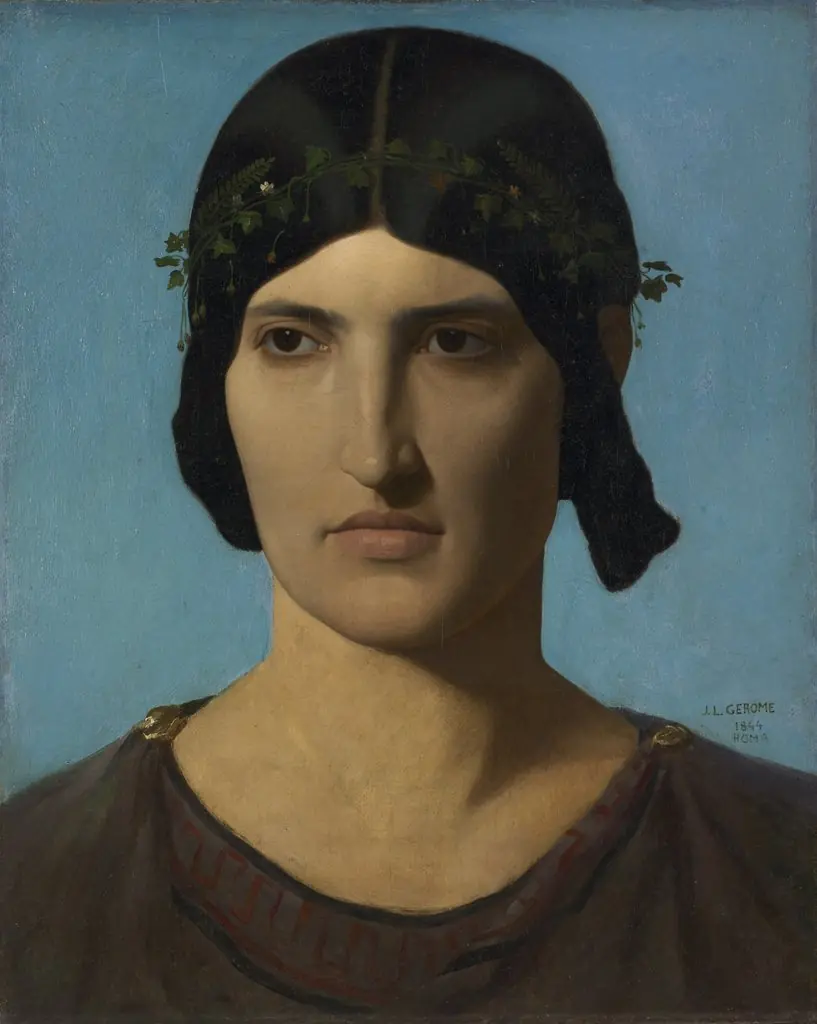 Head of an Italian Woman
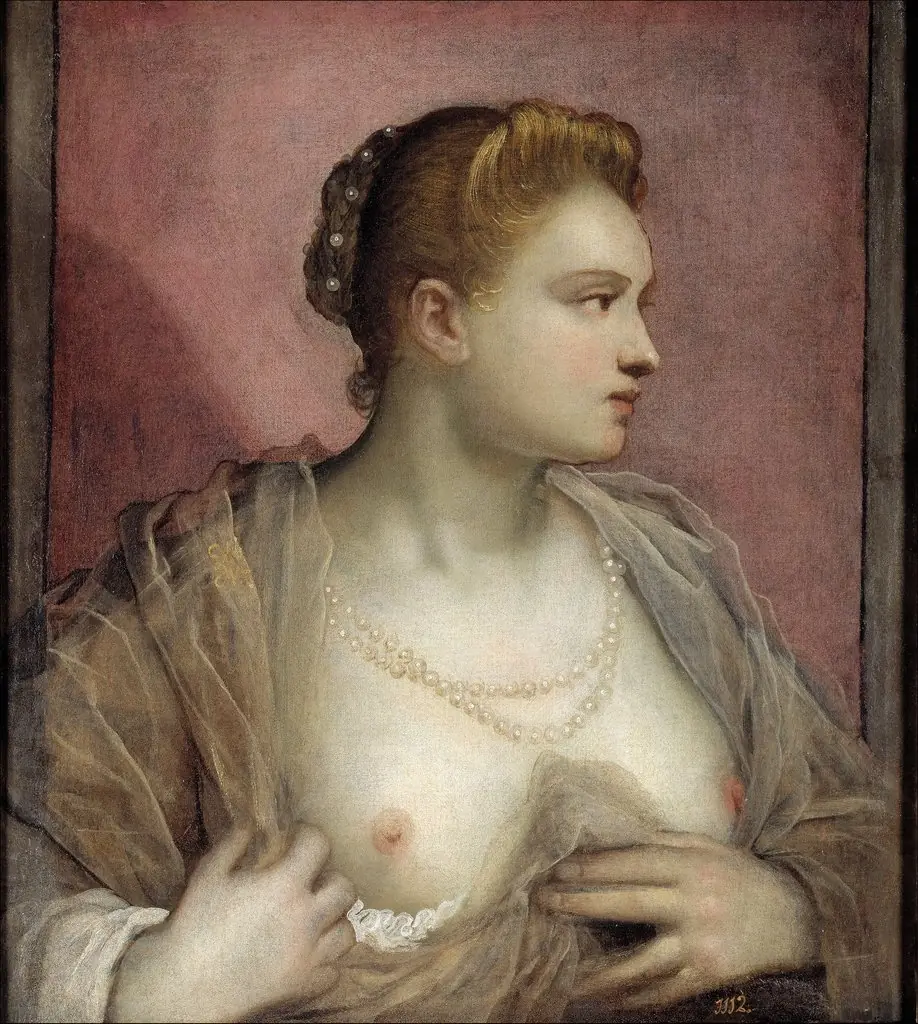 Portrait of a Bare-Breasted Woman
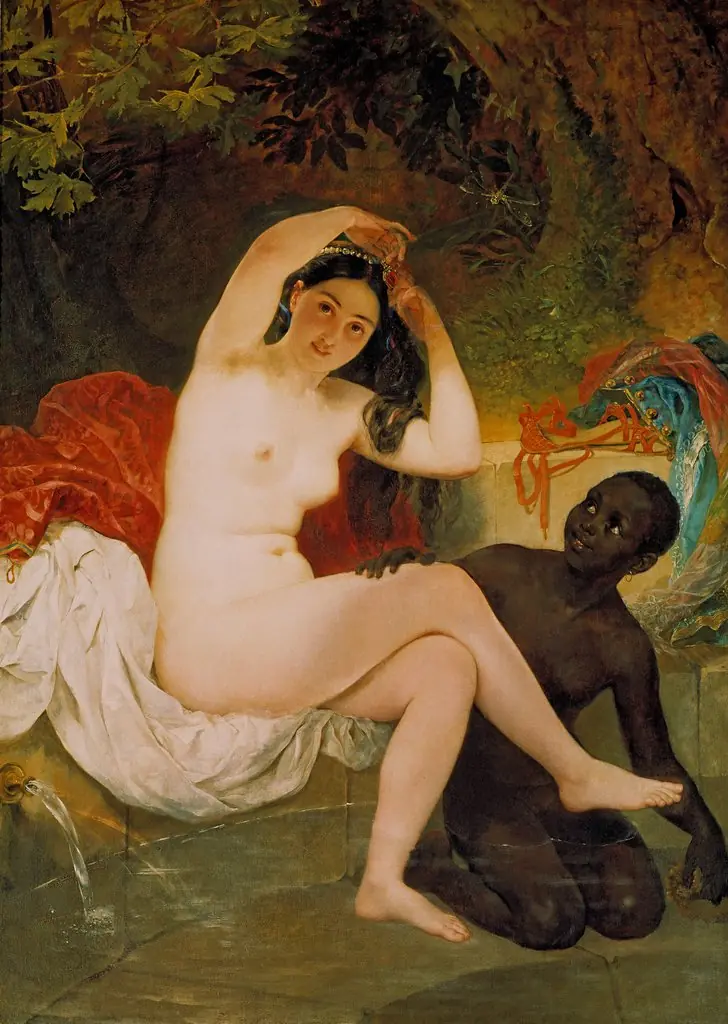 Bathsheba
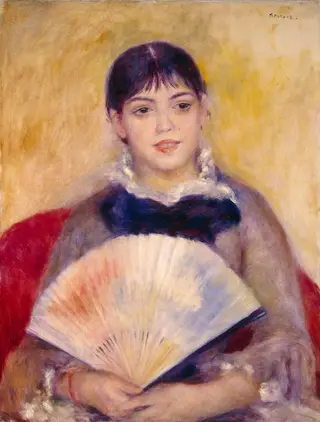 Girl with a Fan
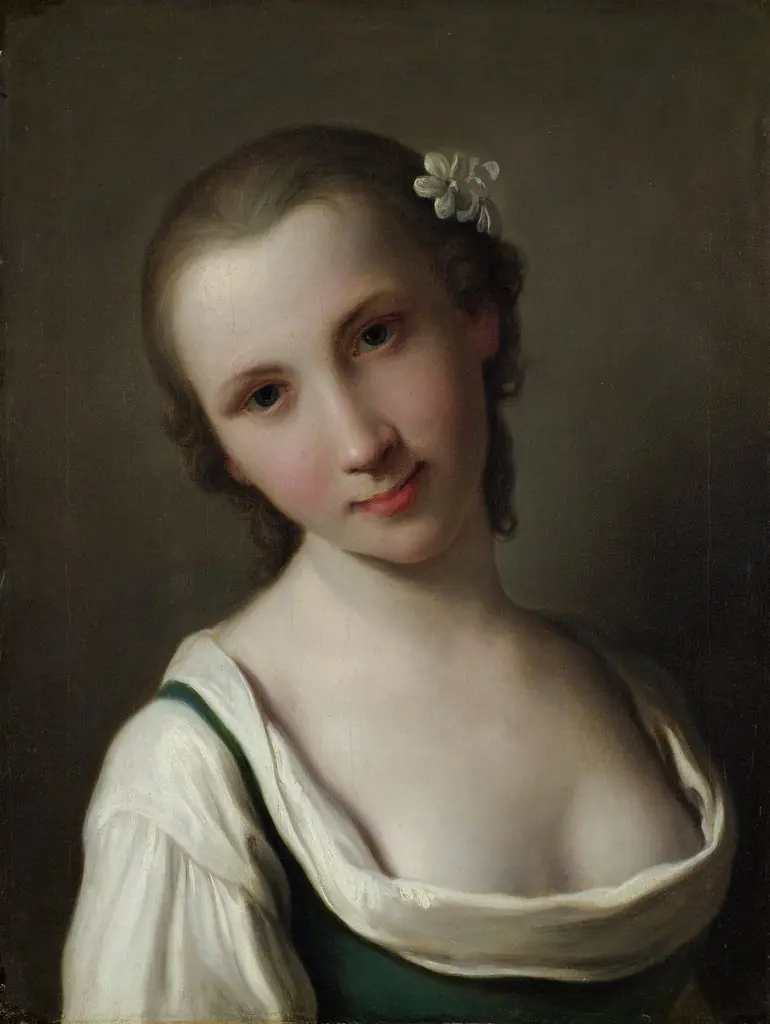 A young Woman
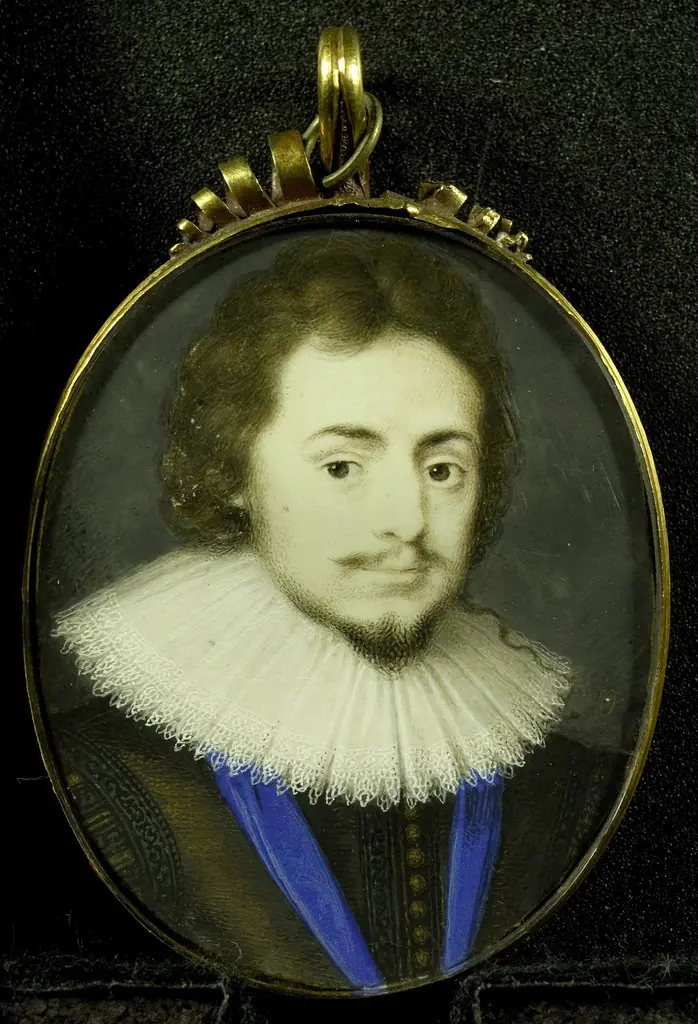 Portrait of Frederick V of the Palatinate
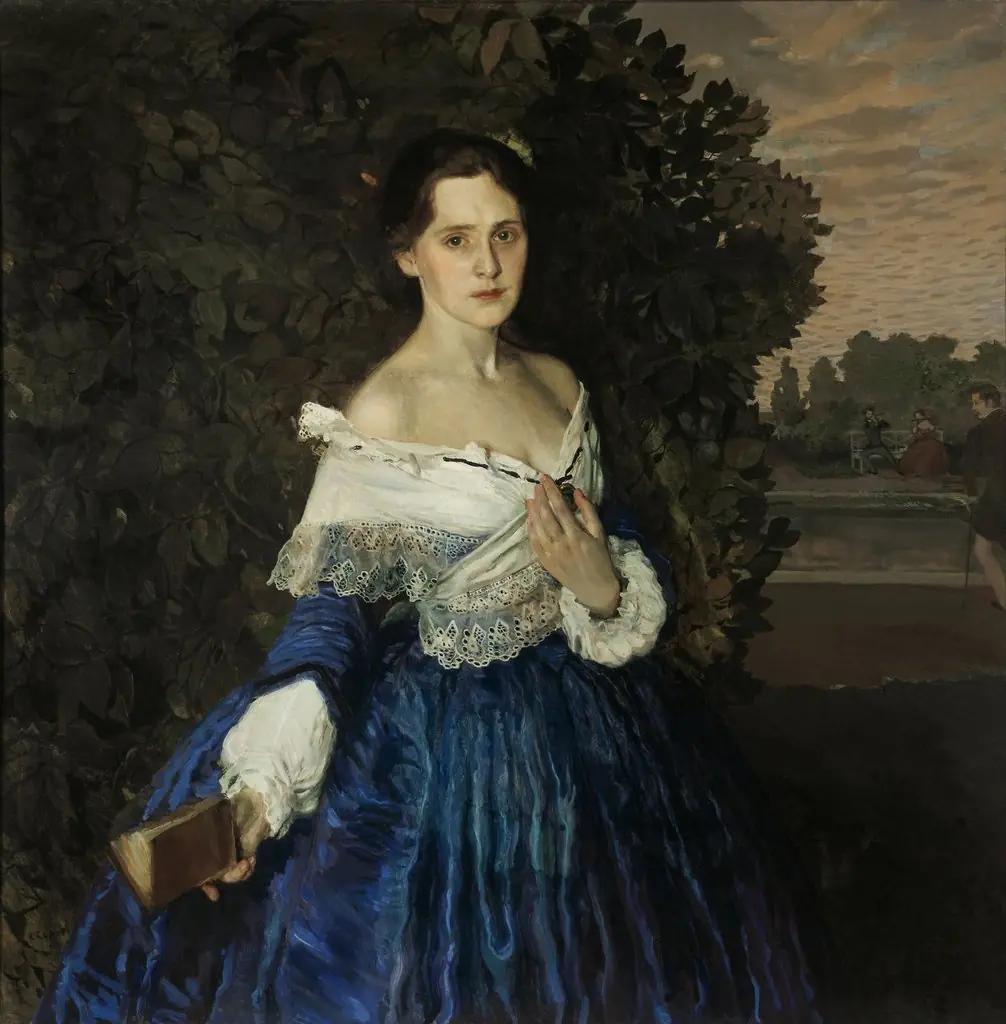 Lady in Blue
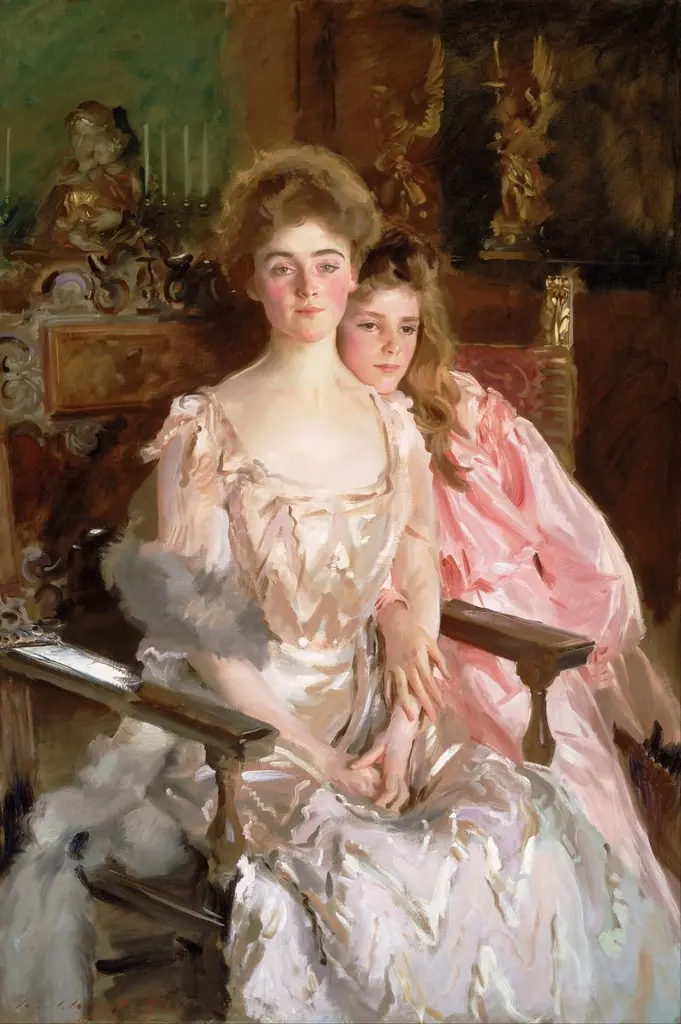 Mrs. Fiske Warren (Gretchen Osgood) and Her Daughter Rachel
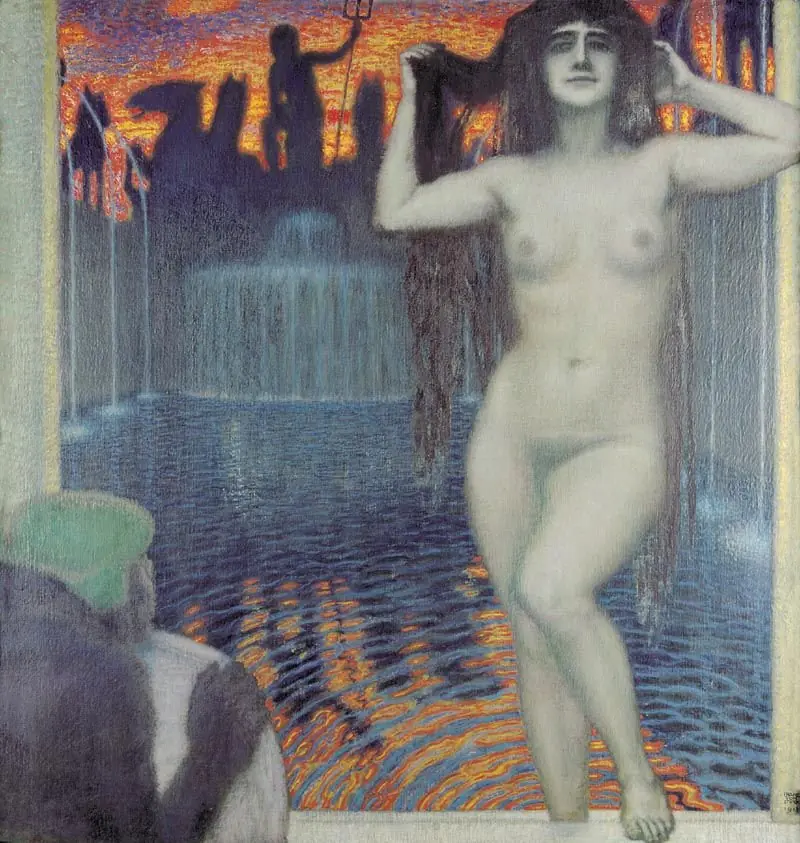 Bathsheba
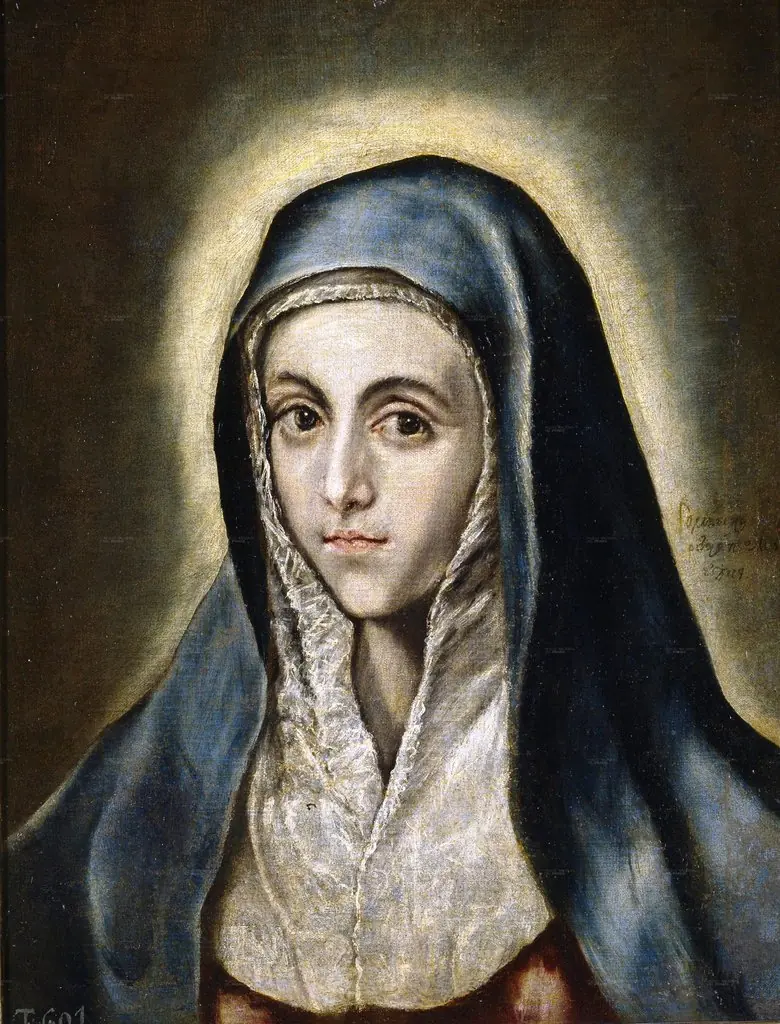 Mater dolorosa
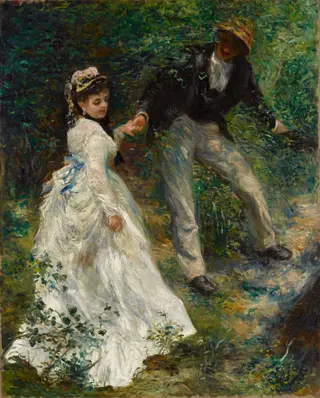 La Promenade
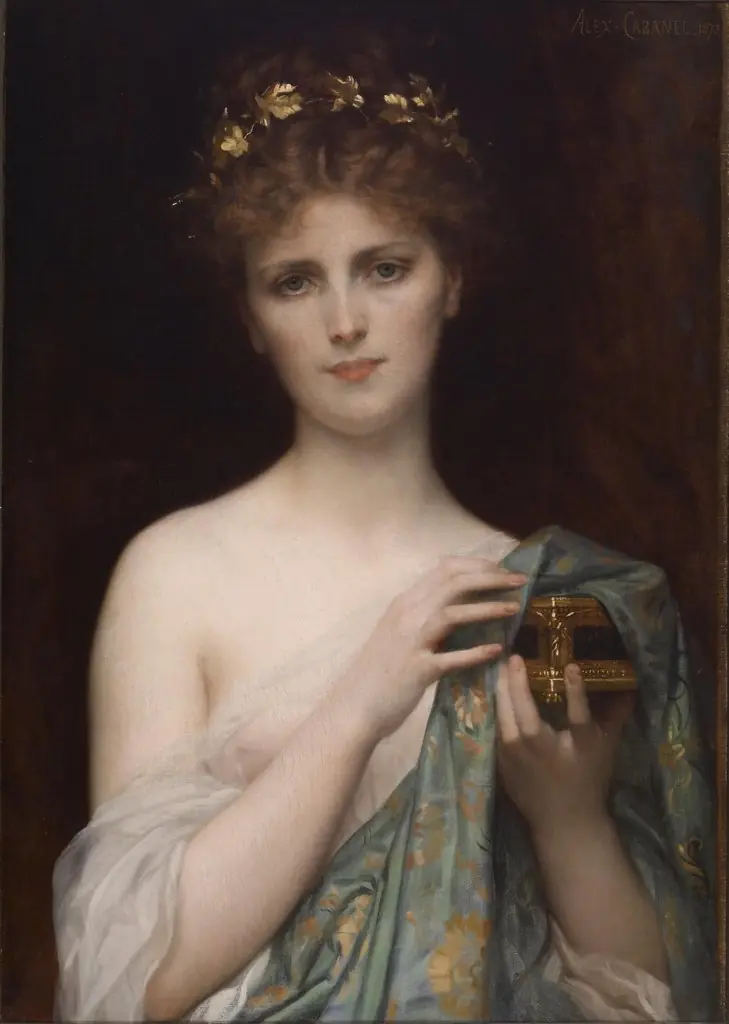 Pandora
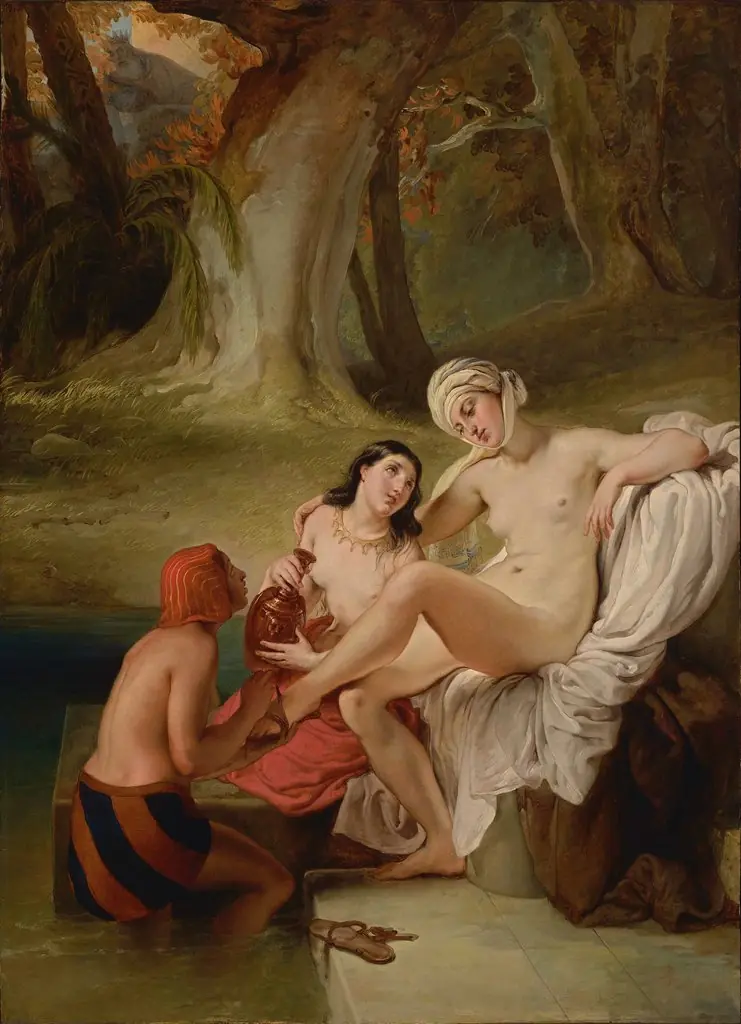 Bathsheba Bathing
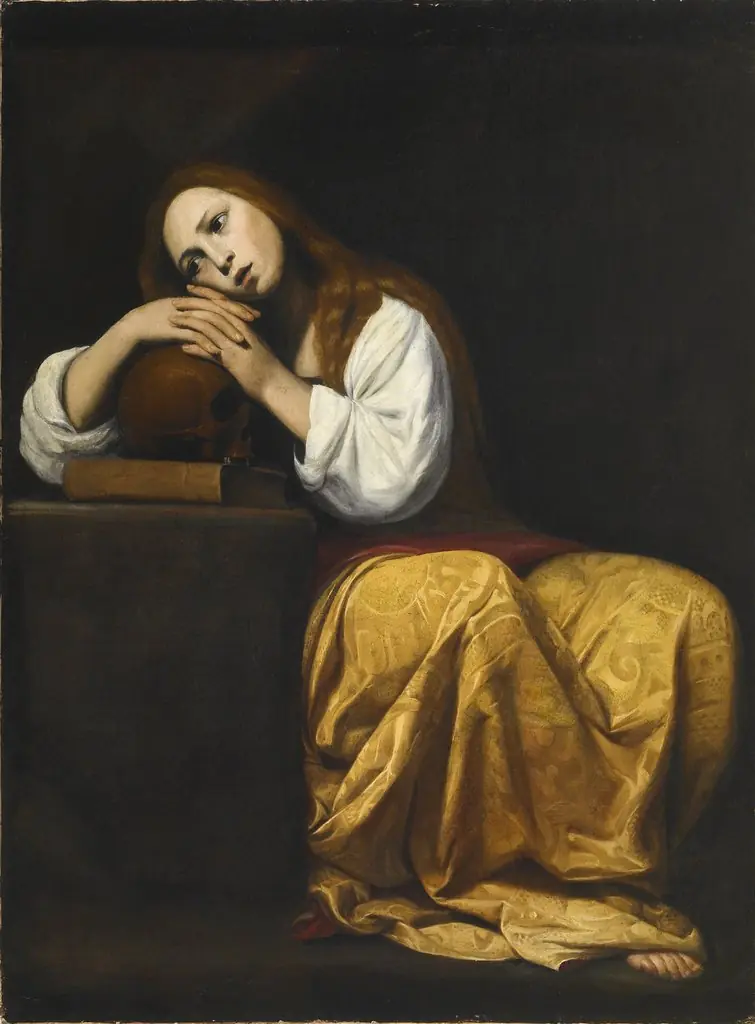 The Penitent Mary Magdalene
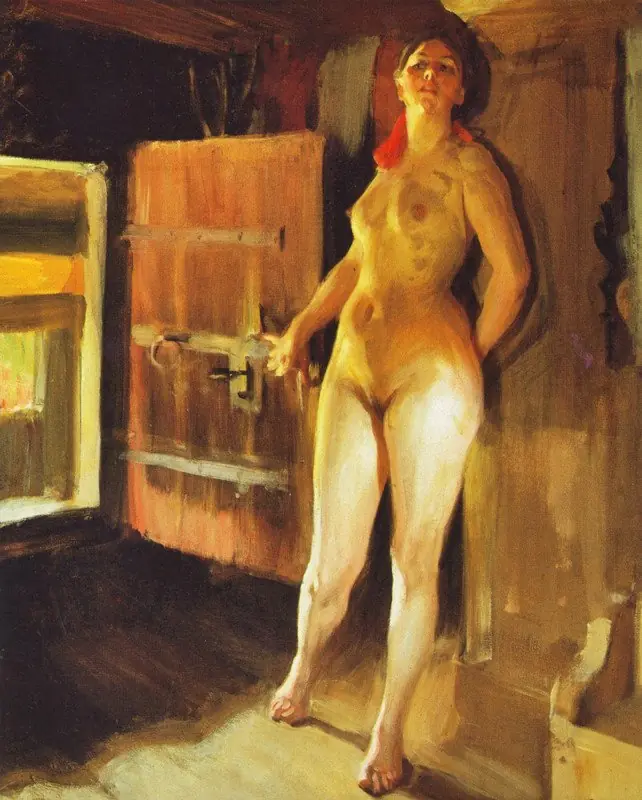 Girl in the Loft
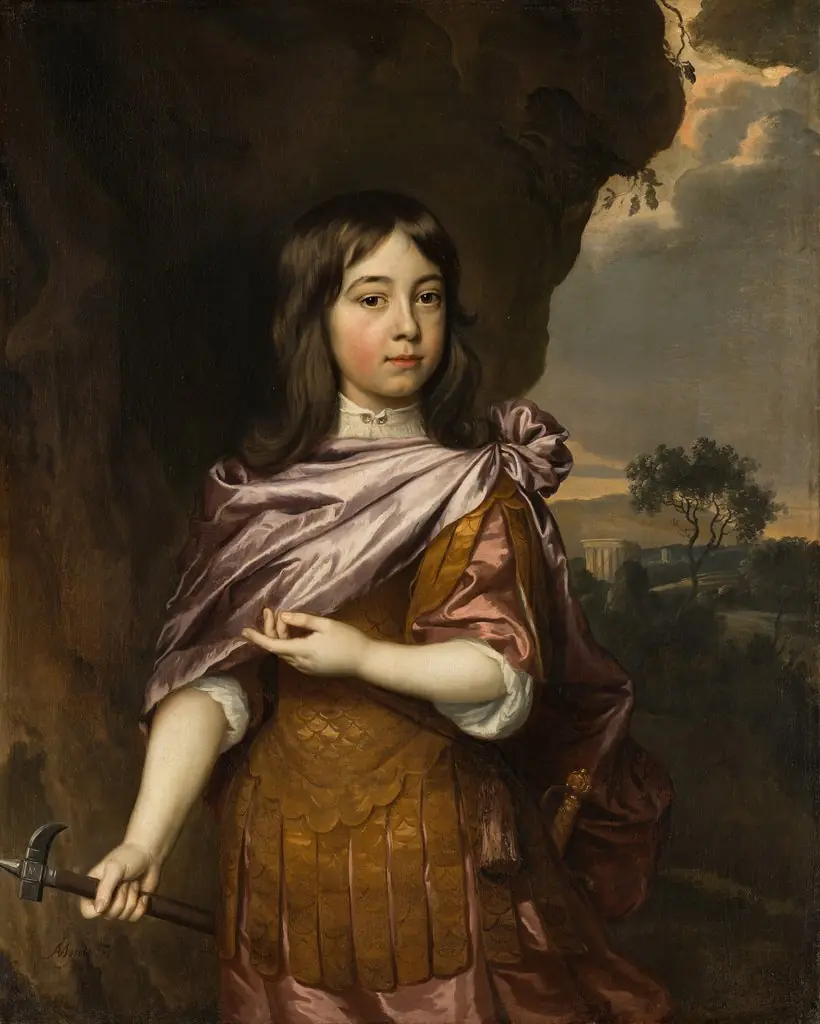 Portrait of Wolfert van Brederode
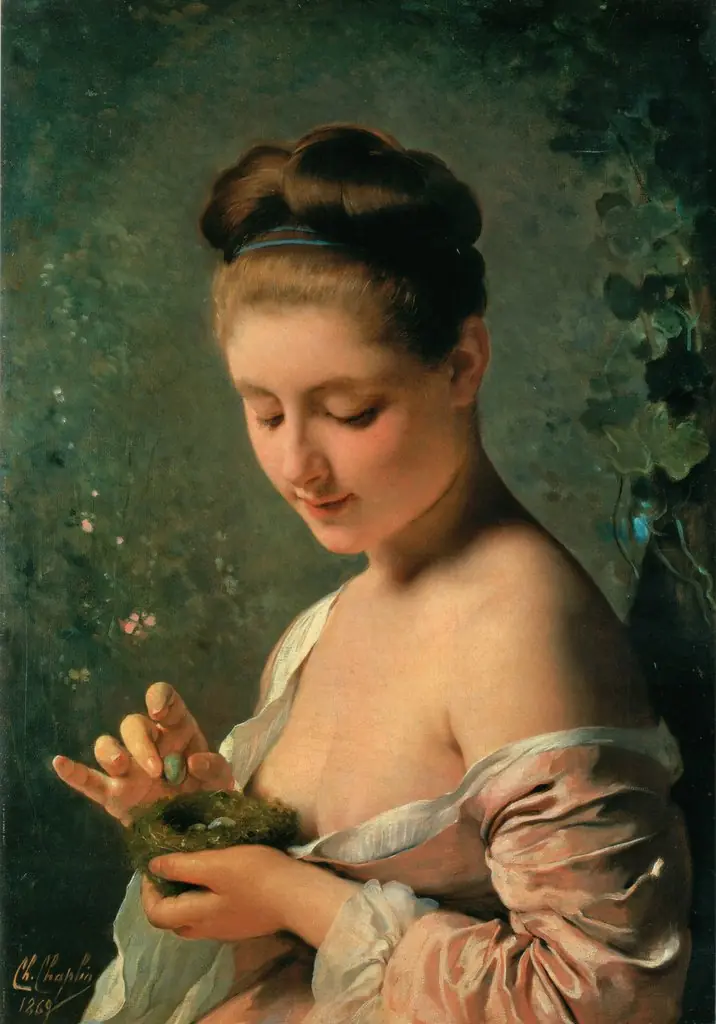 Girl with a Nest
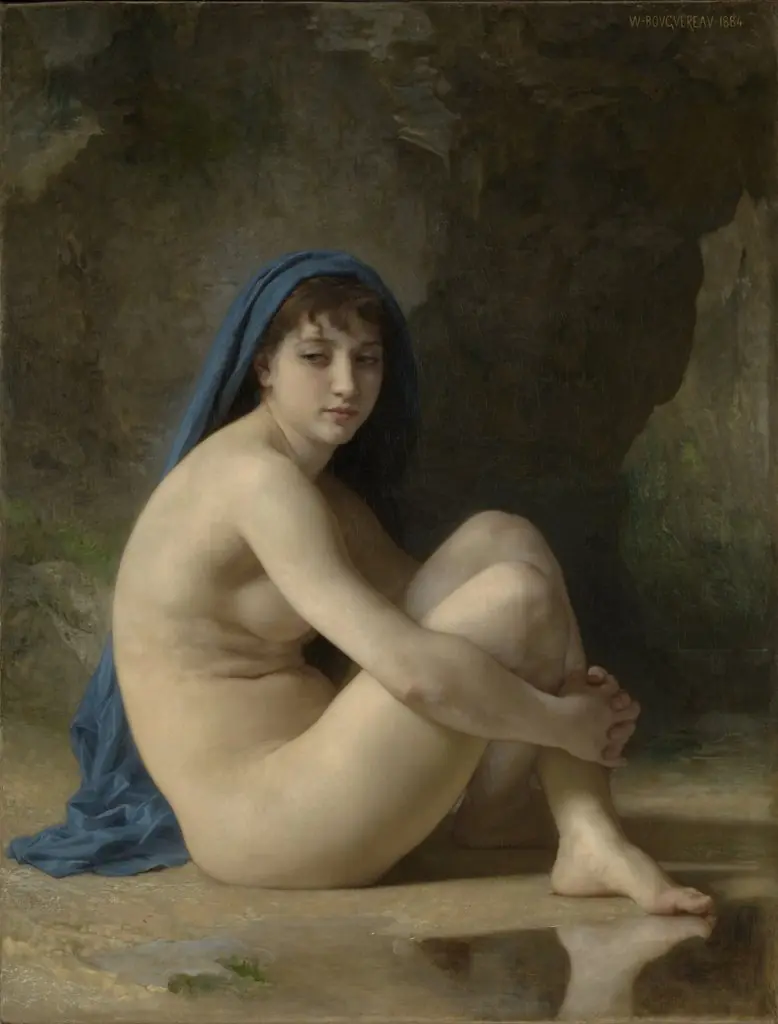 Seated Nude
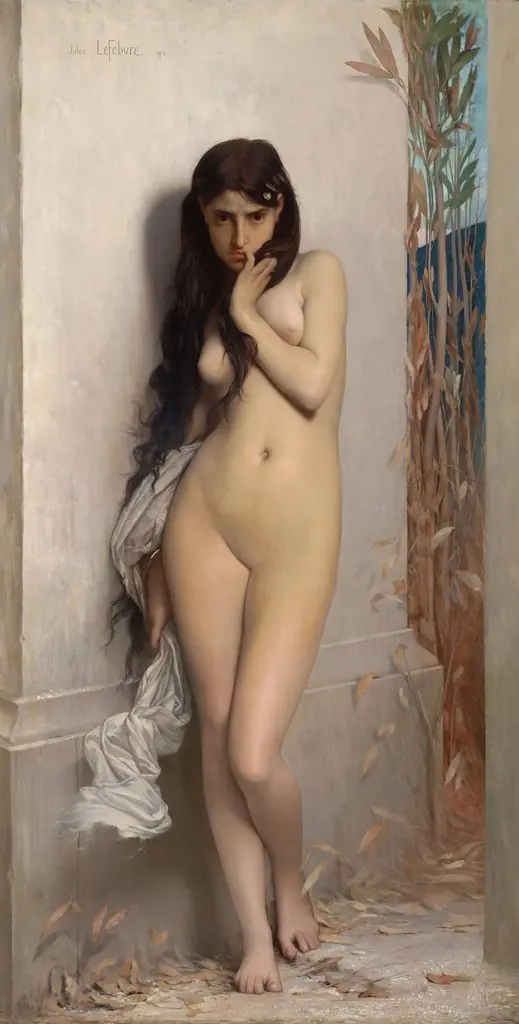 The Cicada
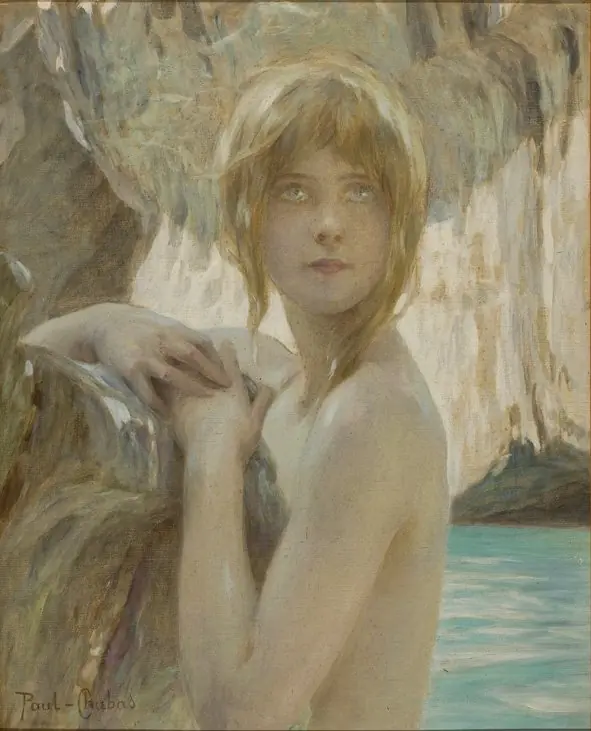 Blonde Nymph
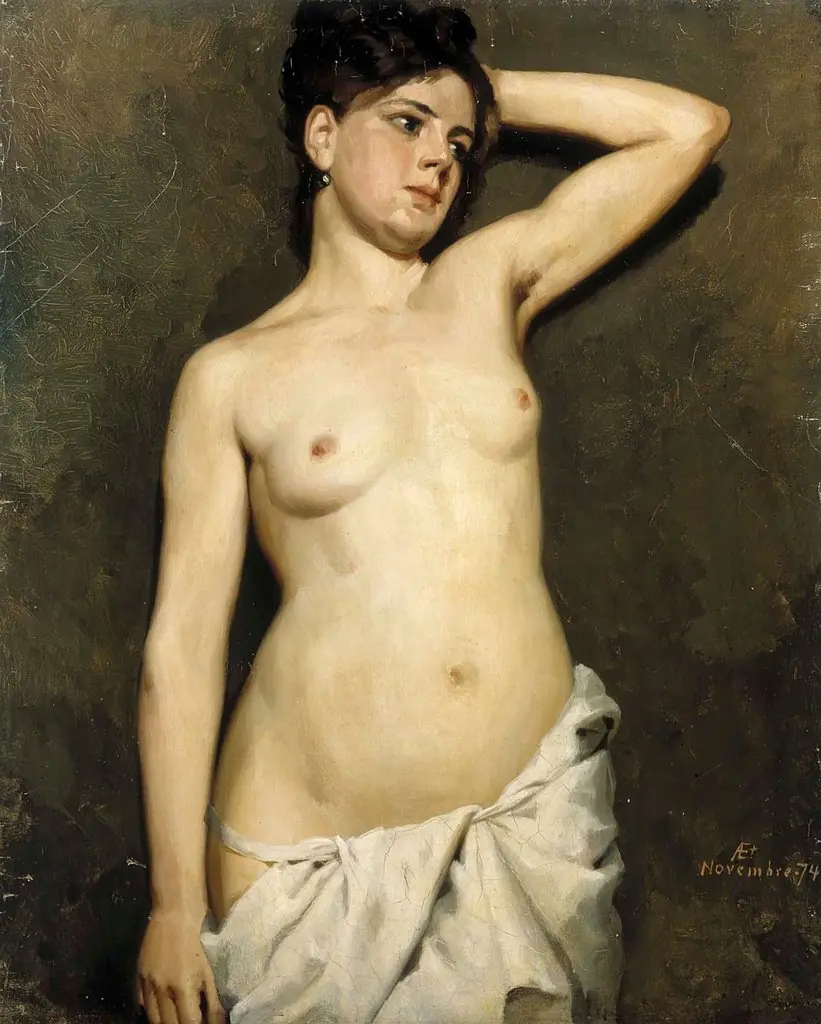 Female Nude, Study
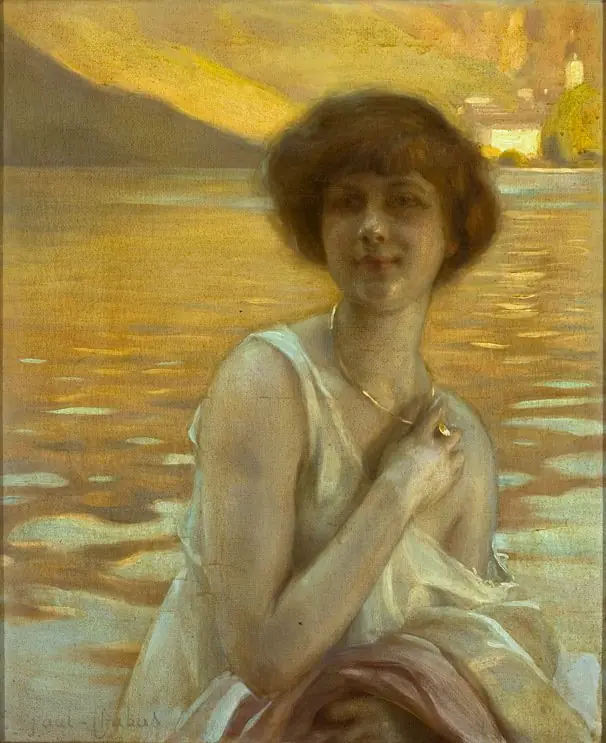 Portrait of a Lady
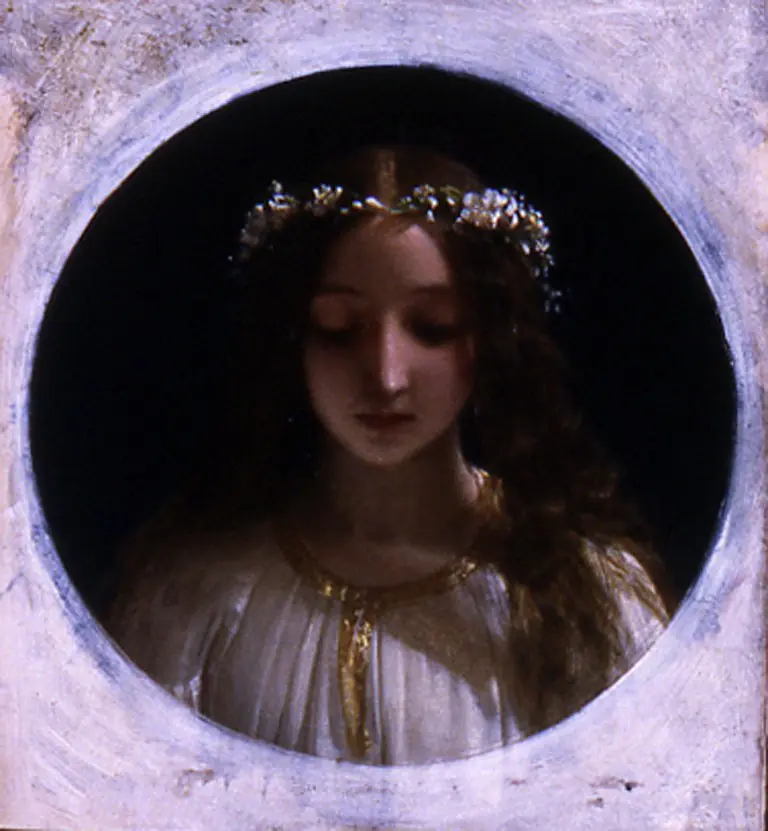 Ophelia
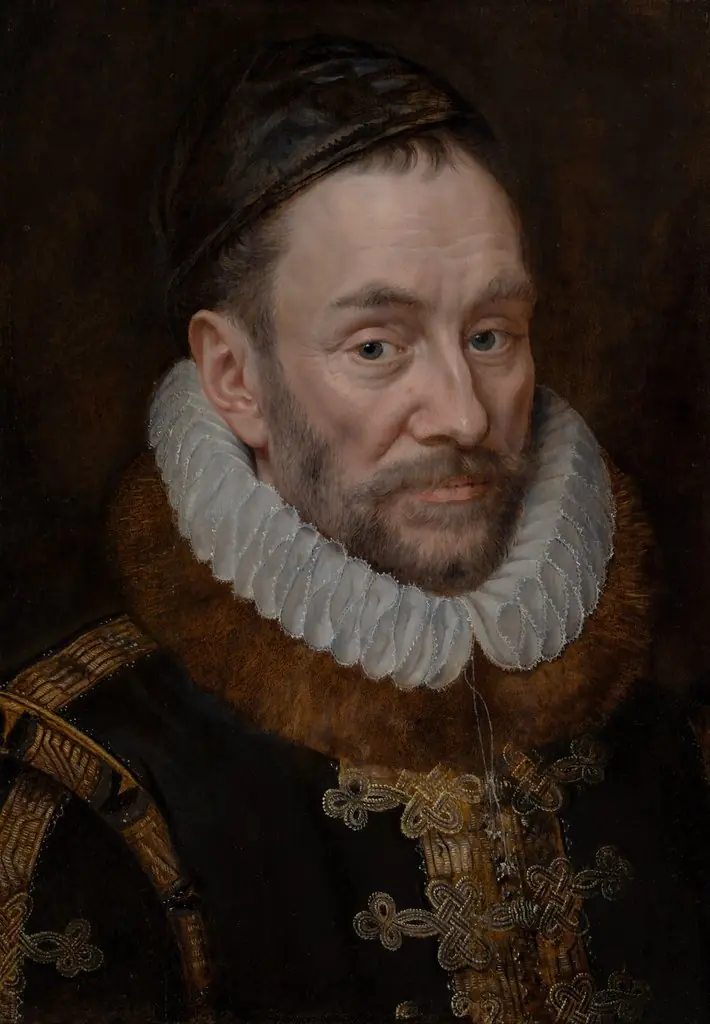 Portrait of William I (1533-1584), Prince of Orange
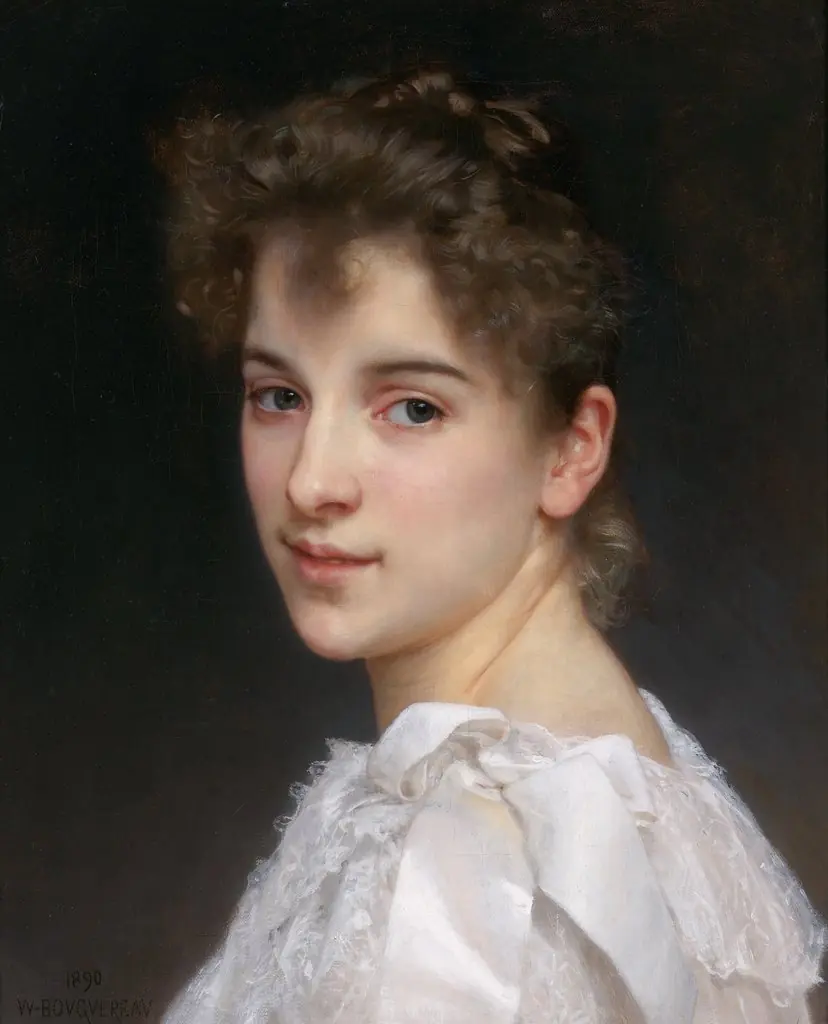 Gabrielle Cot
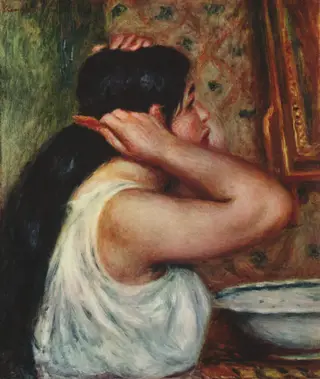 La Toilette
 Daruma
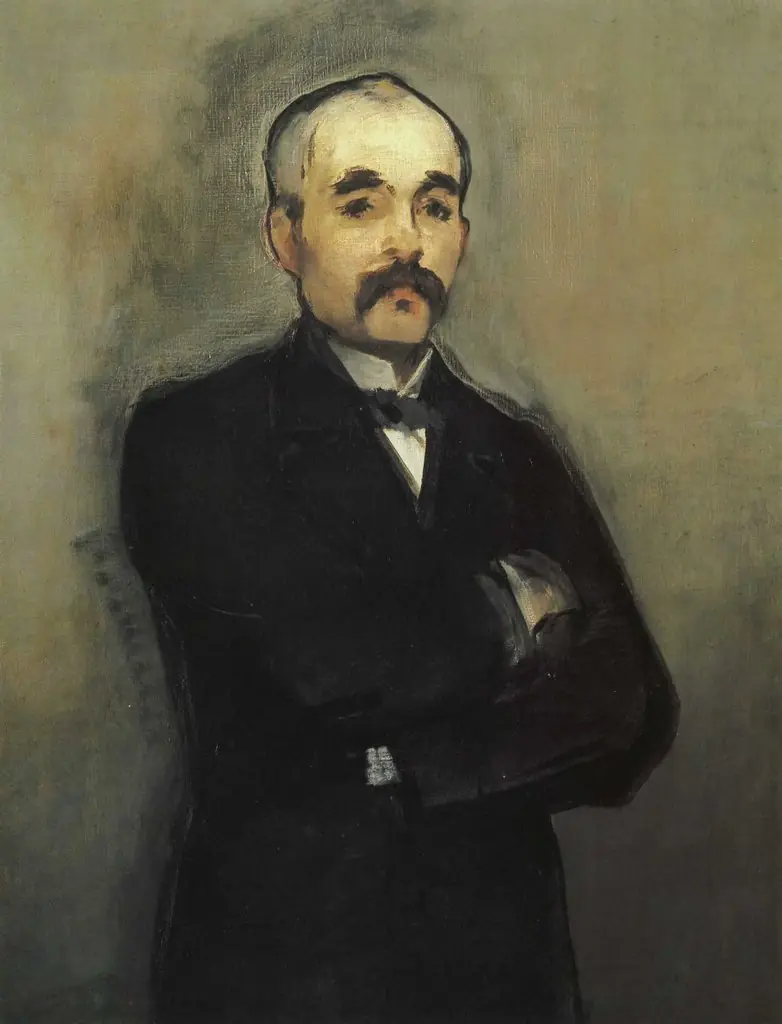 Portrait of Georges Clemenceau
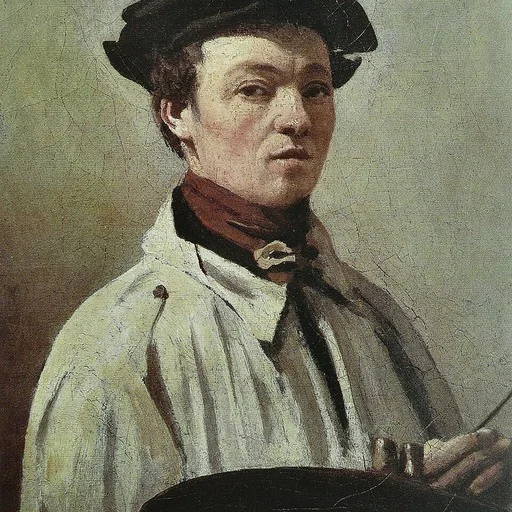
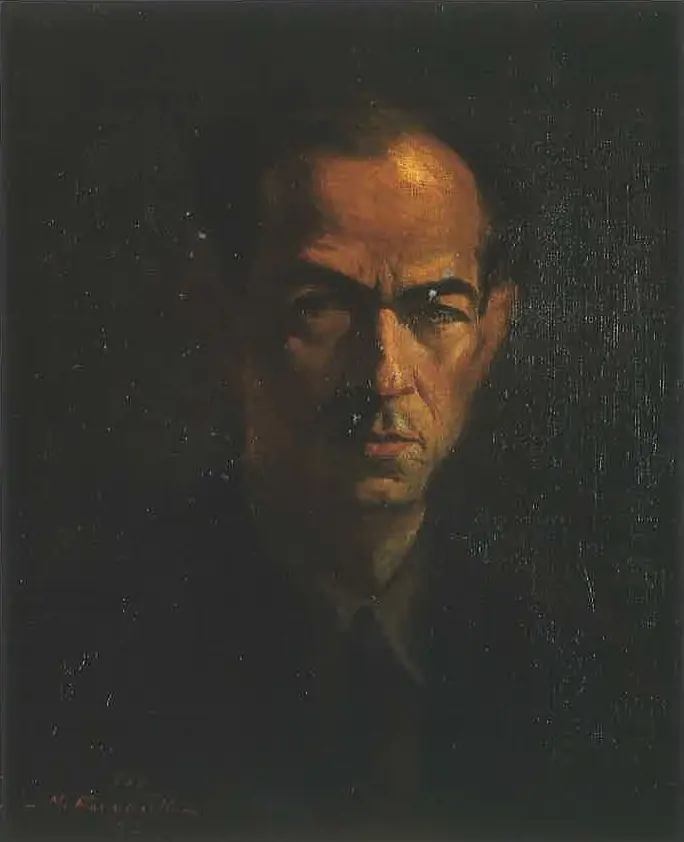 Autoportrait
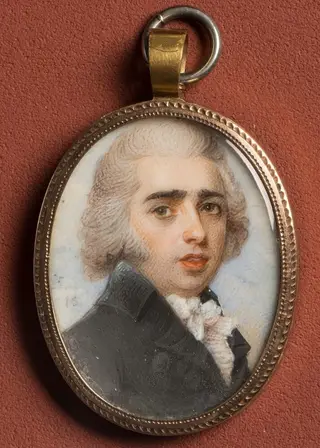 Unknown man
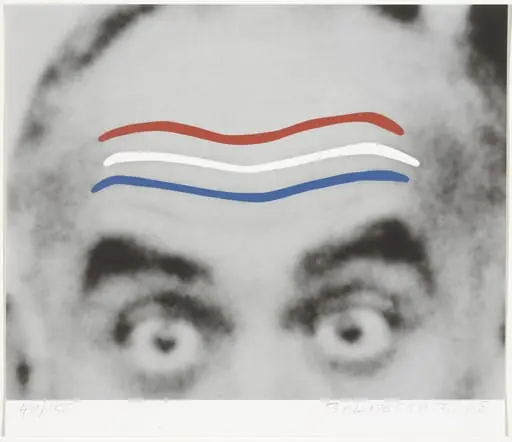 Untitled
Frequently asked questions
What is Eyebrow?
Eyebrow is a subject in art. An eyebrow is an area of short terminal hairs above each eye that follows the shape of the lower margin of the brow ridges of some mammals.
How many Eyebrow works does Artifact World Gallery have?
Artifact World Gallery holds 42 public-domain Eyebrow works, all free to view and download.
Who are the key Eyebrow artists?
Key Eyebrow artists in the collection include Paolo Veronese, Jean Baptiste Camille Corot and Édouard Manet.
Where can I see Eyebrow works?
Eyebrow works in the collection are held by Rijksmuseum, Walters Art Museum and Metropolitan Museum of Art.