Subject
Corpse
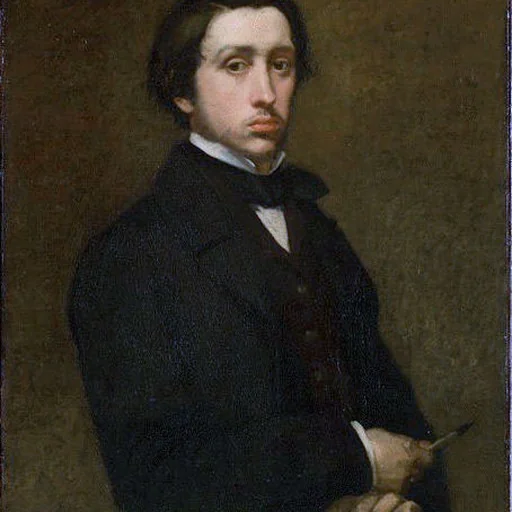
Corpse is a subject in art. The gallery holds 95 works in this subject in art, including works by Edgar Degas, Jacques-Louis David and Édouard Manet.
A cadaver, often known as a corpse, is a dead human body. Cadavers are used by medical students, physicians and other scientists to study anatomy, identify disease sites, determine causes of death, and provide tissue to repair a defect in a living human being.
Key artists

Overview
The corpse, or cadaver, is the dead human body, a subject that has recurred across the history of art with remarkable persistence and variety. While the term denotes a biological reality, a dead human body subject to decomposition, its artistic treatment extends far beyond mere documentation. Corpses appear in religious narratives, mythological scenes, historical dramas, and symbolic allegories, serving as vehicles for contemplating mortality, divine sacrifice, political power, and the limits of human knowledge. The motif demands technical skill from artists, who must render the inanimate with sufficient accuracy to convey death while often infusing the image with emotional or spiritual weight.
Iconography & meaning
The iconography of the corpse carries multivalent meanings depending on context. In Christian art, the dead body of Christ represents the central mystery of the Passion, the Incarnation extended to its ultimate limit, and the promise of resurrection. The corpse here is simultaneously abject and sacred. In mythological and historical subjects, dead bodies can signify the consequences of hubris, the wages of sin, or the tragic inevitability of fate. The corpse also functions as memento mori, a reminder of human mortality and the vanity of earthly pursuits. In anatomical and artistic studies, the cadaver serves epistemological purposes, as artists from the Renaissance onward used corpses to achieve greater accuracy in depicting the human form. The stages of decomposition, autolysis, bloating, and putrefaction, while rarely depicted in fine art, informed artists' understanding of bodily structure and the boundary between life and death.
Legacy
The legacy of the corpse as artistic subject extends into contemporary practice and cultural discourse. The historical use of actual cadavers for anatomical study, revived in the twelfth century after ancient precedent and continuing through the Renaissance and beyond, established foundational methods for artistic training that persist in modified form. The ethical dimensions of displaying human remains, once unproblematic in museum contexts, have become subjects of intense debate, with institutions such as the British Museum developing protocols from 2000 onward and the German Museums Association publishing extensive guidelines in 2021. The return of human remains to descendant communities, including Maori remains in 2023, reflects evolving understandings of the corpse as possessing continuing claims of dignity and cultural belonging. In popular media, the forensic turn in television series since 2000 has normalized the visual examination of corpses, though with protocols that distance the viewer from the reality of death. The artistic treatment of the corpse thus remains suspended between documentation and transcendence, between the particular body and universal mortality, between scientific object and sacred subject.
Works
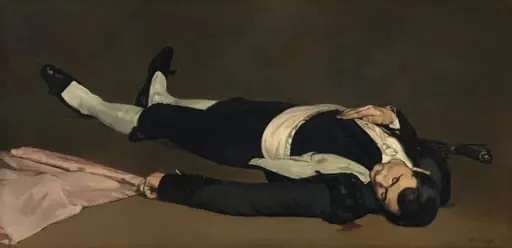 The Dead Toreador
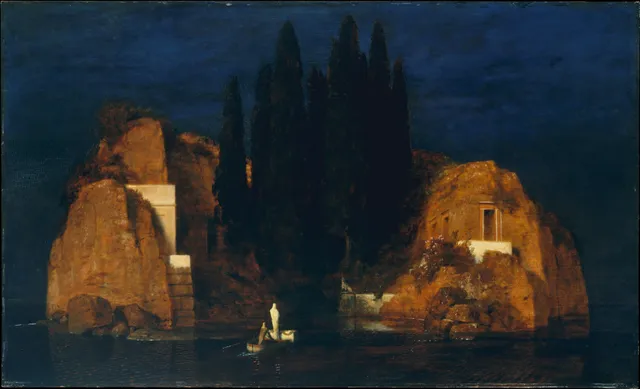
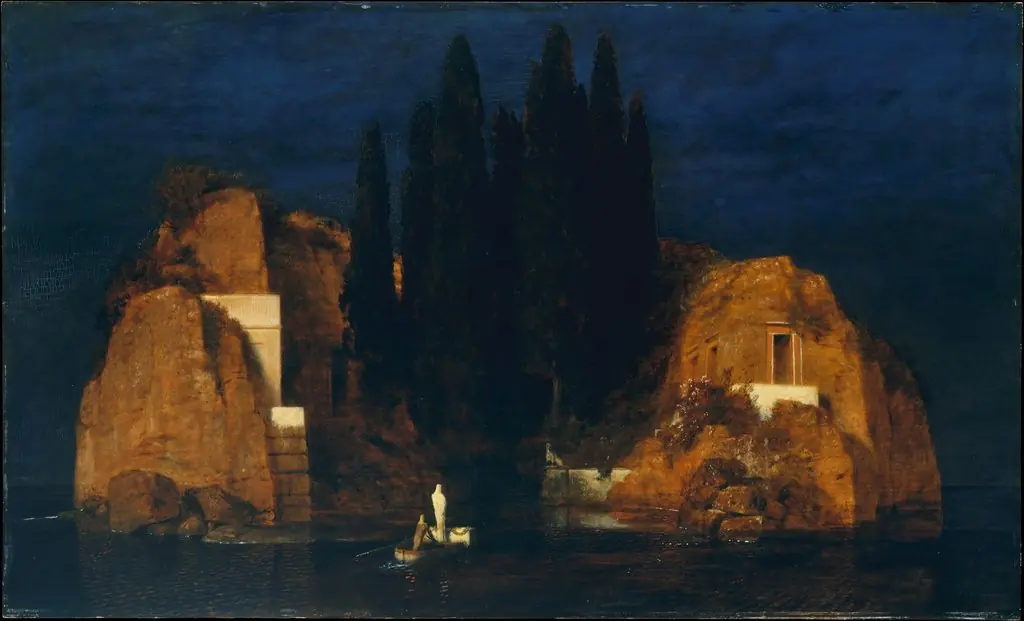 Isle of the Dead
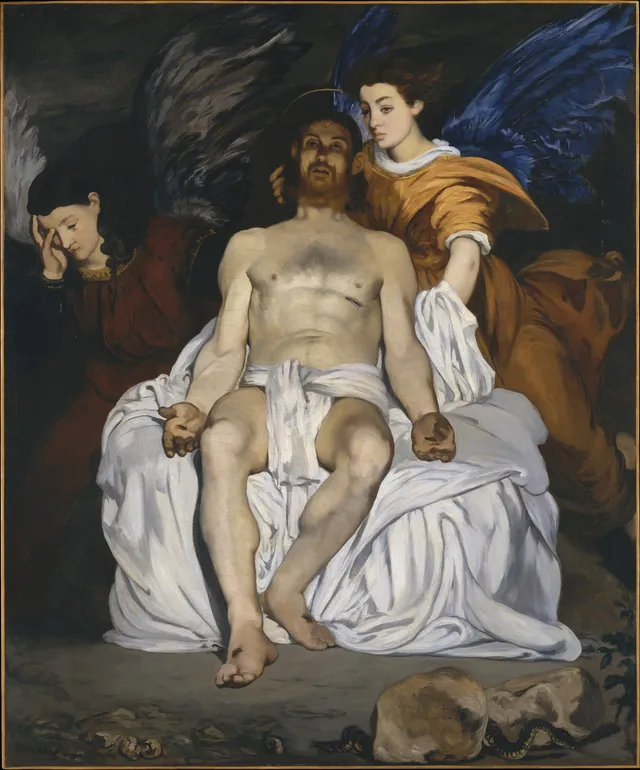
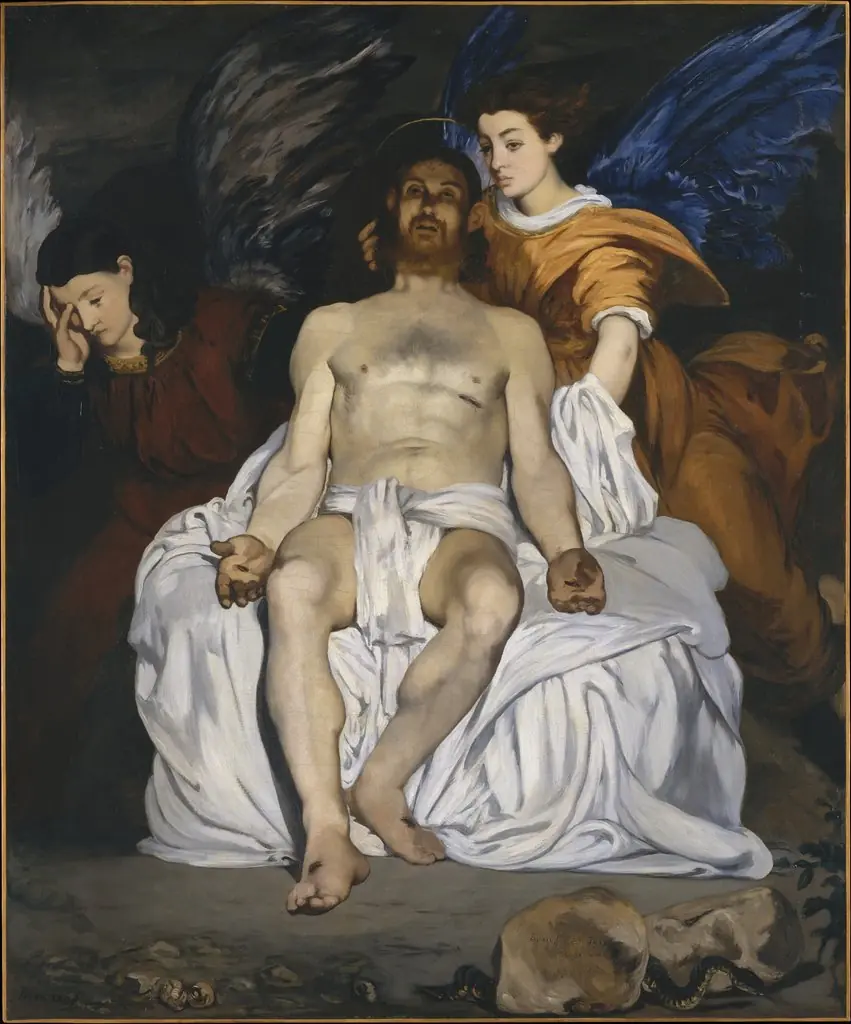 The Dead Christ with Angels
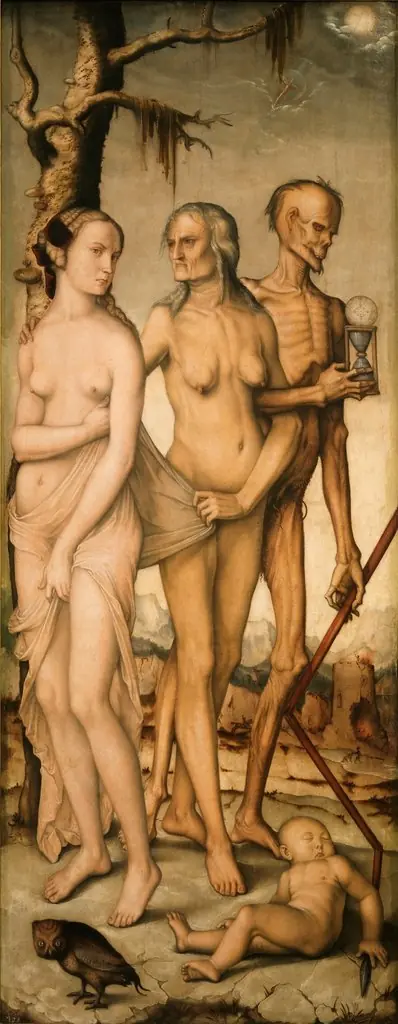 The Ages and Death
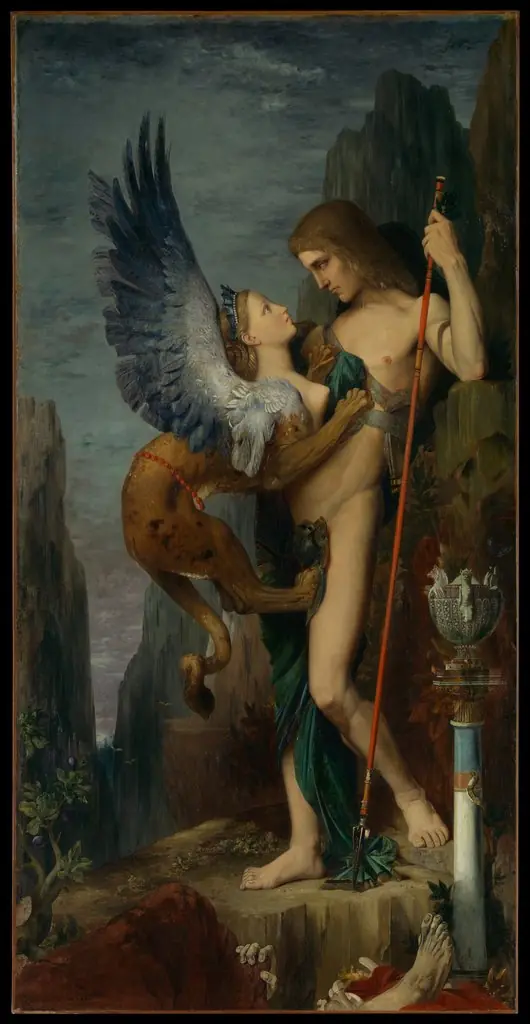 Oedipus and the Sphinx
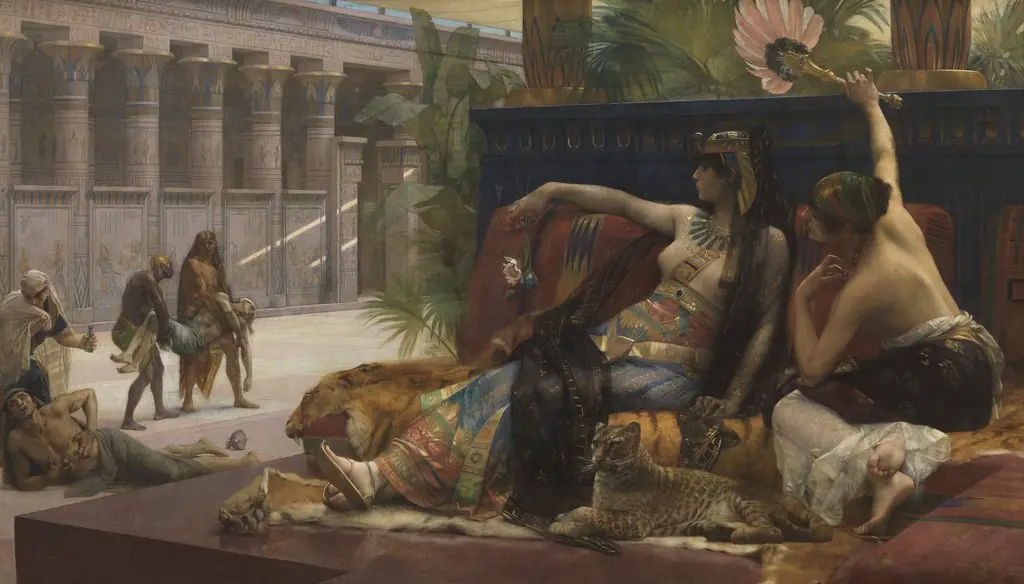 Cleopatra Testing Poisons on Condemned Prisoners
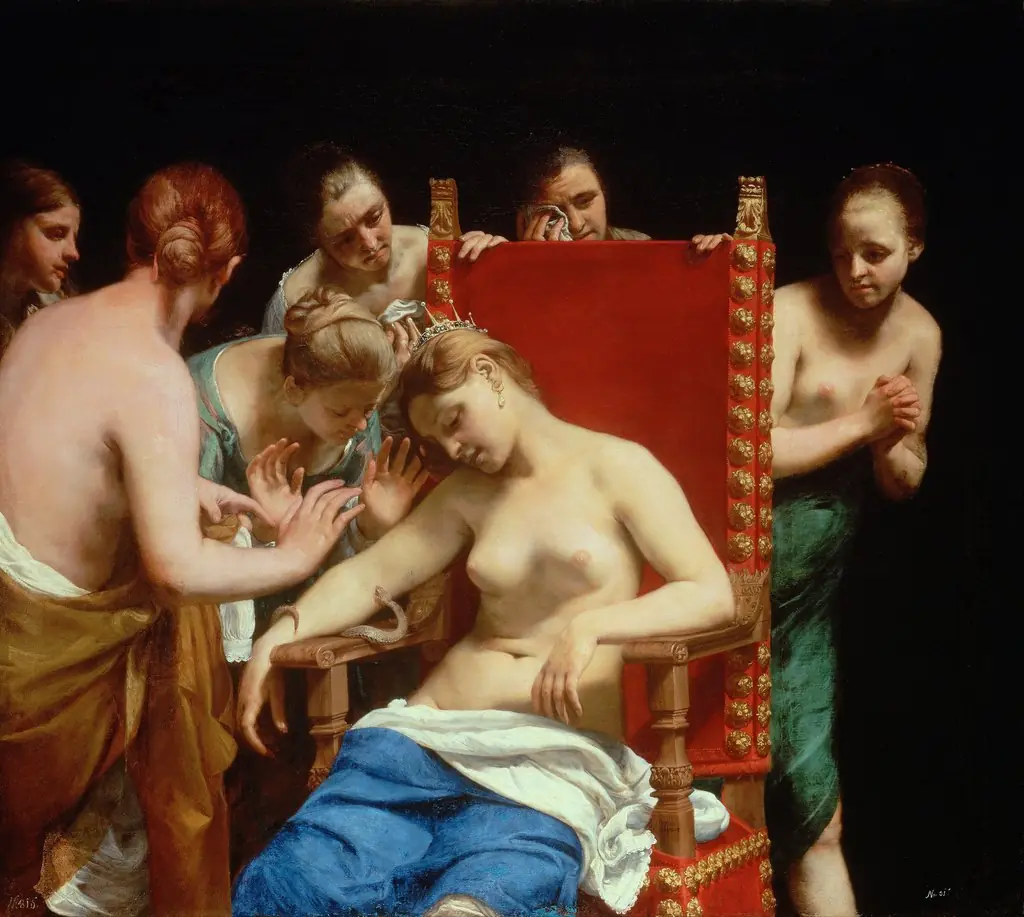 The Death of Cleopatra
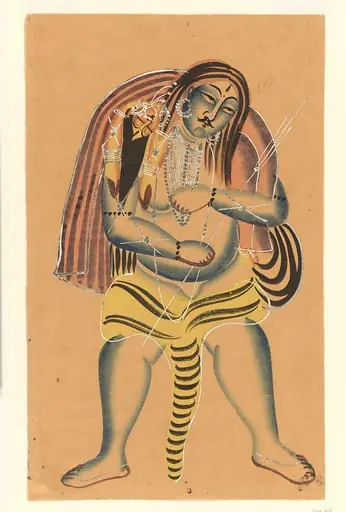 Untitled
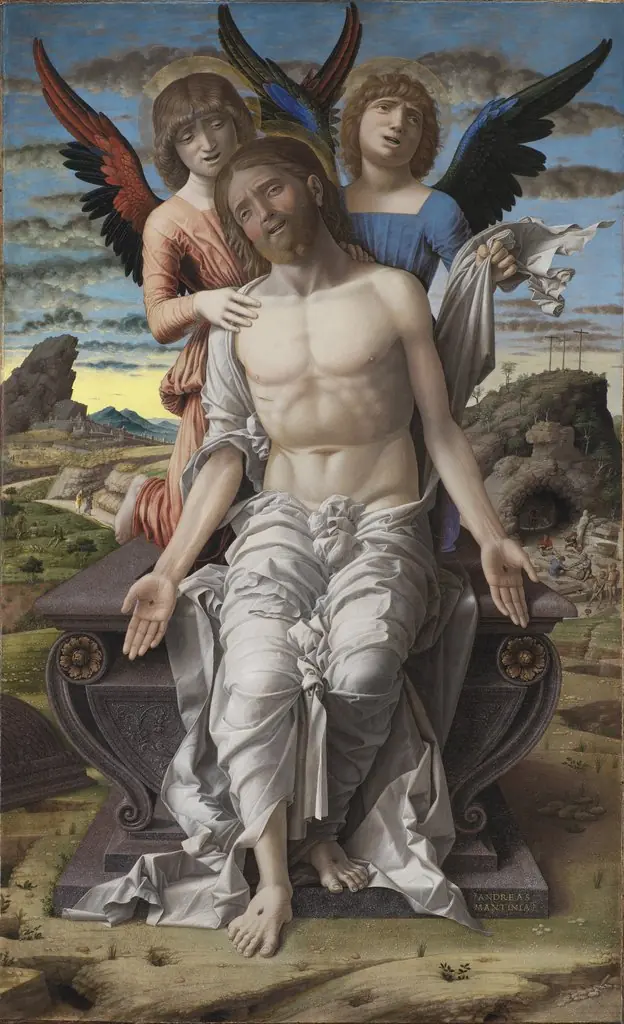 Christ as the Suffering Redeemer
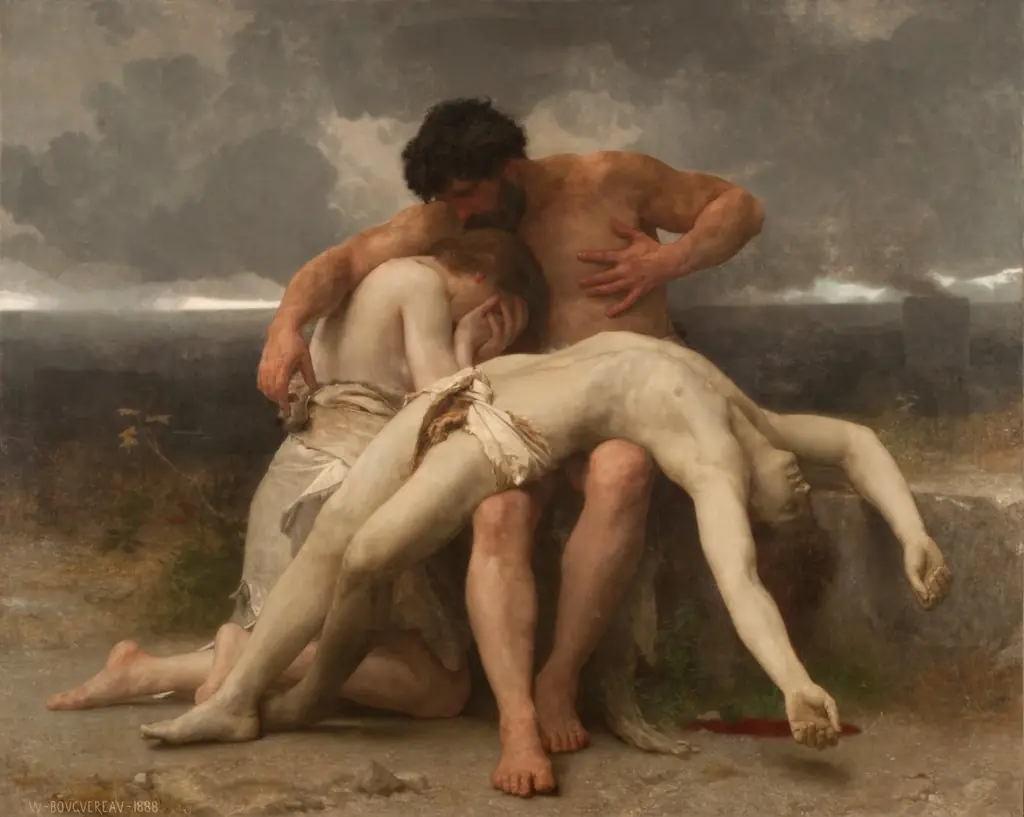 The First Mourning
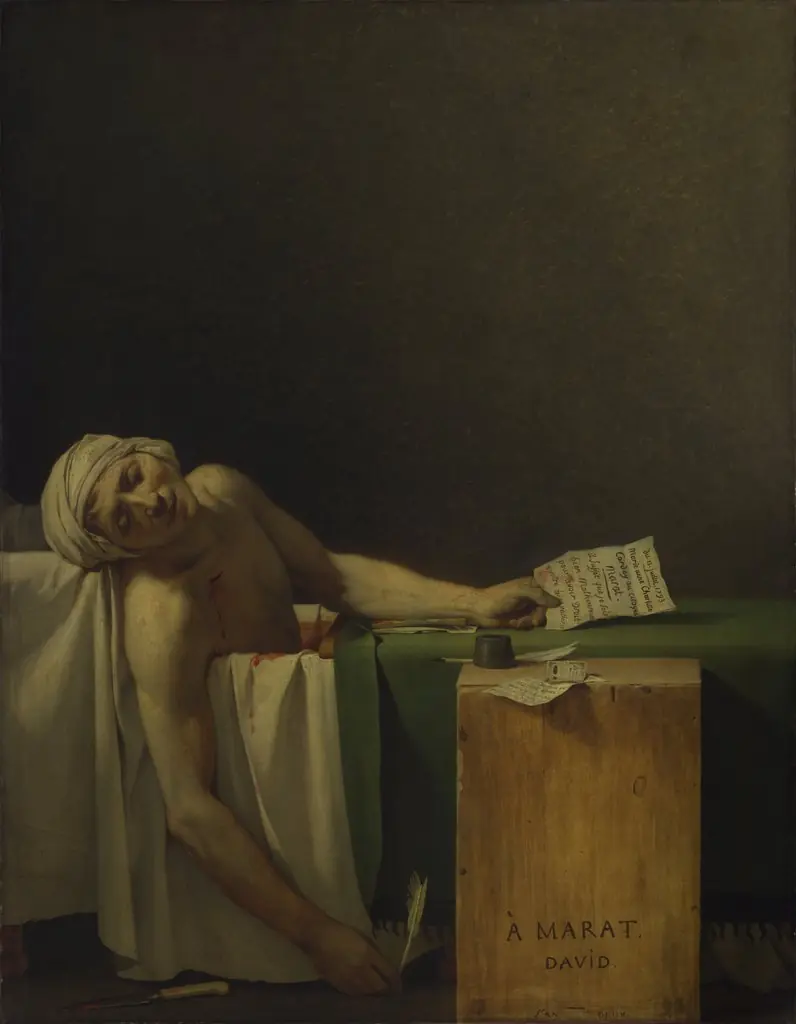 The Death of Marat
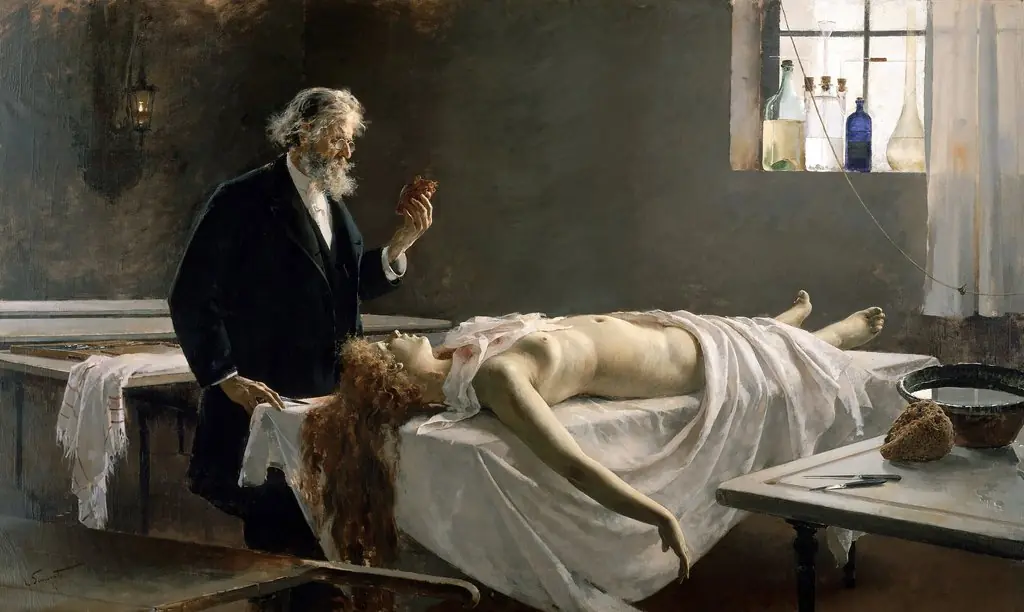 Autopsy
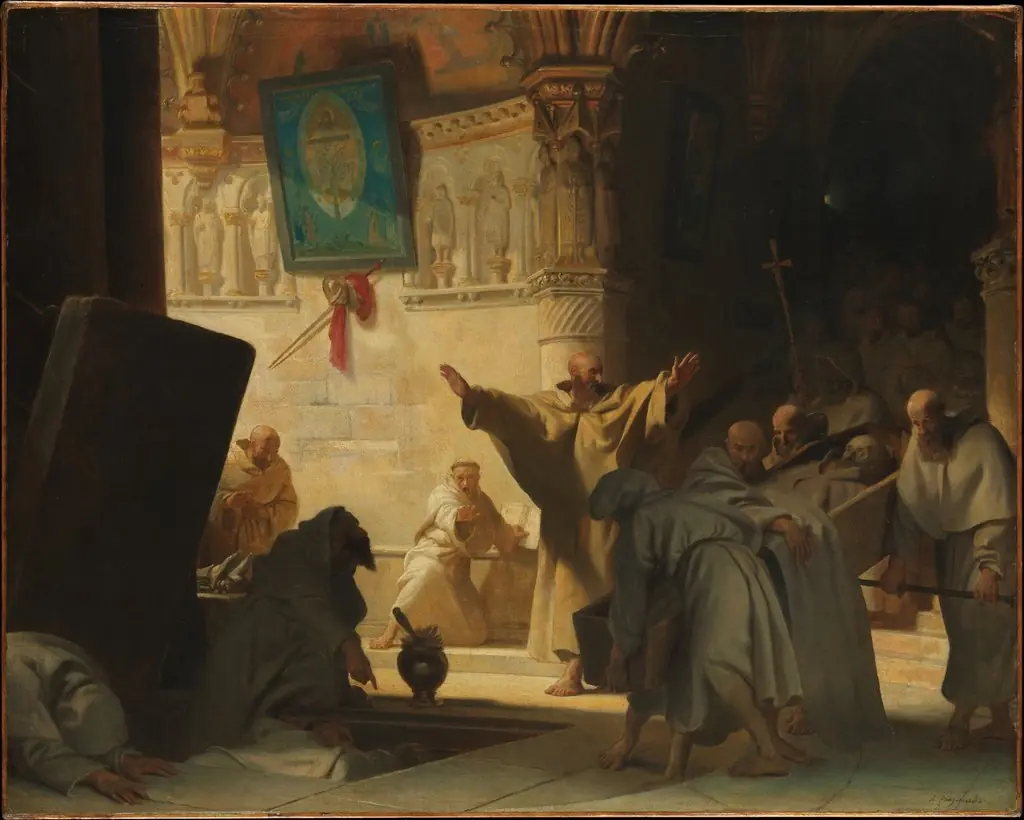 Dramatic Scene with Monks in a Crypt
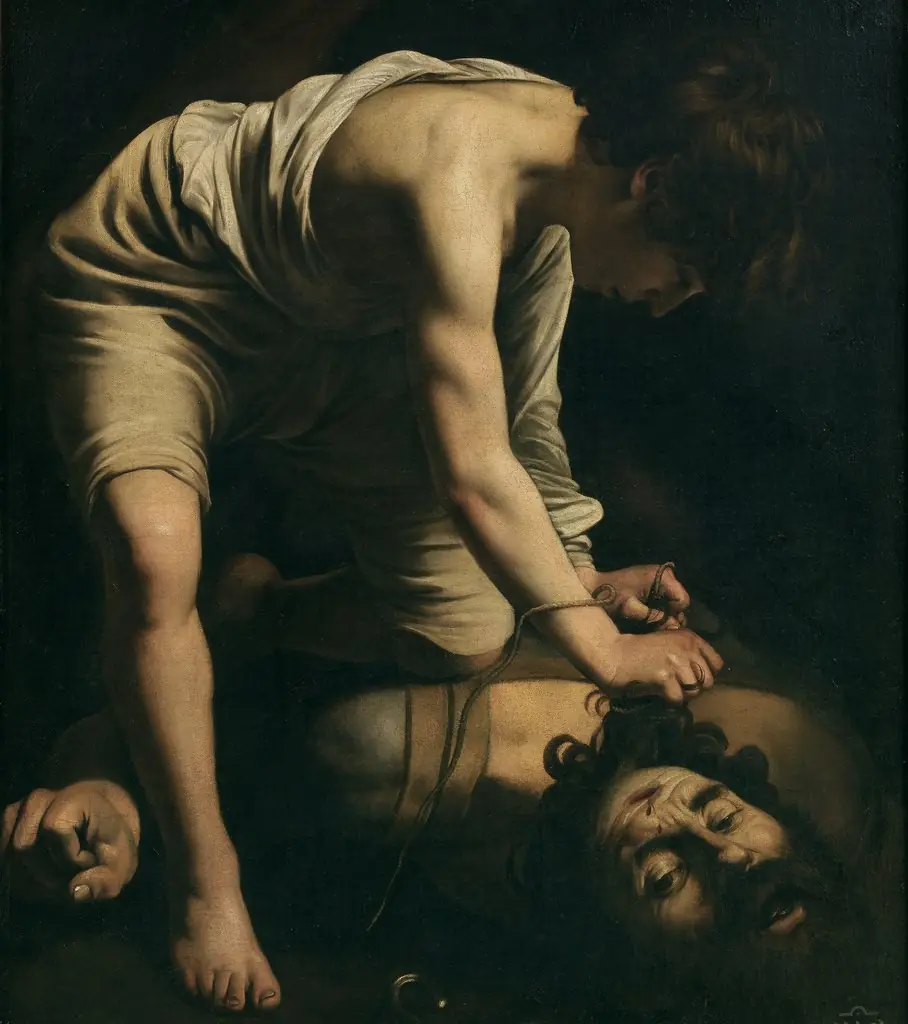 David and Goliath
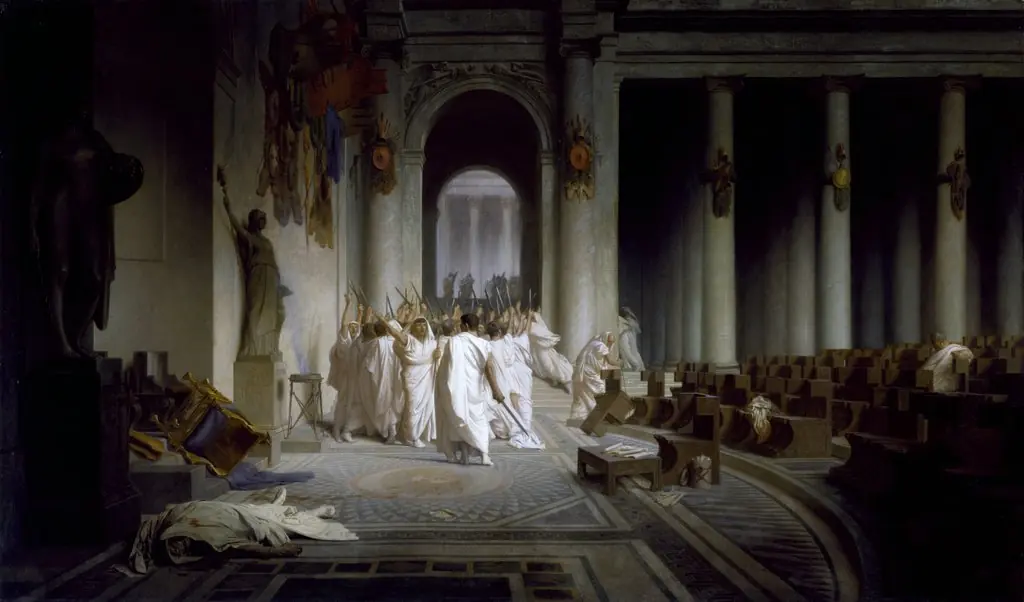 The Death of Caesar
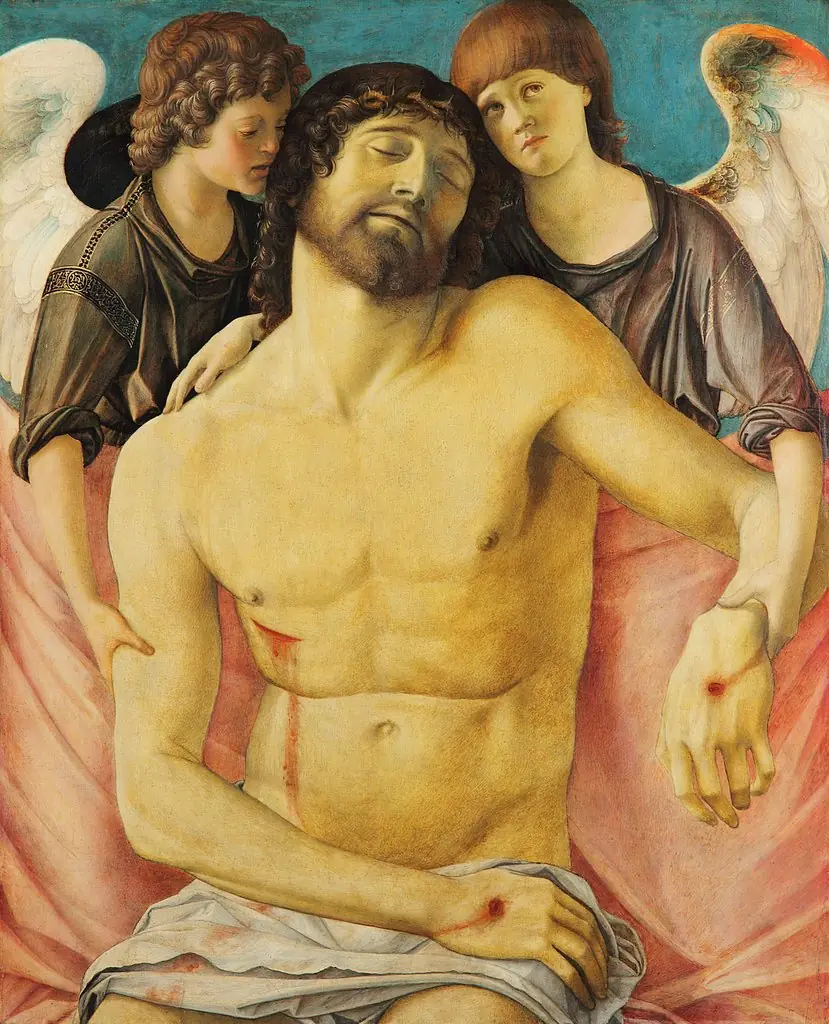 Dead Christ Supported by Two Angels
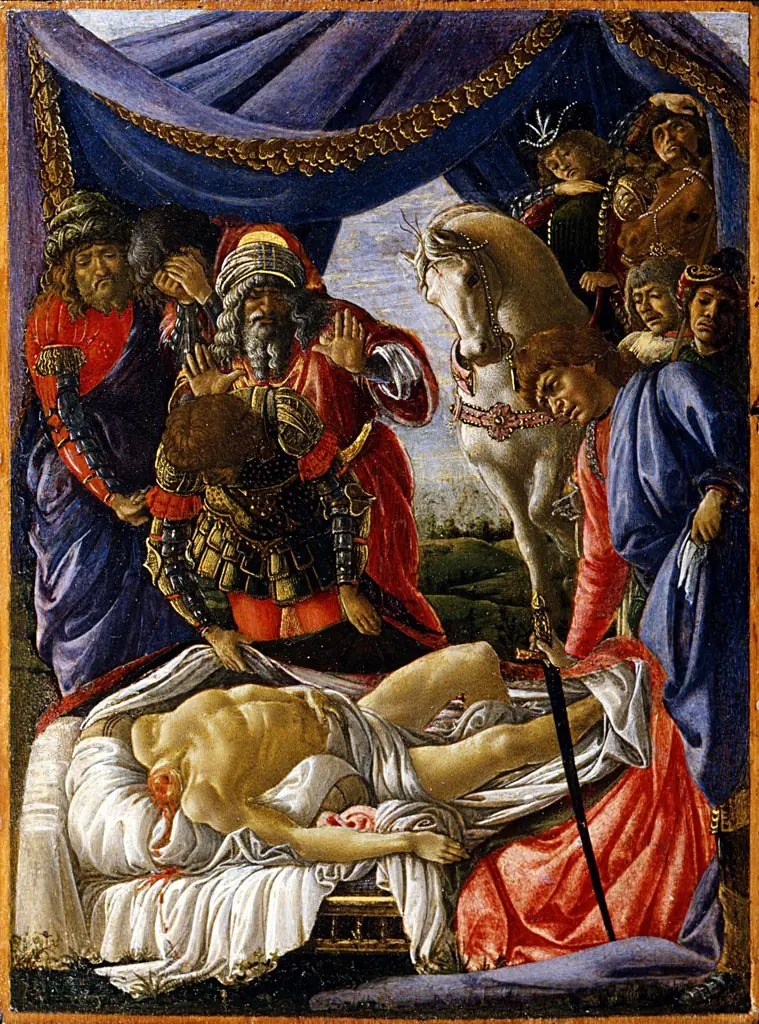 The Discovery of the Body of Holofernes
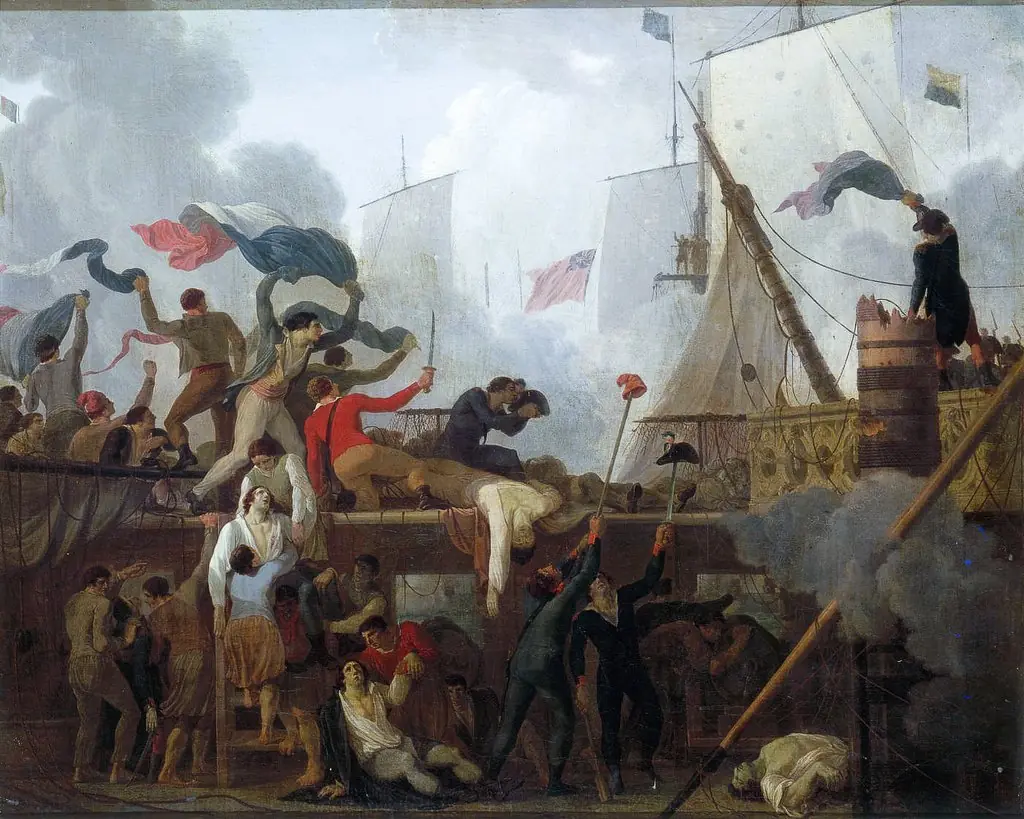 Héroïsme des marins du vaisseau Le Vengeur commandés par le capitaine Renaudin
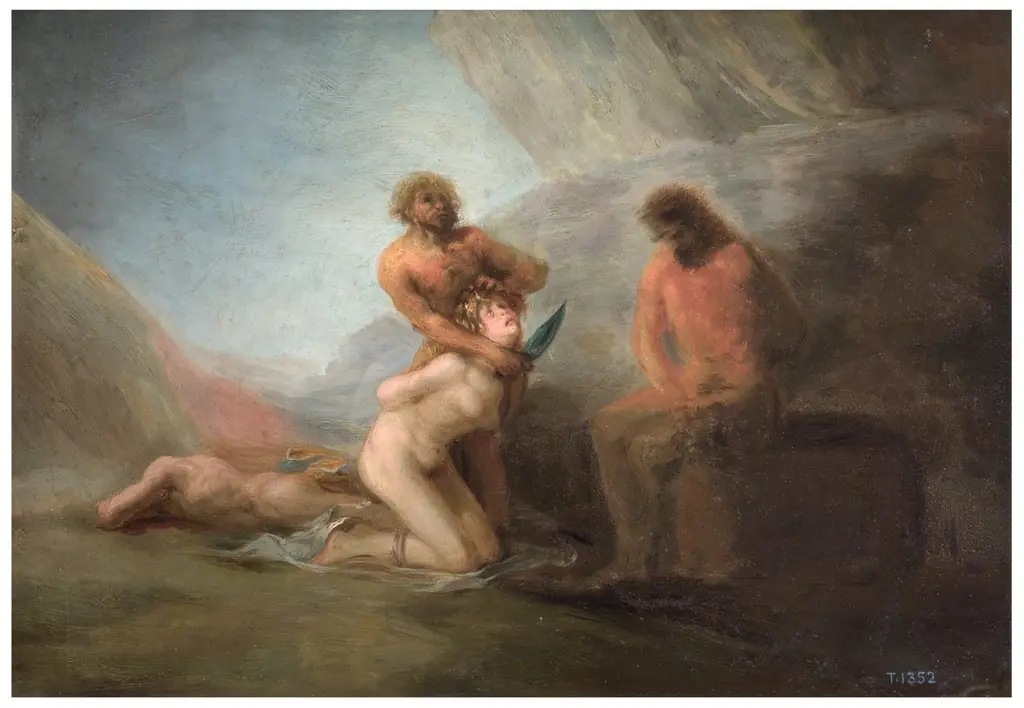 Throat-cutting
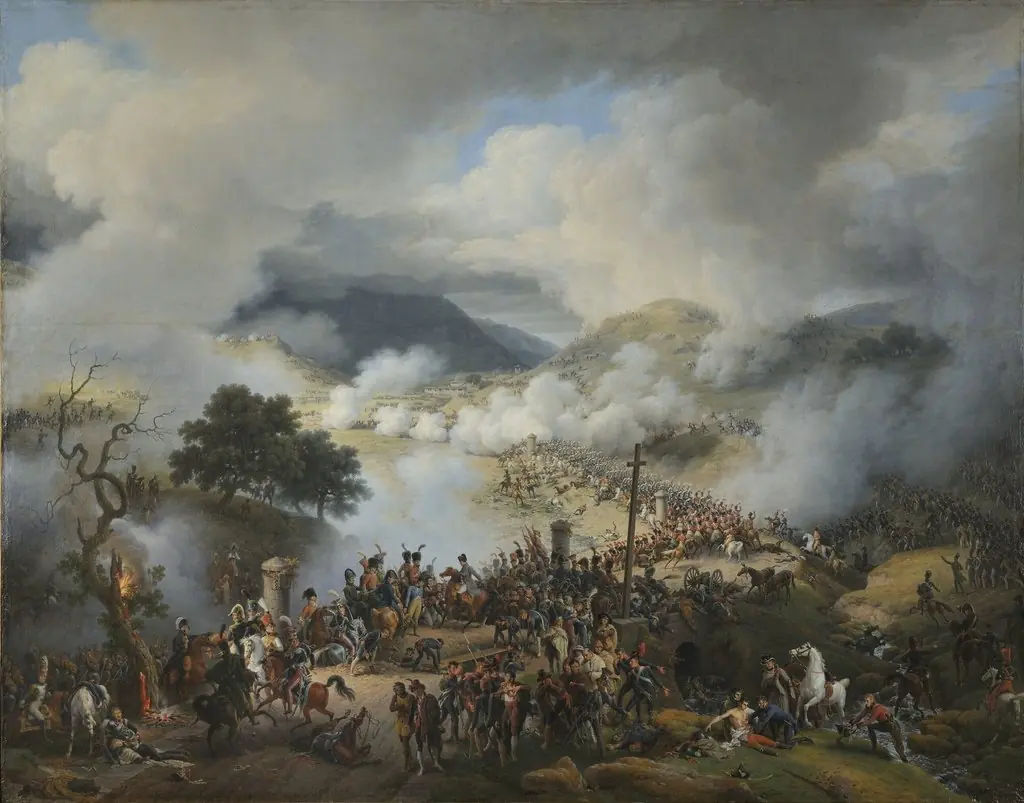 Battle of Somosierra, November 30, 1808
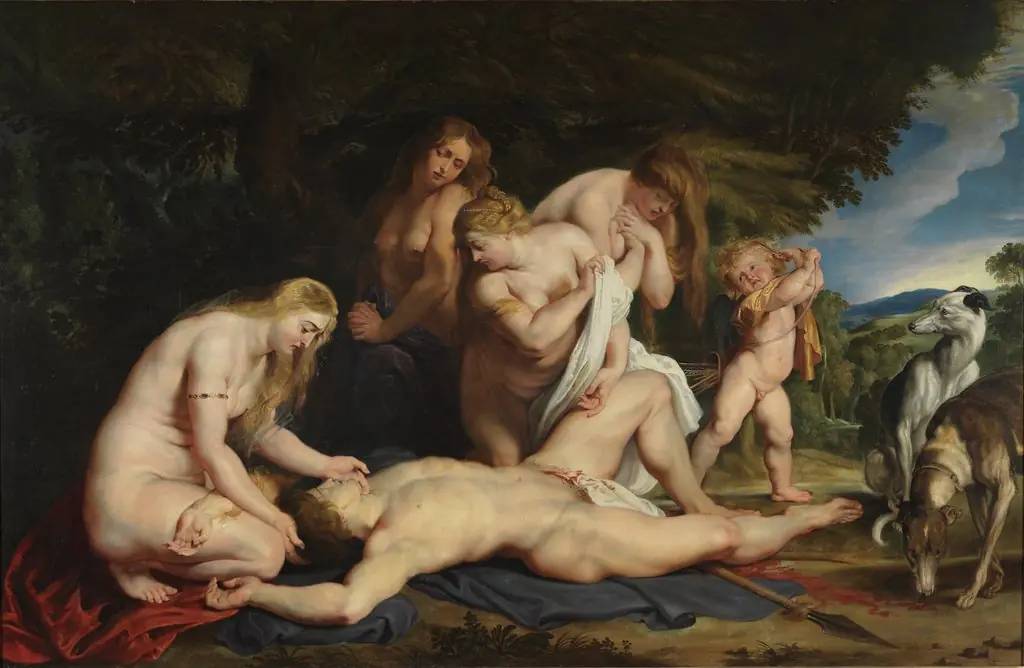 The Death of Adonis
 The Defense of Paris
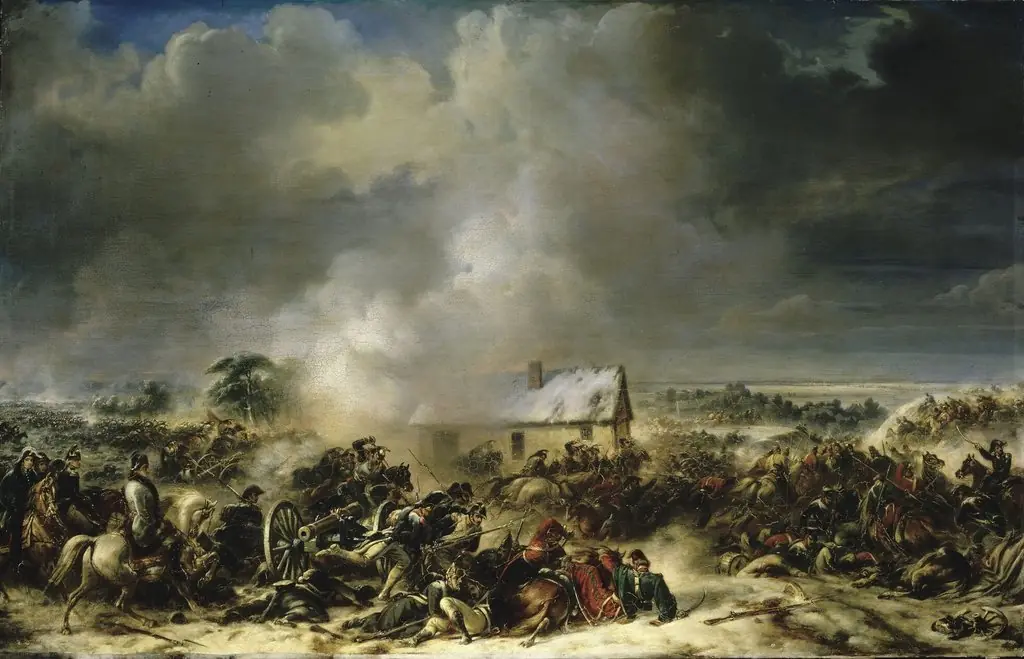 Battle of Hoff, February 6, 1807
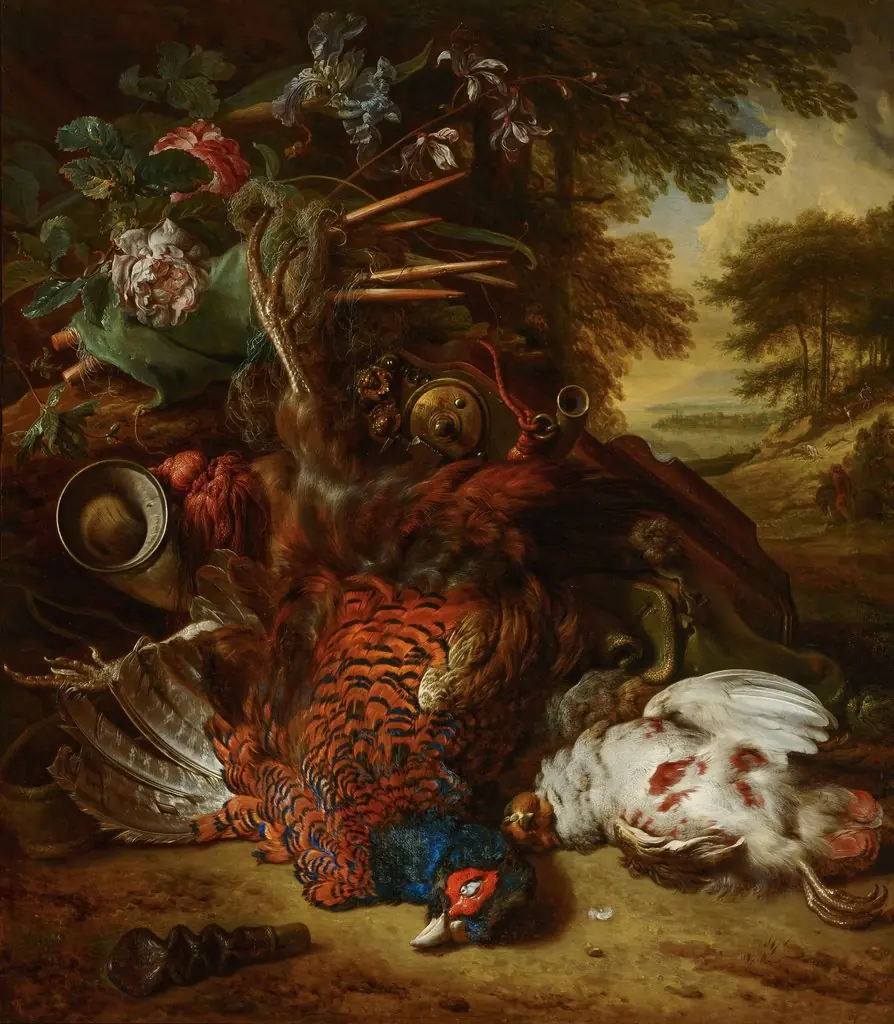 Hunting Still Life
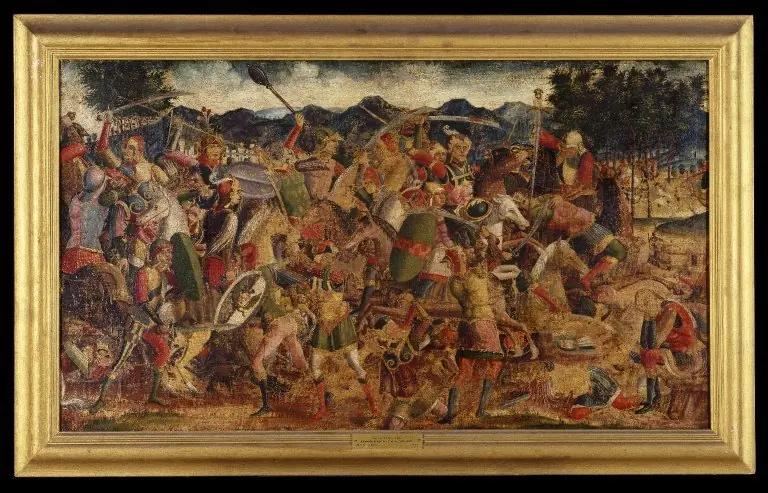 A Battle Scene
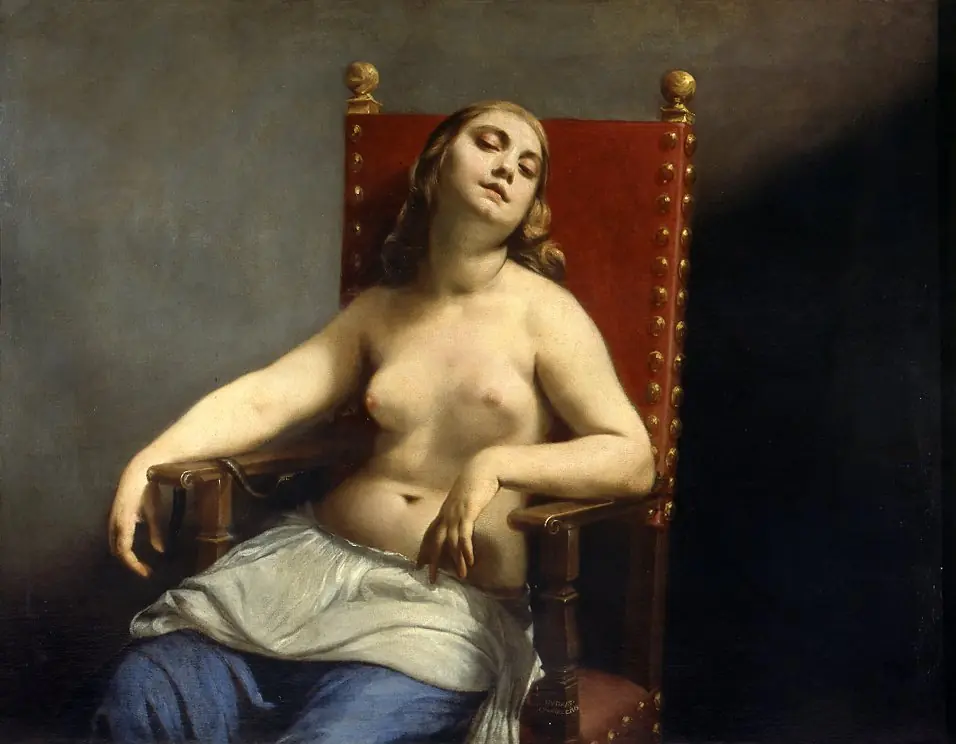 The Death of Cleopatra
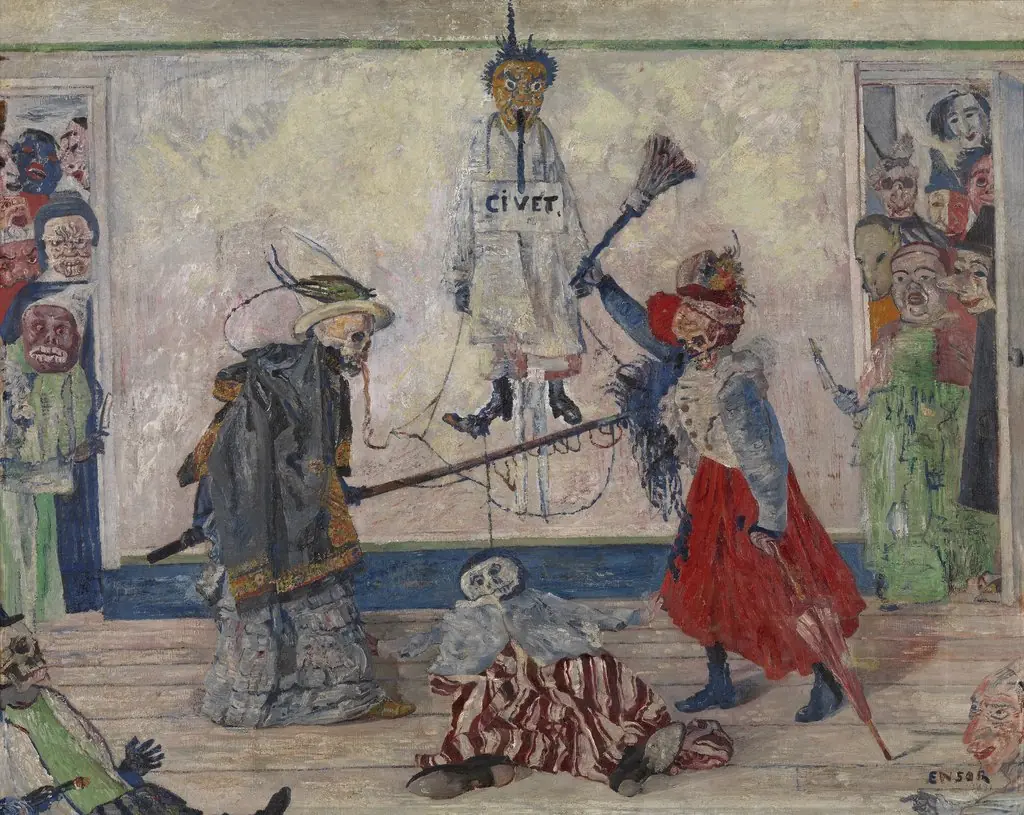 Skeletons fighting over a Hanged Man
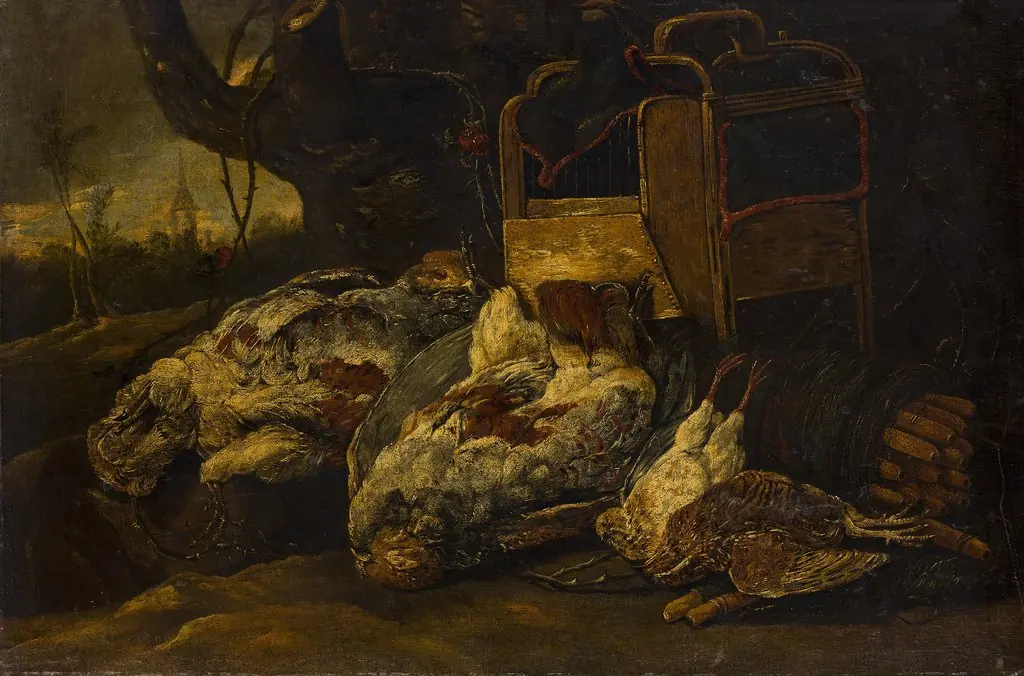 Still Life with Dead Birds, Cage and Net
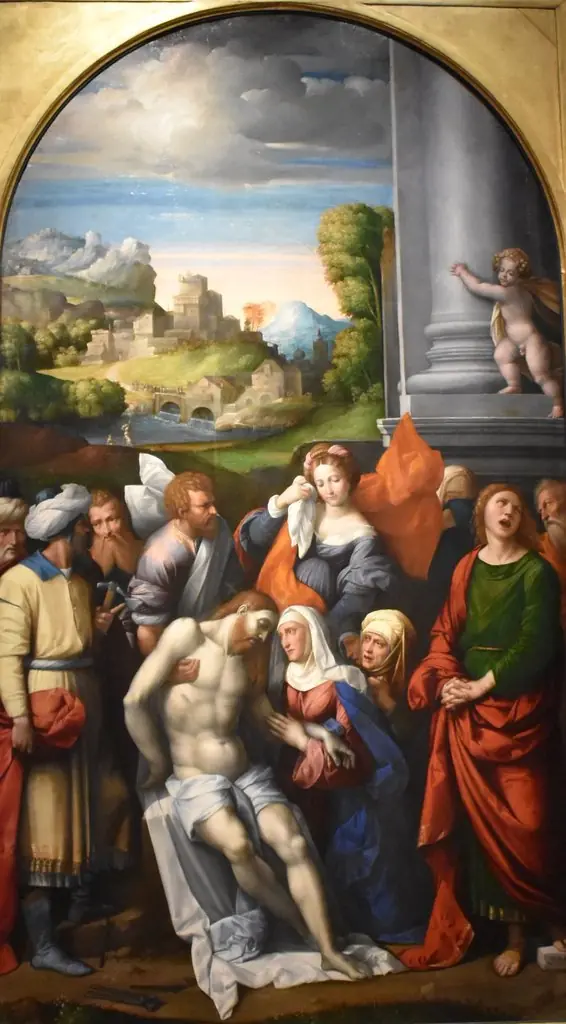 Lamentation over the Dead Christ
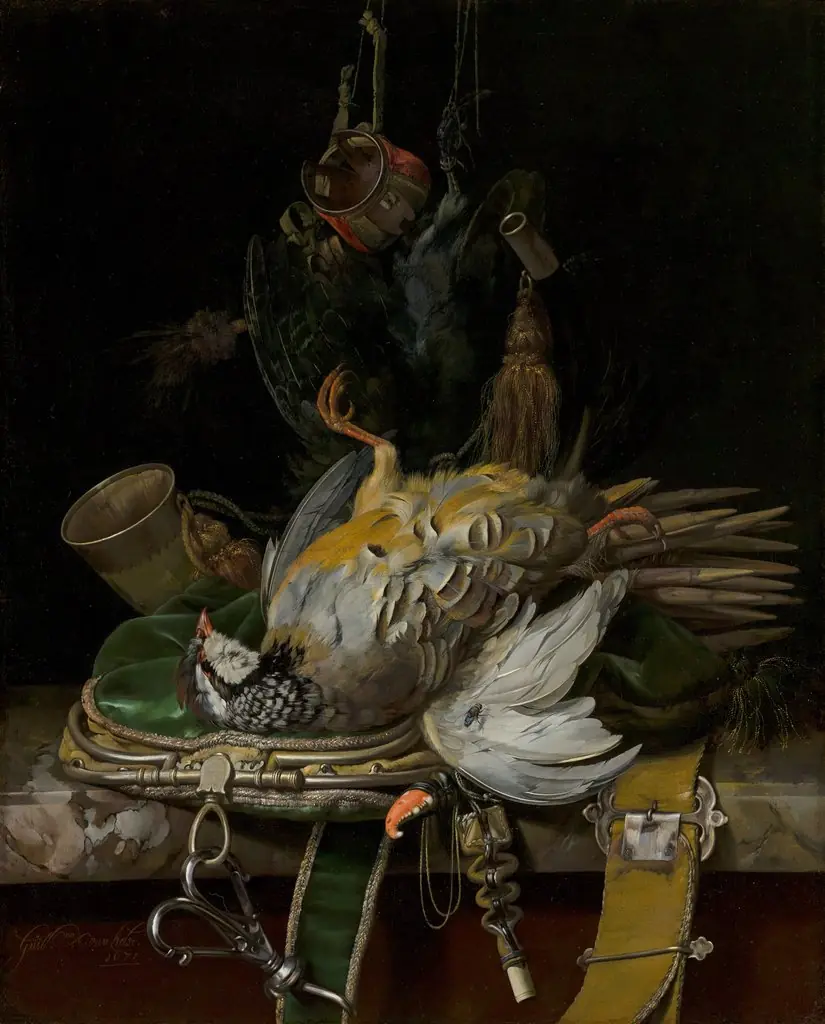 Still Life with Partridges
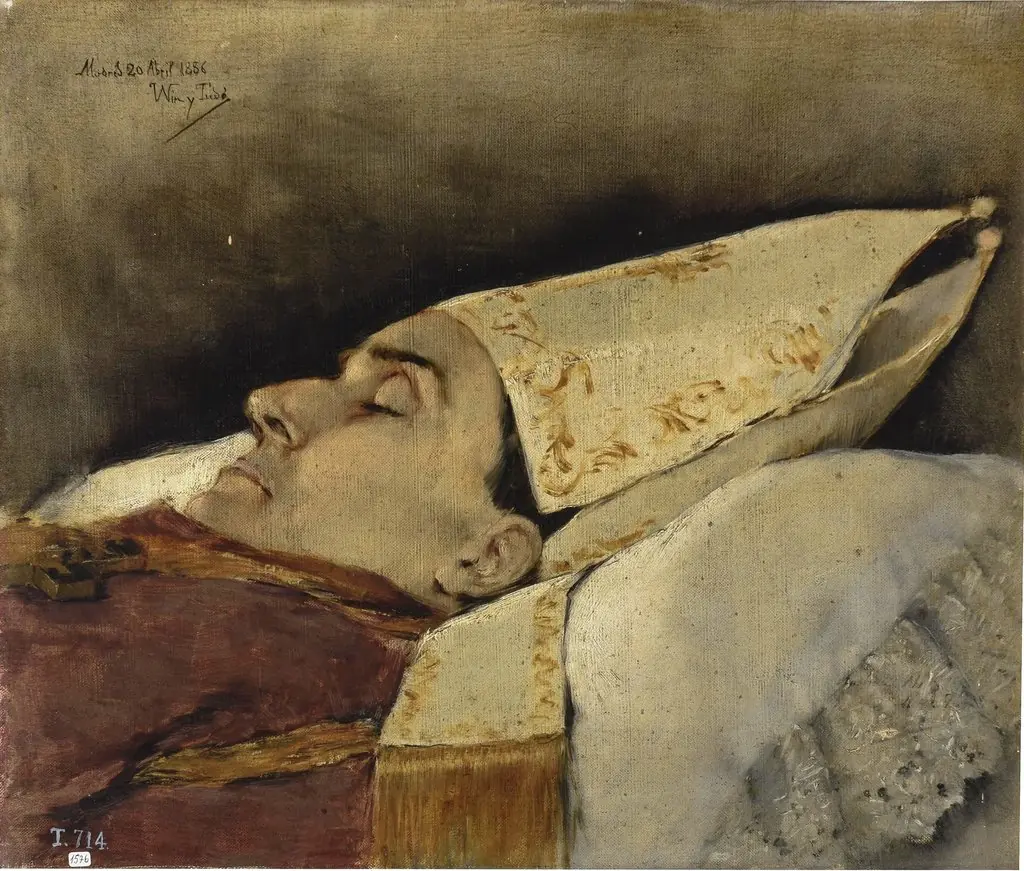 Retrato mortuorio del obispo de Narciso Martínez Izquierdo
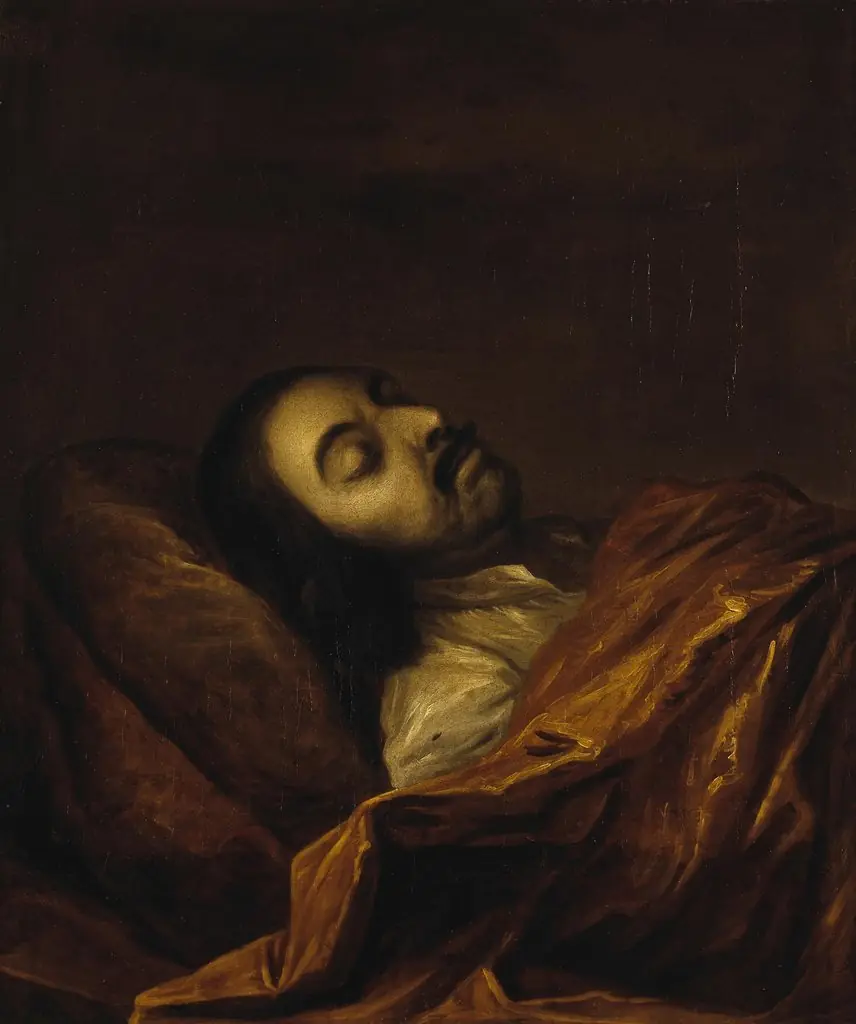 Portrait of Peter the Great on his Death-Bed
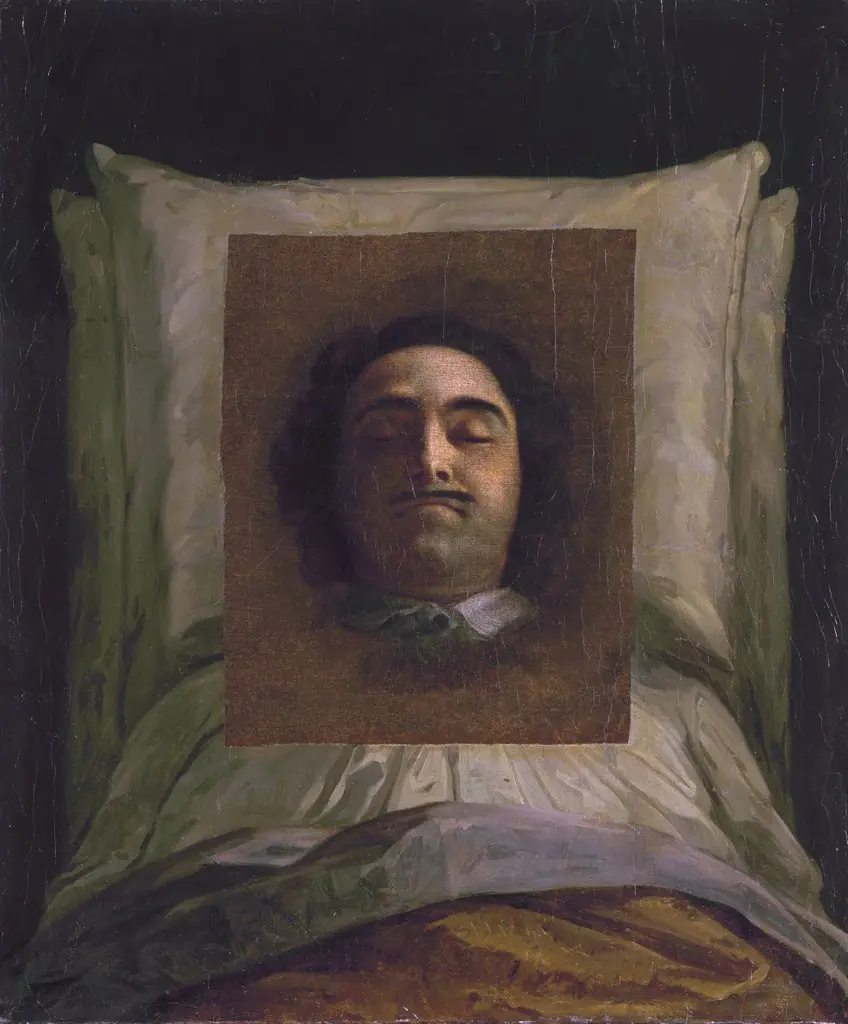 Portrait of Peter the Great on his Death-Bed
 Portrait of Count Alexander Stroganov on His Death-Bed
 Portrait of a Dead Woman
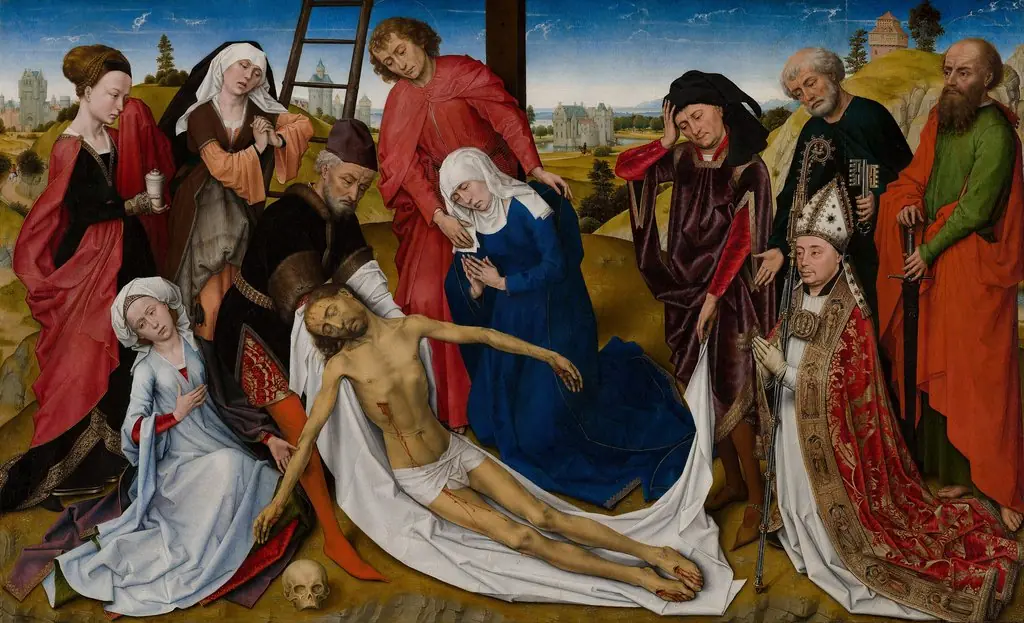 Lamentation of Christ
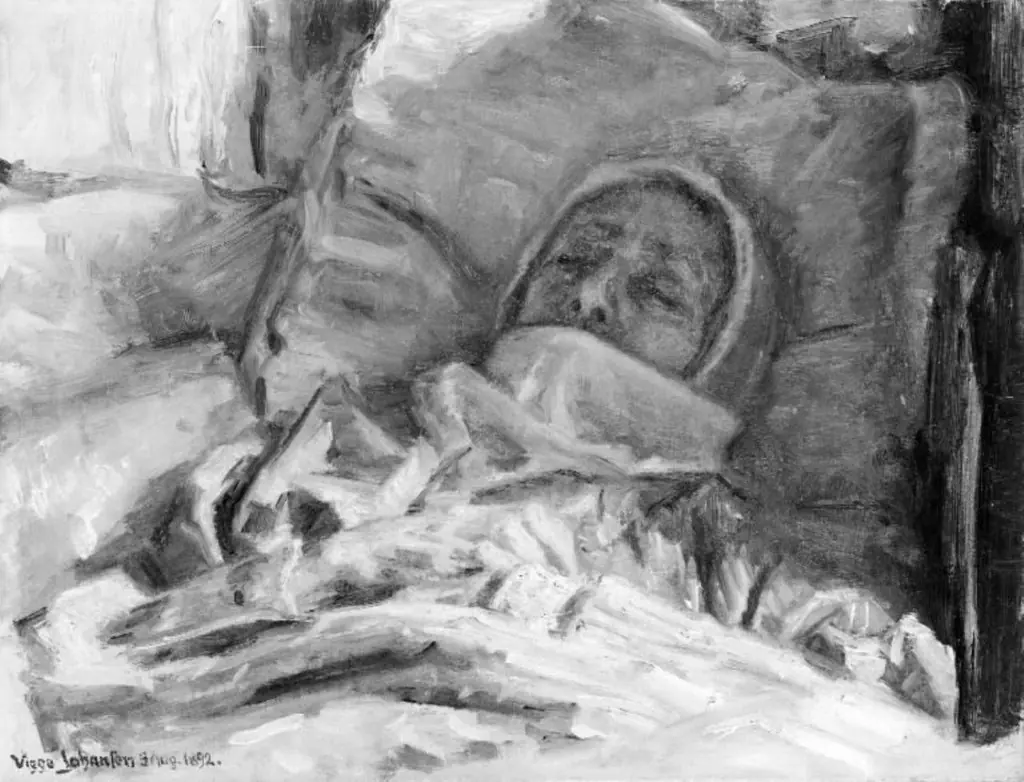 Kunstnerens døde moder
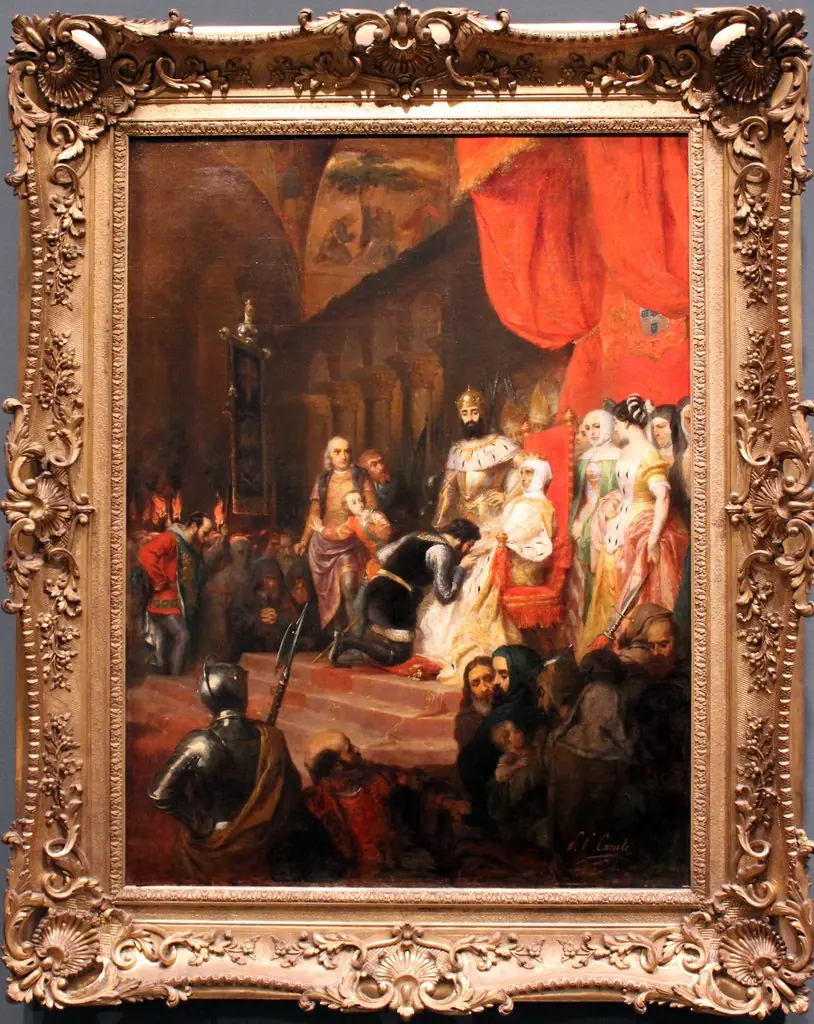 The Coronation of Inês de Castro in 1361
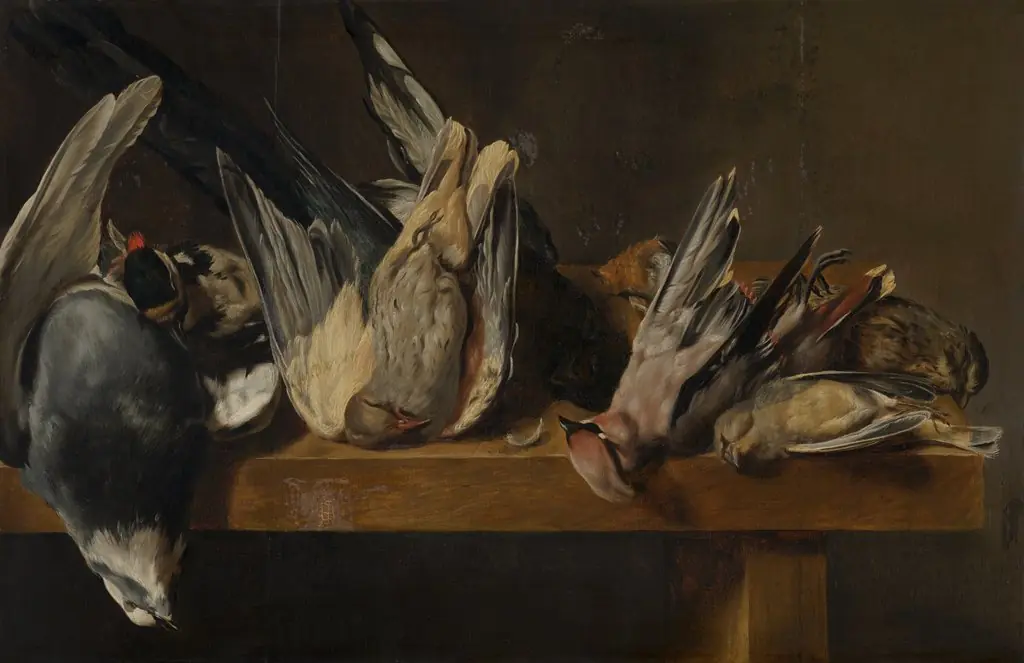 Dead Birds
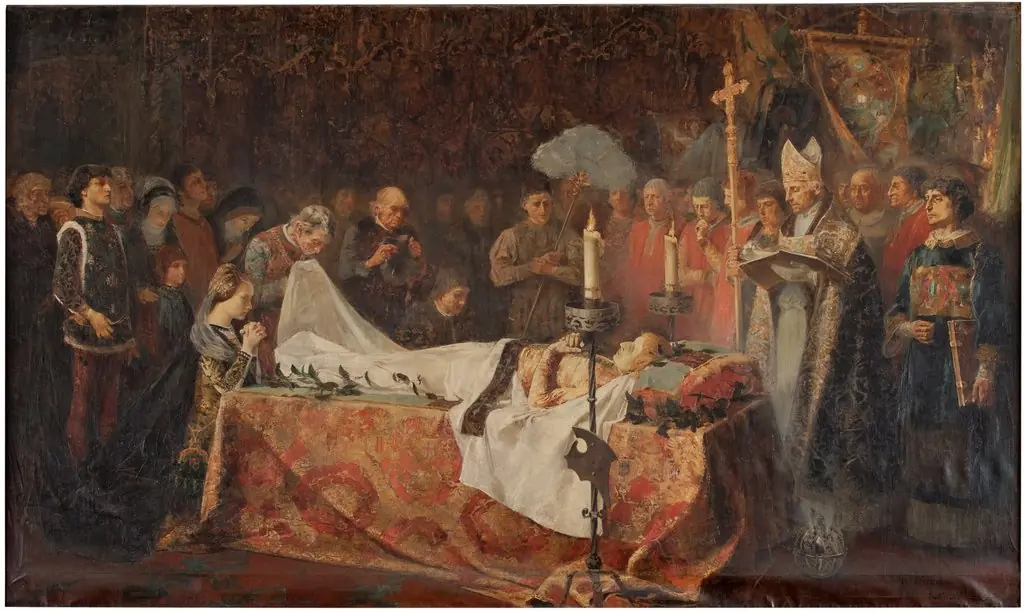 Muerte del príncipe de Viana
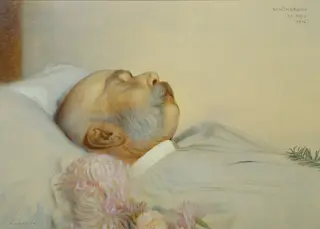 Kaiser Franz Joseph I. auf dem Sterbebett
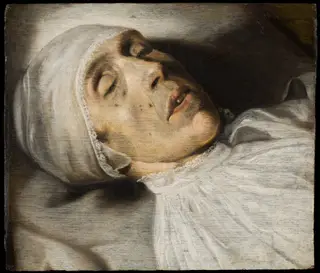 A Man at His Death Bed
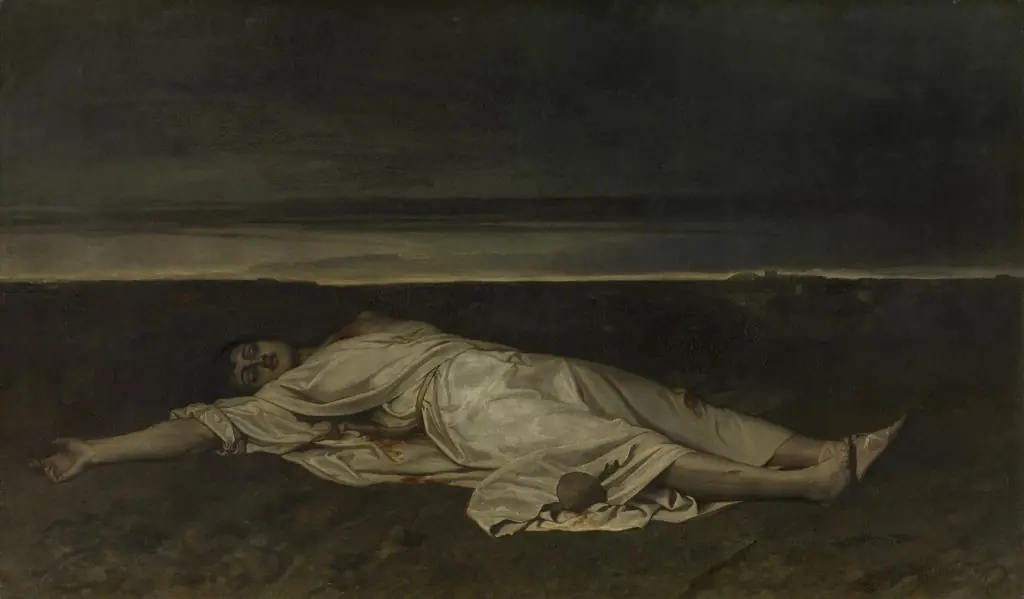 Saint Stephen
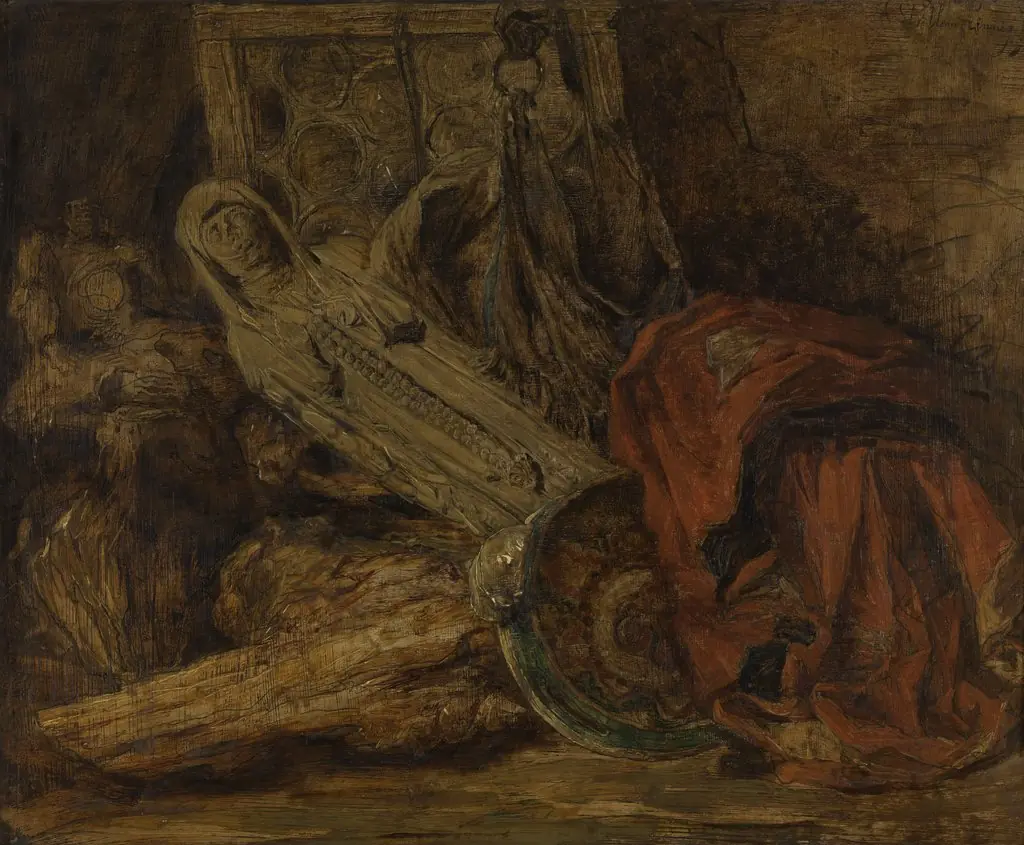 Still Life with Sculpture
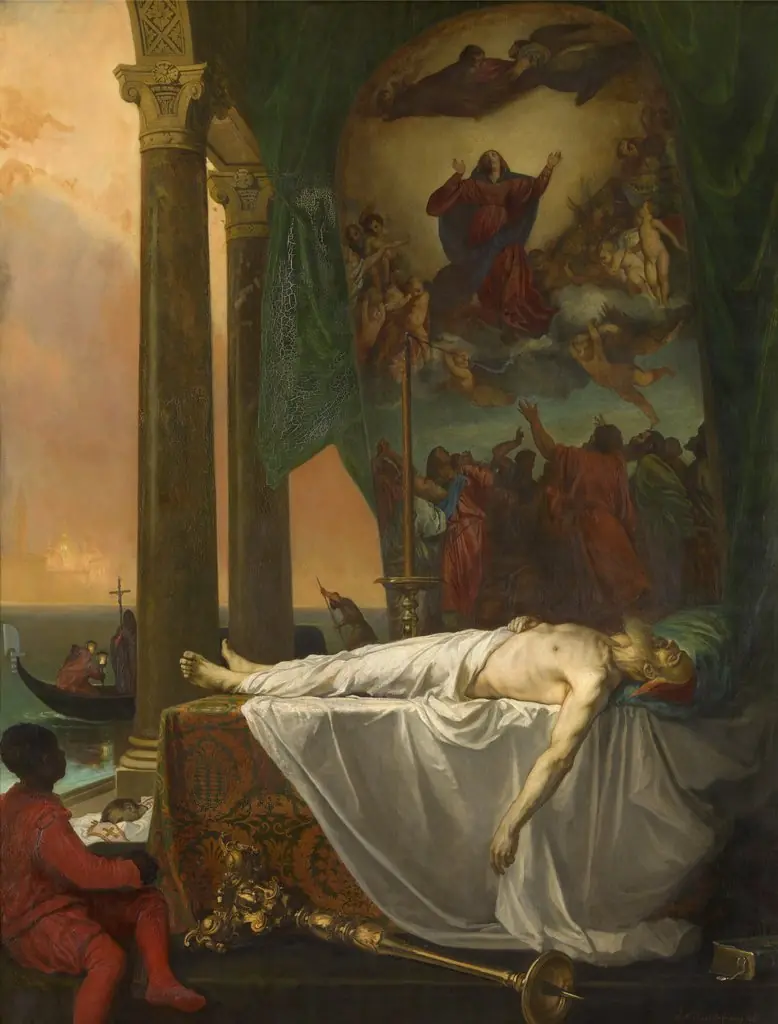 Titian Lying in State at the Palazzo Barbarigo
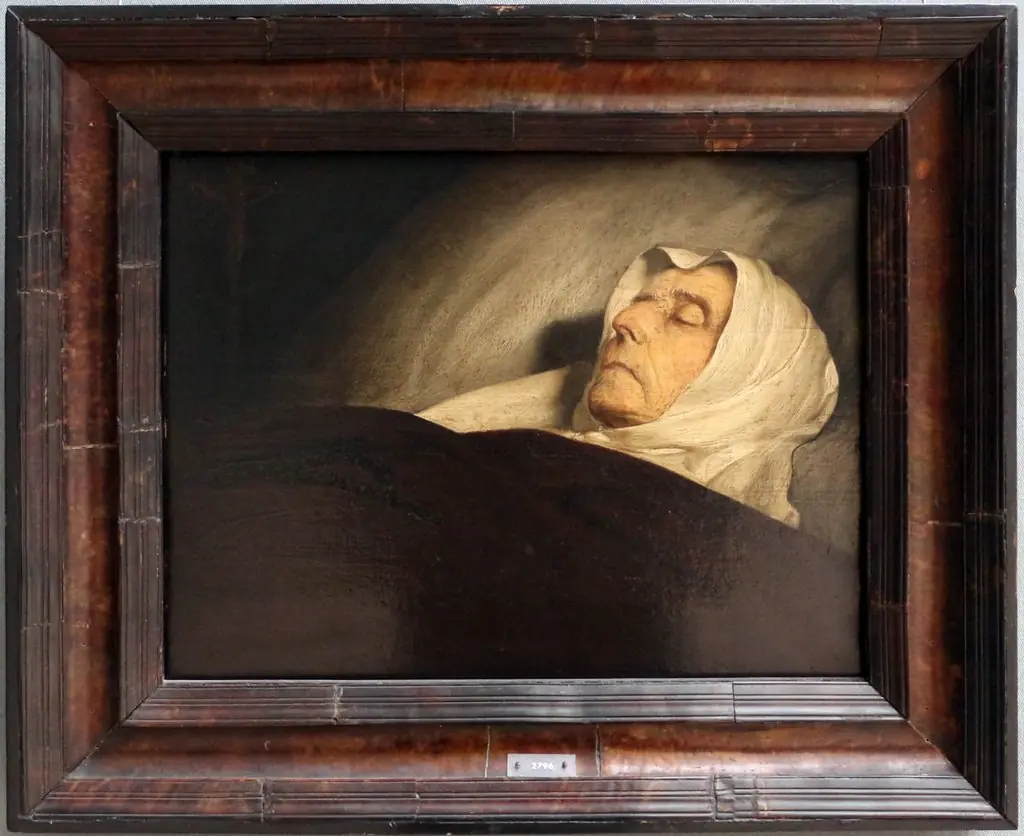 Portret van een onbekende oude vrouw op haar doodsbed
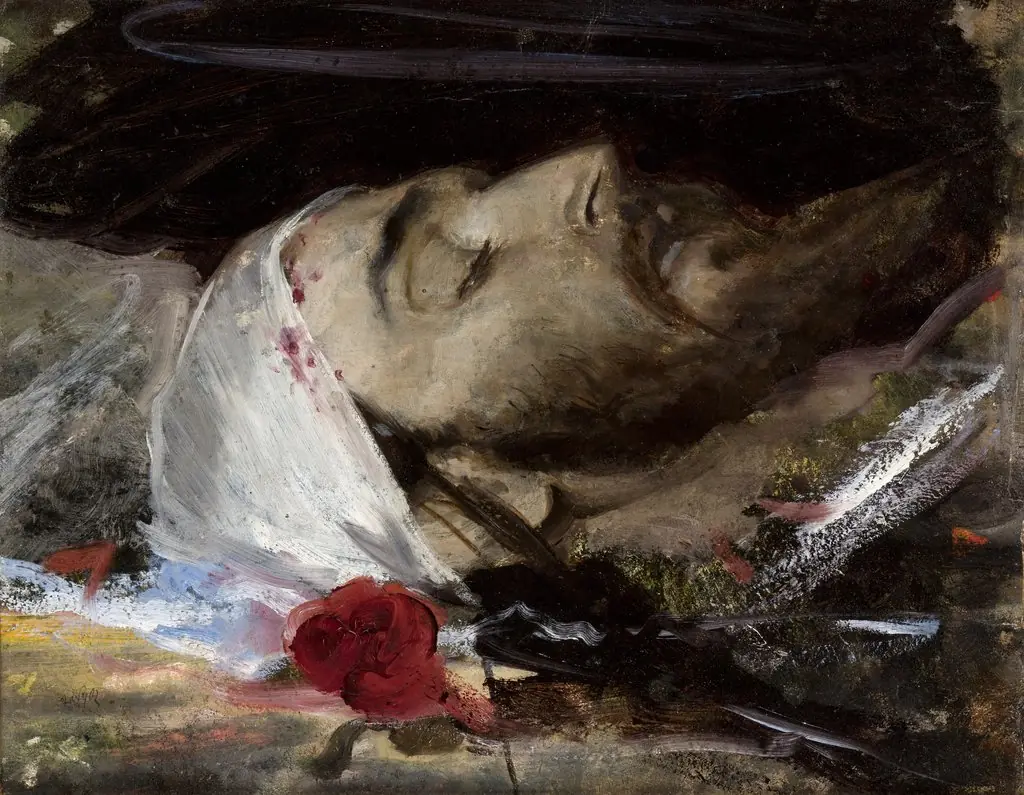 Head of Christ
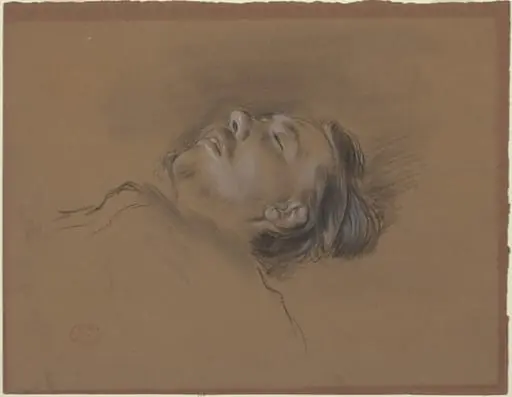 Head of the Fallen Jockey (study for "Scene from the Steeplechase: The Fallen Jockey")
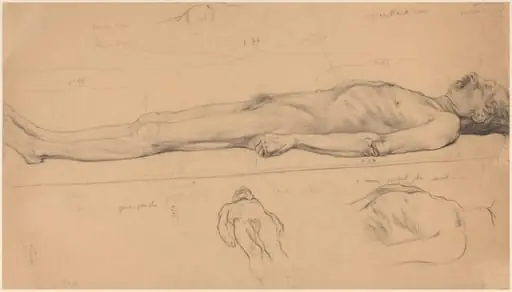 The Corpse (Study for The Dead Christ)
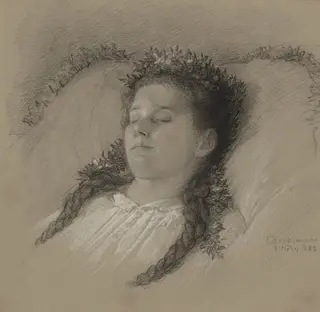 A Girl on Her Deathbed with a Crown of Flowers
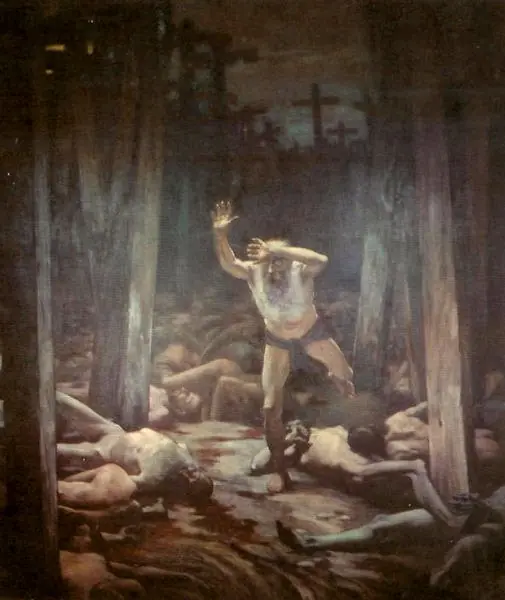 The Wandering Jew
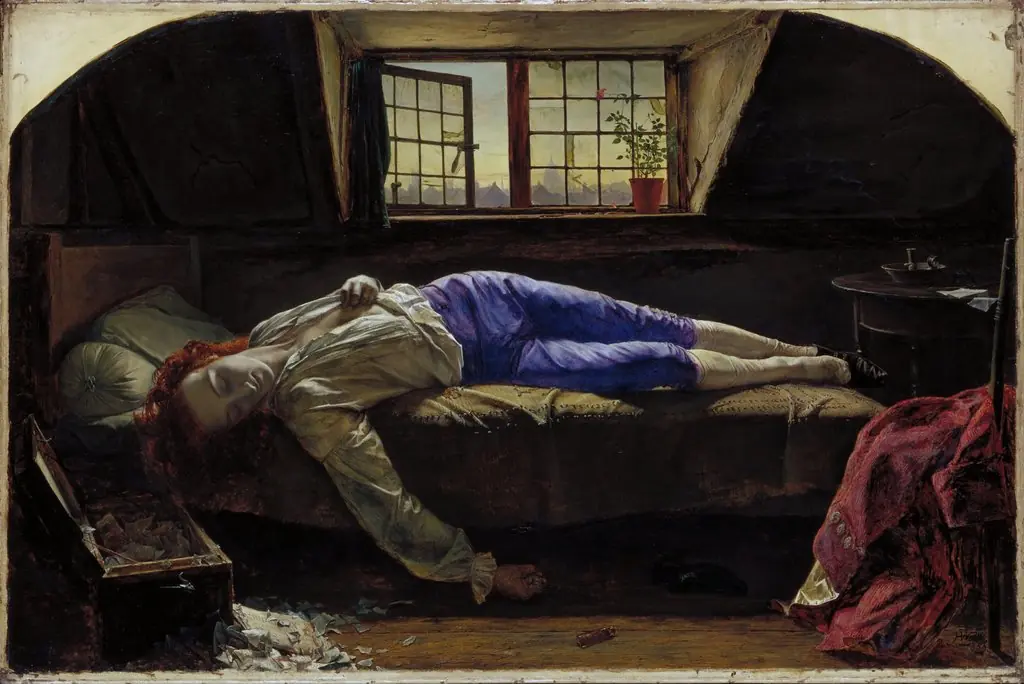 The Death of Chatterton
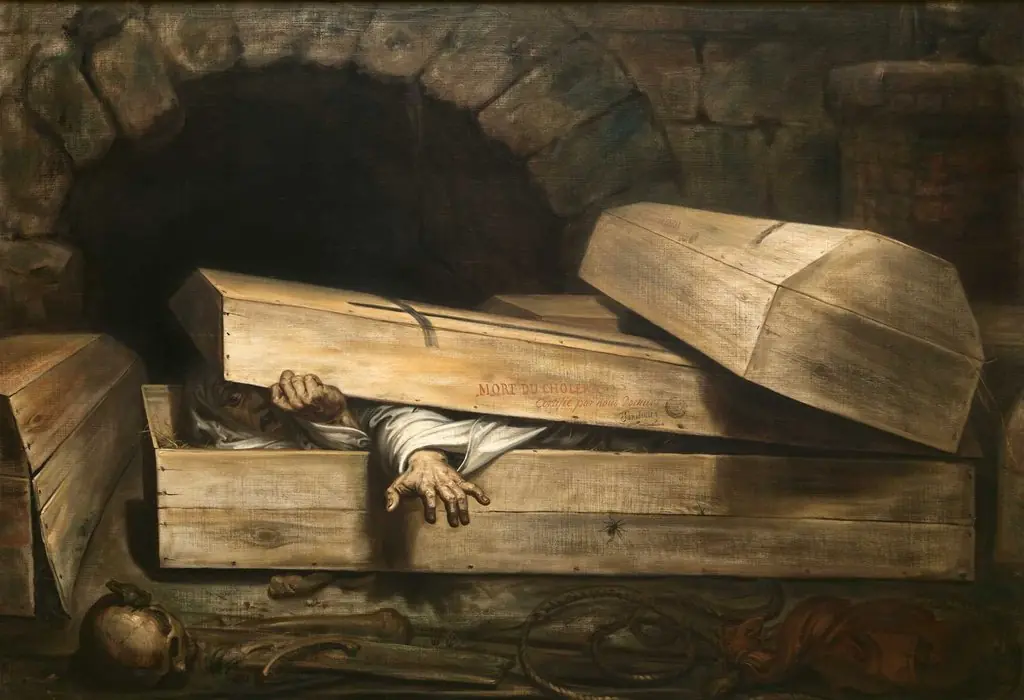 The Premature Burial
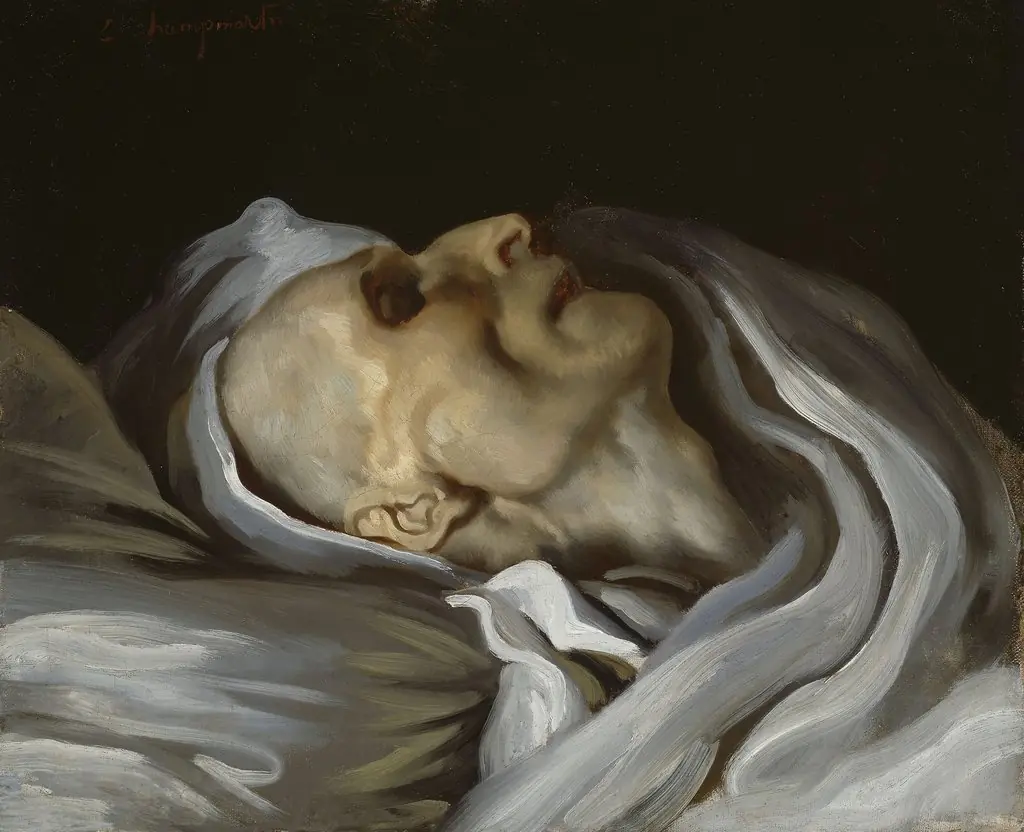 Study of the Head of a Corpse
 Study of a Dead Zulu
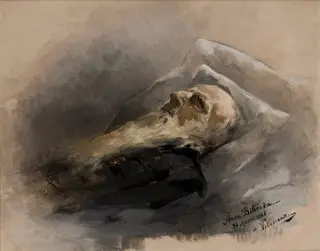 Bohdan Zaleski on His Deathbed
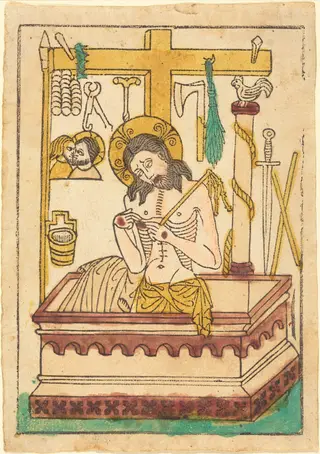 Christ as the Man of Sorrows
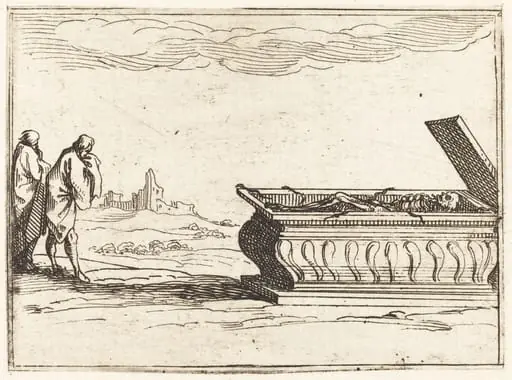 The Tomb
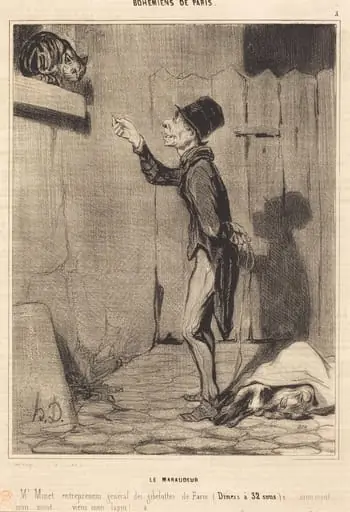 Le Maraudeur
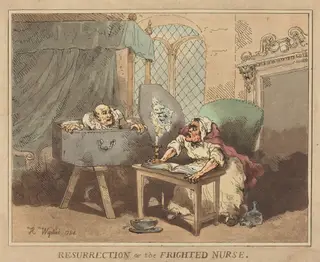 Resurrection, or The Frighted Nurse
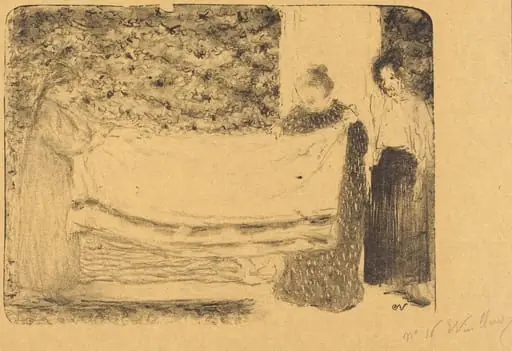 Folding the Linen (Le pliage du linge)
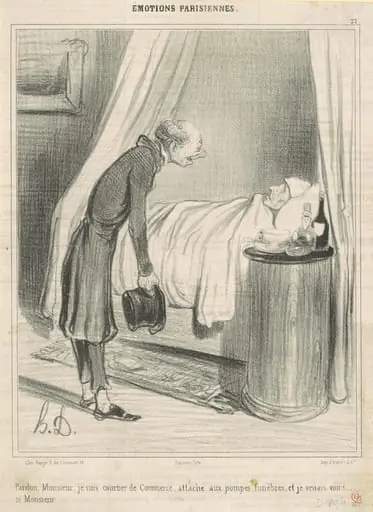 Pardon...je suis courtier de commerce...
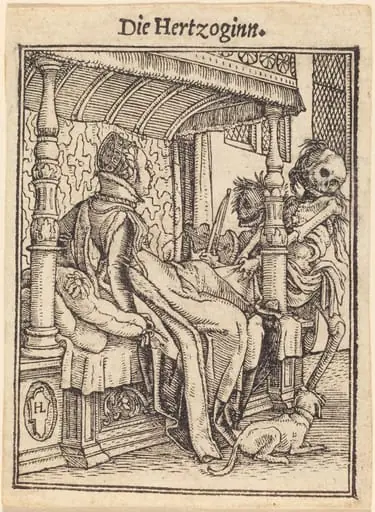 Die Hertzoginn (The Duchess)
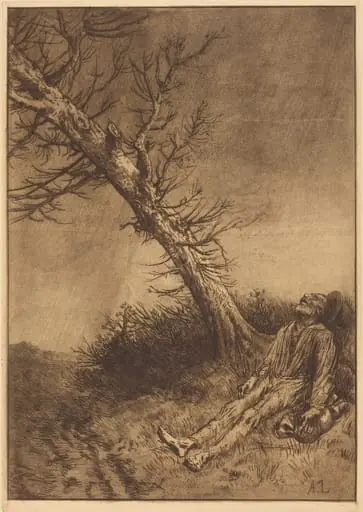 Death of the Vagabond (La mort du vagabond)
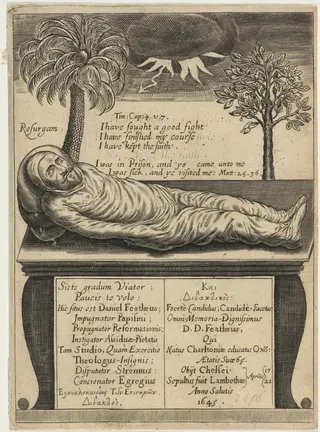 Daniel Featley
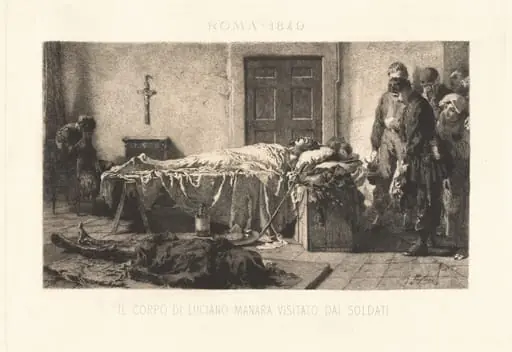 Il corpo di Luciano Manara visitato dai soldari (The Body of Luciano Manara Visited by Soldiers)
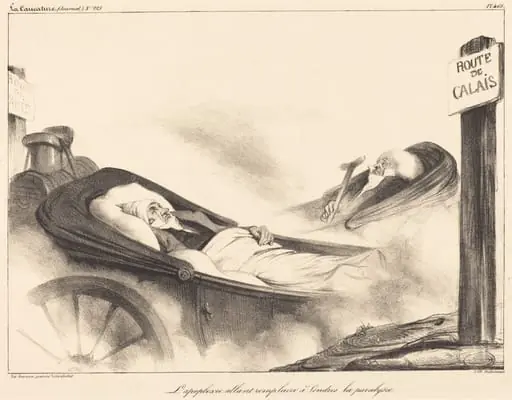 L'Apoplexie allant remplacer a Londres la paralysie
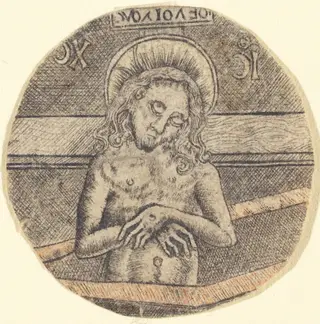 Christ as the Man of Sorrows
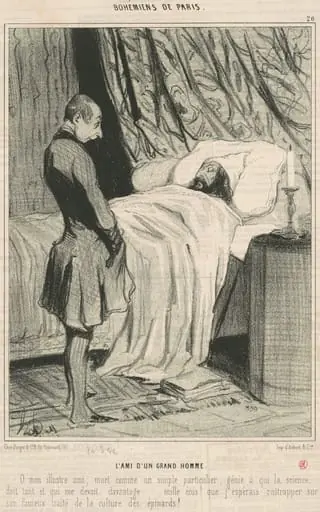 L'ami d'un grand homme
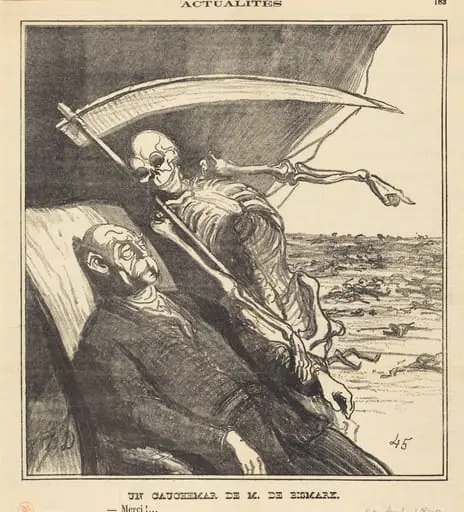 Un cauchemar de M. Bismarck
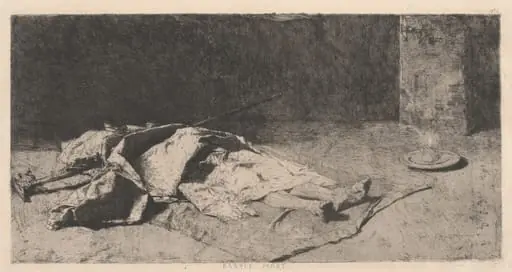 Dead Kabyle (Kabyle mort)
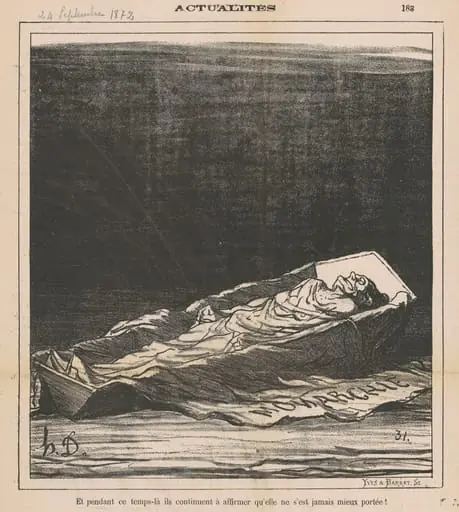 Et pendant ce temps-là ils continuent à affirmer qu'elle ne s'est jamais mieux portée!
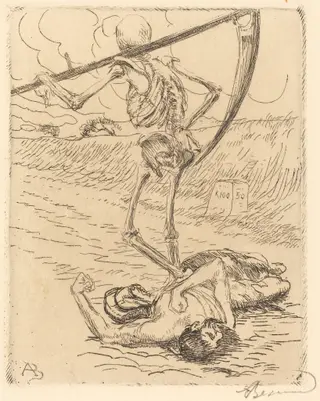 Indifferent (Indifférente)
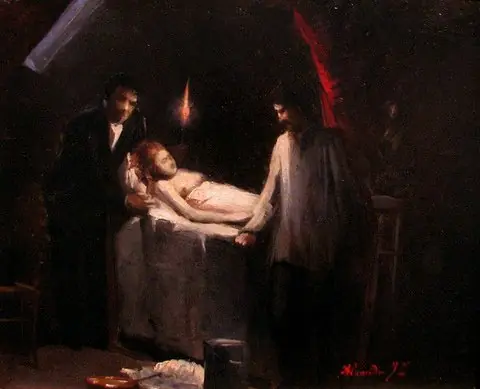 The sculptor (Resurrection)
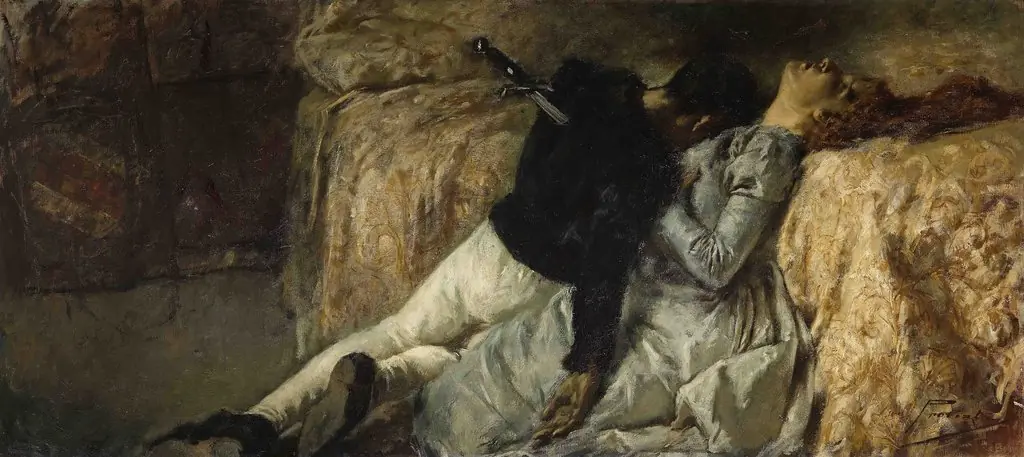 Death of Paolo and Francesca
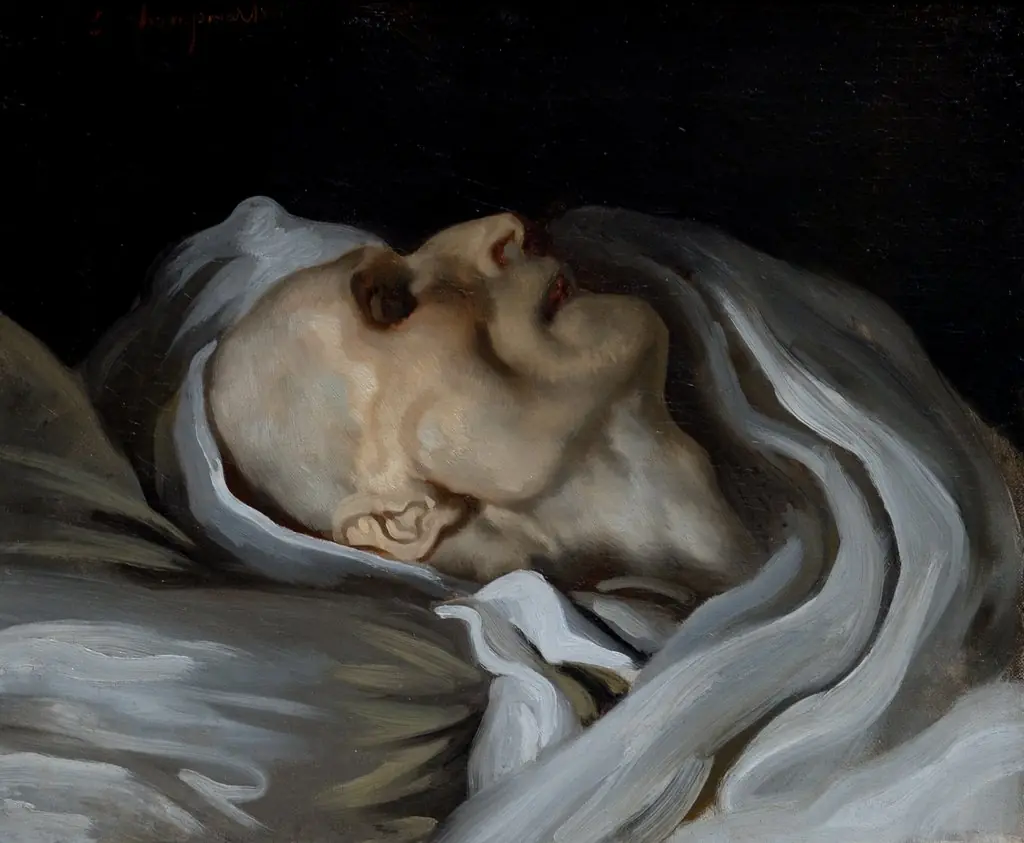 Tête de cadavre
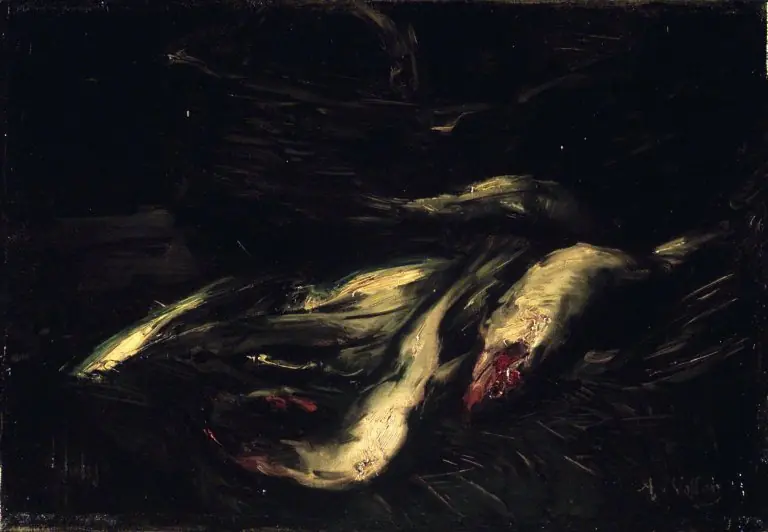 Fish
Fish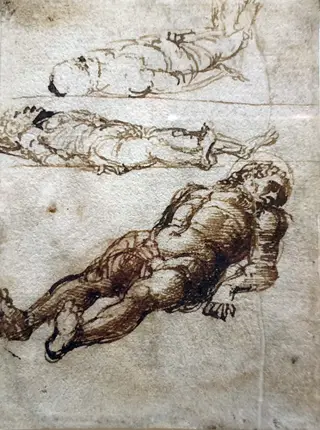 Three Studies for the Dead Christ
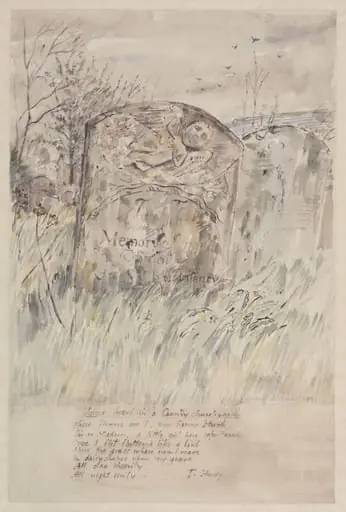 Child's Tombstone in the Churchyard of St. Devereux, Kilpeck
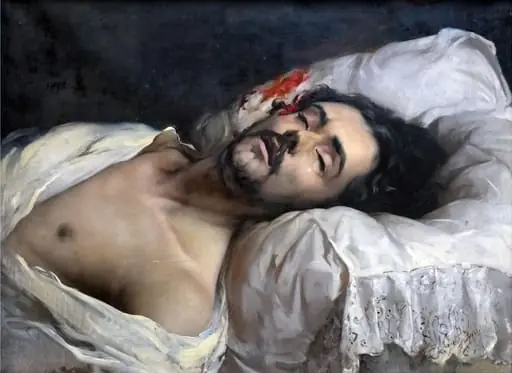 Sinucigașul
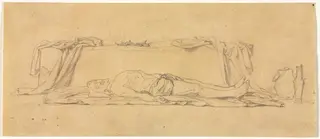 Sketch of the Dead Christ Lying by the Sepulchre
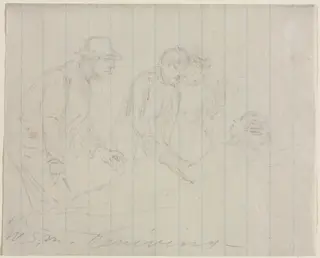 Reviving
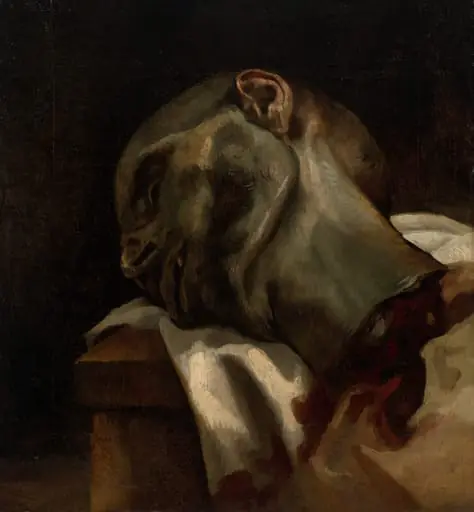 Head of a Guillotined Man
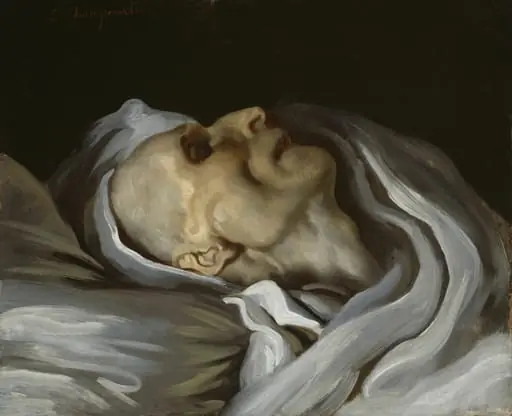 Théodore Géricault on His Deathbed
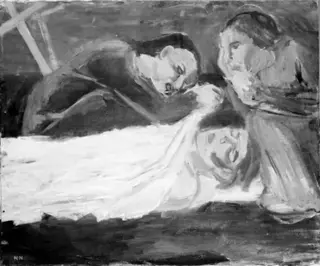 Pieta
Pieta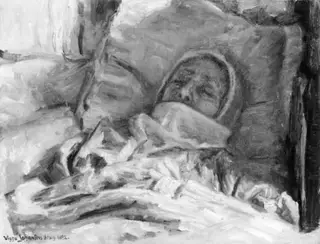 Kunstnerens døde moder
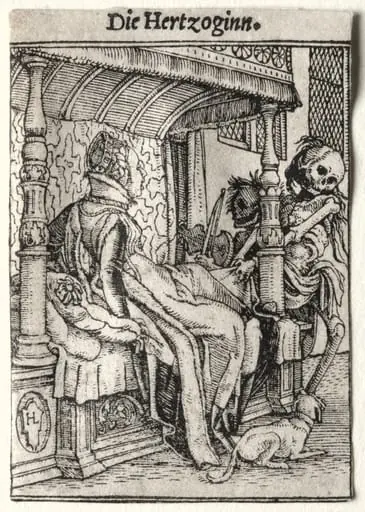 Dance of Death: The Duchess
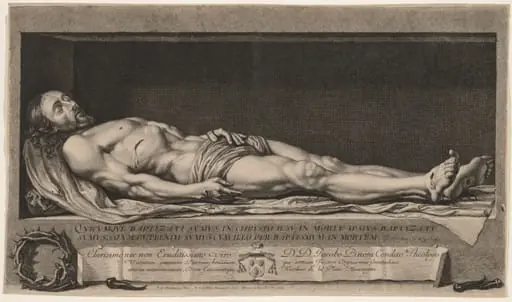 The Body of Christ in the Sepulchre
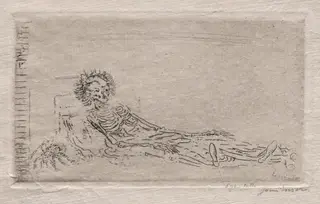 My Portrait in the Year 1960
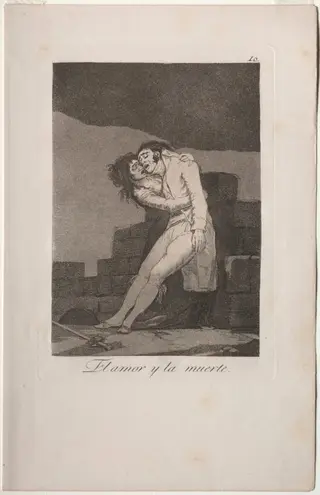 Love and Death, Plate 10
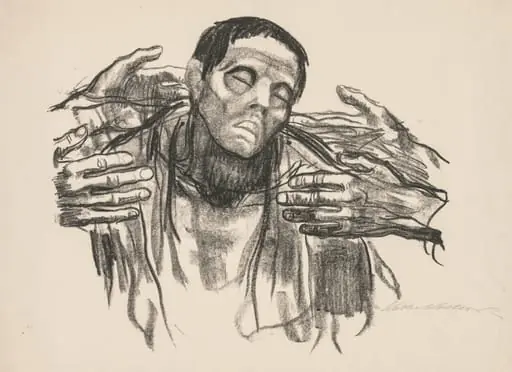 Help Russia
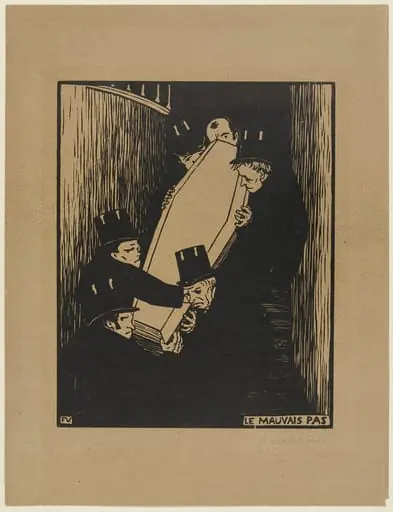 Untitled
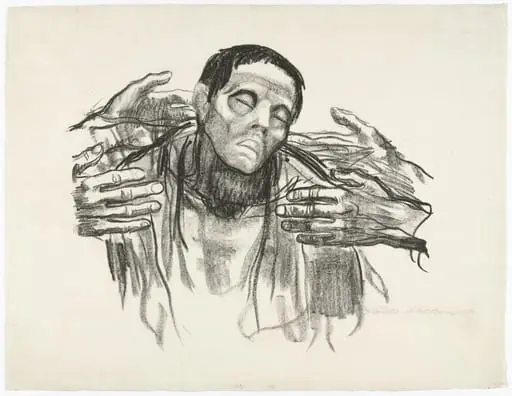 Untitled
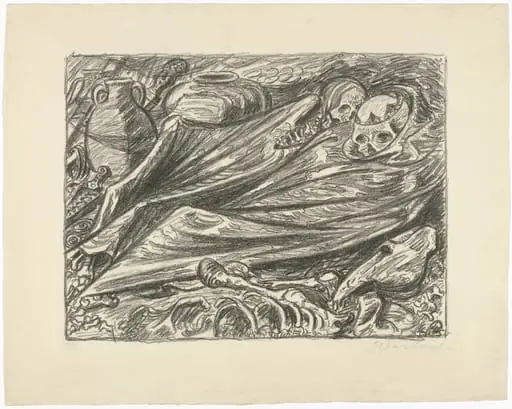 Untitled
 Untitled
Frequently asked questions
What is Corpse?
Corpse is a subject in art. A cadaver, often known as a corpse, is a dead human body.
How many Corpse works does Artifact World Gallery have?
Artifact World Gallery holds 95 public-domain Corpse works, all free to view and download.
Who are the key Corpse artists?
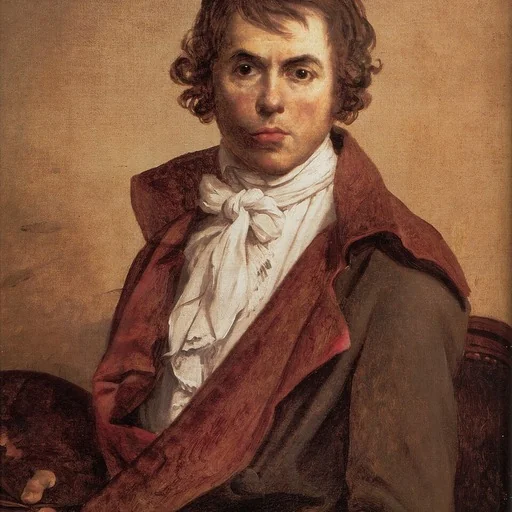
Key Corpse artists in the collection include Edgar Degas, Jacques-Louis David and Édouard Manet.
Where can I see Corpse works?
Corpse works in the collection are held by National Gallery of Art, Cleveland Museum of Art and Museo del Prado.