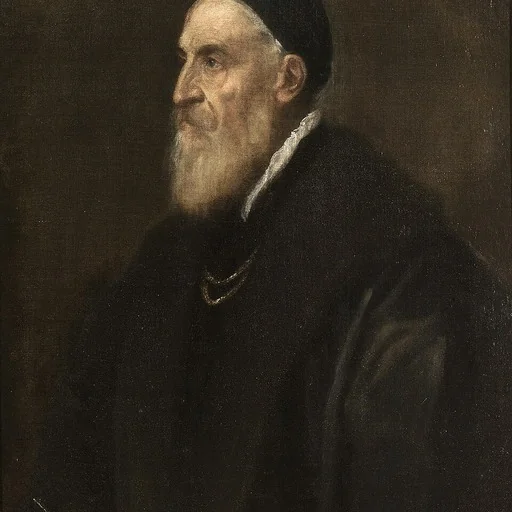
Subject
Blond Hair
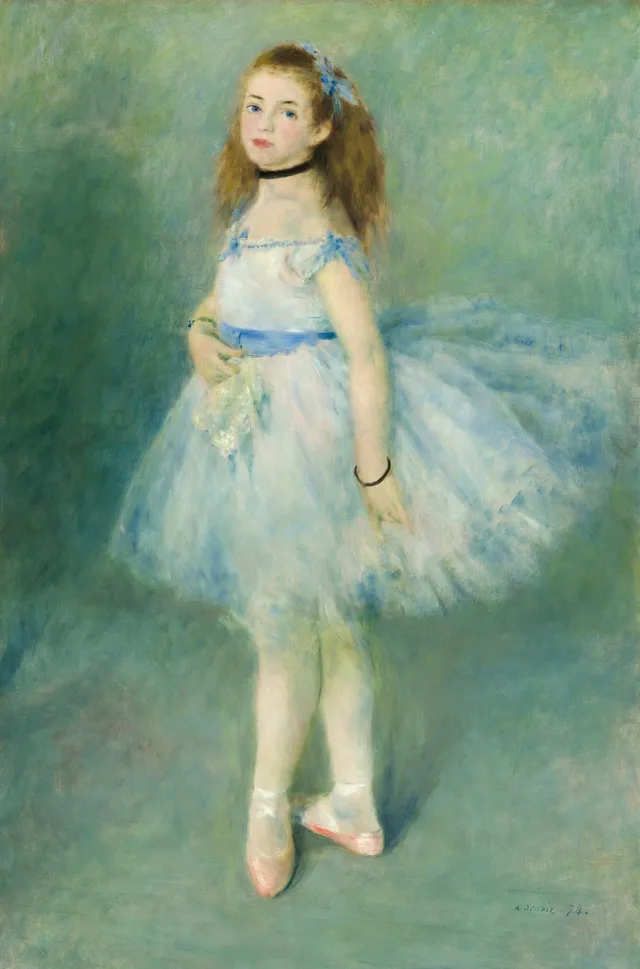
Blond Hair is a subject in art. The gallery holds 98 works in this subject in art, including works by Titian, Paolo Veronese and Raphael.
Blond or fair hair—hair low in dark eumelanin pigment, yielding a yellowish to golden cast—has carried symbolic weight in Western art since antiquity, where it served less as a record of how people actually looked than as a marker of the divine and ideal. Greek poetry assigned the epithet xanthḗ ("blonde," a flaxen or strawberry shade) to goddesses such as Athena, Demeter, and Helen, while Aphrodite was called chryséē, "golden." Writing around 600 BC, Sappho praised Aphrodite's golden hair, and because gold neither rusts nor tarnishes, the metal lent the goddess connotations of purity and incorruptibility. Gold, in the Greek imagination, signified an ethereal radiance that set the immortals apart from mortals.
The Renaissance hardened this association into a beauty canon. Medieval and Renaissance verse demanded that the female love-object be "gold and white"—golden-haired and pale-skinned—an ideal endorsed by church, state, and physicians alike. Sandro Botticelli's Birth of Venus (c. 1485) is its supreme statement: the goddess's streaming blond hair both veils her nudity, in the Venus pudica tradition, and visualizes the animating breath of love that carries her ashore. In Venice the cult of the bionda became literal. Women bleached their hair to the prized "blonde alla Venetiana" by soaking it in lemon juice, alum, and urine and drying it in the sun through crownless wide-brimmed hats—an effort to match the warm gold tones painted by Titian, whose name still attaches to a reddish-blond shade. The catalogue's Titian (Venus with a Mirror), Veronese (Venus and Mars), and Fra Bartolomeo (Madonna and Child) all deploy fair hair as a sign of beauty, virtue, or sanctity.
The nineteenth century reanimated the motif with darker undertones. The Pre-Raphaelites, above all Dante Gabriel Rossetti, made unbound golden hair an emblem of the femme fatale—Lilith ensnaring Adam with "one strangling golden hair"—where loveliness and danger fuse. Alongside this, academic and Impressionist painters such as Pierre Auguste Cot (The Storm), Auguste Renoir (The Dancer), and the Symbolist Odilon Redon (Pandora) used fair hair to evoke youth, innocence, or myth.
Across these traditions blond hair functions as a portable code—divinity in antiquity, virtue and idealized femininity in the Renaissance, seductive power in Victorian art—its golden light repeatedly enlisted to signal what a culture deemed most beautiful.
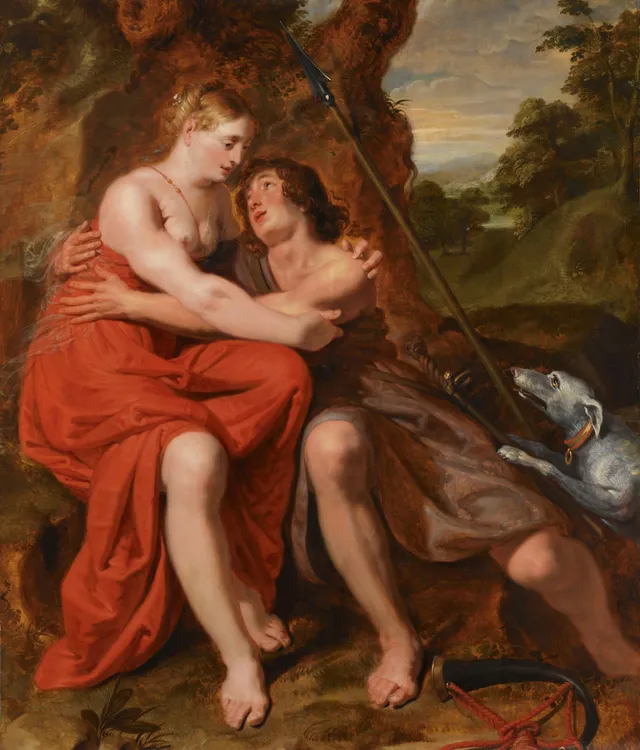
Key artists
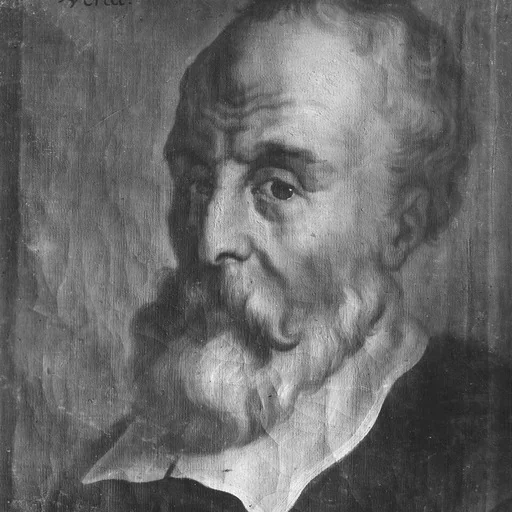

Overview
Blond hair is a human hair color characterized by low levels of the dark pigment eumelanin, resulting in a visible hue that always carries some yellowish tone. The term, documented in English as early as 1481 from Old French, encompasses a wide spectrum of shades, ranging from pale whitish platinum to reddish strawberry or golden brown. While naturally occurring blond hair is primarily found in populations of Northern Europe and their descendants, it also developed independently in other regions, such as among the indigenous peoples of Oceania and the Solomon Islands. In art, the motif of blond hair recurs frequently as a visual marker of beauty, divinity, and cultural ideals, appearing across a wide array of mythological, religious, and secular subjects.
Iconography & meaning
Throughout Western cultural history, blond hair has carried shifting and often contradictory symbolic weight. In the Greco-Roman world, it was associated with the ideal male warrior, as seen in the Iliad's depiction of Achilles, but also with prostitutes, who used saffron dyes to lighten their hair. The Romans further linked blondness with northern Celts and Germanic peoples, while the Greeks stereotyped Thracians and slaves as light-haired. During the Middle Ages in Western Europe, long blonde hair became idealized as the paragon of female beauty, embodied by figures like the Norse goddess Sif and the legendary heroine Iseult. In contemporary Western culture, the symbolism has narrowed into stereotypes that equate blonde women with beauty but diminished intelligence. Anthropologists have also suggested that the rarity of the trait in prehistoric populations may have driven sexual selection, cementing its association with desirability.
Across movements & periods
The artistic treatment of blond hair has evolved alongside its cultural meanings. In classical antiquity, its depiction in art reflected both heroic idealization and marginalization, depending on the subject's gender and social status. As Europe moved into the Middle Ages, the portrayal of blond hair shifted to align with Christian and chivalric ideals, becoming a standard attribute of female virtue and holy figures like the Madonna. By the Renaissance, the motif was heavily utilized in classical revivals, where artists rendered the golden hues of mythological figures like Venus with new naturalism and sensuality. In later periods, the subject expanded into secular portraiture and modern genre scenes, where it could signify both alluring beauty and, eventually, the modern cultural stereotype of the naive or foolish figure.
Legacy
The cultural afterlife of blond hair in art and society has been defined by its persistent, albeit evolving, stereotypes. The medieval idealization of the blonde woman as the pinnacle of beauty transformed in the 20th century into the derogatory concept of the dumb blonde, a phrase that entered common parlance by the early 1990s. This shift demonstrates how the motif has been continuously reinterpreted, moving from an emblem of virtue and heroic perfection to one of superficiality. Despite these changing cultural frames, the genetic and visual rarity of the trait has ensured its enduring power as a marker of the other, whether that otherness signifies divine beauty, dangerous temptation, or intellectual deficiency.
Works
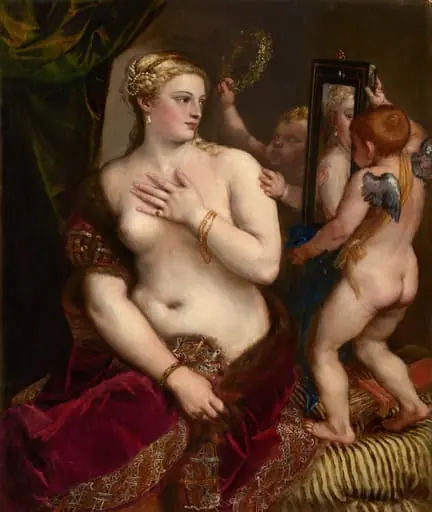 Venus with a Mirror
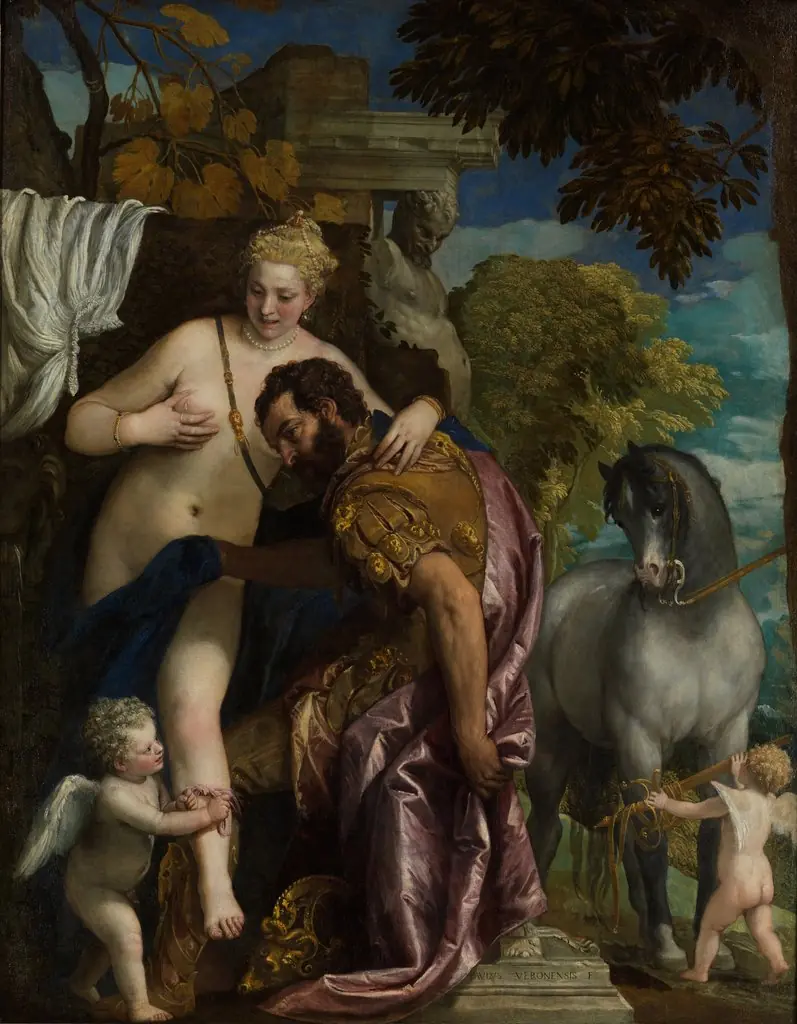 Venus and Mars
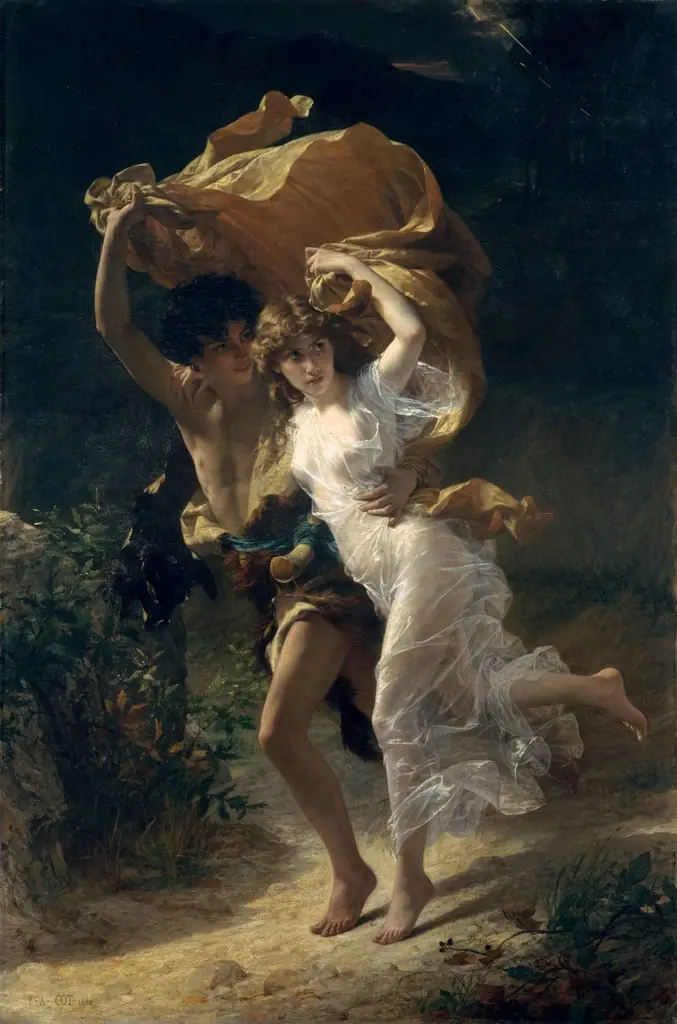 The Storm
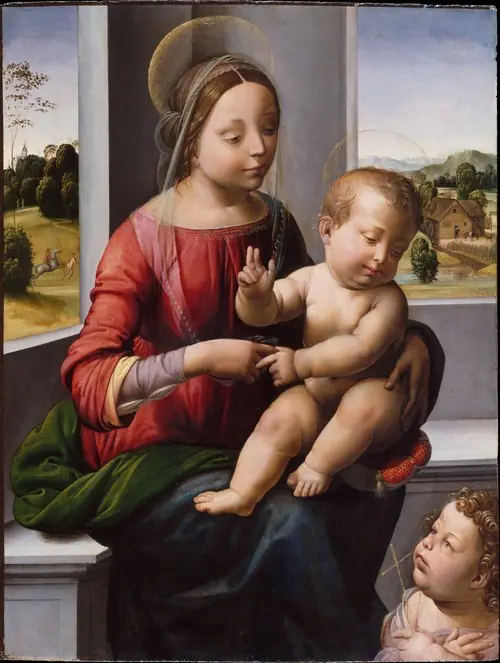 Madonna and Child with the Young Saint John the Baptist
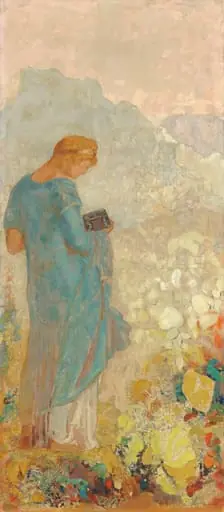 Pandora
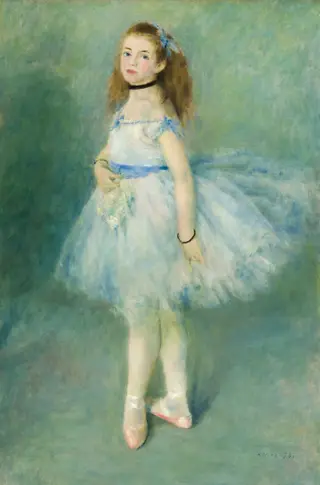 The Dancer
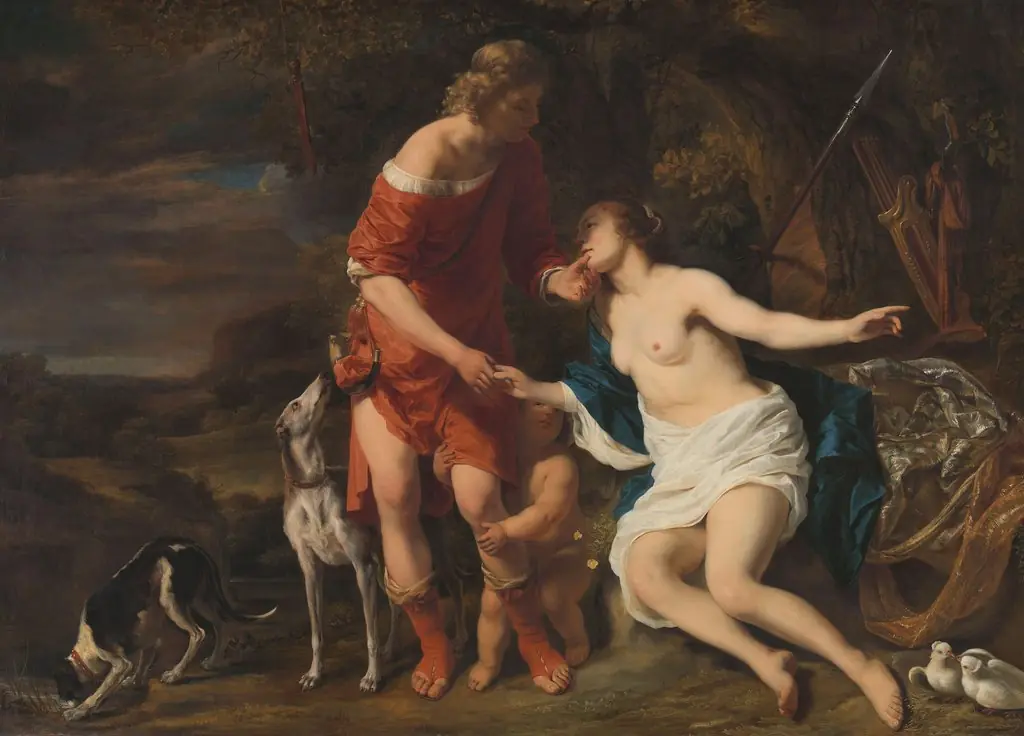 Venus and Adonis
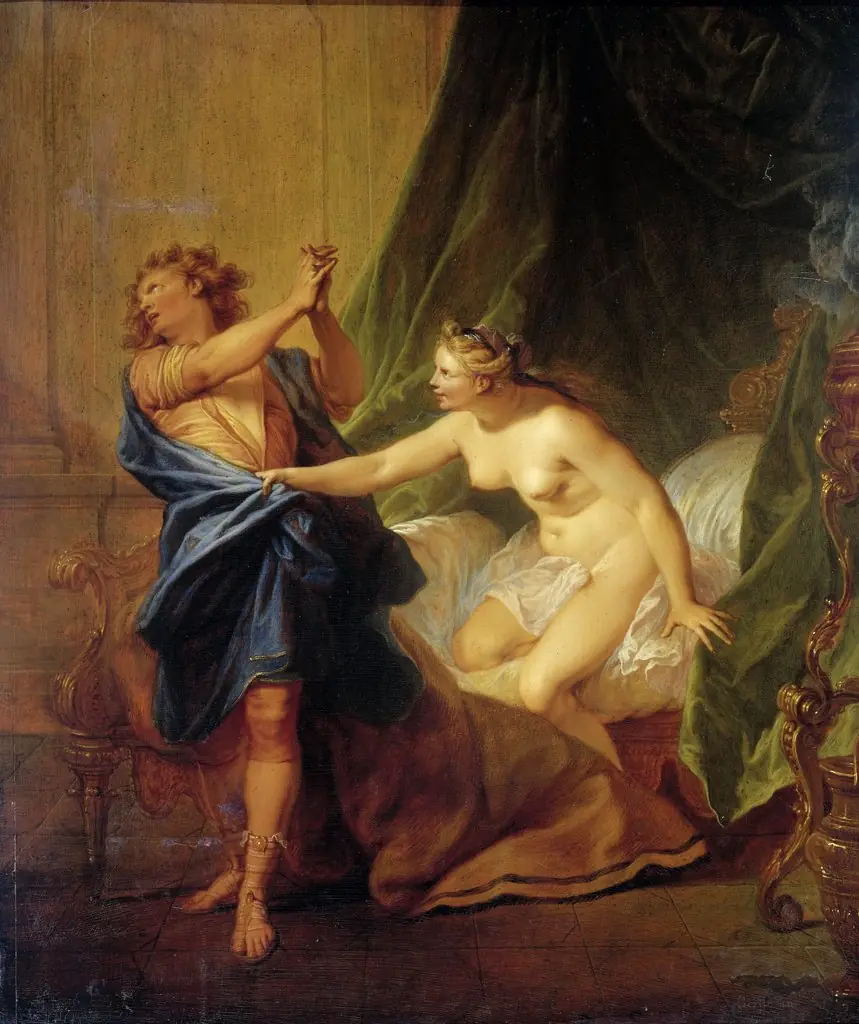 Joseph and Potiphar's Wife
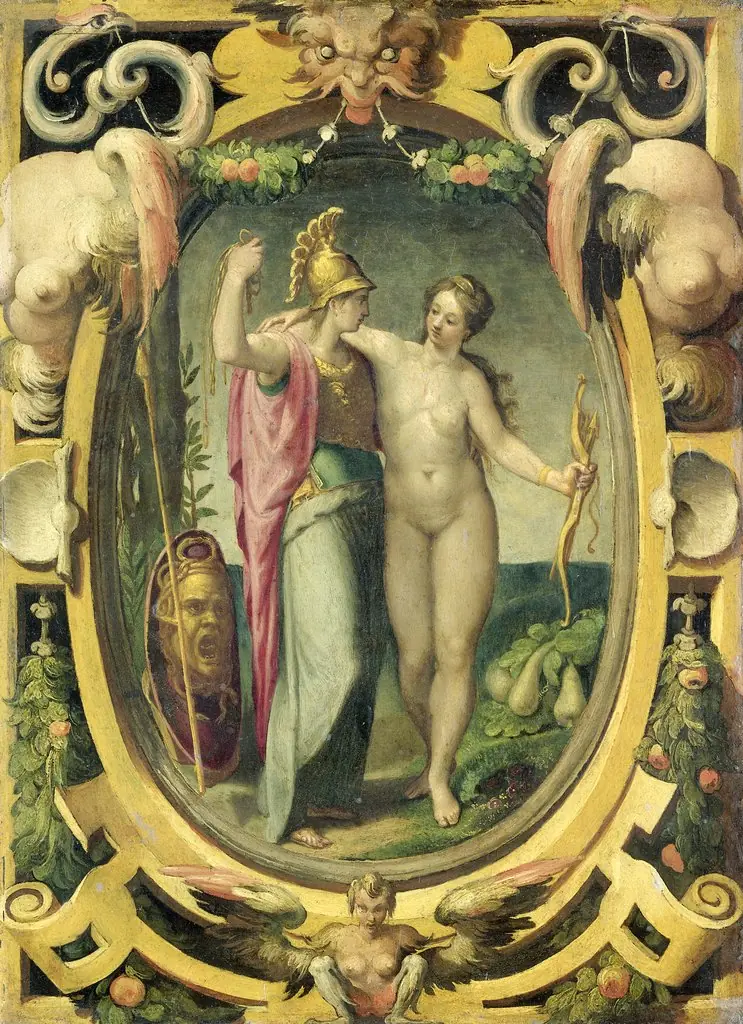 Venus and Minerva
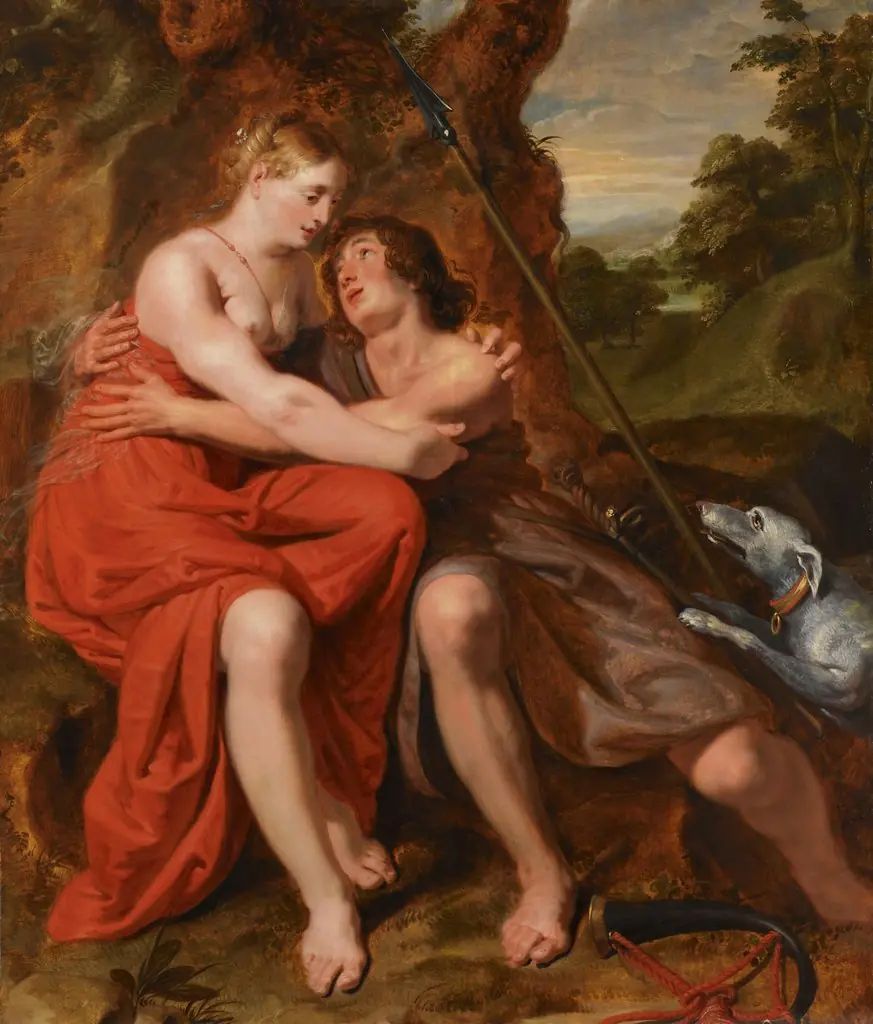 Venus and Adonis
 Agrippina and Germanicus
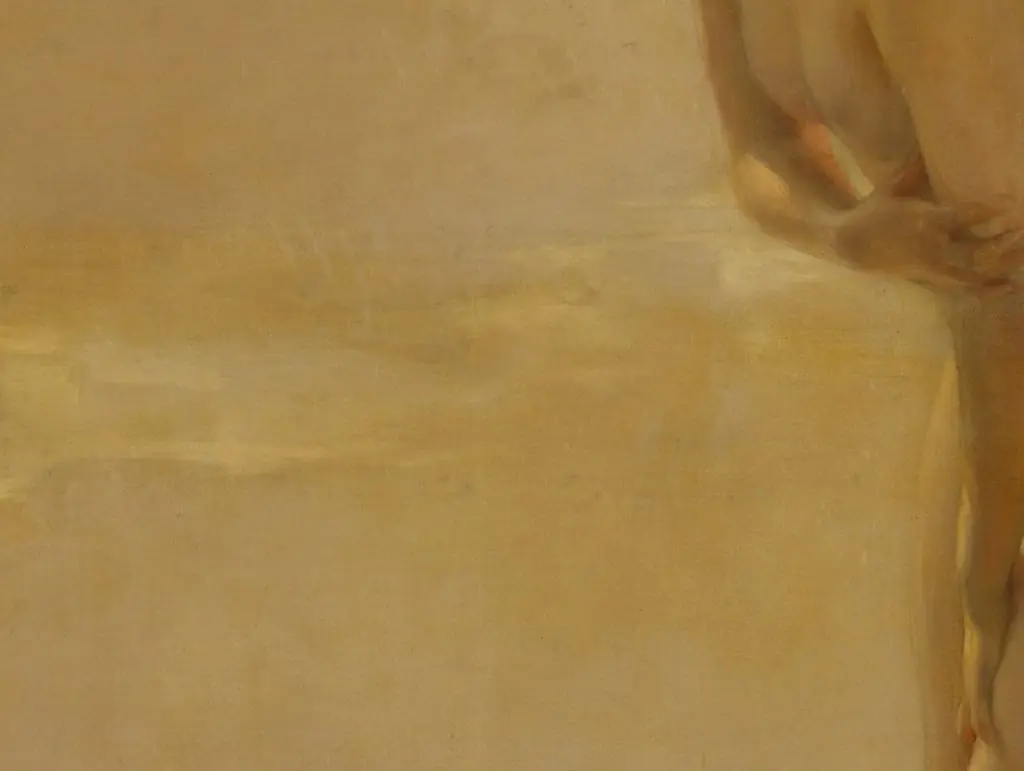 September Morn
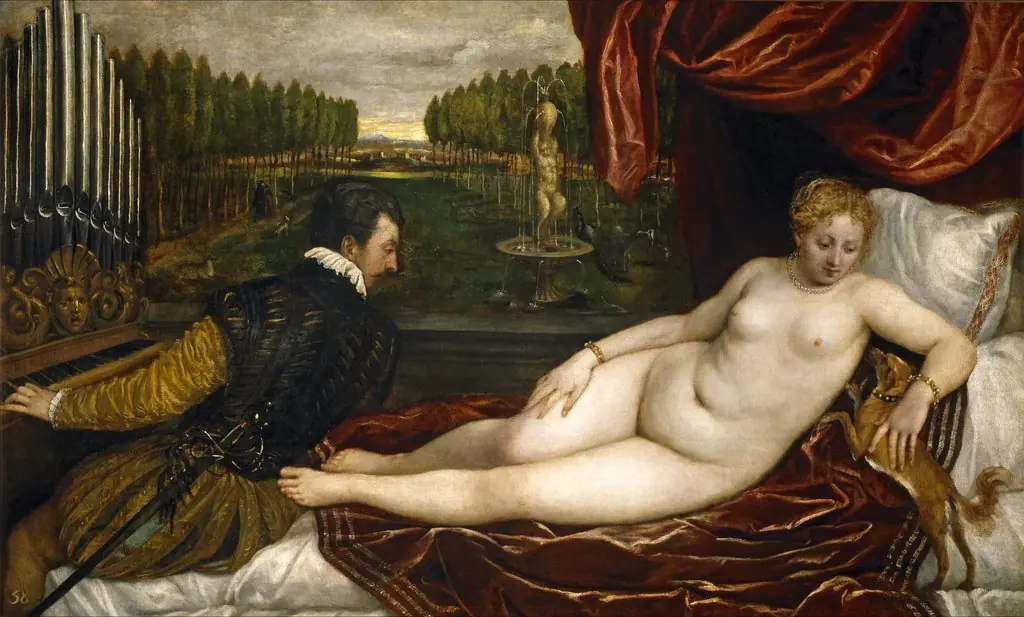 Venus and Music
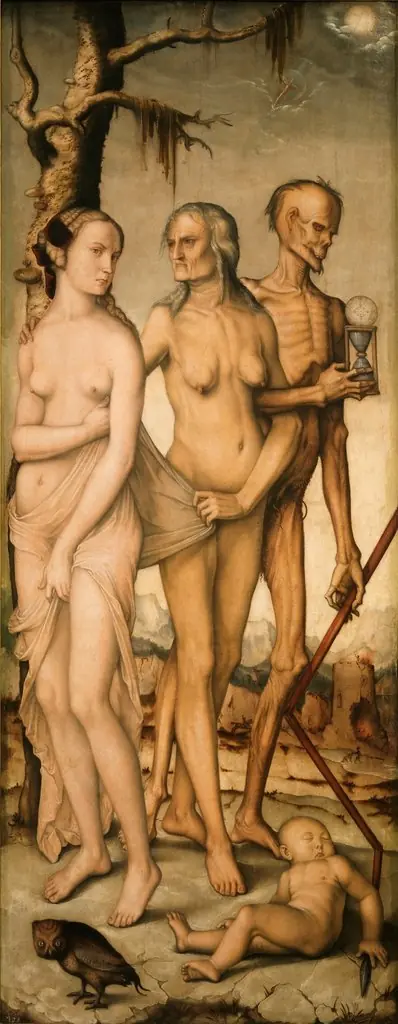 The Ages and Death
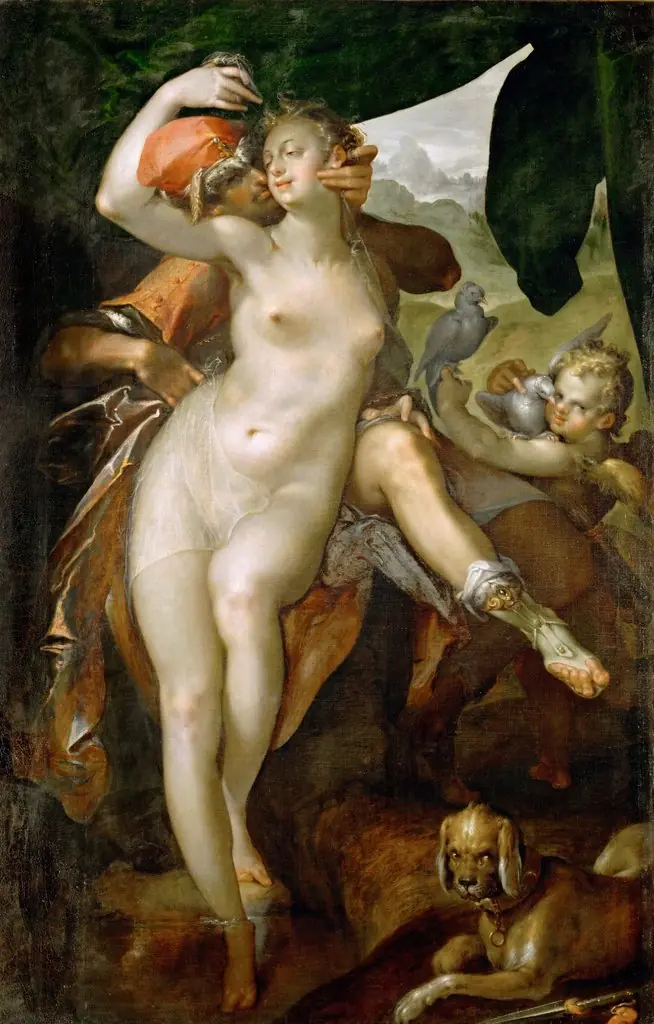 Venus and Adonis
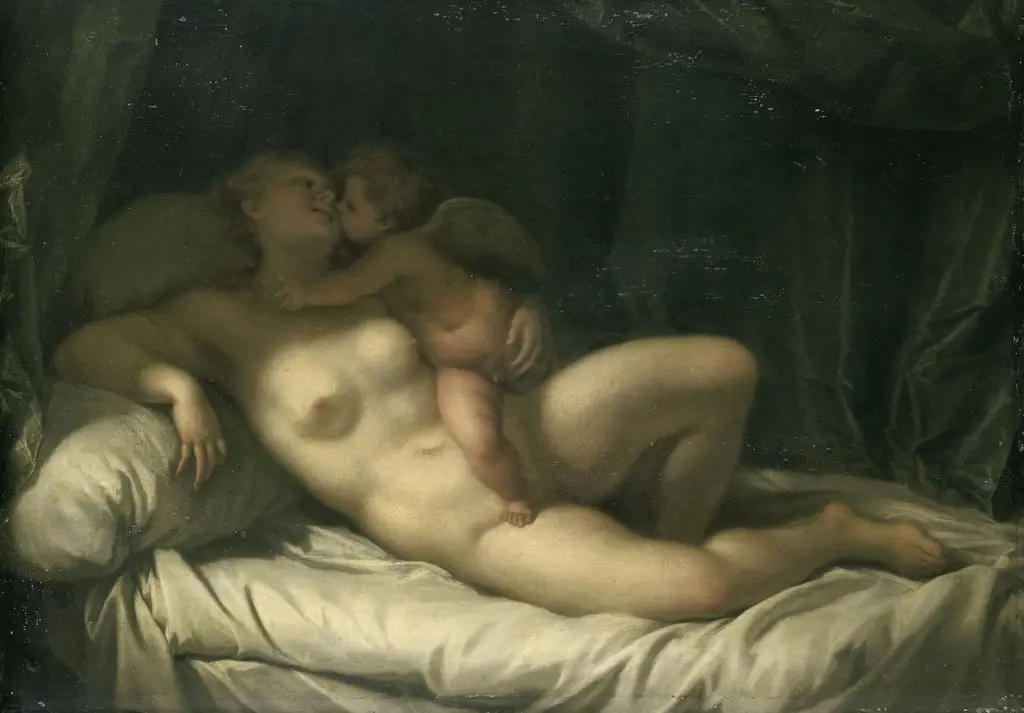 Cupid Kissing Venus (Venus Kissed by Amor)
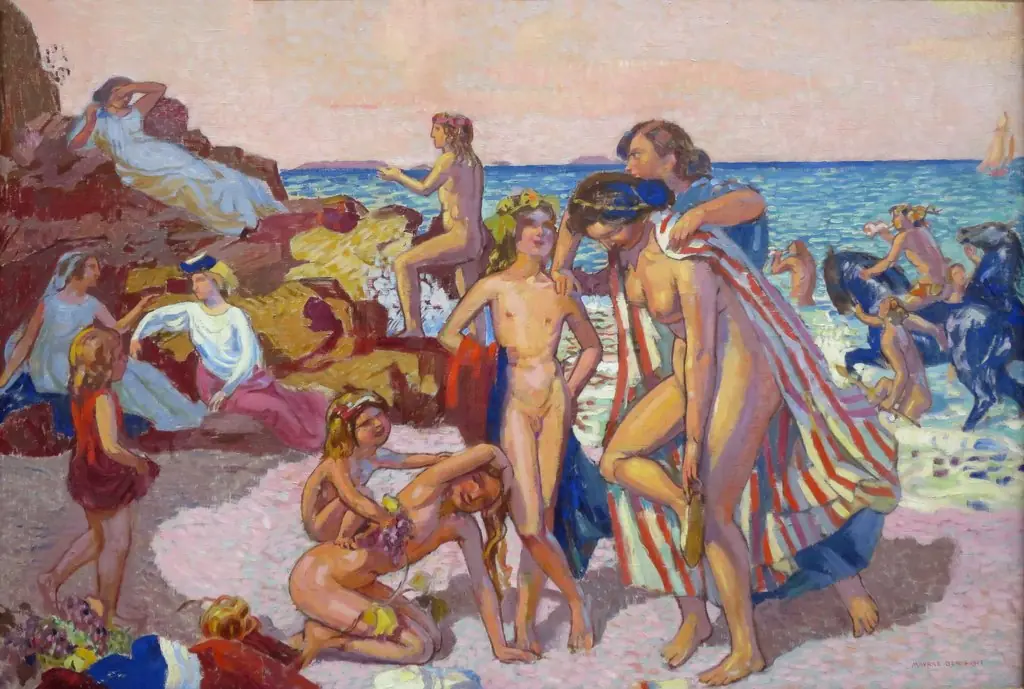 Bacchus and Ariadne
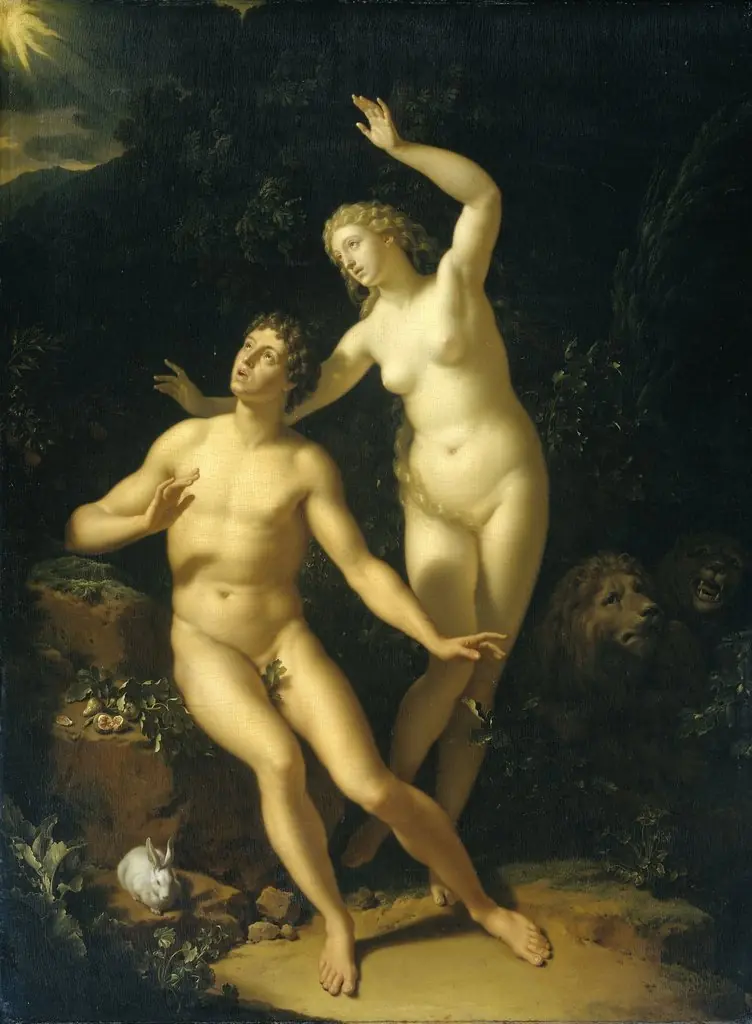 God Holds Adam and Eve Responsible
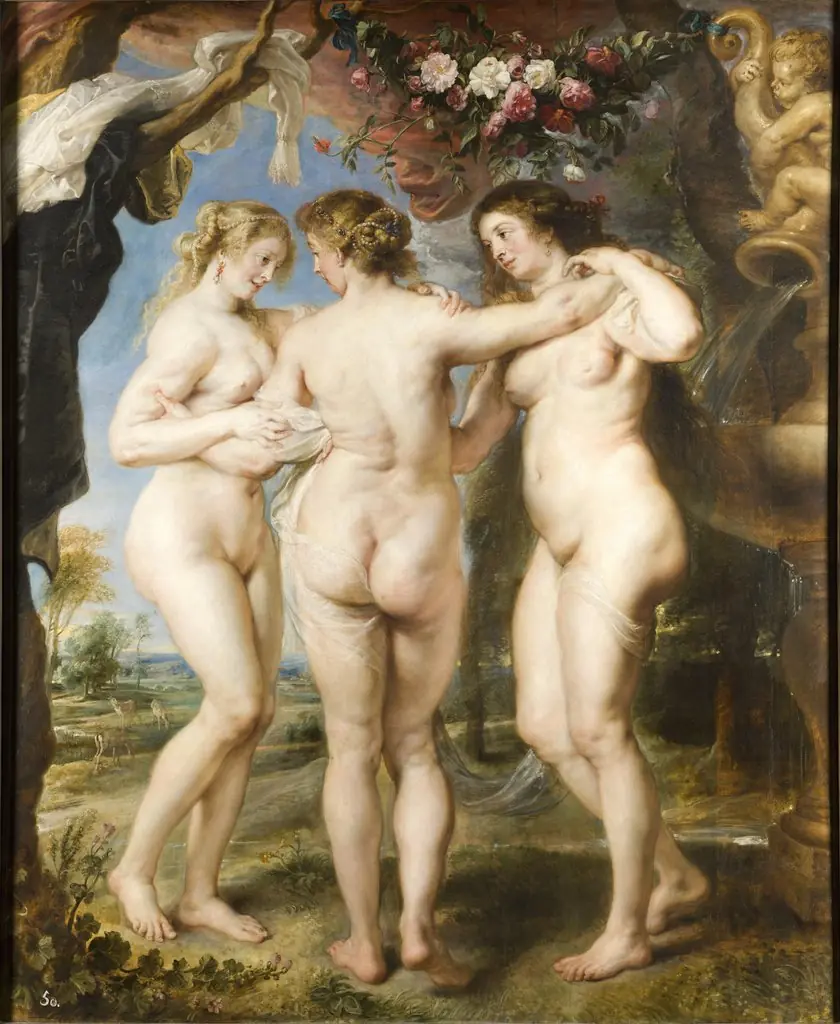 The Three Graces
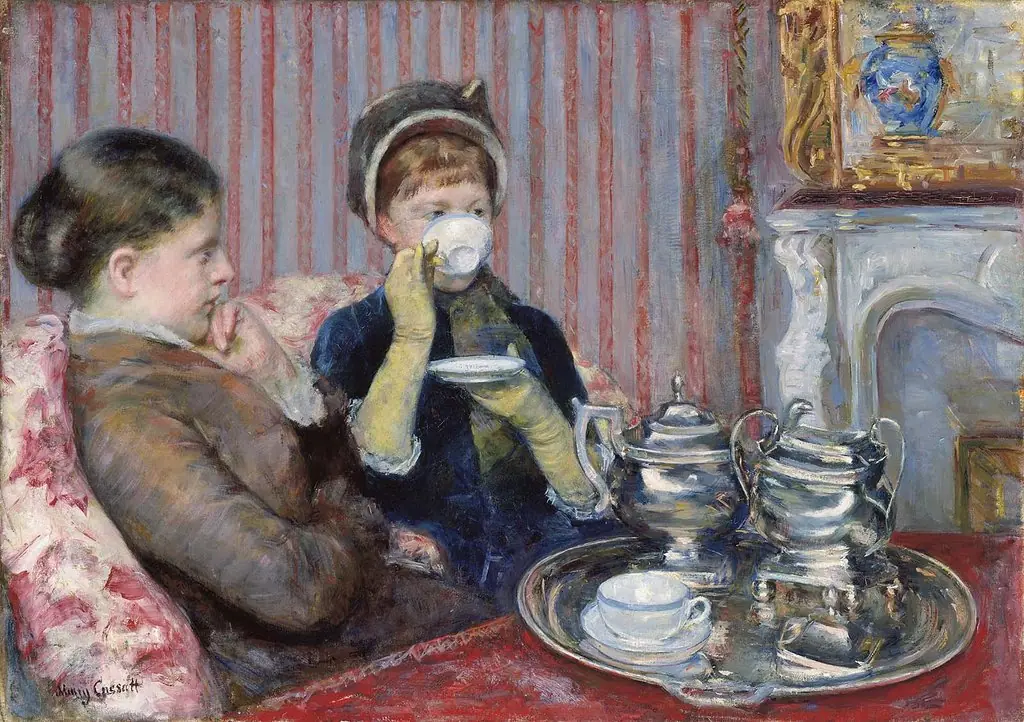 Five O'Clock Tea
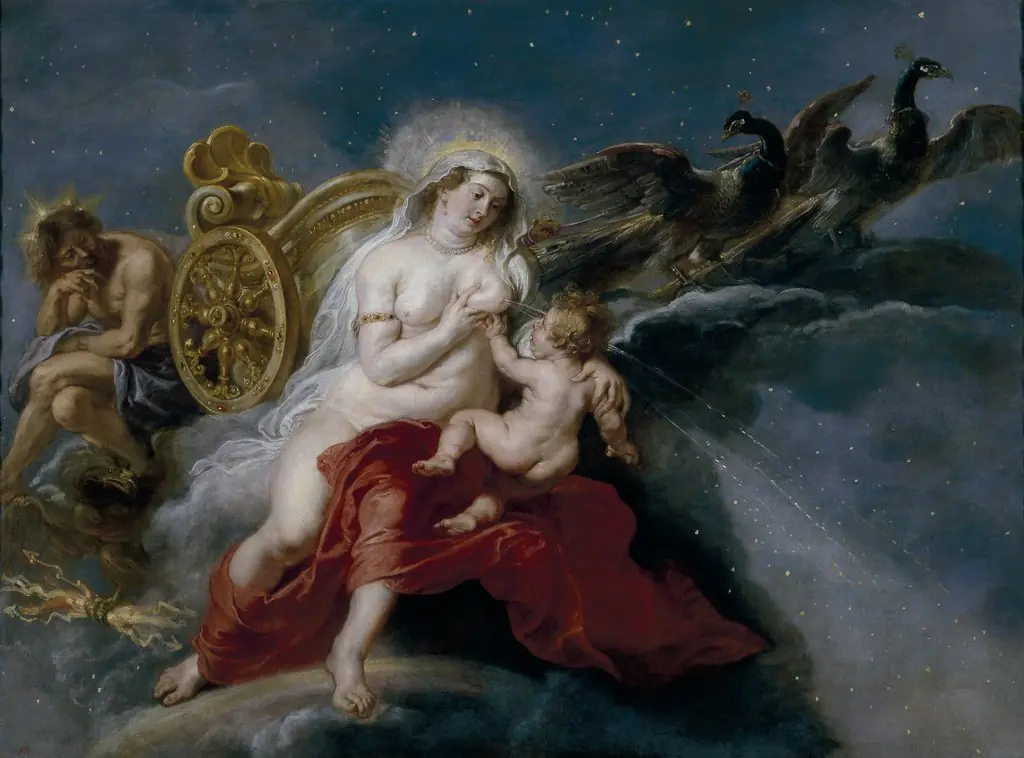 The Origin of the Milky Way
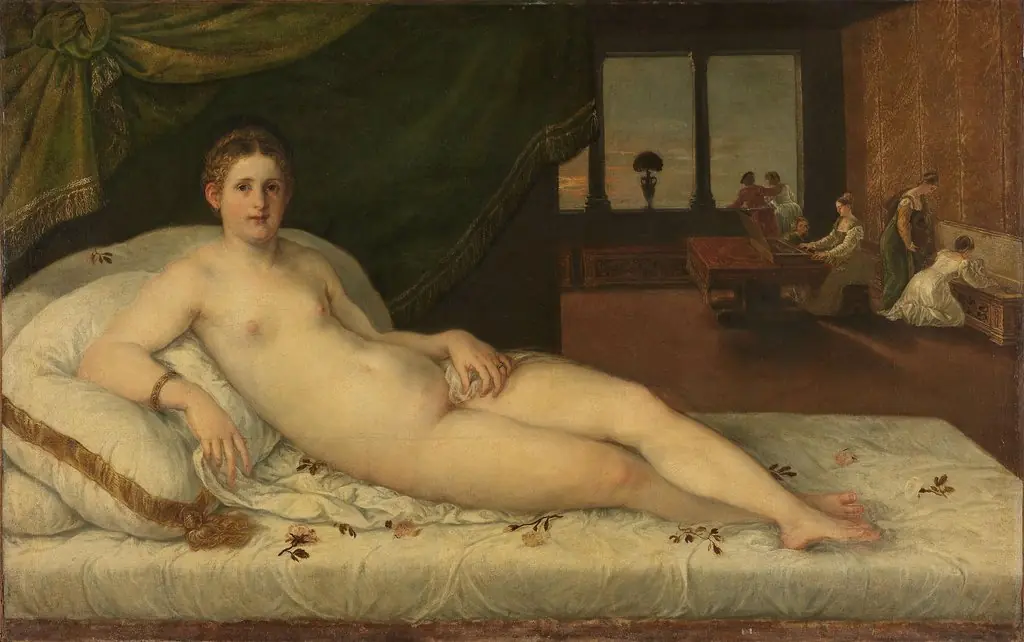 Reclining Venus
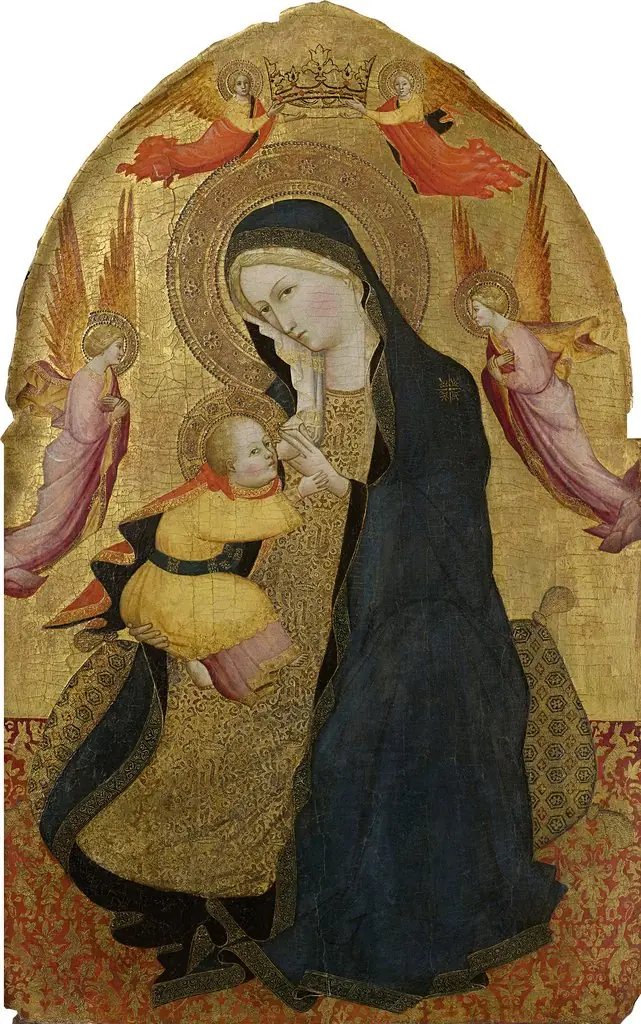 Madonna of Humility (Madonna dell'Umiltà)
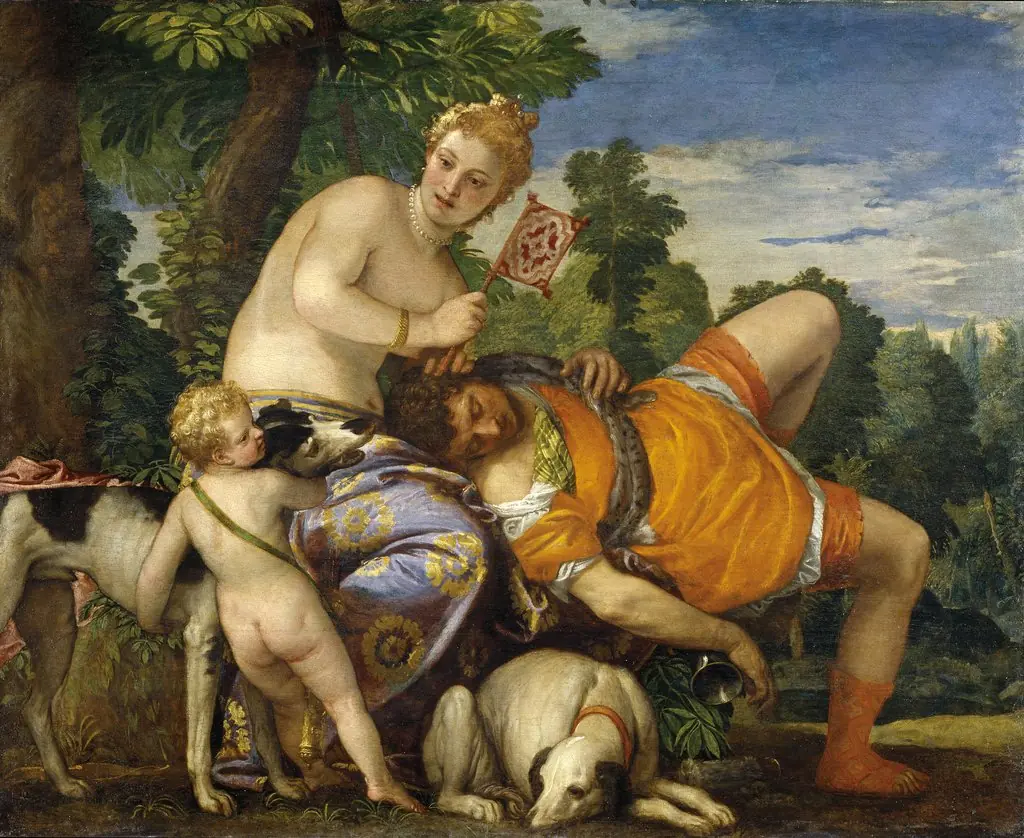 Venus and Adonis
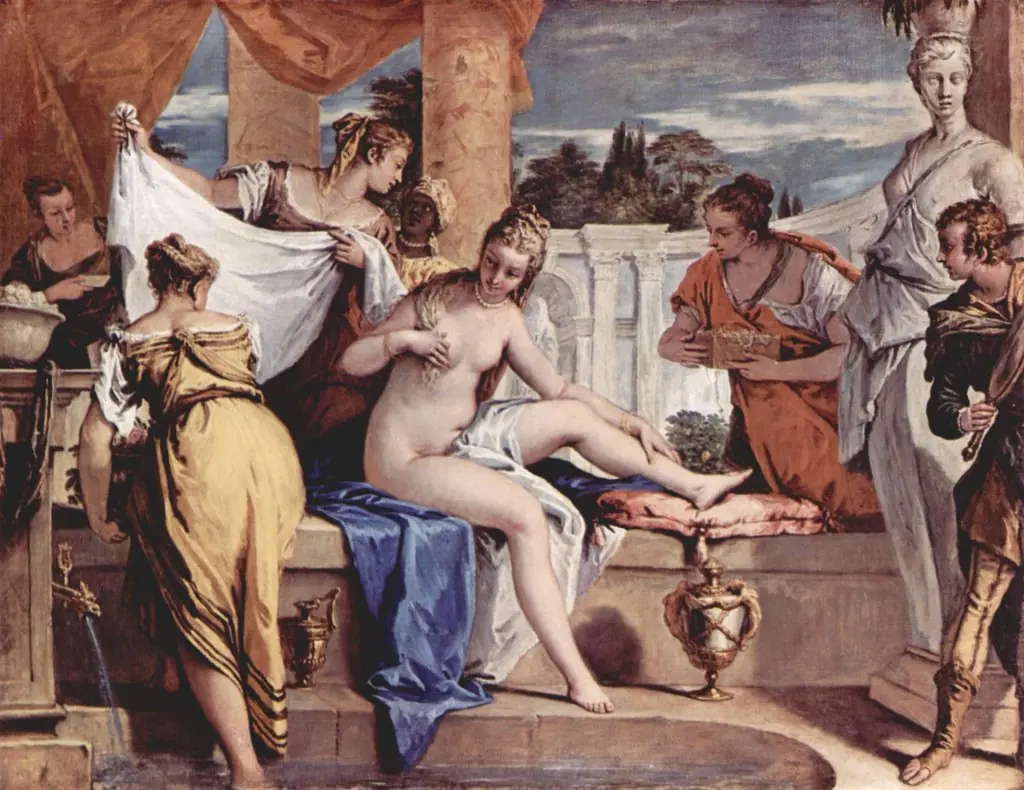 Bathsheba at her bath
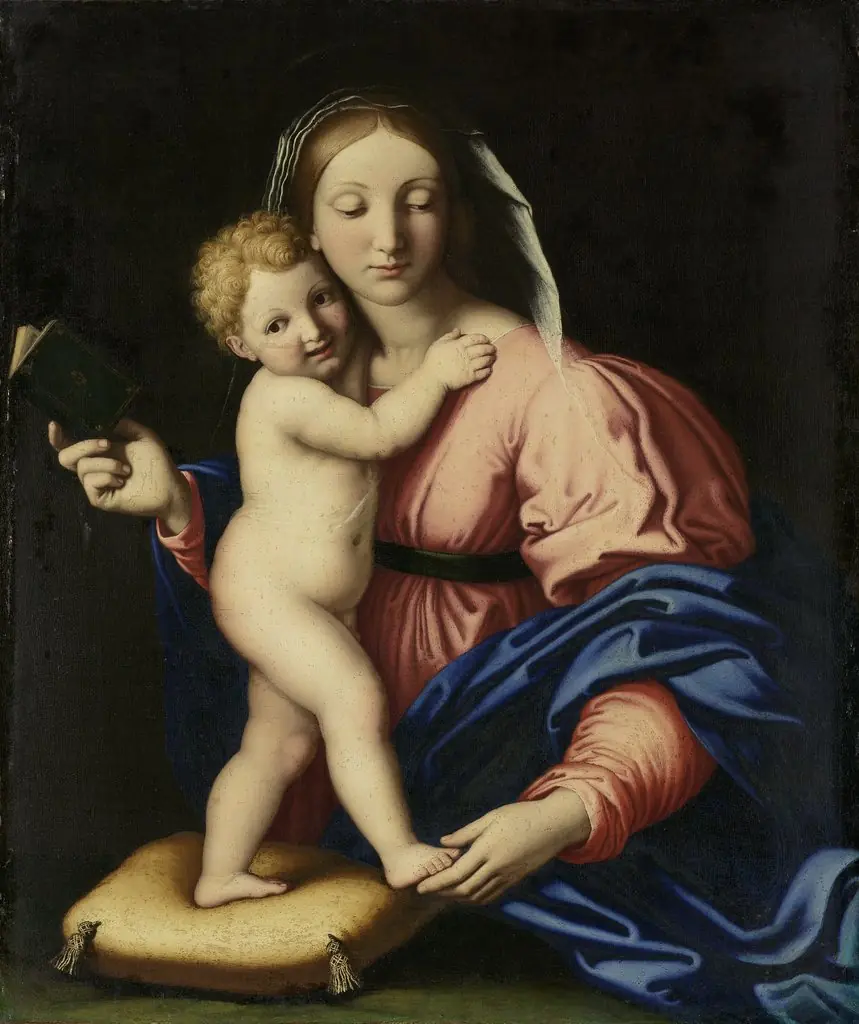 Virgin and Child
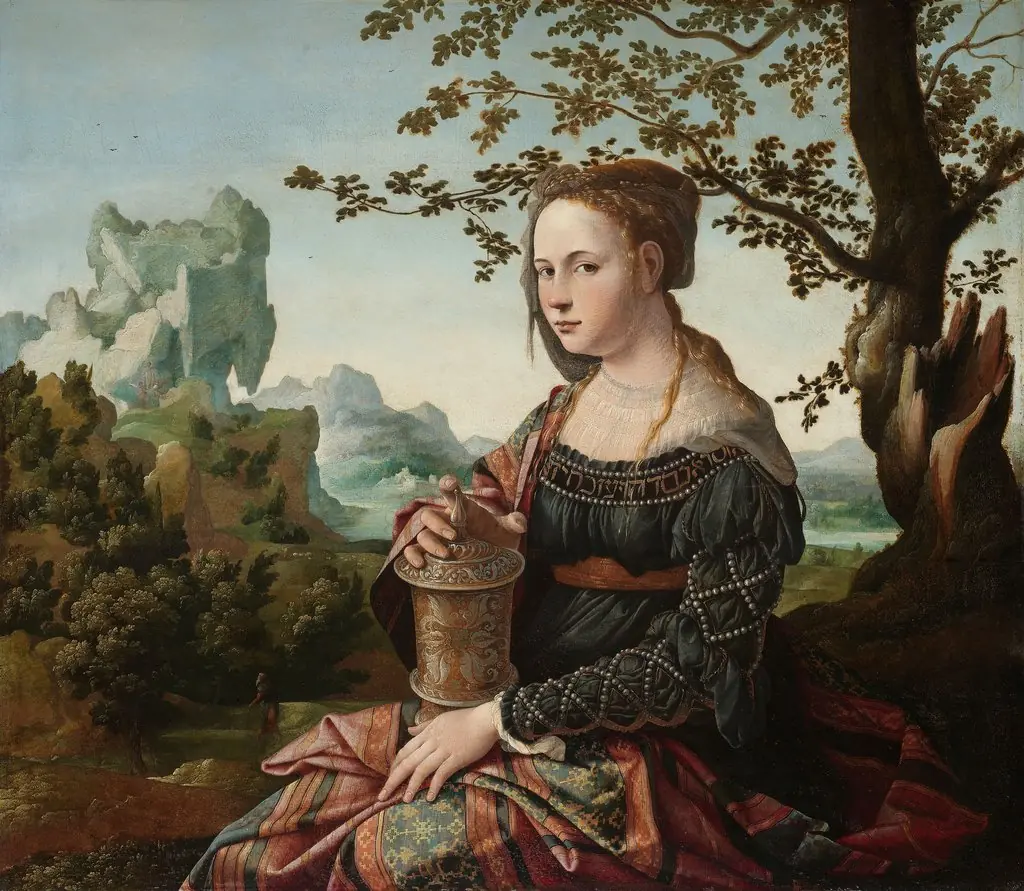 Mary Magdalene
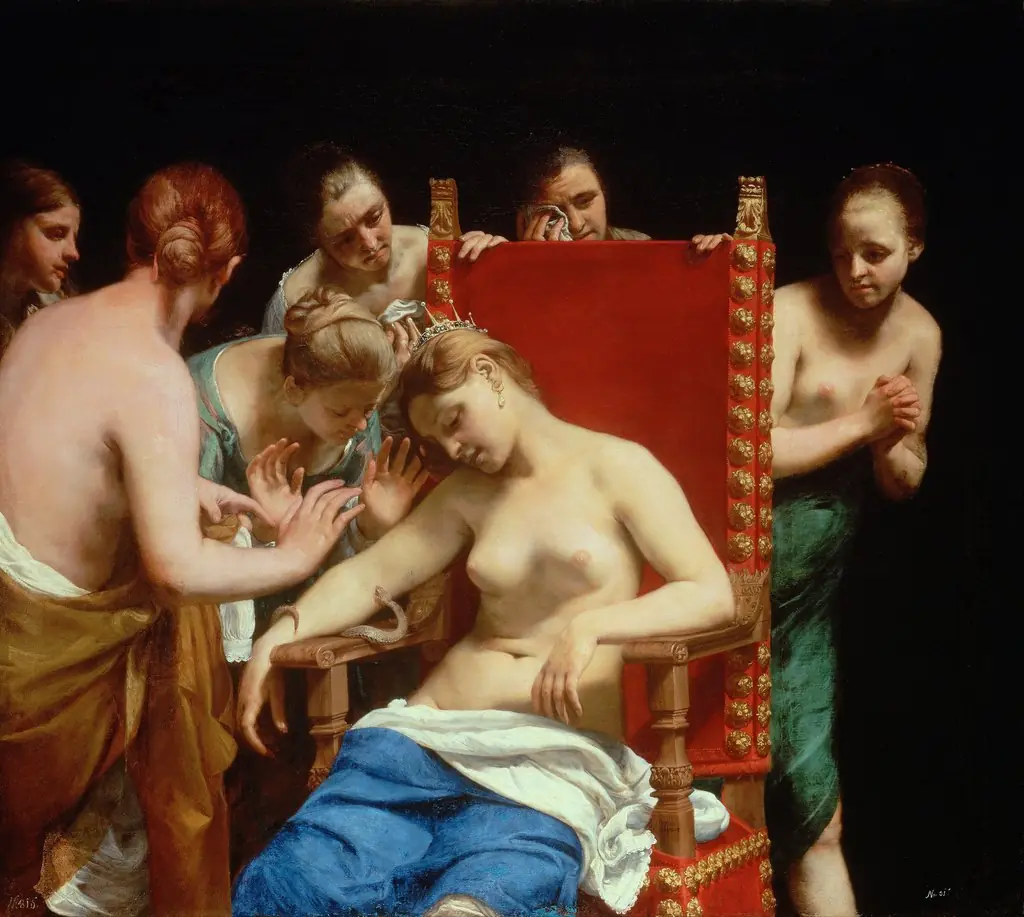 The Death of Cleopatra
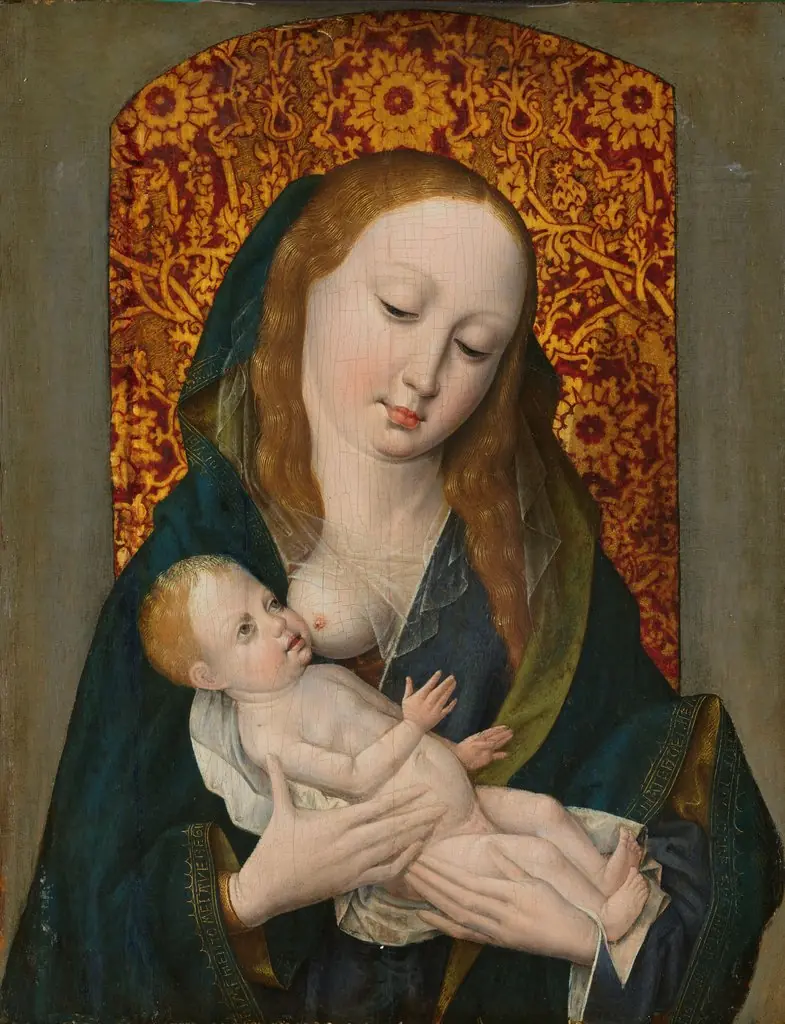 The Virgin and Child
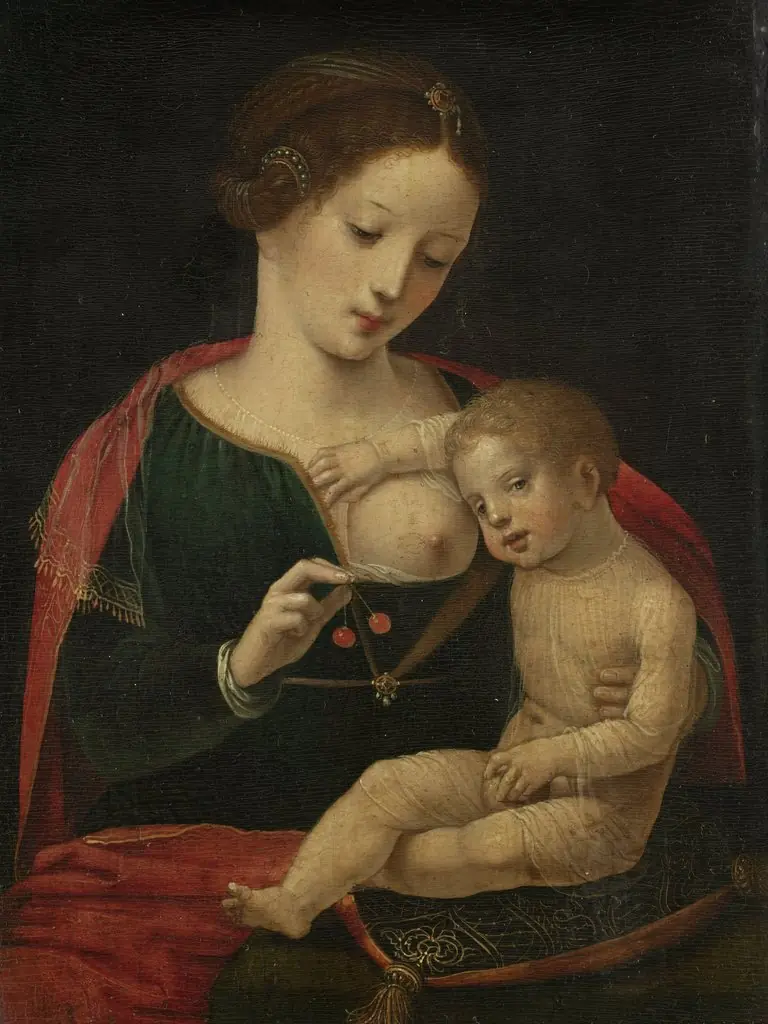 Madonna and child
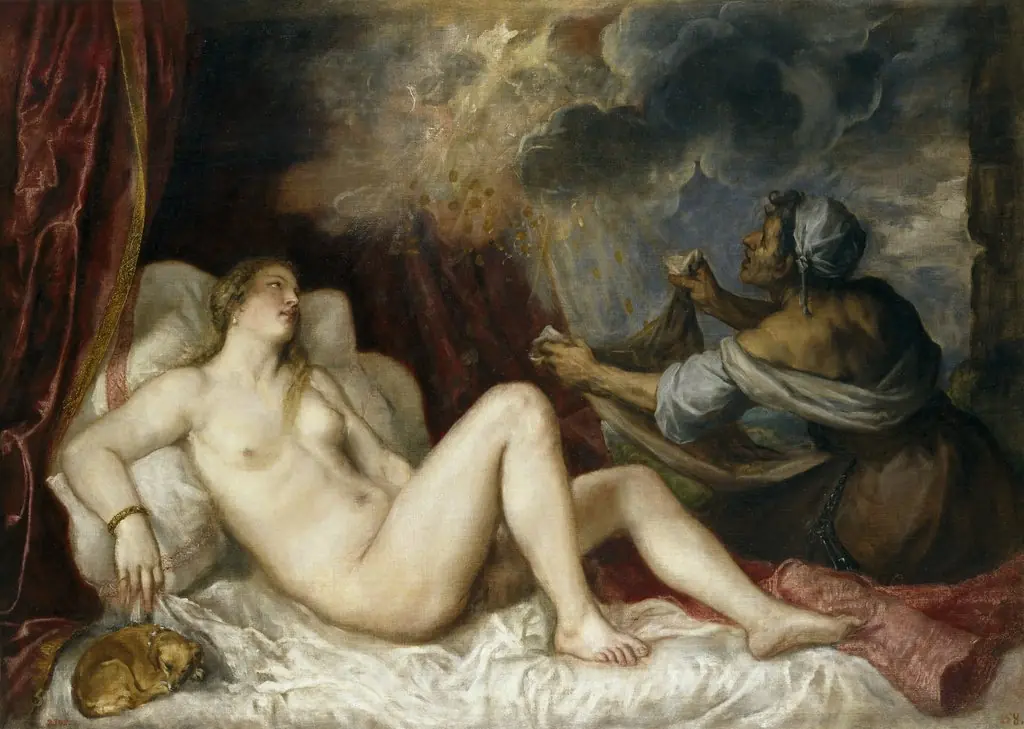 Danaë
Danaë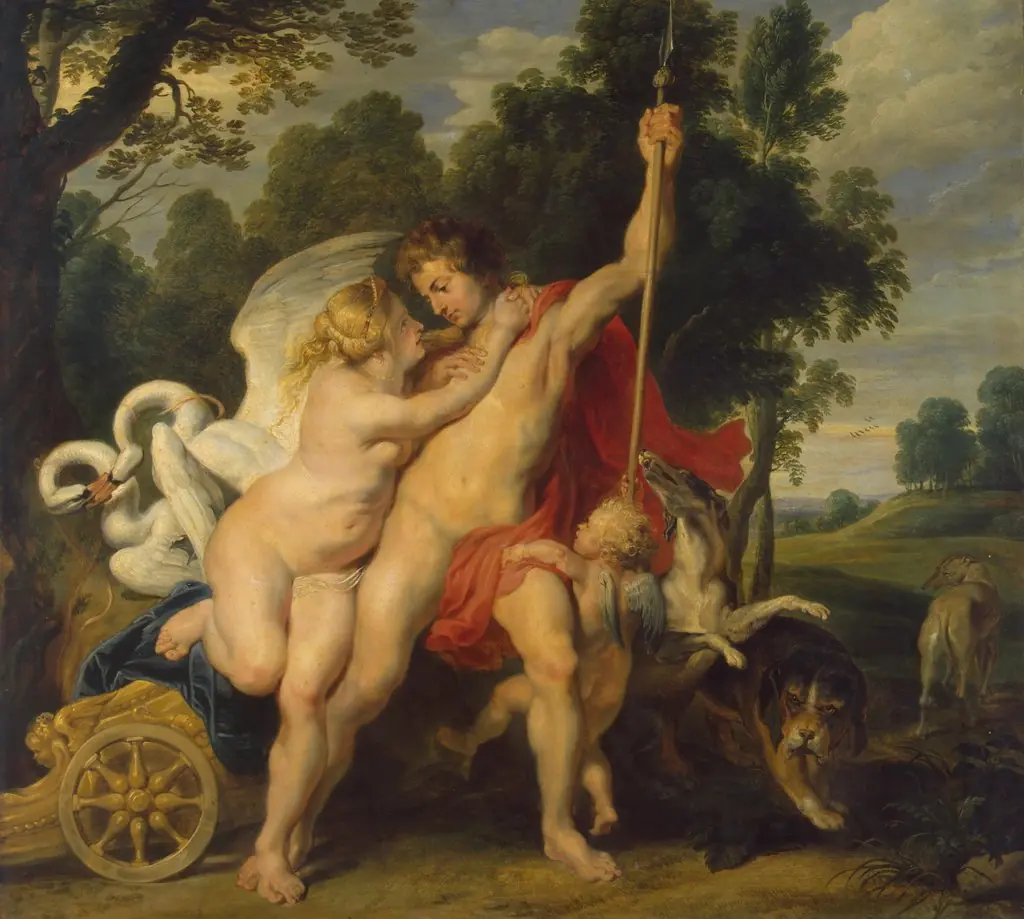 Venus and Adonis (Rubens, 1614)
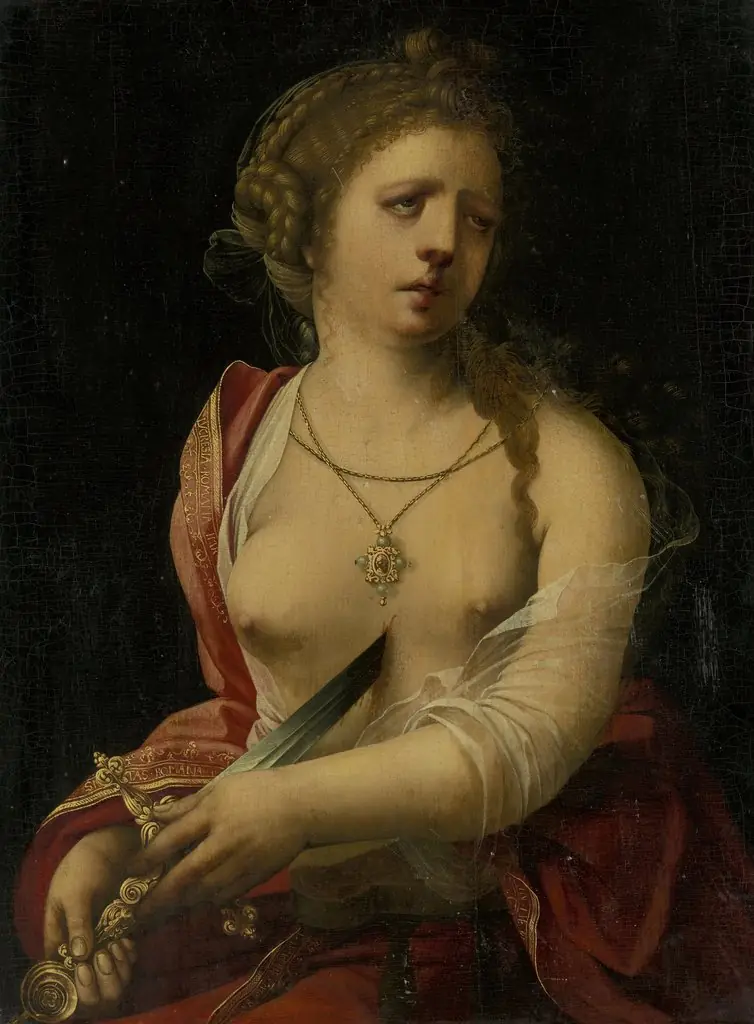 The suicide of Lucretia
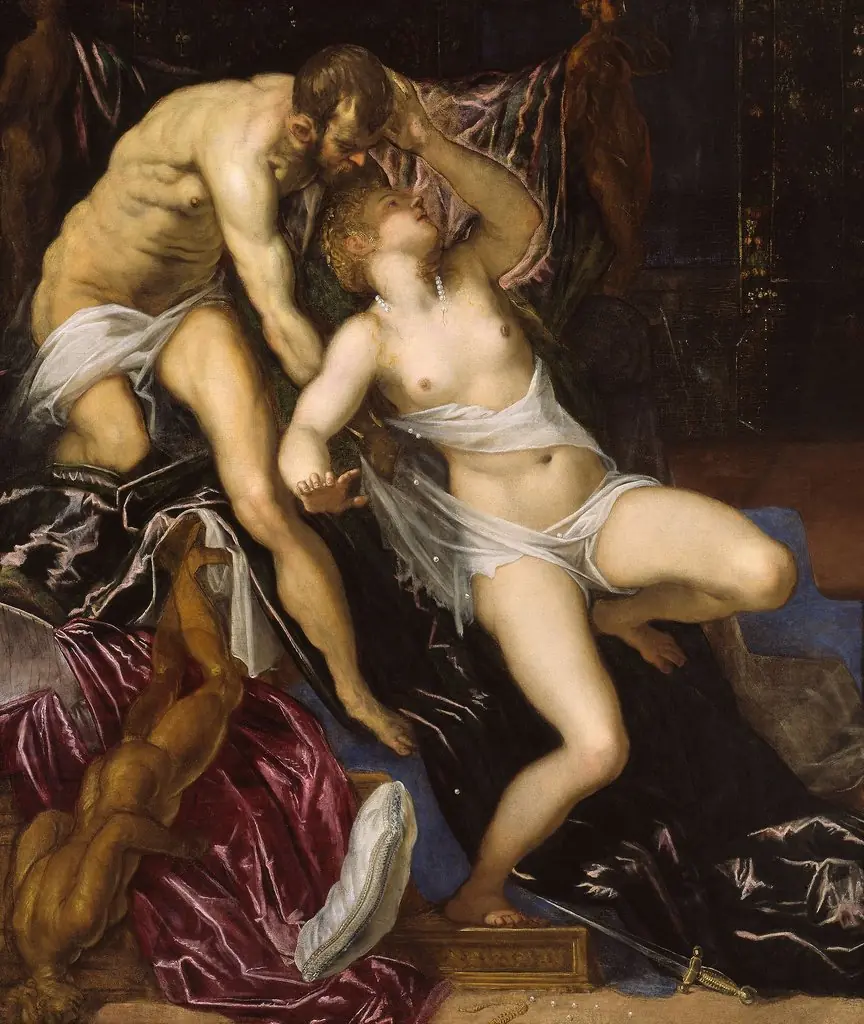 Tarquin and Lucretia
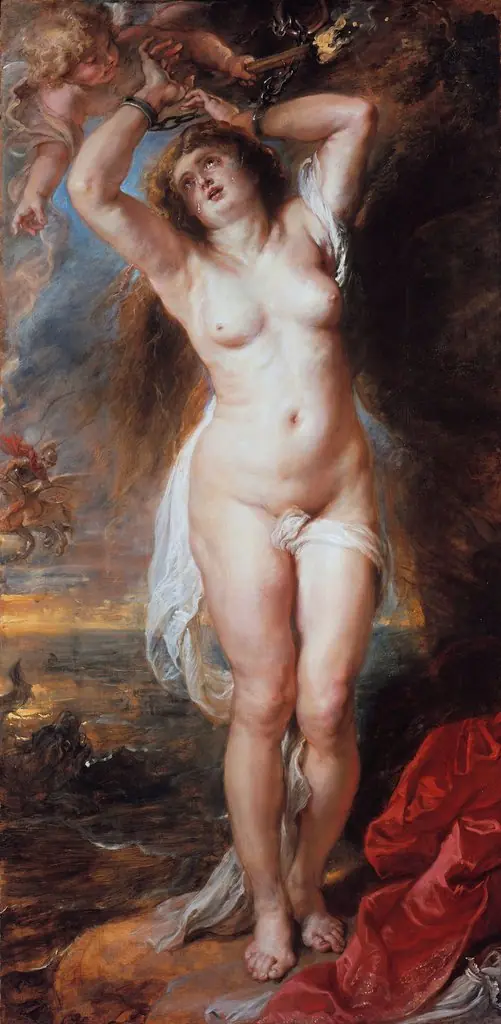 Perseus Freeing Andromeda
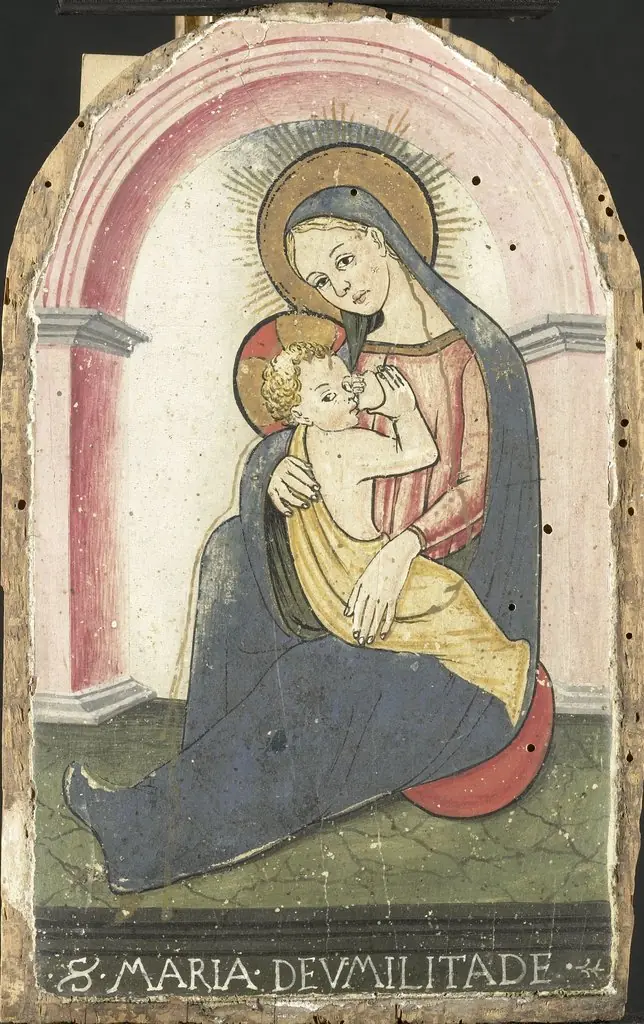 Madonna of Humility
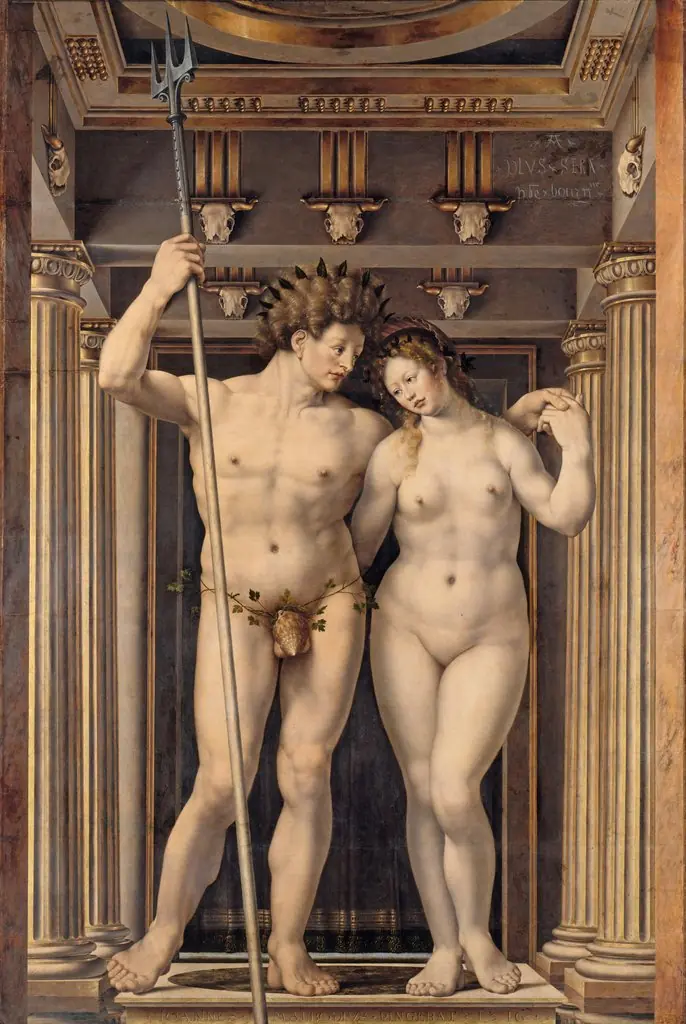 Neptune and Amphitrite
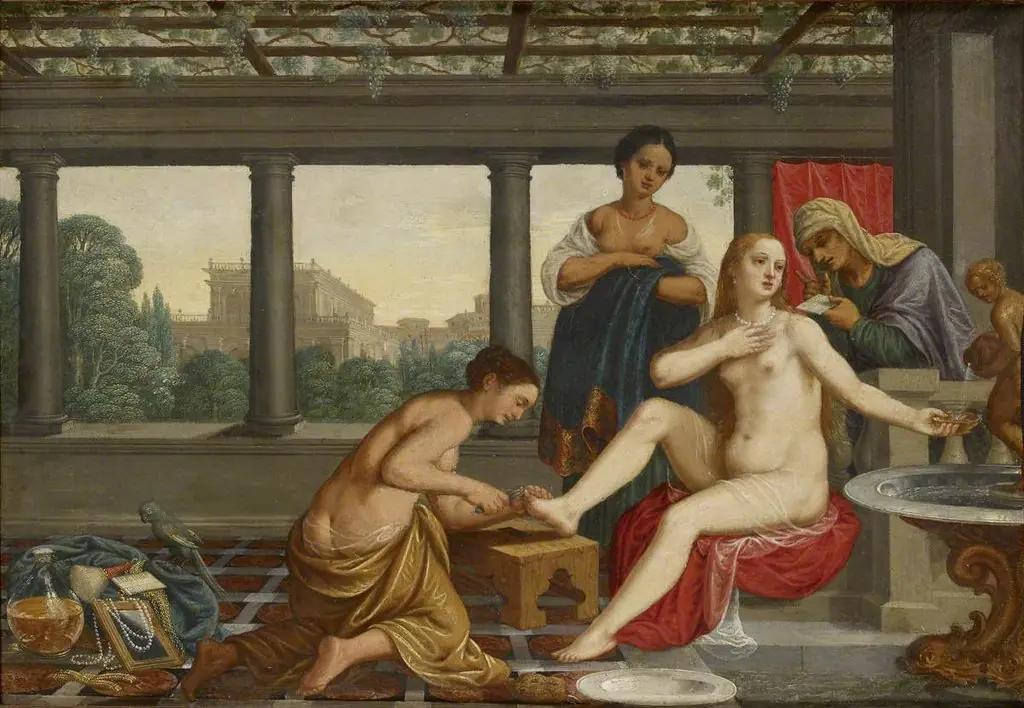 Bathsheba's Bath
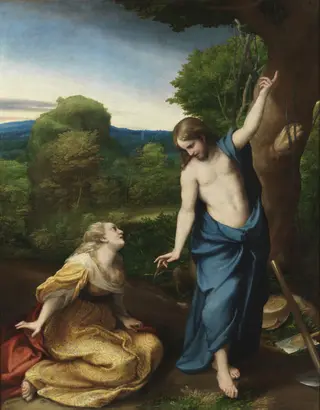 Noli me tangere
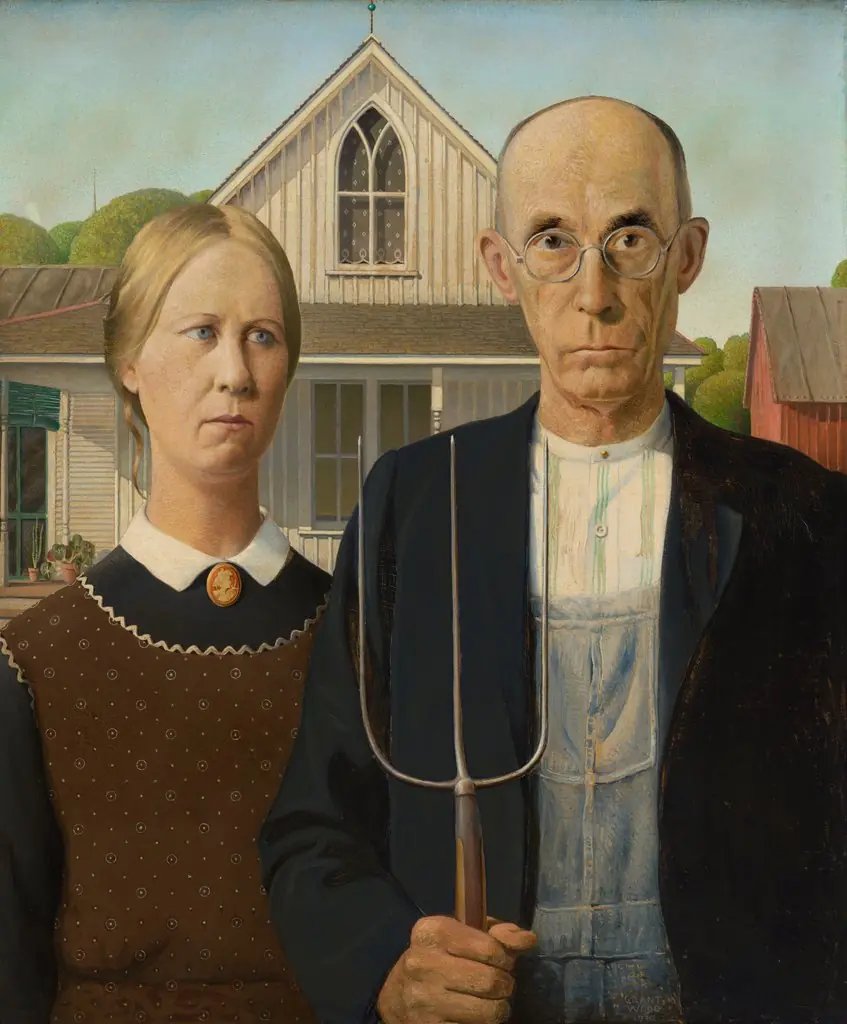 American Gothic
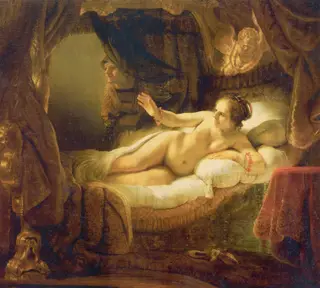 Danaë
Danaë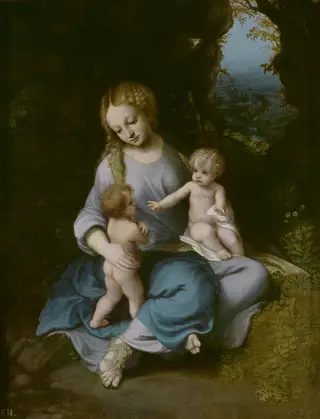 Madonna and Child with the Young Saint John
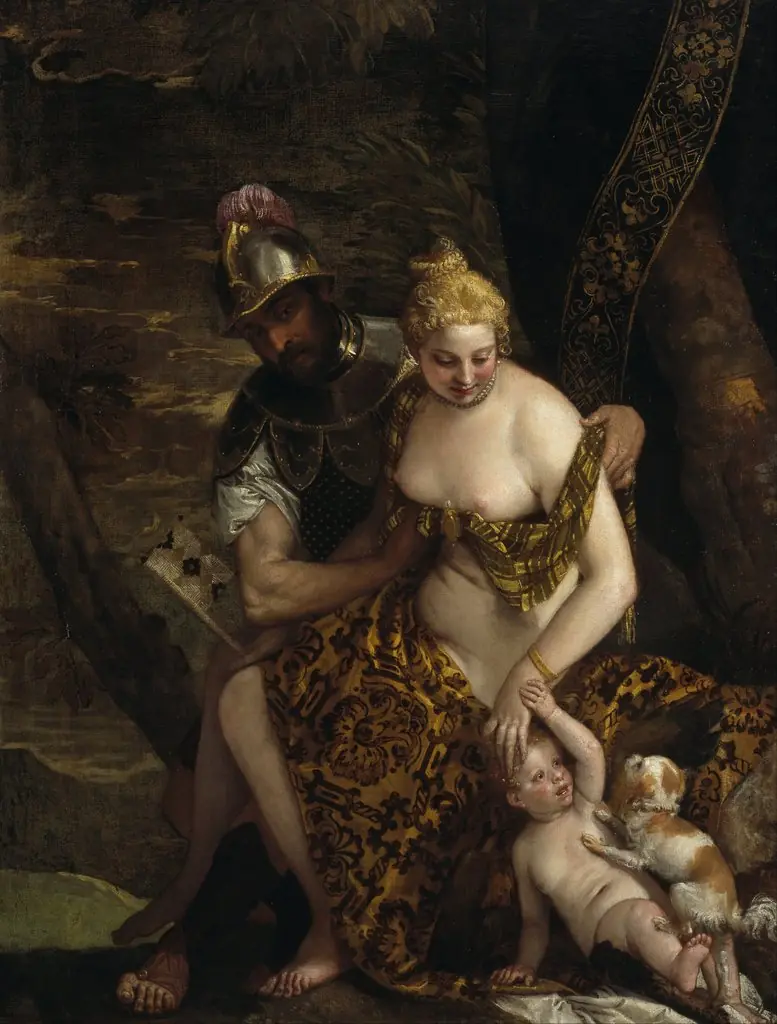 Mars and Venus with Cupid and a Dog
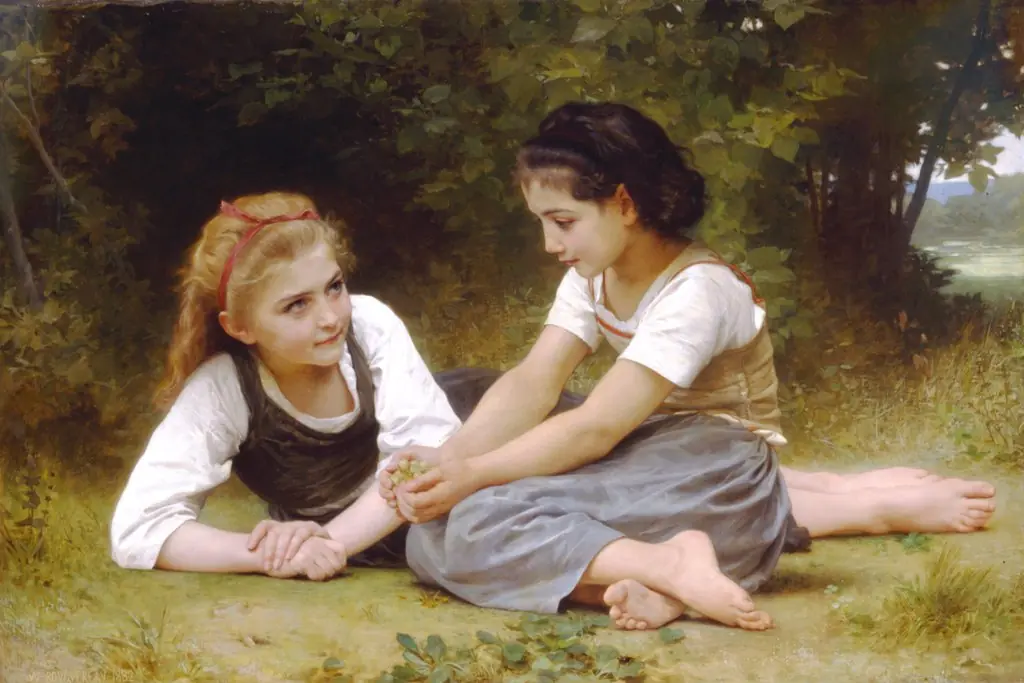 The Nut Gatherers
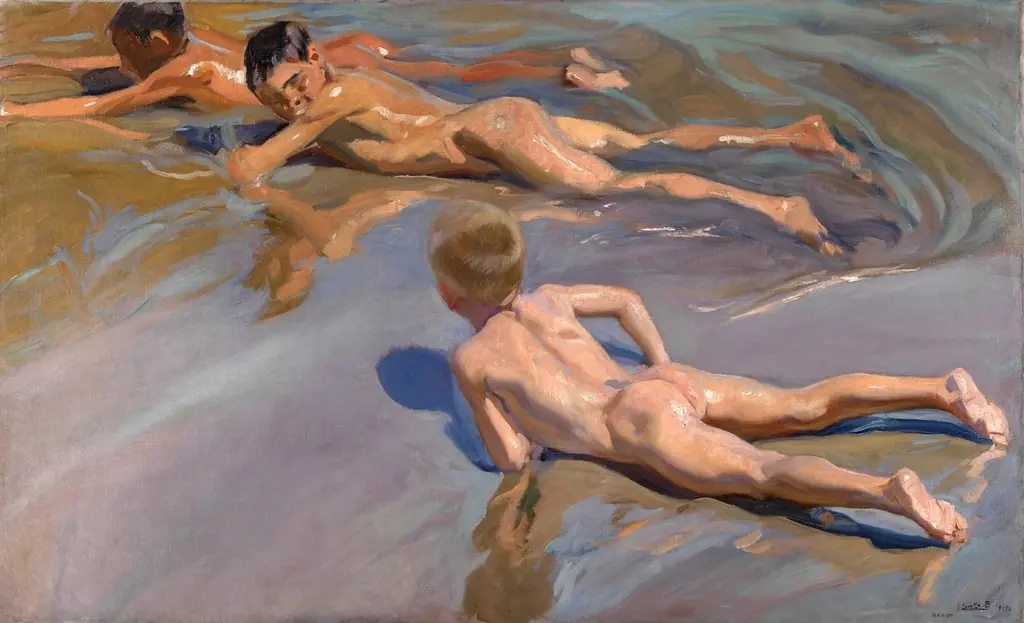 Chicos en la playa
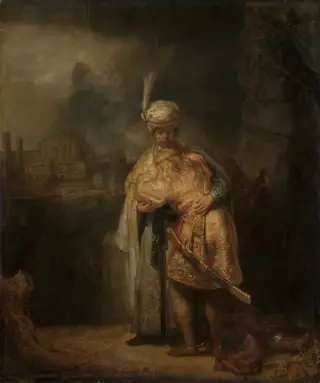 Separation of David and Jonathan
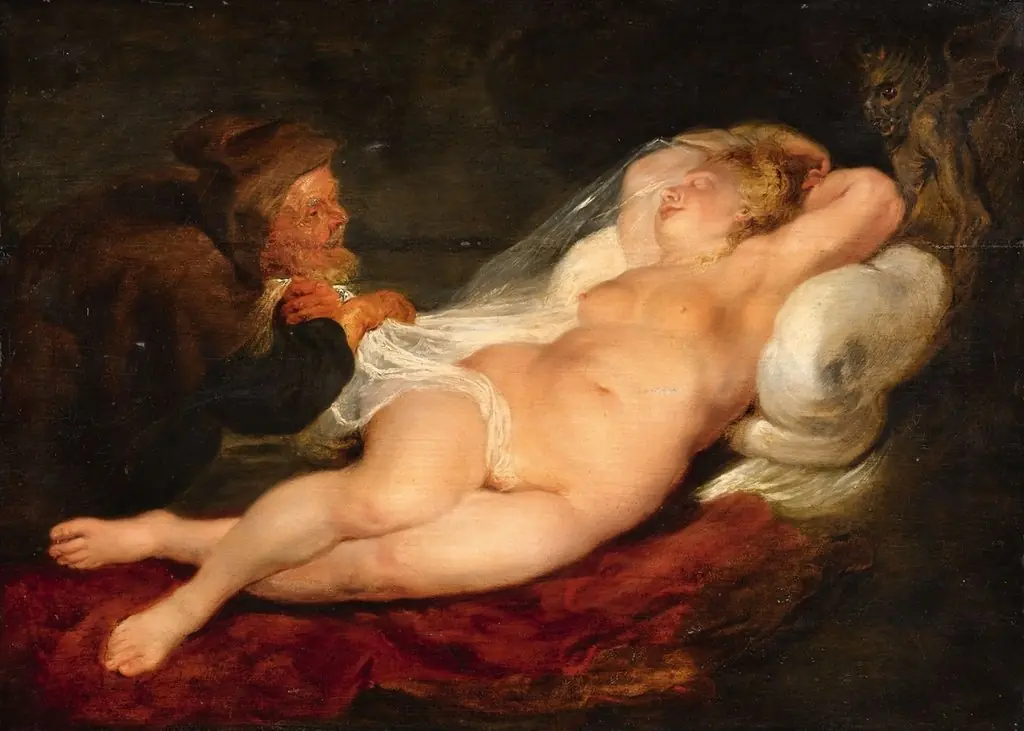 Angelica and the Hermit
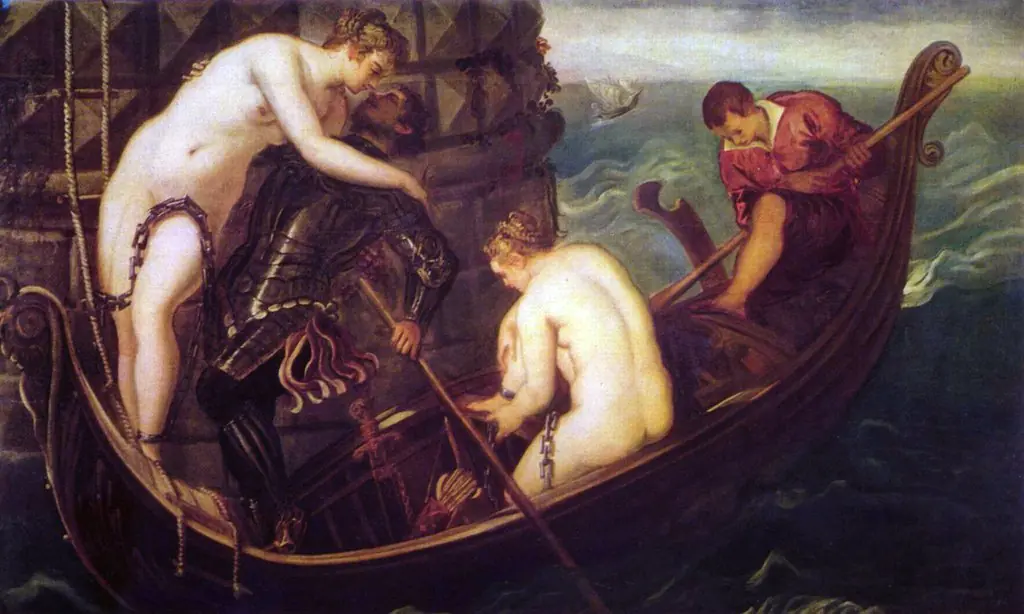 The Deliverance of Arsinoe
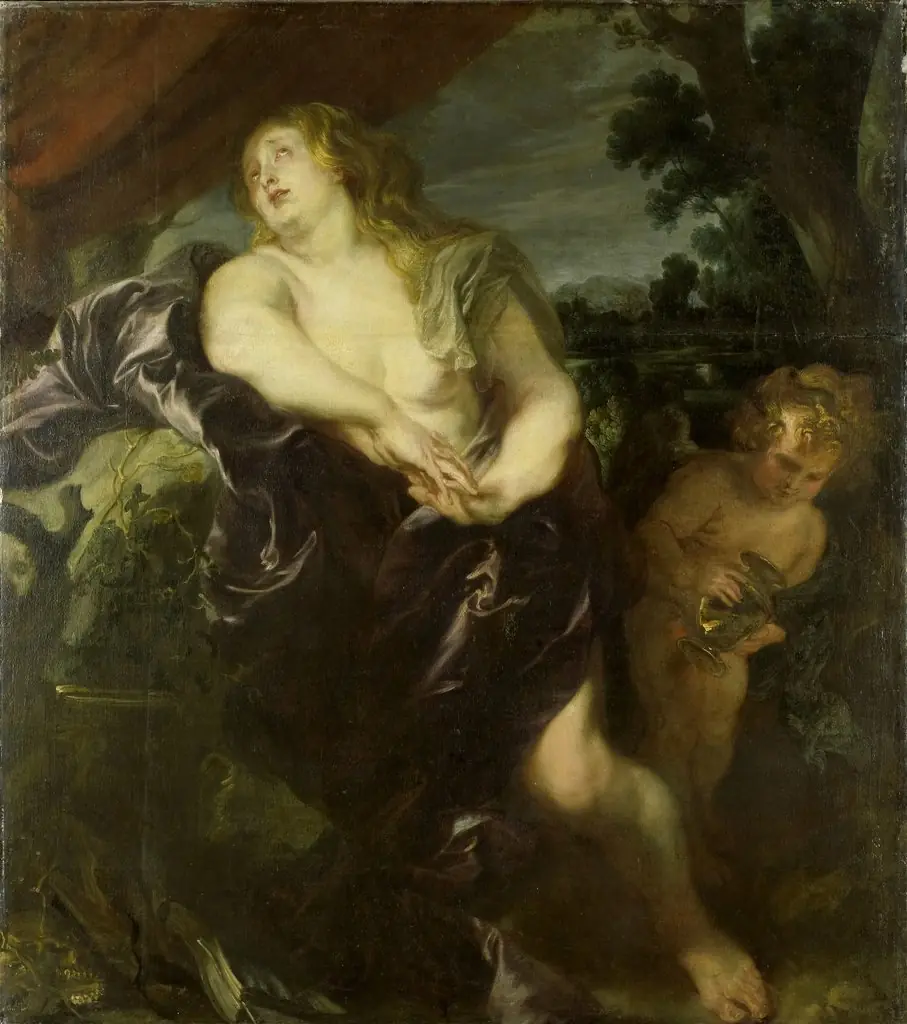 The penitent Mary Magdalene
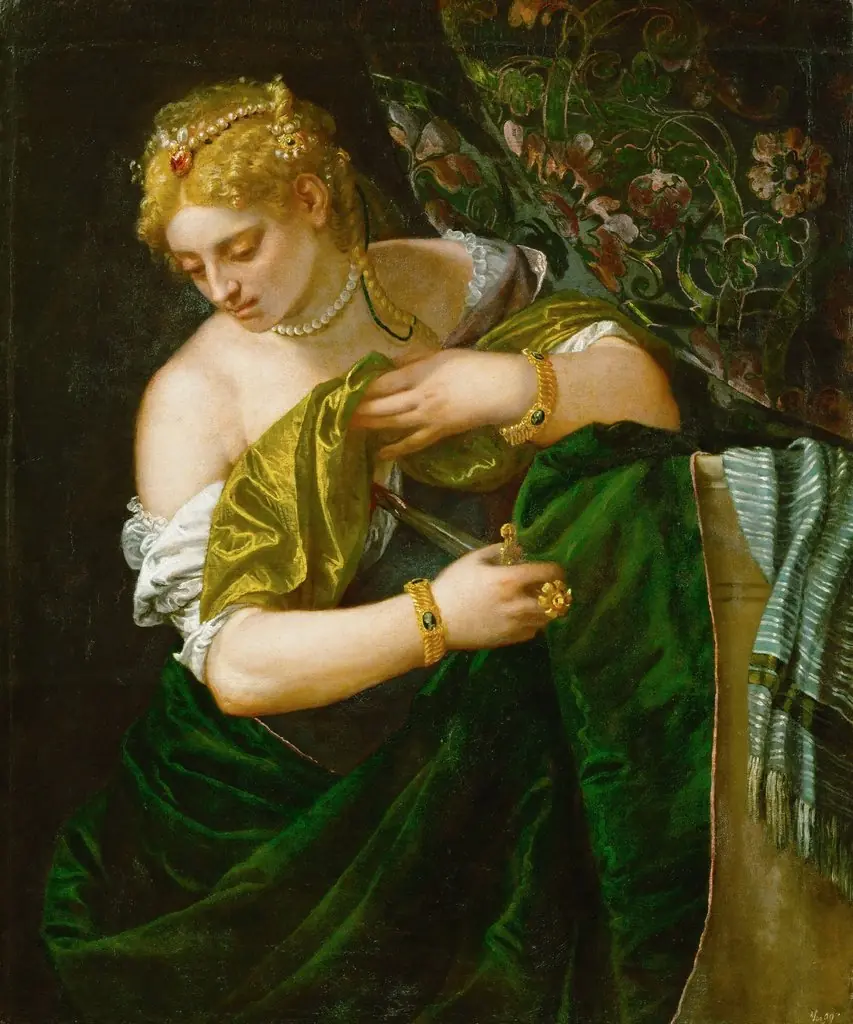 Lucretia
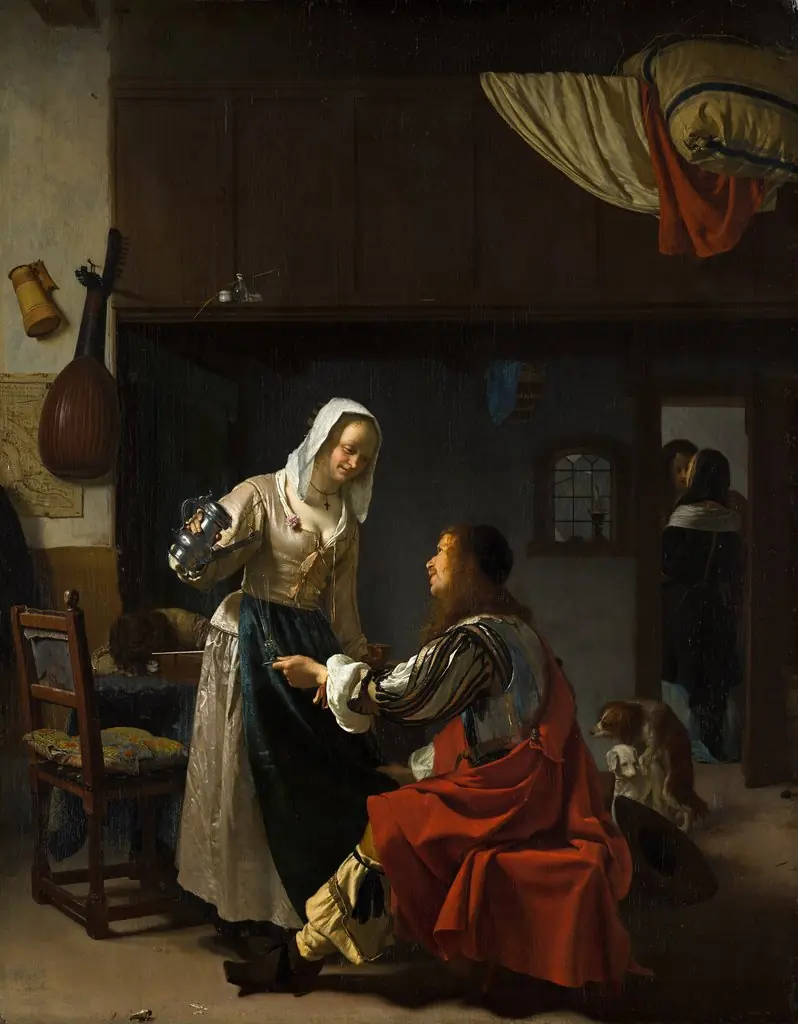 Brothel Scene
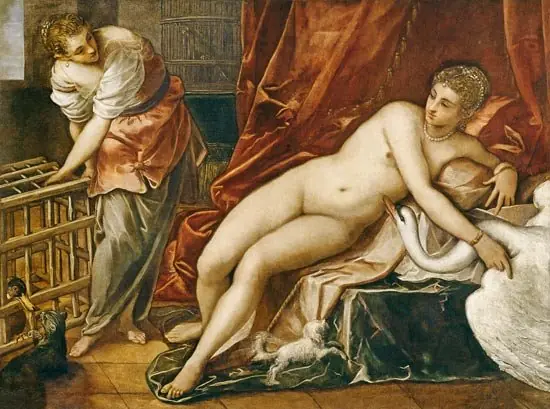 Leda and the Swan
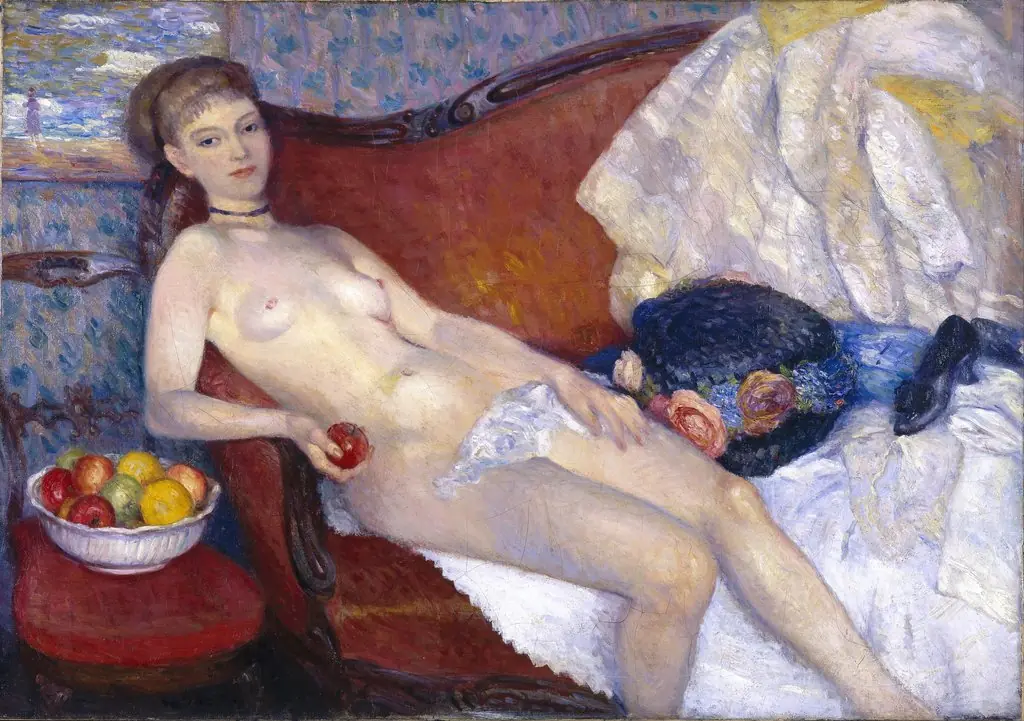 Nude with Apple
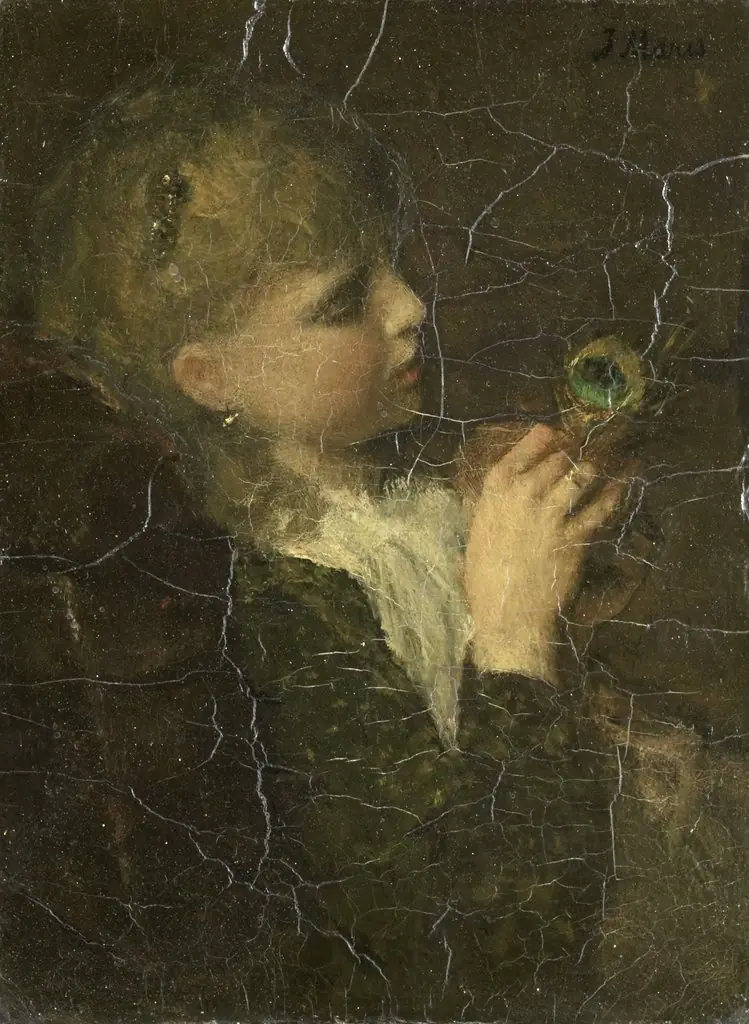 Girl with a Peacock Feather
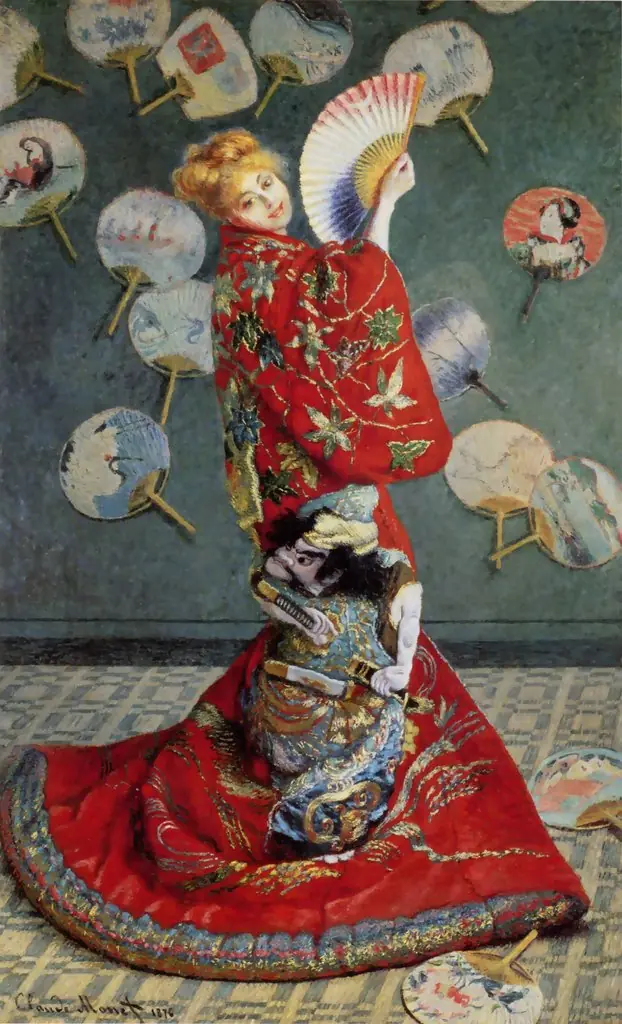 Madame Monet wearing a kimono
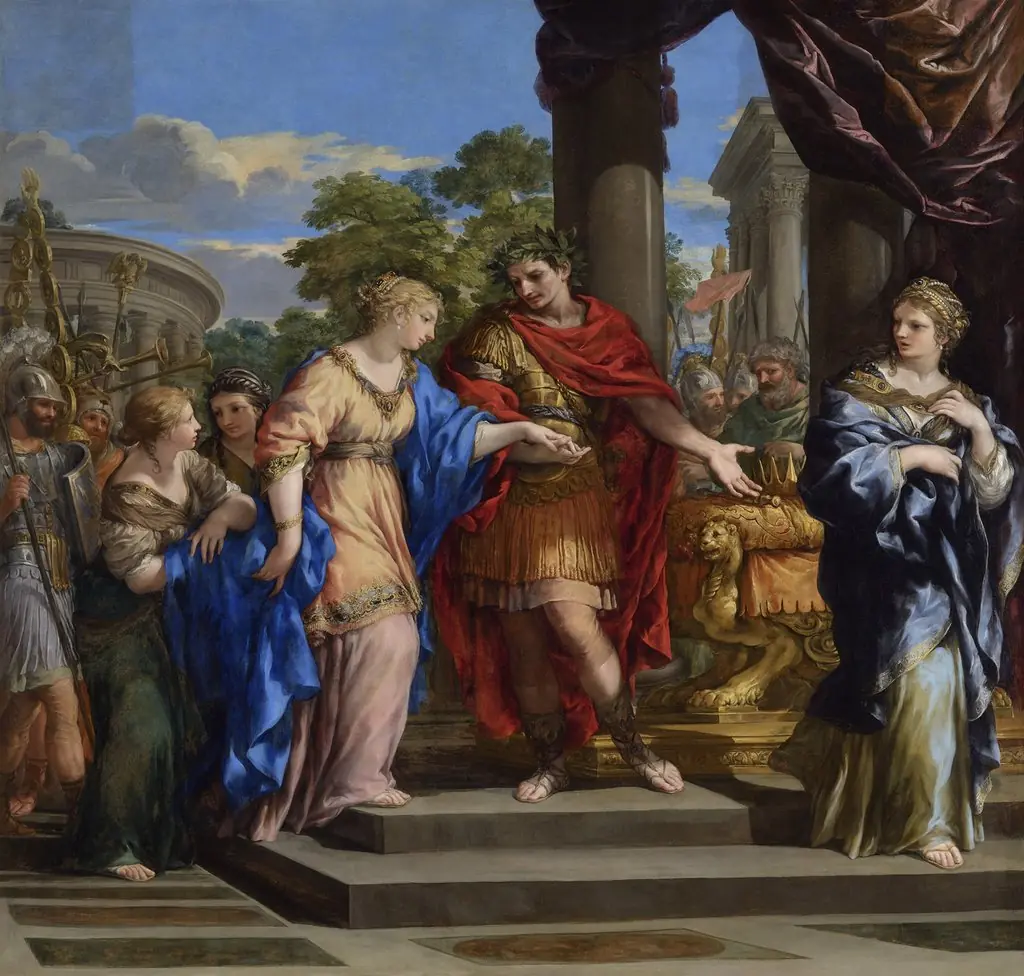 Caesar Giving Cleopatra the Throne of Egypt
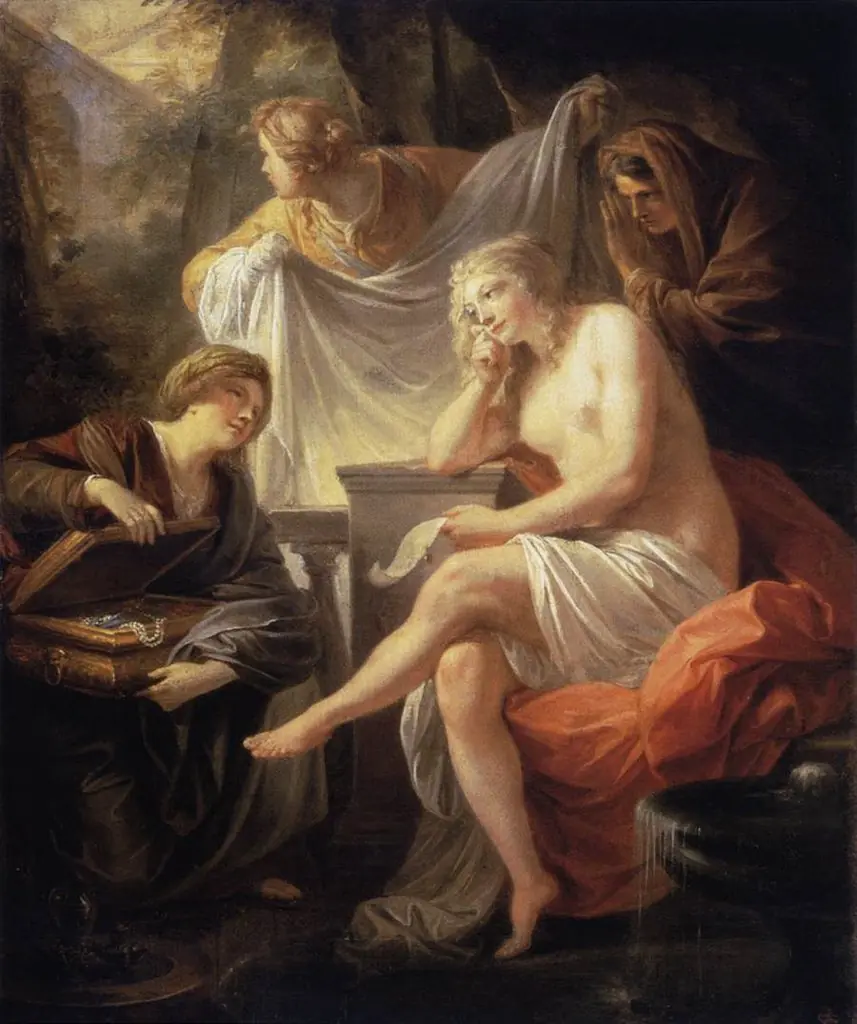 Bathsheba at her bath
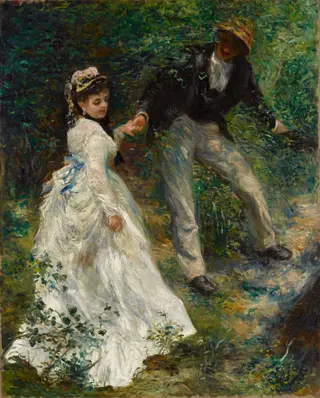 La Promenade
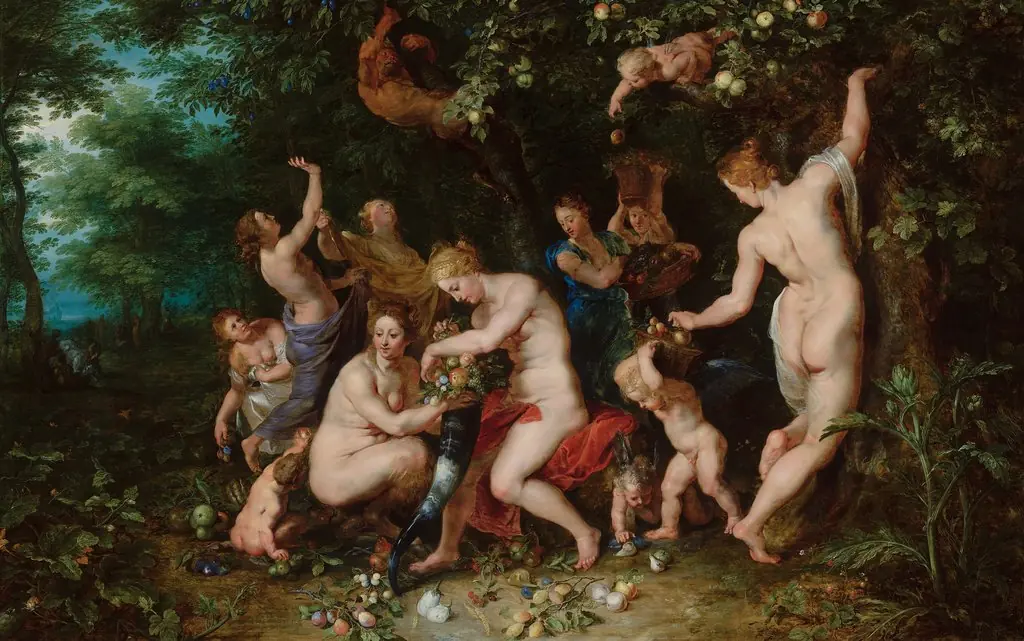 Nymphs filling the horn of plenty
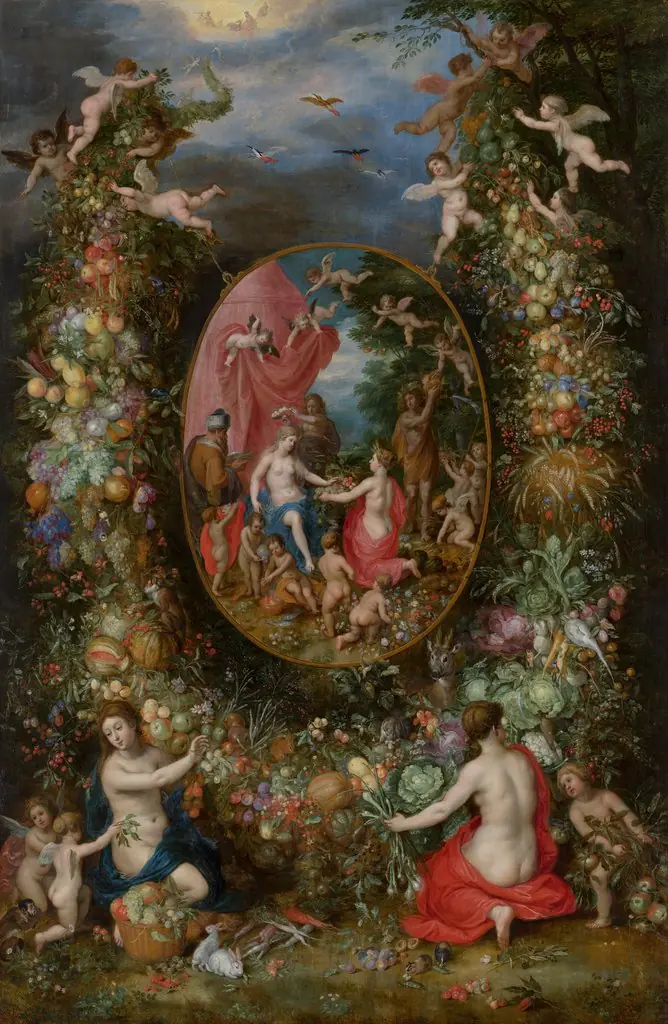 Garland of Flowers around an Allegory of Farming
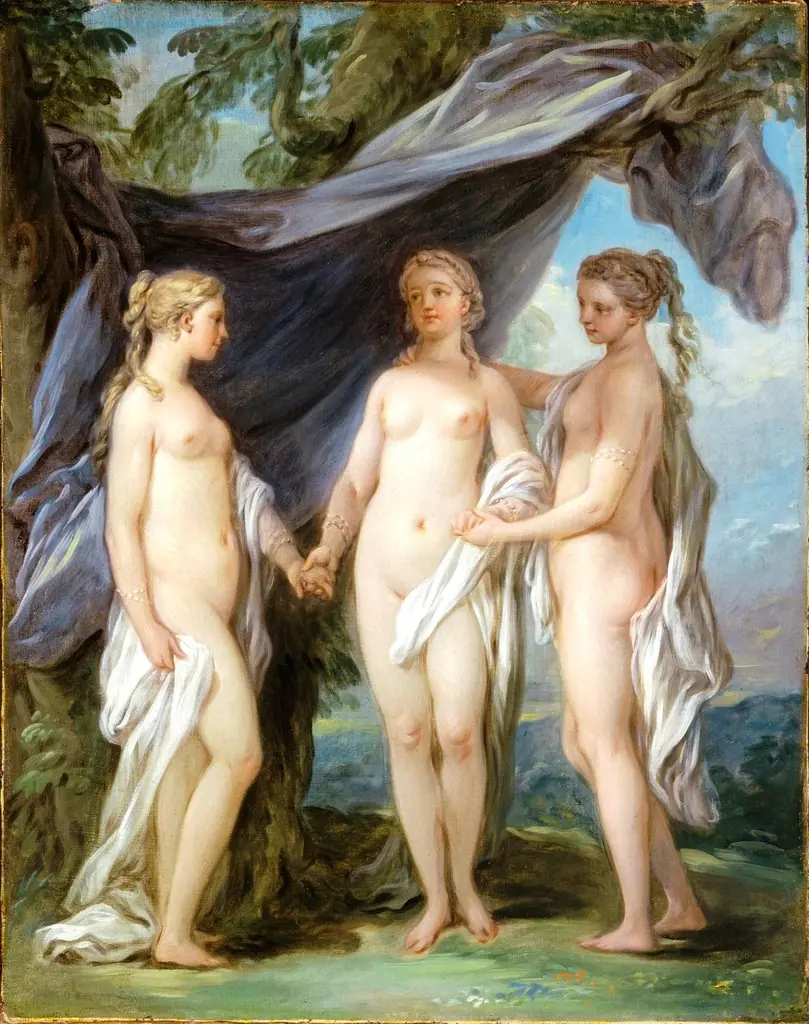 The Three Graces
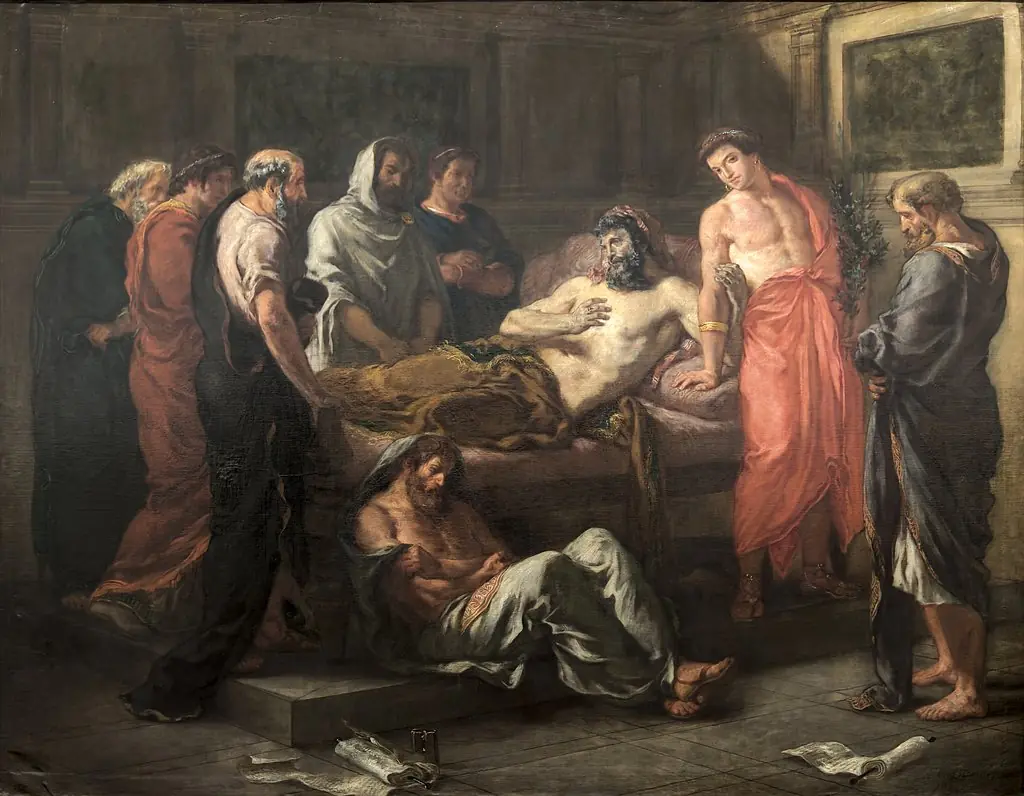 Last Words of the Emperor Marcus Aurelius
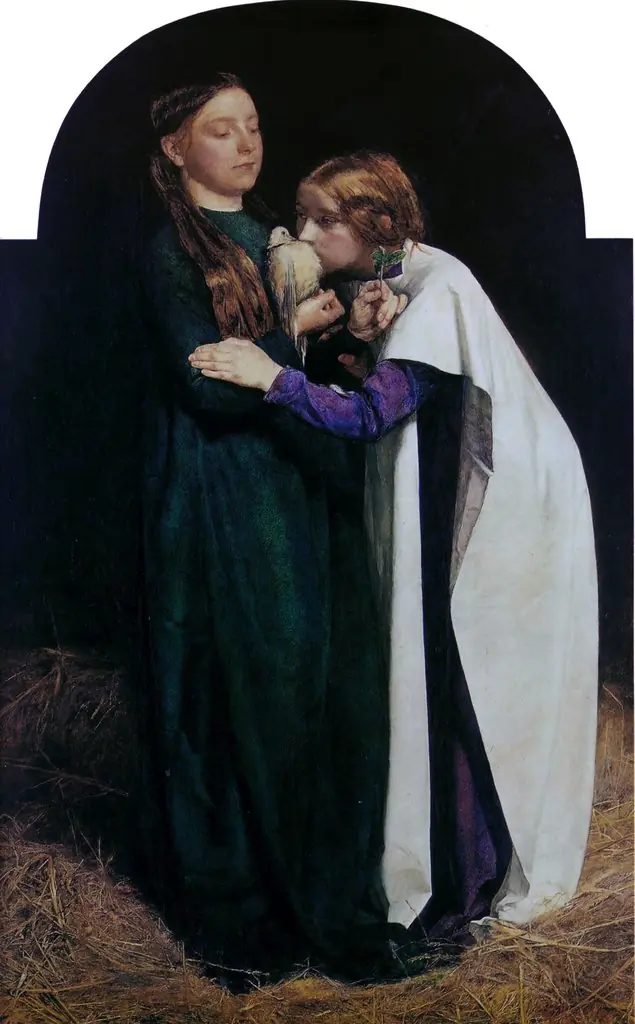 The Return of the Dove to the Ark
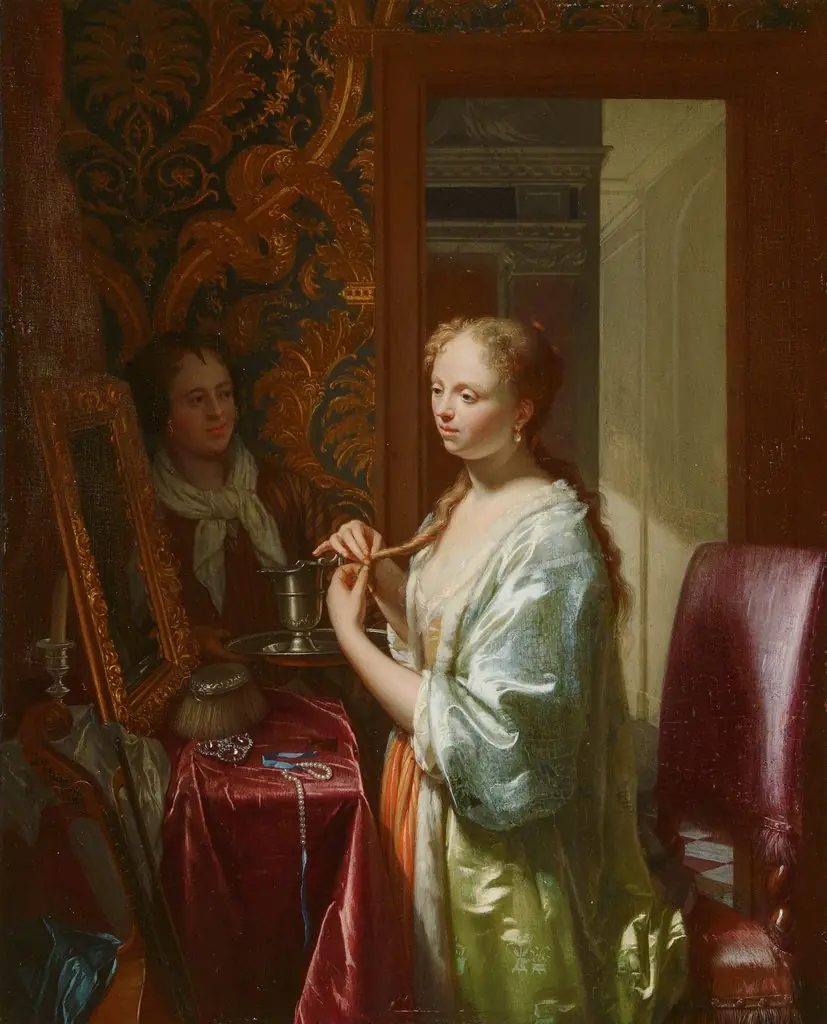 Lady attending to her toilet
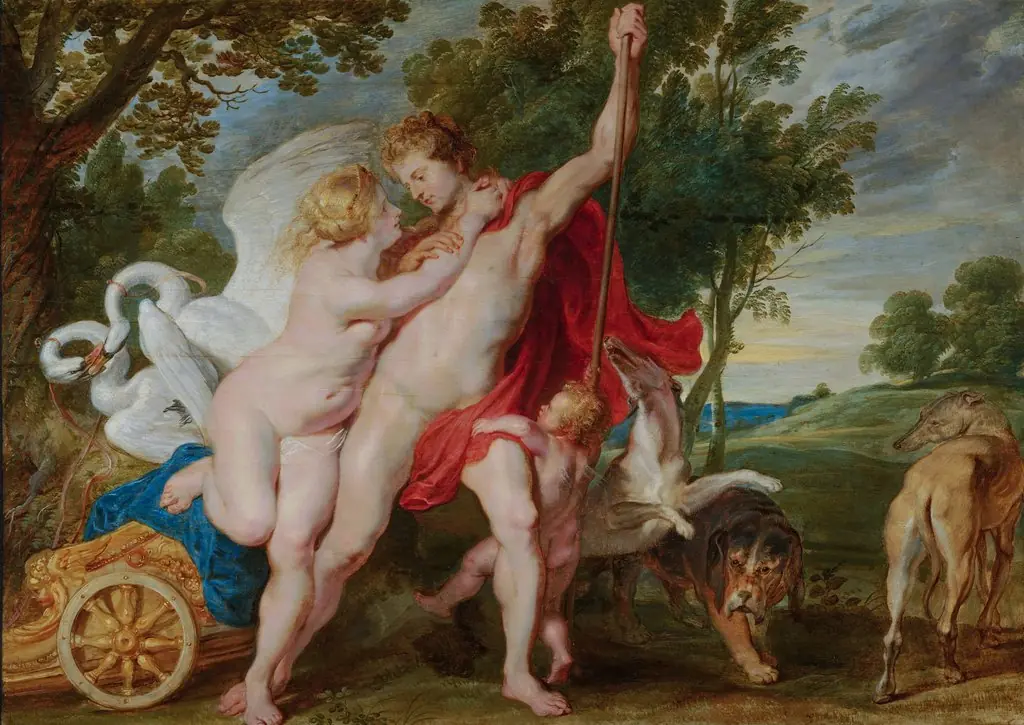 Venus trying to prevent Adonis from going hunting
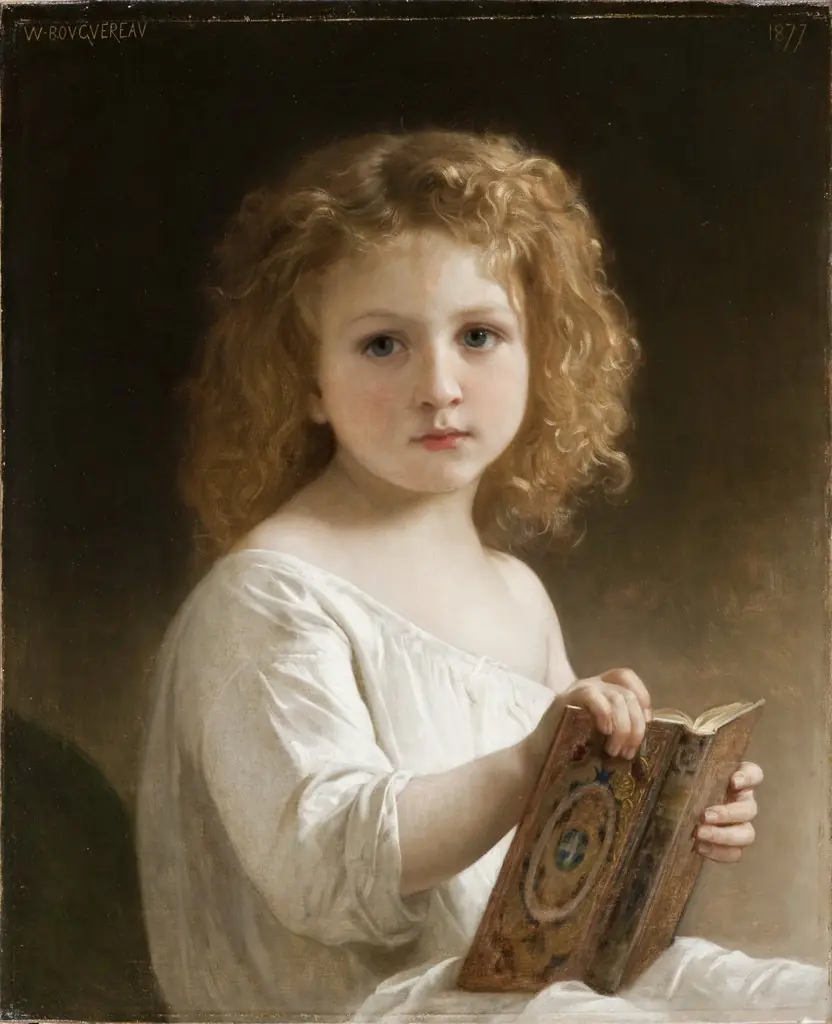 The Story Book
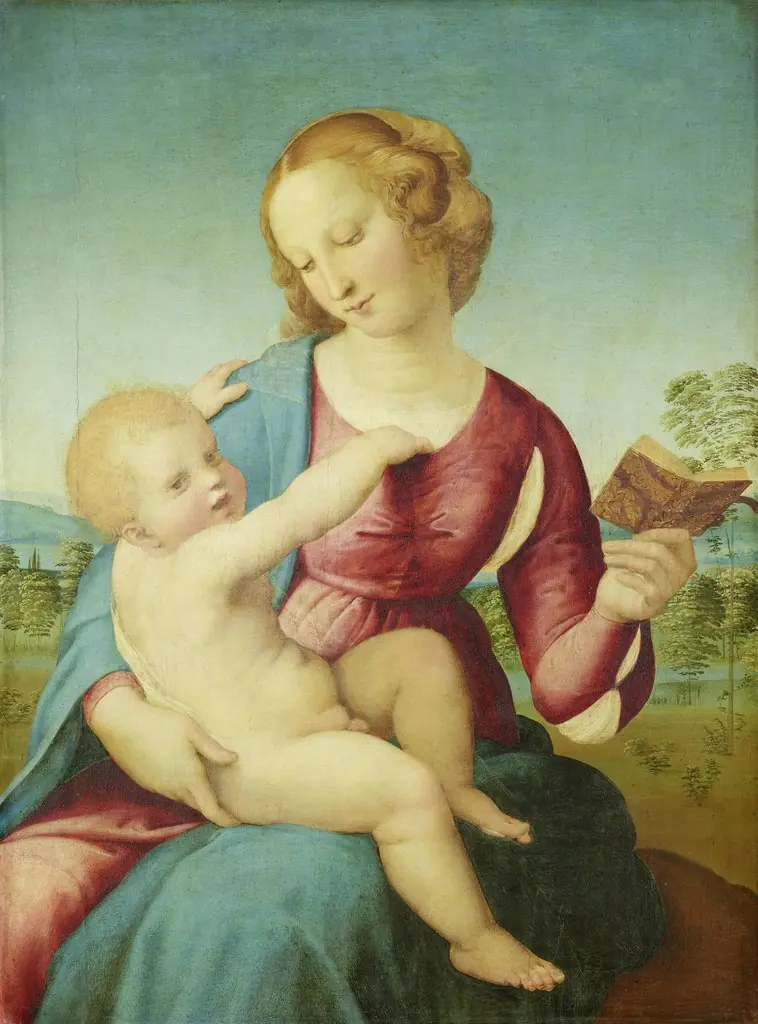 Colonna Madonna
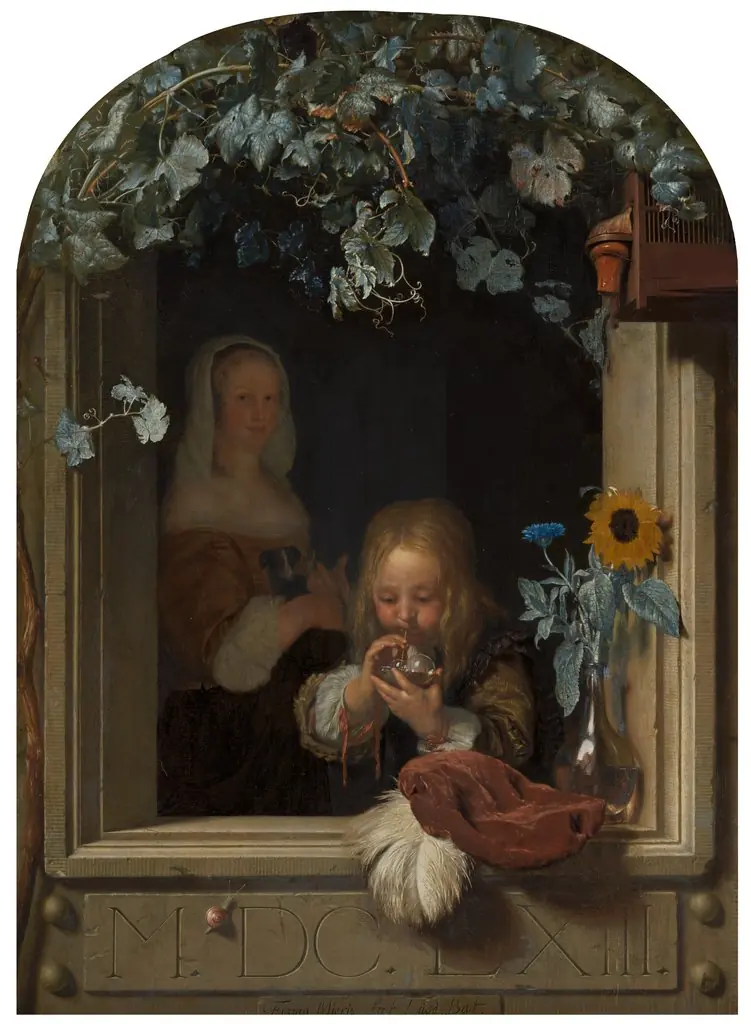 A Boy Blowing Bubbles
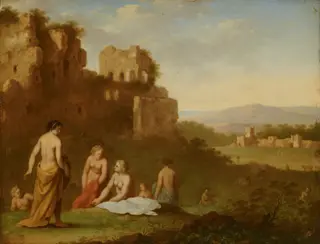 Nymphs Bathing
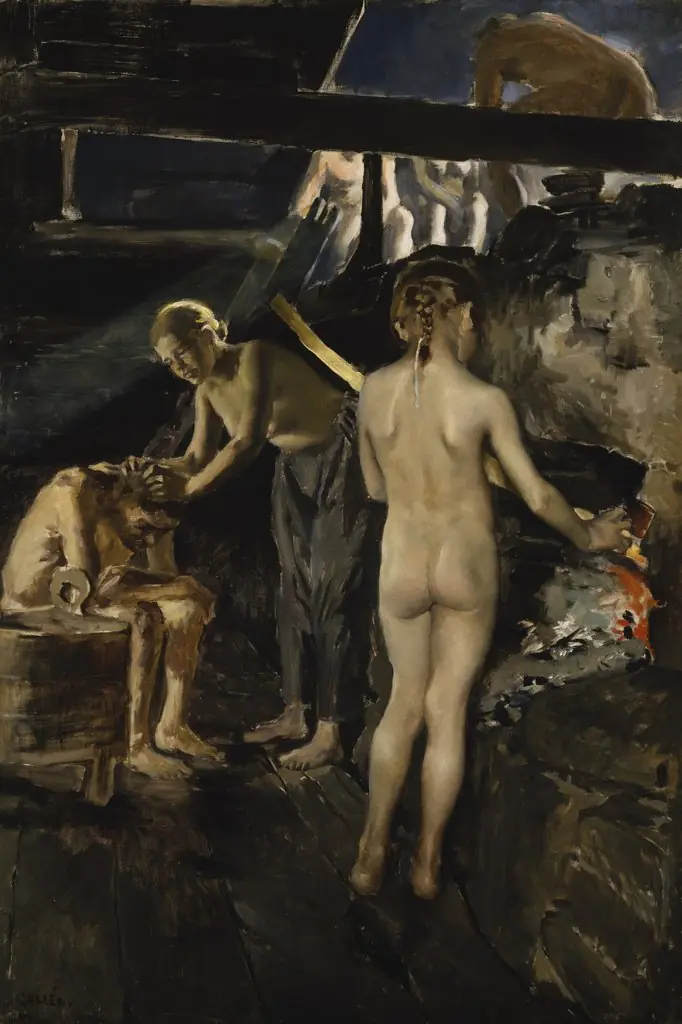 In the Sauna
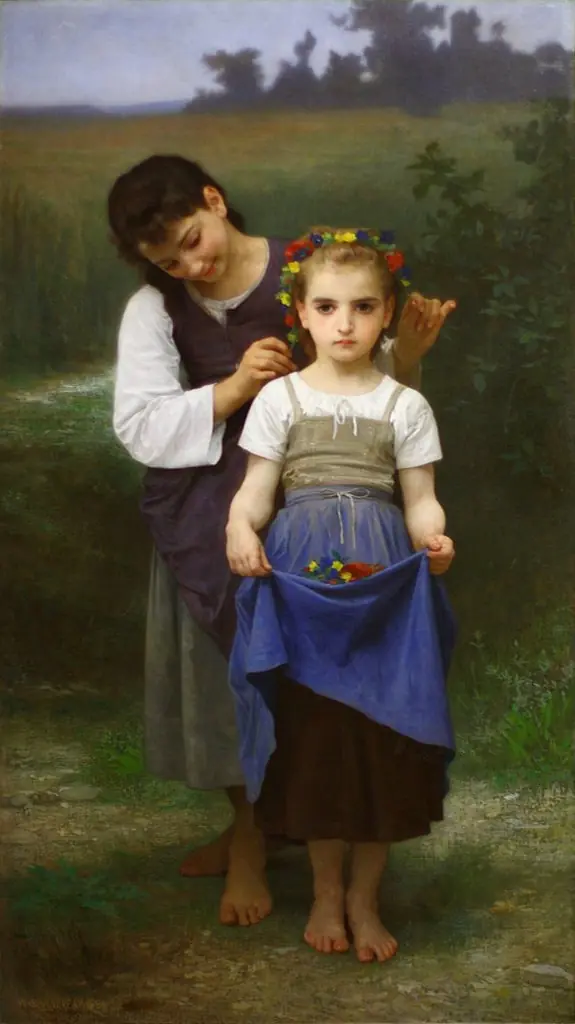 Crown of Flowers
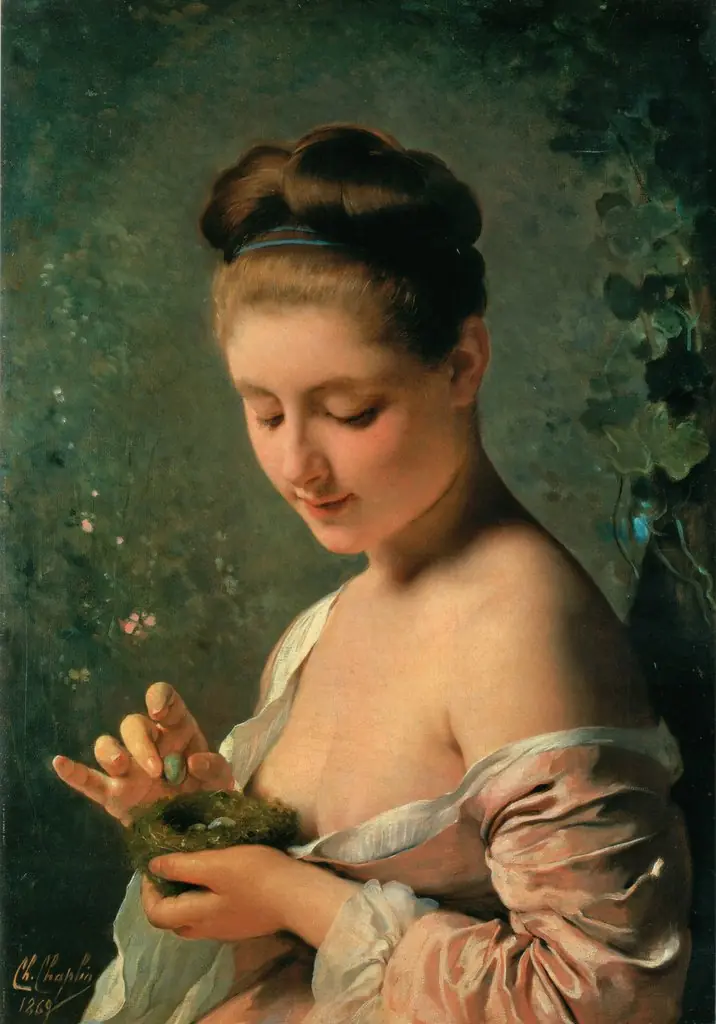 Girl with a Nest
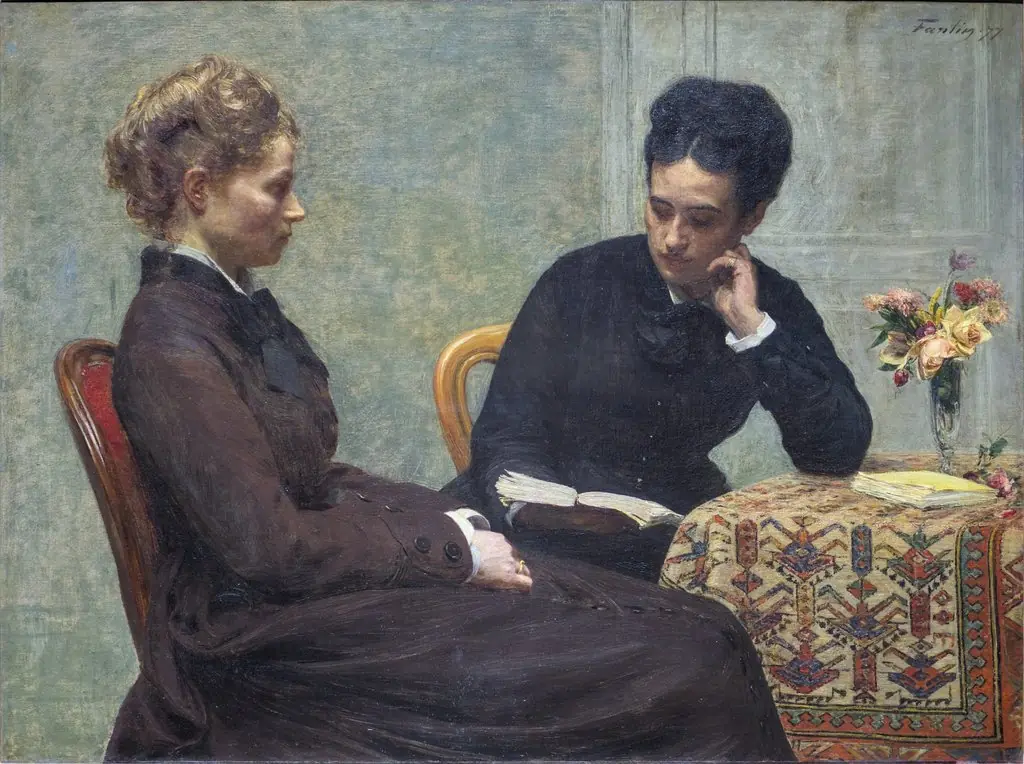 The Reading
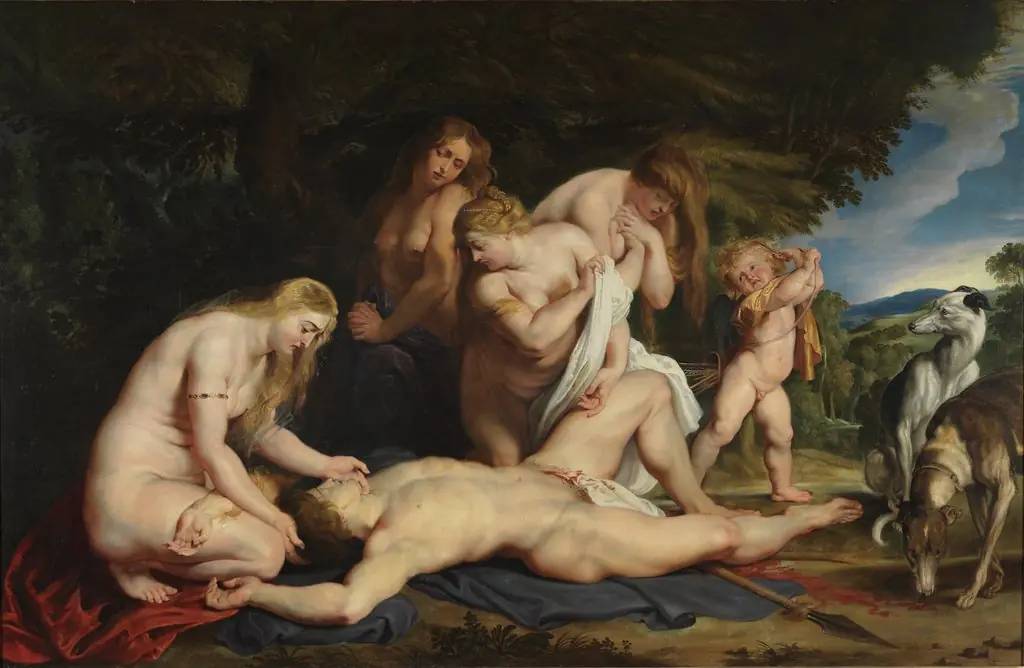 The Death of Adonis
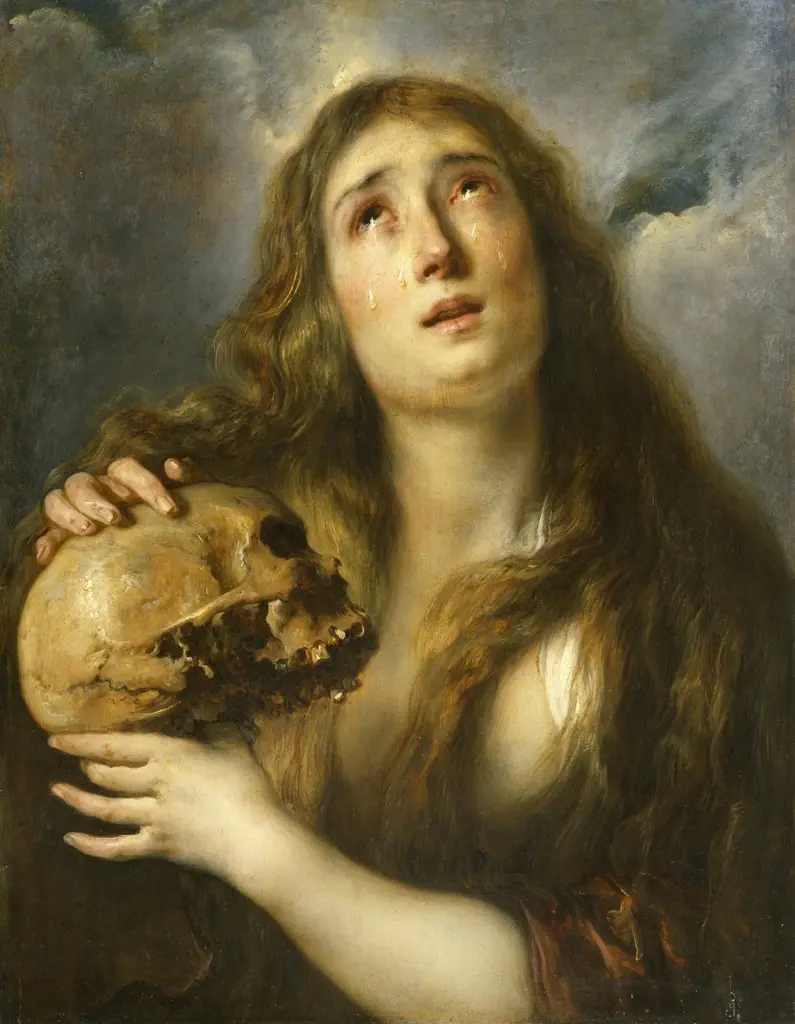 Mary Magdalene
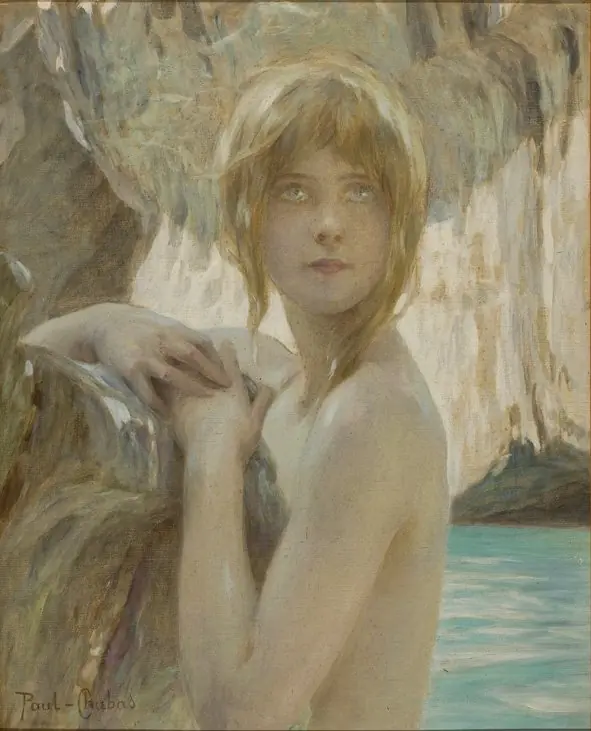 Blonde Nymph
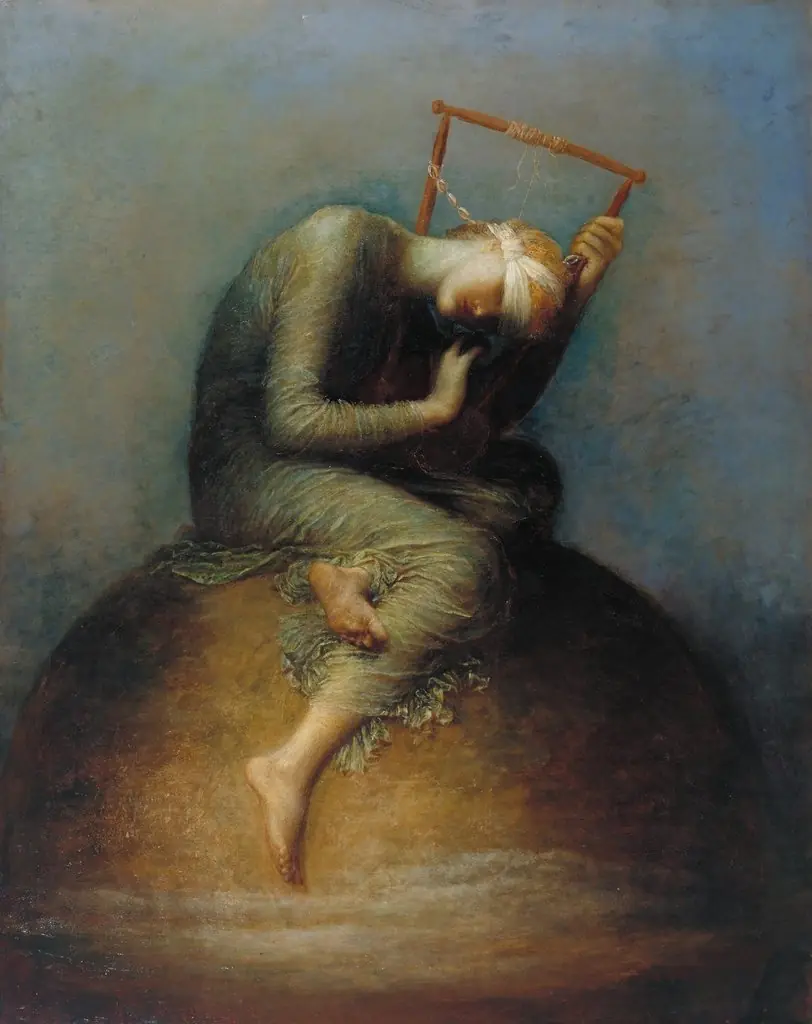 Hope
Hope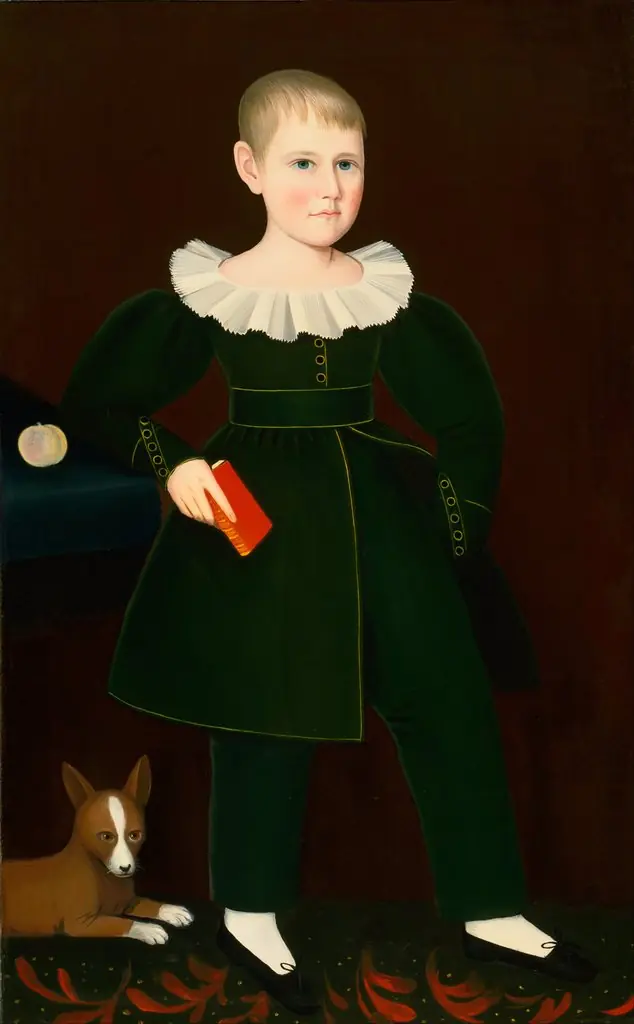 Blond Boy with Primer, Peach, and Dog
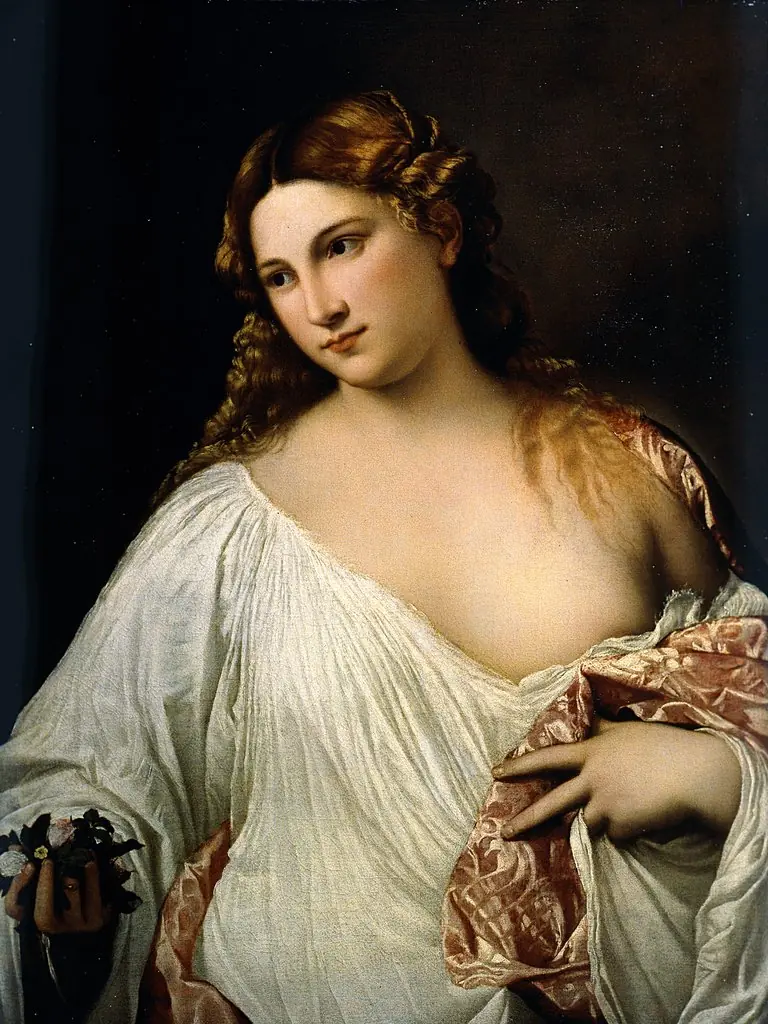 Flora
Flora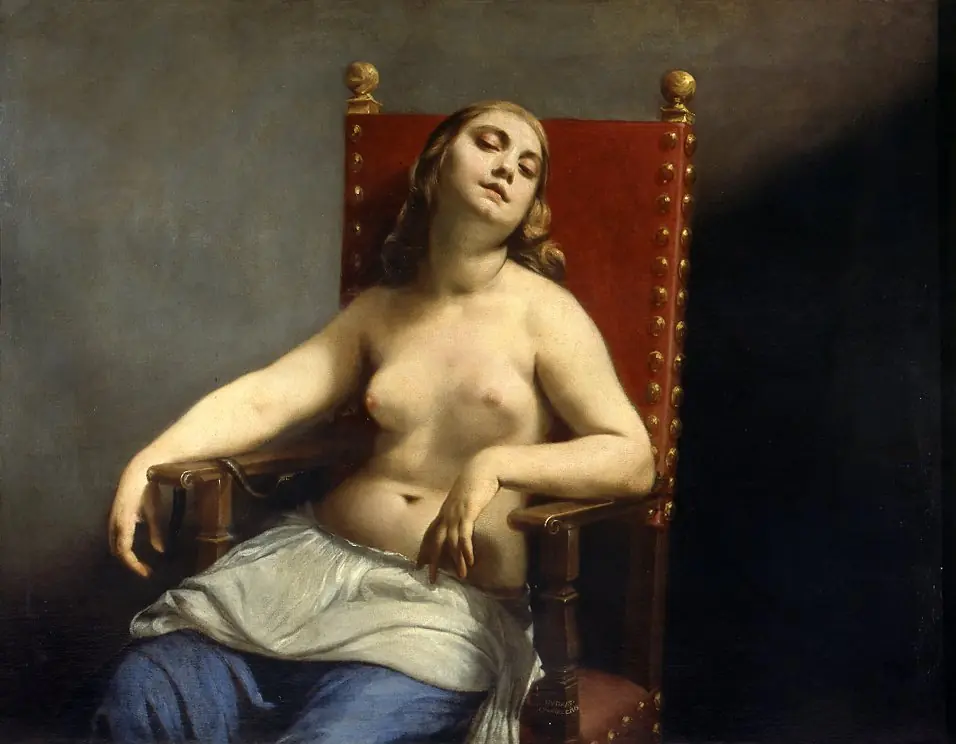 The Death of Cleopatra
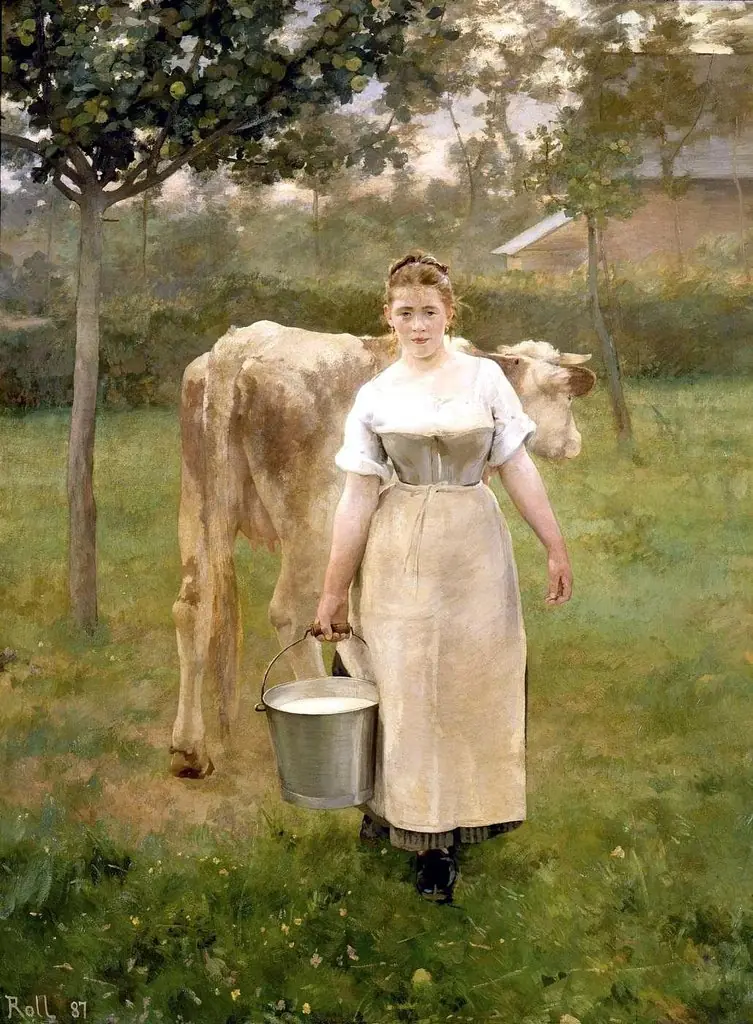 Manda Lamétrie, fermière
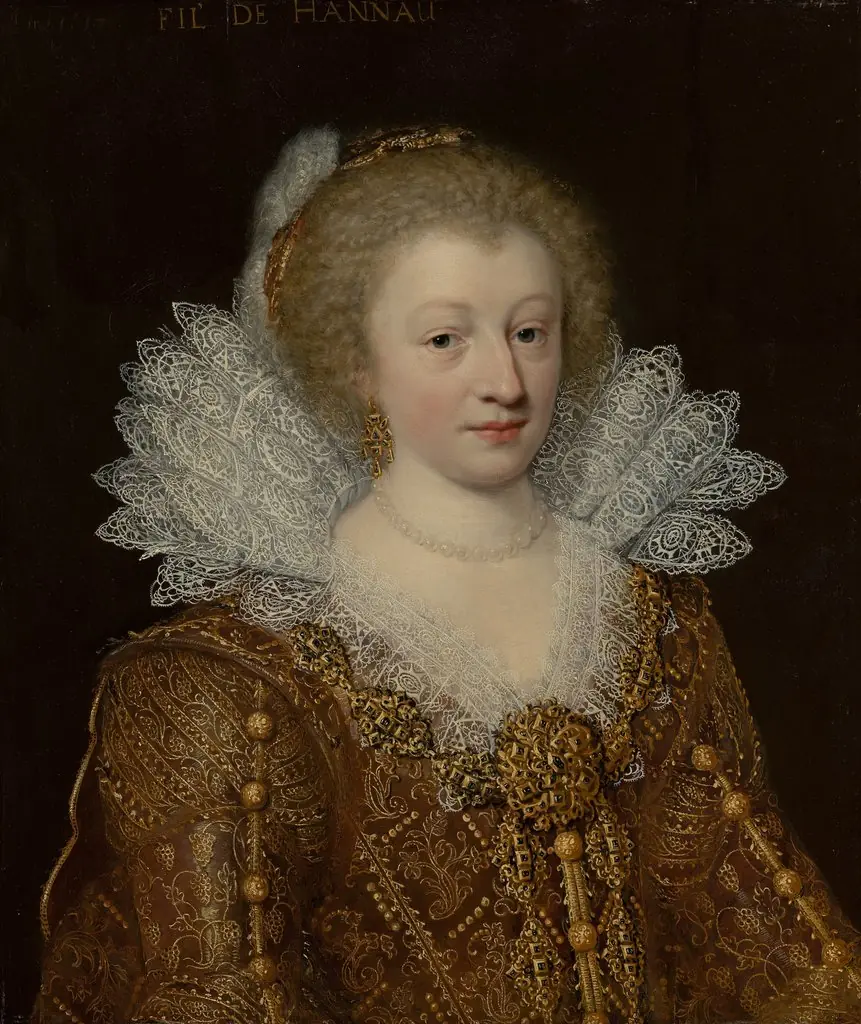 Portrait of Amélie Elisabeth of Hanau-Münzenberg
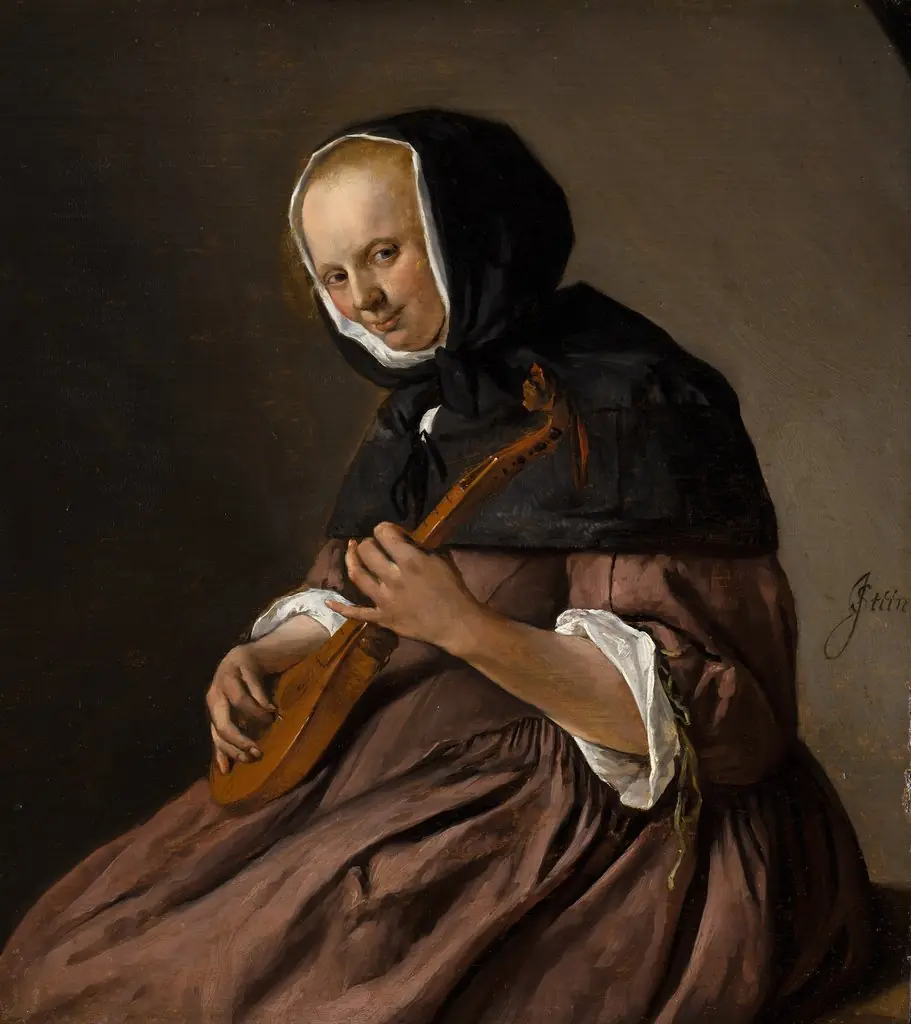 Woman Playing the Sistrum
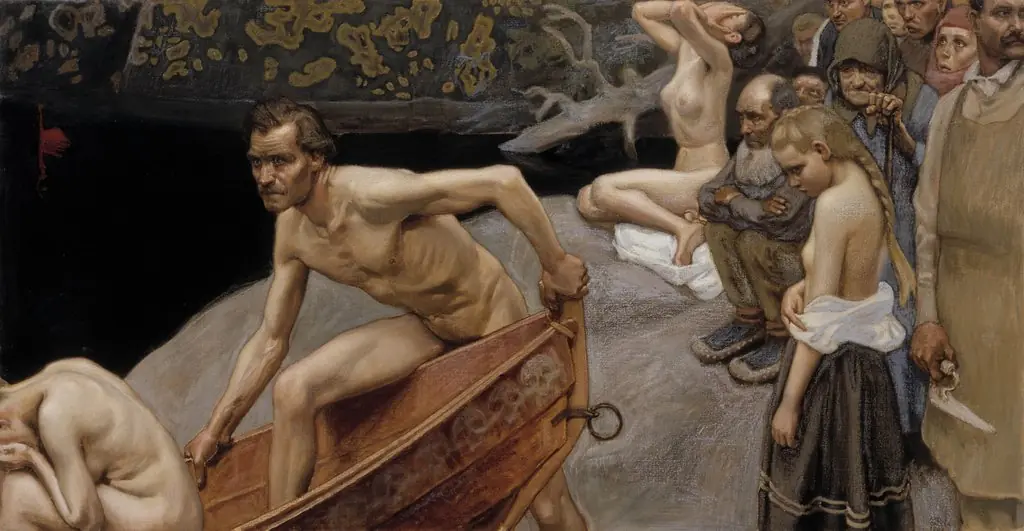 By the River of Tuonela, study for the Jusélius Mausoleum frescos
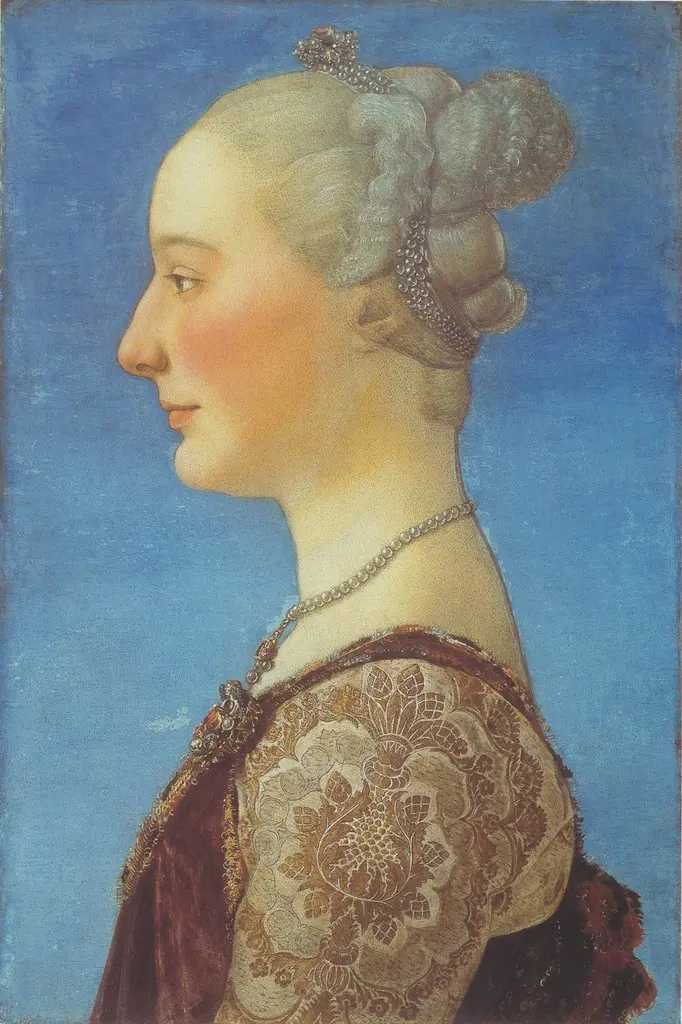 Portrait of a Lady
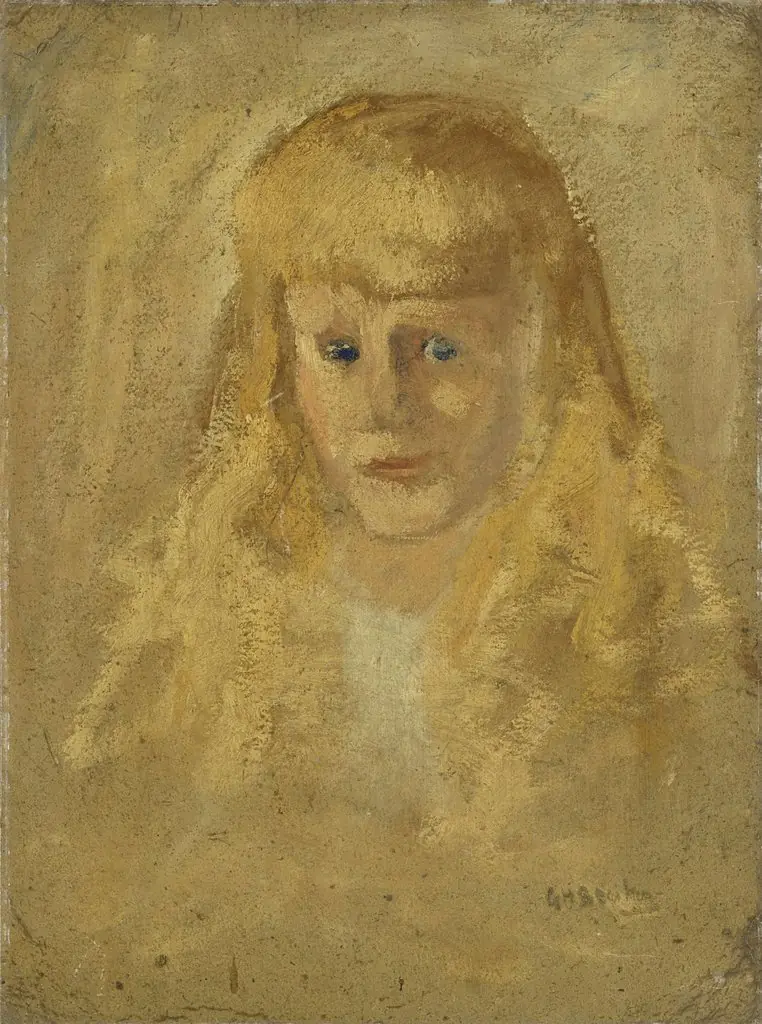 Marie Anne Henriette Breitner (geb.1882-06-14), the Painter's Half-sister
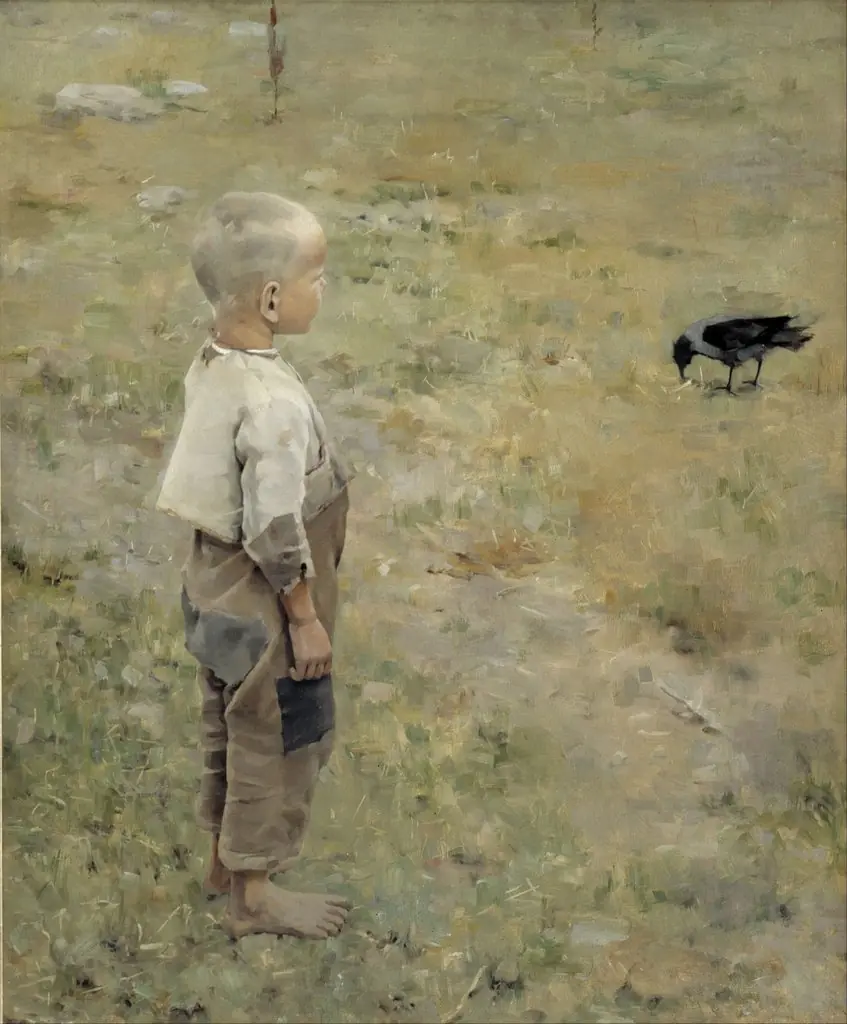 Boy with a Crow
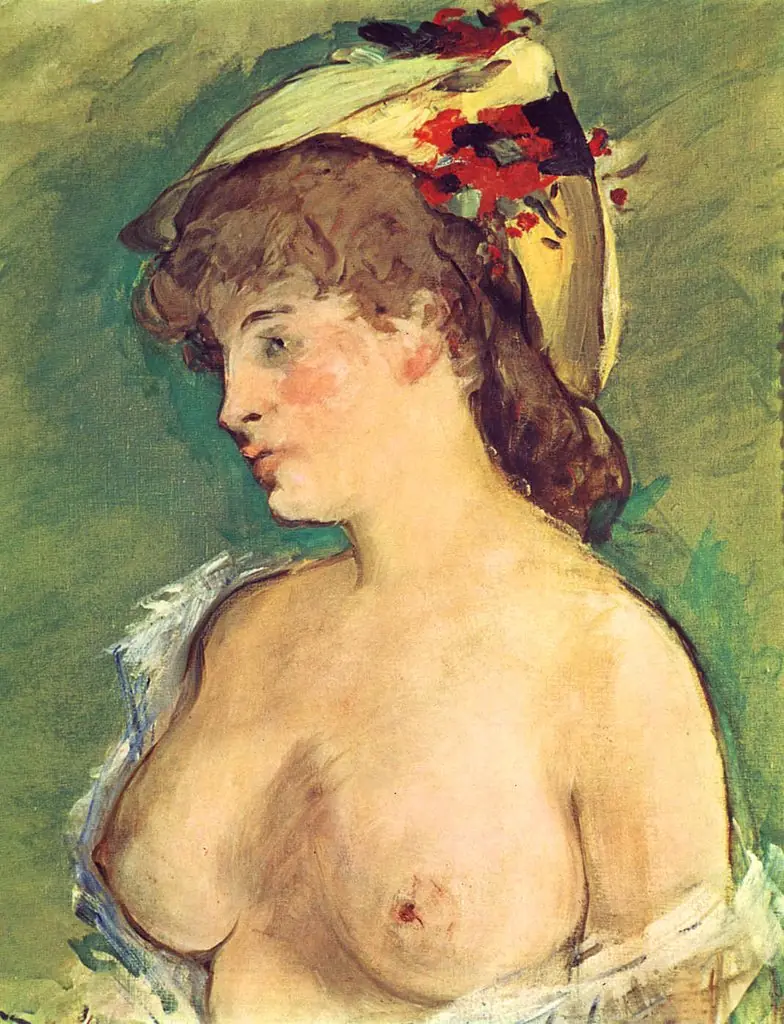 La Blonde aux seins nus
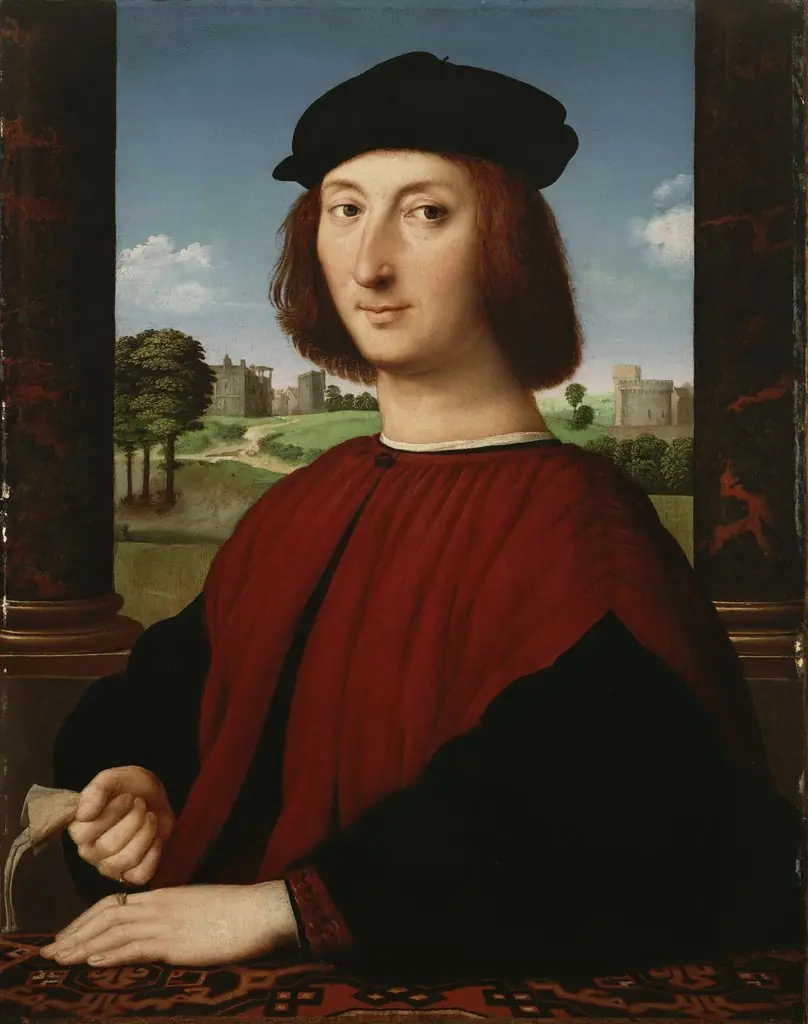 Portrait of a Young Man in Red
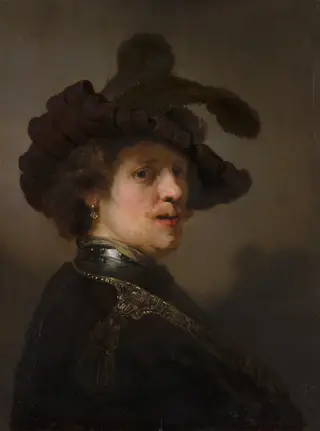 Portrait of a man in a plumed hat
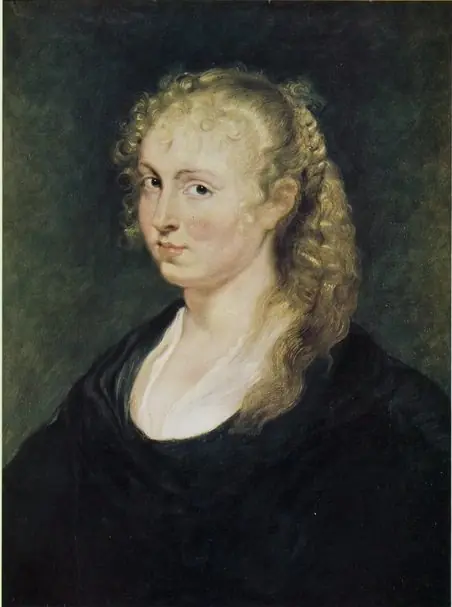 Portrait of an unknown woman with braided blond hair
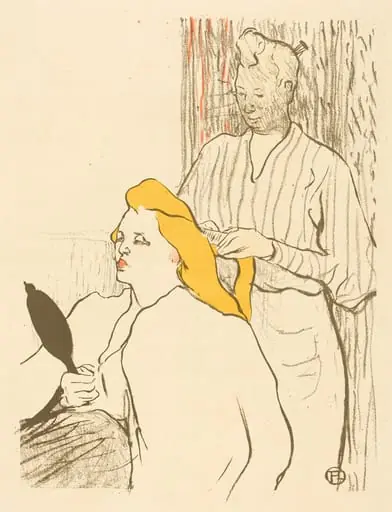 The Hairdresser - Program for the Théâtre Libre (Le coiffeur - Programme du Théâtre Libre)
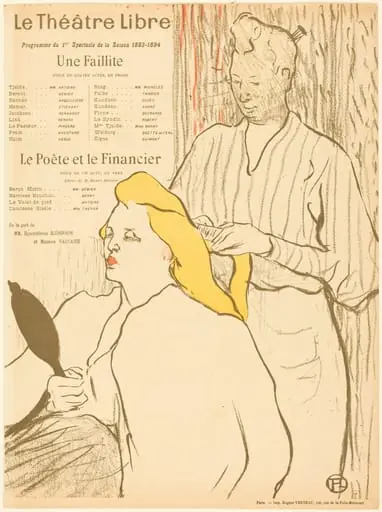 Une Faillite; Le Poète et le financier
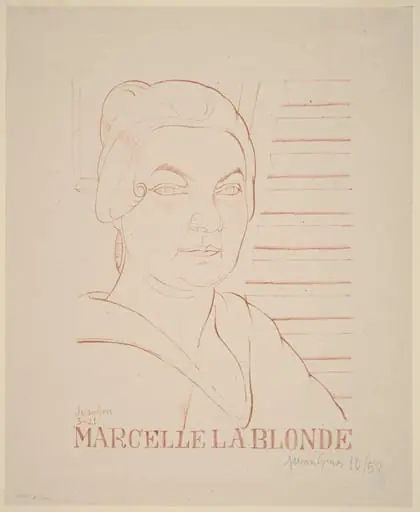 Marcelle la Blonde
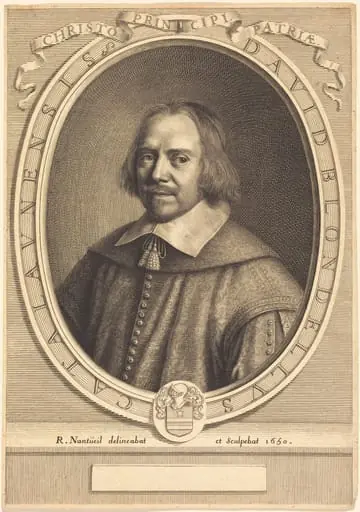 David Blondel
 A Seated Chieftain with a Blue Banner
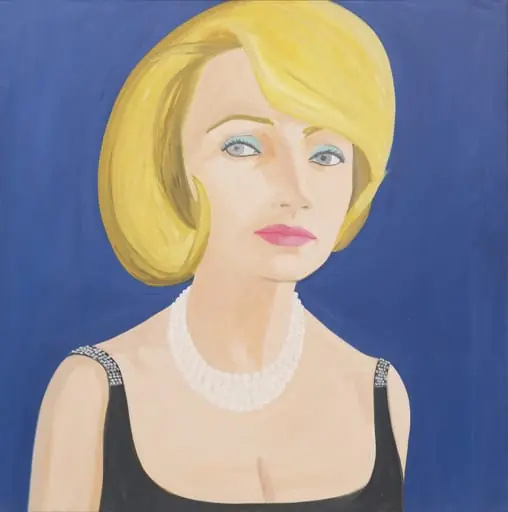 Untitled
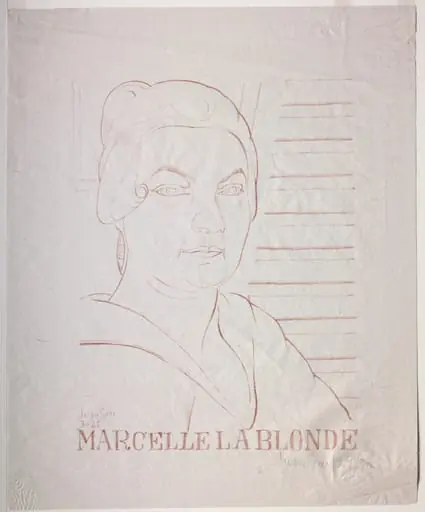 Marcelle la Blonde
Frequently asked questions
What is Blond Hair?
Blond Hair is a subject in art. Blond (masc) or blonde (fem), also referred to as fair hair, is a human hair color characterized by low levels of eumelanin, the dark pigment.
How many Blond Hair works does Artifact World Gallery have?
Artifact World Gallery holds 98 public-domain Blond Hair works, all free to view and download.
Who are the key Blond Hair artists?
Key Blond Hair artists in the collection include Titian, Paolo Veronese and Raphael.
Where can I see Blond Hair works?
Blond Hair works in the collection are held by Rijksmuseum, Mauritshuis and Museo del Prado.