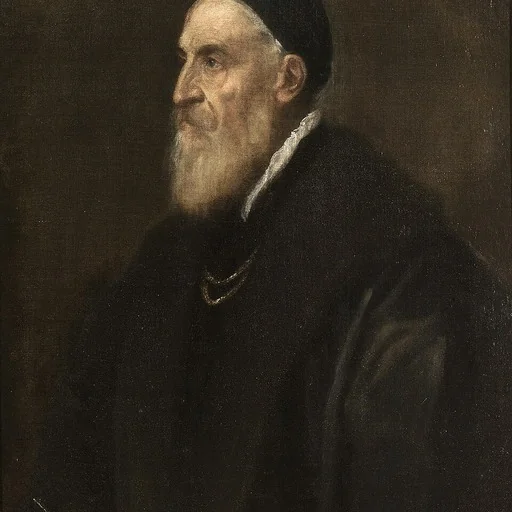
Subject
Christian Cross
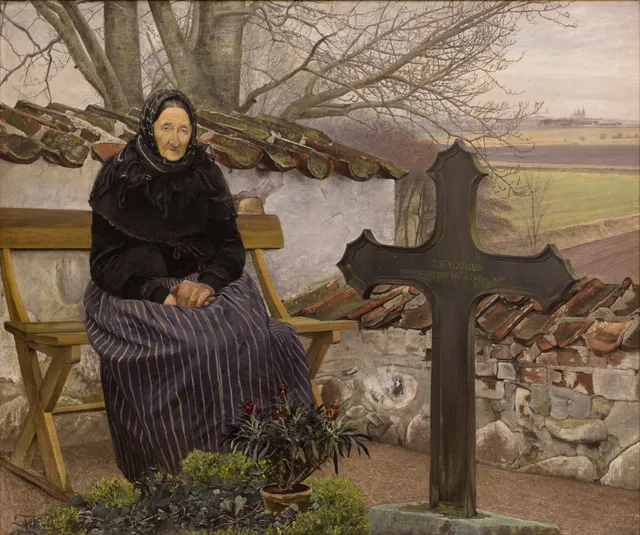
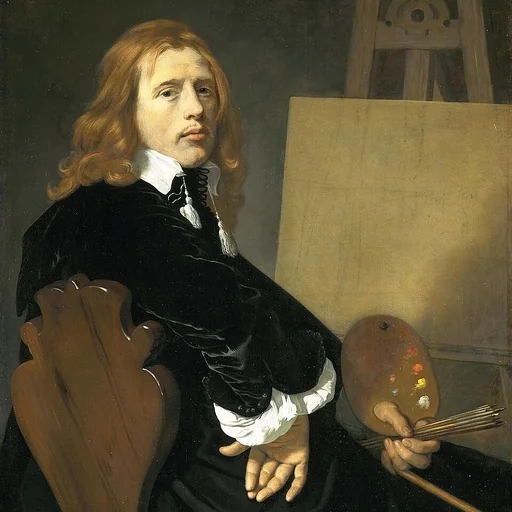
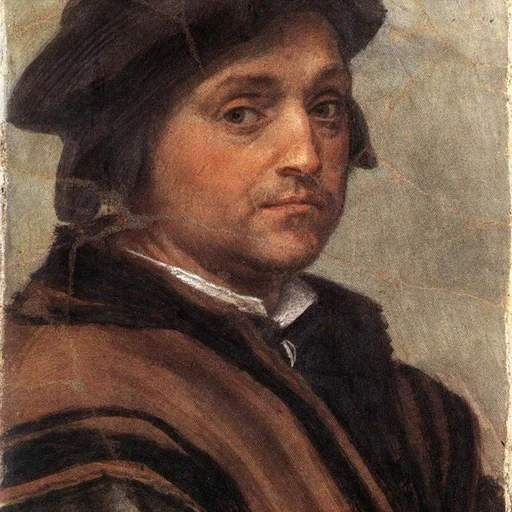
Christian Cross is a subject in art. The gallery holds 28 works in this subject in art, including works by Titian, Peter Paul Rubens and Paulus Potter.
The Christian cross, seen as symbolizing the crucifixion of Jesus, is a symbol of Christianity. It is related to the crucifix, a cross that includes a corpus (a representation of Jesus's body, usually three-dimensional) and to the more general family of cross symbols.
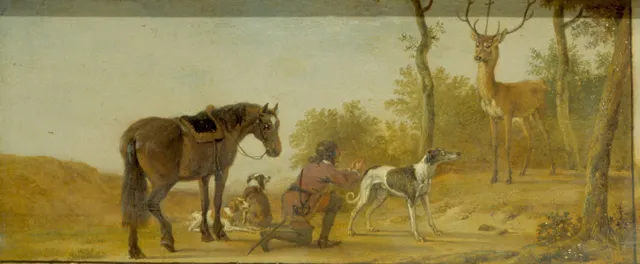
Key artists
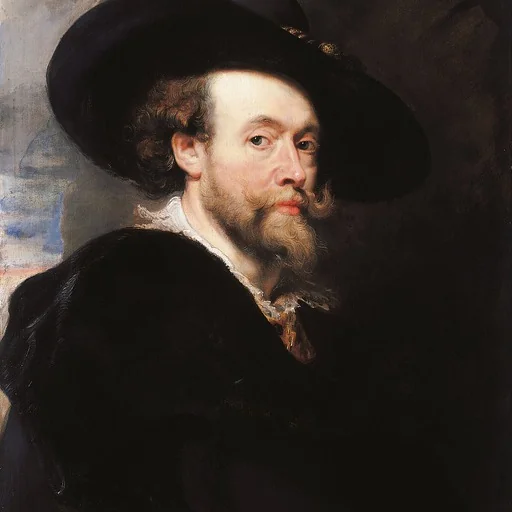
Overview
The Christian cross is the principal symbol of Christianity, representing the crucifixion of Jesus Christ and, by extension, the faith itself. While its origins lie in the Roman instrument of execution, the cross transformed over centuries from an object of shame into the central emblem of Christian identity. In the collection under discussion, the motif appears in 28 works, ranging from devotional paintings and triptychs to landscape and genre scenes, indicating its pervasive role across varied artistic contexts. These include works such as Churchyard at Fløng, Vision of Saint Hubert, Italienische Landschaft mit Pilgern, Den danske Comedies Ligbegængelse, 5. scene, and the Triptych of Antonius Tsgrooten, among others. The cross functions not only as a religious signifier but also as a narrative device, marking sacred space, identifying holy figures, and structuring compositional meaning.
Iconography & meaning
The iconography of the Christian cross encompasses multiple forms and layered meanings. The basic distinction falls between the Latin cross (crux immissa), with its elongated vertical arm, and the Greek cross, with arms of equal length. Numerous variants carry specific confessional or heraldic significance: the tau cross (T-shaped), the double-barred and triple-barred crosses, the cross potent, cross pattée, cross moline, and cross fleury, among others. Theologically, the cross embodies the intersection of the earthly and the divine, with the horizontal axis representing human community and the vertical axis representing connection to God. It signifies Christ's sacrificial death, victory over death through resurrection, and the restoration of the broken covenant between humanity and the divine. The addition of a corpus, a three-dimensional representation of Christ's body, transforms the cross into a crucifix, a form not documented before the 6th century. Inscriptions such as INRI (Iesus Nazarenus Rex Iudaeorum) frequently accompany depictions of the crucifixion. The cross also served protective functions; early Christians traced it on their foreheads as a talisman against demonic powers, a practice attested by Tertullian around 204 CE.
Across movements & periods
The treatment of the cross in art evolved dramatically across periods, though the sources indicate specific developments worth noting. Before the 4th century, the cross was rarely depicted, partly due to its association with shameful execution; early Christians preferred symbols such as the ichthys (fish), the anchor, the chi-rho monogram, or the staurogram. The extensive adoption of the cross as an iconographic symbol arose from the 4th century, linked to Emperor Constantine's vision before the Battle of the Milvian Bridge and the subsequent legend of Helena's discovery of the True Cross relic. From this period, the cross began to adorn religious buildings and objects. By the 5th century it had largely superseded earlier symbols. The 6th century marks the emergence of the crucifix proper, with Christ's body depicted on the cross. Medieval art amplified the cross's significance through relic veneration, with fragments of the supposed True Cross dispersed across Europe after the Fourth Crusade's sack of Constantinople in 1204. The sources note that by the 16th century, Erasmus reportedly quipped that there existed enough alleged fragments to build a ship. The cross also became associated with militant Christianity during the Crusades, when it was emblazoned on clothing as a marker of sacred warfare.
Notable depictions
While the sources do not provide exhaustive catalogues of canonical crucifixion scenes, they identify several significant early and notable representations. The oldest extant depiction of Jesus's execution appears to be a 2nd or early 3rd-century jasper gemstone amulet in the British Museum, showing a naked bearded man with arms tied to a T-shaped cross, with a Greek inscription invoking the redeeming crucified Christ. The Alexamenos graffito from the early 3rd century, discovered on the Palatine Hill and now in the Museo Palatino, represents perhaps the earliest known image of the crucifixion, though it was created by a non-Christian to mock the faith, depicting an ass-headed figure on a cross with the inscription Alexamenos worships his god. Within the collection itself, specific works such as the Triptych of Antonius Tsgrooten represent Northern European devotional panel painting, while Vision of Saint Hubert belongs to the tradition of hagiographic narrative in which the cross may appear in visionary or hunting contexts associated with the saint's conversion. The Apparition of the Apostle Peter to Saint Peter Nolasco connects to Mercedarian iconography and the institutional history of the Order of Mercy.
Legacy
The Christian cross has maintained its position as Christianity's dominant symbol across nearly two millennia, though its meanings have multiplied and shifted. From an emblem of humiliation and execution, it became the sign of victory over death, of imperial authority under Constantine, of monastic and devotional identity, and of institutional power. The sources note that in modern English and other Western languages, the term cross has detached from its specifically Christian meaning, entering secular usage as a generic marker or decorative form. In contemporary practice, communicants of Oriental Orthodox and Eastern Orthodox Churches wear cross necklaces as a permanent sign of baptism, while many Christian traditions maintain the domestic practice of hanging crosses on east walls or centering home altars upon them. The cross's pre-Christian analogues, from the Egyptian ankh to Zoroastrian elemental symbolism to the universal geometric appeal of intersecting axes, remind us of its deep roots in human visual culture, even as its specifically Christian form achieved unprecedented cultural saturation through European art and colonial expansion. The 28 works in this collection, spanning multiple centuries, genres, and geographical origins, constitute a modest but representative archive of this enduring symbolic career.
Works
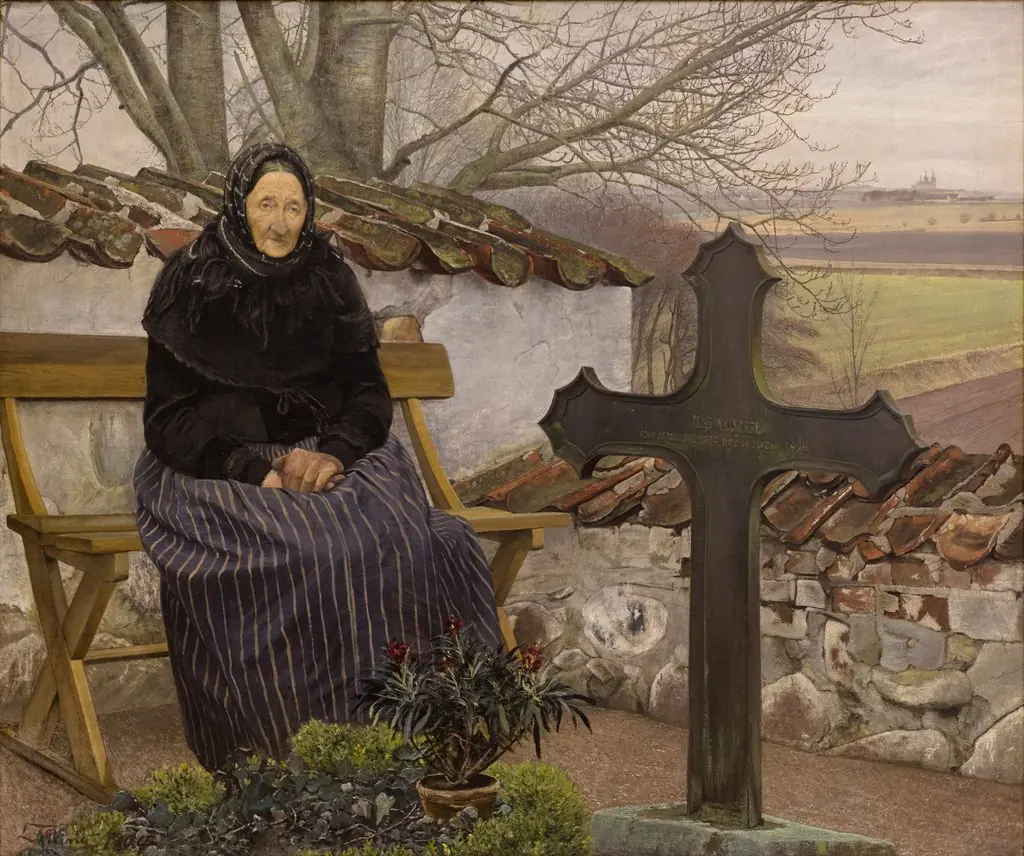 Churchyard at Fløng
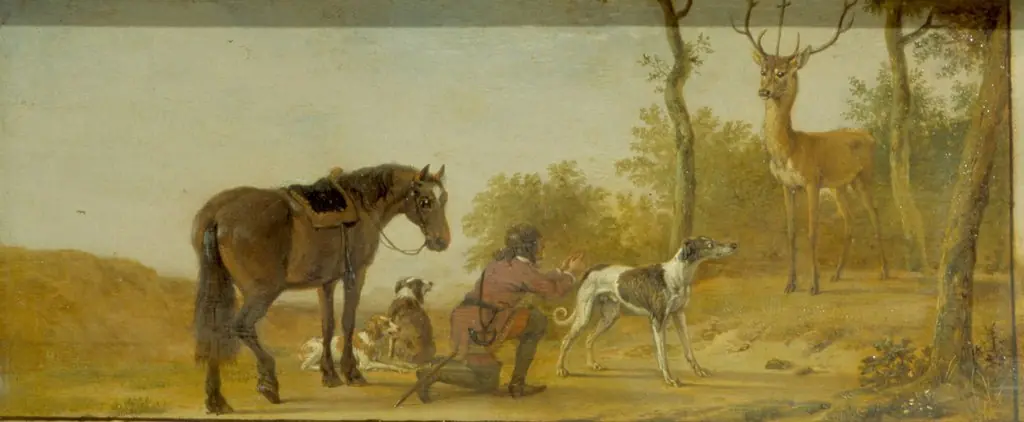 Vision of Saint Hubert
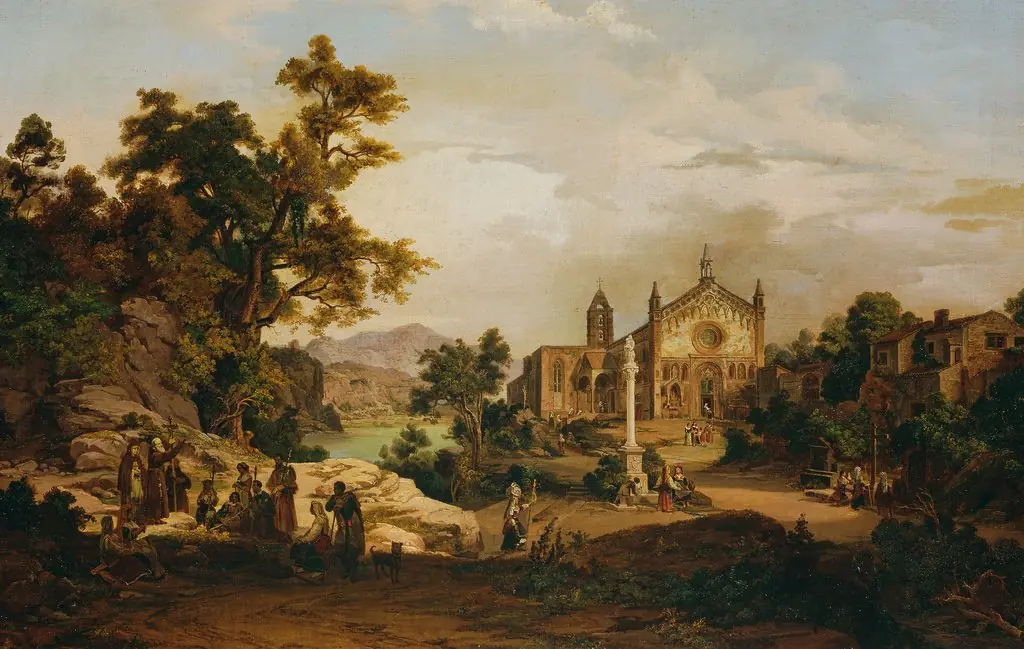 Italienische Landschaft mit Pilgern
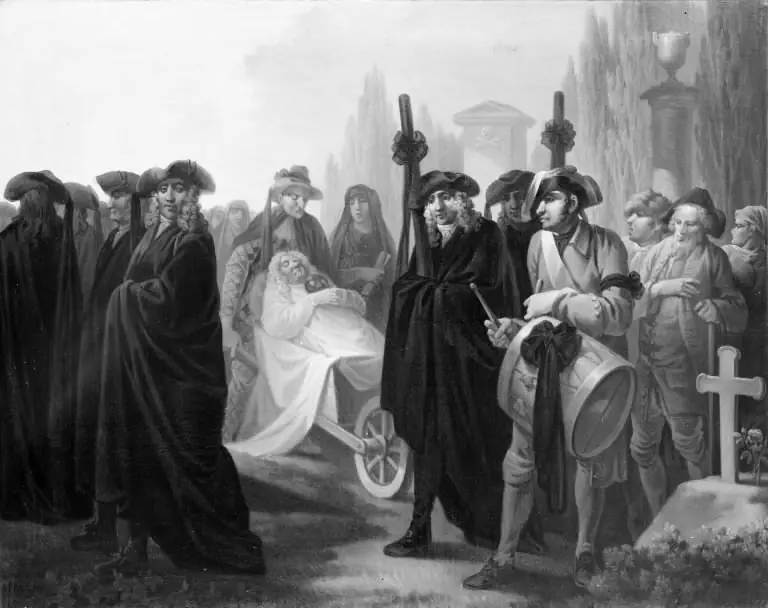 Den danske Comedies Ligbegængelse, 5. scene
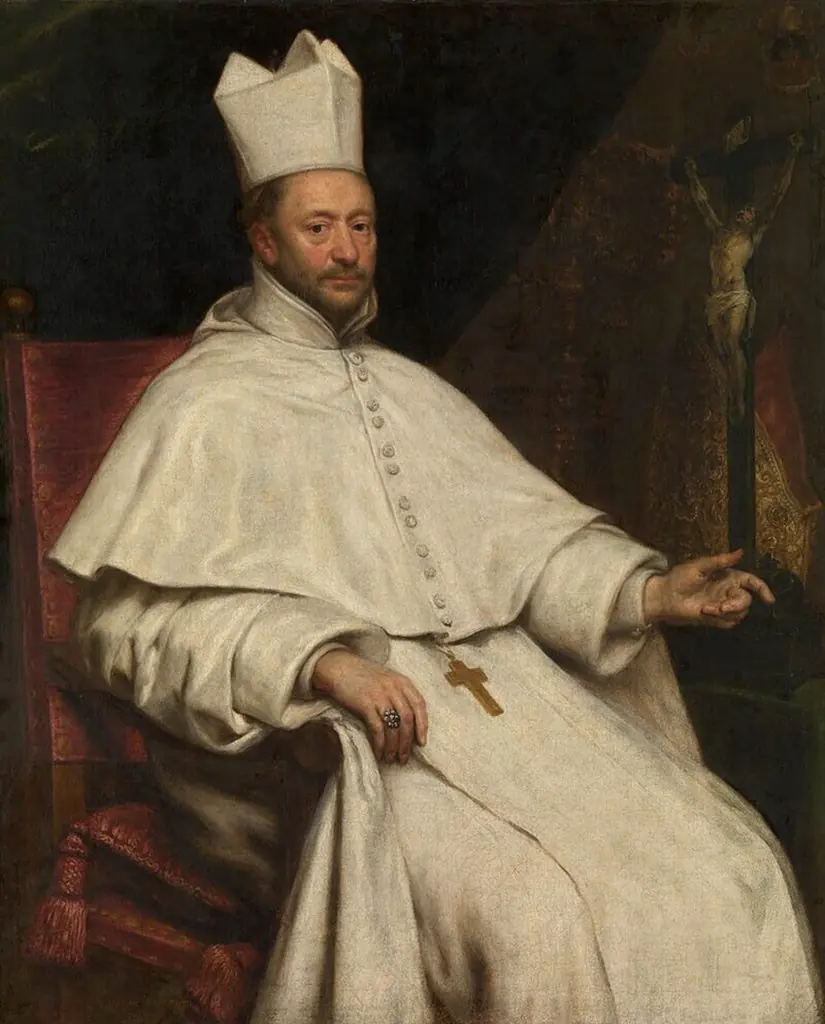 Norbertus van Couwerven, abbot of St Michael's
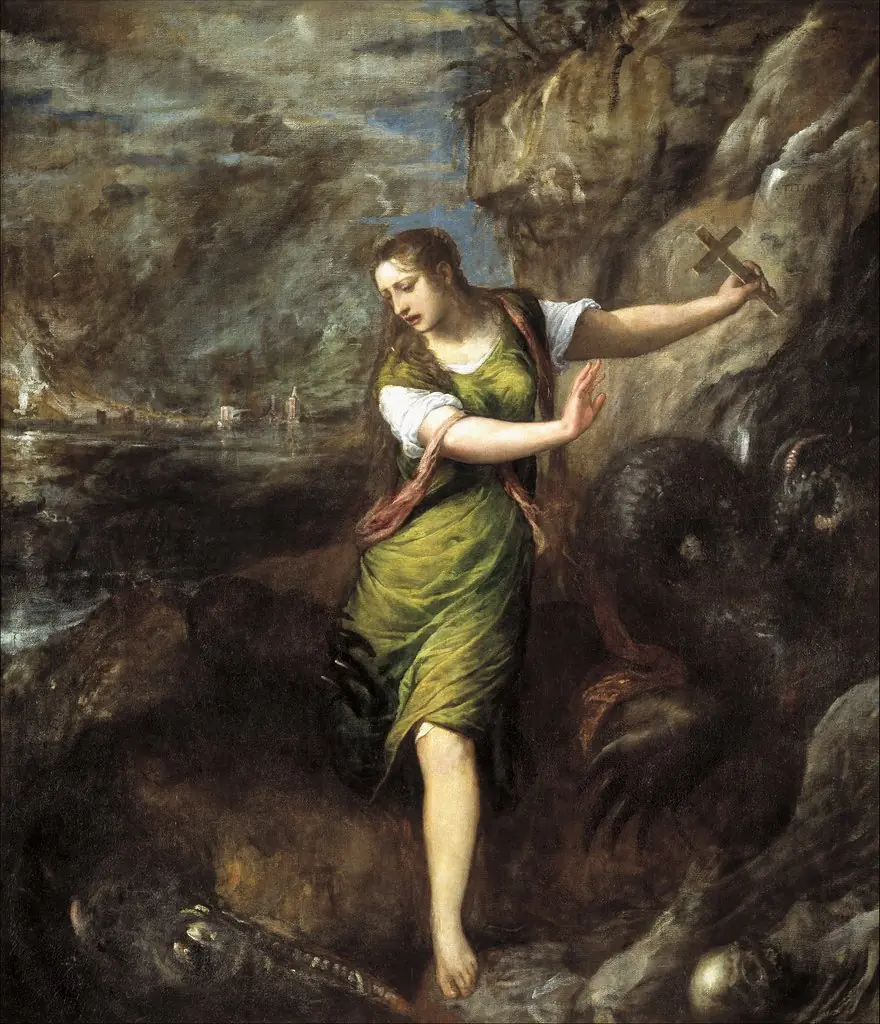 Saint Margaret and the Dragon
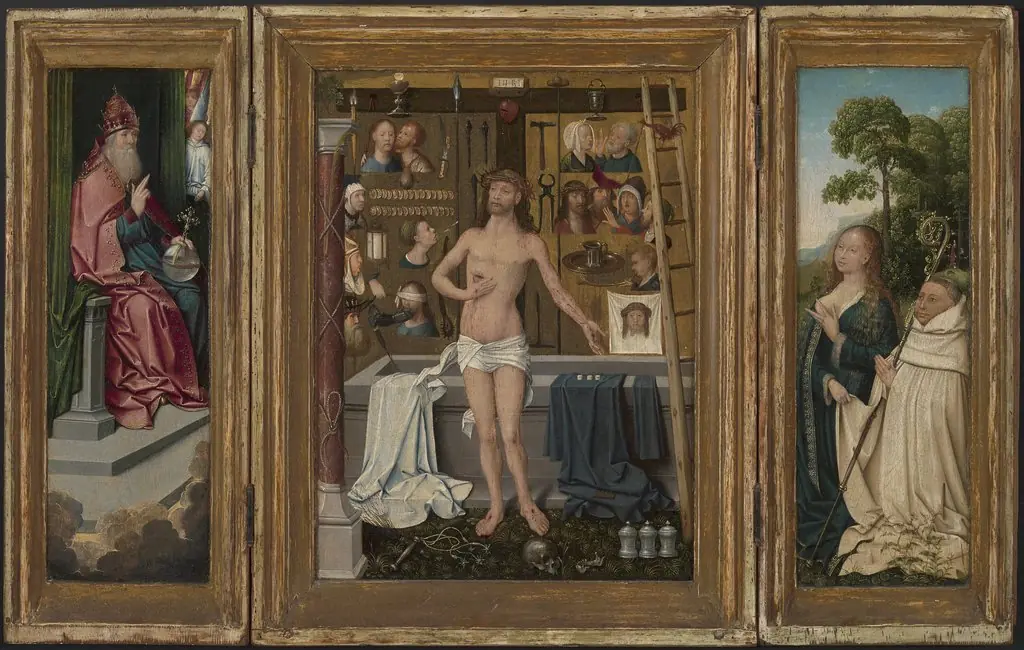 Triptych of Antonius Tsgrooten
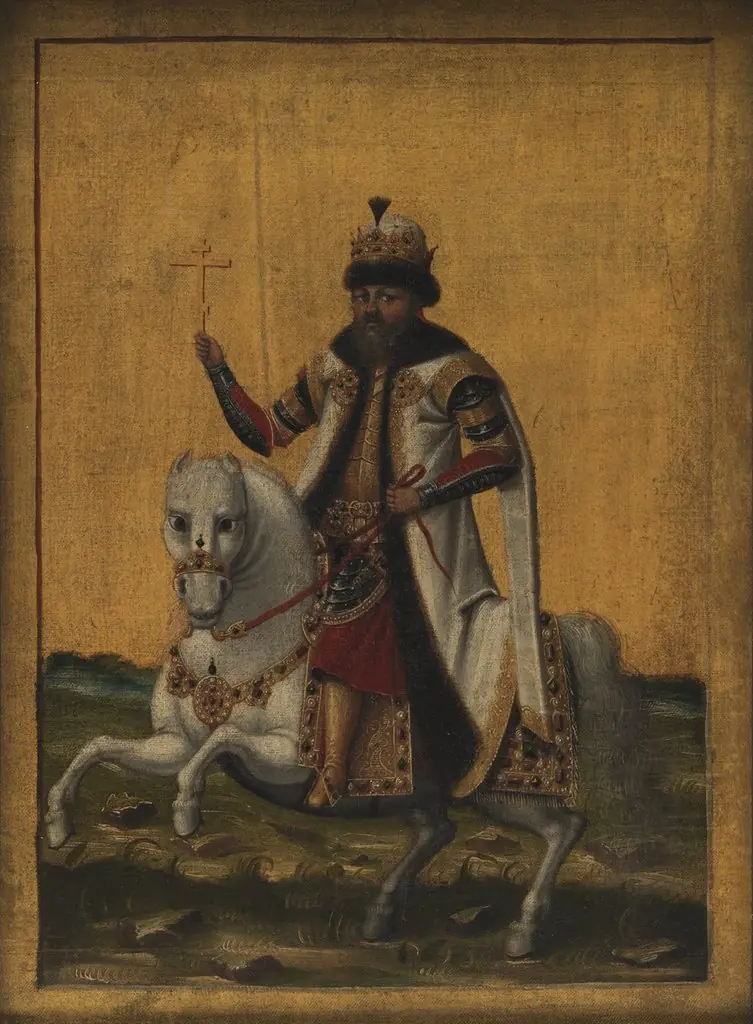 Mikhail Fjodorovitj (1613-45), russisk zar
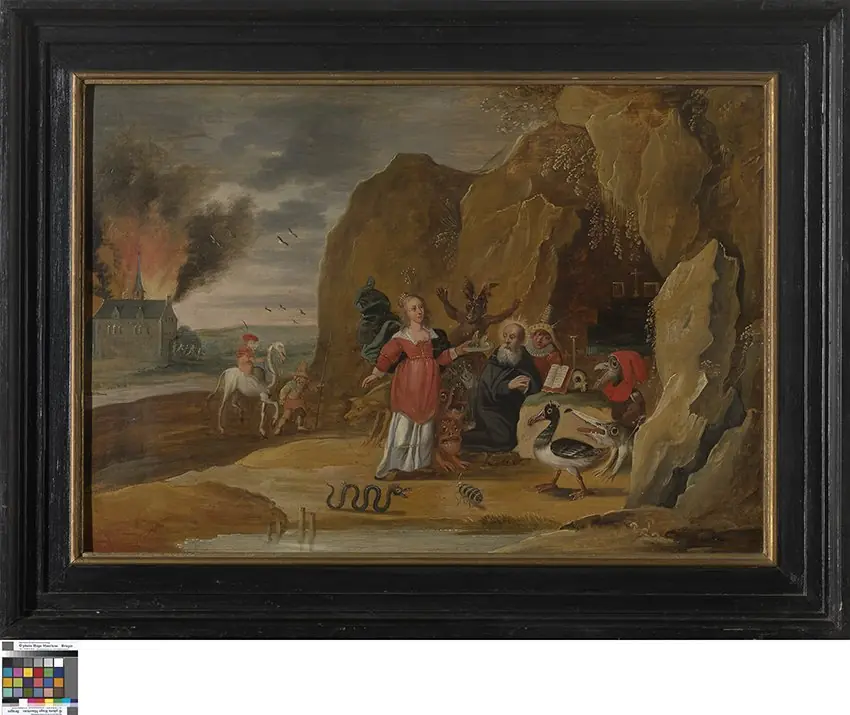 Verzoeking van de heilige Antonius
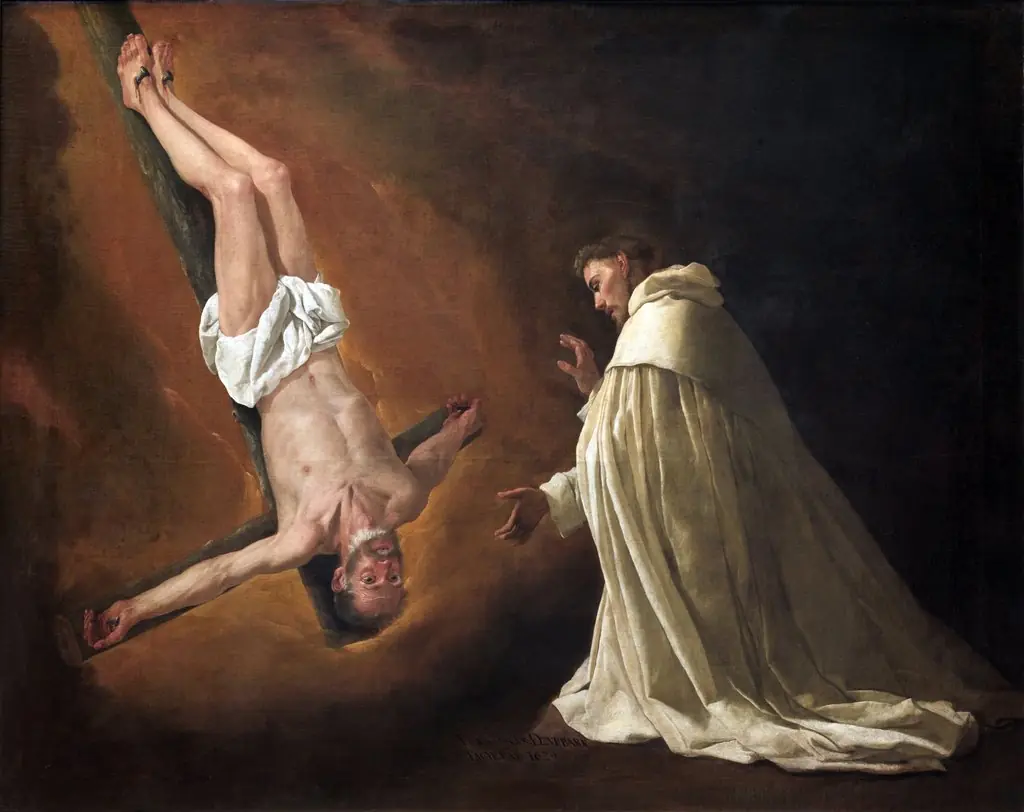 Apparition of the Apostle Peter to Saint Peter Nolasco
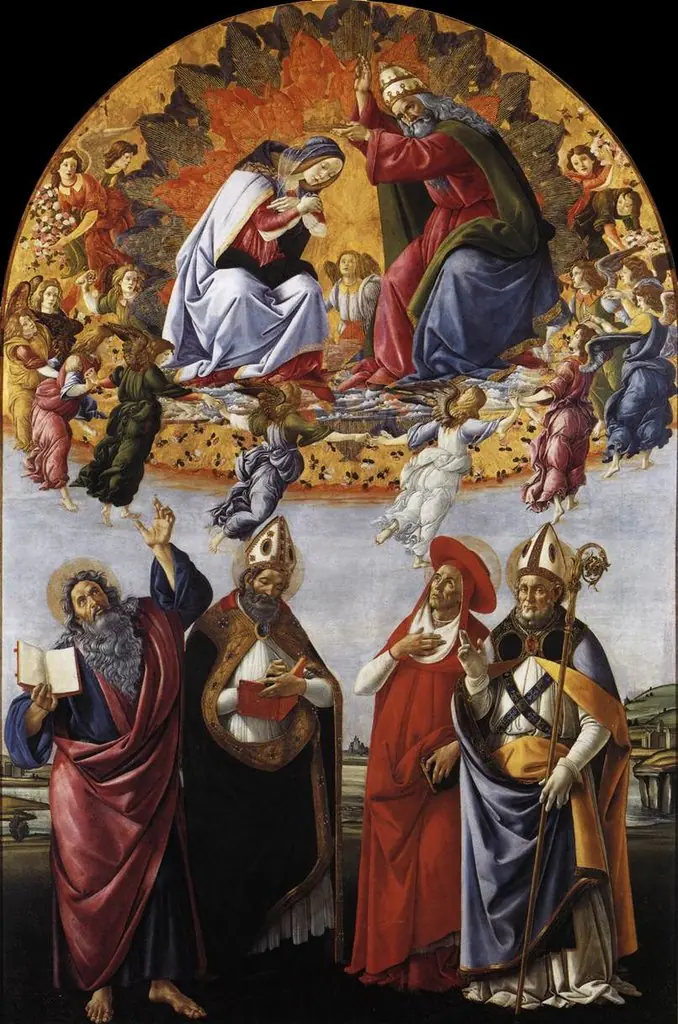 Coronation of the Virgin
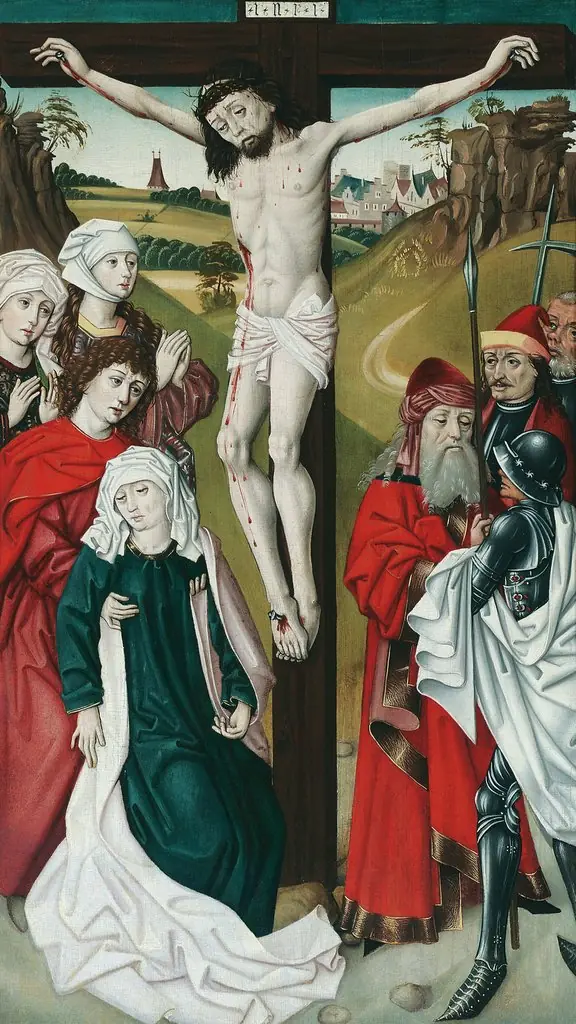 Kreuzigung Christi
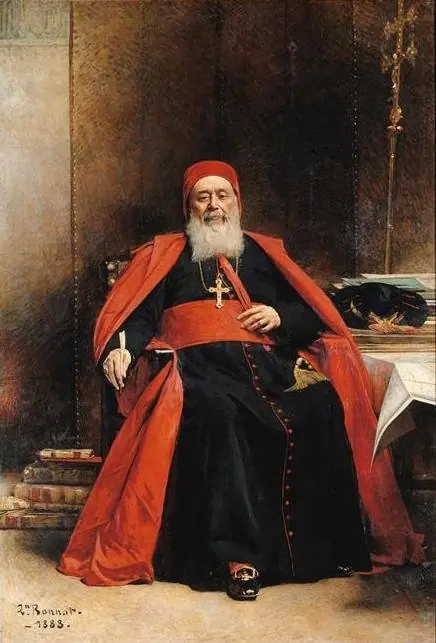 Portrait of the Cardinal Lavigerie
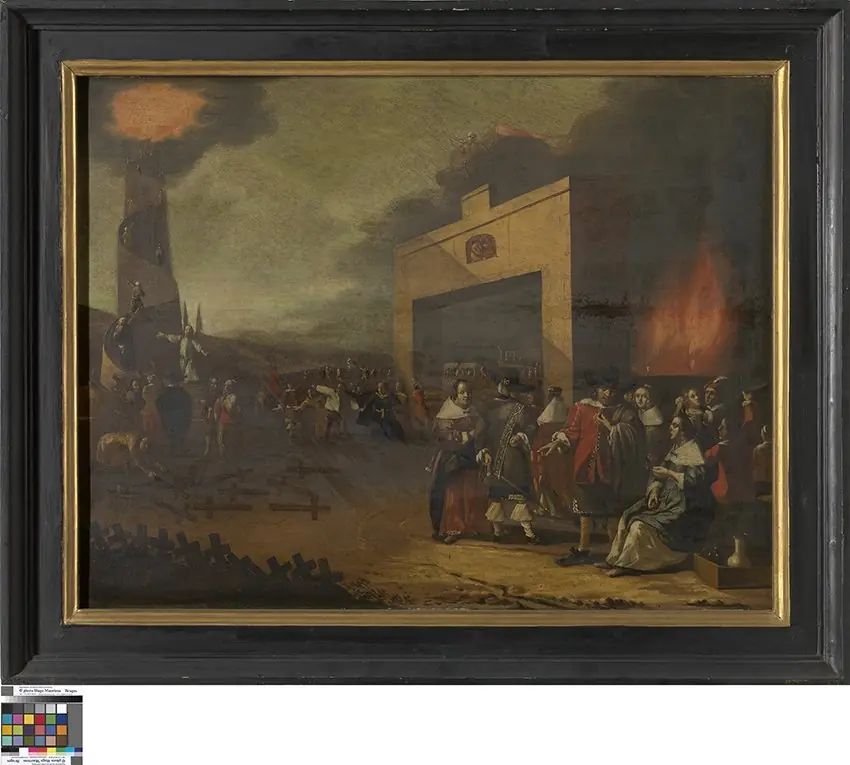 De nauwe en de wijde poort
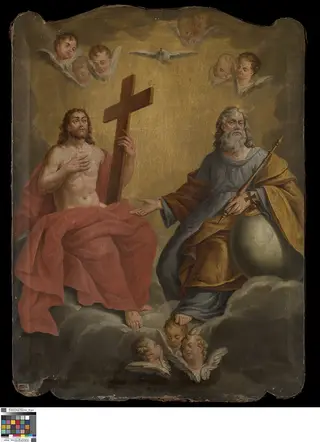 Heilige Drievuldigheid
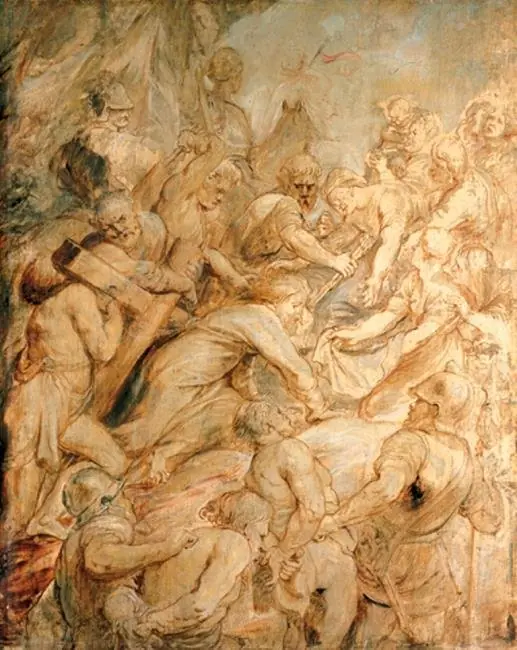 Christ carrying the cross, 1634-1637
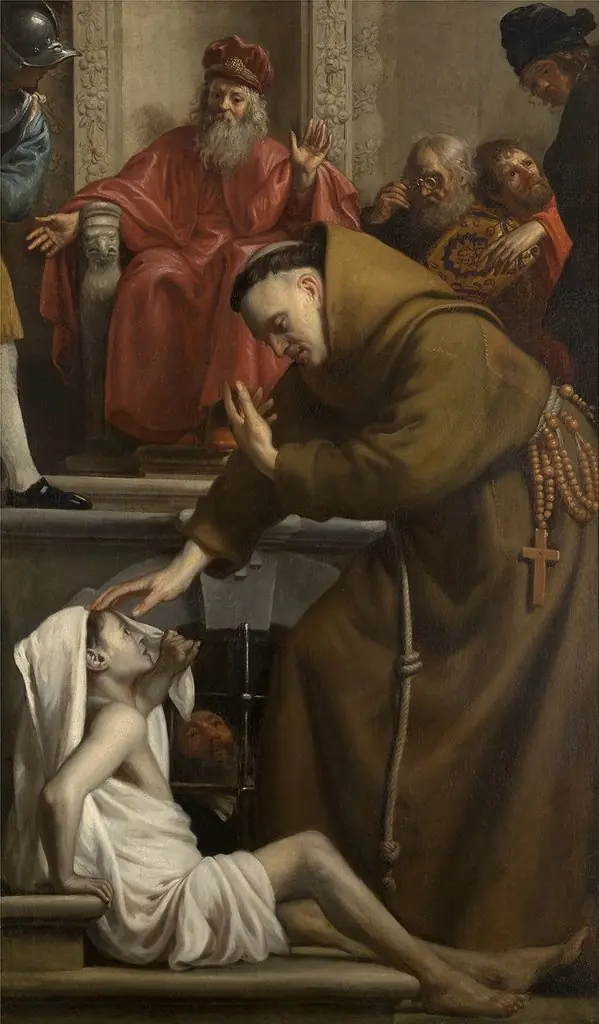 Saint Antony raising a Man from the Dead
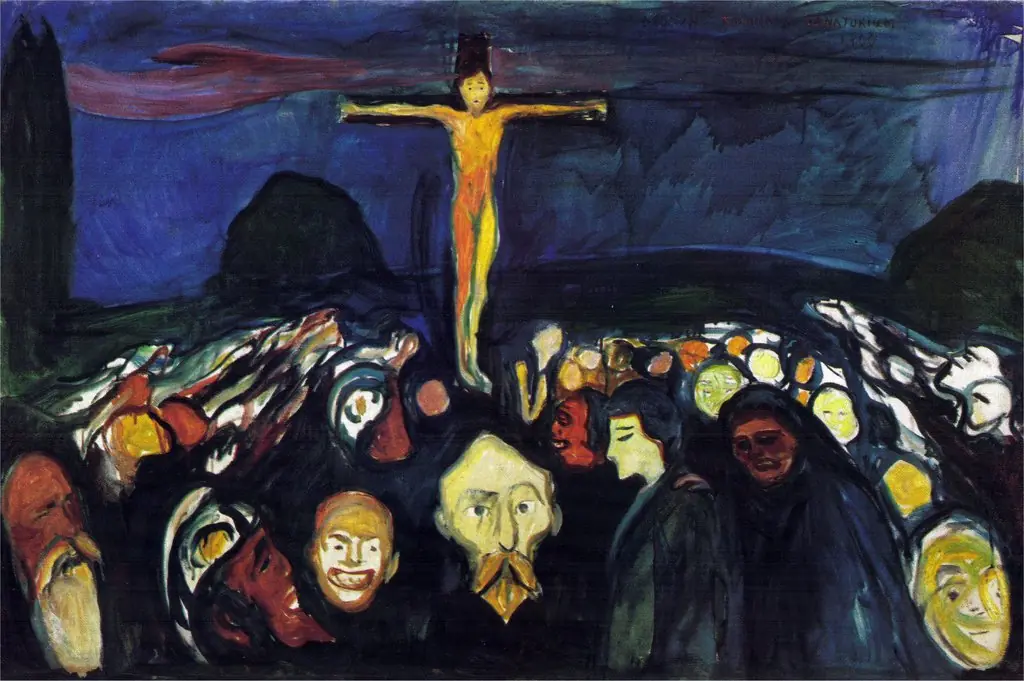 Golgotha
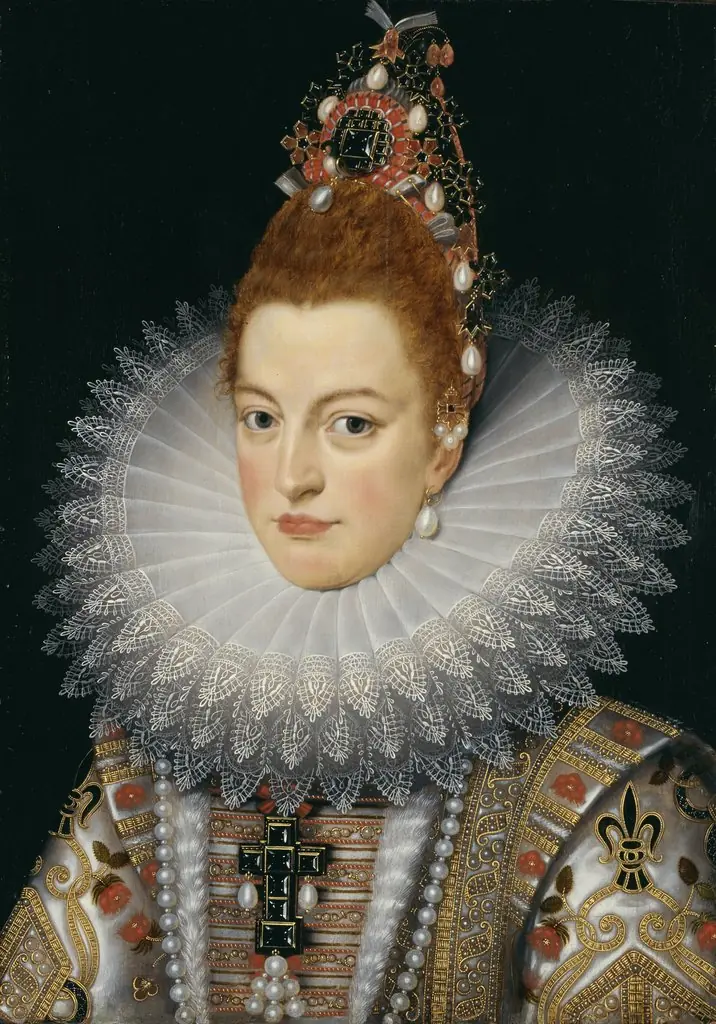 Portrait of Archduchess Isabella
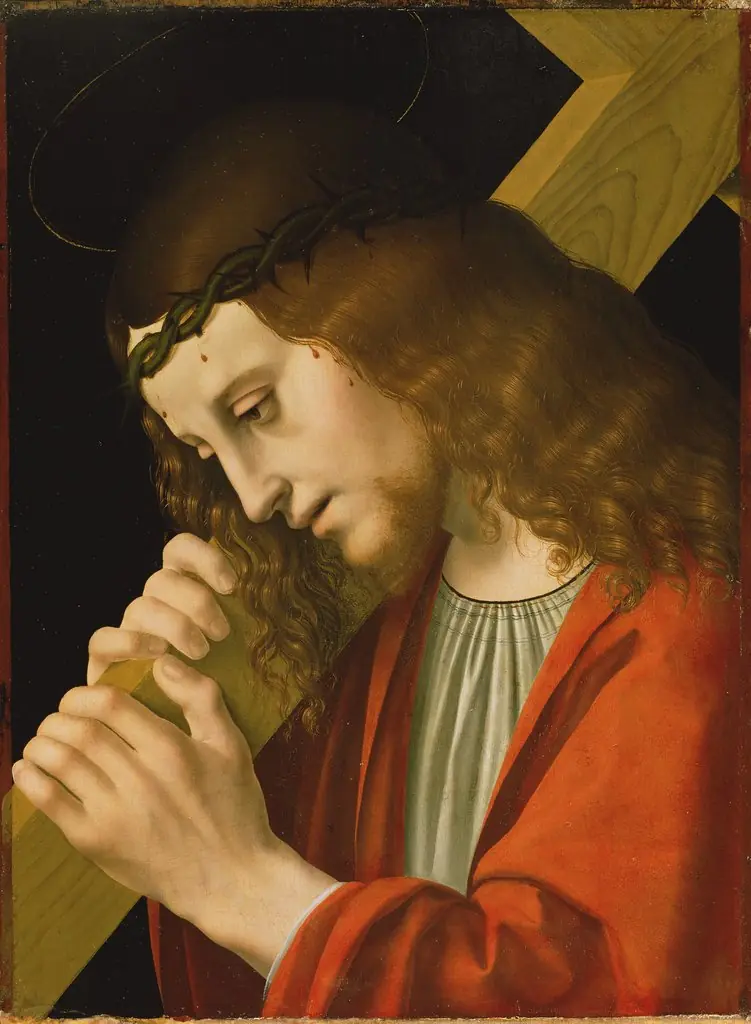 Christ Carrying the Cross
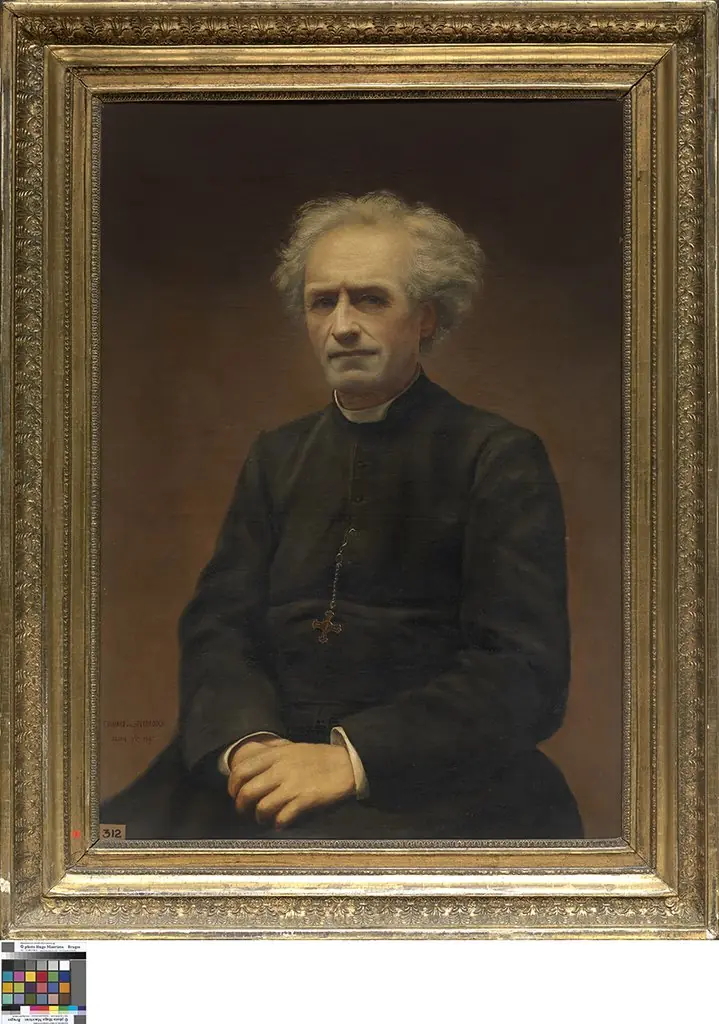 Portret van pastoor L. Van Haecke
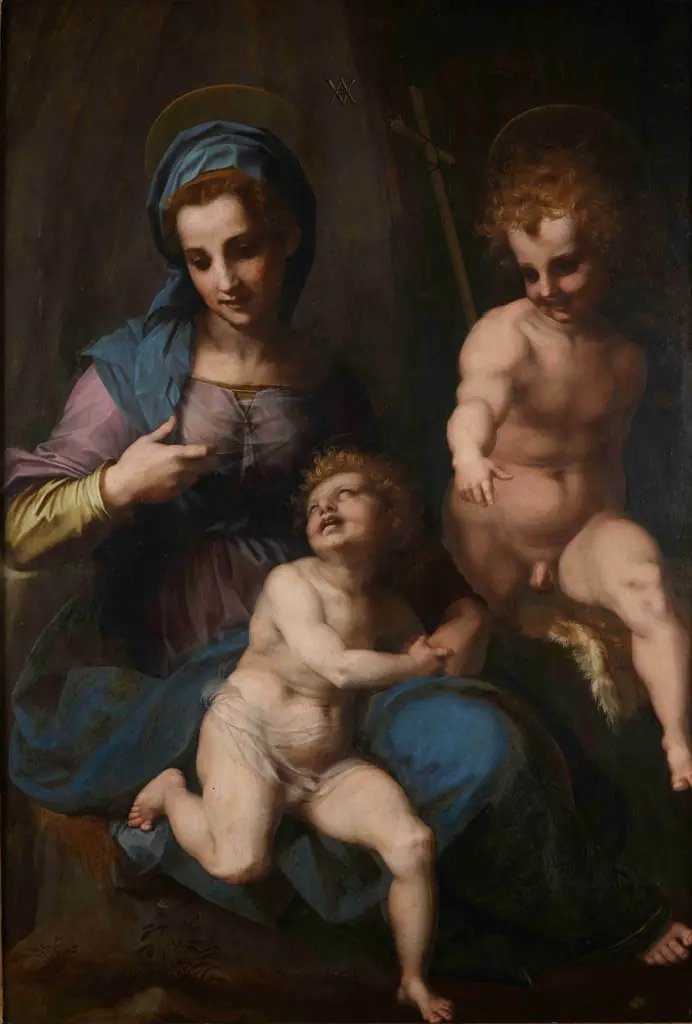 Madonna and Child with Young St John
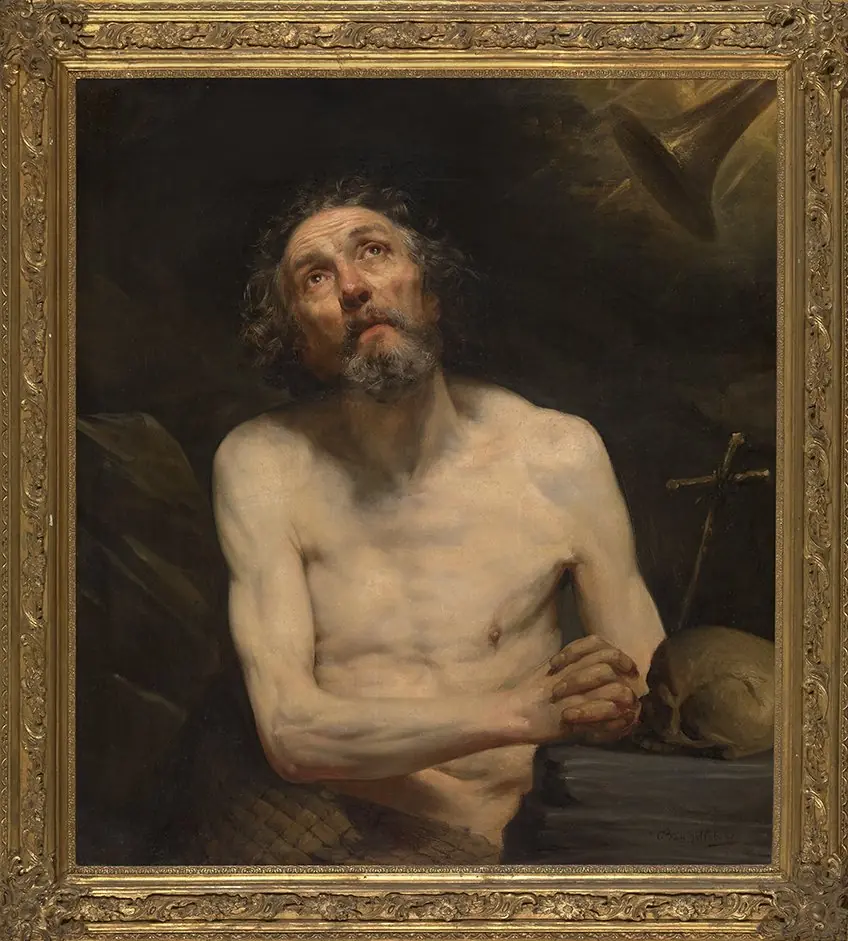 Heilige Hiëronymus
 Portret van een vrouw
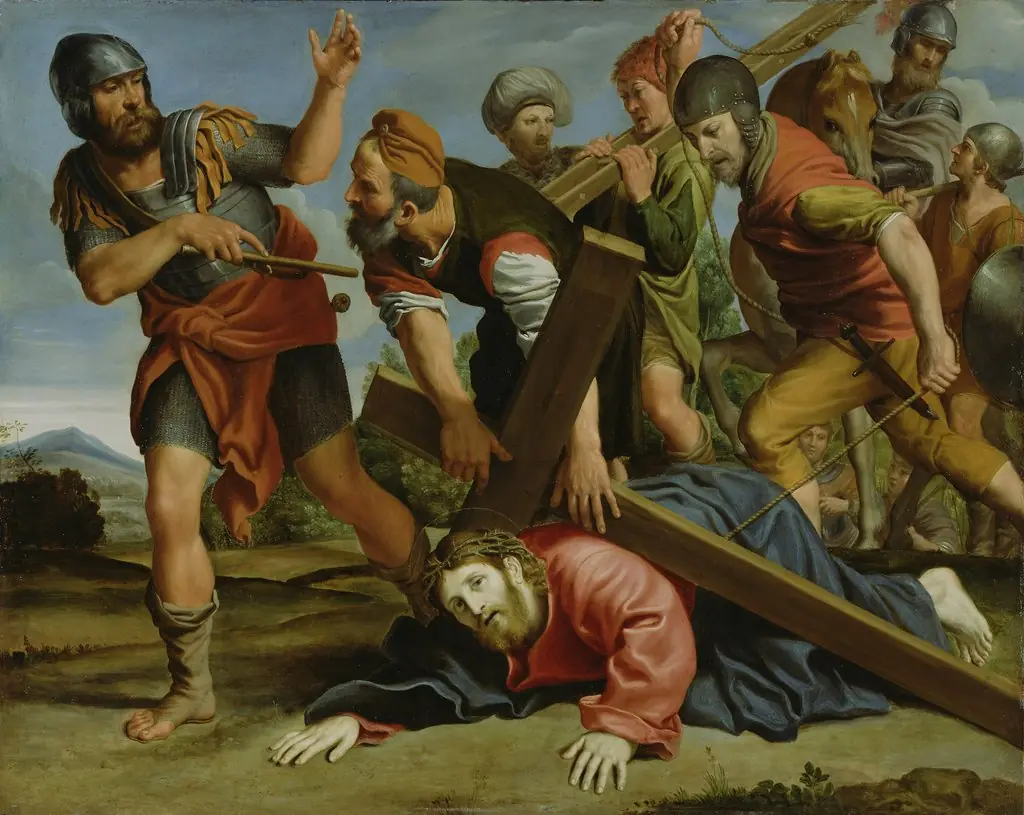 The Way to Calvary
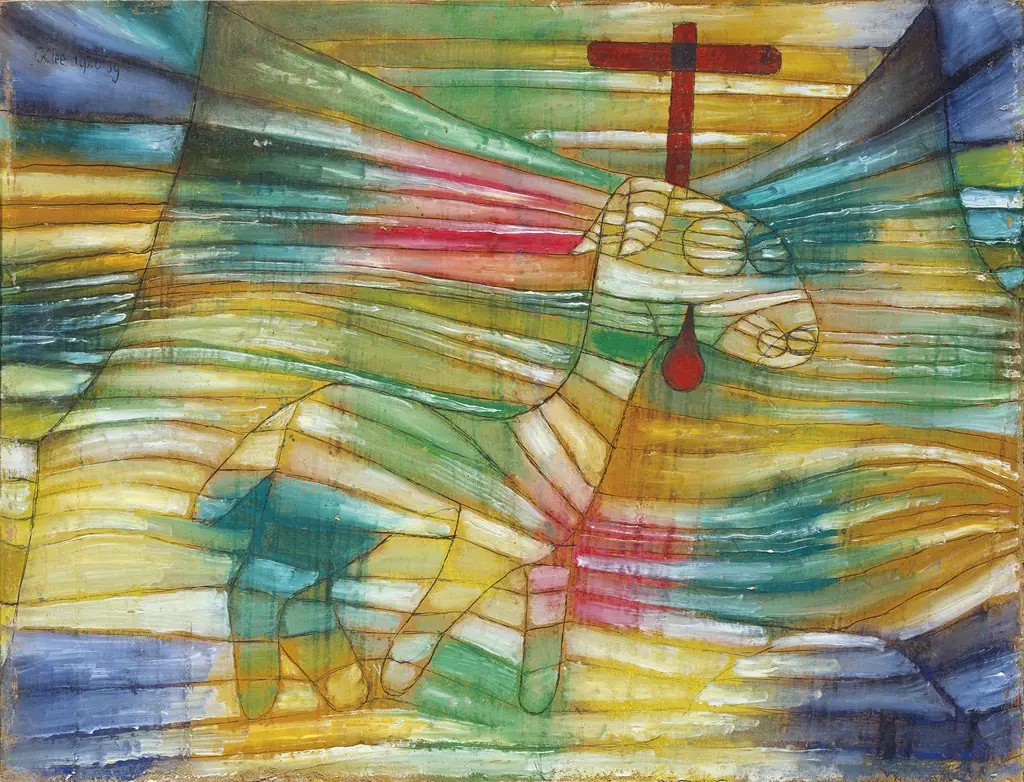 The Lamb
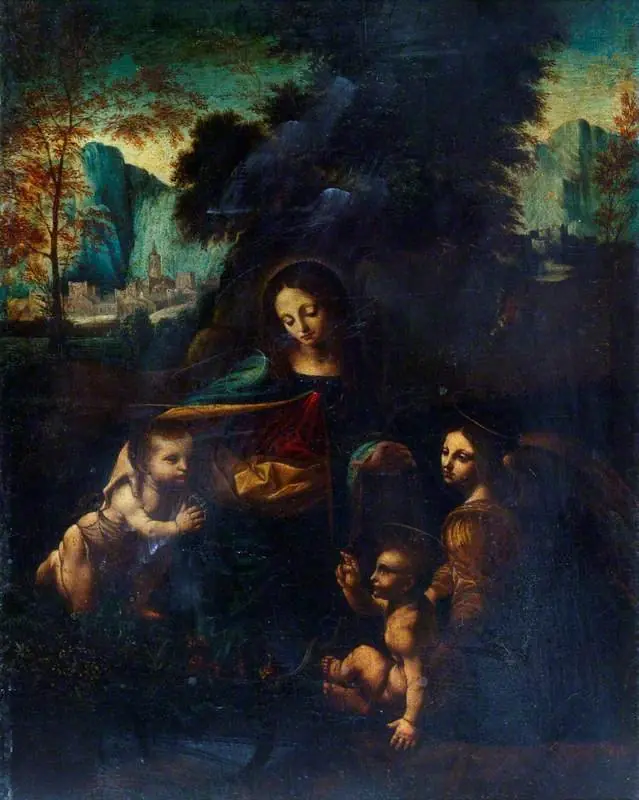 The Virgin of the Rocks
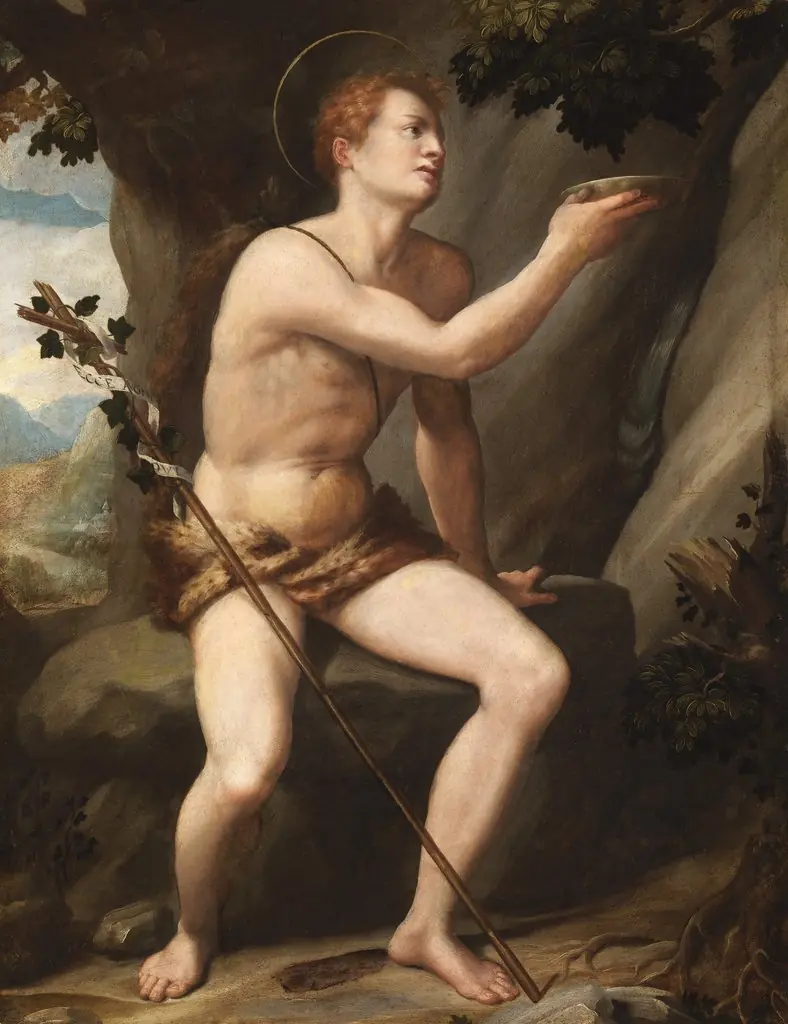 Saint John the Baptist
Frequently asked questions
What is Christian Cross?
Christian Cross is a subject in art. The Christian cross, seen as symbolizing the crucifixion of Jesus, is a symbol of Christianity.
How many Christian Cross works does Artifact World Gallery have?
Artifact World Gallery holds 28 public-domain Christian Cross works, all free to view and download.
Who are the key Christian Cross artists?
Key Christian Cross artists in the collection include Titian, Peter Paul Rubens and Paulus Potter.
Where can I see Christian Cross works?
Christian Cross works in the collection are held by Groeningemuseum, Statens Museum for Kunst and Kunsthistorisches Museum.