Subject
Aureola
Aureola is a subject in art. The gallery holds 24 works in this subject in art, including works by Raphael, Édouard Manet and Fra Bartolomeo.
An aureola or aureole (diminutive of Latin aurea 'golden') is the radiance of luminous cloud which, in paintings of sacred personages, surrounds the whole figure. In Romance languages, the noun Aureola is usually more related to the disc of light surrounding the head of sacred figures, which in English is called halo or nimbus.
Key artists
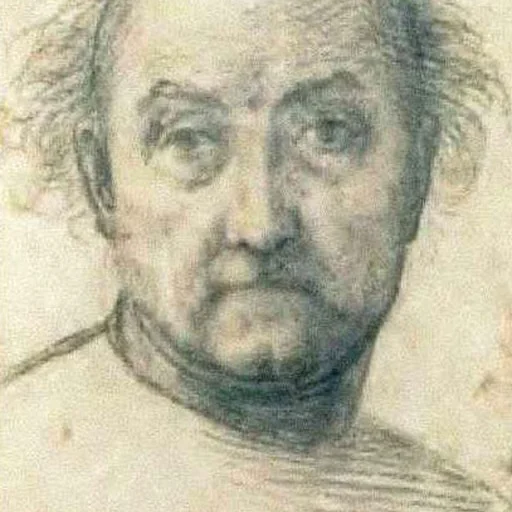
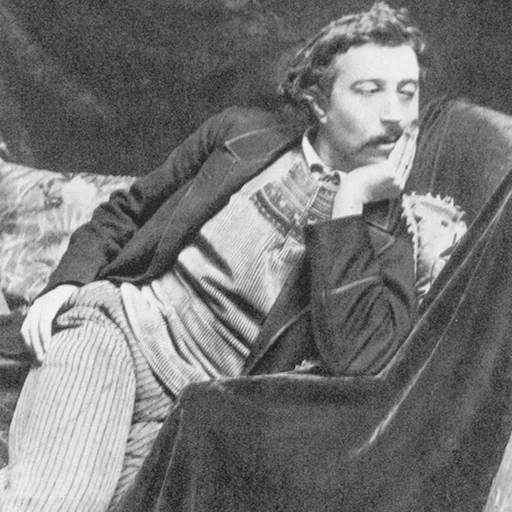
Overview
An aureola, or aureole, is a radiance of luminous cloud that, in art, surrounds the whole figure of a sacred personage. Derived from the Latin aurea meaning golden, the term specifically denotes the full body glow, distinguishing it from the nimbus or halo, which is a disk or ring of light encircling only the head. The combination of both the nimbus and the aureole is termed a glory. The motif recurs across global art as a visual signifier of holiness, spiritual light, and divine emanation, visually separating sacred figures from the mundane world.
Iconography & meaning
The aureola symbolizes spiritual radiance and solar light, expressing the sacred aura of the depicted figure. In Christian art, unwritten but strict rules govern its form and color. A circular aureole is reserved for angels and saints, with gold being standard. Colored variants carry specific meanings: red for martyrs, white for virgins, green for confessors, and violet for penitents. Jesus Christ receives a cruciform nimbus, typically showing three arms, while God the Father is framed by a triangular aureole symbolizing the Trinity. A square aureole designates living persons or those not yet canonized, representing the earthly sphere as opposed to the heavenly circle. Polygonal aureoles represent virtues, while a black halo marks evil, used for the devil or Judas Iscariot. In Indian religions, the head or body halo is called a prabhamaṇḍala or prabhavali, and in Japanese Buddhist iconography it is known as the kōhai, taking forms ranging from golden circles to flaming auras.
Across movements & periods
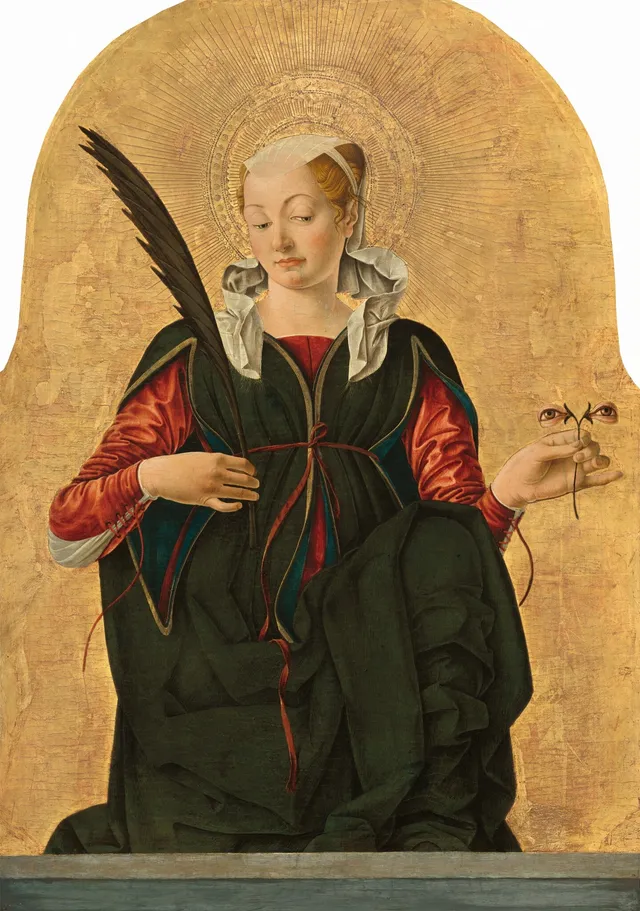
The motif predates Christianity, originating in pre-Christian Hellenistic, Persian, and Egyptian art where it signified solar deities like Helios, Apollo, and Mithras, or divine kings. Roman emperors adopted it as a radiant crown. By the first century AD, the Kushan empire transmitted the halo to Buddhist iconography, spreading it across Asia. In Christian art, the nimbus appeared in the fifth century, initially restricted to the Trinity and angels before extending to the Virgin Mary, apostles, and saints. Early Christian and Byzantine art rendered the aureole as a solid gold disk centered on the nose of frontal figures. During the Gothic period, artists added rays and punchwork decorations. The Proto-Renaissance introduced perspective, with Italian primitives painting the disk hovering above the head or tilted in space. Giotto rendered it in relief and elliptical perspective, a practice furthered by Masaccio, Piero della Francesca, and Andrea Mantegna using geometric rules. By the late fifteenth century, the aureola was viewed as a medieval relic. Artists like Antonello da Messina and Leonardo da Vinci reduced it to a thin ring or eliminated it entirely to portray divinity through human presence rather than overt symbols.
Notable depictions
A prominent variant of the full-body aureole is the mandorla, an almond-shaped or vesica piscis radiance used to frame Christ and the Virgin Mary. It commonly surrounds Christ in Majesty in Byzantine, early medieval, and Romanesque art. In the Eastern Orthodox Church, the mandorla depicts sacred moments transcending time and space, such as the Resurrection and Transfiguration, using concentric patterns of color that grow darker toward the center to represent the unfathomable brightness of holiness, aligning with apophatic theology. A famous Romanesque fresco at Sant Climent de Taull incorporates the inscription Ego Sum Lux Mundi within the mandorla. Romanesque sculpture at Conques and Cervon features Christ surrounded by star-like flowers, linking the mandorla to solar symbolism and complex local numerology. Secular use of the halo appears in the mosaics of the Basilica of San Vitale in Ravenna, where it encircles the heads of the living Emperor Justinian and Empress Theodora to denote imperial authority rather than saintliness.
Works
 Saint George and the Dragon
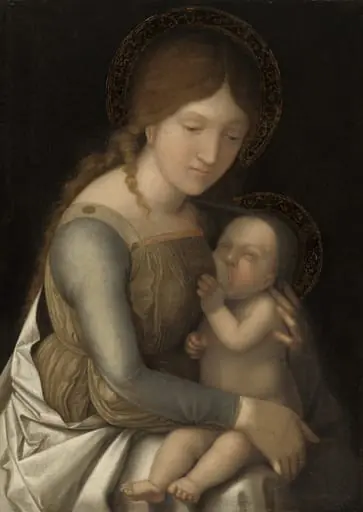 Madonna and Child
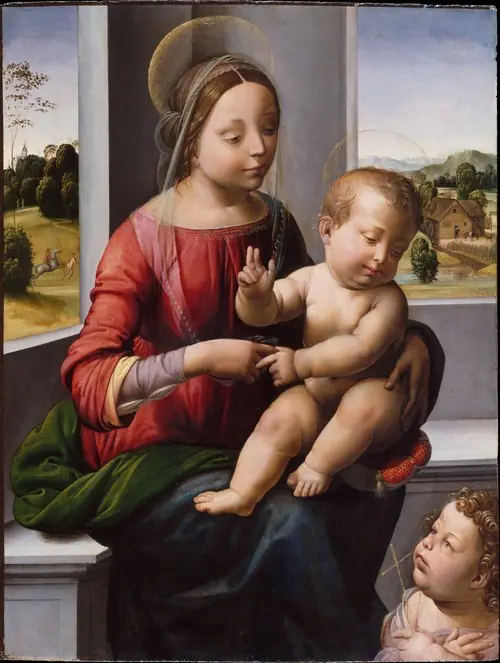 Madonna and Child with the Young Saint John the Baptist
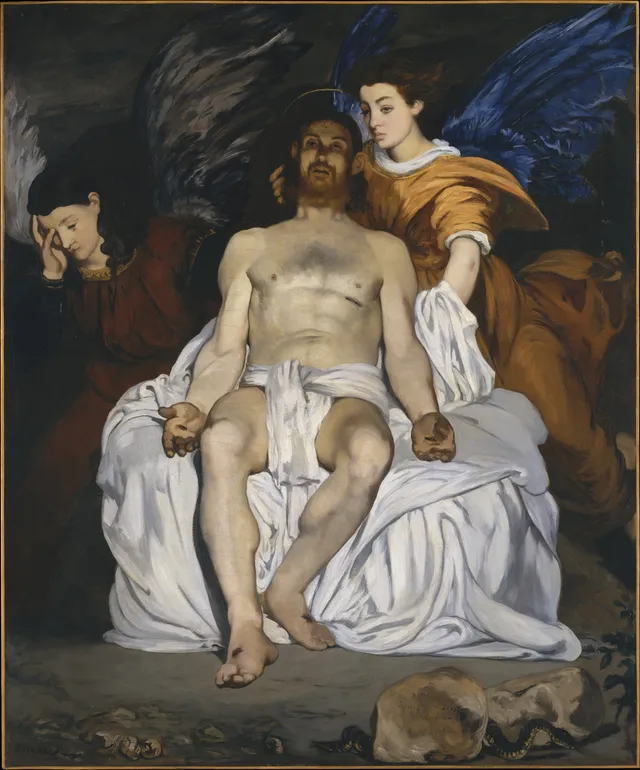
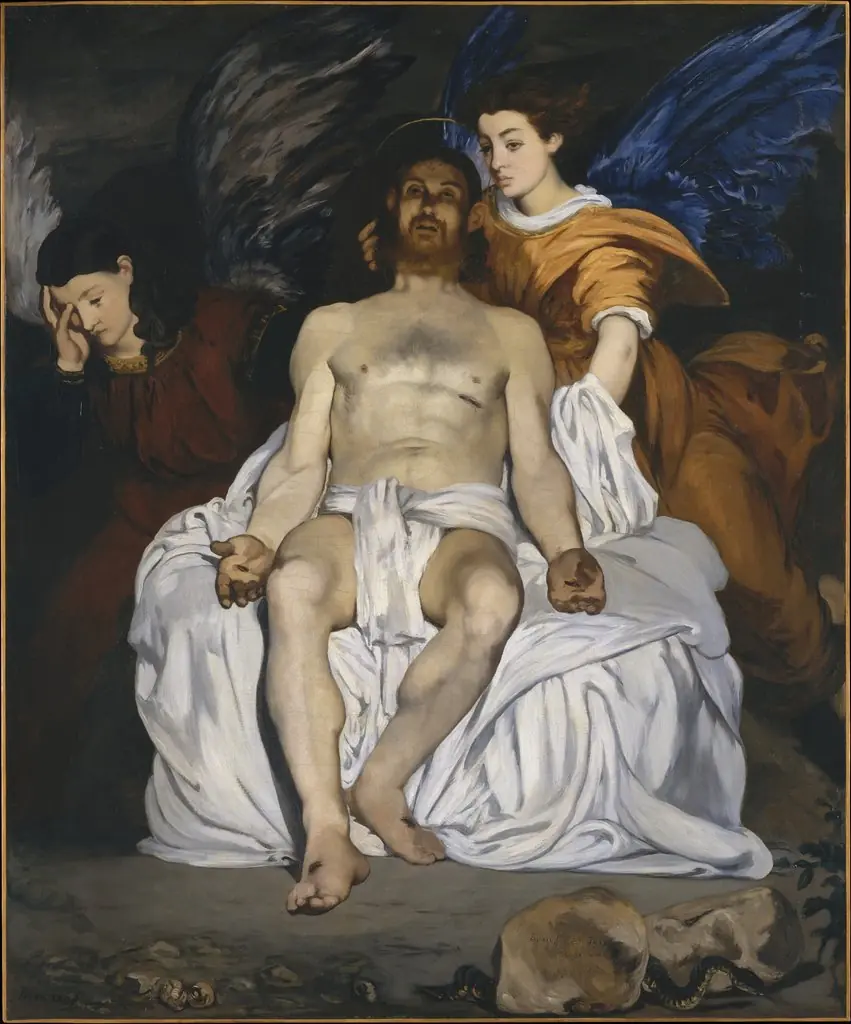 The Dead Christ with Angels
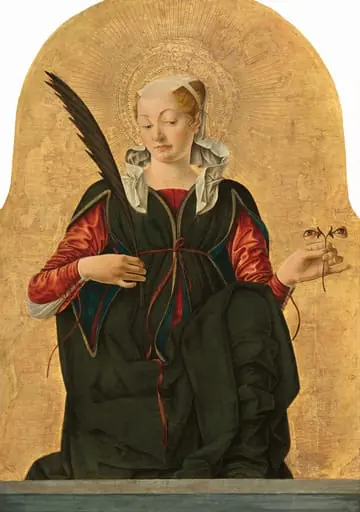 Saint Lucy
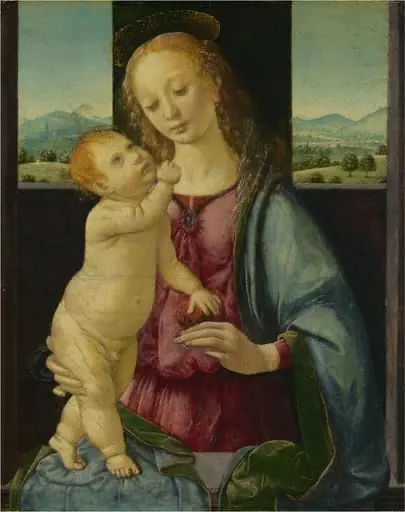 Madonna and Child with a Pomegranate
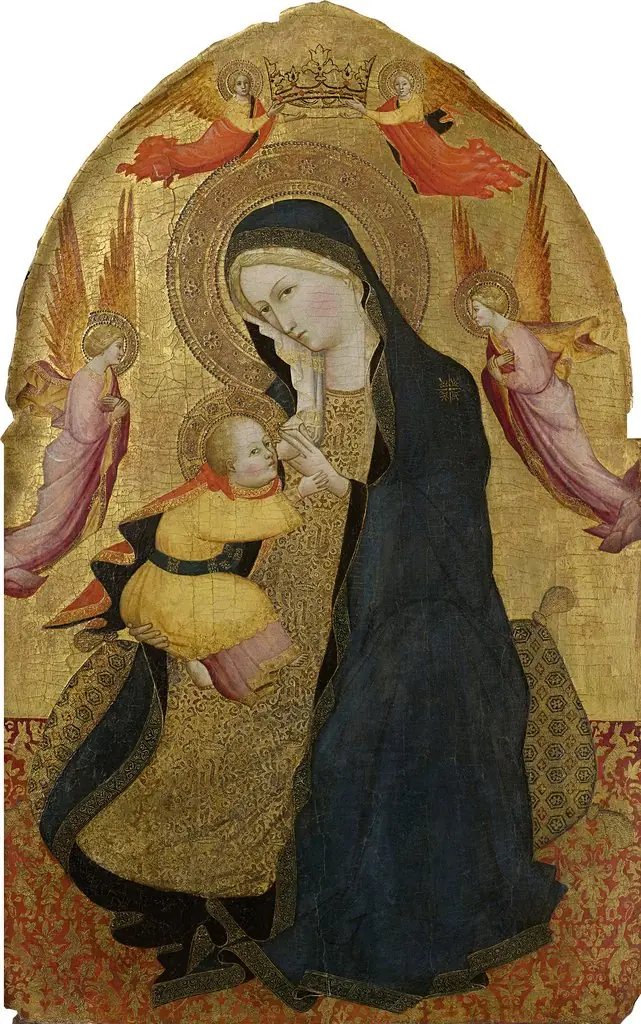 Madonna of Humility (Madonna dell'Umiltà)
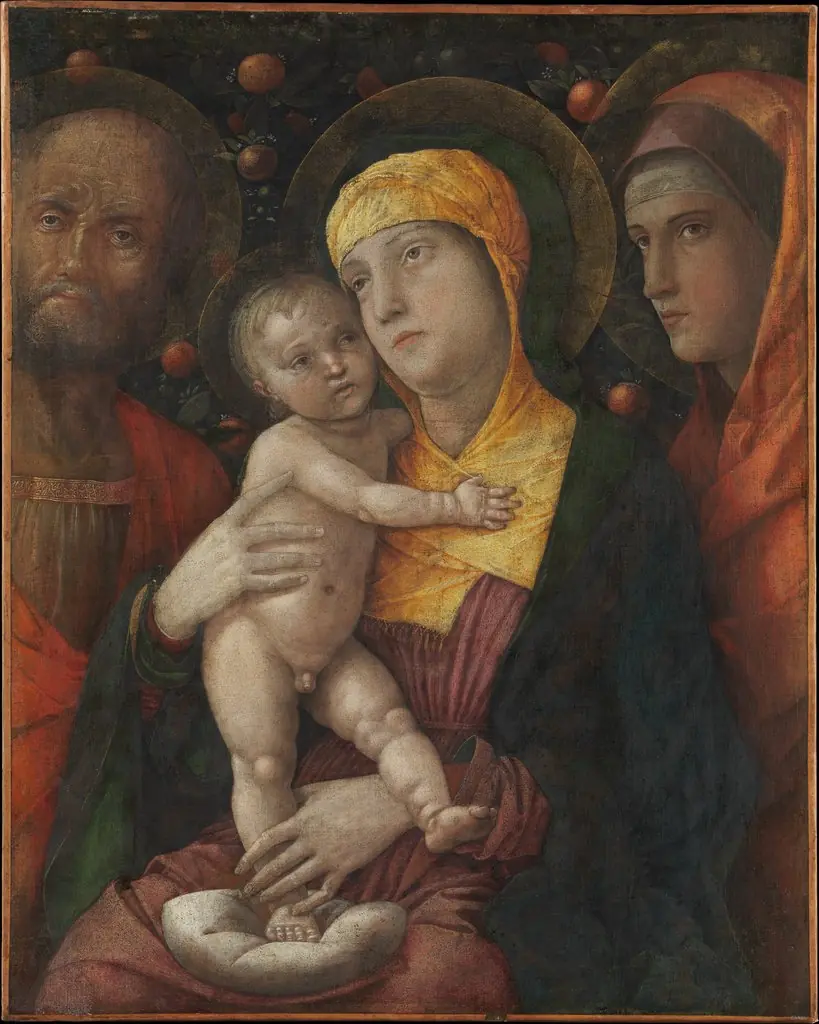 The Holy Family with Saint Mary Magdalen
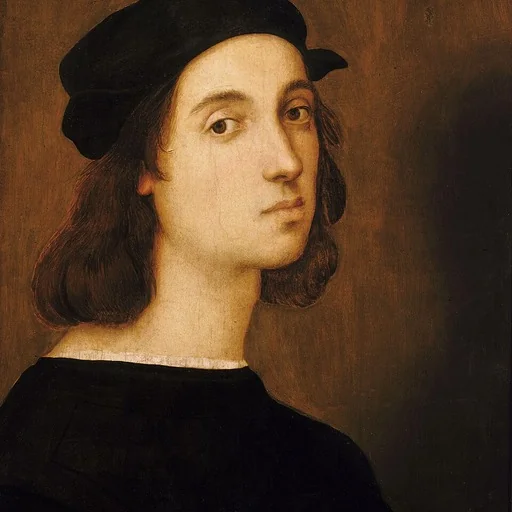
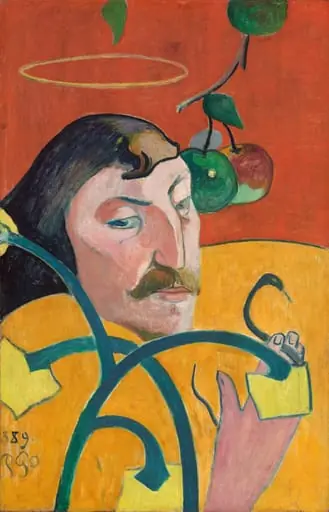 Self-Portrait
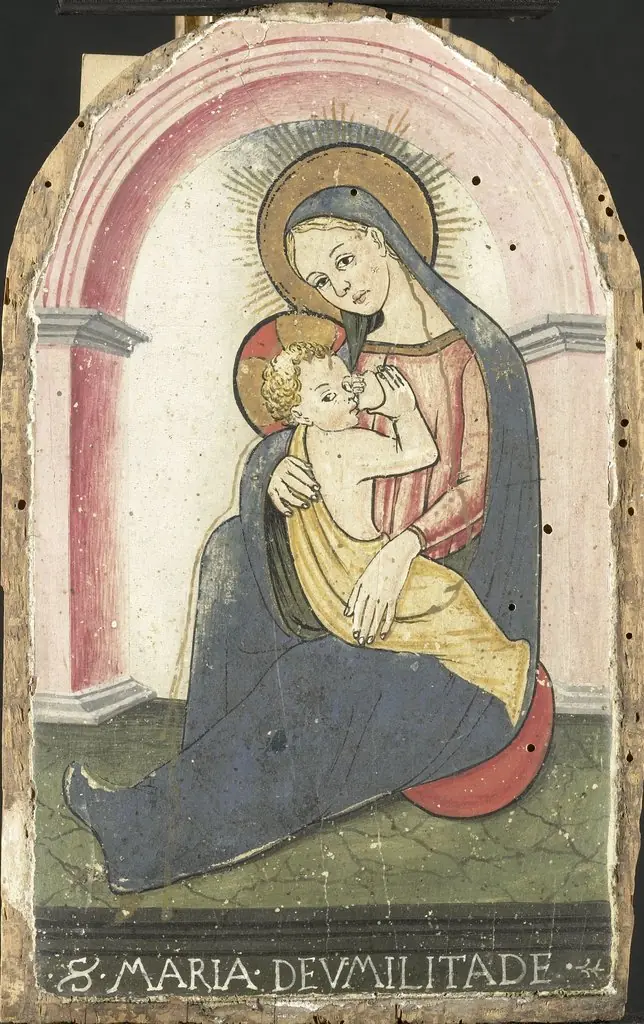 Madonna of Humility
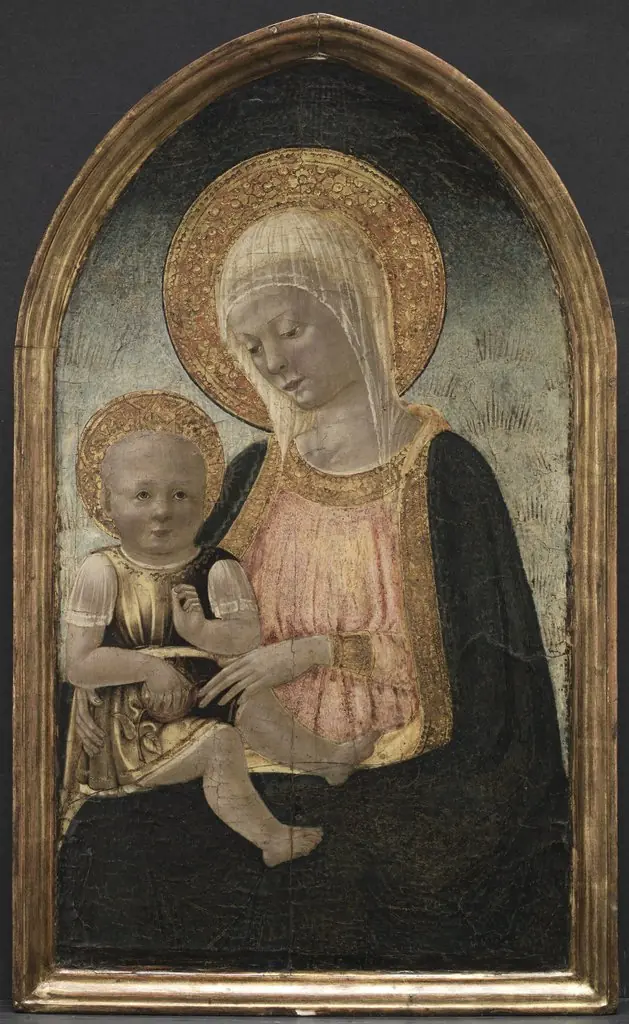 Virgin and Child
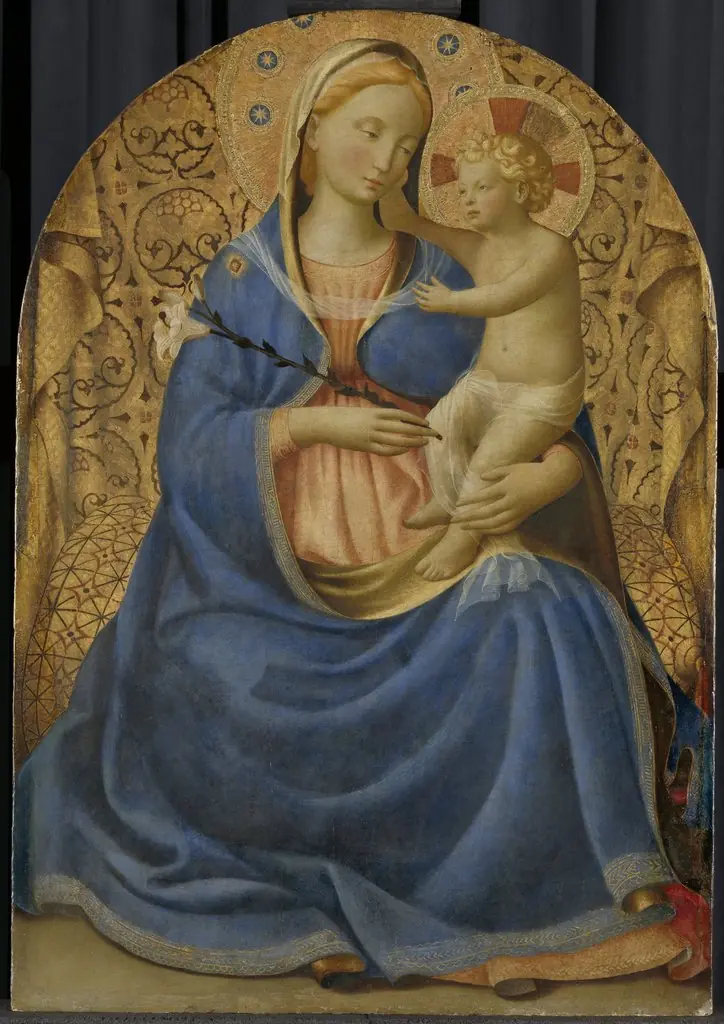 Madonna of Humility
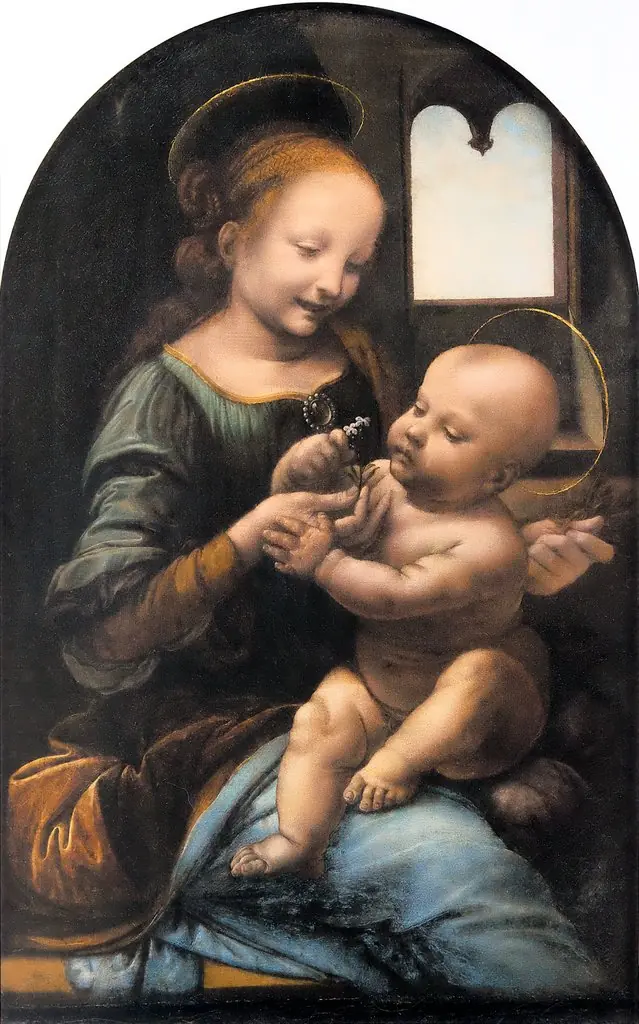 Benois Madonna
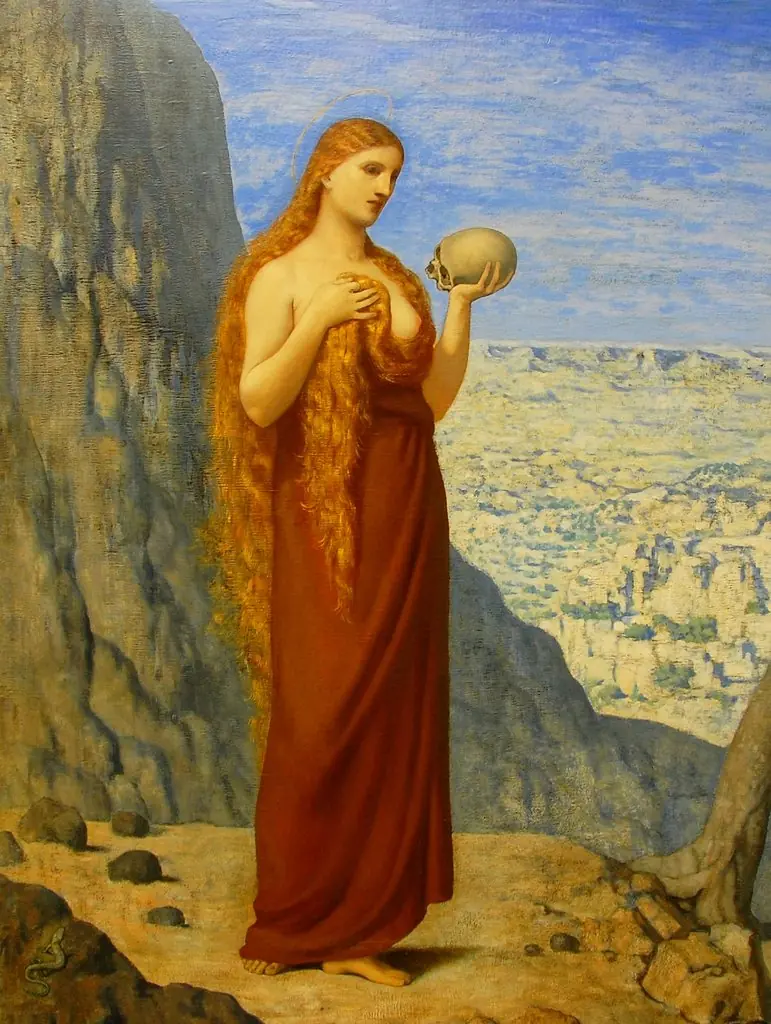 Mary Magdalene in the Desert
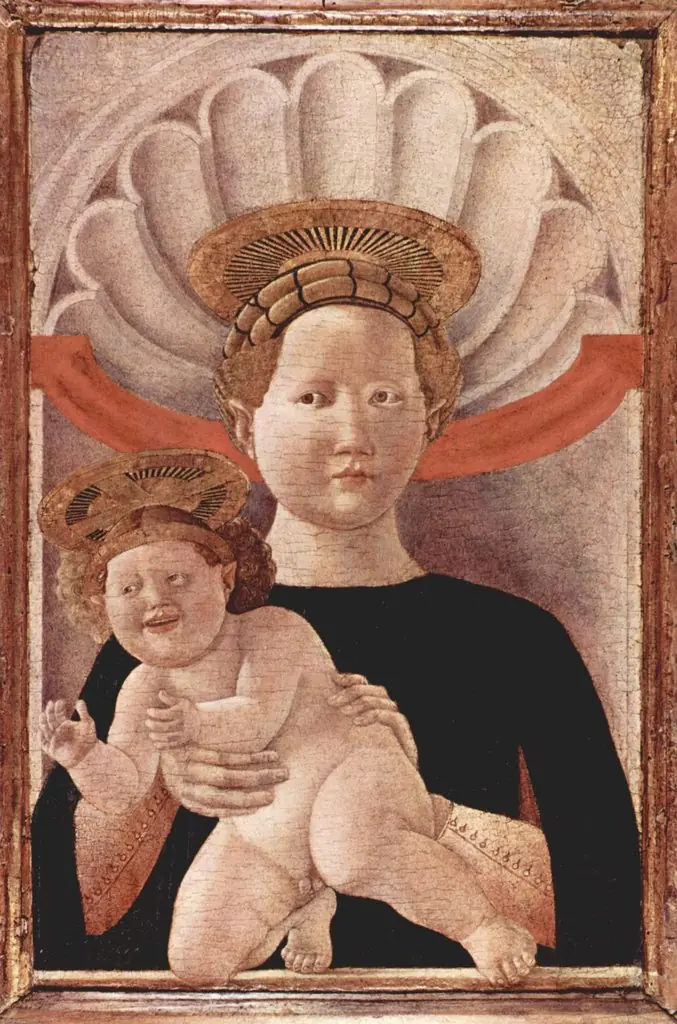 Madonna and Child
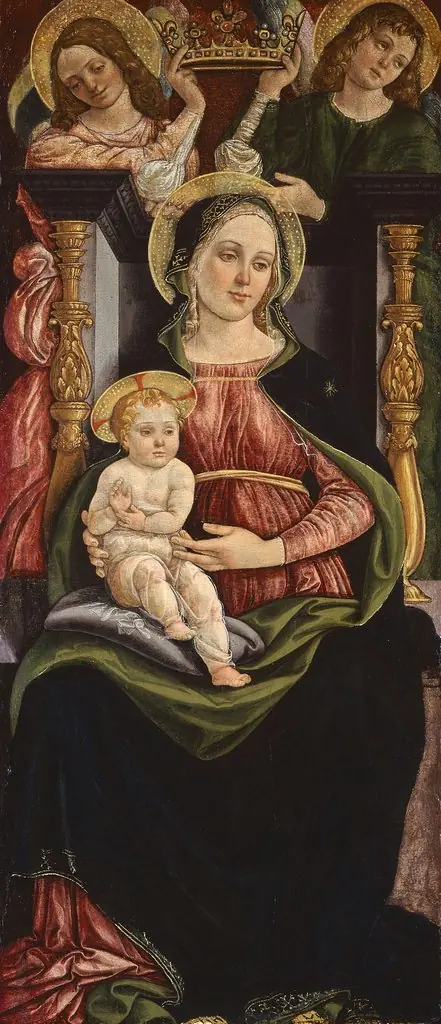 Virgin and Child Enthroned with Two Angels Holding a Crown
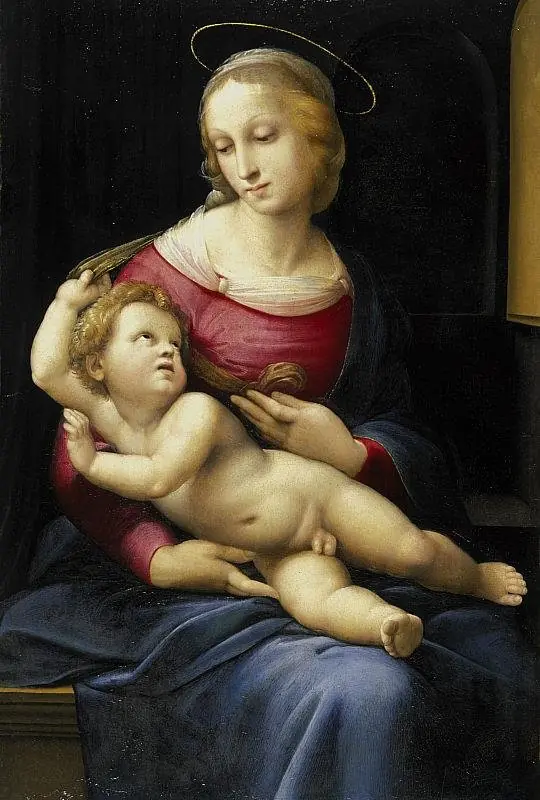 Bridgewater Madonna
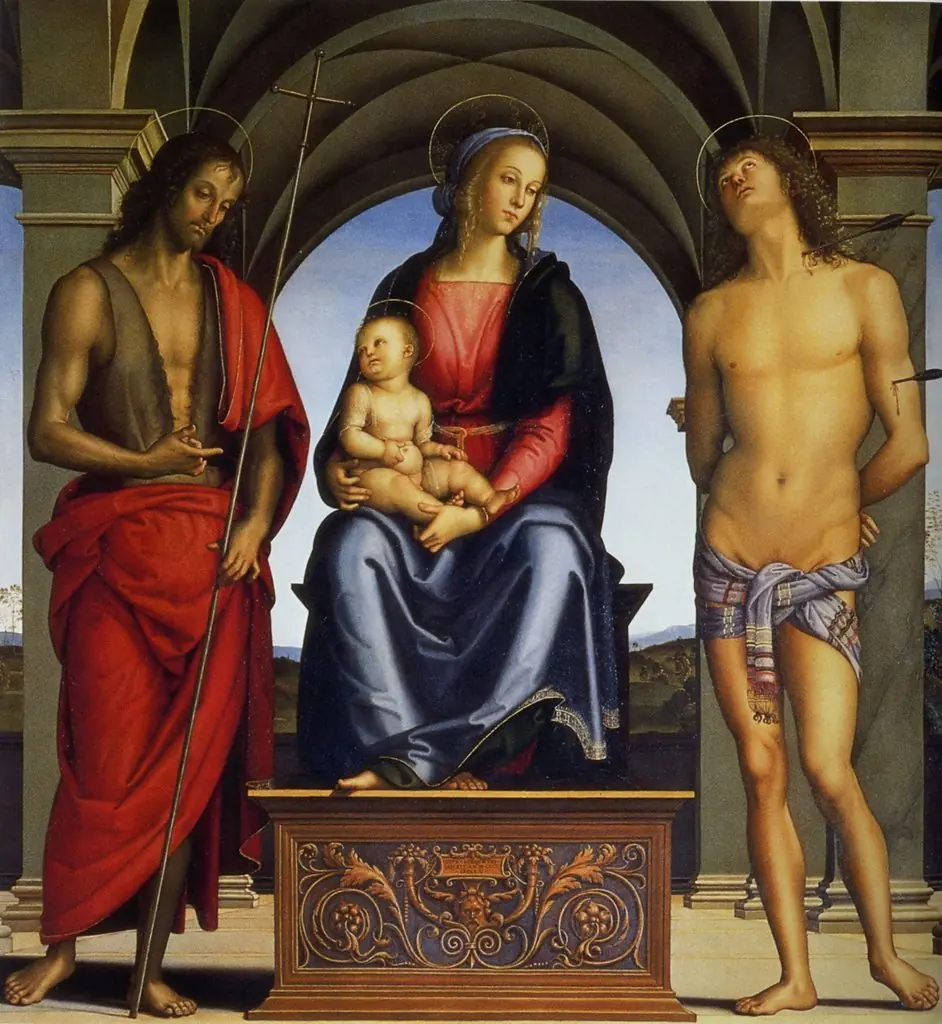 Madonna and Child Enthroned with Saints John the Baptist and Sebastian
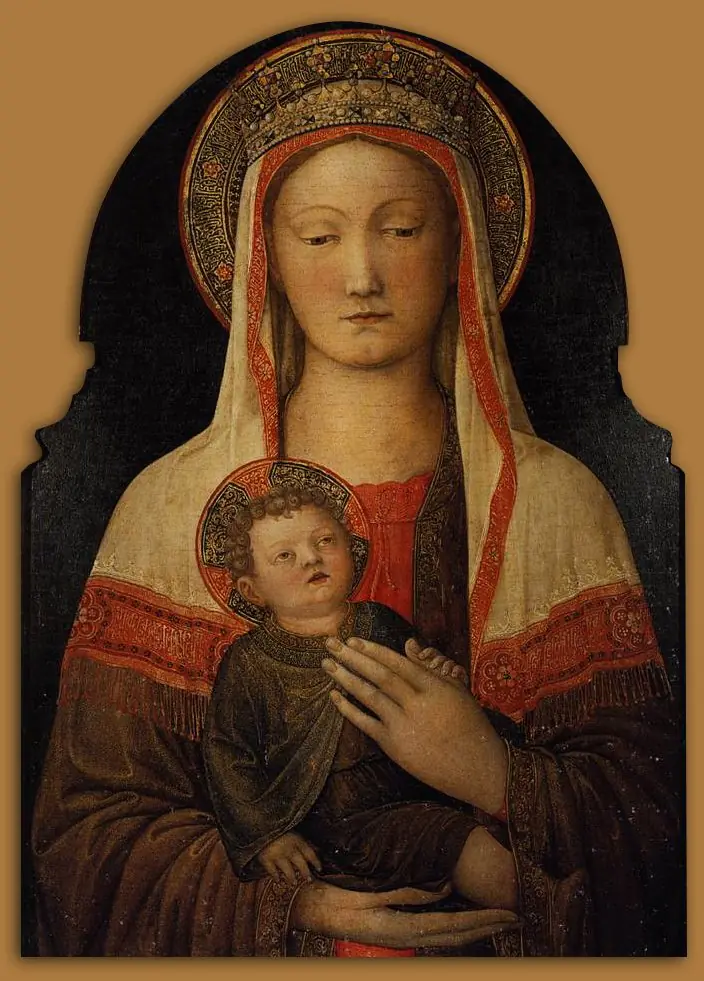 Madonna and Child
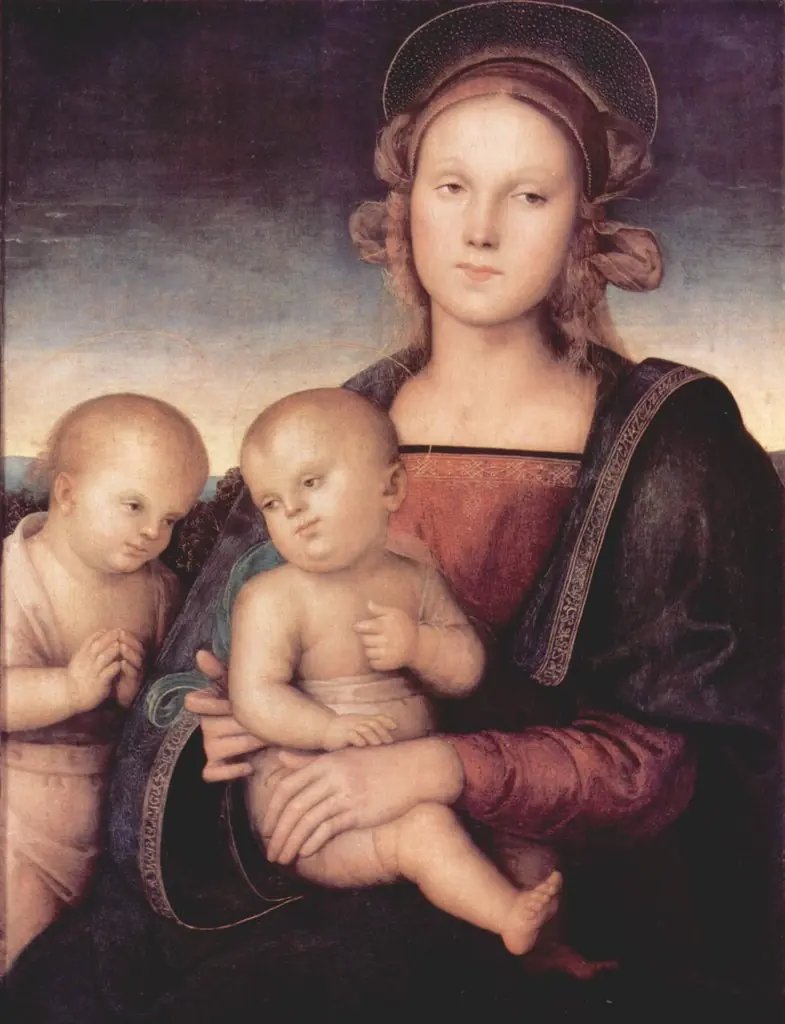 Madonna with child and Saint John the Baptist
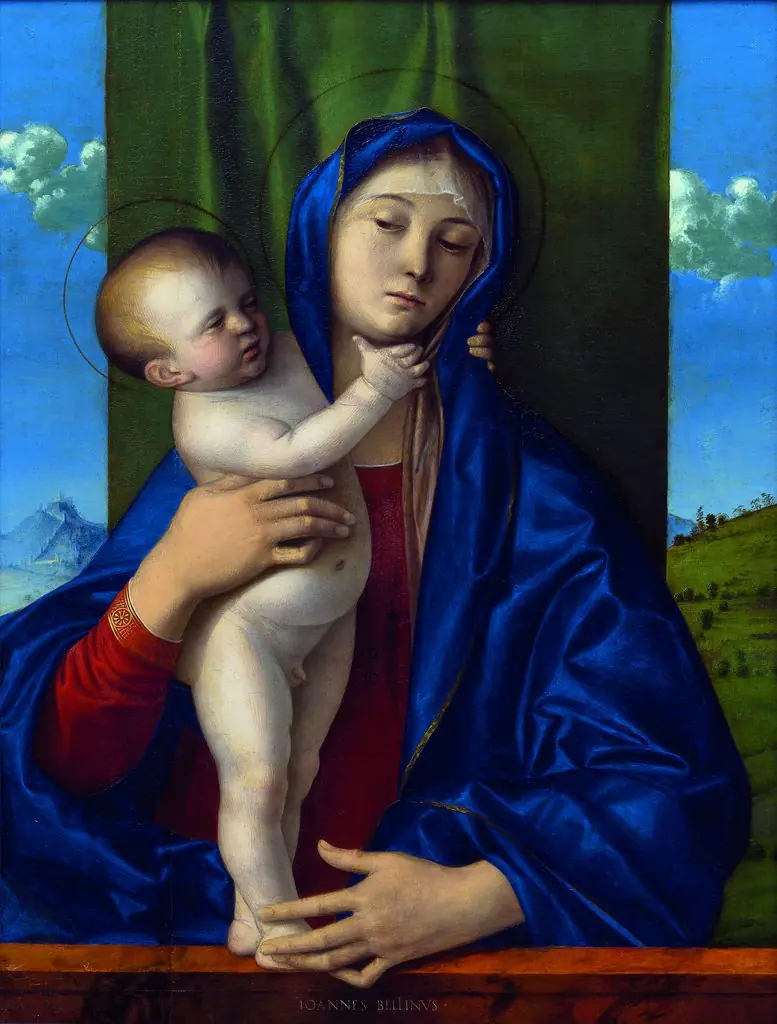 Willys Madonna
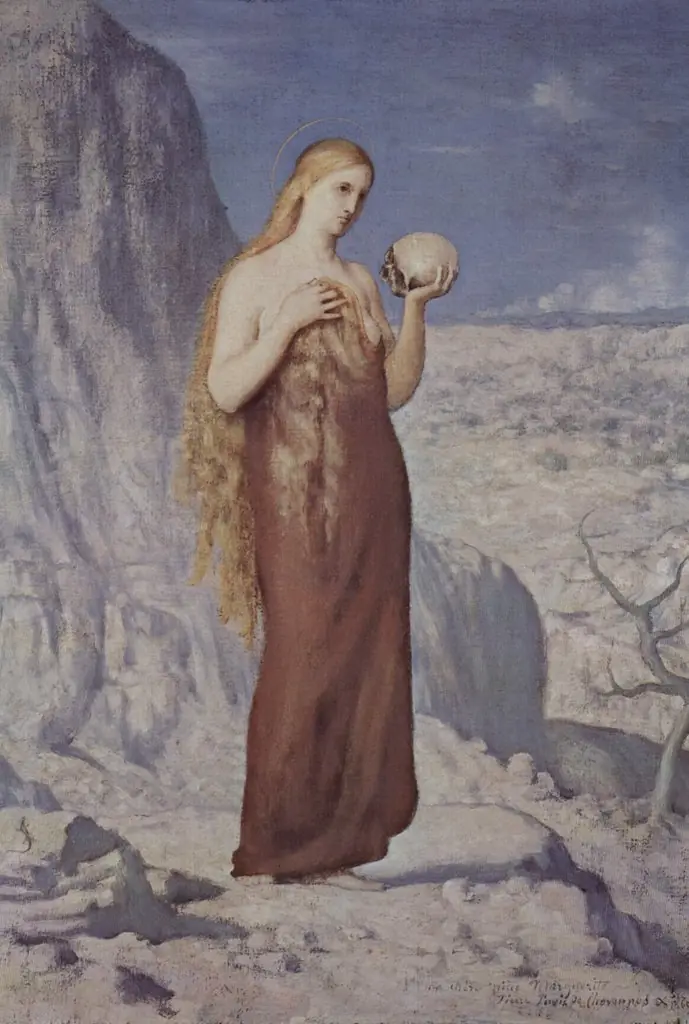 Mary Magdalene in the desert (Meditation)
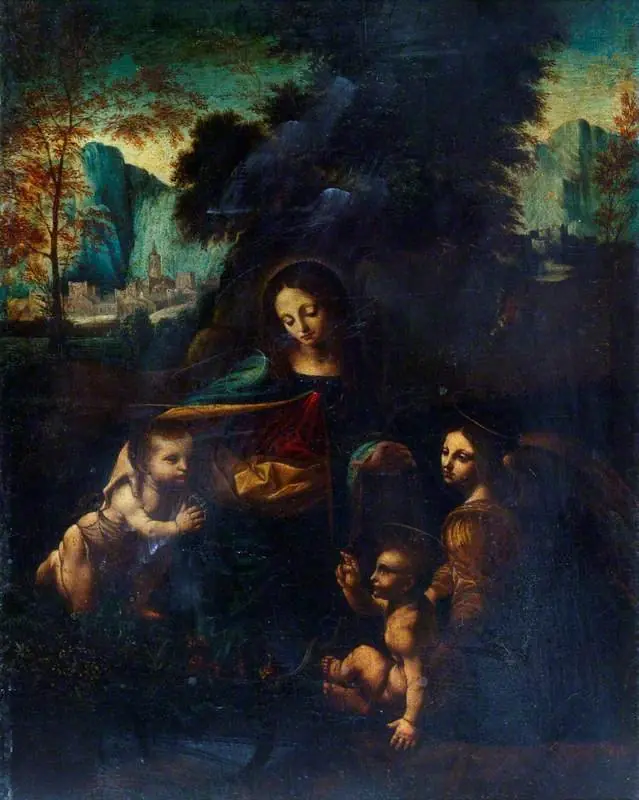 The Virgin of the Rocks
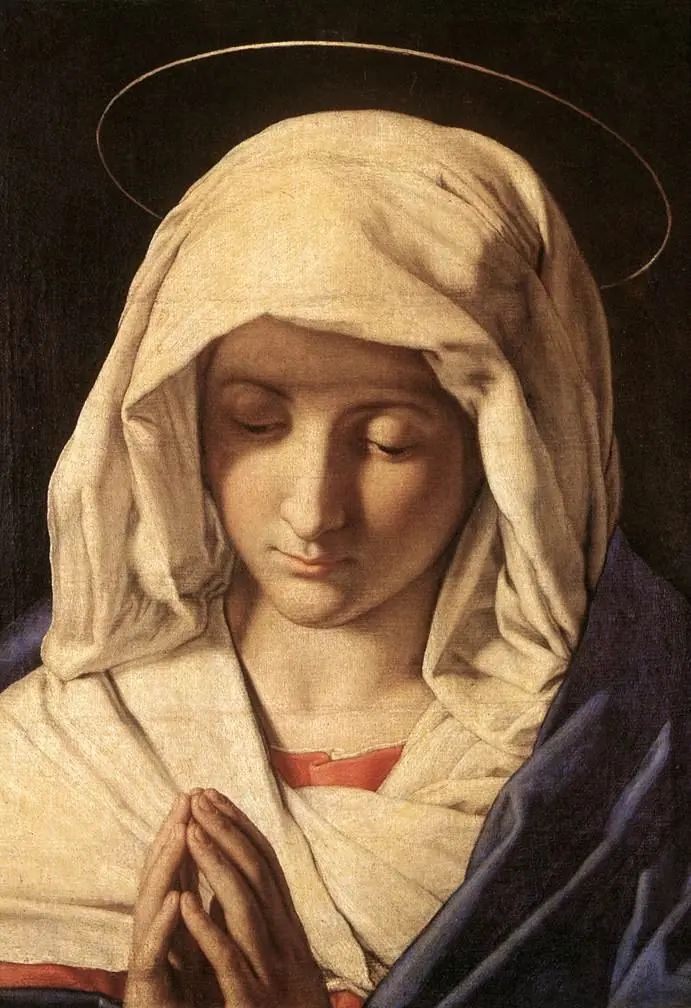 Madonna in Prayer
Frequently asked questions
What is Aureola?
Aureola is a subject in art. An aureola or aureole (diminutive of Latin aurea 'golden') is the radiance of luminous cloud which, in paintings of sacred personages, surrounds the whole figure.
How many Aureola works does Artifact World Gallery have?
Artifact World Gallery holds 24 public-domain Aureola works, all free to view and download.
Who are the key Aureola artists?
Key Aureola artists in the collection include Raphael, Édouard Manet and Fra Bartolomeo.
Where can I see Aureola works?
Aureola works in the collection are held by National Gallery of Art, Rijksmuseum and Metropolitan Museum of Art.